
B
Species Profile

Belgian Laekenois

Canis lupus familiaris

Wiry coat, watchful heart.
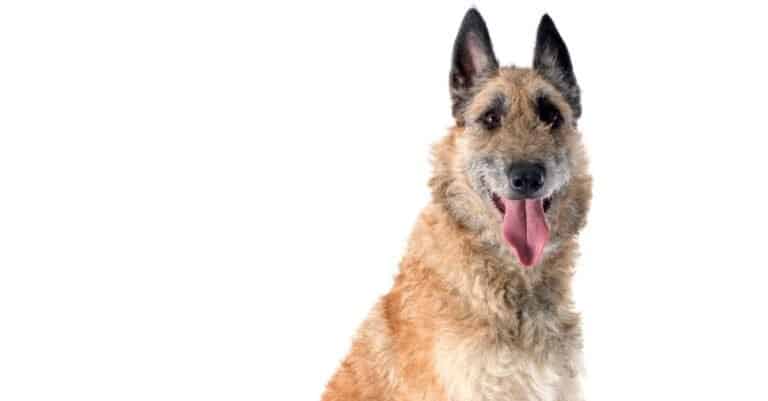
Marry Kolesnik/Shutterstock.com

Belgian Laekenois Distribution

Click a location to explore more animals from that region

Origin Location

This map shows the native origin of the Belgian Laekenois. As a domesticated species, they are now found worldwide.

Loading map...

Found in 1 country

Size Comparison

Human 5'8"
Belgian Laekenois 2 ft

Belgian Laekenois stands at 35% of average human height.

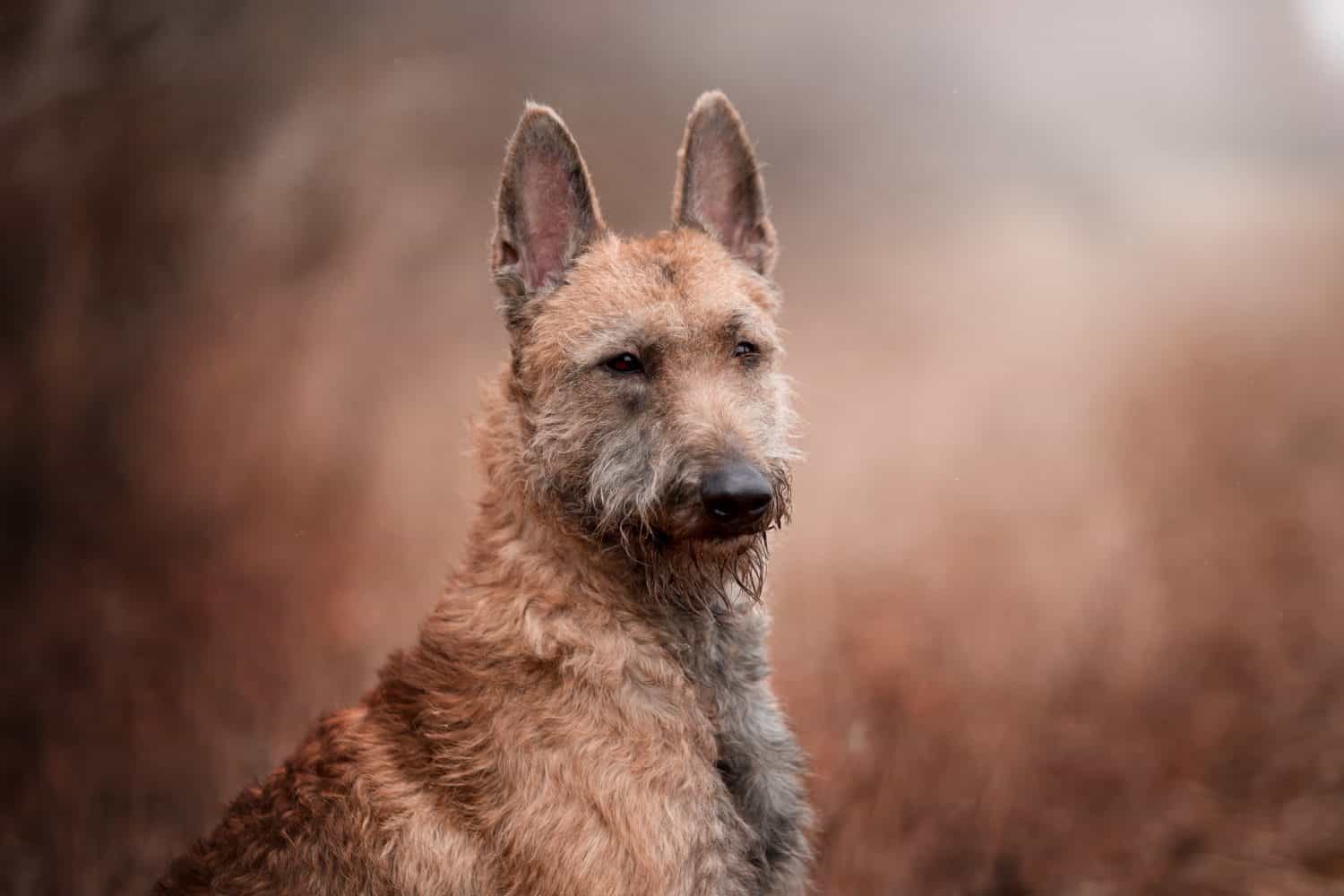
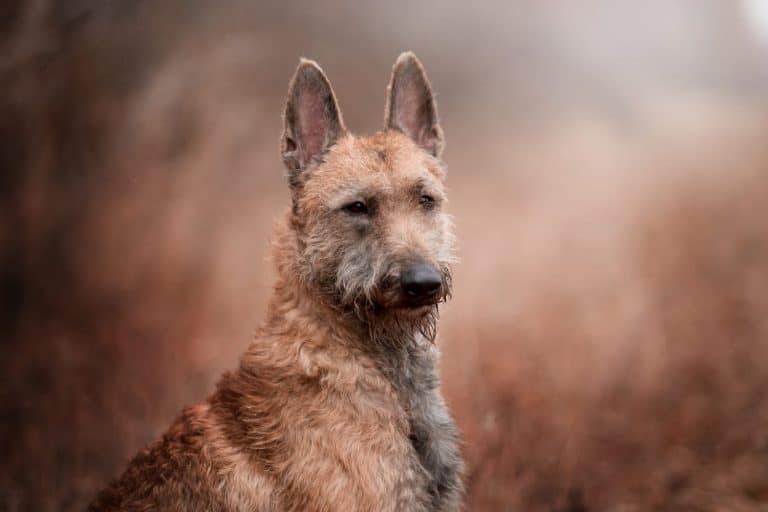
dog breed belgian shepherd lakenua in the autumn forest

At a Glance

Domesticated
Diet Omnivore
Activity Diurnal+
Lifespan 5 years
Weight 30 lbs
Status Not Evaluated
Did You Know?

The Laekenois is the rarest of the four Belgian Shepherd varieties (Malinois, Tervuren, Groenendael, Laekenois).

Scientific Classification

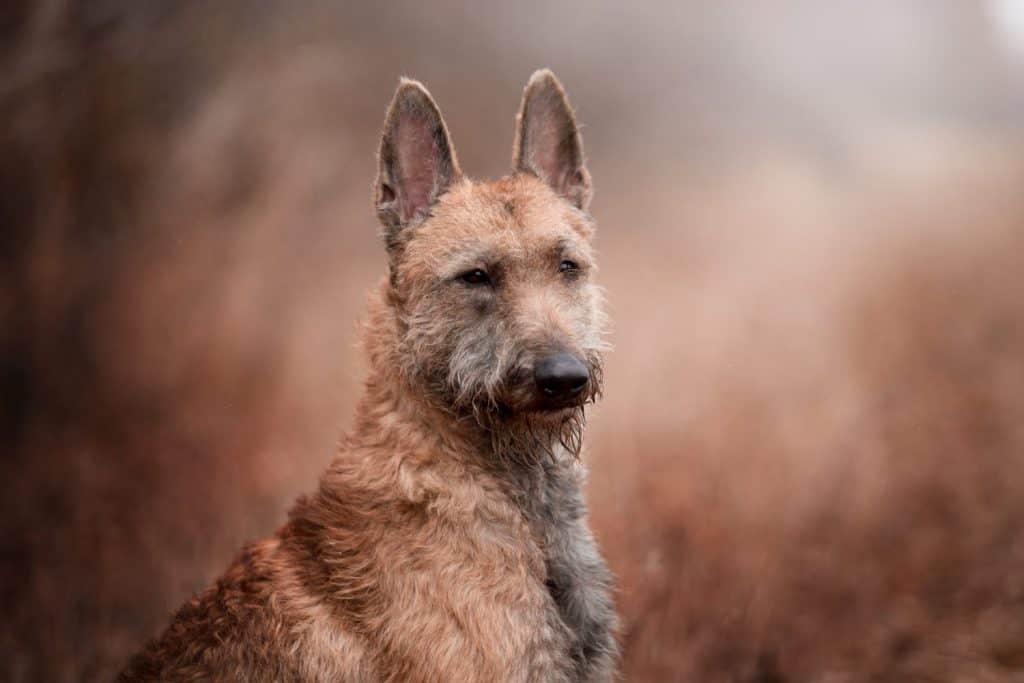
The Belgian Laekenois is a Belgian herding dog breed/variety, historically used for herding and guarding (including property and livestock). It is the rough-coated variety within the Belgian Shepherd group and is typically fawn to reddish with possible black shading.

Kingdom
Animalia
Phylum
Chordata
Class
Mammalia
Order
Carnivora
Family
Canidae
Genus
Canis
Species
Canis lupus

Distinguishing Features

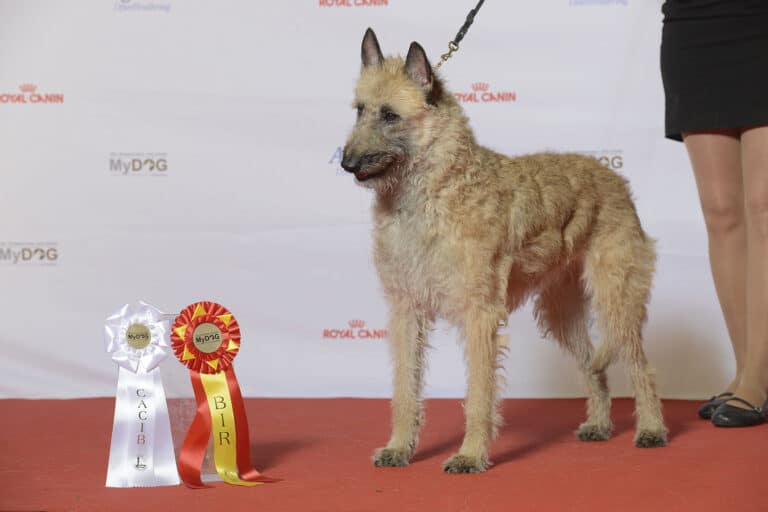
  • Rough, wiry, tousled coat (the defining trait among Belgian Shepherd varieties)
  • Fawn to reddish coat often with black overlay/shading; may show a darker muzzle
  • Athletic, square-proportioned herding-dog build; erect ears and alert expression
  • Working-dog temperament: intelligent, energetic, trainable, protective/guard-inclined

Physical Measurements

Males and females differ in size

Height
♂ 2 ft (1 ft 12 in – 2 ft 2 in)
♀ 1 ft 11 in (1 ft 10 in – 1 ft 12 in)
Length
♂ 3 ft 7 in (3 ft 3 in – 3 ft 11 in)
Weight
♂ 61 lbs (55 lbs – 66 lbs)
♀ 50 lbs (44 lbs – 55 lbs)
Tail Length
♂ 1 ft 4 in (1 ft 2 in – 1 ft 6 in)
Top Speed
31 mph
short sprints about 50 km/h

Appearance

Primary Colors
Secondary Colors
Skin Type Dog skin has a protective double coat: a harsh, wiry outer coat and dense undercoat. Coat resists weather but mats easily. Skin is usually pigmented; check under mats and at collar or armpits.
Distinctive Features
  • Rough/wiry, tousled coat texture (the defining Belgian Shepherd variety trait vs. Malinois short coat, Tervuren long coat, Groenendael long black coat).
  • Often has a "scruffy" outline with facial furnishings (beard/mustache effect) and a slightly unkempt, rustic appearance compared with other Belgian Shepherd varieties.
  • Athletic, square-to-slightly-rectangular herding-dog build: deep chest, strong loin, and efficient, ground-covering gait.
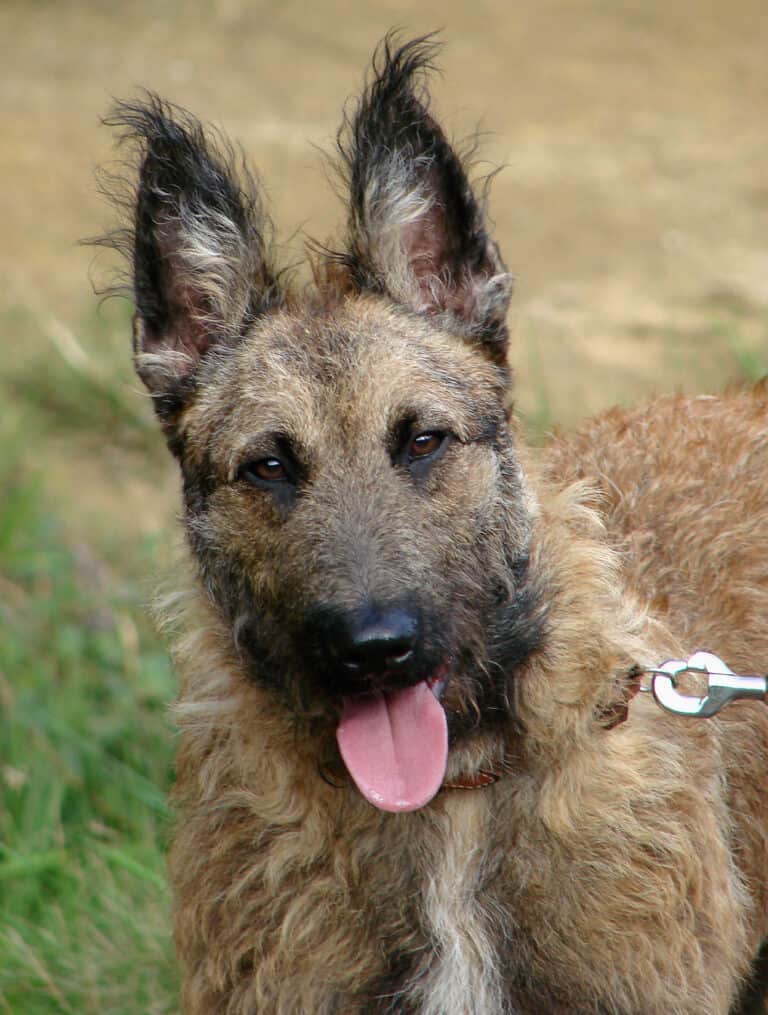
  • Erect, triangular ears and an alert expression; dark eyes; muzzle typically strong and moderately long.
  • Working/guardian heritage: typically intense focus, high trainability, and strong drive-distinguishing it from the base species (gray wolf) by human-directed cooperation, biddability, and selection for herding/guarding tasks rather than wild hunting ecology.
  • High exercise and mental-stimulation needs (structured training, sport work, herding-style activities, scent work); under-stimulation commonly leads to destructiveness, nuisance barking, and anxiety-related behaviors.
  • Coat care requirements: regular brushing/combing to prevent mats; periodic hand-stripping or careful trimming is often used to maintain proper harsh texture; avoid over-softening the coat with frequent bathing/conditioners.
  • Belgian Laekenois: watch for hip and elbow dysplasia, possible eye problems like other Belgian Shepherds, and skin irritation or hot spots from matting. Use preventive care, good weight, and joint-friendly exercise.
  • Behavioral care: early socialization and consistent, reward-based training are important due to protective/guarding tendencies; provide clear outlets for drive and controlled exposure to new people/places.

Sexual Dimorphism

Males are typically larger and more robust; females are generally lighter and more refined. Both sexes retain the same hallmark rough coat and working-dog outline.

♂
  • Noticeably heavier bone and broader head/neck in many lines.
  • Often thicker ruff/coat bulk around neck and shoulders (still rough, not long-flowing).
  • May present more territorial/guarding intensity if under-trained or under-socialized.
♀
  • Slightly smaller frame with a more refined head and narrower chest.
  • Often quicker, lighter-footed movement; may be marginally easier to keep lean/conditioned.
  • Same coat type and color range; furnishings may appear a bit less bulky simply due to size.

Did You Know?

The Laekenois is the rarest of the four Belgian Shepherd varieties (Malinois, Tervuren, Groenendael, Laekenois).

Its hallmark is a rough, wiry, tousled coat-built for outdoor work and harsh weather compared with smoother-coated varieties.

Named for Laeken (a district near Brussels), linked historically to guarding and herding around royal and rural estates.

Historically used to guard linen and laundry laid out to dry in fields-an unusual but documented "property-guard" job.

Typical color is fawn to red with black overlay/shading, often with a darker muzzle.

Like other Belgian Shepherds, it's a highly trainable, people-focused working dog that thrives with a job rather than a sedentary pet lifestyle.

Though a domestic dog (Canis lupus familiaris), it retains classic canid traits: endurance trotting, keen scenting, and strong social bonding.

Unique Adaptations

  • Weather-resistant rough coat: the harsh, wiry texture helps shed water and debris and offers light protection when working outdoors.
  • Athletic, efficient gait: built for sustained trotting and quick bursts-typical of working canids but refined through herding selection.
  • High responsiveness to human cues: selective breeding emphasizes handler sensitivity and rapid learning compared with the baseline domestic dog population.
  • Protective territoriality tuned for managed guarding: tends to patrol and monitor boundaries, a shaped expression of ancestral canid defense behaviors.
  • Focused bite inhibition and controlled drive (when well-trained): suitable for demanding work that requires precision and restraint.

Interesting Behaviors

  • Intense environmental scanning: often "checks the perimeter" and tracks movement, reflecting its guardian heritage.
  • Shadowing and "velcro" tendencies with its handler-common in high-drive herding/guarding canids selected for teamwork.
  • Herding-style motion control: may circle, body-block, or stare to influence other animals (or sometimes children/pets) if under-stimulated.
  • Alert vocalizing: quick to sound an alarm at novel sights/sounds; benefits from trained "quiet" cues.
  • Problem-solving through persistence: will repeat behaviors that worked once (opening gates, finding weak fence points).
  • High play/working arousal: can escalate from play to intense focus fast; structured training helps keep arousal productive.
  • Scent-led investigating and tracking: uses nose and ground-scenting more than many owners expect in a herding-bred dog.

Cultural Significance

The Belgian Laekenois (Canis lupus familiaris) is Belgium's rough-coated shepherd dog. Tied to Laeken near Brussels, it was used for herding and guarding farms. With Malinois, Tervuren, and Groenendael, it shows how one shepherd type became different coat varieties.

Myths & Legends

Name-and-place lore: the variety's identity is traditionally linked to Laeken (near Brussels), with local accounts associating the rough-coated dogs with guarding estates and surrounding farmland.

Laundry-field guardian anecdotes: Belgian rural stories describe rough-coated shepherds stationed to watch over linens spread out to bleach/dry-an origin tale often repeated in breed circles as a uniquely Belgian working assignment.

Breeders tell the "one dog, four coats" story: Belgium's shepherds began as one working type, later split into four types mainly by coat. This tale stays a core part of breed history.

Shepherd's companion tales: regional pastoral anecdotes portray the rough-coated dogs as steadfast night sentries that would patrol hedgerows and barn edges until morning, a recurring theme in countryside storytelling about guardian dogs.

Conservation Status

NE Not Evaluated

Has not yet been evaluated against the criteria.

Population Stable

Life Cycle

Birth 7 pups
Lifespan 5 years

Lifespan

In the Wild
3–8 years
In Captivity
10–14 years

Reproduction

Mating System Polygynandry
Social Structure Managed Domestic
Breeding Pattern Serial
Fertilization Managed Selective
Birth Type Internal_fertilization

Belgian Laekenois (Canis lupus familiaris): breeders arrange short, timed matings. At the population level many males and females mate (polygynandry). Reproduction is like other dogs, with internal fertilization and sometimes artificial insemination. Humans care for pups; gestation ~63 days.

Behavior & Ecology

Social Pack Group: 5
Activity Diurnal, Crepuscular, Cathemeral
Diet Omnivore Meat-forward meals (e.g., beef or chicken-based diets with organ meats as a palatability booster)

Temperament

Breed-specific vs base species context: domesticated and typically more biddable and human-oriented than Canis lupus, with reduced reliance on cooperative hunting behaviors and an increased tendency to bark/alert as a guarding strategy.
Very alert and quick to react to new things. Bonds closely with its handler, watches motion and may chase or herd moving objects. Needs regular, structured work; can be friendly or shy with strangers.
Protective/territorial: predisposed to property and livestock guarding; benefits from clear rules and controlled introductions to prevent over-guarding or suspicion-based reactivity.
High drive and intelligence: learns rapidly, thrives on task-based training (obedience, herding, tracking, protection sports, agility), and can develop nuisance behaviors (barking, pacing, destructiveness) if understimulated.
Temperament style: alert, confident when properly raised, often reserved rather than overtly friendly with unfamiliar people; can be sensitive to harsh handling-best outcomes with consistent, reward-based methods and impulse-control work.
Social behavior with other dogs: commonly neutral-to-selective; same-sex intolerance can occur, especially in intact adults or poorly socialized individuals. Early, positive exposure helps maintain stable multi-dog coexistence.
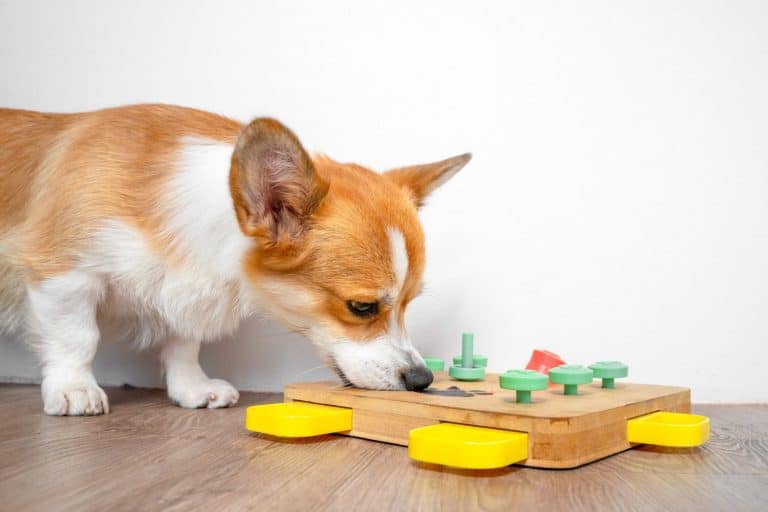
Care requirements (behavior-linked): requires daily vigorous exercise plus mental work (training puzzles, scentwork, structured play). Needs predictable routines and a job to reduce anxiety and reactivity.
Coat/grooming (breed distinction): rough/wiry coat (Laekenois variety) needs regular brushing and periodic hand-stripping or coat maintenance to prevent matting and skin irritation; grooming also supports handling tolerance.
Belgian Laekenois can have hip and elbow dysplasia that make them less likely to want to work, epilepsy (seen in Belgian Shepherds), and eye issues. Get screening and keep them lean with age-appropriate exercise.

Communication

alarm/alert barking Notable in guarding lines; more frequent than in many wild canids in human settings
growls Resource guarding or boundary setting
whines/whimpers Arousal, anticipation, attention-seeking
howls Less common, may occur in response to sirens or social facilitation
play vocalizations Short barks, gruffs
body posture and facial expressions Stiffening, weight shift forward, lip tension-often subtle in vigilant dogs
ear and tail signaling Forward ears and high tail during alert/guard; lowered posture during uncertainty
eye contact/"herding eye" and orienting behaviors Staring, flanking arcs, blocking movement
scent marking (urine marking, ground scratching) to advertise presence/territory
mouth-oriented behaviors Carry/mouthing; may nip/heel as a herding pattern if not redirected
tactile signals (pawing, leaning, nudging) toward familiar people; can be intense with bonded handlers

Habitat

Biomes:
Temperate Forest Temperate Grassland Mediterranean Boreal Forest (Taiga) Tundra Alpine Desert Hot Desert Cold Freshwater Wetland Marine +5
Terrain:
Plains Hilly Coastal Valley Plateau
Elevation: Up to 14763 ft 9 in

Ecological Role

Domesticated working/companion omnivore; human-directed predator-deterrent and livestock management partner rather than an apex predator.

Livestock herding and movement control (reduces stock losses and land-use conflict) Property and flock guarding/deterrence (predator and intruder discouragement) Rodent/pest suppression through presence and occasional opportunistic predation Human social/working support (security, training sports, companionship)

Diet Details

Main Prey:
Small mammals Birds Carrion Fish and other animal protein sources Eggs
Other Foods:
Cooked grains and starches Vegetables Fruits Grasses and herbaceous plants Fermented and processed plant ingredients

Human Interaction

Domestication Status

Domesticated

Canis lupus familiaris was shaped by humans from wolves for tameness, being easy to train, and work. The Belgian Laekenois, one of four Belgian Shepherd coat types, was set as a breed in Belgium late 1800s–early 1900s. Rough-coated, fawn to reddish, bred for herding and guarding, high energy, watchful, athletic, rarer than the Malinois and needs special coat care.

Danger Level

Moderate
  • Bite risk increases with poor socialization, inadequate training, or mishandled guarding/protective instincts
  • May be wary of strangers; can escalate to defensive behavior if threatened or if territory is challenged
  • High prey/chase drive in some lines can lead to nipping/chasing moving people (e.g., children running, cyclists) if not managed
  • Large, athletic dog-risk of accidental injury (knocking down) during play or arousal
  • Behavioral deterioration (reactivity/anxiety) if under-exercised or isolated; this can indirectly increase risk

As a Pet

Suitable as Pet

Legality: The Belgian Laekenois (Canis lupus familiaris) is usually legal as a pet where dogs are allowed, but must follow dog rules (licenses, leashes, shots). There are usually no breed bans, but rules vary by city, landlord, or HOA.

Care Level: Experienced

Purchase Cost: $1,500 - $3,500
Lifetime Cost: $18,000 - $40,000

Economic Value

Uses:
Companion animal (active/experienced households) Working dog (herding, property/livestock guardian, farm utility) Sport/competition (obedience, agility, herding trials, protection sports where legal/ethical) Service roles in limited cases (search work, detection, SAR-more common in related Belgian types) Breeding/show (rare variety; niche market)
Products:
  • Herding and farm-utility services
  • Property/livestock guarding and deterrence (non-lethal security presence)
  • Training services (obedience, working-dog foundations, behavior modification)
  • Competition titles and related revenue (events, clubs, seminars)
  • Breeding-related income (puppy sales, stud services)

Relationships

Quick Take

  • WWII military operations required this breed to perform critical messenger roles across active combat zones.
  • The 60-minute exercise requirement creates a destructive boredom risk for modern urban owners.
  • The breed was originally assumed to be Malinois before being identified as the oldest shepherd variant.
  • Initiating puppy kindergarten by week 12 is mandatory to manage the breed’s instinctual guarding behaviors.

The Belgian Laekenois is an intelligent, hardworking dog. One of four (and perhaps the oldest) variations of the Belgian Shepherd, this energetic dog is distinguished by its rough red coat and is named after the village of Laeken in Belgium.

Originally bred to herd livestock (and protect drying laundry), this member of the herding group is up to almost any task. Its agile mind and sturdy build have suited it for various tasks, including carrying messages for the military and serving as police or narcotics dogs. It has a lot of energy and needs to be worked or exercised intensely.

Notwithstanding its working pedigree, the dog is also capable of loyal and affectionate interactions with its owners. When properly socialized, it can be a solid family dog, though adults should always monitor interactions with small children, as it tends to chase and nip at the heels when not properly trained.

An infographic about the Belgian Laekenois dog breed featuring a tan, wiry-coated shepherd and sections on its WWII history, exercise needs, and health profile.
From dodging bullets in WWII to battling "destructive boredom" at home, discover why the oldest Belgian Shepherd requires a professional-grade owner. © A-Z Animals

3 Pros And Cons Of Owning A Belgian Laekenois

ProsCons
Intelligent
The Laekenois is a quick learner who excels at challenges and is curious, observant, and obedient. They served as military dogs in WWII because of their trainability and adaptability.
High exercise needs
The Belgian Laekenois is a working dog. Its high-energy nature requires more than 60 minutes a day of intense activity. It enjoys time outdoors and benefits from time off-lead in an enclosed space.
Protective
As a herding dog, it is instinctively protective and territorial. A well-trained Laekenois makes a good watchdog due to its strength and size.
Potentially destructive when bored
This dog needs a job to do, or it can become destructive due to its energy and intelligence. Training in obedience or agility can help with that.
Affectionate to owners
It forms strong bonds with one or two members of the family. Its goal is to make its owners happy, and when directed, it will be joyfully obedient.
Reserved with strangers
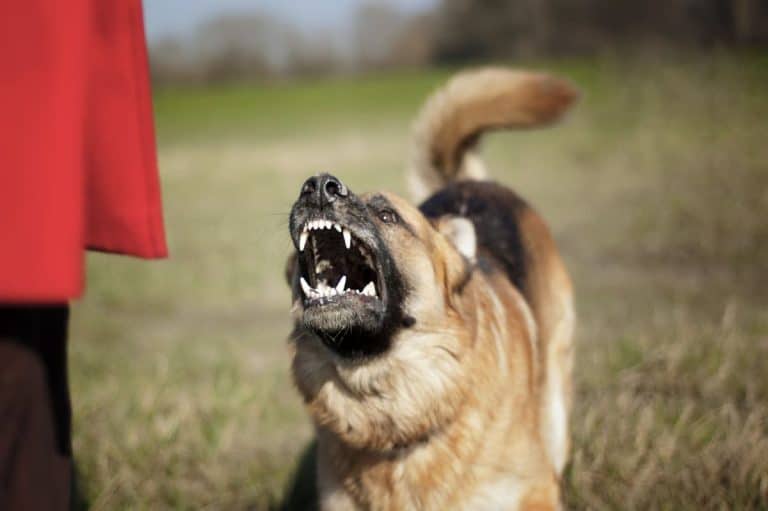
The flip side of its protective and affectionate nature is that it is wary of strangers. It will take note of anyone new in its environment. If not properly engaged and socialized, it may bite.

History Of The Breed

The Belgian Laekenois is named for the municipality of Laeken, in Brussels, where they originated in the 1880s, as a herding dog of the Laeken Castle. They can be traced to the Belgian Royal Family, where they were intended to protect and herd the royal sheep. Originally thought to be the same breed of sheepdog as the Malinois, the Groenendael, and the Tervuren, and merely differentiated by their coat colors and textures, they were all declared separate breeds by the American Kennel Club. The Belgian Laekenois is the oldest and rarest of the Belgian shepherds.

The Best Dog Food For Belgian Laekenois
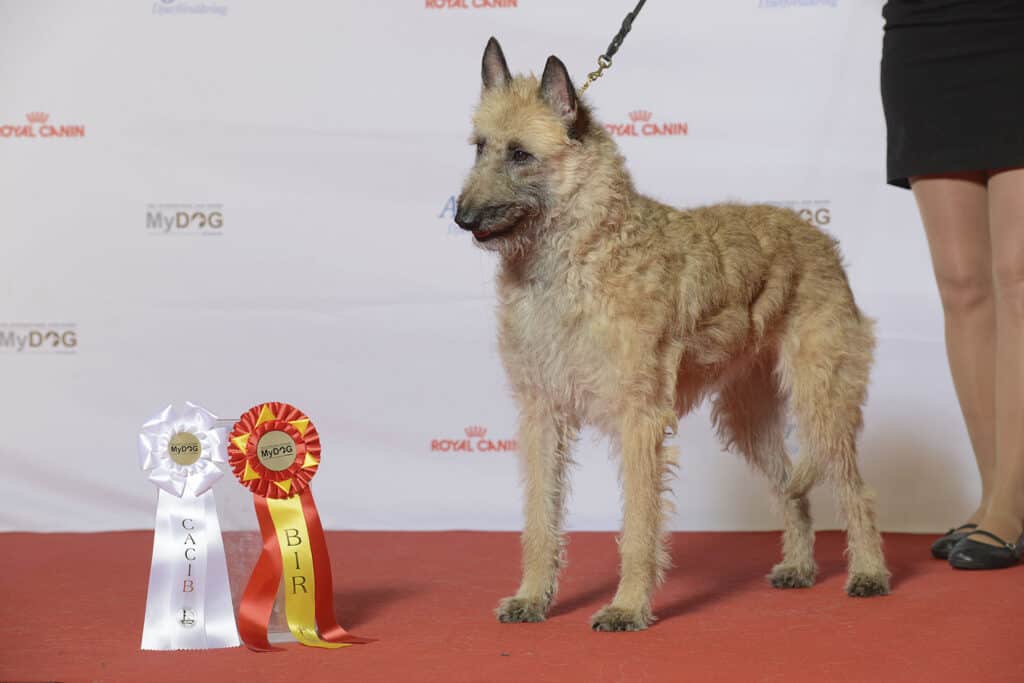
Belgian Laekenois

This breed of dog is high-energy and should be fed an appropriate high-quality food.

The Belgian Laekenois is a larger, high-energy dog that uses a lot of energy. Consult your veterinarian to determine the best diet for your Belgian Laekenois, as some dogs may benefit from a high-protein or raw diet, but grain-free diets are not universally recommended.

Size And Weight

The Belgian Laekenois is a sturdy, medium-to-large-sized dog that maxes out at about 55-65 lbs. The male will grow to approximately 24 to 26 inches, while the female will reach 22 to 24 inches in height.

Common Health Issues
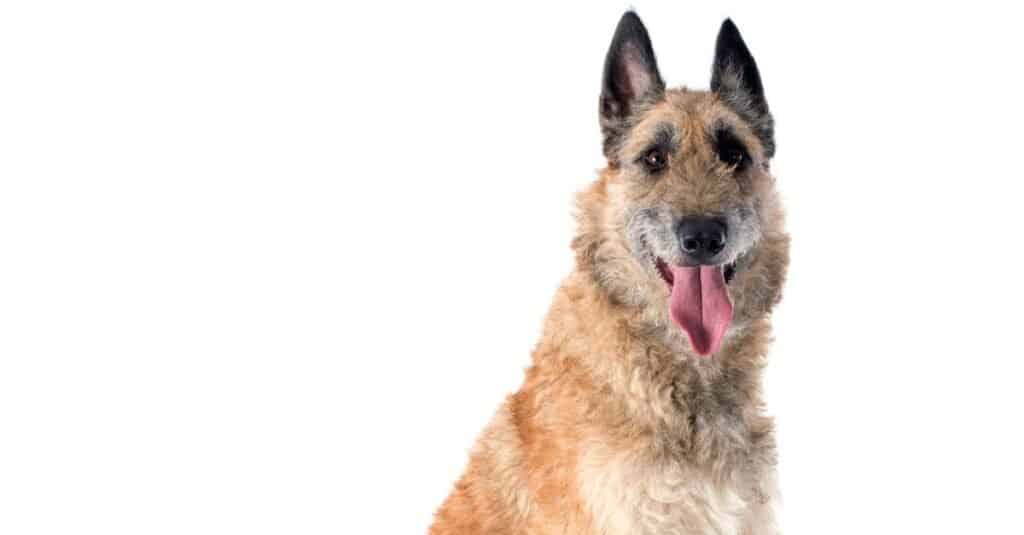
Rarest Dogs: Belgian Laekenois

The Belgian Laekenois, while relatively healthy, may suffer from hip and elbow dysplasia.

While the Laekenois is a sturdy, robust breed with a relatively good health record, there are some issues you should keep an eye out for. Like many larger dogs, it tends to suffer from hip and elbow dysplasia. Proper dental hygiene is a necessity for all dogs. Many of these issues are common to most dogs:

  • Skin allergies
  • Hip and elbow dysplasia
  • Progressive retinal atrophy
  • Hypothyroidism
  • Dental issues

Temperament

Belgian Laekenois are active, intelligent, and hardworking dogs. Their energetic nature and trainability make them good hiking, running, and cycling companions. They tend to bond intensely with one or two family members, and they are good with children if they acclimate to them from an early age. Though they connect well with their owners, they tend to be wary of strangers. In conjunction with their intelligence and obedience, this alert nature makes them good guard dogs.

How to Take Care of Belgian Laekenois
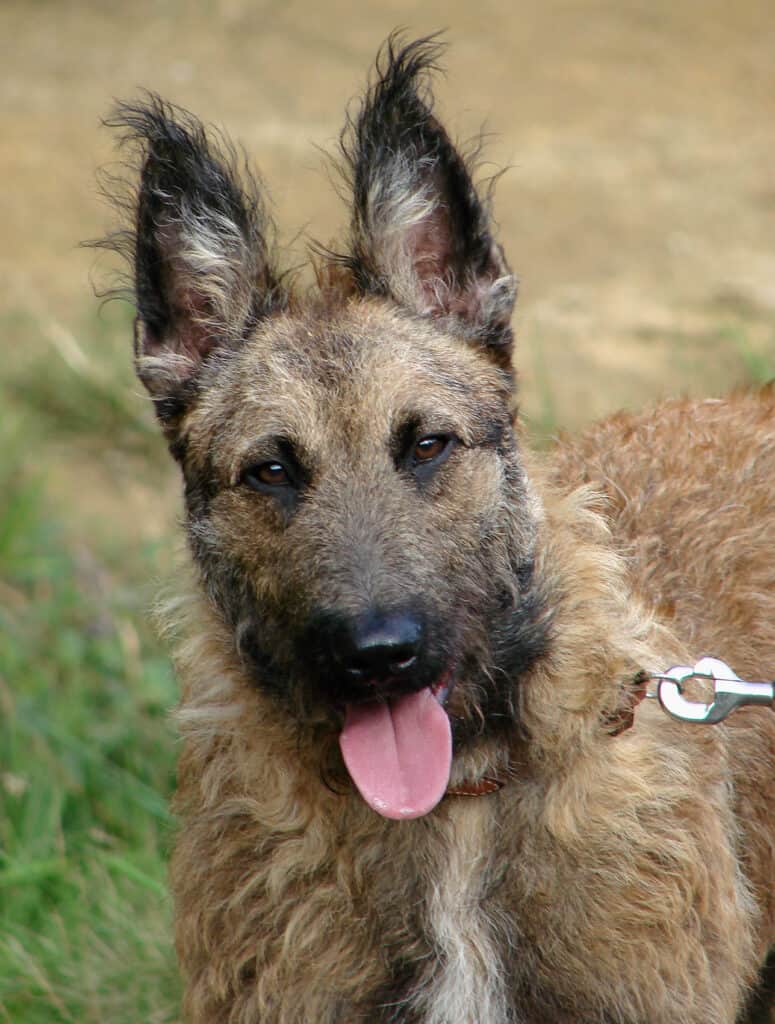
Belgian Laekenois

Belgian Laekenois are energetic dogs, distinguished by their rough red coat, and are named after the village of Laeken in Belgium.

Potential owners of a Belgian Laekenois, especially a puppy, should consider several factors before taking on this challenge. Regular grooming, consistent training, intense exercise, and early socialization are required to care for this dog properly.

Maintenance And Grooming

The unique, wiry coat of the Laekenois requires special care. Trim the fur about twice a year to remove dead and stray hairs. Don’t shave it short, as this mars its appearance and will take years to grow back. A light shave every once in a while will be fine.

Laekenois don’t shed excessively, but they do shed the entire year. Regular combing with a coarse comb can prevent an excess of hair during any heavy shedding season. The hair should be rough and slightly tangled without curling. Try only to wash the coat when necessary because excessive washing can damage its waterproof nature.

The nails grow fast, so they should be trimmed regularly with a nail grinder to keep them from splitting and cracking. Make sure to brush the dog’s teeth regularly to avoid potential dental issues. Also, check the ears regularly for wax buildup and debris.

Training

The Belgian Laekenois is an intelligent, active, and protective dog, and it’s easily bored. Consequently, it is vitally important that it be trained and socialized. Its herding instincts lead it to chase and nip, which should be actively discouraged. If a Laekenois has nothing to do, it will find something to do. It can be destructive when bored.

Its energy and intelligence make it good at dog sports, like agility training. It also excels at obedience training. Laekenois are very trainable and, in addition to serving as WWII messenger dogs, they excel in herding and dog sports, but are rarely used in modern law enforcement, where the Belgian Malinois is preferred.

Exercise
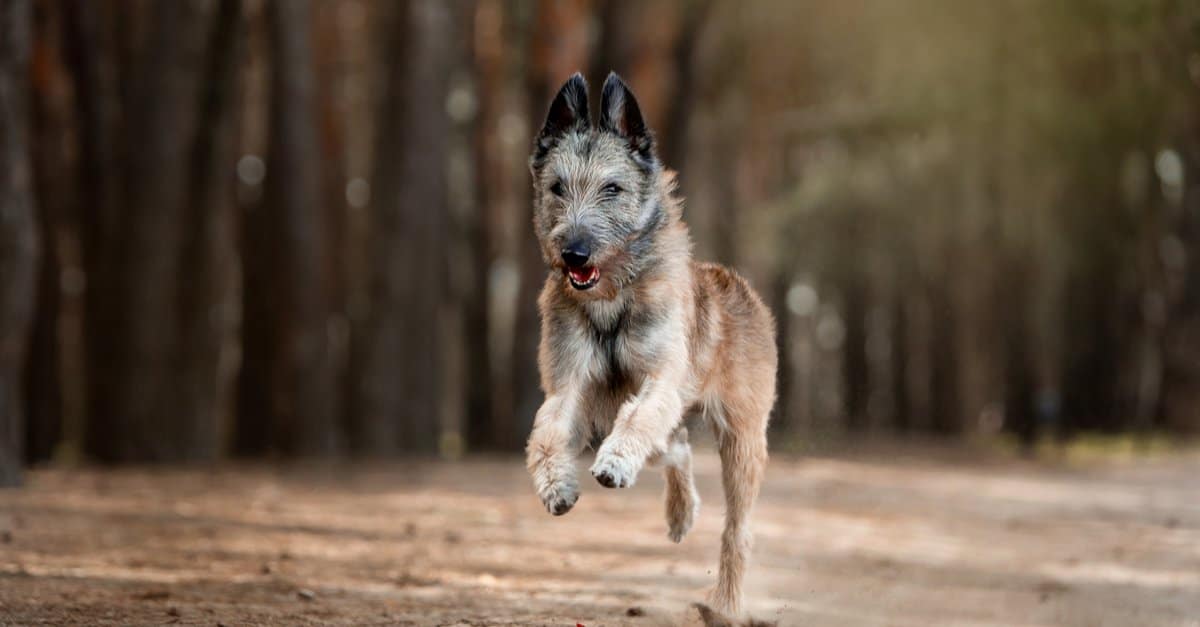
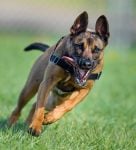
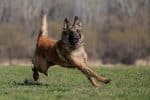
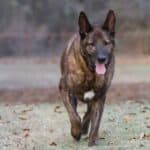
Laekenois running down a path with tongue out

Laekenois is running down a path with its tongue out.

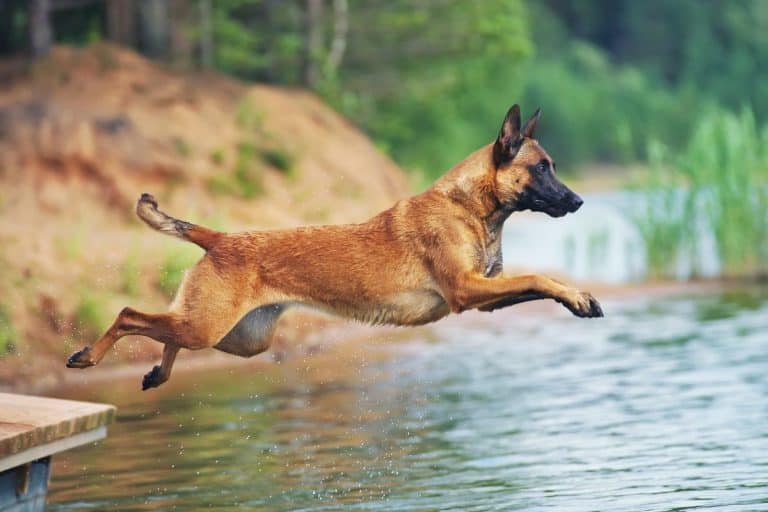
This dog has nearly boundless energy and requires more exercise than the typical dog. A short walk around the block won’t cut it. Sixty minutes a day, including a vigorous walk, is the bare minimum required for the Laekenois. Some play time off-lead in a safe, enclosed space is also recommended. Obedience and agility work are also good ways to tap this dog’s energy reserves. This dog wants to move!

Puppies

Because of its protective and herding tendencies, Belgian Laekenois puppies must begin socialization as soon as possible. Due to their intelligence, they can start learning as early as eight weeks. It is recommended that they begin puppy kindergarten between 10 and 12 weeks and begin heavy socialization rounds. Also, if they are to be around cats, it is recommended that they be introduced to them when they are puppies.

Belgian Laekenois And Children

Laekenois can be good with children, but the dogs must be socialized at the puppy stage with them. Effective, consistent training is also necessary to curtail the dog’s nipping and chasing tendencies. Ideally, the children would be older so that they can handle the dog responsibly. Small children should only play with the dogs under adult supervision.

Dogs Similar To Belgian Laekenois

If you like dogs from the herding group, you may also like these:

  • Great Pyrenees: Like the Laekenois, the Great Pyrenees is affectionate with its owners and wary of strangers. These dogs have been around for thousands of years.
  • Border Collie: The Border Collie shares the intelligence and high energy of the Belgian Laekenois. Like the Laekenois, the Border Collie requires activity and direction.
  • Bernese Mountain Dog: Another hardworking herding dog, the Bernese Mountain Dog, shares the Laekenois’s affection for cooler temperatures. They are also known to become attached to just one or two people.
View all 453 animals that start with B

Sources

  1. Pet ID Register / Accessed October 18, 2022
  2. American Kennel Club / Accessed October 18, 2022
  3. Vet Street / Accessed October 18, 2022
  4. Wag! / Accessed October 18, 2022
  5. The Spruce Pets / ERICA PUISIS / Accessed October 18, 2022
  6. Dog Breed Info / Accessed October 18, 2022
  7. Wikipedia / Accessed October 18, 2022
  8. Smart Pet Decisions / Charles Fawole / Accessed October 18, 2022
Melissa Bauernfeind

About the Author

Melissa Bauernfeind

Melissa Bauernfeind was born in NYC and got her degree in Journalism from Boston University. She lived in San Diego for 10 years and is now back in NYC. She loves adventure and traveling the world with her husband but always misses her favorite little man, "P", half Chihuahua/half Jack Russell, all trouble. She got dive-certified so she could dive with the Great White Sharks someday and is hoping to swim with the Orcas as well.
Connect:

Thank you for reading! Have some feedback for us?


Belgian Laekenois FAQs (Frequently Asked Questions)

While shedding throughout the year, the Laekenois sheds very little. When it comes to heavier shedding season, brushing will help reduce the amount of fur found throughout your house.