
B
Species Profile

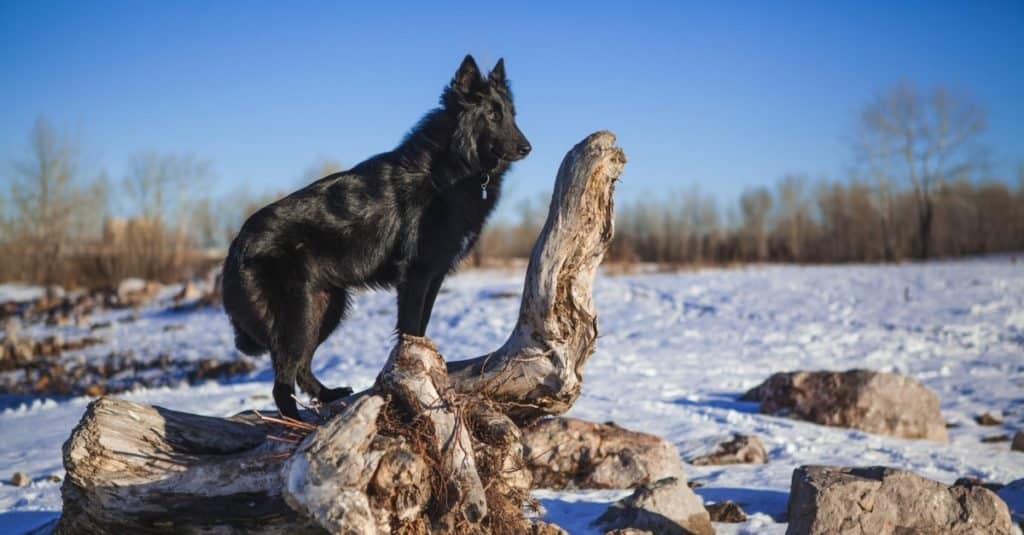
Belgian Shepherd

Canis lupus familiaris

Four coats. One unstoppable worker.
Lisjatina/Shutterstock.com

Belgian Shepherd Distribution

Click a location to explore more animals from that region

Origin Location

This map shows the native origin of the Belgian Shepherd. As a domesticated species, they are now found worldwide.

Loading map...

Found in 1 country

Size Comparison

Human 5'8"
Belgian Shepherd 1 ft 12 in

Belgian Shepherd stands at 35% of average human height.

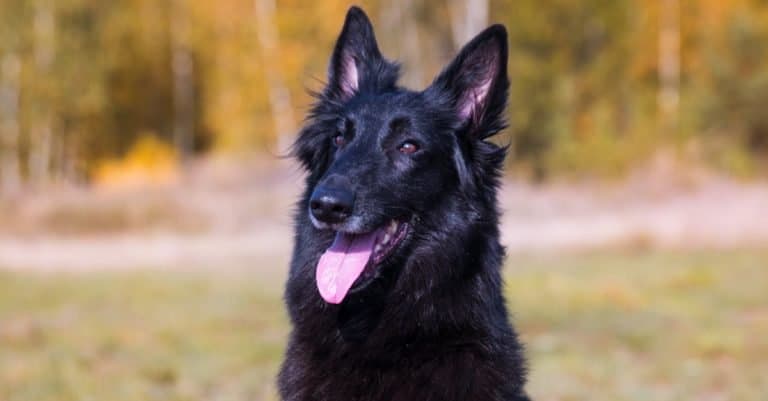
Belgian Shepherd close-up

At a Glance

Domesticated
Also Known As Chien de Berger Belge, Belgische Herdershond, Belgischer Schäferhund, Perro Pastor Belga, Cane da Pastore Belga, Belgian herding dog
Diet Omnivore
Activity Diurnal+
Lifespan 13 years
Weight 35 lbs
Status Not Evaluated
Did You Know?

One breed-group, four varieties: Malinois (short), Tervuren (long fawn/mahogany), Groenendael/Belgian Sheepdog (long black), Laekenois (rough/wiry).

Scientific Classification

The Belgian Shepherd Dog is a herding-derived domestic dog breed-group originating in Belgium, typically recognized as four coat-type/color varieties (Malinois, Tervuren, Groenendael/Belgian Sheepdog, Laekenois). They are athletic, intelligent, and commonly used for herding, protection, and working roles such as police, military, search-and-rescue, and sport (IPO/IGP, agility).

Kingdom
Animalia
Phylum
Chordata
Class
Mammalia
Order
Carnivora
Family
Canidae
Genus
Canis
Species
Canis lupus

Distinguishing Features

  • Medium-sized, square/athletic build; highly agile and endurance-oriented
  • Erect ears, wedge-shaped head; alert expression
  • Double coat with variety-specific length/texture (short, long, or rough) and characteristic color patterns
  • Strong herding/working drive, high trainability, and high energy needs

Physical Measurements

Males and females differ in size

Height
2 ft 1 in (1 ft 12 in – 2 ft 2 in)
1 ft 11 in (1 ft 10 in – 2 ft)
Length
3 ft 5 in (3 ft 1 in – 3 ft 9 in)
Weight
66 lbs (55 lbs – 75 lbs)
51 lbs (40 lbs – 60 lbs)
Tail Length
1 ft 4 in (1 ft 2 in – 1 ft 6 in)
Top Speed
34 mph
Short burst top speed

Appearance

Primary Colors
Secondary Colors
Skin Type Belgian Shepherd Dog skin is somewhat thick and elastic, usually dark on nose, eye rims, and lips. Coat has two layers for weather; undercoat amount changes with season and variety.
Distinctive Features
  • Canis lupus familiaris (domestic dog): a domesticated gray wolf subspecies. Belgian Shepherds (Malinois, Tervuren, Laekenois, Sheepdog) are bred as herding and guardian working dogs with high drive, easy to train, and strong endurance.
  • Breed-group structure: commonly recognized as four coat varieties of the Belgian Shepherd Dog-short-coated variety, long-coated fawn-to-reddish variety with black overlay, long-coated solid-black variety (often called Belgian Sheepdog), and rough-coated variety usually fawn/cream with darker overlay.
  • Overall silhouette: medium-to-large, squarely built, lean and highly athletic with a deep chest, long neck, and balanced angulation designed for sustained trotting and quick acceleration/turning.
  • Head/face: refined wedge-shaped head with erect triangular ears; alert expression; a black mask is typical in the fawn/cream varieties and is a hallmark of the group (except the solid-black long-coated variety).
  • Coat differences: short-coated dogs have a close, harsh short coat; long-coated types have a long, straight outer coat with feathering; rough-coated types have a harsh, wiry, messy coat with scruffy face hair.
  • Temperament/behavior: very intelligent, handler-focused, environmentally aware, and high-drive; strong work ethic with herding/guarding instincts, often excelling in IGP/IPO, agility, SAR, detection, and protection sports. Needs structured training and daily mental work to prevent nuisance behaviors.
  • Care requirements: high exercise needs (endurance + sprint work) and significant mental enrichment (obedience, scentwork, problem-solving). Not ideal for sedentary homes; benefits from consistent boundaries and early socialization to manage reactivity/over-guarding tendencies.
  • All Belgian Shepherd varieties with a double coat shed heavily in seasons. Short-coated dogs are easier to brush but shed. Long coats need more brushing to stop mats behind ears; rough coats need occasional hand-stripping.
  • Breed-group health problems include hip and elbow dysplasia, progressive retinal atrophy and other inherited eye disorders, epilepsy in some lines, hypothyroidism, and sensitivity to some anesthetics/sedatives—screening and vet awareness advised.
  • Working-line considerations: strong bite/guard drive and high arousal can lead to frustration, vocalization, or destructive behavior without outlet; careful selection of lines and experienced handling is important, especially for protection-oriented pedigrees.
  • Distinguishing from German Shepherd Dog (comparison context): typically lighter, more squarely built and agile with less rear-angulation emphasis; four distinct coat varieties under the Belgian Shepherd umbrella rather than a single standardized coat type.

Sexual Dimorphism

Males are typically larger, heavier-boned, and show a more pronounced neck/ruff (especially in long-coated varieties). Females are usually finer-boned and slightly longer-bodied in appearance, while maintaining the same athletic outline and ear set.

  • Slightly taller and more muscular; broader skull and chest.
  • More visible neck crest/ruff in the long-coated varieties due to coat length.
  • Often heavier head and thicker neck skin/fur (appearance, not loose skin).
  • Slightly smaller, more refined head and lighter bone.
  • Sleeker overall outline while remaining athletic and square.
  • Long-coated females may show less dramatic ruff/feathering than males depending on line and season.

Did You Know?

One breed-group, four varieties: Malinois (short), Tervuren (long fawn/mahogany), Groenendael/Belgian Sheepdog (long black), Laekenois (rough/wiry).

The Belgian Shepherd standard was organized in Belgium in the 1890s, often credited to Professor Adolphe Reul's early classification work.

Malinois are among the most common working dogs in modern police/military roles due to their high drive, agility, and heat tolerance from a short coat.

Groenendael (Belgian Sheepdog) takes its name from the Chateau Groenendael kennel, influential in developing the black, long-coated variety.

Laekenois is associated with the Laeken area near the Belgian royal residence; the rough coat was valued for outdoor work in harsh weather.

Across all varieties, the "herding eye" is usually less intense than Border Collies; they tend to work with forward motion, presence, and responsiveness to handler cues.

Unique Adaptations

  • Selective breeding amplified trainability and persistence ("drive") beyond the baseline domestic dog, making sustained complex work (tracking, obedience, protection) a hallmark.
  • Coat-type specialization within one breed-group: short coat (Malinois) sheds heat and dries fast; long coats (Tervuren/Groenendael) insulate; rough coat (Laekenois) offers weather and abrasion protection.
  • Athletic build optimized for endurance trotting and rapid acceleration-traits that originated from daily herding and farm-guardian duties.
  • Strong startle-recovery in well-bred, well-socialized lines: quick return to task after sudden noise/movement is prized in working roles.
  • Highly developed scenting and problem-solving abilities leveraged for search-and-rescue and detection work, reflecting the domestic dog's olfactory strengths refined by selective breeding.

Interesting Behaviors

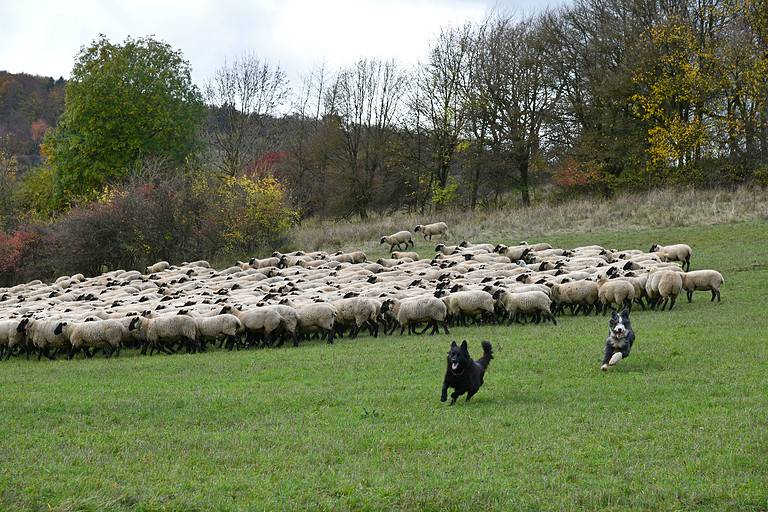
  • Natural "gather and control" herding style: circling, blocking, and using body position to move stock-often paired with alert barking.
  • Environmental scanning: many Belgians constantly monitor sounds and motion, a trait that supports guarding, sport, and detection work.
  • Mouth-oriented play: they frequently grab, tug, and carry objects; without training outlets this can become nipping or sleeve-fixation.
  • Shadowing their person: strong handler focus can look like "velcro dog" behavior, especially in working lines.
  • Fast pattern learning: they quickly chain behaviors (good for sport), but also quickly learn unwanted routines if rewarded accidentally.
  • High toy/food motivation: commonly used in modern training for precision obedience, agility, and bite sports.
  • Motion sensitivity: bikes, running children, or livestock can trigger chasing/controlling impulses unless managed and redirected.

Cultural Significance

Belgian Shepherds began as farm and herding dogs, used for herding, guarding, and as messenger/ambulance/service dogs in early 1900s wars. Today Malinois work in police, military, and search-and-rescue; Tervuren, Groenendael, and Laekenois work in sport, help, and as pets. All four share an alert, focused, hardworking nature.

Myths & Legends

Laekenois lore ties the rough-coated shepherds to the Laeken region: stories describe them guarding linens laid out to bleach in open fields near estates, valued for vigilance and weather-hardiness.

The Groenendael name comes from the Chateau Groenendael kennel. Breed stories say a few fans and their famous black dogs helped create the graceful, long-coated all-black look that spread beyond Belgium.

In Belgian farm stories, people sometimes said dark-coated Belgian shepherds were the farm's night watch—an old belief that a black shepherd guarded best after dusk because it could work unseen.

Early Belgian Shepherd accounts describe them as "all-purpose" farm dogs-herder, guardian, and cart-puller-feeding a long-standing anecdotal reputation that a good Belgian could replace several working animals on a small holding.

In modern handler culture (police/military and sport), stories circulate of Malinois as near-mythic partners who can scale walls and persist through extreme tasks-part of the breed's contemporary legend built from widely publicized working-dog feats.

Conservation Status

NE Not Evaluated

Has not yet been evaluated against the criteria.

Population Stable

Life Cycle

Birth 6 pups
Lifespan 13 years

Lifespan

In the Wild
10–16 years
In Captivity
10–16 years

Reproduction

Mating System Polygynandry
Social Structure Managed Domestic
Breeding Pattern Not Applicable
Fertilization Managed Selective
Birth Type Internal_fertilization

Belgian Shepherds (Groenendael, Malinois, Tervuren, Laekenois) breed under human control. Breeders plan many-to-many matings (polygynandry), pick mates for health, behavior, and work. There are no lasting pair bonds; pups are raised by the mother and people.

Behavior & Ecology

Social Pack Group: 4
Activity Diurnal, Crepuscular, Cathemeral
Diet Omnivore Meat-forward, high-protein foods (especially beef or poultry-based meals) with moderate fat to support high activity.

Temperament

High-drive working temperament: energetic, intense, quick to engage; distinguishes Belgian Shepherd varieties from the base domestic dog average by stronger persistence, faster learning, and higher daily work/exercise needs.
Highly trainable and handler-oriented; excels with structured tasks (obedience/IGP, agility, herding, detection, SAR). Best outcomes with consistent reinforcement-based training, clear criteria, and early impulse-control work.
Protective/alert and environmentally sensitive; can be reserved with strangers. Early socialization and controlled exposure reduce inappropriate guarding or fear-based reactivity.
Strong prey/chase and herding-derived motor patterns (stalking, circling, heel-nipping/mouthing). Management needed around children, running people, and small animals; provide appropriate outlets (tug, fetch with rules, scent work).
All Belgian Shepherd varieties share an alert, intelligent, loyal, protective herding-dog temperament. Malinois are very high-energy and intense; Tervuren driven and sensitive; Groenendael more reserved with strangers; Laekenois confident, protective, varies by line.
Health concerns influencing behavior/care: risk of hip/elbow dysplasia (pain can reduce sociability), epilepsy (seen in the breed-group), degenerative myelopathy, hypothyroidism, and eye diseases such as PRA/cataracts; responsible screening and prompt pain/neurology evaluation support stable temperament.
Care requirements: substantial daily physical exercise plus mental work (training sessions, problem-solving, scent games). Without outlets, boredom-related behaviors (hypervigilance, destructiveness, excessive barking/spinning) are more likely.
Coat/care (variety-specific): Malinois short coat-low grooming; Groenendael/Tervuren long coat-regular brushing to prevent mats; Laekenois rough coat-periodic stripping/trim. All benefit from environmental enrichment and predictable routines.

Communication

Alert barking Often sharp/rapid; used for territorial and novel-stimulus signaling
Demand barking and excitement yips during play/work anticipation
Whining/whimpering for proximity-seeking or frustration
Growling Warning/possession/defensive communication; important to respect and address underlying stress
Howling Less common; may occur with separation or social facilitation
Highly expressive ear and tail carriage changes Forward alert vs tucked stress
Direct stare/"herding eye" and intense orientation used to control movement of stock/objects/people
Body blocking, circling, and cutting-off movements Herding/protection patterns
Mouthing/controlled bite behaviors in working lines; communication and task engagement that require clear rules and bite inhibition
Scent marking and investigative sniffing; strong utility in detection work
Pawing, nudging, and bringing objects to solicit interaction or tasks
Panting, pacing, displacement behaviors (lip-licking, yawning) signaling stress/arousal-useful for handlers to modulate intensity and provide breaks

Habitat

Biomes:
Temperate Forest Temperate Grassland Mediterranean Boreal Forest (Taiga) Tundra Alpine Savanna Desert Hot Desert Cold Tropical Dry Forest Tropical Rainforest Freshwater Wetland Marine +8
Terrain:
Plains Hilly Valley Coastal Mountainous
Elevation: -1969 in – 14763 ft 9 in

Ecological Role

Domesticated omnivorous canid functioning primarily as a human-associated working/companion animal; secondarily an opportunistic mesopredator/scavenger when free-ranging.

herding and livestock management (reduces predation risk and improves pasture control) security/protection roles that deter wildlife and human intruders around farms and facilities police/military detection and apprehension support (tracking, bite work, explosives/narcotics detection) search-and-rescue and disaster response (human survival outcomes) rodent/pest deterrence in human-dominated landscapes when allowed to patrol limited scavenging/carcass cleanup in free-roaming contexts (can also pose ecological risks if unmanaged)

Diet Details

Main Prey:
Small mammals Birds and eggs Larger mammals Carrion and offal
Other Foods:
Wild berries and fallen fruit Grasses and plant matter Roots and shoots Human-provided plant foods

Human Interaction

Domestication Status

Domesticated

Belgian Shepherd Dog (Canis lupus familiaris) is a domestic dog bred from the gray wolf to live and work with people. From Belgium, four coat varieties—Malinois (short), Tervuren (long fawn), Groenendael/Belgian Sheepdog (long black), and Laekenois (rough)—were bred to be easy to train, focus on handlers, athletic, have stamina, and work in herding, protection, and service roles.

Danger Level

Moderate
  • Bite/injury risk increases with under-socialization, fear, or poor impulse control; the group's speed and intensity can make mistakes more consequential than with many pet breeds.
  • High prey/possession drive can lead to nipping, herding/chasing, or redirected biting during arousal (common management issue in young Malinois and other working lines).
  • Protective/territorial responses may escalate without skilled handling, structured training, and appropriate exposure to people/novel environments.
  • Working roles (police/military/security) intentionally cultivate controlled bite work; mishandling, inadequate containment, or irresponsible ownership can raise public-safety risk.
  • Health/comfort issues (pain from orthopedic disease, thyroid issues) can reduce tolerance and increase reactivity if not addressed.

As a Pet

Suitable as Pet

Legality: Belgian Shepherds (Malinois, Tervuren, Sheepdog, Laekenois) are usually legal as pets, but breed laws, rental or HOA and insurance rules, and breeder or club export or import rules can apply, so check local laws and policies.

Care Level: Expert Only

Purchase Cost: $800 - $3,500
Lifetime Cost: $20,000 - $50,000

Economic Value

Uses:
Companion animal (experienced owners) Working dog (police/military/security) Detection (narcotics/explosives/bed bugs/wildlife conservation detection) Search-and-rescue and disaster response Service/assistance roles (case-by-case; more common for task-focused work than low-arousal public-access roles) Sport and competition (IGP/IPO, ringsport, agility, obedience, herding trials) Breeding, training, and canine education industry
Products:
  • law-enforcement and military working-dog procurement and training programs
  • private security and personal protection dog services
  • scent detection services and contracted searches
  • search-and-rescue deployment capability (often volunteer/NGO-supported but economically relevant through training ecosystems)
  • sport titles that increase breeding/training value (IGP/ringsport/agility/obedience credentials)
  • professional training, boarding, and behavior consultation demand due to high-drive management needs

Relationships

Ecological Equivalents 5

Animals that fill a similar ecological role in their ecosystem

The Belgian Shepherd comes from Belgium, where it worked as a herding animal for centuries. Some Europeans classify the breed into four types: the Groenendael, Laekenois, Malinois, and Tervuren. However, the American Kennel Club recognizes the four types as four breeds. Here, we will use the name in general.

This dog is an extremely intelligent animal suitable for a variety of jobs, tasks, and sports. Referred to as a sheepdog, the Belgian Shepherd is a devoted, protective, and alert companion. These canines are famous for their affection and sensitivity. Only the Groenendael variety has a long black coat, while the other types have different coat colors and lengths.

Due to its physical and mental acumen, taking care of this breed means giving it plenty of mental stimulation and physical activity. Like most dogs, the Belgian Shepherd can be destructive if bored or restless.

As herders, he’s famous for chasing things, whether a squirrel or a passing biker. It’s important to keep him leashed and fenced securely.

The Belgian Shepherd is best owned by an active family that can manage his energy. Although the dog will keep you busy, everyone can look forward to growing with a loyal, loving, and bright family member.

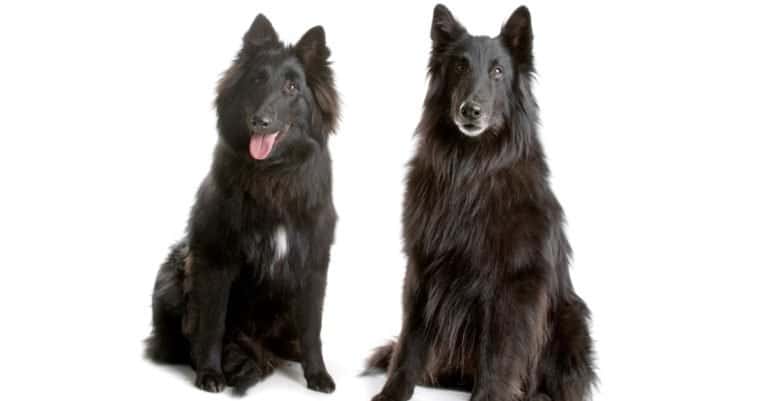
Belgian Shepherd isolated on white background.

The Belgian Shepherd is one of a number of dog breeds that have shepherding backgrounds.

3 Pros and Cons of Ownership

ProsCons
Versatile and smart
The shepherd is intelligent and flexible. It wants to please you and likes seeing you happy.
Needs exercise and mental stimulation.
The Belgian Shepherd requires consistent opportunities to expend energy and engage in games that challenge its intellect. This dog is hardwired to run, play, chase, poke, etc.
Playful and frisky
This is a fun dog, highly dependable and capable. If the puppy is exposed to different sights, people, sounds, and experiences, you’ll have a well-rounded dog that will always keep you smiling.
Potentially aggressive.
Natural leaders, Belgian Shepherds can be aggressive or dominant with other dogs, especially if they are of the same sex. Strong instincts drive the dog to chase, especially small or fleeing creatures.
Protective as it gets
The standard for the Belgian Sheepdog is to protect. Bred to safeguard crops and flocks, the canine has a natural desire to watch over property, other pets, and people, but it’s best if it is trained to distinguish between friends and foes.
Extreme Shedding
You’re likely going to find hair all over the house. The breed will have at least one heavy shedding a year. It also easily mats, which means it’ll need a lot of brushing and combing.
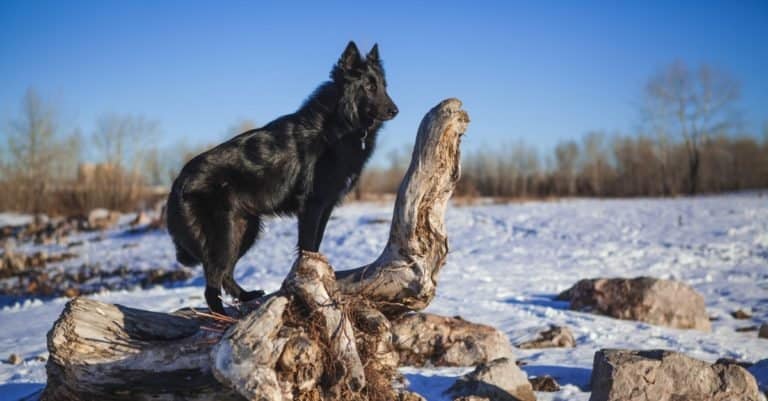
Belgian shepherd dog in a snowy forest in the winter.

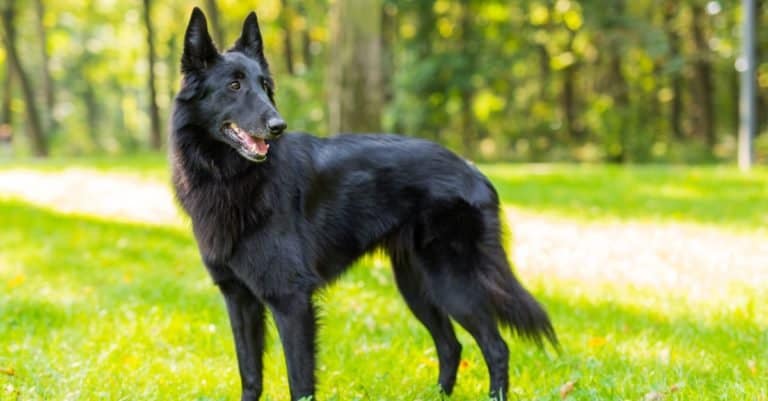
The Belgian shepherd is a beautiful dog that is intelligent, playful, and protective.

Size and Weight

The Belgian Shepherd is a multi-talented, obedient animal. It is a medium-sized dog, and the male can weigh up to 75 pounds.

Height (Male)24–26 inches
Height (Female)22–24 inches
Weight (Male)55–75 pounds
Weight (Female)40–60 pounds

Common Health Issues

The Belgian Shepherd has health concerns that owners want to be aware of. Avoid breeders, shops, and owners who cannot produce documentation that a dog’s parents were healthy. You can have any puppy checked at the vet, but that’s not a substitute for knowing your pooch is genetically healthy.

Here are some health issues for this breed, many of which are common to most dogs.

  • Hip dysplasia
  • Elbow dysplasia
  • Cataracts
  • Cryptochidism
  • Sebaceous adenitis

Temperament

The Belgian Shepherd is brave, alert, smart, and loyal. While obedient, he loves freedom, staying in motion when allowed to roam. Though friendly, the dog naturally distrusts strangers. The trait makes your dog an excellent watchdog. But without proper socialization, your dog can also be aggressive.
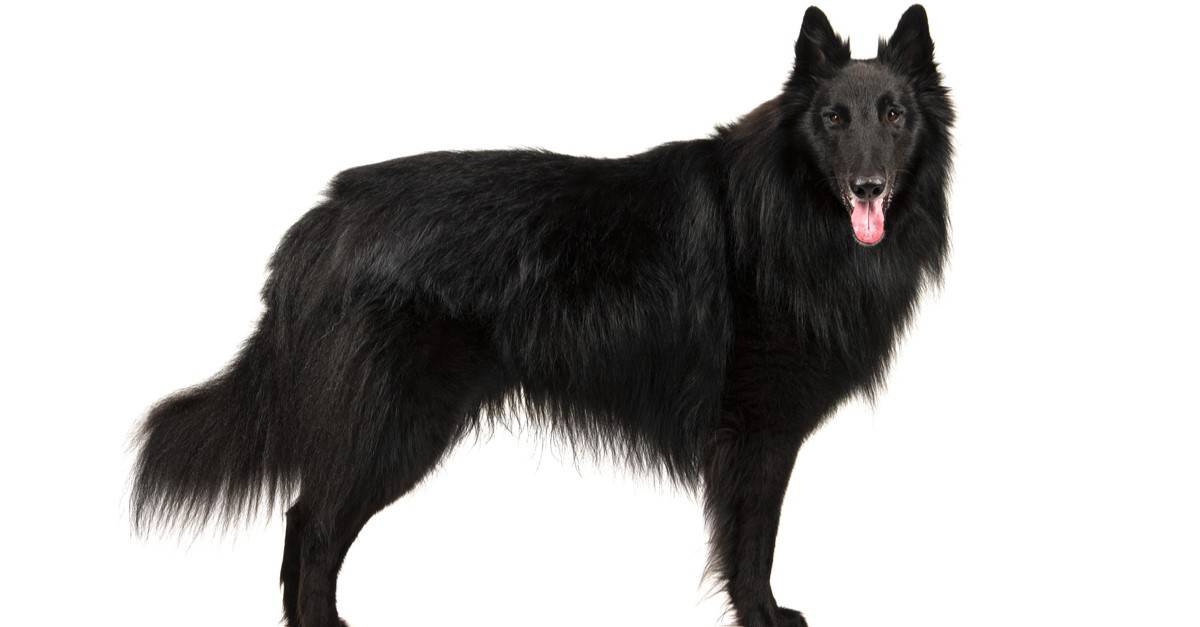
Groenendael isolated on a white background.

The Belgian Shepherd is brave, alert, and obedient, but it loves the freedom to run and play.

With training, the shepherd is a great protector and won’t attack unprovoked. He’ll be friendly with people he’s familiar with, glad to share time and attention with them.

It’s a sound idea to get your dog socialized while it is a puppy. While scouting for a puppy, stay away from bullies or the puppy hiding in corners. Shyness can lead to socialization problems.

Care

The Belgian Shepherd is quite comfortable indoors but needs to get out. A home with a secured yard is perfect! It loves off-leash fun as well as long walks and runs. You want to make sure it gets the diet and grooming it needs too. Here’s some info that will help.

Best Dog Food

Belgian Shepherds need a diet rich in high-quality fats and healthy proteins. The dog is an active breed. Get a large-breed formula while monitoring its weight and condition. A freeze-dried raw kibble is a great way for your dog to get plenty of protein and fat in a less processed package for optimal digestion and energy.

Maintenance and Grooming
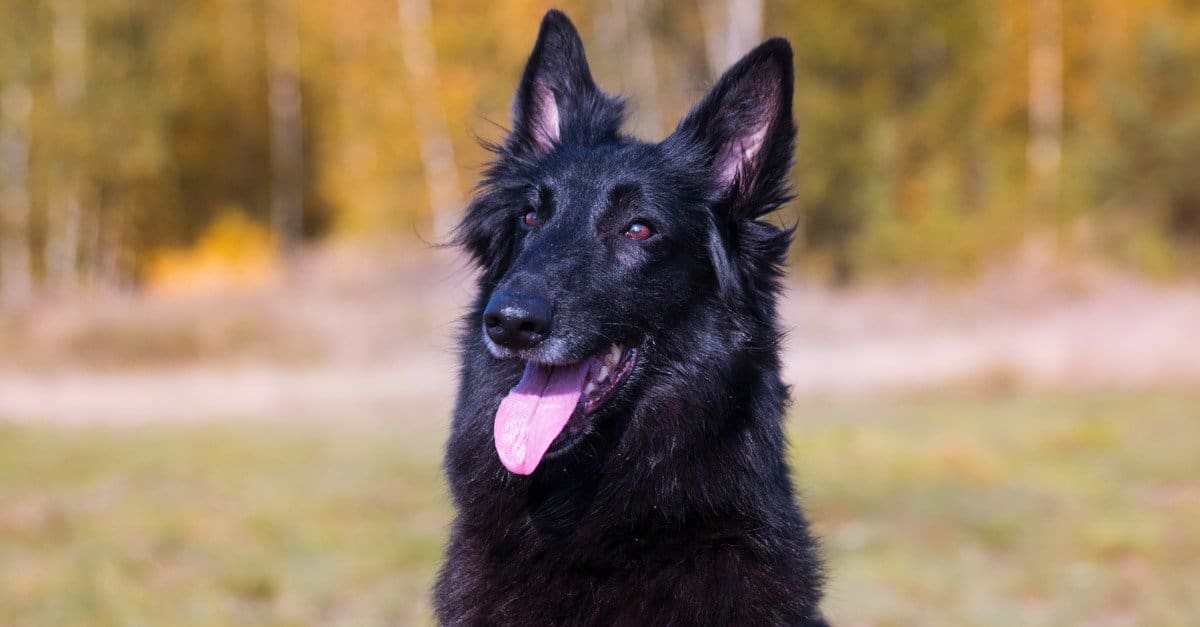
Belgian Shepherd close-up

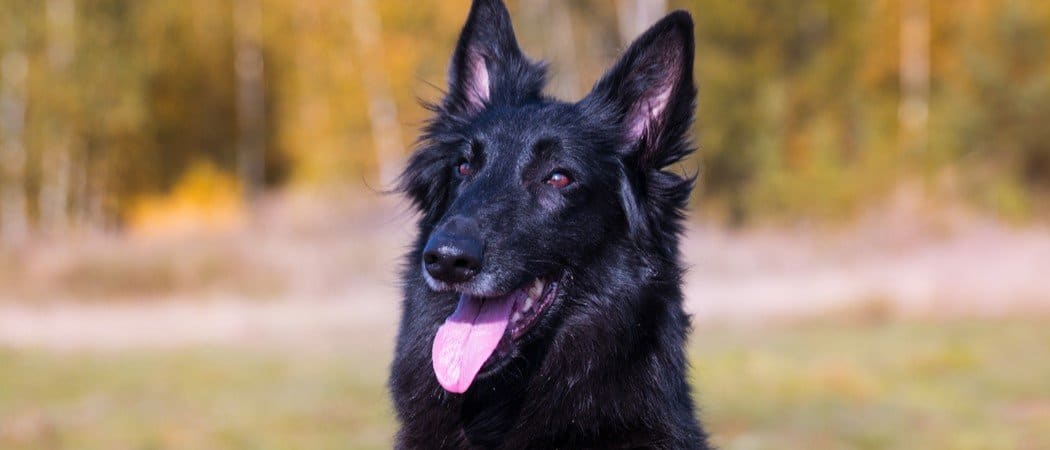
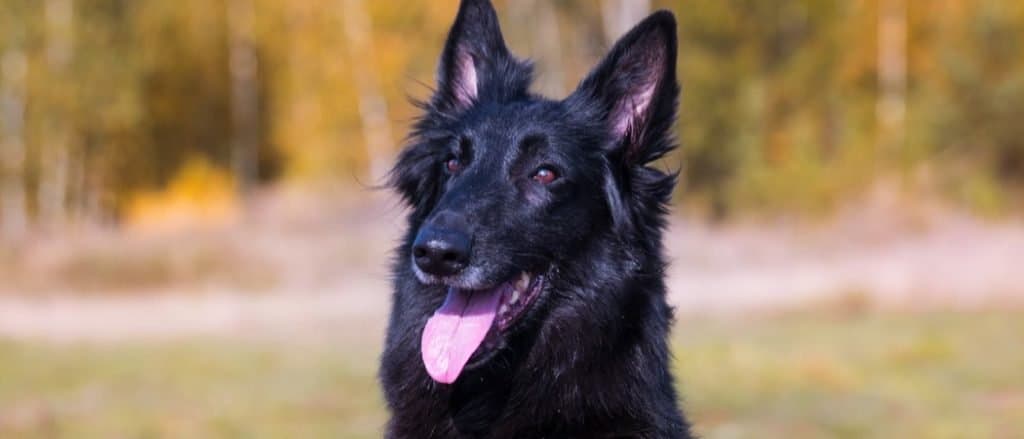
The Belgian Shepherd has a long, black coat that sheds heavily and mats, so brushing is very important.

This sheepdog has a rustic, long, natural black coat that looks beautiful. It does shed heavily and mat easily, so you want to groom and maintain that coat. Get yourself a slicker brush, pin brush, or metal rake comb and work the coat for at least 20 minutes a week. Don’t trim to the point where you diminish its natural appearance.

Over its lifespan, the dog will shed heavily once a year. During this period, warm baths will release dead hair from the coat.

Follow safety rules when clipping nails. Shave thin portions to avoid frightening or hurting the dog. Use several sessions to trim long nails. Better yet, avoid letting nails get too long. Talk with your vet or breeder about the frequency of nail clipping.

Training

The Belgian Shepherd needs early, responsible socialization so that it will carry over its lifespan. Owners can streamline much of this with training. Generally good with humans and very intelligent, Belgian Shepherds are highly trainable. The dog’s not stubborn or willful, but it is best trained by an experienced owner or trainer. Leadership, confidence, and consistency will be important.

Exercise

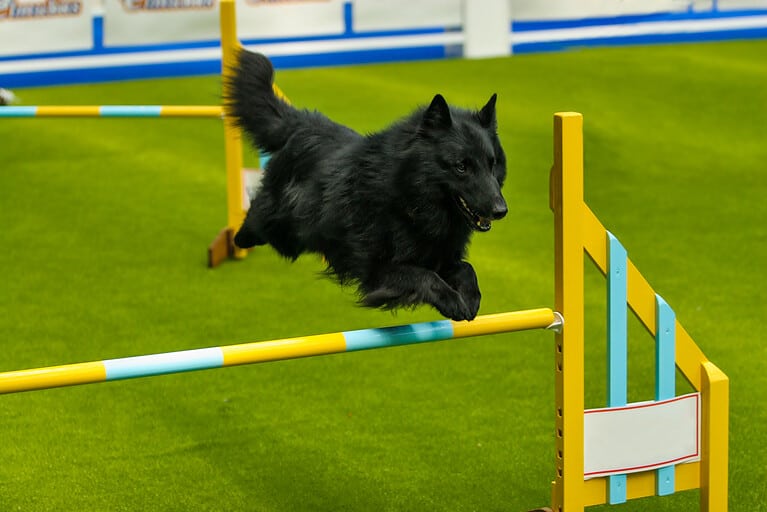
The Belgian Shepherd has a lot of energy to burn. The pooch is capable of running in circles with glee. These canines will go after a stick and leap for a Frisbee. It will happily run and jog with loved ones. The shepherd requires at least an hour of activity a day. Divide the regimen into two or three sessions. Keep the dog busy before it finds annoying ways to busy itself.

Puppies
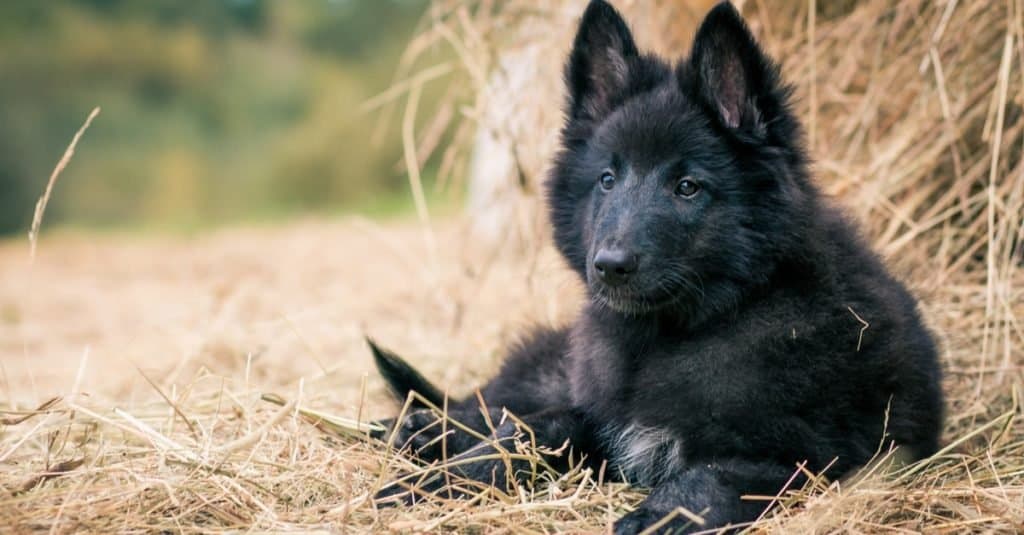
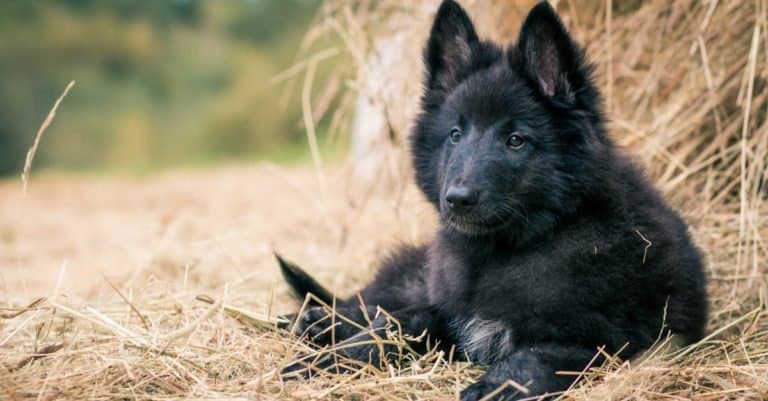
Belgian Shepherd puppy posing outside on the grass.

Belgian Shepherd puppies should come from a reputable breeder who can verify the dog’s genetic health.

Puppy diets should prevent rapid growth. Large-breed puppy food will help. Regardless of where you get your puppy, have a contract verifying health. If you want a good buying experience, a breeder is more important than the right puppy or a good price. Once you adopt, get the puppy to a vet soon to check for visible issues.

Children

If raised alongside kids as a puppy — and trained — your Belgian Shepherd promises to be a good companion to all members of the household. But remember, these are working animals. Untrained, the dog uses its talents to herd children while playing. That can include aggressive pushing and even nipping to keep kids in line. Untrained dogs should never be around any child unsupervised.
Similar Dogs

If you like medium-sized dogs of medium size with the rustic look of the wilderness, here are a few dogs similar to the Belgian Shepherd.

  • King Shepherd: This is an oversized shepherd bred from Alaskan Malamutes, Great Pyrenees, and the American and European German Shepherd. While less aggressive, they are more muscular and powerful than other family members.
  • Black Russian Terrier: If you’re in the market for a giant, take a look at the Black Russian. Bred as guard dogs, their instinct to protect and intimidate is front and center. But the dog is as loving as they get, affectionate with familiars, and reserved with strangers.
  • Bernese Mountain Dog: Many of these dogs have this gorgeous, black, silky coat. They shed, but no owner seems to have a problem with it. This breed is great in colder climates. Smart, strong, and, for a dog that size, needs only moderate exercise.

View all 453 animals that start with B

Sources

  1. Puppytoob / Accessed July 2, 2021
  2. American Kennel Club / Accessed July 2, 2021
  3. Dogtime / Accessed July 2, 2021
  4. The Spruce Pets / Accessed July 2, 2021
  5. Spirit Dog / Accessed July 2, 2021
  6. Love Your Dog / Accessed July 2, 2021
  7. Your Pure Bred Puppy / Accessed July 2, 2021
  8. Petolog / Accessed July 2, 2021
  9. Indulge Your Pet / Accessed July 2, 2021
  10. Orvis / Accessed July 2, 2021
  11. Hill's Pet / Accessed July 2, 2021
  12. Pet Guide / Accessed July 2, 2021
  13. Wikipedia / Accessed July 2, 2021

Thank you for reading! Have some feedback for us?


Belgian Shepherd FAQs (Frequently Asked Questions)

This breed is gentle and affectionate, but he has strong leadership instincts and can chase, nudge or nip. If raised with kids or placed with older kids, the dog will do well.