B
Species Profile

Belgian Tervuren

Canis lupus familiaris

Brains, beauty, and boundless drive
RobertArt/Shutterstock.com

Belgian Tervuren Distribution

Click a location to explore more animals from that region

Origin Location

This map shows the native origin of the Belgian Tervuren. As a domesticated species, they are now found worldwide.

Loading map...

Found in 1 country

Size Comparison

Human 5'8"
Belgian Tervuren 2 ft

Belgian Tervuren stands at 35% of average human height.

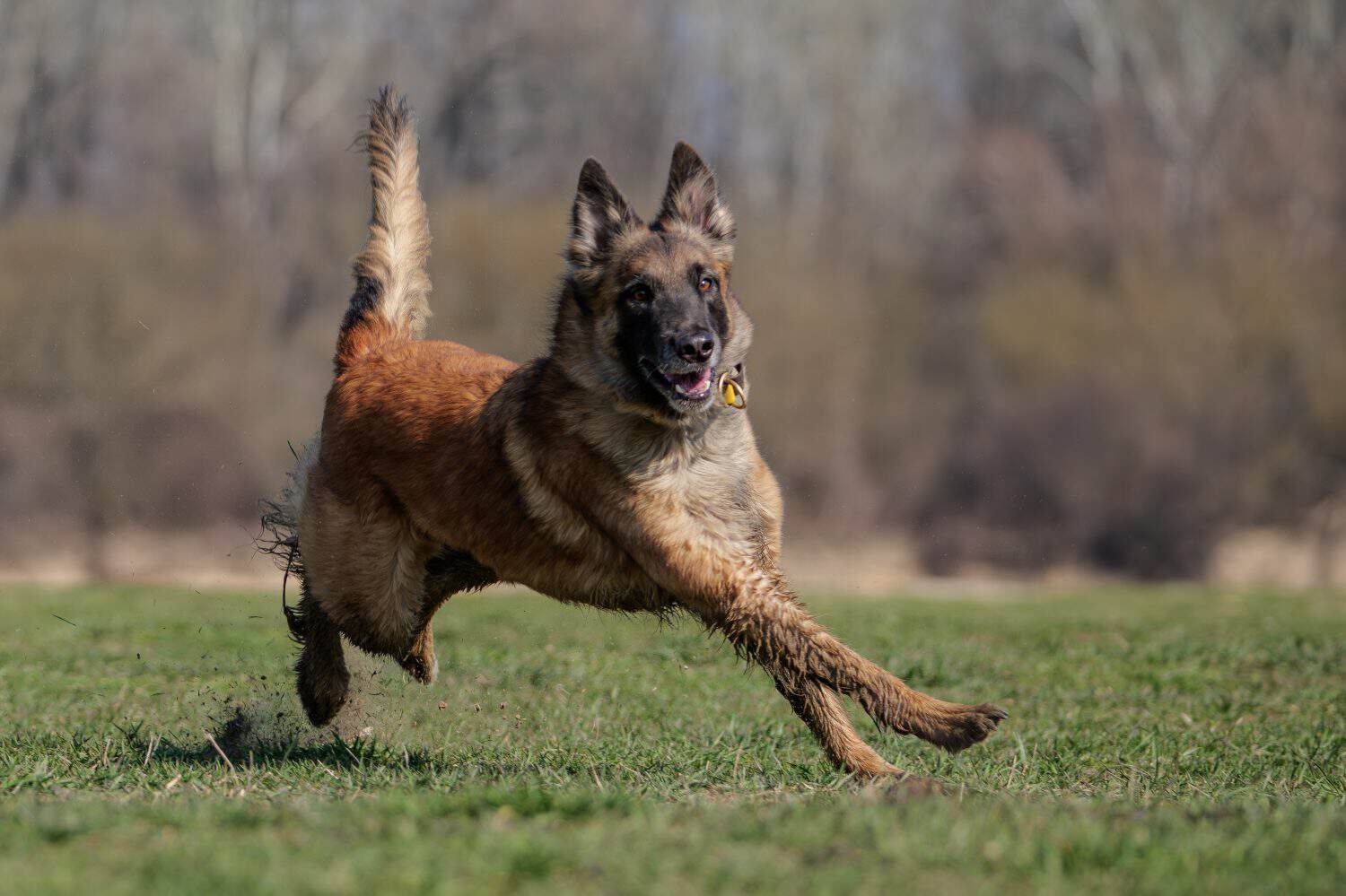
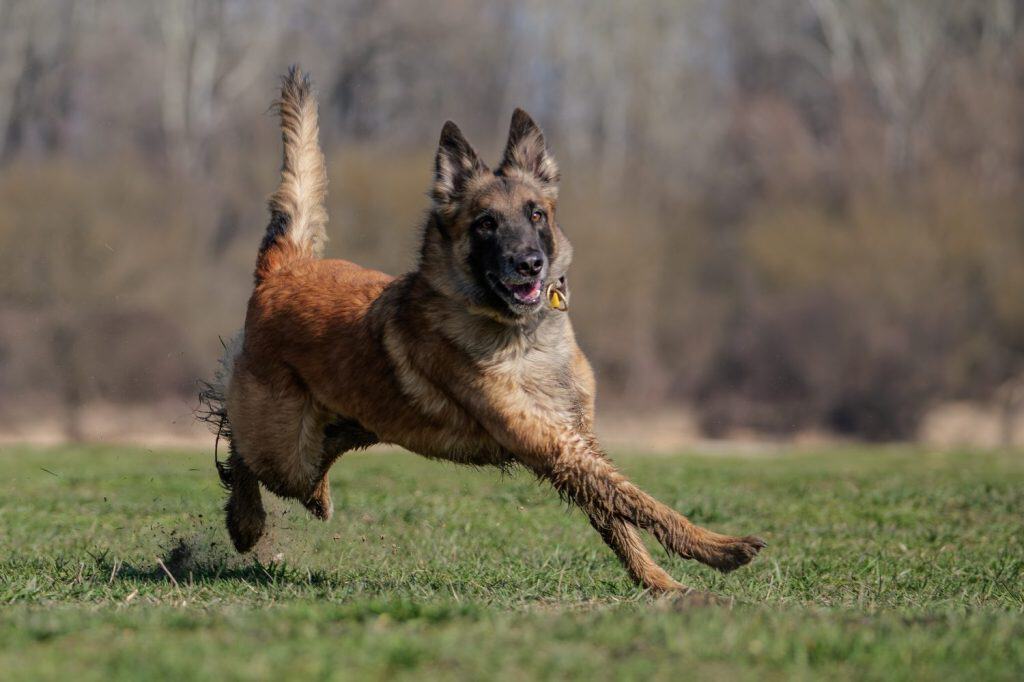
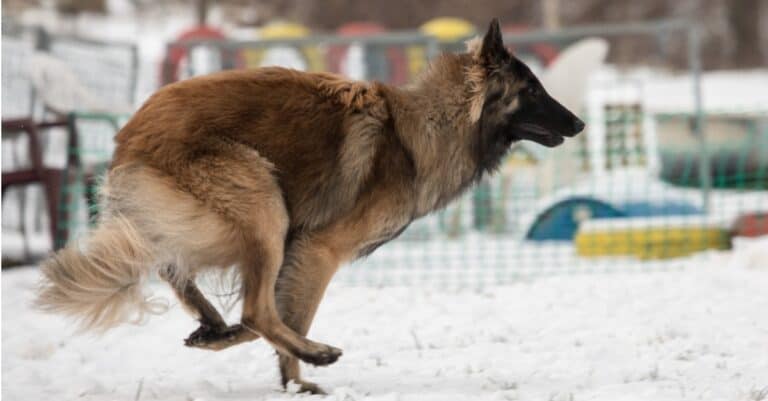
Athletic Belgian Shepherd Tervuren Running and Jumping in the Park

At a Glance

Domesticated
Also Known As Tervuren, Tervueren
Diet Omnivore
Activity Diurnal+
Lifespan 12 years
Weight 30 lbs
Status Not Evaluated
Did You Know?

Often considered one of four coat varieties of the Belgian Shepherd Dog (with Malinois, Groenendael, and Laekenois).

Scientific Classification

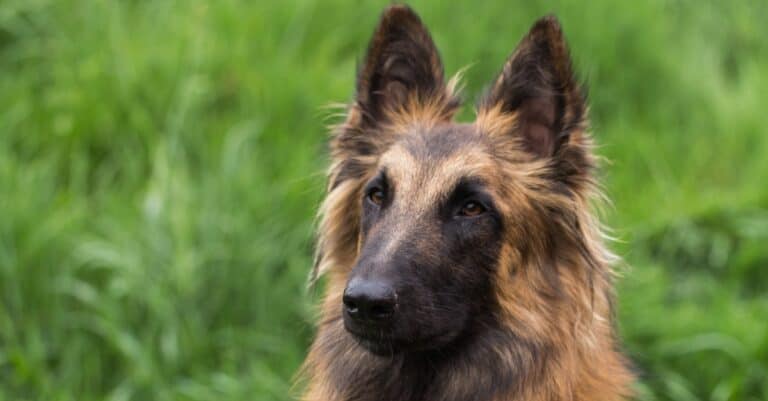
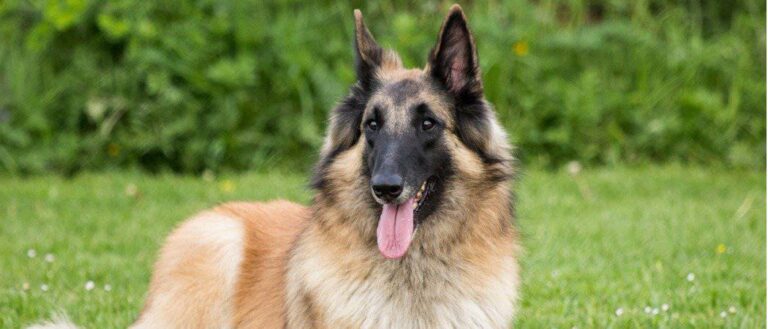
The Belgian Tervuren is a herding and working dog breed (often treated as a coat variety of the Belgian Shepherd Dog) originating in Belgium, characterized by a long coat and typically fawn-to-mahogany coloring with a black overlay and mask.

Kingdom
Animalia
Phylum
Chordata
Class
Mammalia
Order
Carnivora
Family
Canidae
Genus
Canis
Species
Canis lupus familiaris

Distinguishing Features

  • Long, abundant double coat with a pronounced ruff; typically fawn/mahogany with black overlay and black mask
  • Athletic, medium-sized, square-proportioned herding-dog build
  • Erect triangular ears; alert expression
  • High drive and trainability; commonly used in sport/working roles (e.g., obedience, agility, herding)

Physical Measurements

Males and females differ in size

Height
♂ 2 ft 1 in (1 ft 12 in – 2 ft 2 in)
♀ 1 ft 11 in (1 ft 10 in – 1 ft 12 in)
Length
♀ 3 ft 7 in (3 ft 3 in – 3 ft 10 in)
Weight
♂ 61 lbs (55 lbs – 66 lbs)
♀ 50 lbs (44 lbs – 55 lbs)
Tail Length
♂ 1 ft 2 in (1 ft 1 in – 1 ft 4 in)
♀ 1 ft 5 in (1 ft 3 in – 1 ft 7 in)
Top Speed
31 mph
fast, agile herder

Appearance

Primary Colors
Secondary Colors
Skin Type Typical domestic dog skin beneath a dense double coat: harsh, straight outer coat with a thick insulating undercoat; skin and nose leather commonly show strong dark pigmentation.
Distinctive Features
  • Domestic dog breed (Belgian Shepherd Dog variety) selectively bred for herding/working-more refined and squarely built than many general Canis lupus familiaris types, with a dry, athletic outline and high endurance.
  • Long, abundant double coat with a notable neck ruff (mane) and feathering on the forelegs, breeches, and tail; coat length and texture distinguish it from the short-coated Belgian Malinois and the rough-coated Laekenois.
  • Characteristic coloration: fawn-to-mahogany with black overlay and a distinct black mask; ears are typically dark and strongly pigmented.
  • Head is clean and chiseled with a long muzzle; ears are erect, triangular, and carried forward-giving an alert, vigilant expression typical of a high-drive herding dog.
  • Tail is long and well-feathered, carried low at rest with a gentle curve; may lift in motion without forming a tight curl.
  • Temperament/care note (breed-specific vs. general domestic dog): very intelligent, sensitive, and energetic; requires substantial daily exercise plus structured training and mental work (sport/obedience/herding-type activities) to prevent stress behaviors.
  • Grooming/care requirement: regular brushing (often several times weekly) to prevent matting in feathering and manage seasonal coat blow; undercoat shedding can be heavy.
  • Health issues can vary by line: hip and elbow dysplasia; eye disorders (progressive retinal atrophy, cataracts); epilepsy in some lines; high stress sensitivity. Responsible health screening and early behavior training are important.
  • Breed distinction from similar-looking dogs: may resemble a German Shepherd in outline, but is a separate Belgian-origin herding breed/variety with a more square build, different coat presentation, and breed-specific working style.

Sexual Dimorphism

Moderate sexual dimorphism: males are typically larger and heavier with more pronounced coat furnishings (especially the neck ruff), while females tend to be slightly finer-boned and more refined in head and body.

♂
  • Generally taller/heavier with broader chest and neck.
  • Often fuller mane/ruff and heavier overall coat presentation.
  • More robust head and thicker neck appearance.
♀
  • Typically lighter build with a more refined head and muzzle.
  • Coat may appear slightly less profuse in the ruff and feathering compared to males.
  • Often a more streamlined outline while retaining the same square, athletic proportions.

Did You Know?

Often considered one of four coat varieties of the Belgian Shepherd Dog (with Malinois, Groenendael, and Laekenois).

Named for Tervuren, Belgium, where early fawn long-haired dogs were developed and promoted.

Known for a distinctive black "overlay" (tipping) and a pronounced black mask over a rich fawn/mahogany coat.

Excels in high-skill dog sports (obedience, agility, herding trials, tracking, protection sports) thanks to speed + trainability.

Bred as an all-around farm and herding dog, it's also been widely used in modern police/service roles (as Belgian Shepherds generally).

Compared with many pet dogs, Tervurens tend to bond intensely with their people and prefer having a job to do.

Unique Adaptations

  • Long, insulating double coat suited to wet/cold weather work; the darker overlay can visually break up the outline in varied light.
  • Lean, athletic build optimized for sustained trotting, quick turns, and bursts of speed while herding.
  • Exceptional trainability and handler focus typical of purpose-bred working dogs within the domestic dog.
  • High stamina paired with rapid "reset" between tasks-useful for multi-role farm work (herding, guarding, carting/utility work).

Interesting Behaviors

  • "Shadowing" their person: many Tervurens track your movement room-to-room, a byproduct of close handler focus.
  • Natural herding patterns: circling, "gathering" family members, and using intense eye contact to control motion.
  • Alert scanning: they frequently pause to survey their environment, reacting quickly to novelty or movement.
  • Problem-solving play: figuring out latches, puzzle feeders, or new routes-especially when bored.
  • Vocal and expressive guarding: they may use sharp barks and body blocks to manage perceived threats (needs training and socialization).
  • High motion sensitivity: bikes, runners, and fast games can trigger chase/herd instincts without guidance.

Cultural Significance

Belgian Tervuren (Canis lupus familiaris) is part of Belgium’s late-1800s herding-dog history. With the Malinois, Groenendael, and Laekenois it worked with livestock and protected property, later valued in modern work and dog sports; alert, trainable, very energetic.

Myths & Legends

Belgian Tervuren origin stories focus on M. F. Corbeel of Tervuren, who promoted long-haired fawn dogs. Many accounts name a founding pair, often called "Tom" and "Poes," as the look's roots.

Belgian shepherd dogs are woven into rural storytelling as the steadfast guardian of flock and farm-tales of a watchful herding dog standing between sheep and wolves echo the historic pressures of pastoral life in Europe.

In Belgian and nearby country stories, the Belgian Tervuren shepherd dog is seen as a safety sign: if it won't settle at night, people see it as a warning something is wrong on the farm.

When breed rules were set, villages took pride in their Belgian Shepherd looks, backing their favorite coat and color. This local rivalry helped keep distinct varieties, such as the Tervuren, alive.

Conservation Status

NE Not Evaluated

Has not yet been evaluated against the criteria.

Population Stable

Life Cycle

Birth 6 pups
Lifespan 12 years

Lifespan

In the Wild
10–14 years
In Captivity
10–14 years

Reproduction

Mating System Polygynandry
Social Structure Managed Domestic
Breeding Pattern Serial
Fertilization Managed Selective
Birth Type Managed_selective

Belgian Tervuren (Canis lupus familiaris) breed mating is managed domestic polygynandry: breeders pick mates, males and females may have multiple partners, pairings are temporary, breeding uses natural or assisted methods, and humans manage timing and health screening.

Behavior & Ecology

Social Pack Group: 4
Activity Diurnal, Crepuscular, Cathemeral
Diet Omnivore high-quality animal protein (e.g., beef, chicken, lamb, fish) in a complete, balanced working-dog formula

Temperament

Highly intelligent, fast-learning, and strongly reinforced by purposeful work; typically more 'work-driven' and environmentally vigilant than the average Canis lupus familiaris companion breed.
Herding/working inclination: tends to control movement (circling, blocking, staring), may attempt to 'herd' children/other pets; benefits from clear rules and appropriate outlets (obedience, herding, agility, scent work, protection sports where appropriate).
Alert and watchful; often reserved or cautious with strangers rather than openly social-distinguishing it from many gregarious pet-breed dogs.
Sensitive and handler-oriented: responds best to consistent, reward-based training; harsh corrections can increase stress, reactivity, or avoidance behaviors.
High energy and endurance; requires daily mental work plus aerobic exercise. Under-stimulation commonly presents as nuisance barking, pacing, destructiveness, or obsessive behaviors (e.g., shadow/light chasing).
All Belgian Shepherd types (Malinois, Tervuren, Groenendael, Laekenois) show high work drive, strong bond with their handler, and alertness to surroundings; show vs working lines differ in energy, friendliness, and excitability.
Potential behavioral vulnerabilities: fear-based reactivity, barrier frustration, and noise sensitivity can occur without early, positive social exposure; structured socialization is important but should avoid flooding.
Care requirements (breed-specific emphasis): long, double coat needs regular brushing (often several times weekly; heavier during seasonal sheds) to reduce matting and manage shedding; thrives with a job-like routine and training plans.
Risk of hip and elbow dysplasia; some lines show epilepsy; progressive retinal atrophy and other eye problems; deep-chested dogs risk bloat (GDV). Regular checks, fitness, and weight control support longevity and stable behavior.

Communication

Sharp alert barking Often frequent if under-stimulated or guarding-oriented
Whining/whimpering to solicit attention or during anticipation
Growling as a distance-increasing signal when uncomfortable
Howling Less common; may occur with sirens or group arousal
Play barks and short yips during high-energy interaction
Intense eye contact and 'stalk'/freeze behaviors linked to herding control
Body blocking, circling, and directed movement cues Typical herding-style social signaling
Tail carriage and ear set changes signaling arousal/uncertainty Often quick shifts in high-drive individuals
Pawing, muzzle nudges, and close following to maintain contact with handler
Scent marking and investigation; uses olfaction heavily during patrol/guard routines
Mouthing/heel-nipping tendencies in overstimulated juveniles; should be redirected to appropriate tug/toy play and impulse-control exercises

Habitat

Biomes:
Temperate Forest Temperate Grassland Mediterranean Boreal Forest (Taiga) Tundra Alpine Desert Hot Desert Cold Wetland Freshwater Marine Tropical Dry Forest Tropical Rainforest +7
Terrain:
Plains Hilly Valley Coastal Riverine
Elevation: Up to 16404 ft 3 in

Ecological Role

Domesticated companion and working herding dog; not a natural predator in managed human settings, but retains canid opportunistic omnivory.

herding and livestock management support human security/alerting and deterrence assistance in sport/working roles (obedience, agility, protection work) companionship and psychological benefits to humans

Diet Details

Main Prey:
Small mammals Birds Carrion
Other Foods:
Berries and other fruits Vegetables cooked grains and starches Plant-based fiber sources

Human Interaction

Domestication Status

Domesticated

The domestic dog comes from gray wolves, changed by people over tens of thousands of years. The Belgian Tervuren (Canis lupus familiaris) is a Belgian herding and working breed from the late 1800s. People bred it for speed and strength, easy training, watchfulness, strong herding drive, and a long fawn-to-mahogany coat with black overlay and mask.

Danger Level

Moderate
  • Mouthy/nipping behavior, especially in adolescents, due to herding instincts if not redirected and trained
  • Fear-based reactivity or defensive aggression if under-socialized or poorly managed (breed can be sensitive/alert)
  • Bite risk increases with inadequate exercise, confinement, aversive training, or lack of structure
  • Strong chase drive can lead to incidents with running children, cyclists, or small animals if unmanaged

As a Pet

Suitable as Pet

Legality: Generally legal to own as a domestic dog in most jurisdictions. Subject to local dog licensing, leash laws, vaccination requirements, and any breed-agnostic dangerous-dog ordinances; occasionally affected by breed-specific legislation in some areas that targets 'shepherd-type' or 'guard-type' dogs.

Care Level: Experienced

Purchase Cost: $1,200 - $3,000
Lifetime Cost: $20,000 - $55,000

Economic Value

Uses:
Working dog services Sport/competition Breeding and showing Pet industry spending Training/boarding services
Products:
  • herding and farm work support
  • personal protection and property deterrence (where appropriate/legal)
  • search-and-rescue and tracking (some lines/individuals)
  • service/assistance work (selected individuals with suitable temperament)
  • dog sports (IGP protection sport, obedience, agility, rally, herding trials)
  • conformation showing and stud services
  • training, grooming, equipment (leashes, harnesses, crates), and veterinary care demand

Relationships

Ecological Equivalents 7

Animals that fill a similar ecological role in their ecosystem

Belgian Shepherd
Belgian Shepherd Canis lupus familiaris Malinois variety. Closest working-niche counterpart: a high-drive Belgian herding dog used in police/military roles and sport. Compared with the Tervuren, the Malinois is short-coated (lower grooming burden) but is similarly intense, highly trainable, and requires substantial daily physical and mental work.
Belgian Shepherd
Belgian Shepherd Canis lupus familiaris Same Belgian Shepherd lineage and role: herding, guarding, and versatile working. The Groenendael is typically solid black and long-coated; the Tervuren is long-coated fawn-to-mahogany with a black overlay and mask. Both require frequent brushing and thrive on training-driven engagement.
Belgian Shepherd
Belgian Shepherd Canis lupus familiaris Occupies the same herding/guardian niche but has a distinct coat: Laekenois is rough, wiry-coated and usually fawn. The Tervuren has a long double coat that sheds heavily seasonally and can mat if under-groomed; both benefit from structured work and socialization.
German Shepherd Dog
German Shepherd Dog Canis lupus familiaris Shares a similar human-directed working niche: both originated as herding breeds and have been adapted to protection, service, and police roles. The Tervuren is often lighter-framed and more sensitive/quick-reacting, requiring careful early socialization and reward-based, positive training to prevent reactivity. Health overlaps can include hip dysplasia, so screening is important.
Dutch Shepherd
Dutch Shepherd Canis lupus familiaris Comparable high-drive herding/working dog used in detection and sport. Like Tervuren, typically requires 1–2+ hours per day of exercise plus problem-solving work; insufficient outlets can lead to anxiety, increased vocalization, and destructive behavior.
Border Collie
Border Collie Canis lupus familiaris Parallel herding specialization, with extreme trainability and a high need for mental work. The Tervuren tends to pair herding instinct with stronger guarding and alerting tendencies; care commonly emphasizes ongoing training, enrichment, and controlled exposure to new people and dogs.
Gray wolf
Gray wolf Canis lupus Wild ecological analogue for the base species: a social canid with endurance movement and cooperative behaviors. Breed-level selection in the Belgian Tervuren emphasizes handler focus, responsiveness, and specialized work (herding, guarding, sport) rather than wild foraging.

Quick Take

While some people see a guard dog when they look at the Belgian Tervuren, they are actually a herding breed. Known for their athleticism, ease of training, and incredible intelligence, the Belgian Tervuren can be an amazing companion in the right home. Like any dog, the Belgian Tervuren fits certain lifestyles better than others. For the family that wants a bright, energetic companion, the Belgian Tervuren may be the perfect fit.

An infographic about the Belgian Tervuren dog breed featuring an illustration of the dog and sections detailing its athletic nature, care requirements, and health statistics.
Think you can handle one of the world's smartest herders? Discover why these 'guard dog' lookalikes require more than just a backyard to thrive. © A-Z Animals

Belgian Tervurens and Other Belgian Shepherds
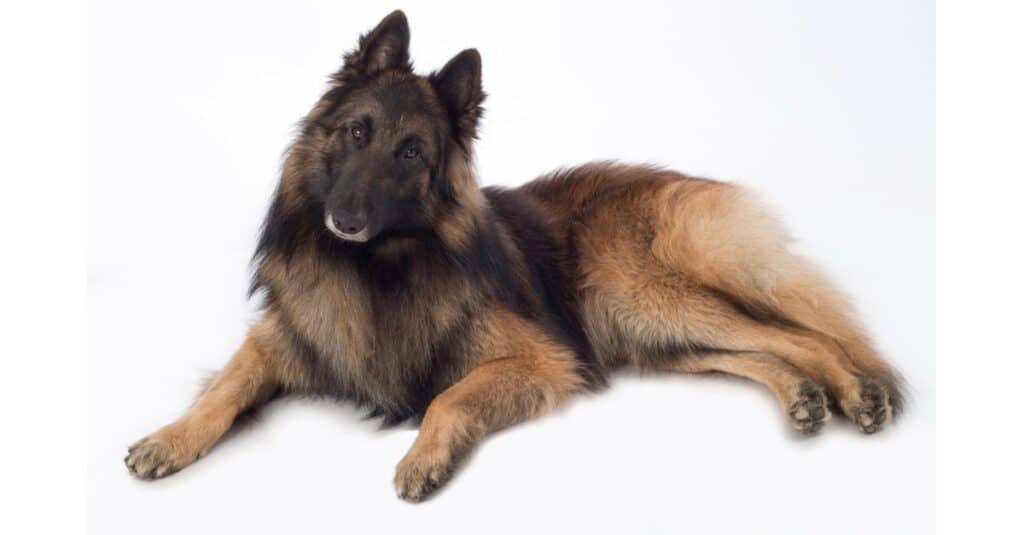
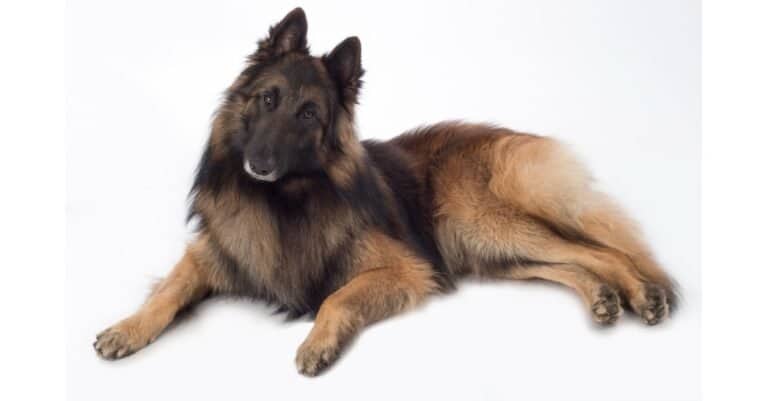
Belgian Tervuren isolated

Belgian Tervuren isolated

Belgian Tervurens are one of the four varieties of Belgian Shepherds. The different shepherds are similar in many ways, with the main difference being the colors and type of coat they have. The Tervuren is fawn-colored with a long coat, while the Malinois is also fawn-colored but has a short coat. The Groenendael has a long, black coat and is more commonly known as the Belgian Sheepdog. The Laekenois has a rough, wavy, fawn-colored coat.

3 Pros and Cons of Owning a Belgian Tervuren

ProsCons
Make a reliable and companionable guard dogRequires lots of exercise
Hard-working and quick to learnNeeds socialization from a young age
Playful and fun companionDoes best with an experienced pet owner who plans to obedience train the dog

Origins

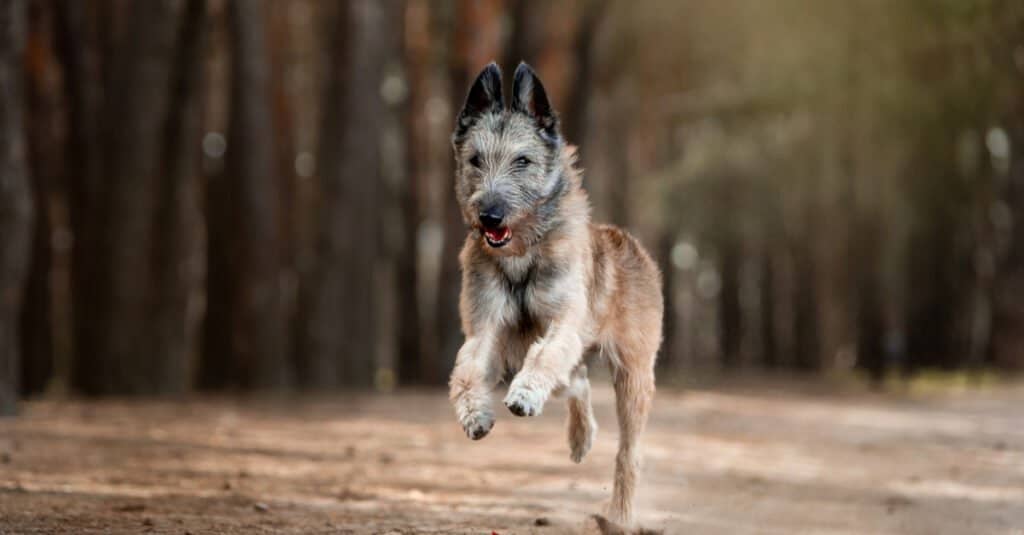
Laekenois running down a path with tongue out

The Laekenois, Malinois, Belgian sheepdog, and Belgian Tervuren were once considered to be a single breed.

The Belgian Tervuren draws its name from the town of Tervuren, the home of expert dog breeder M.F. Corbeel, who worked hard at breeding dogs with fawn and dark coats with each other during the early 1900s.

However, before then, the Belgian Tervuren was considered to be the same as the Belgian sheepdog, the Laekenois, and the Malinois. Thanks to its intelligence, protective nature, and boundless energy, it was especially popular on farms. There, it watched over flocks and kept a sharp lookout for intruders.

Ever versatile, it has smoothly transitioned to modern times as a K-9 operative in the armed forces and law enforcement, and even as a star on the small and silver screens.

Height and Weight
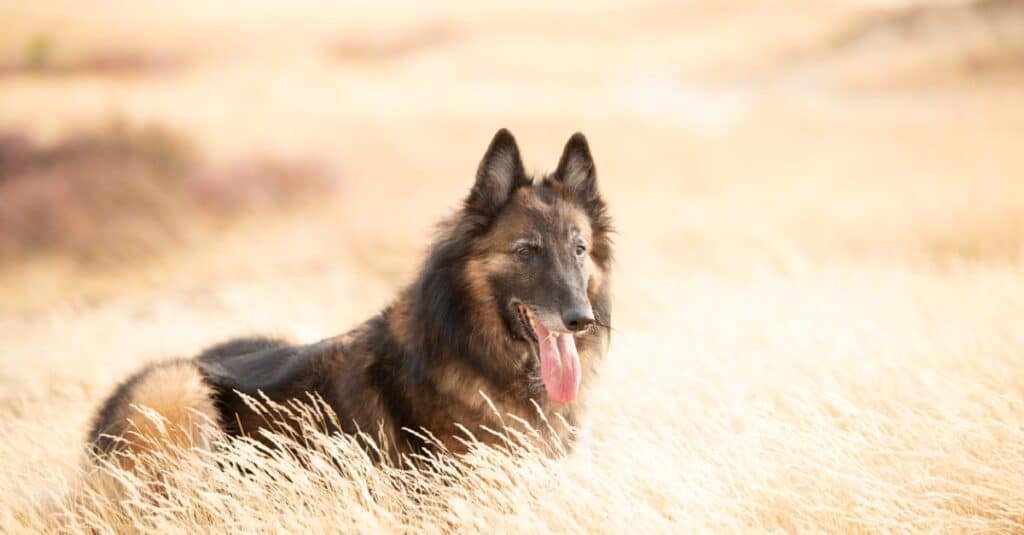
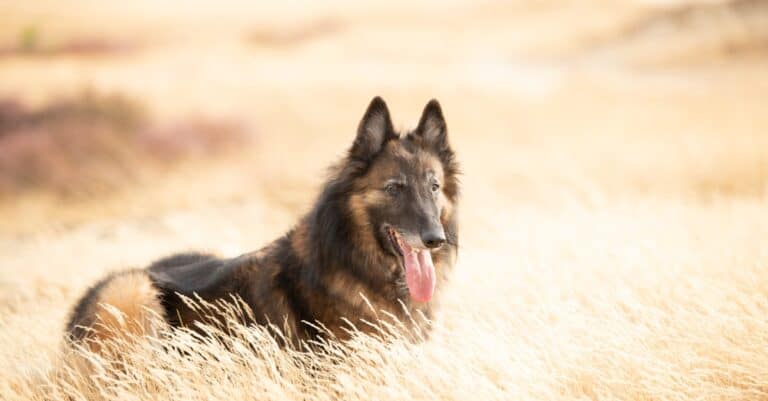
Belgian Tervuren in grass

The Belgian Tervuren has similar features to the Malinois and Belgian Sheepdog.

The Belgian Tervuren ranges from 22 to 26 inches tall at the shoulder and weighs between 60 and 75 pounds, making it a large dog.

Height (Male):24-26 inches
Height (Female):22-24 inches
Weight (Male):65-75 lbs
Weight (Female):60-70 lbs

Common Health Issues

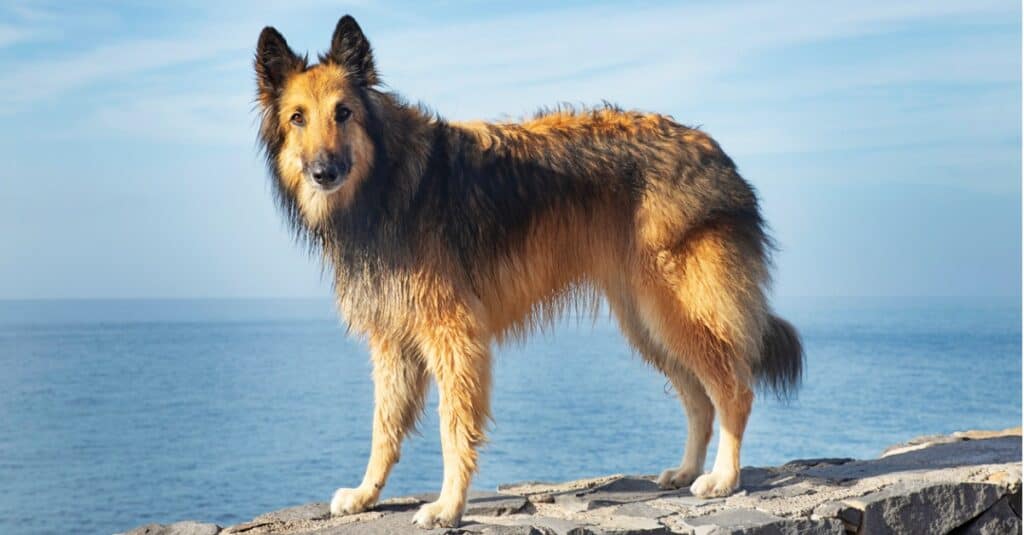
Tervuren standing on rock above the ocean

The Belgian Tervuren may suffer from osteochondritis, hip, and elbow dysplasia, or epilepsy.

The Belgian Tervuren is susceptible to several different eye conditions. These include pannus, an immune condition of the cornea that develops in middle age, as well as cataracts and progressive retinal atrophy. In addition, Belgian Tervurens sometimes develop osteochondritis, hip dysplasia, and elbow dysplasia as well as epilepsy. They may also suffer from allergies.

The American Belgian Tervuren Club participates in the CHIC certification program. For CHIC certification, the dog must have an eye examination by a board-certified veterinary ophthalmologist (results recorded in the OFA Eye Certification Registry), as well as thyroid, elbow, and hip examinations through the Orthopedic Foundation for Animals. The results are listed in the CHIC database, which potential buyers can check before making a purchase.

Temperament
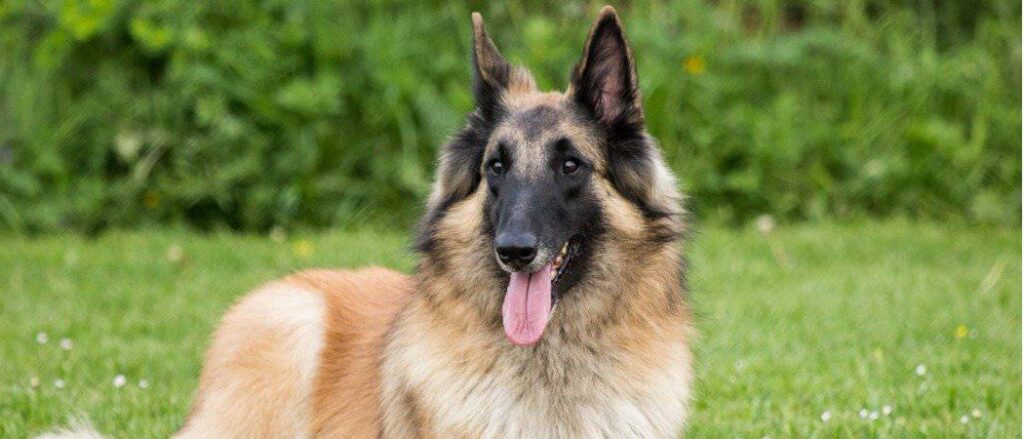
Belgian Tervuren Header

Belgian Tervurens are happiest when working at a task or hanging around people.

As a herding breed, the Belgian Tervuren is bred to work. When given a job to do—one that keeps both his mind and body active—he is happiest. With too much free time, he may develop destructive habits.

The good news is that the Belgian Tervuren is very intelligent and loves working alongside people. If you are willing to put the time into training, you will be rewarded with a loving, pleasant companion.

Belgian Tervurens are highly intelligent, and they will learn good (or bad) behavior from how they are raised. While the personality of a Belgian Tervuren puppy may seem endearing, it is important to discourage nipping, chasing, and other herding traits while your puppy is young.

If you are interested in adopting a dog from a rescue, plan to work patiently with it as it learns to become a member of your family. Belgian Tervurens often end up in rescues due to their high energy levels. With a solid training plan and plenty of exercise, they can easily learn more positive behaviors.

How To Take Care of a Belgian Tervuren
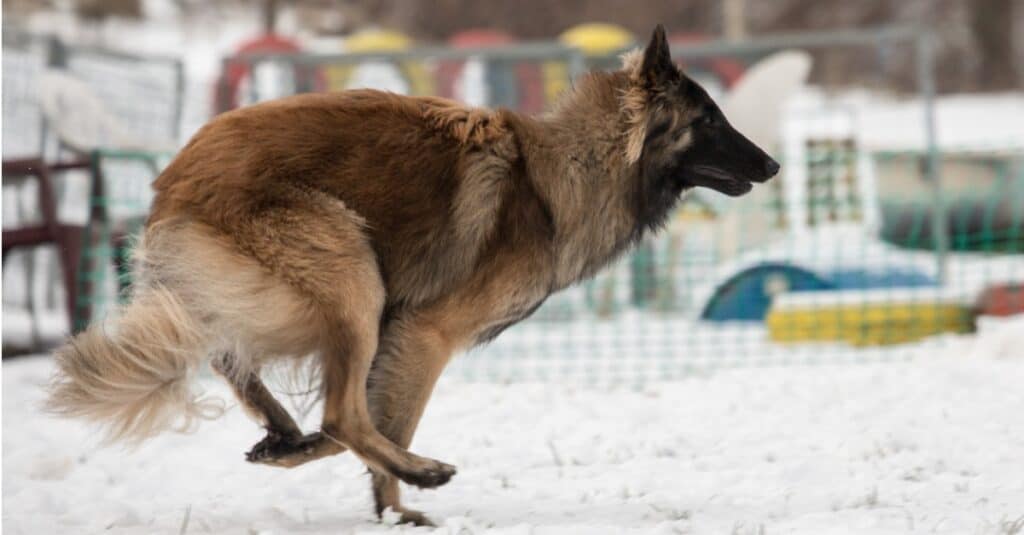
Belgian Tervuren Running in the Snow

Belgian Tervuren adults should be fed blends tailored for high-activity breeds.

The prospective pet owner should have a good idea of what to expect from a Belgian Tervuren. The breed can seem high-maintenance in some ways, such as its activity level, but its intelligence and love for companionship make it an attractive choice for many families.

The Best Dog Food

As with any breed that tends to develop hip or elbow problems, choosing a dog food high in calcium is a smart choice. Feed puppy food exclusively until your puppy is around a year old.

When you transition to adult food, choosing a blend intended for dogs with a high activity level will keep your dog in good condition. Breaking the food requirements up into several smaller meals throughout the day is important for puppies and is a good habit to maintain into adulthood. Maintaining a healthy weight may help your pup’s joints throughout its lifespan.

Access to fresh, clean water at all times is important for your pup as well. Some dogs enjoy the taste of flowing water and drink more if provided with a pet fountain.

Maintenance and Grooming
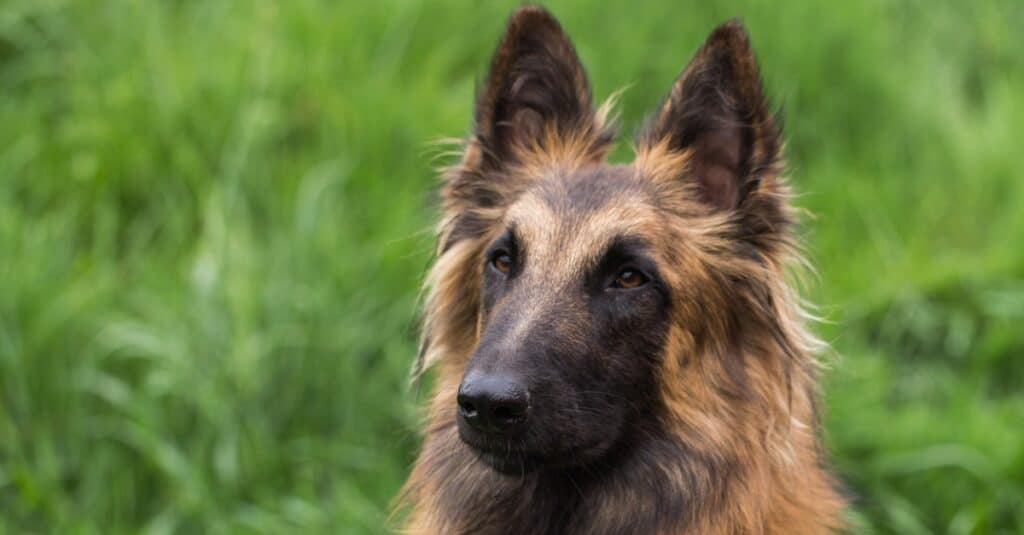
Close-Up of Belgian Tervuren

Belgian Tervurens shed heavily once or twice a year.

Brushing this pup’s coat once or twice a week minimizes shedding by removing dead hair. Regular brushing with a pin or slicker brush can make quick work of this job and prevent your pet from developing mats in his dense undercoat.

Once or twice a year, expect your Belgian Tervuren to blow his coat, or shed heavily for a week or so. More frequent brushing during this time can keep your home cleaner and speed the shedding process.

A good look at your pup’s coat will show the interesting colors that give him such a distinctive look. Each hair has a base color—generally fawn but sometimes a richer, redder brown—and a black tip.

Aside from regular brushing, trim your pup’s nails every few weeks, brush his teeth frequently, and wipe his ears out as needed. Other than that, an occasional bath can keep him looking and smelling fresh.

Training

It is never too early to start training your puppy. By getting an early start in housetraining and obedience work, you not only prevent bad habits from developing but also bond more easily with your pup.

Formal obedience classes may have to wait until your pup has received his vaccinations, but you can get a head start on socialization by inviting friends and family over to visit. Early introductions to children and cats help your pup learn how to behave, which is important as he matures.

Exercise

The breed is very active. Many of the challenges that Belgian Tervuren owners face are due to too much energy and not enough stimulation. Even if you have a fenced yard, your dog needs daily activity, such as walks, training sessions, and active play, to ensure he burns off excess energy. A Belgian Tervuren that doesn’t get sufficient exercise can develop bad habits such as digging, chewing, and barking.

Puppies
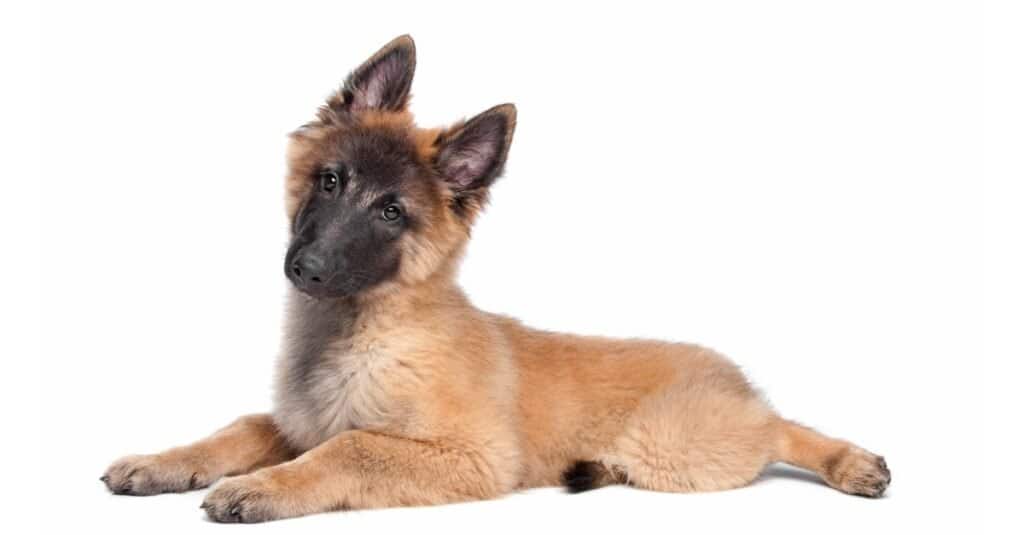
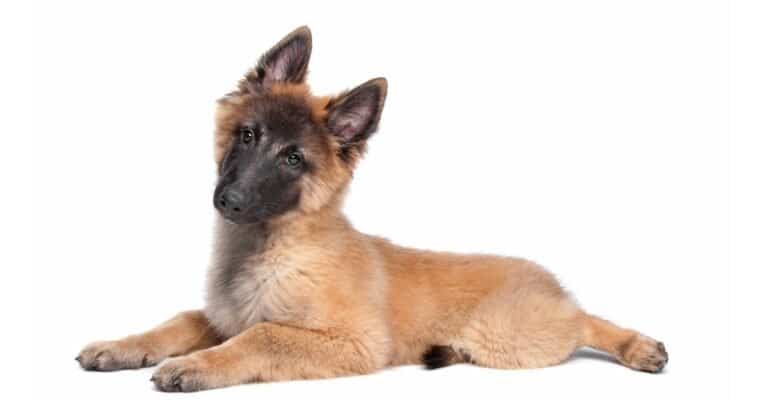
Belgian Tervuren Puppy

Socializing your Belgian Tervuren pup will help him get accustomed to children and other dogs.

The average size of a Belgian Tervuren litter is 6 to 10 puppies. The pups will be mostly fawn or mahogany-colored with dark tips on each hair. There is not much variety in colors in the Belgian Tervuren.

Children

Belgian Tervurens are good with children if they are socialized with them from a young age. If there are children in your family, your pup will consider them as part of the family.

If there are no children around, spending time walking your dog at parks and other public spaces where he can observe children, with their rambunctious play and unpredictable movement, will make him more comfortable around them.

As a herding breed, the Belgian Tervuren can tend to “herd” children and other pets by circling and nipping. It is important to discourage this from a young age. While it may be cute for a small puppy, it becomes a big problem as the dog matures.

Dogs Similar To Belgian Tervuren
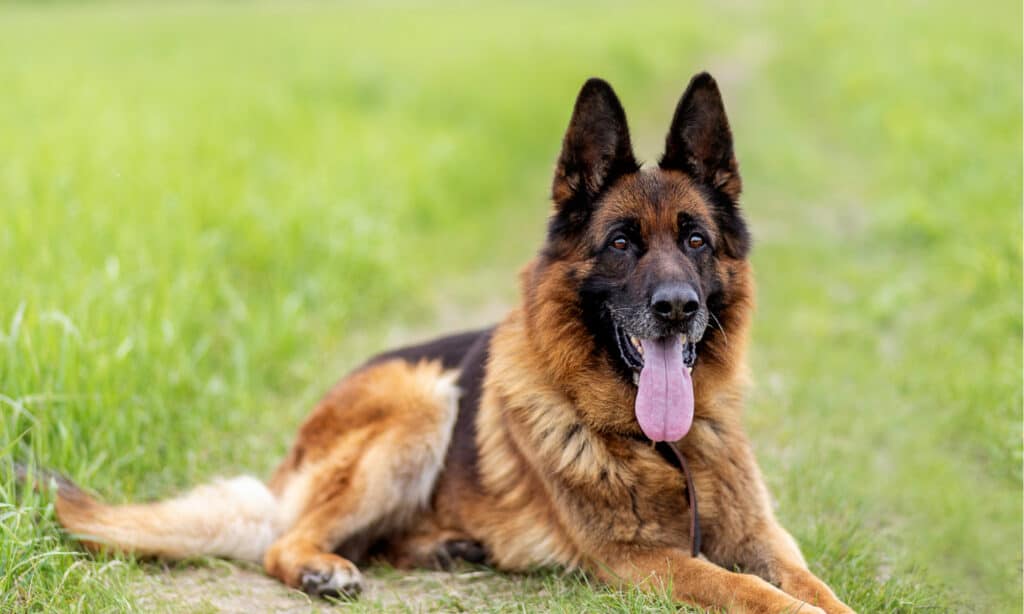
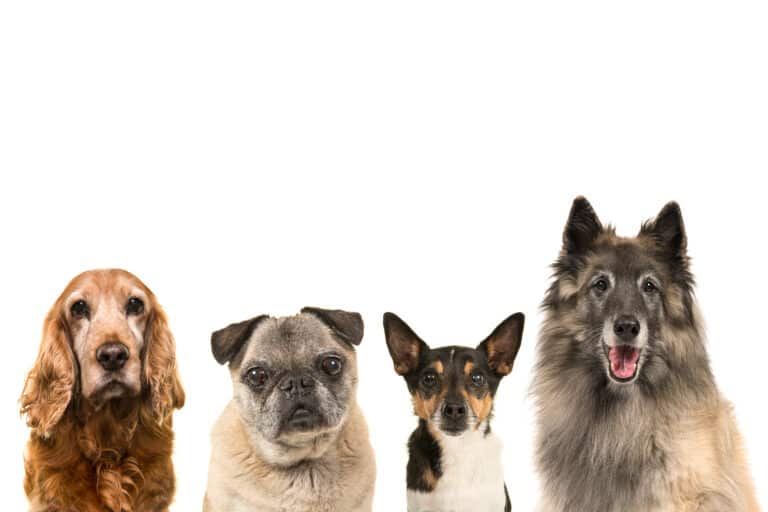
Why do dogs put their ears back

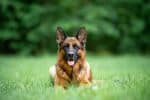
German Shepherds are pretty similar in appearance to Belgian Tervurens.

The dogs most similar to the Belgian Tervuren would be other Belgian Shepherds, such as the Malinois and Belgian Sheepdog. For breeds outside this family, look at other large-sized herding breeds, such as the German Shepherd.

Belgian Tervuren vs Malinois
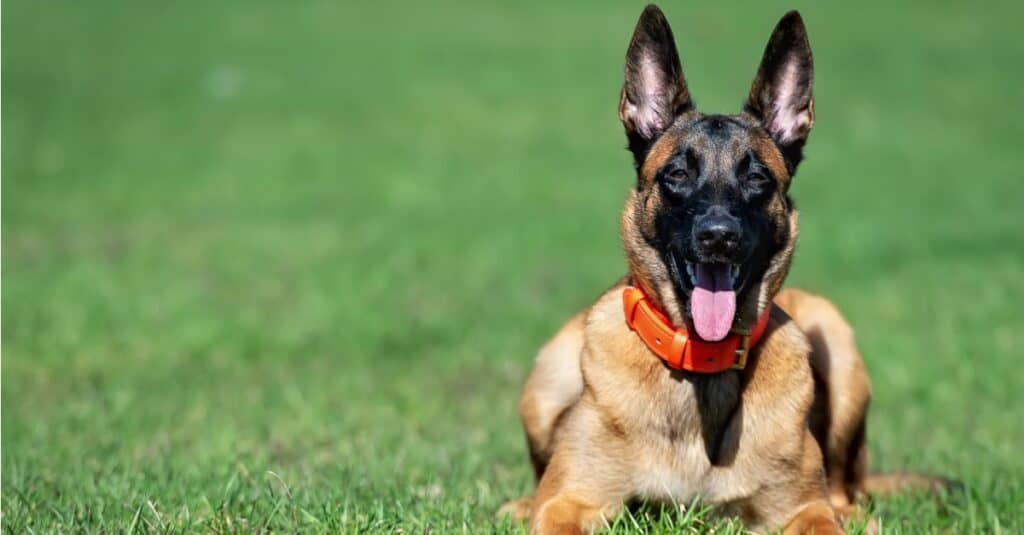
Belgian Malinois with orange collar and tongue out

The Belgian Malinois is capable of handling higher temperatures compared to the Belgian Tervuren.

The breeds are similar in many ways. They both require plenty of exercise and training, are energetic, and enjoy having a job to do. The short, hard coat of the Malinois allows it to do better in hot climates and harsh conditions. Malinois are also more independent than Tervurens. While both are easily trained, the Tervuren is more likely to bond closely with all family members rather than selecting one as the boss.

Famous Belgian Tervuren

Albert was a police dog for the Amsterdam police force during a period when the city’s population exploded. Responsible for tracking down more than 200 individuals over his career, the people of Amsterdam recognized his service by erecting a statue in his honor after he died in 1922.

View all 453 animals that start with B

Sources

  1. American Belgian Tervuren Club / Accessed September 20, 2021
  2. American Kennel Club / Accessed September 20, 2021
  3. American Kennel Club / Accessed September 20, 2021
  4. Dog Breeds List / Accessed September 20, 2021
  5. Terrific Pets / Accessed September 20, 2021
Dana Mayor

About the Author

Dana Mayor

I love good books and the occasional cartoon. I am also endlessly intrigued with the beauty of nature and find hummingbirds, puppies, and marine wildlife to be the most magical creatures of all.
Connect:

Thank you for reading! Have some feedback for us?


Belgian Tervuren FAQs (Frequently Asked Questions)

Expect to pay between $1200 and $2000 for a puppy from a reputable breeder. Rescue dogs are more affordable but may be difficult to find.