
Quick Take
- Caterpillars are the larvae of butterflies, moths, and skippers.
- Some caterpillars must consume up to 2,700 times their body weight to complete metamorphosis.
- Pennsylvania State University conducted trials to explain why corn plants prioritize fungal threats over feeding larvae.
Caterpillars are the larval stage of members of the order Lepidoptera, an order of insects that includes butterflies, moths, and skippers. Caterpillars are found on every continent except Antarctica, making them one of the most widespread insects on Earth. There are over 160,000 described species of caterpillars, and they live almost everywhere that nectar-producing flowers exist. As adults, butterflies, moths, and skippers feed on these flowers. Most caterpillars are herbivores that feed exclusively on plant leaves. They are specialized feeders, typically restricted to specific host plants, such as milkweed for monarchs or parsley for swallowtails. They consume large amounts of foliage to fuel their metamorphosis. Accompanying their voracious appetites is an astounding amount of waste. Continue reading to discover everything you’ve ever wanted to know about caterpillar poop.
What Does Caterpillar Poop Look Like?
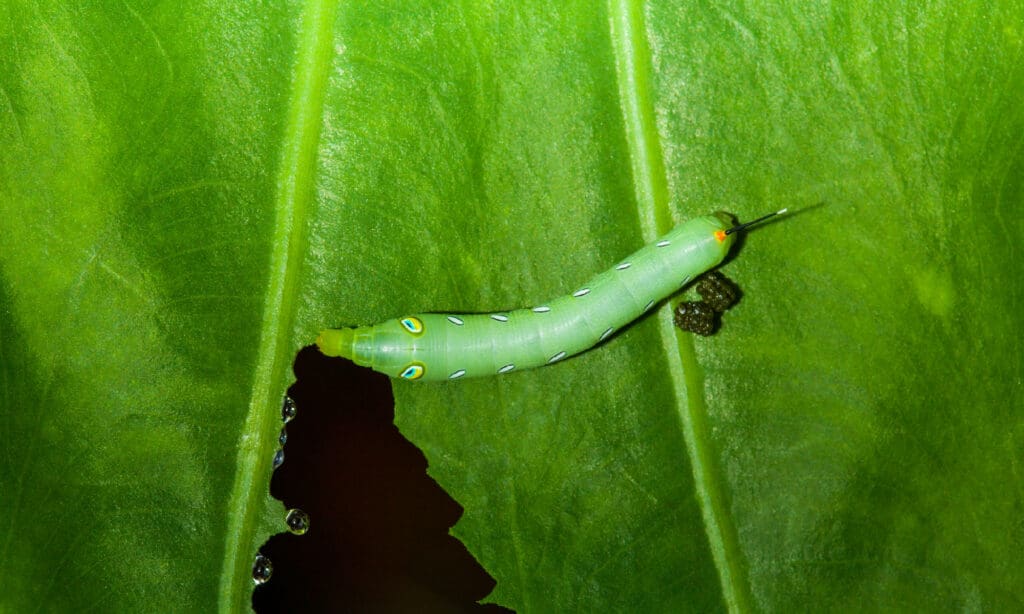
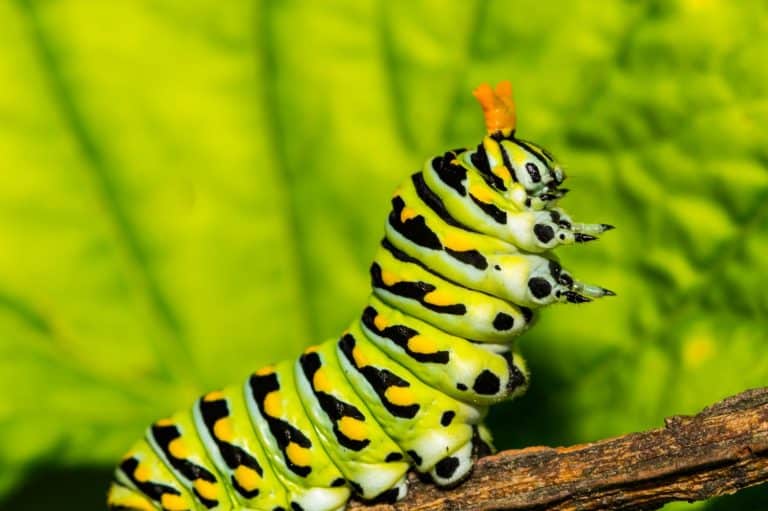
Caterpillars defecate in the form of pellets.
©iStock.com/SuwanPhoto
The solid waste of insect larvae, including caterpillars, is called frass. Caterpillar frass is composed of small, hard, cylindrical, or spherical pellets that are typically brown, black, or green.
Caterpillars must consume massive amounts of food, up to 1,000 to 2,700 times their body weight, to store enough protein and fat for metamorphosis. Because adult butterflies consume very little protein, caterpillar larvae must eat enough protein to build their adult bodies during metamorphosis. A caterpillar’s voracious, near-constant feeding produces massive, often staggering amounts of solid waste. Due to inefficient digestion, they eat much more than they absorb, resulting in consistent, rain-like droppings that fall in their wake.
Tent caterpillars (Malacosoma), however, poop in their nests. These caterpillars will expand their gauzy nests, or tents, to move away from their built-up poop.
What is the Green Stuff Coming Out of a Caterpillar?
Caterpillar vomit appears as a green liquid, which caterpillars use as a defense mechanism to deter predators. It consists of partially digested vegetation. When disturbed or stressed, species like monarchs (Danaus plexippus), swallowtails (Papilionidae), and hawk moths(Sphingidae) may regurgitate. Regurgitation can also indicate pesticide poisoning or overcrowding.
What Do Caterpillars Eat?
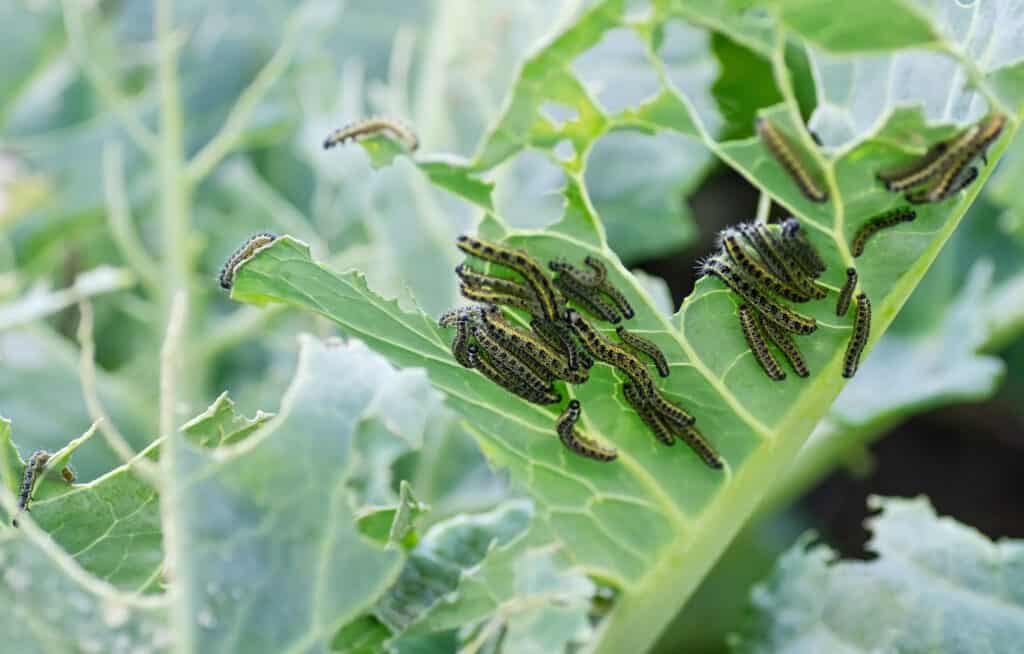
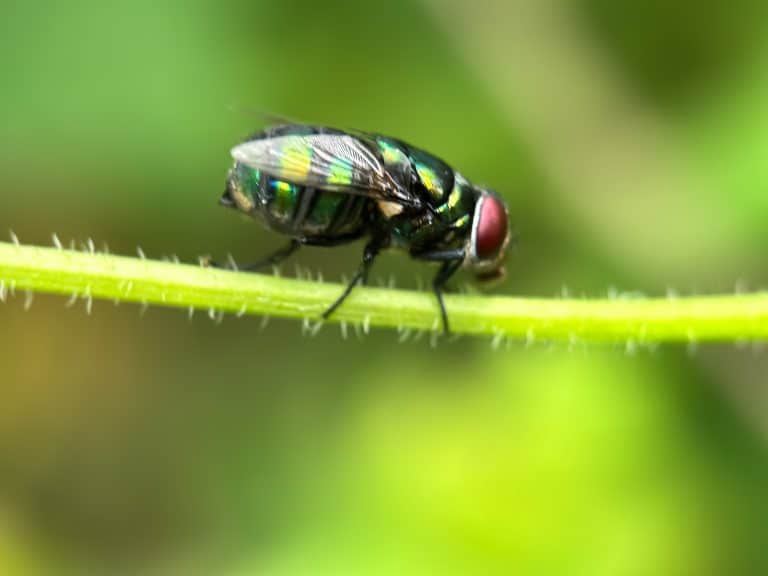
Caterpillars primarily feed on plant parts.
©Elena_Gr/Shutterstock.com
As herbivores, caterpillars primarily feed on plant parts, especially leaves. Their leaf-based diet satisfies their water needs, as they do not drink water. Besides leaves, some caterpillar species eat angiosperms. They may eat the buds, petals, pollen, and seeds of these plants.
Skin moth caterpillars (Monopis laevigella) are primarily scavengers that feed on dry or decaying animal-based materials, including dead animal carcasses, bird nests, and owl pellets.
What’s Caterpillar Poop Good For?
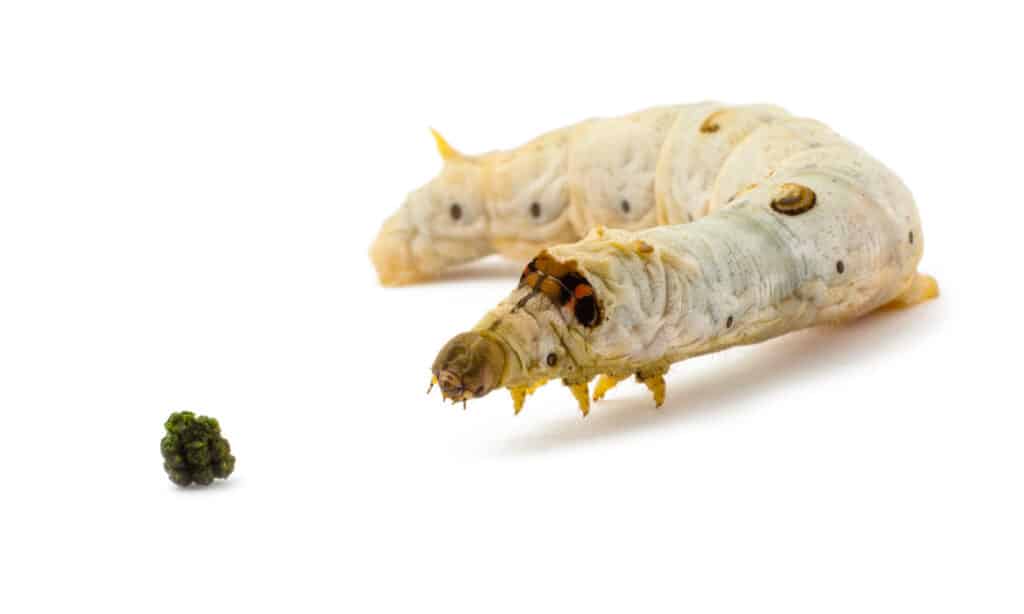
Caterpillar frass is too small to market as a commercial plant fertilizer.
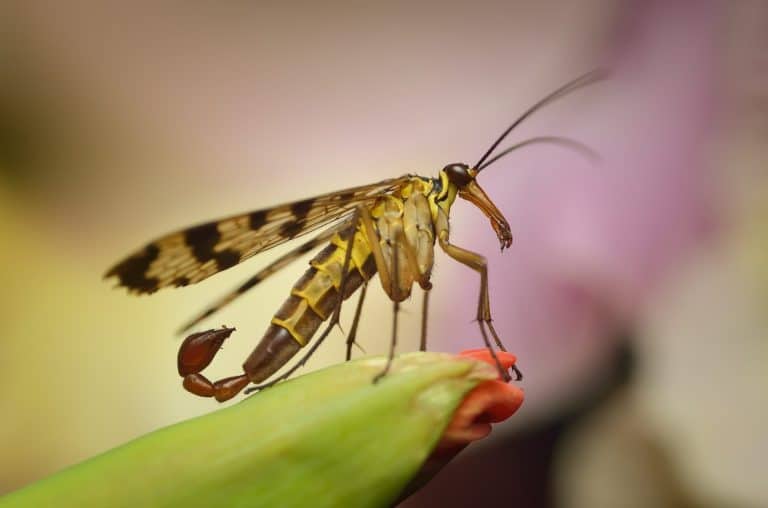
©iStock.com/dzphotovideo
Caterpillar frass is a good source of nutrients for plants, but it is too small to be commercially viable. While caterpillar frass does make a splendid small-scale fertilizer, one must factor in the damage the caterpillars are inflicting on plants to produce the frass.
Caterpillars generally cause more damage to the specific plant they are feeding on than the nutrients in their frass can replenish. While caterpillar frass is high in nitrogen, phosphorus, and potassium, which are excellent for soil fertility, the immediate structural damage, reduced photosynthesis, and potential for plant death during outbreaks often outweigh these benefits.
How Do Tricky Caterpillars Use Their Poop?
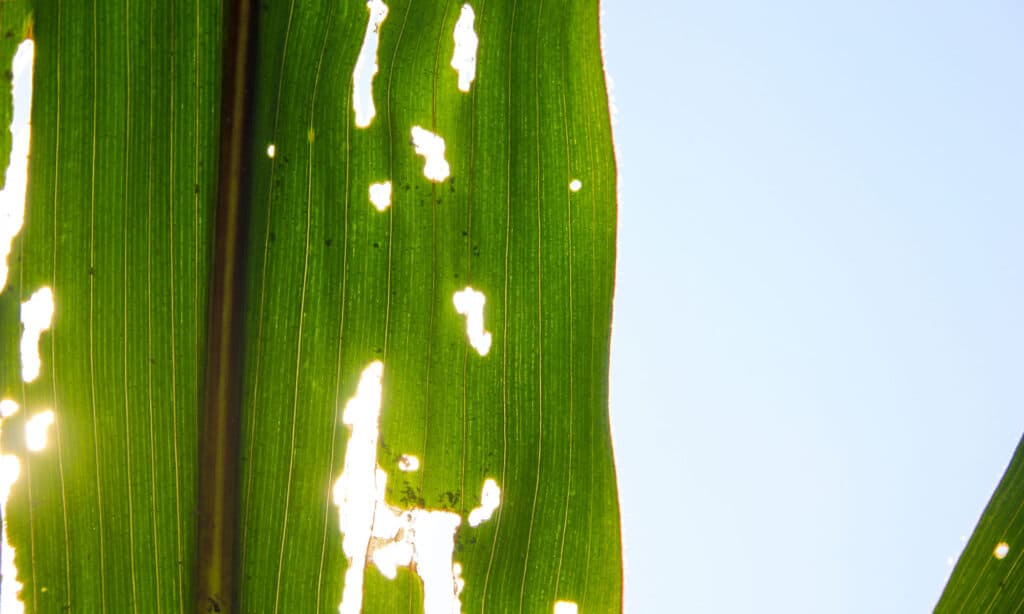
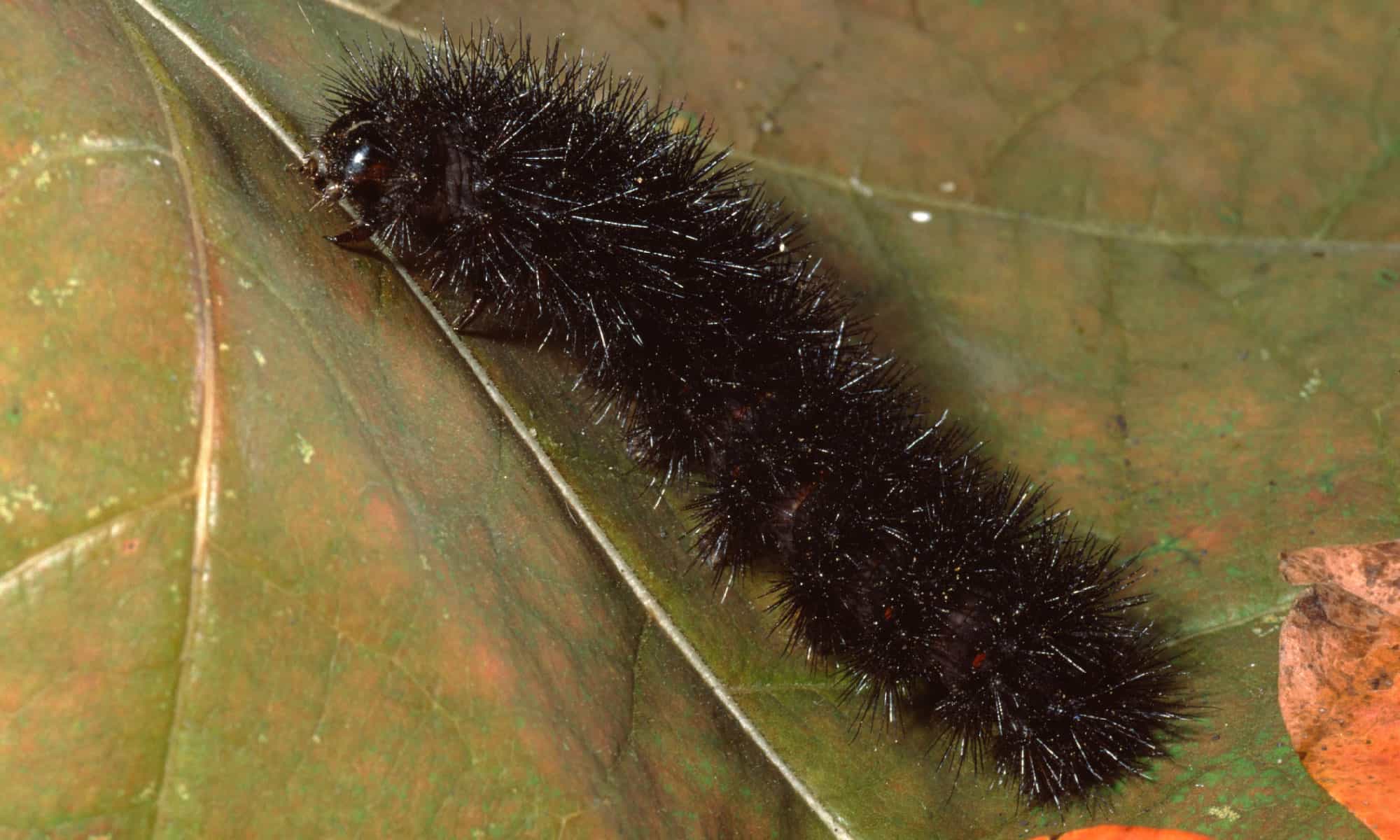
Some caterpillars can override a plant’s defenses with their frass.
©The natures/Shutterstock.com
Caterpillars that feed on corn leaves have developed methods of getting the most nutrients from their meals. According to some scientists at Pennsylvania State University, they do this by tricking the plants with their poop.
The chemical signals from their poop deceive plants into believing they are suffering from a fungal infection instead of an insect attack. Corn plants have two lines of defense, one against insect pests and the other against fungal infections. Unfortunately, they cannot employ both defenses simultaneously. Since corn plants can’t effectively handle both attacks at once, they’ll focus all their attention on fighting this perceived fungal infection. This allows the caterpillars to feast on the leaves without interference.