
Quick Take
- The caterpillar doesn't just get eaten. It willingly defends its killers, and the reason why is stranger than it sounds. See the caterpillar's fate →
- Removing the caterpillar from beside the cocoons has a consequence for the wasps' survival that is both measurable and alarming. Discover the survival stakes →
- Scientists think they know what's controlling the caterpillar's brain, but the real answer turns out to be far weirder than a simple chemical hijack. Explore the brain control mystery →
- The wasps face a threat just as ruthless as themselves, and the caterpillar is their only defense against it. Meet the wasps' predators →
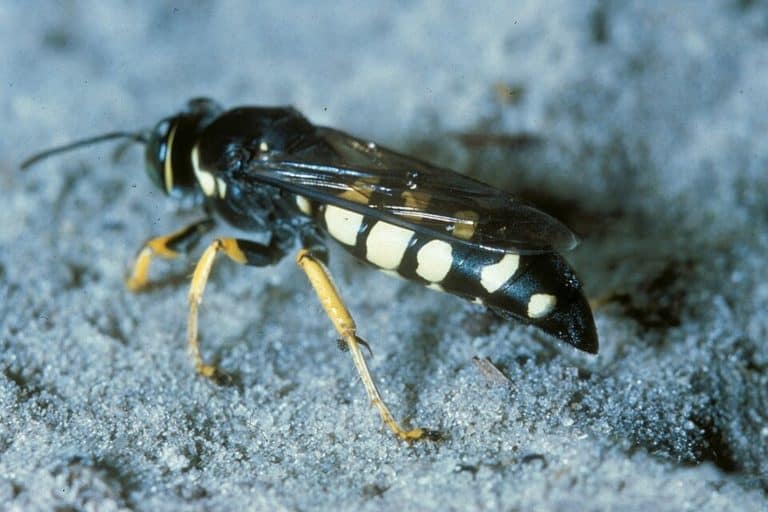
If you’ve been looking for your daily dose of insect horror, look no further than wasps in the Glyptapanteles genus. Females found in these species target caterpillars for a very specific and gruesome activity: they inject eggs directly into their bodies and use their still-living husk to protect their young. Once the young explode from the caterpillar, they continue to use its body for their own devices.
What happens to caterpillars that are the victims of these parasitoid wasps, and why are these wasps known colloquially as voodoo wasps? Prepare yourself for some spooky facts as we dive into this horrific process.
A Caterpillar Guarding Young Wasps Against its Will
It’s important to note that caterpillar infected with Glyptapanteles eggs continues to live for roughly two weeks while wasps are maturing inside of it. As the larvae emerge, the caterpillar stops feeding and moving, and the fully developed larvae chew their way out through the caterpillar’s skin. The young release a paralytic chemical during their exit to keep the host alive, sealing their exit wounds with plugs made from their shed exoskeletons.
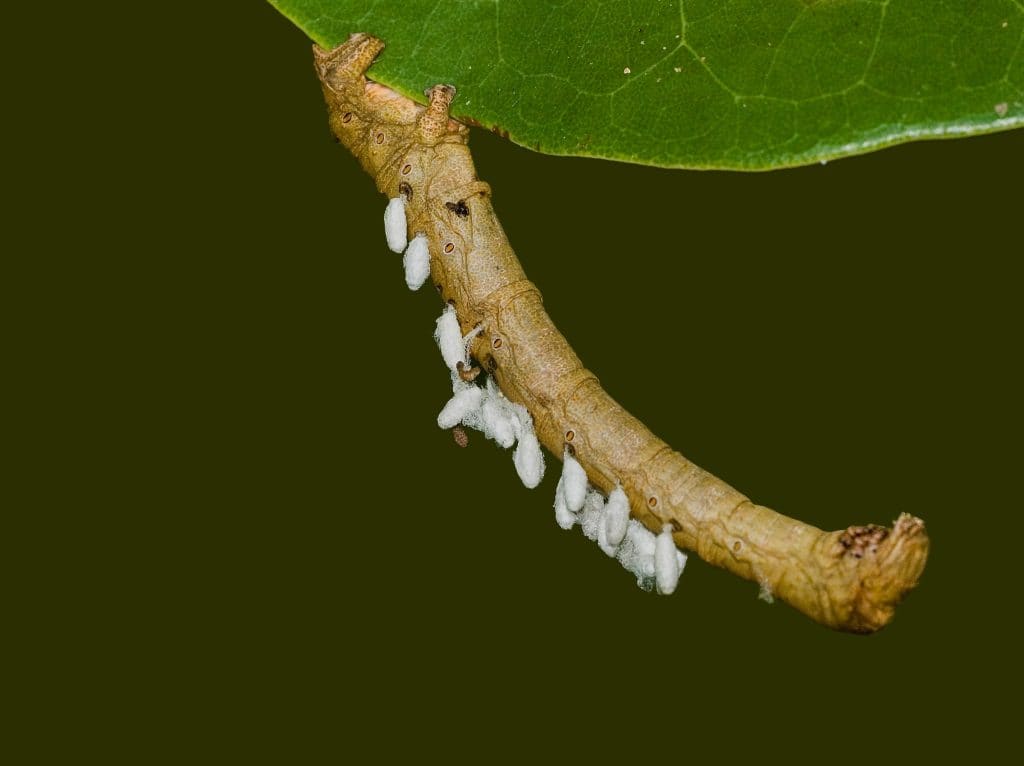
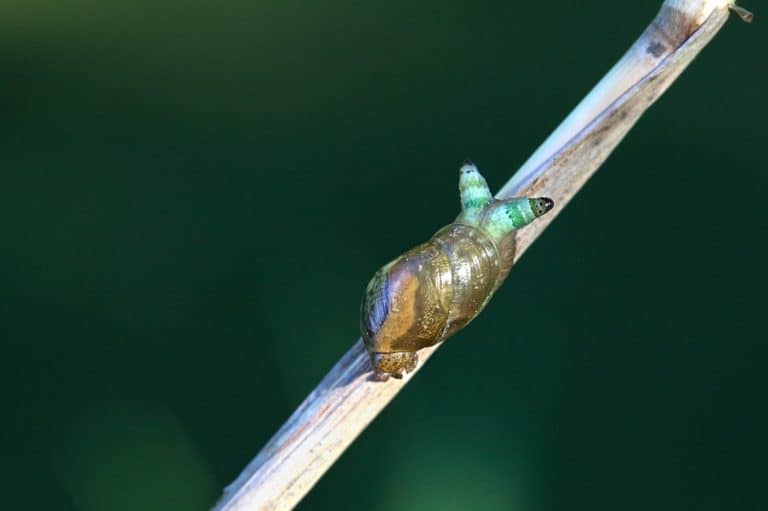
This moth stick caterpillar was injected with wasp eggs, something that Glyptapanteles wasps do.
©Donna Bollenbach/Shutterstock.com
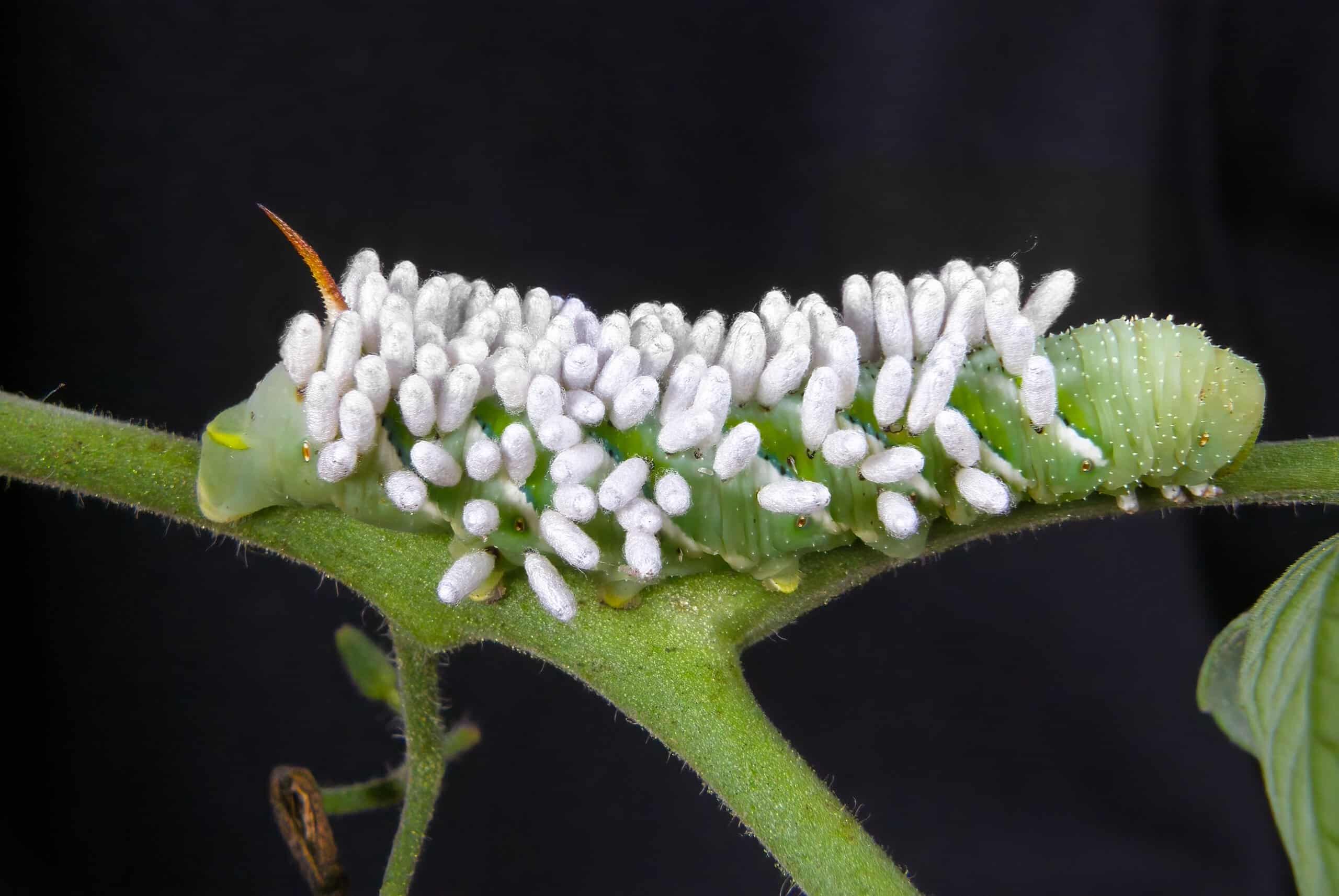
If that wasn’t horrifying enough on its own, the wasps then spin cocoons nearby, cocoons the caterpillar guards. If a threat approaches, the caterpillar swings its head violently, occasionally rearing up on its hind legs and bending over the cocoons to protect them. It may also use its own silk to fortify the wasp cocoons, guarding the offspring of the wasps that just spent two weeks consuming it from the inside out.
According to a 2008 study published in PLOS ONE performed by the University of Amsterdam, employing a caterpillar against its will has measurable survival consequences for the wasps. When caterpillar bodyguards were removed from beside the cocoons, the death rate of the wasp pupae doubled. What’s even more important (albeit bizarre) is that the infected caterpillars guarding the wasp cocoons were just as physically active as uninfected ones during this period.
After adult wasps emerge from their cocoons and fly away, the caterpillar dies; in Grosman’s study, all infected Thyrinteina leucocerae caterpillars died within a week of the wasps’ emergence. But why do wasps use caterpillars like this, and how do they control the caterpillar in this way?
Threats to Wasp Larvae: Why Caterpillars Are Vital
Caterpillars protect wasp larvae against something very specific: hyperparasitoids. These are other parasitoid wasp species that target Glyptapanteles pupae, injecting their own eggs into the cocoons and killing the developing wasps inside. Apparently, these wasps ruin the lives of other insects, regardless of the species.
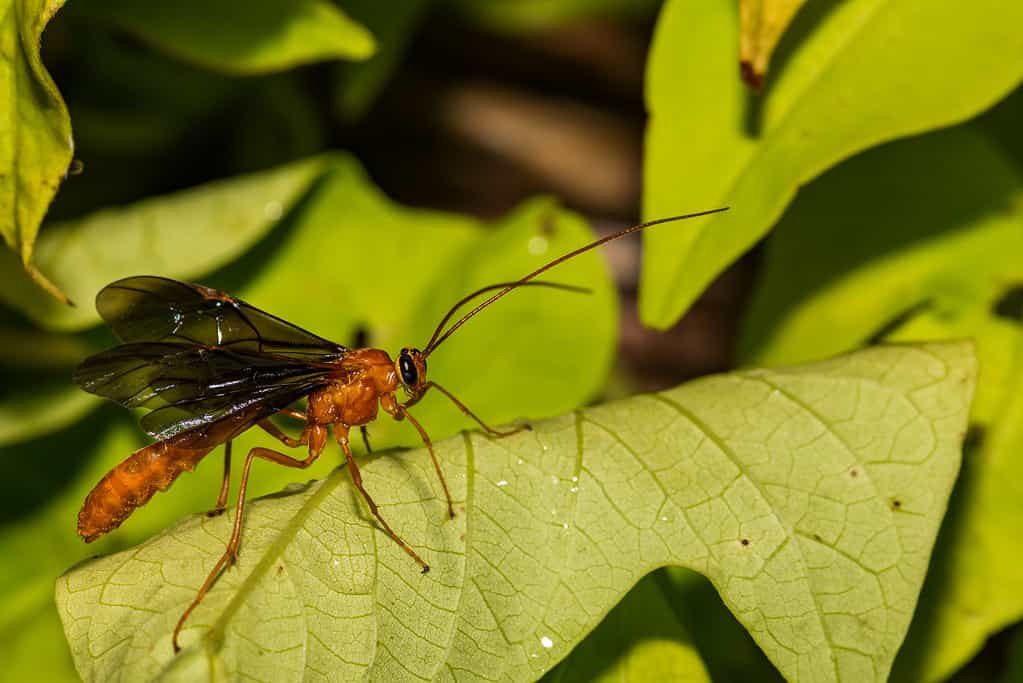
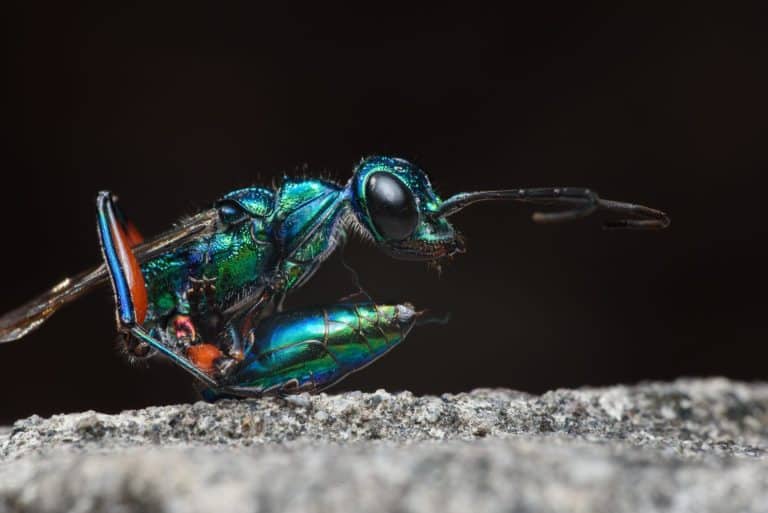
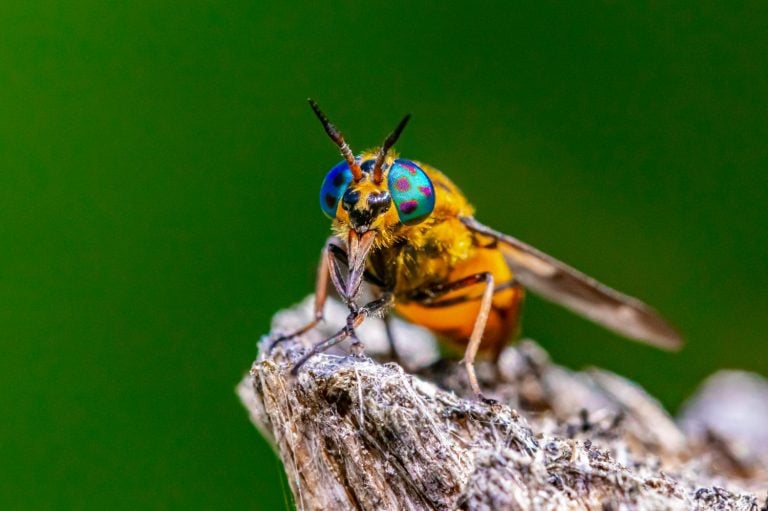
Wasps known as parasitoid wasps infect other insects with their eggs.
©JasonOndreicka/iStock via Getty Images
According to research published in PMC, the behavioral changes in the host develop abruptly, but only after the parasitoid larvae exit. The caterpillar’s guarding posture and violent head swings function as deterrence against these other wasps, which are smaller and can be repelled by a thrashing caterpillar in a way that the stationary cocoons alone cannot achieve.
While controlled by wasps, the caterpillar becomes a bodyguard to larvae. But how does this control happen? Why does the caterpillar protect the cocoons of its enemy?
How Does the Wasp Control the Caterpillar?
Despite research, the exact mechanism of behavioral manipulation in Glyptapanteles has not been fully discovered, though there are some fascinating findings.
To begin, Grosman’s team ruled out several obvious explanations. The cocoons themselves do not secrete behavior-altering chemicals: placing uninfected caterpillars next to Glyptapanteles cocoons produced none of its bizarre behavior. The act of egg injection wasn’t a trigger either, since the changes only appeared two weeks post-infection.
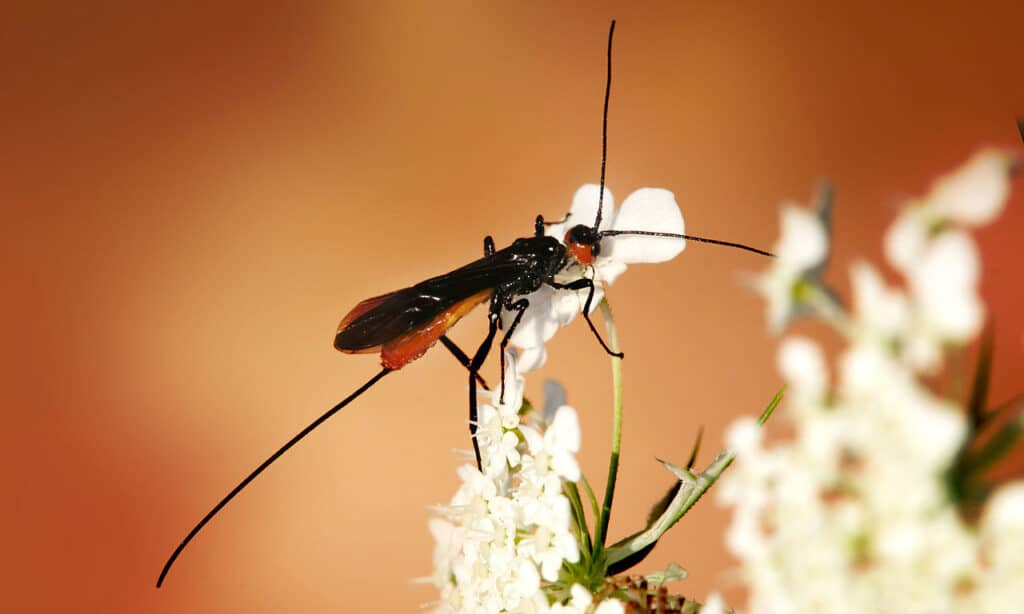
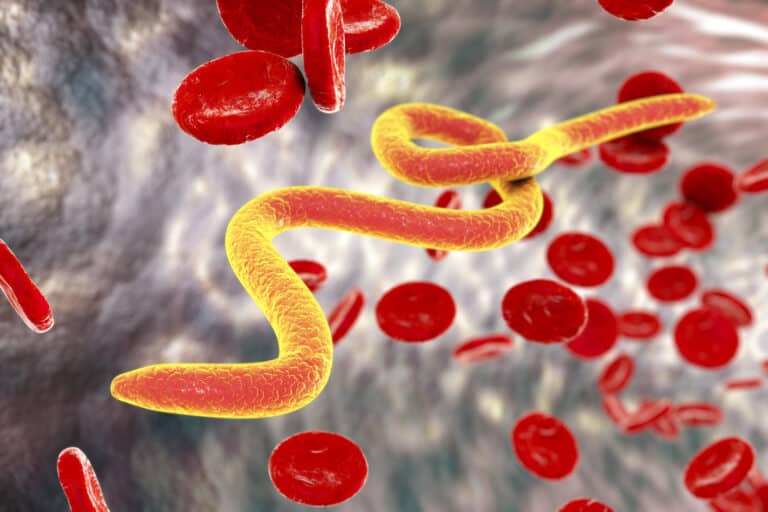
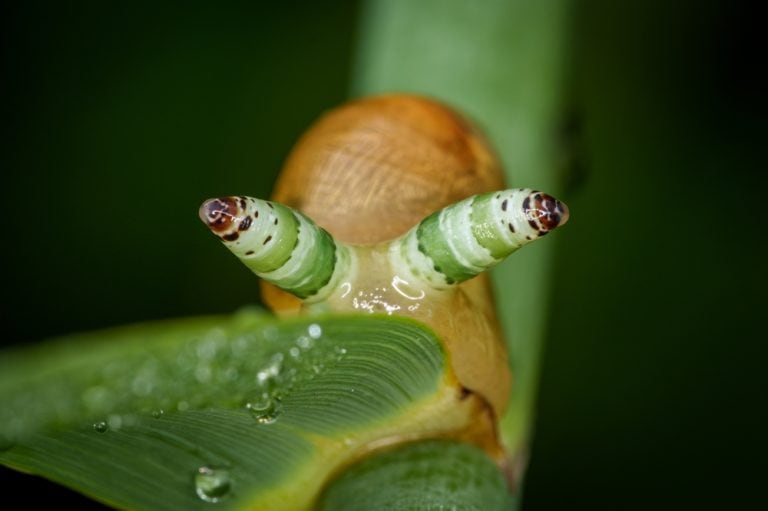
It is still unclear how wasps are able to control caterpillars after infecting them with their eggs.
©Richard Bartz, Munich aka Makro Freak / CC BY-SA 2.5 – Original / License
What Grosman uncovered when dissecting infected caterpillars was suggestive, but still inconclusive: one or two wasp larvae appeared to remain inside the caterpillar’s body after the main group exited. These residual larvae may be what drives the manipulation, either by producing neurochemical compounds, by physically interfering with the host’s nervous system, or through some combination of both.
As National Geographic reported on this study, the remaining larvae are still inside the caterpillar while it guards the cocoons, and may die there, which means that they might be a possible sacrifice to protect their siblings. However, whether this is truly the control mechanism, and what molecular pathway it operates through, remains an open debate.
We took a look at the research involving other braconid wasps and their hosts, and found evidence of psychotropic chemicals as well as hormonal manipulation. A 2017 study in PMC on parasitoid manipulation of spiders found elevated levels of 20-hydroxyecdysone, which is a molting hormone, in manipulated hosts, suggesting that some parasitoids hijack their host’s existing hormones instead of introducing entirely new chemicals or factors. Whether a similar mechanism is at work in Glyptapanteles has not yet been confirmed, but it’s a possible explanation.
Parasitism: How the Insect World Takes Advantage
Glyptapanteles is ultimately a parasite capable of altering a host’s behavior. Through this process, they not only aid the species’ own survival, but actively recruit the host as a defender of its offspring after the parasite has already left.
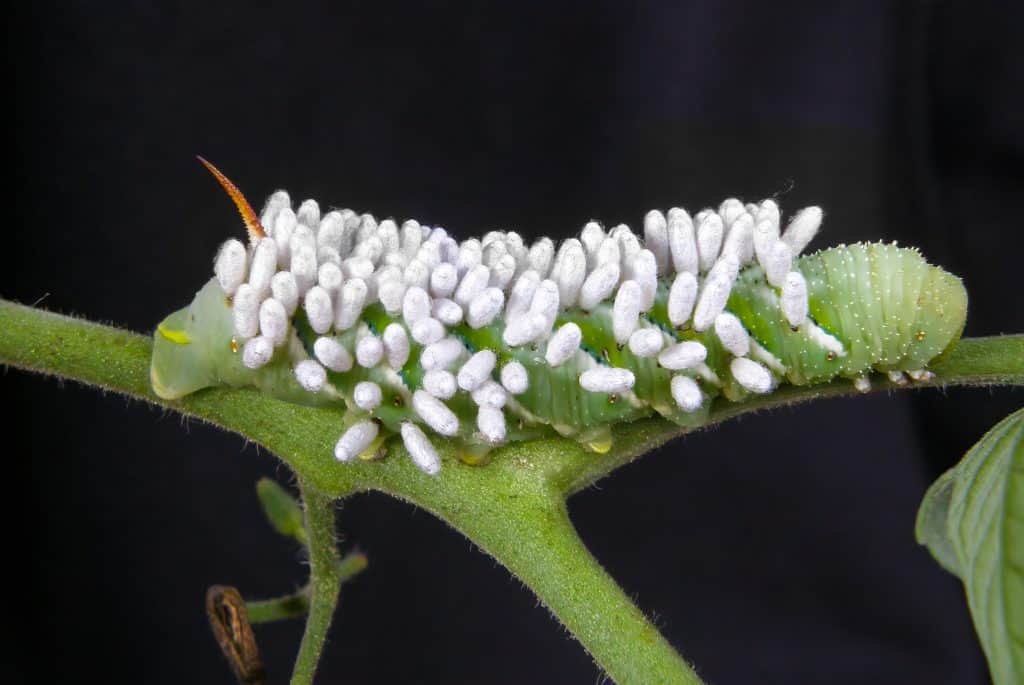
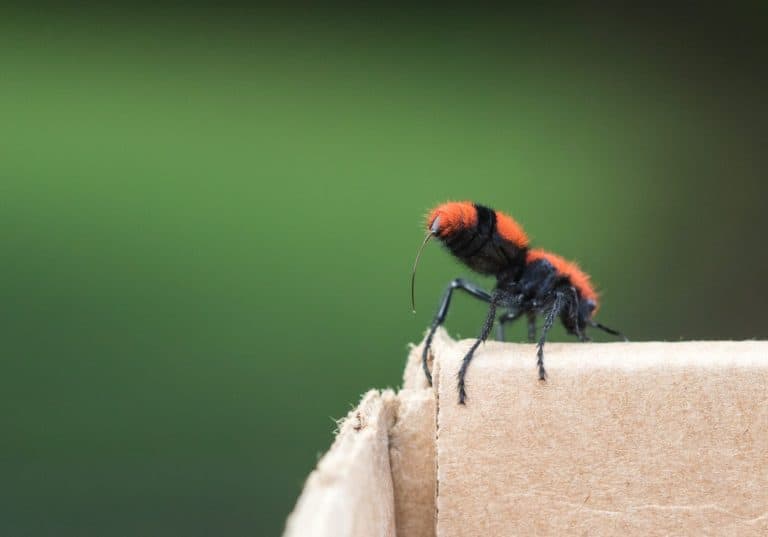
Ultimately, these parasitic wasps use other insects in order to keep their species flourishing.
©Georgi Baird/Shutterstock.com
Evolution has produced an outcome where a host’s final days of life are spent in service of the organisms that consumed it, wholly against its will. Here’s hoping further research will reveal the truth behind how these wasps accomplish this spooky feat, mainly so that we can better understand these terrifying parasites.