
Quick Take
- That fluffy, adorable caterpillar is hiding something that can send you to the ER. See the hidden danger →
- Its soft fur isn't just for looks. It's actually a delivery mechanism for something far worse. Discover how the spines work →
- Most people wouldn't recognize this insect's larval stage, and that mistake comes with consequences. Learn to identify this caterpillar →
- If you get stung, what you do in the next few seconds determines how bad it gets. Read about sting effects →
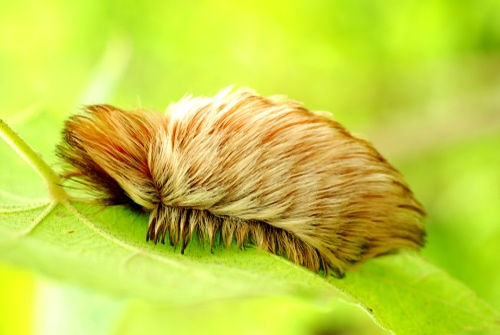
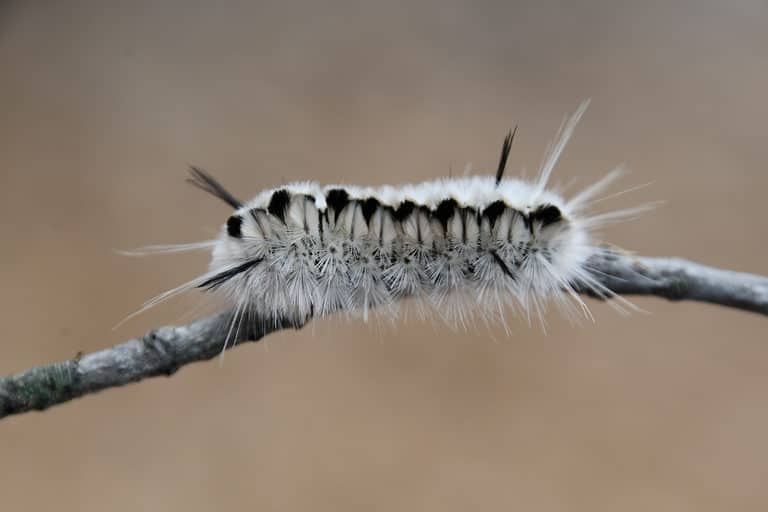
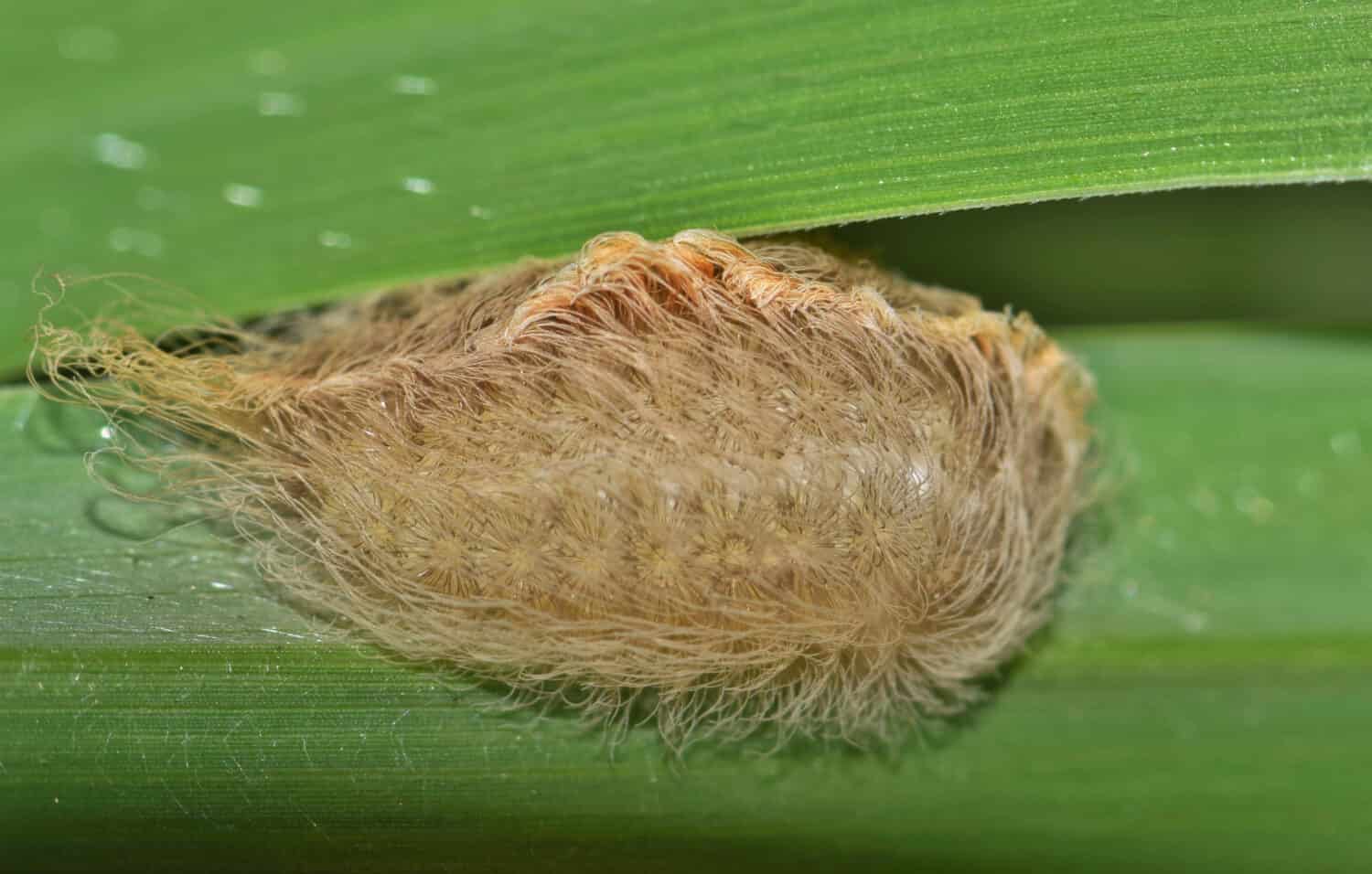
There are some pretty interesting insects out in nature. They come in an incredible variety of shapes, sizes, and colors. The flannel moth is one of the most unusual. This Instagram post by @doriancerda shows the flannel moth caterpillar’s fluffy appearance. Read on to learn more.
Continue reading
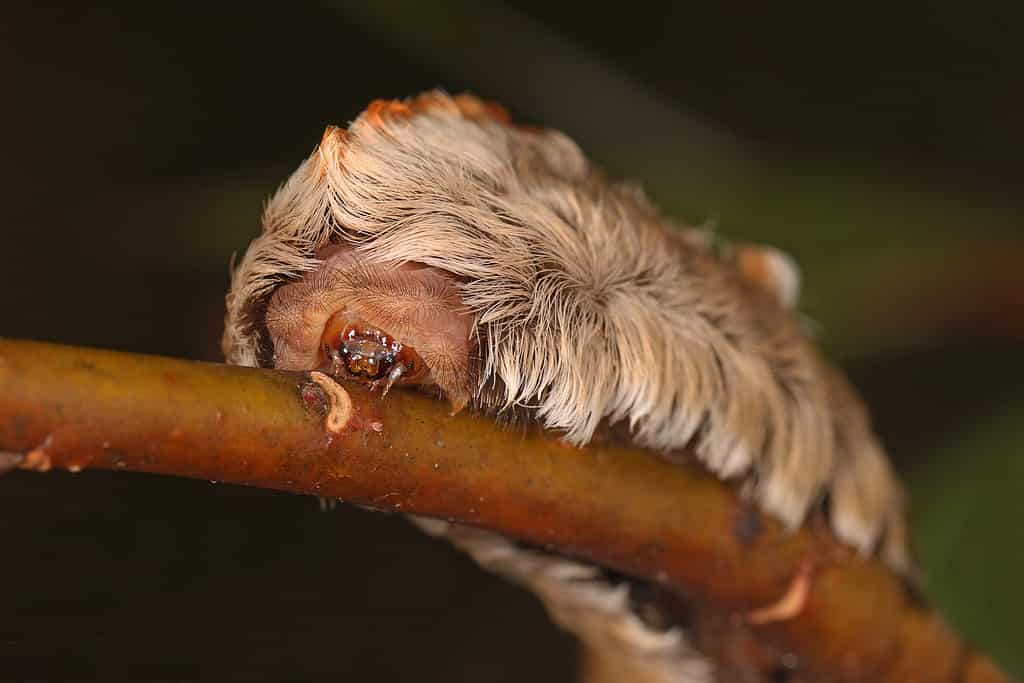
Despite its fluffy appearance, the southern flannel moth caterpillar has venomous spines that can cause intense pain.
About the Southern Flannel Moth
The southern flannel moth looks fascinating throughout its lifecycle. These fuzzy little creatures are small, only growing up to an inch long. The setae vary widely in color, ranging from white, grayish white, yellow, and tan to golden brown, reddish-brown, and dark charcoal gray, and may even include streaks of orange. While cute, you should avoid touching these insects. Hidden underneath their fluffy coat are venomous spines.
The outer fur acts as camouflage, concealing venomous needles beneath. When something brushes against the caterpillar, the needles can break off and embed themselves in the skin, slowly delivering the painful venom. The pain is intense and often described as a burning sensation. It usually subsides in about an hour, though it may last longer in more severe cases. If you are stung, avoid rubbing the area and seek medical attention if you have difficulty breathing, swelling in the face or throat, hives, or other signs of an allergic reaction.
If you see a southern flannel moth caterpillar, it’s best to avoid it. They are found primarily in the southeast and south-central United States, including parts of Florida, Arkansas, and Texas. As larvae, they feed on a broad range of plants, including oak, elm, rose, apple, and other trees and shrubs. Because of this, the southern flannel moth lives in forests, parks, and gardens. After the cocoon phase, the caterpillar emerges as an adult southern flannel moth. Retaining their furry appearance, the adults become cream-colored moths with orange on the thorax and at the base of the forewings, and no longer have venomous spines.