
C
Species Profile

Chow Shepherd

Canis lupus familiaris

Fluff of a Chow, heart of a Shepherd
Michael J Magee/Shutterstock.com

Chow Shepherd Distribution

Domesticated Species

Found Worldwide

Size Comparison

Human 5'8"
Chow Shepherd 1 ft 11 in

Chow Shepherd stands at 34% of average human height.

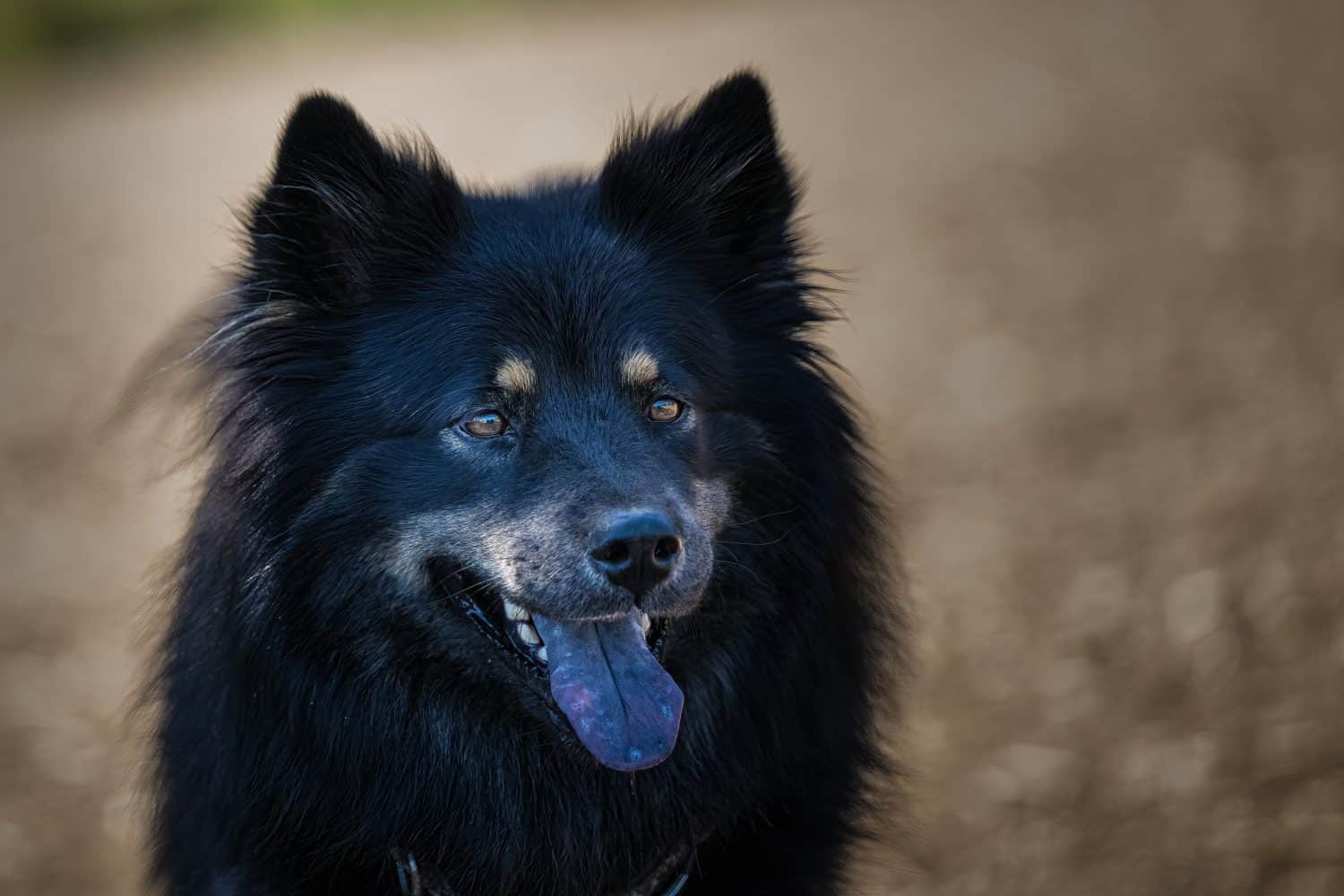
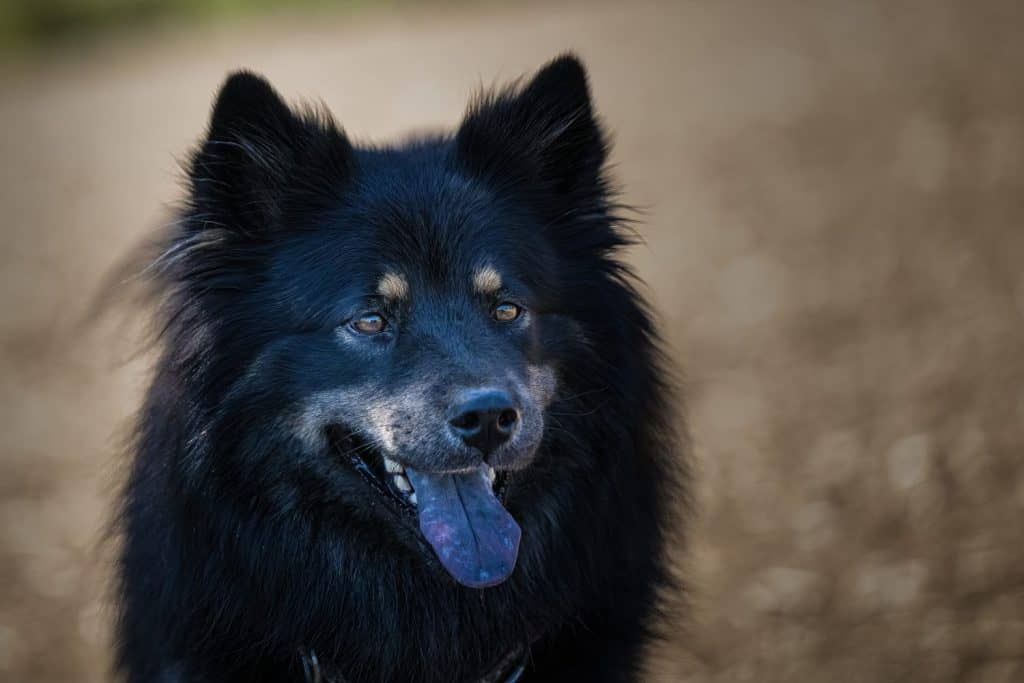
A SHEPARD CHOW MIX WITH BEAUTIFUL EYES AND A BLACK TONGUE AT THE MARYMOOR OFF LEASH DOG AREA IN REDMOND WASHINGTION

At a Glance

Domesticated
Also Known As Chow Shepherd mix, Chow-Shepherd cross, Chow × Shepherd, Shepherd-Chow mix
Diet Omnivore
Activity Diurnal+
Lifespan 10 years
Weight 40 lbs
Status Not Evaluated
Did You Know?

Many inherit the Chow's blue-black tongue pigmentation (often partially).

Scientific Classification

A domestic dog cross (hybrid) between a Chow Chow and a German Shepherd Dog; traits can vary widely between individuals, often combining spitz-like coat/ruff and erect ears with shepherd-like athletic build and working-dog behavior.

Kingdom
Animalia
Phylum
Chordata
Class
Mammalia
Order
Carnivora
Family
Canidae
Genus
Canis
Species
Canis lupus

Distinguishing Features

  • Often medium-to-large size with a dense double coat
  • Erect or semi-erect ears common
  • Coat colors frequently black/tan, sable, cream, or red; may show shepherd-like patterning
  • Temperament often loyal/protective; may be reserved with strangers
  • Variable muzzle length (can be more chow-like or shepherd-like)

Physical Measurements

Males and females differ in size

Height
♂ 1 ft 12 in (1 ft 8 in – 2 ft 2 in)
♀ 1 ft 9 in (1 ft 7 in – 1 ft 11 in)
Length
♀ 3 ft 6 in (3 ft 1 in – 3 ft 11 in)
Weight
♂ 75 lbs (57 lbs – 93 lbs)
♀ 60 lbs (44 lbs – 75 lbs)
Tail Length
♂ 1 ft 3 in (11 in – 1 ft 6 in)
♀ 1 ft 2 in (12 in – 1 ft 4 in)
Top Speed
28 mph
Up to 45 km/h

Appearance

Primary Colors
Secondary Colors
Skin Type Canis lupus familiaris skin varies in color (darker with dark coats) and sits under a dense double coat—plush (Chow) or medium with heavy seasonal shedding. Prone to dryness and hot spots if undercoat stays damp.
Distinctive Features
  • Mixed-breed domestic dog (Chow Chow × German Shepherd Dog); not a formally standardized/recognized pure breed-appearance and temperament can vary widely between individuals, more than most established breeds.
  • Compared to gray wolf (Canis lupus), Chow Shepherds are smaller, have a shorter muzzle (variable), more coat color variety, more trait differences, friendlier to people, and lack strong wolf skull and teeth.
  • Build often combines Shepherd athletic frame with Chow heaviness: medium-large, sturdy body; deep chest; strong neck; may appear more compact and thickset than a typical German Shepherd or more athletic/leggy than a typical Chow.
  • Head and face can range from Shepherd-like wedge to broader Chow-like skull; some individuals show a shorter, fuller muzzle and a heavier ruff/manes around the neck.
  • Ears commonly erect or semi-erect; tail may be straight like a Shepherd or curled/plumed over the back like a Chow (a hallmark spitz trait).
  • Coat usually double-coated with significant seasonal shedding ("blowing coat"); length ranges from medium to long with feathering and a thick ruff-regular grooming is typically required to prevent matting and undercoat compaction.
  • Temperament blends loyal, protective, and alert traits; often reserved with strangers from Chow side and very trainable and work-oriented from Shepherd side. Early socialization and steady training reduce guarding, reactivity, and dog-only aggression.
  • Exercise and enrichment needs are moderate to high: daily structured walks plus training/mental work (obedience, scent games, puzzle feeding). Under-exercised individuals may develop nuisance behaviors (barking, destructiveness).
  • Needs frequent brushing (2-4 times weekly, daily during heavy shedding), regular ear checks (upright ears can trap debris), nail and foot care, dry coat after baths/swims, avoid hard exercise because of dense undercoat.
  • Common health risks from parents include hip and elbow dysplasia, degenerative myelopathy, cruciate ligament injuries in active/heavy dogs, hypothyroidism, chronic skin allergies and hot spots, ear infections, and entropion from Chow faces.
  • Behavior/handling considerations: may be strong-willed and independent (Chow influence) yet sensitive/drivey (Shepherd influence). Best outcomes come from positive reinforcement, clear boundaries, and early exposure to people/animals/novel environments.

Sexual Dimorphism

Sexual dimorphism is present as in most domestic dogs: males tend to be larger, heavier-boned, and more broadly headed with a more prominent neck ruff; females are typically smaller with a lighter frame. Degree varies widely because this is a hybrid cross.

♂
  • Often taller and heavier with broader chest and thicker neck/ruff
  • More blocky or robust head and muzzle in Chow-leaning individuals
  • May show more pronounced territorial/guarding behaviors if under-socialized (individual variation)
♀
  • Typically smaller and lighter-boned with a narrower head
  • Often slightly less massive ruff/coat volume (variable)
  • May mature earlier and appear more streamlined/athletic in Shepherd-leaning individuals

Did You Know?

Many inherit the Chow's blue-black tongue pigmentation (often partially).

Their look can range from "fluffy shepherd" to "lean chow," even within one litter.

Erect ears are common, but some develop a semi-flop "in-between" ear set.

Coat type varies widely: plush spitz-like ruff, shepherd double coat, or a mix-shedding is usually heavy.

Temperament often blends Chow reserve with German Shepherd work-drive, making early socialization especially important.

Because both parent breeds have hip dysplasia risk, responsible weight management and joint-friendly exercise matter from puppyhood.

Unique Adaptations

  • Dense double coat and neck ruff (often) provides insulation and weather tolerance, but increases overheating risk in hot climates.
  • Erect or semi-erect ears enhance sound localization; many individuals are notably reactive to novel noises.
  • Powerful jaw and sturdy neck/shoulders (common in both lines) supports carrying and tug work; channel into structured games.
  • High trainability potential from shepherd ancestry, paired with possible chow independence-best results with reward-based, consistent routines.
  • Guarding instincts plus strong environmental awareness can make them excellent "alarm dogs," requiring careful socialization to prevent over-vigilance.

Interesting Behaviors

  • Territorial "patrol loops": many will routinely circle a yard/home perimeter like a guard or herder.
  • One-person "shadowing": they may bond intensely to one handler and follow room-to-room.
  • Reserved greetings: some prefer to observe before engaging-warming up after a calm introduction.
  • Watchful perching: choosing a higher spot (porch, stairs) to monitor activity, a common guarding tendency.
  • Mouthy play or "herding nudges": some show German Shepherd-style guiding behavior, especially with running kids or pets.
  • Quiet assessment with sudden action: long stillness followed by quick bursts of speed when motivated.

Cultural Significance

The Chow Shepherd is a mixed dog (Chow Chow × German Shepherd) that blends the Chow Chow's ancient East Asian "lion-dog" look with the German Shepherd's working-dog role. Not a standard breed, it shows modern taste for plush looks and trainable guardian skills.

Myths & Legends

In Chinese folk tradition, the Chow Chow is sometimes linked with "lion dogs," with stories and art depicting dog-like guardians resembling lions that protect homes and temples-echoing the protective symbolism of the Chinese guardian lion.

A common legend says Chow Shepherds got blue-black tongues when, at the world's creation, one licked drops of color falling from the sky, leaving dark tongue marks as proof.

German Shepherd history often begins with Captain Max von Stephanitz choosing a dog, Horand von Grafrath, in 1899. That choice is told as the founding story of the modern breed in breed lore.

Early 1900s films and wartime stories made German Shepherds seem like heroes. Tales of messenger and guard dogs, and famous dogs like Rin Tin Tin, built their brave, loyal image in public mind.

In parts of Europe, black dogs appear in old protective and spooky tales; dark-coated Chow Shepherds (Chow Chow × German Shepherd, Canis lupus familiaris) are often playfully called household guardians today.

Conservation Status

NE Not Evaluated

Has not yet been evaluated against the criteria.

Population Stable

Life Cycle

Birth 5 pups
Lifespan 10 years

Lifespan

In the Wild
7–12 years
In Captivity
8–14 years

Reproduction

Mating System Polygynandry
Social Structure Managed Domestic
Breeding Pattern Serial
Fertilization Managed Selective
Birth Type Internal_fertilization

Behavior & Ecology

Social Pack Group: 3
Activity Diurnal, Crepuscular, Cathemeral
Diet Omnivore Meat-forward diets (often poultry or fish-based) with added omega-3s for coat/skin support.

Temperament

Highly variable hybrid profile; commonly combines Chow Chow aloofness/reserve with German Shepherd vigilance and handler orientation.
Loyal and protective; may be territorial and wary of strangers-benefits from early, positive exposure to people, dogs, and environments to prevent fear-based guarding.
Intelligent and trainable but may be independent/"selective" in obedience; responds best to consistent rules, reward-based training, and clear boundaries rather than harsh corrections.
Moderate-to-high working/engagement needs are common (especially if shepherd traits dominate); under-stimulation can present as pacing, nuisance barking, destructiveness, or reactivity.
Potential dog-selective behavior; careful management around unfamiliar dogs and controlled greetings are often needed, particularly in adolescence.
Prey/chase drive can be moderate; secure fencing and leash reliability training are important.
Care requirements (breed-mix distinction): often heavy shedding and dense double coat; frequent brushing/undercoat management helps prevent matting and reduces skin irritation; heat tolerance may be reduced in heavy-coated individuals.
Watch for hip and elbow dysplasia, degenerative myelopathy, cruciate ligament injuries, bloat (GDV), skin allergies, hypothyroidism, and entropion. Keep the dog lean and get vet screenings.

Communication

Barking Alert/territorial and demand barking
Low growls/rumbling warnings Often used as distance-increasing signal
Whining/whimpering Frustration, attention-seeking, separation distress
Howling Less common; can occur with sirens or social arousal
Snorting/huffing Brief warning/uncertainty; individual-dependent
Erect-ear orientation and intense staring/monitoring at thresholds Common "sentinel" posture
Body blocking/leaning to control space around handler; may escalate to lunging if fearful or under-socialized
Piloerection along neck/back during arousal; stiff, upright posture as a warning signal
Tail carriage varies with phenotype: curled/spitz tail can mask subtle wag signals-handlers should rely more on whole-body tension/relaxation cues
Scent marking/urine marking (especially in intact males) to define territory; increased marking in new environments
Muzzle nudges, pawing, and "check-ins" with the primary handler when bonded; may show reduced overt appeasement toward strangers compared to many domestic dogs
Mouthiness/controlled nipping may appear in shepherd-leaning individuals (herding-derived behavior); redirect to toys and reinforce calm alternatives

Habitat

Biomes:
Temperate Forest Temperate Grassland Boreal Forest (Taiga) Tundra Alpine Mediterranean Desert Hot Desert Cold Wetland Freshwater Marine +5
Terrain:
Mountainous Hilly Plateau Plains Valley Coastal Island Riverine +2
Elevation: Up to 16404 ft 3 in

Ecological Role

Domestic companion/guardian with limited ecological predation; primarily dependent on humans for food rather than functioning as a wild hunter.

companionship and emotional support property/household guarding and deterrence assistance/working roles (training-dependent) localized pest deterrence (discouraging rodents/wildlife near homes) participation in human-managed ecosystems (walking trails/urban areas) rather than natural food webs

Diet Details

Main Prey:
Poultry Cattle Lamb Fish Eggs Small mammals Carrion +1
Other Foods:
Cooked grains and starches Vegetables Fruits Plant oils Fermentable fibers

Human Interaction

Domestication Status

Domesticated

Canis lupus familiaris: a domesticated dog. The Chow Shepherd (Chow Chow × German Shepherd Dog) is a modern, nonstandard cross, so traits vary. They bond with people and live in homes, often mixing strong guard/territory drive (GSD) with Chow aloof and a dense double coat. Medium-large, heavy seasonal shed; roles: companion, guard, hiking partner, watchdog; rare formal service work.

Danger Level

Moderate
  • Protective/territorial behavior may lead to guarding of home, family, food, or space-risk increases without early socialization and consistent management.
  • Potential same-sex dog aggression or dog-directed reactivity (variable by individual), which can create bite risk during interventions.
  • High size/strength: accidental injury (knocking down children/elderly) and difficulty for inexperienced handlers to physically control.
  • Stranger wariness/aloofness (common Chow-influenced trait) can escalate to defensive aggression if forced interactions occur.
  • Higher risk scenarios: inadequate confinement, poor breeding/socialization, harsh training methods, unmanaged pain (e.g., hip/elbow issues).

As a Pet

Suitable as Pet

Legality: Usually legal to own, but local dog laws (license, leash, noise, dangerous dog rules) and housing or insurance rules may limit large or guard dogs. Check landlord, HOA, and insurance rules.

Care Level: Experienced

Purchase Cost: Up to $1,500
Lifetime Cost: $20,000 - $45,000

Economic Value

Uses:
Companion animal Pet services market (grooming, training, boarding) Property deterrence/guard presence Canine sports and recreation
Products:
  • adoption/rescue placements and private sales of mixed-breed puppies
  • professional training (obedience, behavior modification, reactivity management)
  • grooming and de-shedding services (often heavy seasonal shedding)
  • pet insurance and veterinary services (orthopedic/skin care common focuses)
  • equipment: crates, strong leashes/harnesses, enrichment toys, fencing/containment

Relationships

Ecological Equivalents 6

Animals that fill a similar ecological role in their ecosystem

Domestic dog
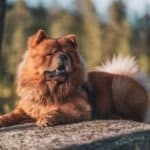
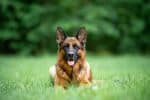
Domestic dog Canis lupus familiaris Chow Shepherd (Chow Chow × German Shepherd mix; Canis lupus familiaris). A domesticated, human-bred dog kept for companionship and work; often social, with variable energy levels and guarding tendencies. Requires socialization, training, exercise, grooming, and regular health checks.
Chow Chow
Chow Chow Canis lupus familiaris Shares spitz-type heritage that may contribute to a dense double coat and ruff, a strong guarding instinct, and a more reserved/independent temperament. Similar management needs include intensive socialization, regular grooming, and careful heat precautions.
German Shepherd Dog
German Shepherd Dog Canis lupus familiaris Shares working-dog traits that may appear in the mix: high trainability, athleticism, handler orientation, and protective behavior. Has similar management needs, including structured training and mental enrichment, attention to orthopedic health, and—in some lines—risk of neurologic conditions such as degenerative myelopathy.
Akita
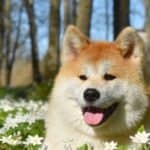
Akita Canis lupus familiaris Comparable niche as a large guardian/companion: tends to be aloof toward strangers, exhibits strong territorial instincts, and requires double-coat maintenance; useful as a comparison for training and socialization expectations.
Belgian Malinois
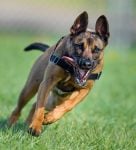
Belgian Malinois Canis lupus familiaris Comparable niche for individuals that strongly take after the shepherd side—high energy and drive, and a need for daily work and training. Helps frame enrichment and exercise requirements when the mix is more working-oriented.
Siberian Husky
Siberian Husky Canis lupus familiaris Comparable in double-coat grooming burden and heat sensitivity; also illustrates the management challenges of increased independence and prey drive that can occur in some Chow Shepherd individuals.

Quick Take

The Chow Shepherd, also known as a Sheprachow, is a cross between two very different dog breeds: the Chow Chow and the German Shepherd. The Chow Chow is an intelligent and dignified all-purpose dog that originated from ancient China and became a favorite of the country’s nobility. As a member of the spitz group, it has long, thick fur and a pointed muzzle and ears. The German Shepherd, by contrast, is a large and intelligent herding dog with a long history of police work and service.

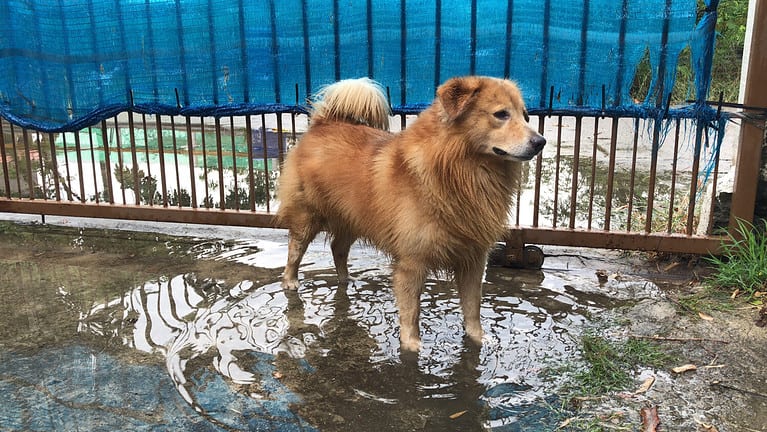
Despite being the offspring of two different breeds, the Chow Shepherd will not inherit their traits in equal proportion. Physically, it is more likely to look like the Chow Chow than the German Shepherd. The dog has upright ears, brown eyes, a medium-length muzzle, and a sleek or rounded face. The tail may be long and sweeping like the Shepherd or more curved toward the back like the Chow Chow. The long and dense coat of fur may come in some combination of black, cream, gray, brown, fawn, or red. Temperamentally, this dog may have a friendly, loyal, and intelligent disposition.

Infographic about the Chow Shepherd dog breed with sections on its parentage, size, pros and cons, care instructions, and health facts against a light green background.
Ancient nobility meets modern service in one fluffy powerhouse. Discover if the Chow Shepherd's fierce loyalty and stubborn streak are the perfect match for your lifestyle. © A-Z Animals

3 Pros and Cons of Owning a Chow Shepherd

Pros!Cons!
Loyal and Protective
The Chow Shepherd makes for an excellent guard or watchdog.
Wary of Strangers
The Chow Shepherd is very suspicious and wary of unfamiliar faces.
Playful
This dog likes to have fun with members of the family.
Rambunctious
Its energetic and rambunctious behavior may be a nuisance for some people.
Intelligent
This dog can learn many complicated tasks.
Stubborn
This dog may sometimes ignore its owner’s commands.

Size and Weight

The Chow Shepherd has a huge range of different body sizes. Both males and females stand 22 to 26 inches tall and weigh between 45 and 105 lbs.

Common Health Issues

Just like its two parent breeds, the Chow Shepherd tends to suffer from allergies, cataracts, ear infections, bloating, cancer, and hip dysplasia (a developmental disorder that causes the hip to become partially or completely dislocated from its socket). Another serious condition you want to look out for is degenerative myelopathy, which can cause nerve damage and eventual paralysis.

A good breeder will try to minimize the risks of many inheritable conditions (and other conditions with a genetic component), but there is always the chance that some problem will arise. That is why you should always schedule regular physical examinations and tests at the vet to catch health problems as early as possible. It is also important to maintain the dog’s flea medication since it is particularly sensitive to flea bites. If your Chow Shepherd can avoid some of the more serious conditions, then it may have an average lifespan of 10 to 15 years.

Temperament

The Chow Shepherd is a very loving and friendly companion toward those with whom it is familiar. Once it becomes an integral member of the family, the Chow Shepherd is prone to separation anxiety. This dog should not be left alone or ignored for long periods of time, because it might develop destructive and unwanted behavior.

As friendly as it is, however, the Chow Shepherd can be equally distrustful and wary around strangers. Some of this natural suspicion can be reduced with proper early socialization and training. Its protective and loyal personality makes it a good watchdog and guard dog for the family. The Chow Shepherd is also a natural leader, so it may tend to become a little dominant and bossy around smaller children and pets.

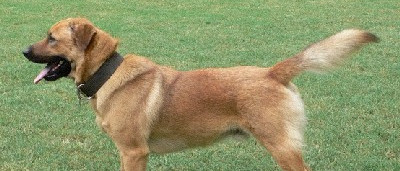
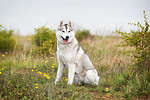
Chow Shepherd in field

You should start to train your Chow Shepherd as early as possible to prevent bad behavior later in life.

How to Take Care of the Chow Shepherd

The Chow Shepherd is probably a better option for experienced owners than novice or first-time owners. It can be challenging to care for due to its high exercise needs, heavy shedding, and wariness of strangers. If you need any other assistance with your dog’s care, then you should contact your local vet.

The Best Dog Food

An adult Chow Shepherd needs approximately 3 cups of high-protein dry food per day. The exact amount may vary based on the dog’s age, size, and activity level. Since this dog is particularly prone to obesity, you should restrict the calorie intake to no more than necessary. A healthy weight will help reduce the risk of joint problems later in life.

Allergies are common in this breed, so you may want to consider the benefits of various allergy-friendly dog foods.

Maintenance and Grooming

The Chow Shepherd is a particularly heavy shedder with a thick, non-hypoallergenic coat. It needs to be groomed almost every single day with a pin brush or a slicker brush, as well as a de-shedding tool. You should also brush the dog’s teeth at least three times a week to minimize the chances of the dog developing dental problems. Bathing is only necessary when the dog becomes particularly dirty on one of its outdoor excursions. Nail trimming should take place at least once a month before the nails grow too long and become difficult to cut.

Training

The Chow Shepherd is a smart and trainable hybrid that should do well with positive reinforcement methods, but the dog’s stubborn and aloof temperament may cause its attention to wander during training. Owners can attempt to solve this by making the training process as interesting and varied as possible. The dog wants to be engaged and challenged both mentally and physically, so try to change things up and push the boundaries of its capabilities. If you are experiencing problems, then you may want to hire the services of a professional trainer.

Exercise

The Chow Shepherd is not a good indoor or apartment dog. It needs around 60 to 75 minutes of exercise per day. Fortunately, for regular exercise enthusiasts, the Chow Shepherd makes a good walking, jogging, or hiking partner. It will probably need about two long walks per day to fully satisfy its exercise needs. Potential owners might also want to have a large enclosed yard and perhaps even a nearby park in which the dog can roam freely. Since these clever dogs may find a way to escape, it is a good idea to have a secure fence. You should not let them out of your sight for long.

Puppies

Because the Chow Shepherd retains some wolf-like characteristics, including suspicion and wariness toward strangers, these puppies require a lot of early obedience training and socialization to overcome their natural tendencies. The training should preferably begin within the first three to four months of its life. If you are struggling to house train your puppies, then you might want to buy a crate to help with it. Once the dog accepts the crate as a safe space, it should not want to soil inside its new home. You are then free to release it from the crate when it needs to go outside. Just don’t treat the crate as a prison or cage to punish your dog.

Chow Shepherds and Children

These dogs have the potential to be loving and friendly companions toward family members. But as mentioned previously, this dog can be a little dominant and bossy. If you have smaller children, then you should be careful about introducing the Chow Shepherd into your household.

Dogs Similar to the Chow Shepherd

Besides the Chow Chow and the German Shepherd, the Chow Shepherd most closely resembles the following types of dogs:

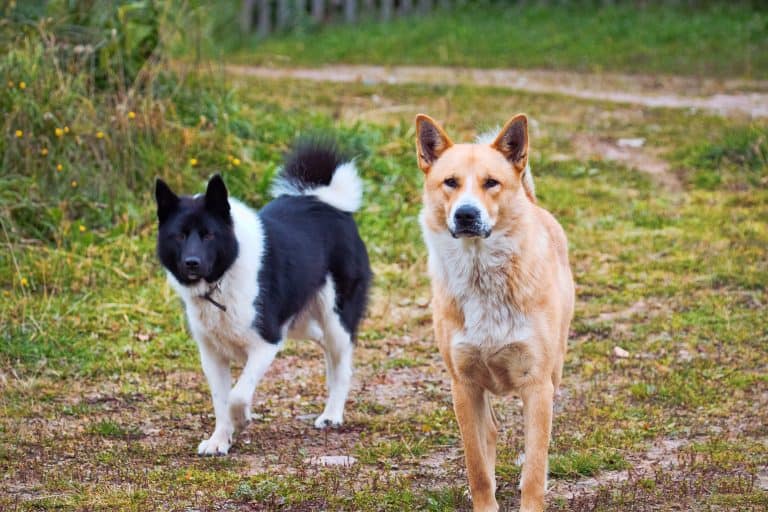
  • Akita: This Japanese dog, which originated from the northern region that bears its name, is another breed of Asian spitz. It is a remarkably loyal, bold, and dignified breed with a muscular body, a curled back tail, and a thick double coat of fur.
  • Shiba Inu: A skilled hunting dog and a source of internet jokes, the Shiba Inu is an alert and attentive breed of spitz with a muscular body, round, expressive face, and white markings combined with red, black, or tan.
  • Icelandic Sheepdog: Originally brought to Iceland by the Vikings, this breed of spitz was bred for herding sheep, cattle, and horses. It is a friendly, smart, curious, and playful dog that will form a deep and lasting bond with its owner.
View all 395 animals that start with C

Sources

  1. Doggie Designer / Accessed April 17, 2021
  2. Wag Walking / Accessed April 17, 2021
A-Z Animals Staff

About the Author

A-Z Animals Staff

AZ Animals is a growing team of animals experts, researchers, farmers, conservationists, writers, editors, and -- of course -- pet owners who have come together to help you better understand the animal kingdom and how we interact.
Connect:

Thank you for reading! Have some feedback for us?


Chow Shepherd FAQs (Frequently Asked Questions)

The Chow Shepherd (also known as a Sheprachow) is a mix between a Chow Chow and a German Shepherd. This is a loyal, protective, alert, and courageous dog with a muscular body and thick non-hypoallergenic fur.