
Quick Take
- Tarantulas are divided into Old World and New World groups with distinct defenses.
- Old World tarantulas lack barbed urticating hairs.
- New World tarantulas use urticating hairs to deter predators and are generally more docile.
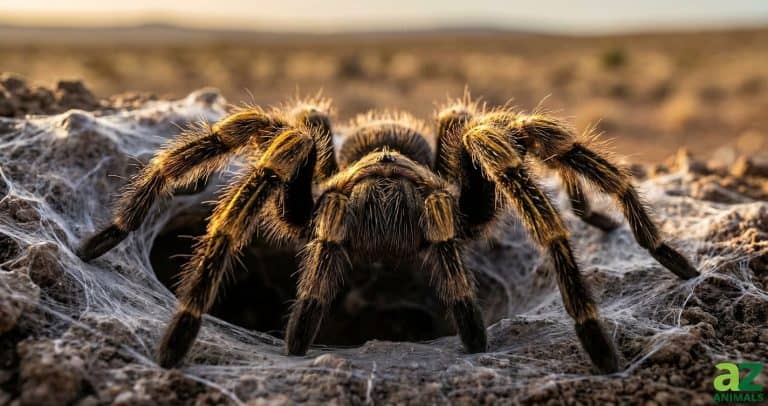
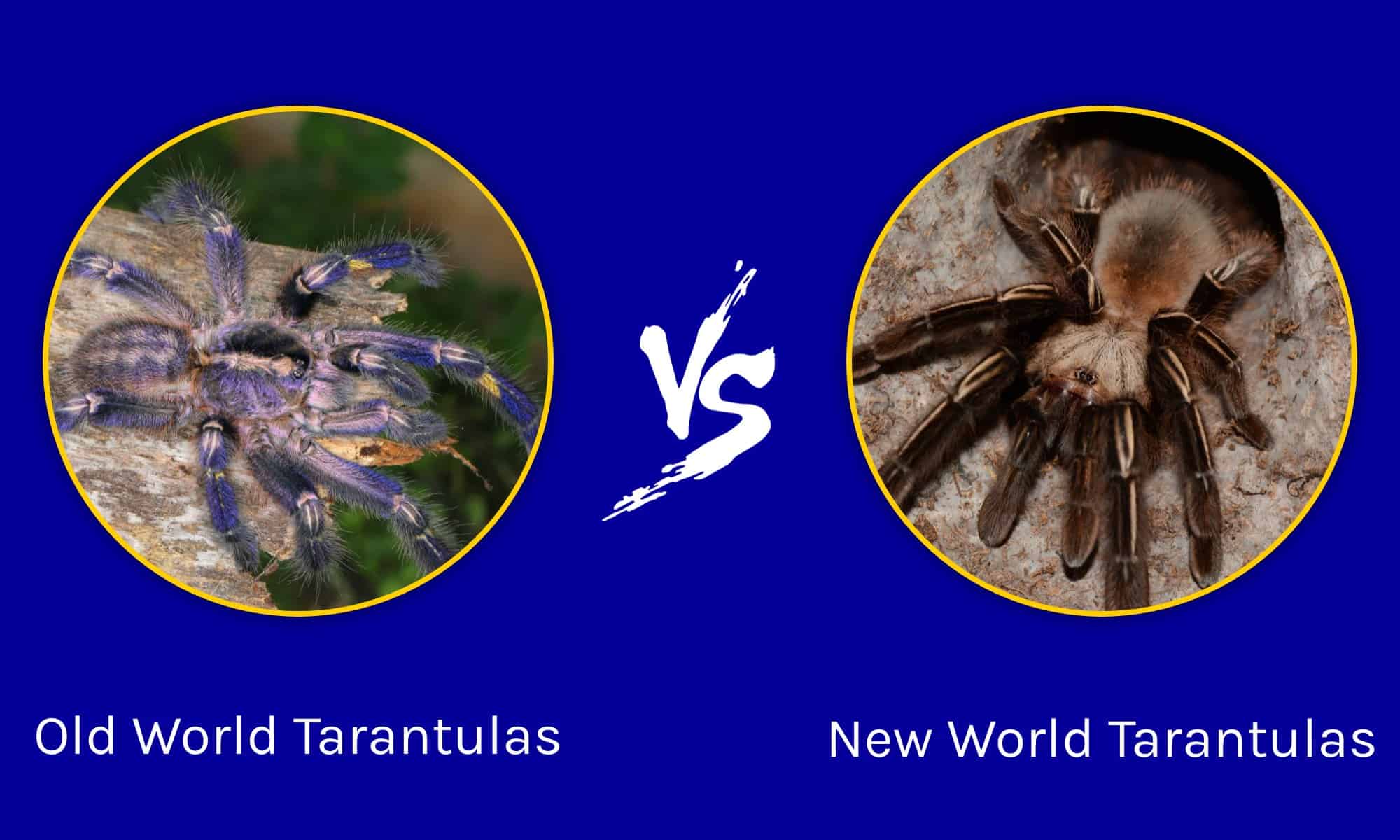
Tarantulas are large, long-lived arachnids that belong to the family Theraphosidae. They are found in tropical, subtropical, and desert regions around the world. There are more than 1,000 recognized species of tarantulas within 177 genera. Old World tarantulas, which make up a significant portion of the recorded species, are found in Africa, Asia, and Europe. They are a distinct and large group characterized by being faster, less hairy, and more defensive than their New World counterparts, which are native to the Americas. Continue reading to learn how they’re similar and what sets these two groups apart.
Distribution
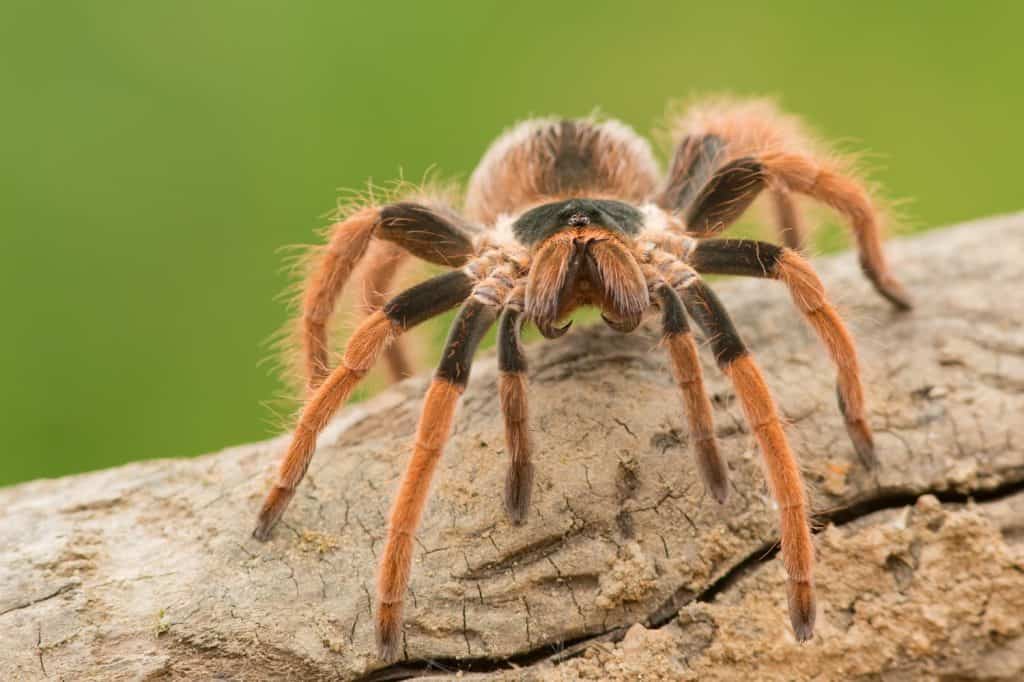
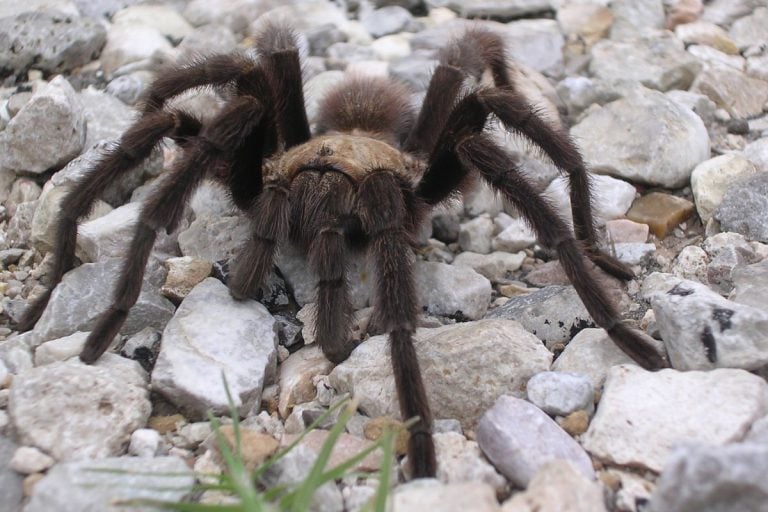
The Colombian giant tarantula can raise its abdomen and use barbed hairs on its back legs to deter predators.
©Milan Zygmunt/Shutterstock.com
The Old World and New World tarantula classifications are based on the specific origins of these spiders. Old World tarantulas are from the Eastern Hemisphere, including Africa, Asia, and Australia. Some species of Old World tarantulas are found in parts of Southern Europe, including Spain, Portugal, Italy, Turkey, and Cyprus.
New World tarantulas are found in the Americas, specifically in North, Central, and South America, including parts of the Southern United States and Caribbean Islands.
Urticating Hairs
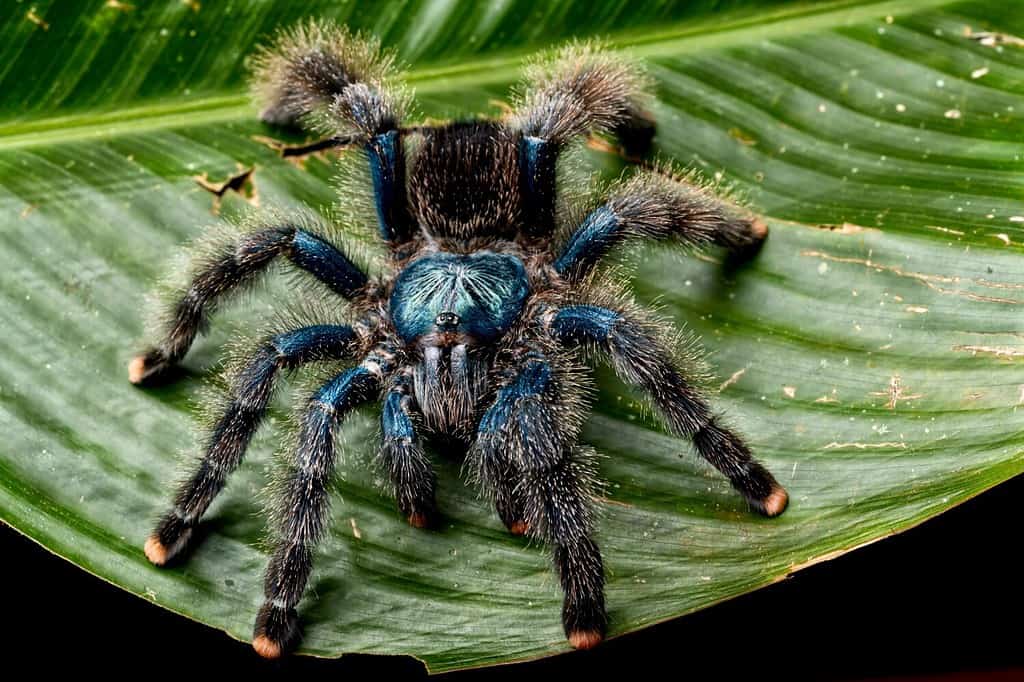
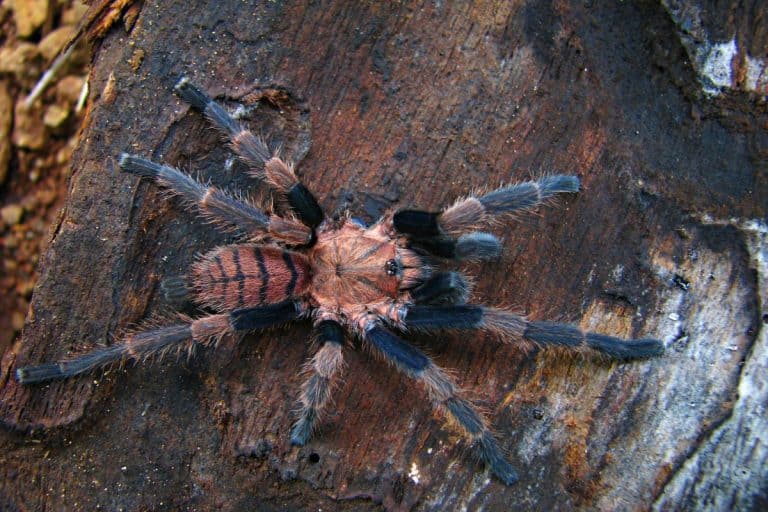
Pinktoe tarantulas are native to the rainforests of Northern South America.
©reptiles4all/Shutterstock.com
One of the most obvious physical differences between the Old and New World tarantulas is the presence of urticating hairs, called setae. Old World tarantulas lack urticating setae, stinging hairs used by many New World tarantulas as a defense mechanism. The urticating setae in New World tarantulas cover their upper backs and have barbs that can puncture predators. These hairs can also irritate skin and mucous membranes, warding off predators.
Although Old World tarantulas have setae, theirs are not the barbed, hair-like structures that New World tarantulas use for defense. New World tarantulas use their sensory setae primarily to navigate their surroundings and sense chemical signatures, vibrations, wind direction, and possibly sound. These sensory hairs are a vital organ system for both Old World and New World tarantulas, which typically have poor vision.
Agility and Speed
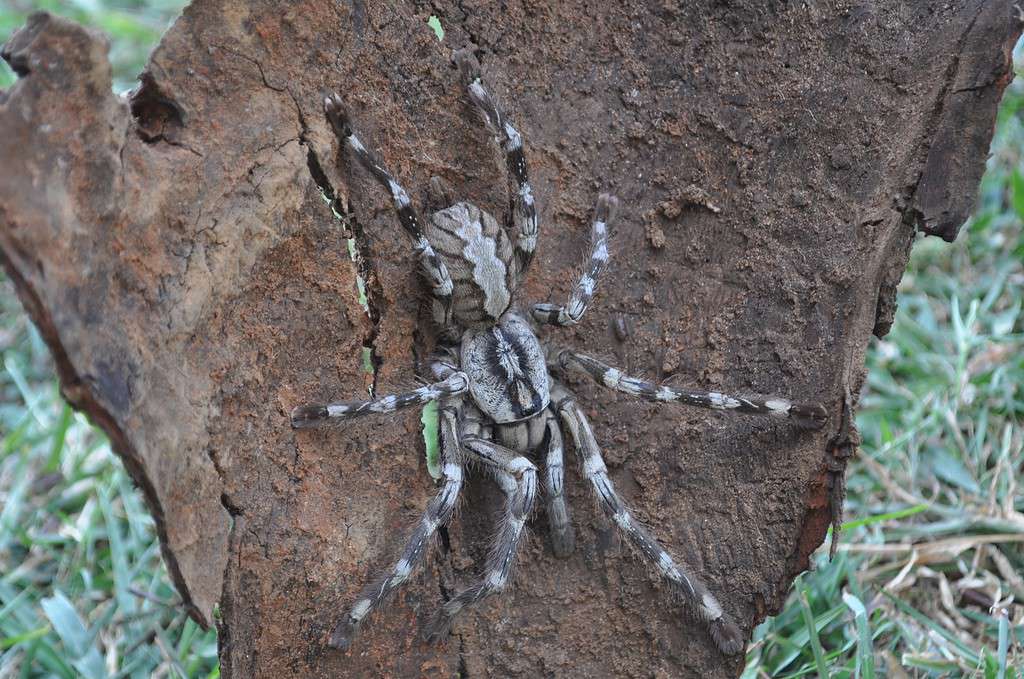
The Sri Lanka tarantula (Poecilotheria rajaei) is an Old World tarantula, first discovered in 2009, with populations in India and Sri Lanka.
©Ranil Nanayakkara / British Tarantula Society / CC BY 3.0 – Original / License
One advantage Old World species have over New World tarantulas is their speed and agility. Their first line of defense against predators is to outrun them. Old World tarantulas rely on lightning speed and agility as their primary defense mechanisms. Unlike many slower-moving New World tarantulas, which rely on specialized hairs to defend themselves, Old World tarantulas prioritize escape and are capable of moving from one side of an enclosure to another in a blur. This makes handling them challenging, and their quick, darting movements can be shocking to inexperienced keepers.
New World tarantulas are slower-moving and less agile than their Old World counterparts. However, many New World species will increase their speed when they feel threatened, and some New World species, like the arboreal Avicularia or the Psalmopoeus, can be surprisingly quick and jumpy. However, the primary defense of New World tarantulas consists of flicking urticating hairs from their abdomens.
Aggression
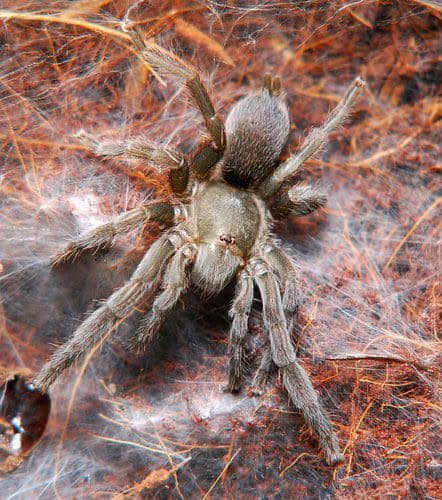
The Philippine dwarf tarantula (Phlogiellus baeri) is a species of tarantula native to the Philippines, known for its small size and preference for damp, dark habitats.
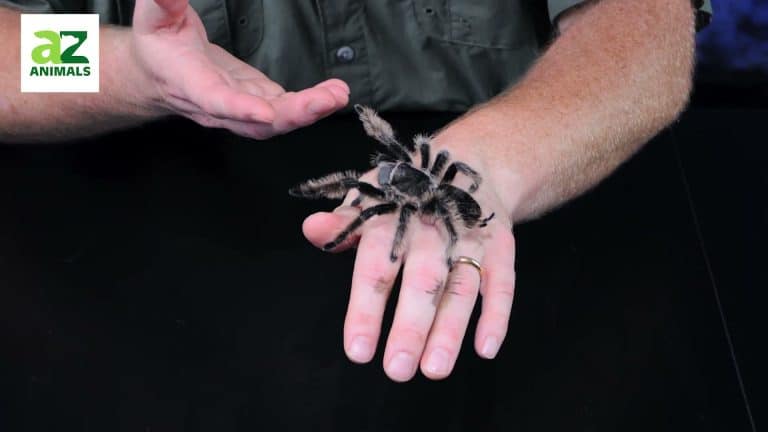
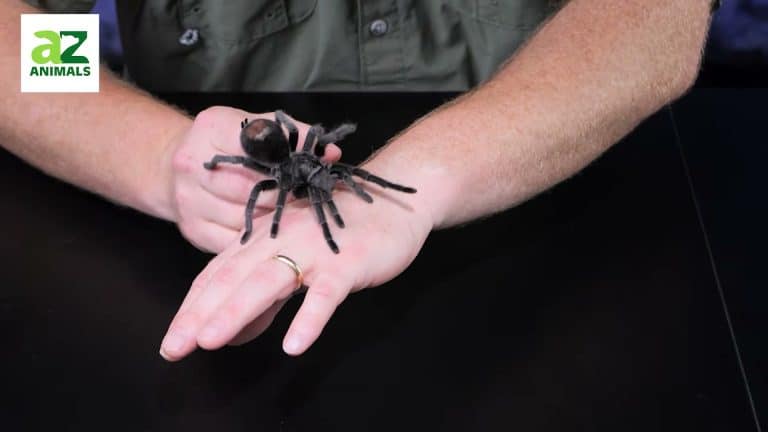
Old World tarantulas are generally more defensive and quicker than New World tarantulas. They often use a painful bite as their primary defense mechanism, rather than relying on urticating hairs like New World species. While they can be intimidating, their behavior is typically a defensive response to feeling threatened. Many are not inherently aggressive, but rather shy and fast. They are best suited for experienced keepers due to their speed and potent venom, which, while not usually fatal, can cause significant pain.
New World tarantulas are generally more docile and use their urticating hairs to irritate predators. New World tarantulas are more likely to hide or run away rather than fight. However, they may resort to a defensive posture or bite if severely threatened. Although their bite is less potent than that of Old World tarantulas, it can still be painful.