
Quick Take
- One subtle detail gives coyote scat away every time. See the key differences →
- Finding coyote feces on your property signals something more alarming than a one-time visit. Understand the territorial risks →
- Coyote scat can make your dog sick in ways most pet owners never see coming, and direct contact is not even required. See the health dangers →
- Disposing of coyote scat the wrong way can actually make the health risk worse, and most people skip a specific step in the process. Follow the safe removal steps →
Coyotes can be one of North America‘s most problematic animals. They are smaller than the gray wolf and the red wolf but have migrated to more urban areas, making them a menace to cats and small dogs. If you want to know if there are coyotes in your area, keep an eye out for coyote feces, also called scat. The main issue with finding coyote scat is identifying it. Continue reading to learn how to spot coyote scat.
How to Tell if a Coyote Defecated in Your Yard
Coyote droppings resemble a knotted rope with multiple pieces. Droppings are usually around 0.75 inches in diameter and 3 to 5 inches long. It can sometimes appear similar to dog feces, but coyote scat has tapered ends; it is not smooth and tubular like a dog’s droppings.
Coyote scat may be dark, grey, or a reddish-color, whereas dog scat tends to be more brownish or yellowish. Coyote feces may contain hair and bones from prey such as rodents, shrews, and rabbits. You may also find seeds, grass, nuts, fruits, and berries. Coyotes frequently defecate on paths, sidewalks, or trails rather than in the grass like dogs.
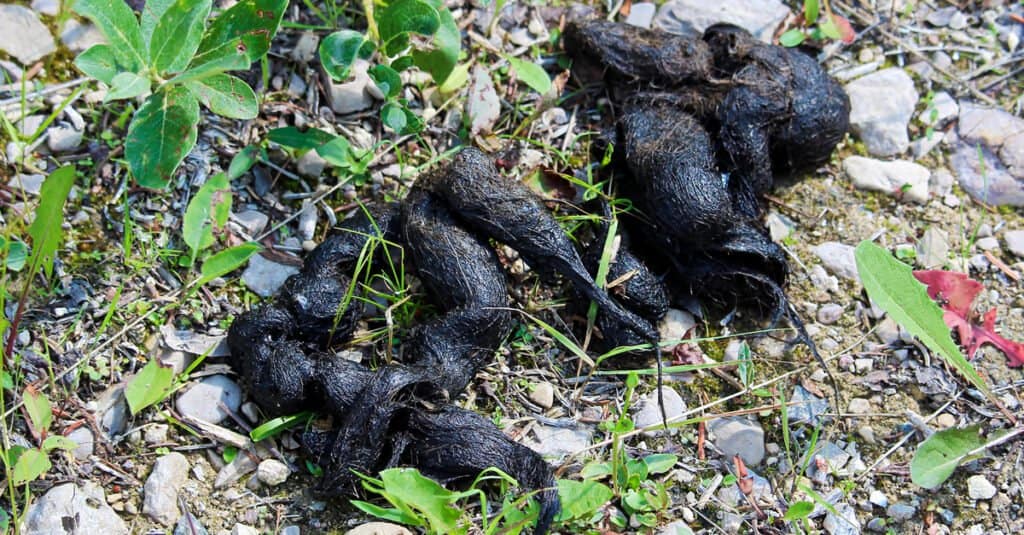
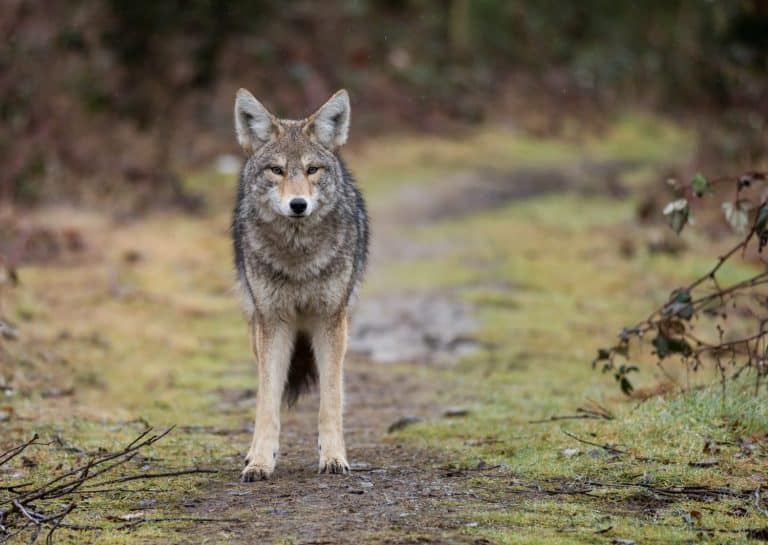
Coyote scat tends to be dark, ropy, and has tapered ends.
©Amelia Martin/Shutterstock.com
Why Is It Important to Recognize Coyote Scat?
Spotting the distinctive rope-like scat indicates that a coyote, or even a small pack, thinks your yard or neighborhood is its territory. This allows you to take preventative measures to protect outdoor animals, including pets and small livestock like chickens and ducks. If you have young children who play outdoors, it’s crucial to know coyotes are in the area before an encounter occurs.
Experts also note that coyote feces can transmit harmful pathogens to domestic dogs. Viruses can include canine parvovirus, distemper, and rabies. They can transmit Echinococcus multilocularis, a dangerous parasitic tapeworm, as well as mange. Toxoplasmosis and Giardia are parasites that dogs can contract from environments contaminated by infected coyote feces.
Coyotes can also transmit bacterial infections to humans. Leptospirosis is normally shed through urine, but coyotes frequently urinate where they defecate. Leptospirosis can cause sudden flu-like symptoms which can progress to a life-threatening stage. They can also transmit Tularemia, which is a bacterial disease that can cause flu-like symptoms, skin lesions, swollen lymph nodes, cough, chest pain, and ear, nose, and throat issues.
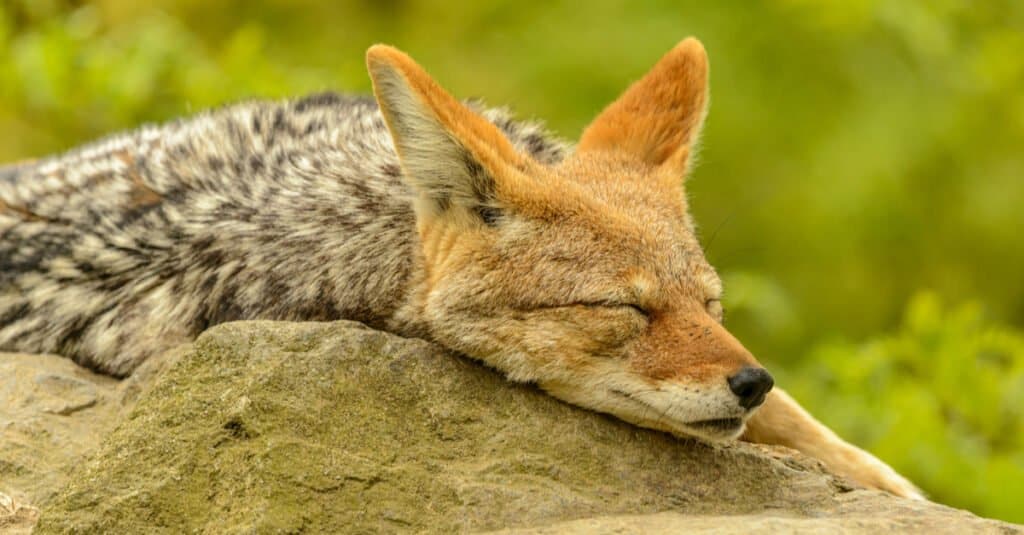
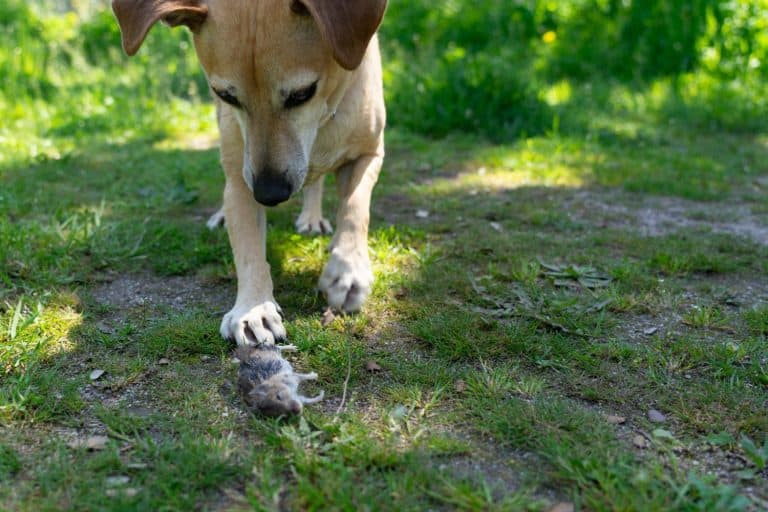
Disposing of coyote scat from your property is crucial if you have pets or children, as it can carry diseases.
©Petr Ganaj/Shutterstock.com
How to Get Rid of Coyote Scat
As noted above, coyote scat can contain tiny particles that can be harmful to humans, not just animals. So, when cleaning up feces in your yard, you must follow simple safety precautions. Don’t sniff it or put it anywhere near your face or open skin. Remove scat with gloves, shovels, and bags.
Follow these steps to safely remove coyote scat:
- Put on gloves and a mask.
- You will also want to wear rubber boots or cover your footwear.
- If the feces are dry, dampen with warm water to prevent breathing in dust-borne particles.
- Pick up the excrement using a shovel, then burn it. The flames will destroy any tapeworms.
- Clean the area with hot water and disinfectant.
- Remove gloves and wash hands in hot soapy water.
- Also, wash the clothes you wore separately.
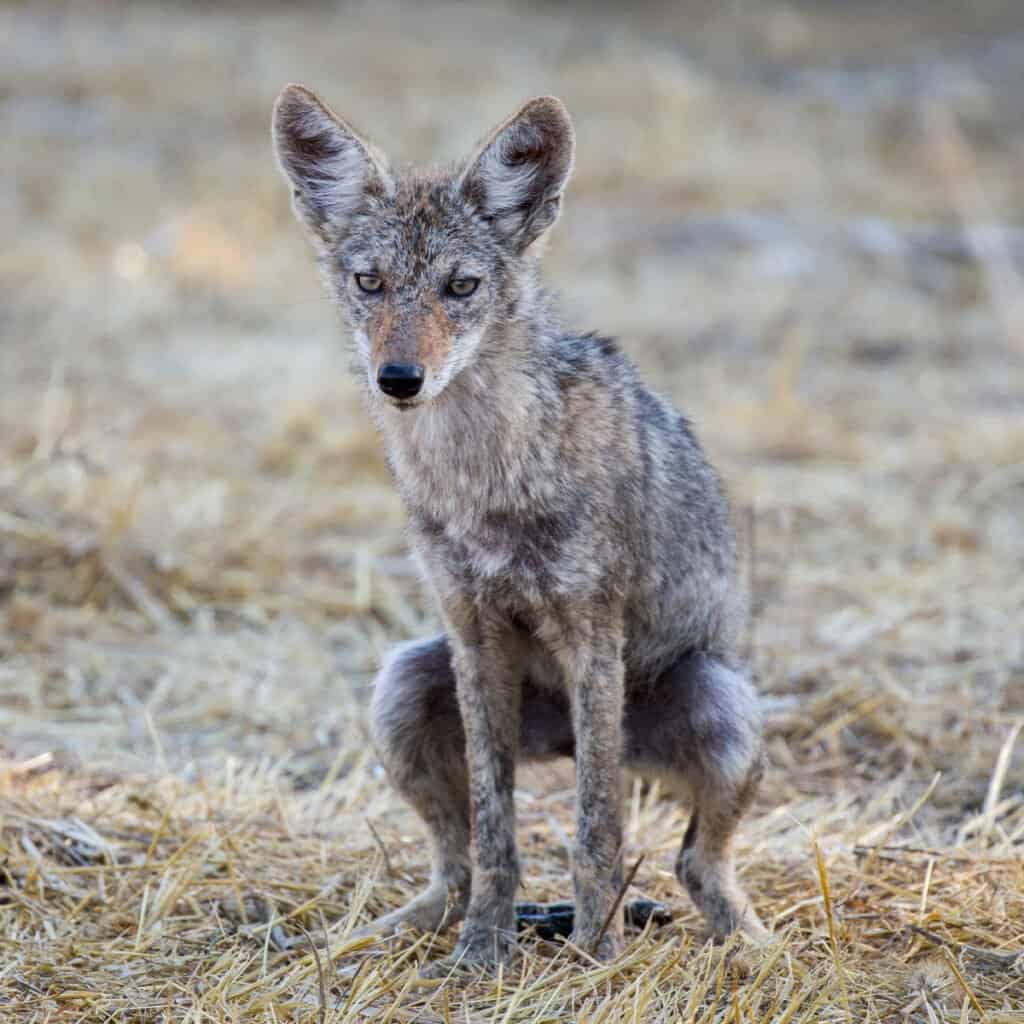
Always wear gloves and a mask when handling animal excrement.
©yhelfman/Shutterstock.com
How to Keep Coyotes Off Your Property
After finding their excrement in your yard, it’s time to take the proper precautions to ensure they don’t return to your property again. Since coyotes have a reputation for attacking smaller animals, it’s important to ensure they don’t become regular visitors to your property.
Here are a few things you can do to make your property less appealing to coyotes:
- Invest in a sturdy fence so coyotes cannot get in.
- Put garbage in heavy bins with tight lids.
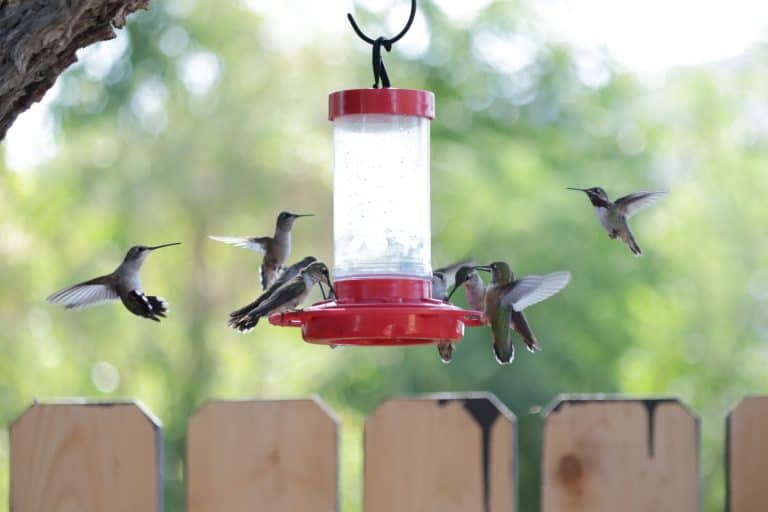
- Remove bird feeders, which attract small rodents that in turn attract coyotes.
- Make sure to clean up yard and garden debris like compost piles, fallen fruit, or rotten vegetables.
- Keep your yard well-lit and seal off areas under decks and porches so there are no places for them to hide.
- Use a coyote repellent spray.
- Bring all pets indoors and make sure livestock is secured at night.
- Adopt a large watchdog as a deterrent.
- Use flashing predator lights to scare them off.
- Use a motion-activated water sprinkler.
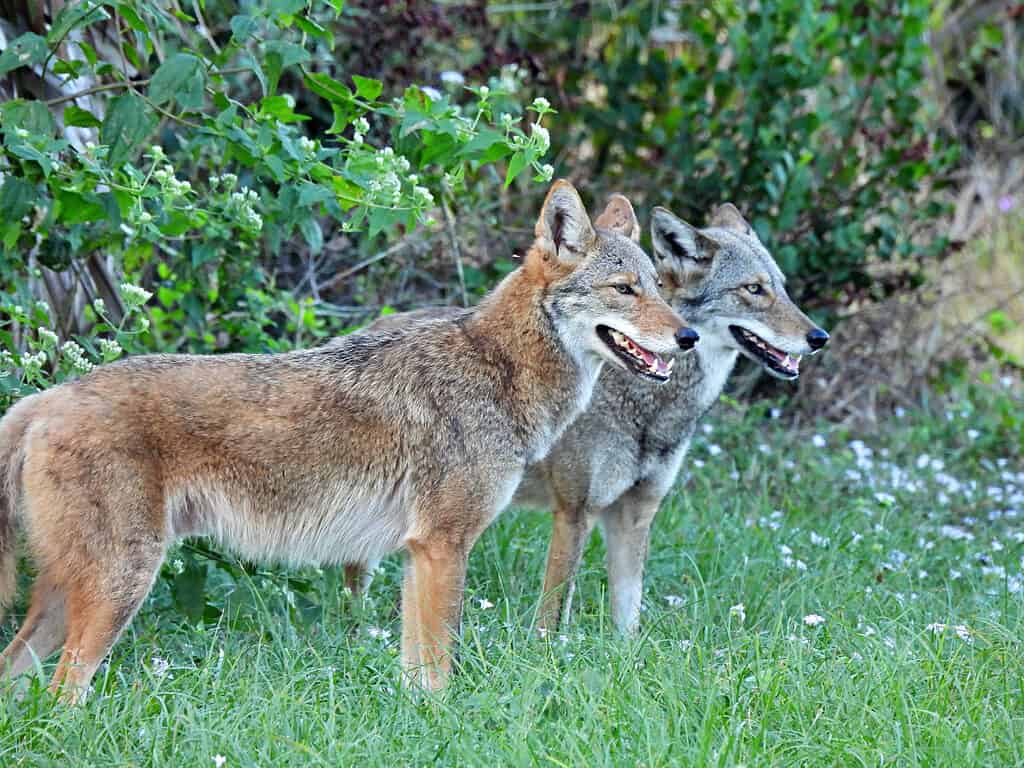
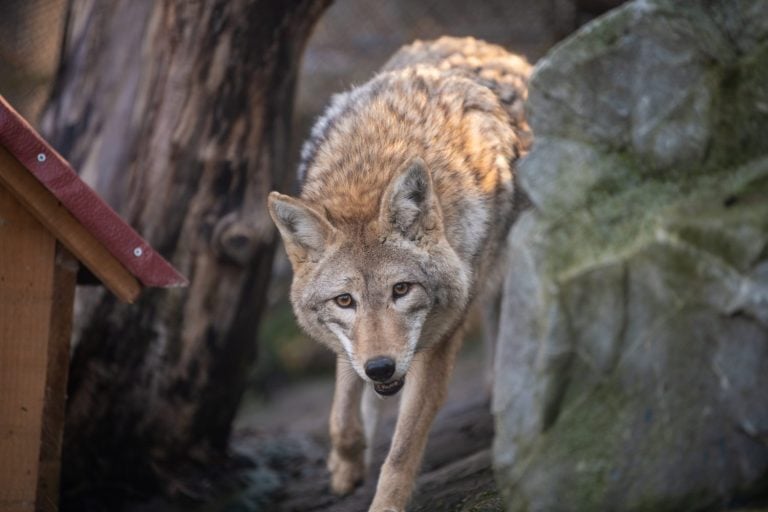
It is vital to take preventative measures to ensure coyotes do not become regular visitors.
©iStock.com/passion4nature