Quick Take
- One of the best coyote repellents is already sitting in your bathroom cabinet, though you have probably never thought to use it this way. See human scent tips →
- Your kitchen holds at least three DIY coyote deterrents, and you probably used one of them at dinner last night. Explore the kitchen recipes →
- Removing coyote attractants matters more than adding repellents, yet most people skip this step and then wonder why nothing works. Start with the basics →
- There's a predator-based repellent that sounds almost too primal to work, yet wildlife experts take it seriously. Discover predator-based repellents →
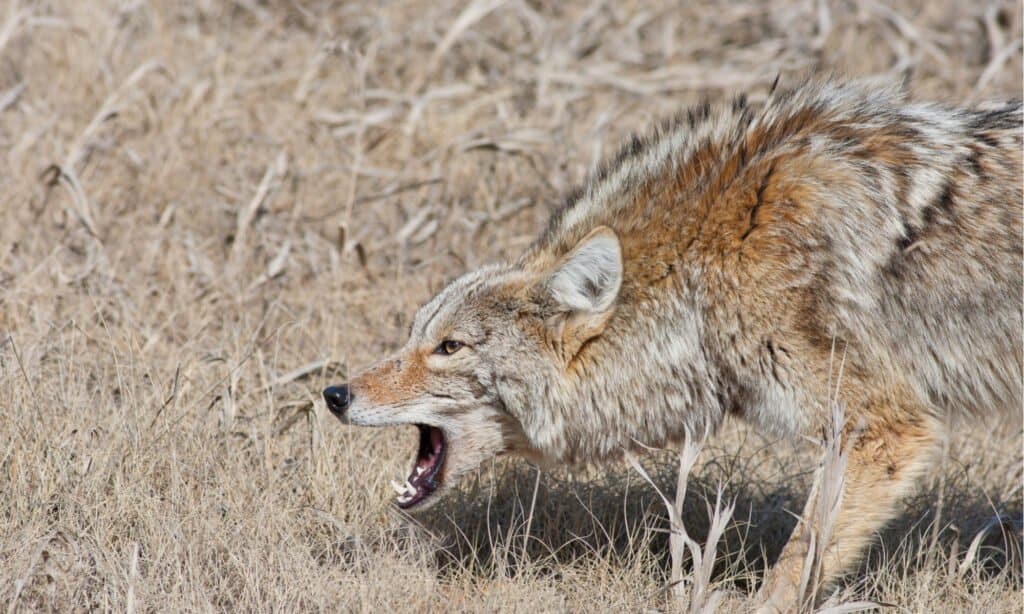
Coyotes are wily. However, if you know the smells that coyotes hate, you have a good chance of keeping these cunning creatures away from your property. Coyotes are generally fearful of humans, but they’re opportunistic feeders who eat almost anything, including garbage, pet food, and even the melons in your garden. They’re also known to prey on pets and livestock. They’re also known to prey on pets and livestock.
While coyotes tend to avoid direct interaction with humans, often limiting their activity in high-use areas to nighttime hours, coyote-human conflicts are not uncommon in some regions. If you’re concerned about coyotes in your area coming too close for comfort, there are steps you can take. Because they have such a powerful sense of smell, you can use smells that coyotes absolutely hate to encourage them to take their business elsewhere.
Where Do Coyotes Live?
Smaller than a wolf, as big as a medium-sized dog, coyotes (Canis latrans) are found all over North America, and we have only ourselves to blame for that. The species was once confined to the central and western parts of the continent. However, the expansion of the U.S. population created more open habitats and eliminated coyote competitors like wolves and cougars. Their versatility and adaptability enabled coyotes to spread north, east, and south. They are even on the verge of expanding into South America. They’ve even adapted to living in cities.
Coyote Discouragement 101
Whatever tactics you choose to discourage coyotes, there are a few basic principles you should know about human-coyote interactions:
Never feed coyotes. This is Rule 1 for humans and coyotes to peacefully co-exist. Feeding coyotes can lead the animals to lose their fear of humans. That makes a coyote attack more likely (though it’s still a very rare event).
Get rid of smells that they like. If you don’t want area coyotes visiting your property, remove any potential food sources so their powerful noses don’t smell something delicious. This means keeping trash in tight-fitting containers, and not putting it outside until the morning it is to be collected. Don’t feed pets outside or leave pet food outdoors. Clean up fallen fruit. Clean up after cookouts and store grills away. Keep compost bins enclosed and don’t compost meat or fish scraps. Remove bird feeders; they attract rodents, which in turn attract coyotes.
Understand normal coyote behavior. A coyote that runs away from humans doesn’t need to be hassled. Fear of humans is normal for coyotes. However, if the animal doesn’t exhibit fear, it could be that the coyote has become habituated to people. The coyote’s natural fear of humans can be reignited by so-called “hazing” tactics. This basically means scaring it into leaving the area. You might spray it with water, apply an unpleasant scent like diluted vinegar or pepper spray, or make loud noises with pots and pans. You can also just wave your arms and shout “Go away!” Continue until the animal leaves the area. One or two encounters like this are usually enough to keep the coyote from coming back.
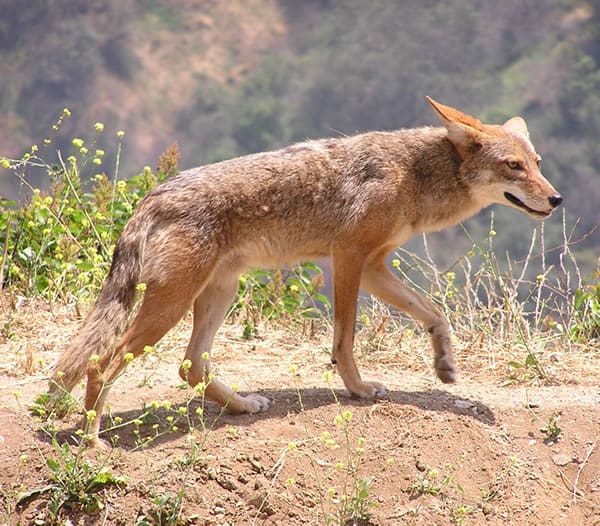
There are tricks humans can use to convince unwelcome coyotes to leave the area.
Smell #1: You
Once you’ve eliminated the smells that coyotes like, you can tag your area with the scents that they absolutely hate. Don’t take it personally, but coyotes generally don’t like the smells of humans. They associate man-made smells like colognes and deodorants with the smell of people. So homeowners in coyote territory will sometimes rub a deodorant stick on trees, posts, or other objects in the landscape. The idea is that coyotes will think there’s a person nearby and move along. As with all smell-based repellent tactics, you’ll need to reapply to keep the scent fresh, especially after it rains.

As far as coyotes are concerned, you stink.
©Prostock-studio/Shutterstock.com
Smell #2: Ammonia
Ever used an ammonia-based cleaner in your bathroom and then had to open a window to air out the room? For a coyote’s sensitive nose, that pungent ammonia aroma is even more off-putting. So spraying ammonia around your property, or strategically placing some ammonia-soaked rags, could be just the thing for creating a no-coyote zone. Cayenne pepper or vinegar mixed with water are also worth a try.

Coyotes hate the smell of ammonia even more than you do.
©luchschenF/Shutterstock.com
Smell #3: Their Predators
If you’re looking to up your anti-coyote game, there are several commercial products on the market that claim to deliver smells coyotes hate. It’s hard to know how well these things work, so you may want to talk to neighbors and see if they have any success stories. One example that sounds good in theory: wolf urine, intended to repel coyotes with the scent of their natural predator. You can find natural animal repellents using predator urine and scents online.
The scent of a wolf is a red flag for coyotes.
©Brenda Carson/Shutterstock.com
Smells #4-6: Home-Brewed Anti-Coyote Kitchen Combos
According to Colorado Parks and Wildlife, you can make your own homemade concoction of different anti-coyote smells to spray in outdoor areas.
Caliente concoction: Chop a Spanish onion and one jalapeño pepper, then mix with a tablespoon of cayenne pepper. Boil in two quarts of water for twenty minutes and strain into a container to spray.
Soapy spray: Combine 8 ounces of dish soap and 8 ounces of castor oil with one gallon of water and mix thoroughly.
Spicy solution: Combine one bottle of vinegar with one bottle of Tabasco sauce. Mix well and spray, or place rags soaked in the mixture around your property.

With some common kitchen ingredients, you can send coyotes packing.
©iStock.com/gorodenkoff
Don’t Solely Depend on the Smells They Hate to Get Rid of Coyotes
Given how adaptable and clever coyotes are, it’s a good idea to use multiple approaches to keep them away. Consider fencing in your property so coyotes can’t get in in the first place. You can also use other deterrents like motion-activated lights, sprinklers, and speakers to make sure coyotes get the message to stay away.