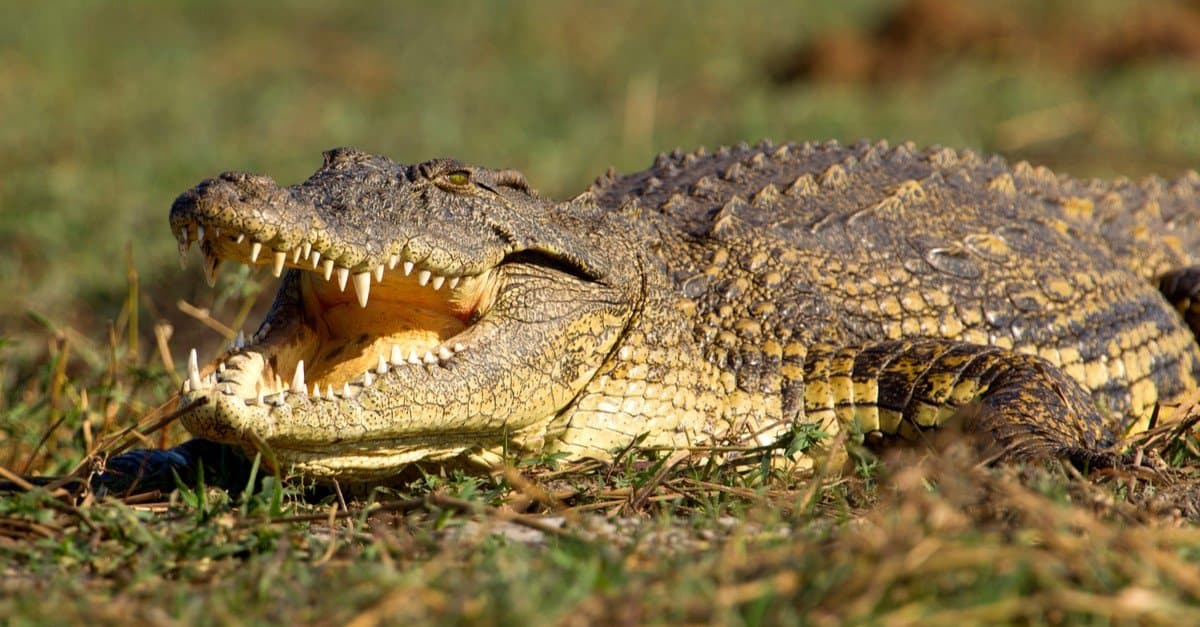

The Nile crocodile (Crocodylus niloticus) is a large, powerful reptile found throughout sub-Saharan Africa, known for its predatory prowess. It’s a significant apex predator in its ecosystems, playing a vital role in maintaining ecological balance. Nile crocodiles are ambush predators that rely on their camouflage and powerful bite to capture prey. They are among the largest freshwater reptiles, with males reaching lengths of up to 20 feet and weighing over 1,500 pounds. However, the largest Nile crocodile on record was significantly larger. Continue reading to discover just how large the largest Nile crocodile was.
Overview
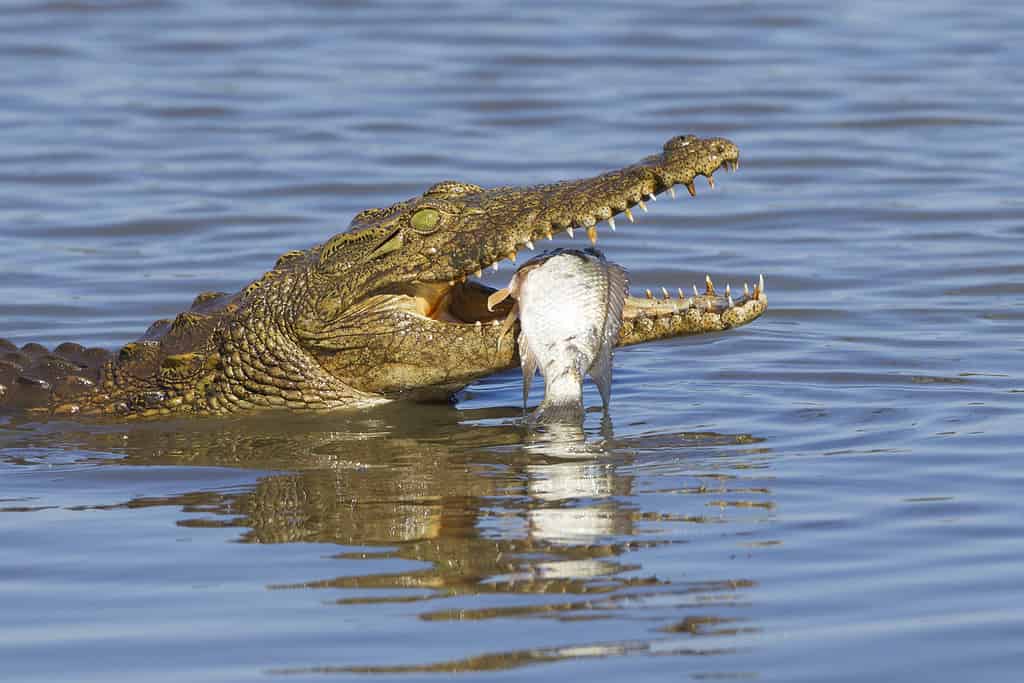
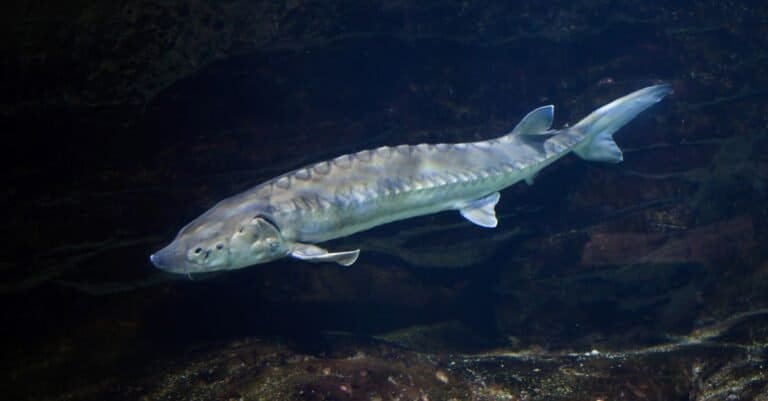
Fish are an integral part of a Nile crocodile’s diet.
©StuPorts/iStock / Getty Images Plus via Getty Images
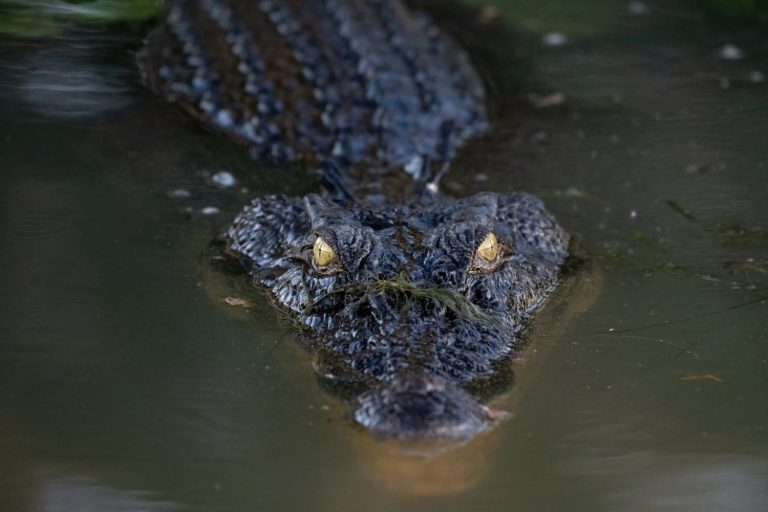
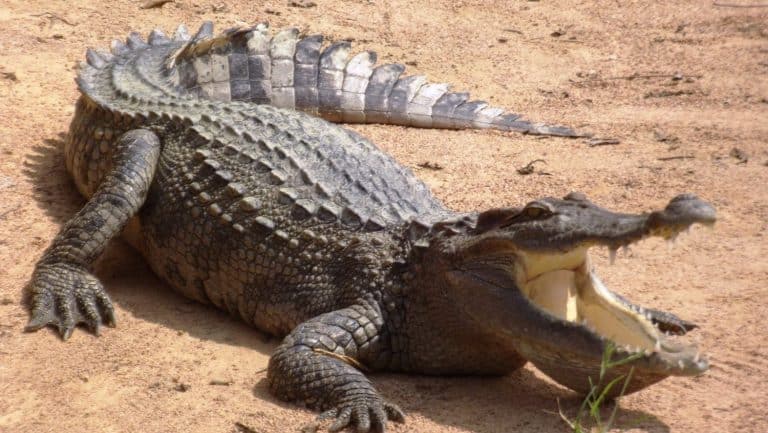
Nile crocodiles are the world’s second-largest reptile. Only the saltwater crocodile (Crocodylus porosus) is larger. They are dark olive or brown and have noticeable spots and stripes across their backs, with yellowish bellies and flanks.
Nile crocodiles are native to Africa, where they are widespread. These semi-aquatic animals are found in a variety of habitats. Though they are rarely found in true saltwater environments, they are sometimes found in brackish streams. However, they generally prefer freshwater swamps, rivers, marshes, and lakes.
Nile crocodiles eat a variety of fish, birds, mammals, and other reptiles. They often prey on animals drinking at the water’s edge, such as antelope. They usually sink their teeth into them and pull their prey back into the water, where they either drown them or kill them by thrashing the prey with their head.
The average male of the species measures between 11.5 and 16.4 feet and weighs between 500 and 1,650 pounds. Females of the species are significantly smaller, measuring 8–10 feet long and weighing 440–660 pounds.
The Largest Nile Crocodile Ever Recorded
©KateShots/Shutterstock.com
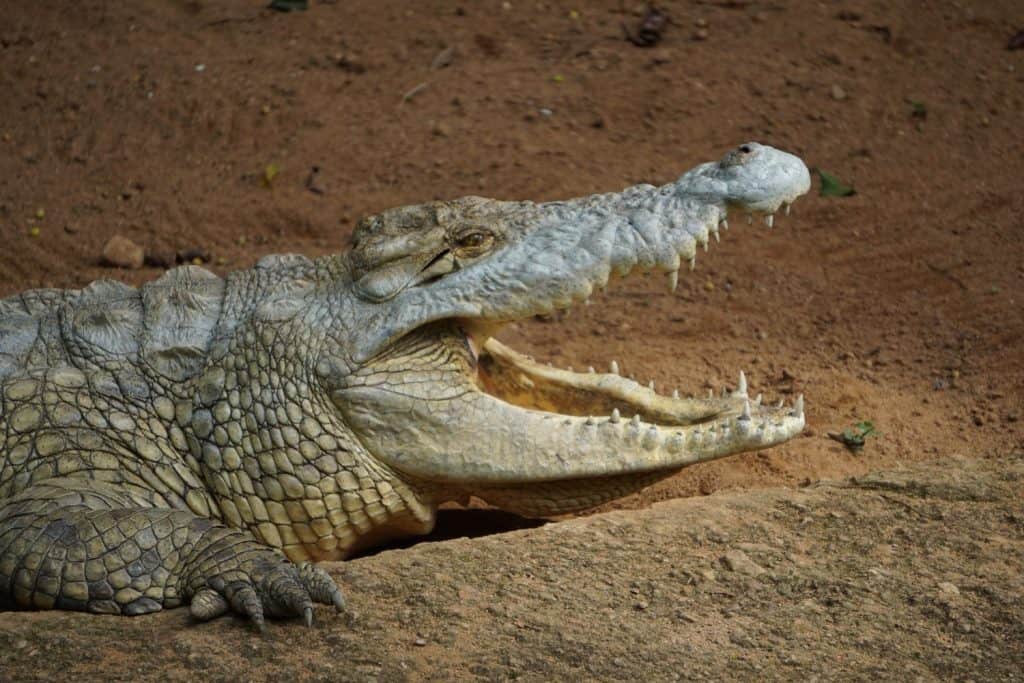
The largest Nile crocodile ever officially recorded was a massive 21 feet and 2 inches long. The male crocodile was killed by the Duke of Mecklenburg in Tanzania in 1905 and weighed between 2,300 and 2,400 pounds.
However, there is a legendary Nile crocodile who could easily be as long, if not longer, despite having never been caught or measured. Gustave roams the banks of the Ruzizi River and Lake Tanganyika in Burundi and is rumored to have killed around 300 people, though official estimates are much lower. Although he has never been caught, he was thought to be 20 feet long and more than 2,000 pounds in 2002 and likely still growing.
Gustave became famous for his man-eating tendencies after films and documentaries were made about him. He managed to evade numerous attempts to catch him, including one that used a 32-foot-long custom-built trap baited with a live goat. Gustave was last seen in 2015, dragging an antelope into the water.
How do Nile Crocodiles Compare with other Crocodiles?
There are at least 16 recognized species of true crocodiles (family Crocodylidae), and up to 28 species of crocodilians overall, according to recent research. The Nile crocodile is the second-largest. Saltwater crocodiles are the largest species, with males reaching up to 23 feet long and weighing as much as 2,400 pounds. Orinoco crocodiles (Crocodylus intermedius) are generally smaller than Nile crocodiles, with most large males reaching up to 13-16 feet in length and weighing up to 1,000 pounds, though rare individuals may grow even larger. However, Nile crocodiles are much larger than the dwarf crocodile, the smallest crocodile species. Dwarf crocodiles typically reach up to 5.9-6.2 feet in length and weigh up to 100 pounds.
Were Ancient Crocodiles Even Bigger?
Ancient crocodiles were significantly larger than those living today. Sarcosuchus is an extinct crocodyliform that lived during the Early Cretaceous period and is estimated to have grown up to 31 feet long and weighed between 7,700 and 9,500 pounds. Deinosuchus is another large, ancient relative of crocodiles that lived during the Late Cretaceous period. Deinosuchus translates to terrible crocodile, and these fearsome beasts measured up to 33feet long. They are believed to have been capable of killing large dinosaurs, as well as feeding on a range of fish, sea turtles, and other aquatic prey.