
D
Species Profile

Dandie Dinmont Terrier

Canis lupus familiaris

Topknot, grit, and Scottish wit
iStock.com/CaptureLight

Dandie Dinmont Terrier Distribution

Click a location to explore more animals from that region

Origin Location

This map shows the native origin of the Dandie Dinmont Terrier. As a domesticated species, they are now found worldwide.

Loading map...

Size Comparison

Human 5'8"
Dandie Dinmont Terrier 9 in

Dandie Dinmont Terrier stands at 14% of average human height.

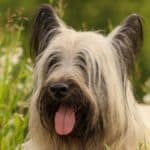
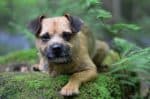
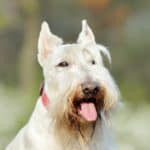
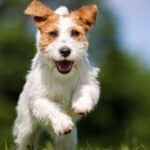
Types of terrier dogs

At a Glance

Domesticated
Also Known As Dandie, Dinmont
Diet Omnivore
Activity Diurnal+
Lifespan 13 years
Weight 11 lbs
Status Not Evaluated
Did You Know?

It's one of the few dog breeds named from literature: Sir Walter Scott's novel *Guy Mannering* (1815) popularized "Dandie Dinmont."

Scientific Classification

The Dandie Dinmont Terrier is a small Scottish terrier breed developed for hunting otter and badger, notable for its long, low body, distinctive topknot of hair on the head, and a confident, independent terrier temperament.

Kingdom
Animalia
Phylum
Chordata
Class
Mammalia
Order
Carnivora
Family
Canidae
Genus
Canis
Species
Canis lupus

Distinguishing Features

  • Long, low-bodied terrier with short legs and a flexible back
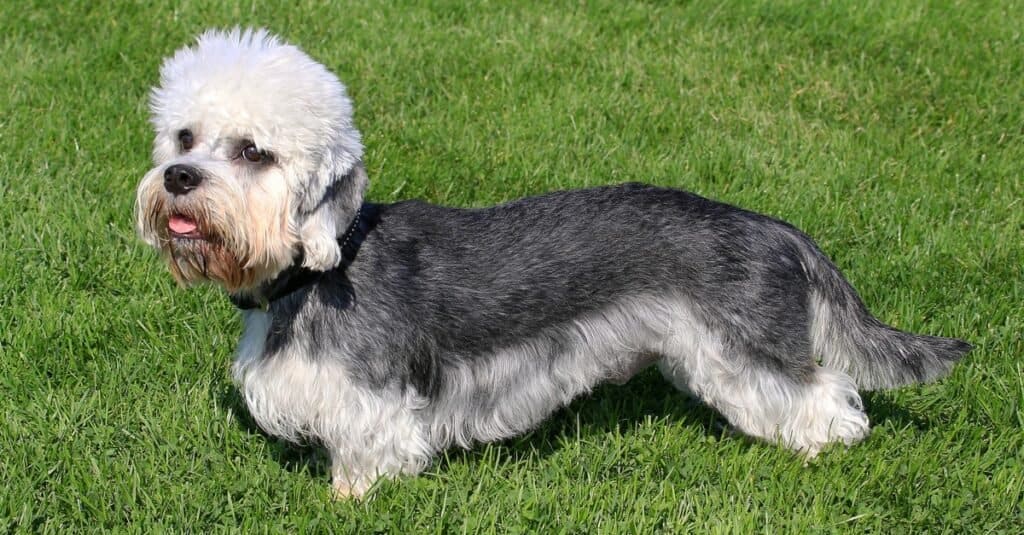
  • Characteristic silky topknot (cap) of lighter hair on the head
  • Drop ears set low; large, expressive eyes
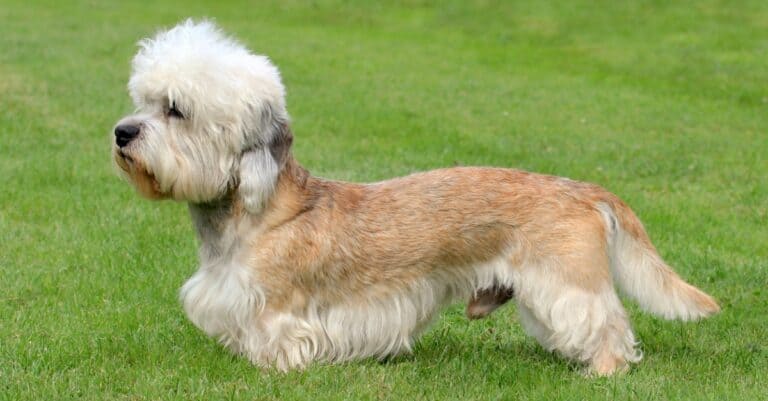
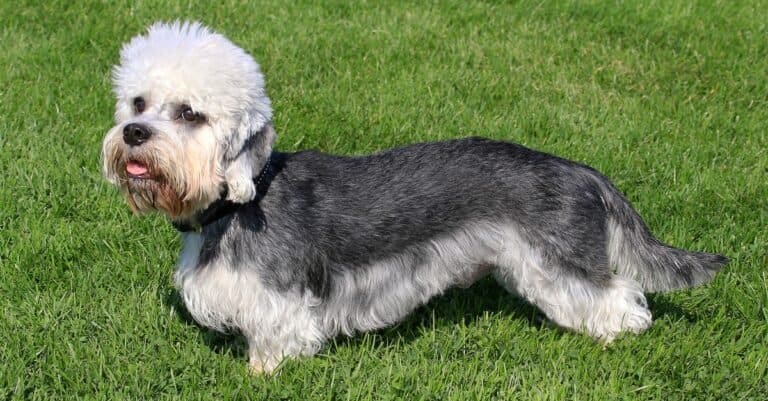
  • Coat typically in two main color varieties: 'pepper' (gray/black tones) and 'mustard' (tan/reddish tones)
  • Sturdy forequarters and slightly arched loin; tail carried like a scimitar

Did You Know?

It's one of the few dog breeds named from literature: Sir Walter Scott's novel *Guy Mannering* (1815) popularized "Dandie Dinmont."

The breed's hallmark "topknot" is a soft, silky cap of hair that contrasts with the harsher body coat.

Classic color varieties are "pepper" (blue-gray to silvery) and "mustard" (reddish-brown to pale fawn).

Originally prized by Border-country hunters for going to ground after badgers and working along waterways for otters.

Compared with many terriers, Dandies are often described as a bit more "dignified" and reserved with strangers while still being very game.

They're a low, long breed (short legs, long back), giving them a distinctive silhouette among terriers.

The breed is considered numerically rare in many countries today, despite its historic fame.

Unique Adaptations

  • Long, low body with sturdy forequarters: suited to squeezing into tight spaces and pushing through rough cover while hunting (breed trait layered on the domestic dog's flexible, athletic body plan).
  • Hard, weather-resistant coat with softer topknot: the harsher jacket helps protect skin in brambles and damp conditions; routine grooming prevents matting and keeps the coat functional.
  • Large head and strong jaw for size: reflects selection for dispatching vermin and holding quarry underground.
  • Two-tone, "pepper" and "mustard" patterns: a breed hallmark that sets them apart from the broader color variability of *Canis lupus familiaris*.
  • Terrier temperament package: high persistence and problem-solving drive-an intensified expression of the domestic dog's trainability and human-directed partnership, tuned toward independent work.

Interesting Behaviors

  • Go-to-ground instincts: they may dig, investigate burrows, and "work" scent trails with intense focus-an echo of their badger/otter-hunting role.
  • Bold but thoughtful: many Dandies will assess a situation, then commit-showing the classic terrier confidence without nonstop frenetic energy.
  • Strong prey interest: they may chase small animals if not managed; secure fencing and leash reliability matter.
  • Family attachment: typically affectionate and loyal at home, often shadowing their people despite an independent streak.
  • Alert watchdog behavior: quick to notice unfamiliar sounds and visitors; may be reserved with strangers until properly introduced.
  • Scent-led exploring: outdoors they can "switch on" and follow smells with determination, sometimes ignoring recalls if undertrained.

Cultural Significance

The Dandie Dinmont Terrier (Canis lupus familiaris) links to Scotland's Borders and to working terriers used by farmers and hunters to control vermin and hunt badger and otter. Sir Walter Scott's Guy Mannering made it a Scottish cultural symbol.

Myths & Legends

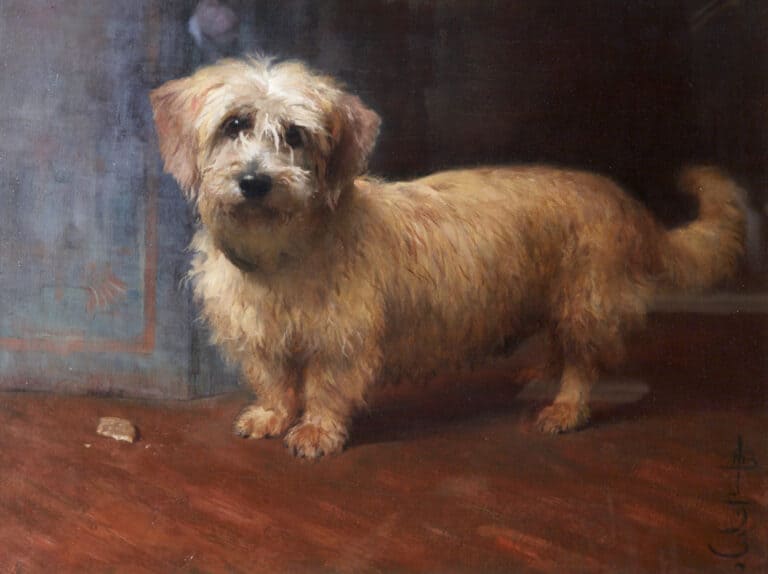
Sir Walter Scott's 1815 novel Guy Mannering tells of farmer-hunter Dandie Dinmont, who keeps terriers called Pepper and Mustard. The story helped set the Dandie Dinmont Terrier name and its color names.

Border hunting lore: Accounts from the Scottish Borders tell of "Dandie" type terriers prized for fearless work in badger earths and along rivers for otter-stories often highlighting a small dog's outsized courage and tenacity underground.

A story says the breed's color names, 'pepper' and 'mustard', came from Dinmont's made-up terriers. This tale is part of breed stories, often told in clubs and histories.

Old sporting-country superstition (regional): In parts of Britain, working terriers were traditionally regarded as lucky farm companions and vigilant household guardians-stories that frame the hardy little terrier as a protector of home and stead.

Conservation Status

NE Not Evaluated

Has not yet been evaluated against the criteria.

Population Stable

Life Cycle

Birth 4 pups
Lifespan 13 years

Lifespan

In the Wild
12–15 years
In Captivity
10–14 years

Reproduction

Mating System Polygynandry
Social Structure Managed Domestic
Breeding Pattern Serial
Fertilization Managed Selective
Birth Type Managed_selective

Dandie Dinmont Terrier (Canis lupus familiaris) breeding is managed by people. Breeders pick sires and dams; pair bonds are short and serial, and managed polygynandry may occur. Mating is internal, usually natural with vet help; mothers get human support and litters tend to be small.

Behavior & Ecology

Social Pack Group: 3
Activity Diurnal, Crepuscular, Cathemeral
Diet Omnivore Animal-protein-forward meals and treats (e.g., chicken, turkey, lamb, beef) with high palatability.

Temperament

Confident, self-possessed terrier temperament; tends to be less overtly biddable than many domestic dogs despite strong family attachment (breed distinction from base species' highly variable 'generalist' dog temperament).
Independent problem-solver shaped by hunting in tight spaces; may show persistence and 'stick-with-it' behavior when tracking scents or engaging toys.
Affectionate and steady with familiar people; can be reserved with strangers without early, positive social exposure.
Alert and bold; may be reactive to small moving animals due to prey drive (otter/badger hunting heritage).
Can be assertive with other dogs; early socialization and consistent rules reduce pushiness and resource guarding tendencies.
Trainable but often responds best to short, varied sessions with rewards; harsh corrections can increase stubbornness or avoidance.
Because of their long, low bodies, Dandie Dinmont Terriers should avoid high jumps and many stairs. Obesity and breed risks—IVDD, eye disease, hypothyroidism, epilepsy—can cause pain or vision loss, making them startled, irritable, or withdrawn.
Topknot and coat need regular brushing and hand‑stripping or clipping. Poor grooming causes mats and skin pain, making them less tolerant of handling. Give daily scent walks and play to meet terrier instincts.

Communication

Sharp, alert barking when noticing novel stimuli Common in terriers; can escalate without training
Growls/snorts/low grumbles during boundary setting, play, or discomfort-important to respect as early warning signals.
Whines/soft yips for attention, anticipation, or frustration E.g., when prevented from investigating scents
Scent investigation and persistent tracking; uses nose-led communication more intensely than many toy breeds Terrier hunting legacy
Body posture: forward-leaning stance, stiff tail carriage, and intense stare may precede chasing or dog-dog challenges; relaxation signs include loose body and soft mouth.
Facial signals: raised brows/topknot accentuates expressions; watch for lip-licking, head turns, or freezing as stress indicators.
Marking/scent marking (urination, ground sniffing) in novel areas; more frequent during arousal or changes in routine.
Play signaling: short bows, pawing, and quick 'bounce' movements; may switch rapidly from play to pursuit if small animals move.
Human-directed communication: nudging, sitting close/leaning, and bringing toys; may also 'check in' visually but then resume independent exploration Typical Dandie pattern

Habitat

Biomes:
Temperate Forest Wetland Temperate Grassland Boreal Forest (Taiga) Tundra Alpine Mediterranean Desert Hot Desert Cold Savanna Tropical Rainforest Tropical Dry Forest Freshwater Marine +8
Terrain:
Hilly Riverine Plains Rocky Coastal
Elevation: Up to 16404 ft 3 in

Ecological Role

Domesticated companion animal and traditional small-game/varmint hunter; functions primarily as a human-associated omnivorous consumer rather than a wild ecosystem predator.

Rodent and small-pest control in human environments (historical and occasional modern) Companionship and social/mental health benefits to humans Participation in working roles (earthdog/field activities) that substitute for historical hunting Acts as a sentinel/alarm through barking, indirectly influencing human-wildlife interactions

Diet Details

Main Prey:
Rats and mice Rabbit Ground-nesting small mammals Mustelids Invertebrates
Other Foods:
Starches and grains Starchy vegetables non-starchy vegetables Fruits Fiber sources

Human Interaction

Domestication Status

Domesticated

Dogs (Canis lupus familiaris) come from gray wolves and were shaped by people for tameness and work. The Dandie Dinmont Terrier is a small Scottish terrier bred in the 1700s–1800s for earthwork for otter and badger. It has a long, low body, strong jaws, grit, and a soft topknot. It is a human-made working companion with steady size and coat.

Danger Level

Low
  • May bite if mishandled, frightened, or in pain (notably if back/neck pain from spinal issues is present).
  • Terrier tenacity can lead to nipping during rough play or if boundaries aren't taught, especially with children.
  • Can show dog-selective or defensive behavior without early socialization, increasing the chance of scuffles that could redirect to a handler.
  • Like all dogs, can cause accidental injury (scratches, knocks) though small size limits severity.

As a Pet

Suitable as Pet

Legality: Dandie Dinmont Terriers are usually legal to keep as pets in most places. They must follow local dog rules (licenses, leashes, shots). Rarely are they targeted by breed bans.

Care Level: Moderate

Purchase Cost: $800 - $2,500
Lifetime Cost: $18,000 - $45,000

Economic Value

Uses:
Companion animal Sport and working dog activities (earthdog-style pursuits, scent games, terrier sports) Conformation showing and responsible breeding Pet services (grooming, training, boarding) Veterinary and preventive healthcare market
Products:
  • puppies from registered breeders
  • grooming services and tools (stripping/clipper maintenance depending on coat management approach)
  • training classes and behavior support (terrier-focused impulse control and recall work)
  • preventive care (vaccines, parasite control, dental cleanings)
  • specialty veterinary management for back/eye conditions when present
  • pet insurance

Relationships

The Dandie Dinmont Terrier is a feisty little dog with enough attitude for a dog three times its size. Bred in Scotland in the 17th or 18th centuries to hunt otters, foxes, rats, and badgers, the Dandie is loyal to its owner but has a strong independent streak, giving it a friendly but stubborn disposition. The Dandie is the only AKC-approved breed named after a fictional character, as Sir Walter Scott was quite fond of the little pepper or mustard-colored dogs and included them in his novel “Guy Mannering.” It is also the only breed permitted to wear an official Scottish Clan Tartan, having received permission in 2015 from the Chief of Clan Scott.

These little rough-and-tumble balls of energy like children and make good house pets. They also do well with apartment and city living, as their exercise needs are minimal. Due to their vocal nature and their wariness of strangers, they also make good watchdogs. This trait can make them prone to excessive barking, which should be trained out of them.

3 Pros and Cons of Owning a Dandie Dinmont Terrier

ProsCons
Tough
Dandies are small but sturdy dogs that like rough-and-tumble play.
Struggle With Stairs
Dandie Dinmont Terriers have difficulty on stairs due to their short legs.
Good Watchdog
The Dandie Dinmont is alert and can be loudly vocal. A well-trained Dandie makes an excellent watchdog.
Excessive Barking
They tend to bark quite a bit if they are not trained out of this habit.
Good With Kids
The Dandie is good with children. It is not aggressive or nippy and likes to romp with older children.
Prey-Driven
The Dandie Dinmont Terrier has a strong prey drive. It will chase anything that runs, including small pets.

The Best Dog Food For Dandie Dinmont Terrier

The Dandie is a small breed with modest activity levels, so a good-quality food, especially formulated for a small to medium breed, will do. Make sure that it contains enough protein with minimal fillers.

Terrier Size and Weight

The Dandie Dinmont terrier is a long dog. It’s also low to the ground, topping out at 8-11 inches at the shoulder. A full-grown dog weighs about 18-24 pounds.

Common Health Issues

The Dandie Dinmont has a generally healthy constitution. The main problems these dogs face are back issues. The extreme body length can stress the discs and vertebrae of the spine, causing some painful issues, especially related to slipped discs. Keeping the dog’s weight under control and providing it with ramps and steps to avoid high-impact jumping can decrease stress on the spine and joints, reducing the risk of injury.

Other conditions that this dog may be more prone to than other dogs include:

  • Hypothyroidism
  • Glaucoma
  • Cushing’s syndrome
  • Canine cancers
  • Epilepsy
  • Lymphoma

Just because Dandies may be more prone to these conditions doesn’t guarantee they will end up with them. It just means that you should be aware of these issues, take care to test for them, and avoid conditions that put the dog at risk for illness or injury. You can also buy your dog from a reputable breeder and request genetic and health screening results.

Temperament

The Dandie Dinmont has a lot of personality. It’s a small dog with the courage of a large dog; it thinks it can handle anything. It’s an intelligent, independent, confident dog. Those traits can make it stubborn and challenging to train, but the rewards are worth the investment.

The Dandie makes a great family dog. It loves to play with children and is extremely loyal to its family. Moderately active, a daily walk can use up enough energy for it to handle apartment life. Overall, they exhibit a calm behavior that differentiates them from other terriers.

How To Take Care of a Dandie Dinmont Terrier  
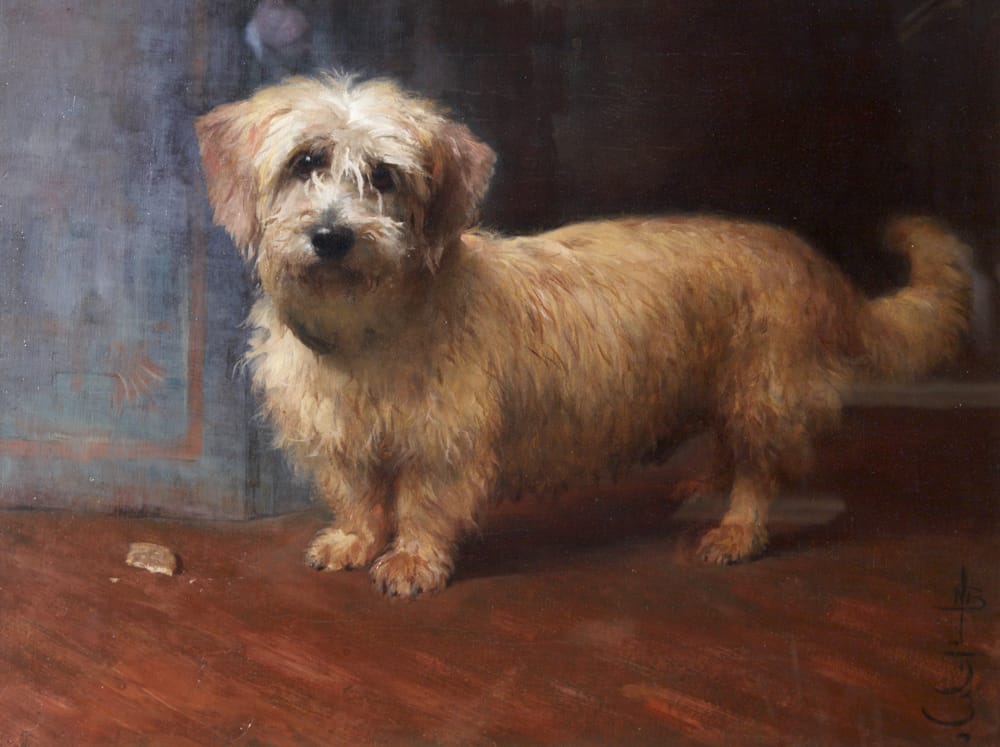
Dandy Dinmont Terrier

The Dandie Dinmont has a lot of personality! It’s a small dog with the courage of a large dog; it thinks it can handle anything.

Maintenance And Grooming

The Dandie Dinmont has a double coat that sheds very little, which may make it more suitable for some people with mild allergies. Daily combing is required to keep it from matting and to remove any dead hairs, and it should be stripped every so often with a stripping knife to maintain its appearance. Only bathe when necessary.

Clean the ears every couple of weeks to clear them of wax and debris. Trim the nails monthly with a clipper or nail grinder. Finally, brush the dog’s teeth a couple of times a week to keep the teeth in good shape.

Training 

The Dandie Dinmont Terrier is an intelligent and assertive dog. Because of this, like many terriers, they can be pretty stubborn. Despite this stubbornness, they do desire to please their owner. Training the Dandie takes patience and a consistent, firm approach.

One of the most important things to remember when training the Dandie is that you should begin early. If they are allowed to be in control early on, they will be even more obstinate later. This is also when you should train them to stop barking on command. Exercise can help with training because some dogs are easier to train when tired.

Exercise

The Dandie is a medium-energy dog that requires regular exercise to keep its lean appearance. A daily walk and some additional training or playtime in a safe, enclosed place, perhaps a game of fetch or tug of war, will do. When you walk the dog, ensure it is on a leash; its prey drive can cause it to run off.

Some activities to avoid when exercising include jogging or biking; the Dandie is not fit for long runs. Also, avoid stairs and don’t allow the dog to jump from high spots, increasing the risk of back injuries.

Puppies

Begin training your Dandie as soon as possible. The breed can be stubborn and have a bit of a superiority complex; this needs to be trained out of them as pups, or they will become little dictators.

Dandie Dinmont Terrier And Children

The Dandie Dinmont is good with kids, especially older ones. It isn’t a nippy dog and likes to play and wrestle around. Adults should be careful with an untrained dog around smaller children because the dog’s prey drive can sometimes prompt them to chase a small, running child.

Dogs Similar to Dandie Dinmont Terrier

  • Dachshund: If you like “a long little doggie,” perhaps a dachshund is the dog for you. One theory about the Dandie’s lineage is that the Dachshund may be a small part of it, though many breeders deny this.
  • Airedale Terrier: Like the Dandie, the Airedale Terrier was bred to hunt otters and other small predators. One of its forebears was the Otterhound.

Famous Dandie Dinmont Terrier

The most famous Dandies are found in Sir Walter Scott’s novel, “Guy Mannering.” The dogs in the book are owned by a farmer named Dandie Dinmont, from whom they derive their name. They are the only breed in the AKC who get their name from a fictional character.

View all 450 animals that start with D

Sources

  1. American Kennel Club / Accessed October 19, 2022
  2. Hill's Science Diet / Accessed October 19, 2022
  3. Wikipedia / Accessed October 19, 2022
  4. Dandie Dinmont Terrier Club of America / Accessed October 19, 2022
  5. Aubrey Animal Medical Cneter / Accessed October 19, 2022
  6. The Kennel Club / Accessed October 19, 2022
  7. Wag! / Accessed October 19, 2022
  8. Dog Pregnancy Calendar / Accessed October 19, 2022
  9. Hypoallergenic Dog / Accessed October 19, 2022
  10. Dog Breeds List / Accessed October 19, 2022
Rob Amend

About the Author

Rob Amend

Rob Amend is a writer at A-Z Animals, primarily covering meteorology, geology, geography, and animal oddities. He attained a Master's Degree in Library Science in 2000 and served as reference librarian in an urban public library for 22 years. Rob lives in Cincinnati, Ohio, and enjoys spending time with his family, hiking, photography, woodworking, listening to classic rock, and watching classic films—his favorite animal is a six-foot-tall rabbit named Harvey.

Thank you for reading! Have some feedback for us?


Dandie Dinmont Terrier FAQs (Frequently Asked Questions)

The Dandie is very rare.