
Quick Take
- One deer repellent comes from a bathroom shelf, and gardeners swear by it.
- A strange item from your hairbrush might guard your garden, but the evidence is shakier than you'd think.
- The scent that works best taps into a deer's deepest fear, and it has a catch.
- Deer have fears beyond smell, and some tricks lose power once deer get used to them.
Deer may enchant nature lovers, but their voracious appetites spell trouble for gardeners and farmers. They can swiftly ravage crops and gardens, wreaking havoc on hard work and budgets. However, their keen noses can be their downfall. Potent smells that repel deer may save your garden. Let’s investigate the scents that make deer turn tail and run, as well as strategies to harness the power of smell to keep deer away from your farm or garden.
10 Smells That Deer Hate
Deer have an acute sense of smell, which they use to detect predators and food sources. They also use their sense of smell to communicate with other deer. Some scents, whether natural or synthetic, work by either masking the scents that attract deer or by producing a repulsive odor. Other scents can be overwhelming for deer, causing them to avoid the area altogether.
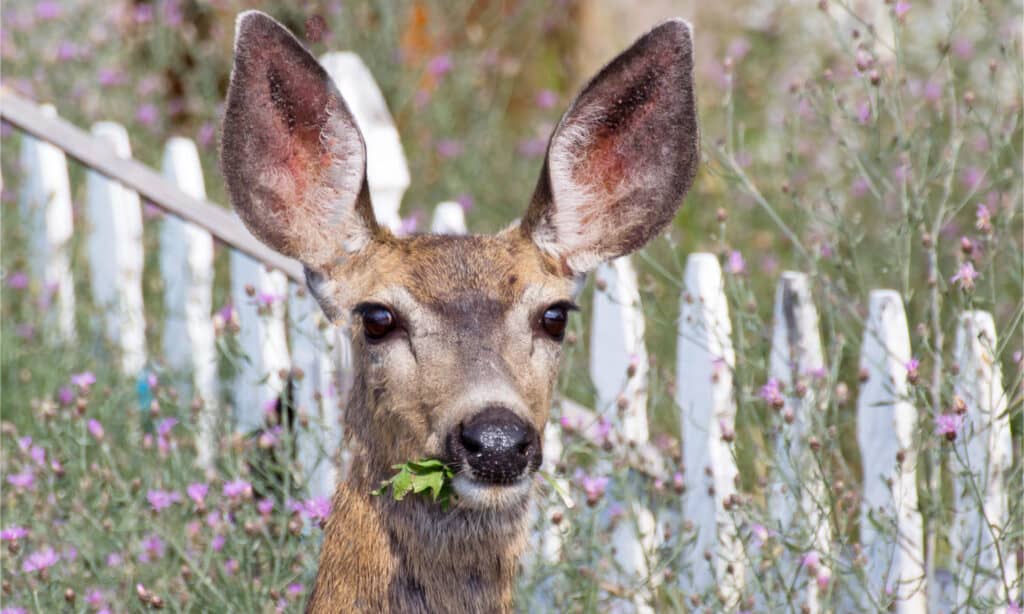
Smells that repel deer include mint, human hair, blood meal, and garlic.
©Ginger Livingston Sanders/Shutterstock.com
1. Mint
You can use mint as a natural repellent to keep deer away from your garden. Deer dislike the scent of mint because it can be overwhelming for them. Planting mint or using mint essential oil can work very well to deter them. To use the oil, add 10-15 drops of the oil to water in a spray bottle and mist the area you want to protect. Use the spray about every three days.
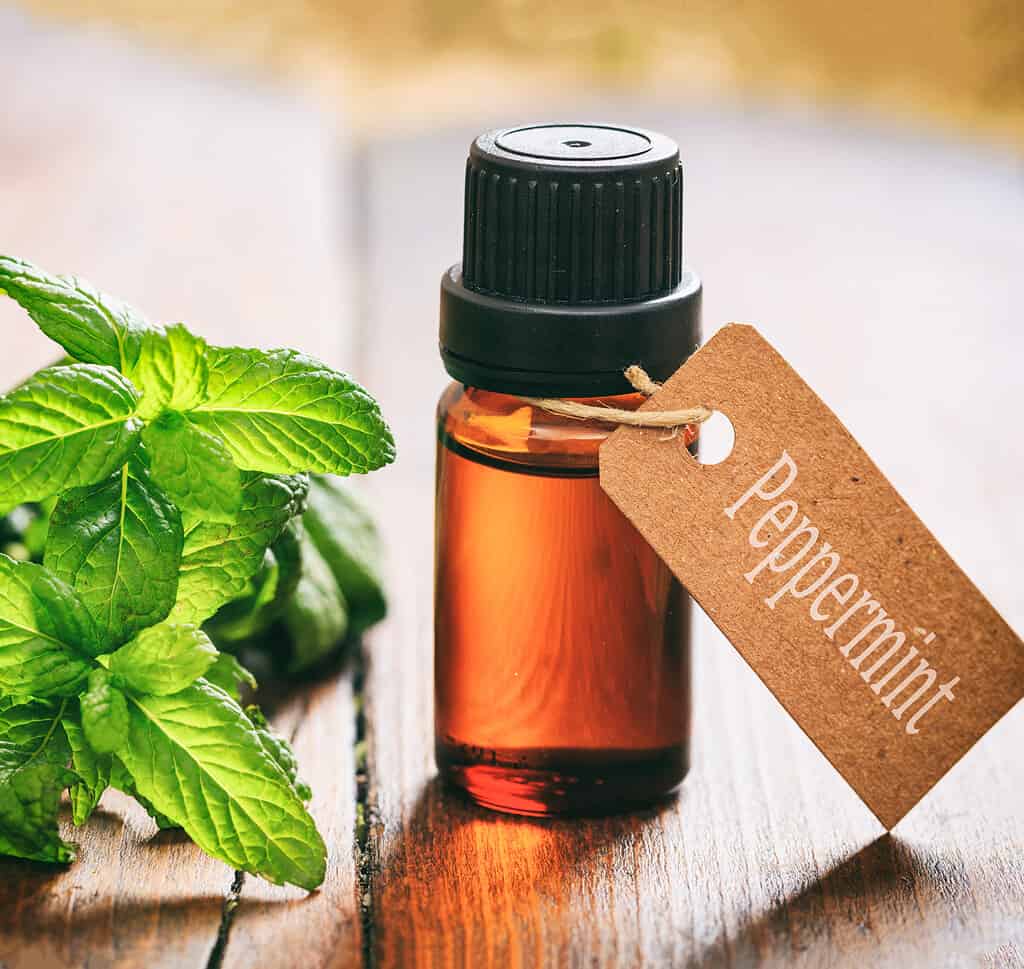
Deer don’t like the smell of mint, so a repellent can be made by mixing a mint essential oil with water.
©iStock.com/Rawf8
2. Blood Meal
A blood meal is a type of natural fertilizer produced by drying animal blood. It contains high amounts of nitrogen and helps ensure the plants in your garden thrive. It also has a pungent odor that deer find unpleasant, making it a suitable repellent. To utilize its benefits, you can apply it by sprinkling it around your garden or diluting it with water to make a spray. For optimal results, it’s advisable to replace it every few weeks since it is most potent when fresh.

Blood meal can be sprinkled around your garden to discourage deer from eating your plants.
©Simon Kadula/Shutterstock.com
3. Garlic
Garlic is another scent that deer hate. The pungent odor of garlic can be overwhelming for deer and can naturally keep them away from your garden. You can plant garlic around your garden or use garlic powder to create a spray. To create a garlic spray, mix two tablespoons of garlic powder with a quart of water and spray it around the area you want to keep the deer away from. Reapply the spray every few days to maintain its effectiveness.
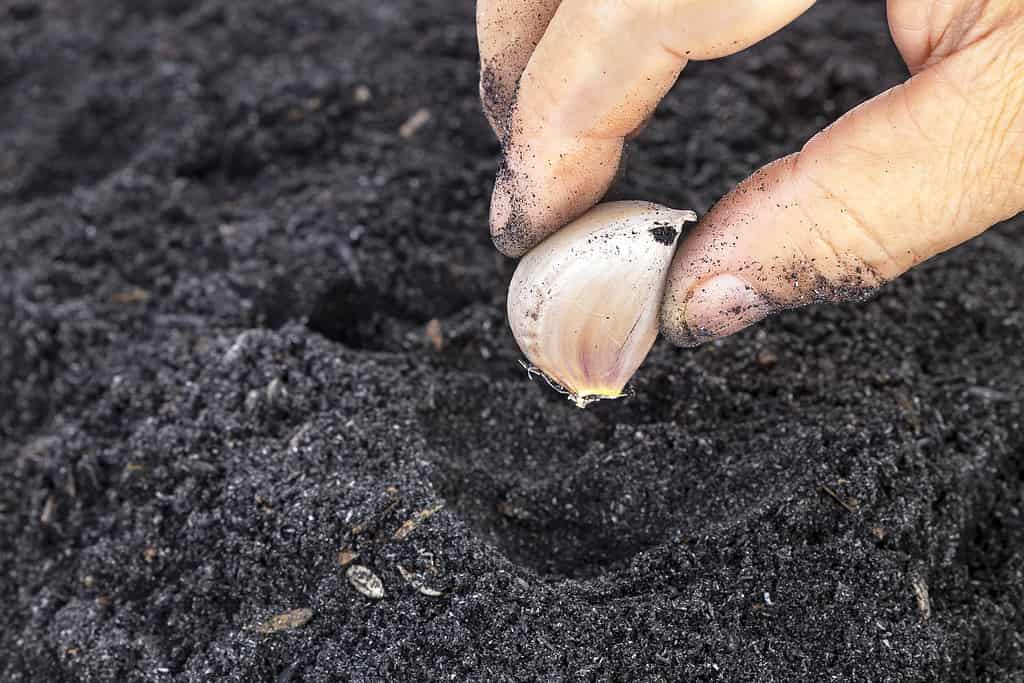
Keep deer out of your garden by planting garlic.
©supersaiyan3/Shutterstock.com
4. Human Hair
Believe it or not, some gardeners use human hair to try to repel deer, though research results have been highly variable. The scent of human hair can mimic the smell of humans, who can be predators to deer. You can collect hair from your hairbrush or salon and place it in mesh bags around your garden. Alternatively, you can tie strands of hair to stakes around your garden. Make sure to replace the hair every few weeks to maintain its effectiveness.

You can collect hair from your brush to put around your garden to repel deer.
©fongbeerredhot/Shutterstock.com
5. Irish Spring Soap
Irish Spring soap’s pungent aroma is a powerful deterrent against deer intruders. Grating bars of the soap and infusing the shavings in water creates a compelling deer-repellent spray. A few spritzes of the soapy solution around the perimeter of your garden will envelop the space in a veil of scent that may discourage deer, though results vary. Regular reapplication of the spray ensures ongoing safety for your plants by preserving the strong soap scent. This simple yet effective technique leverages the soap’s fragrance to humanely and inexpensively protect your garden’s bounty from destruction by deer.
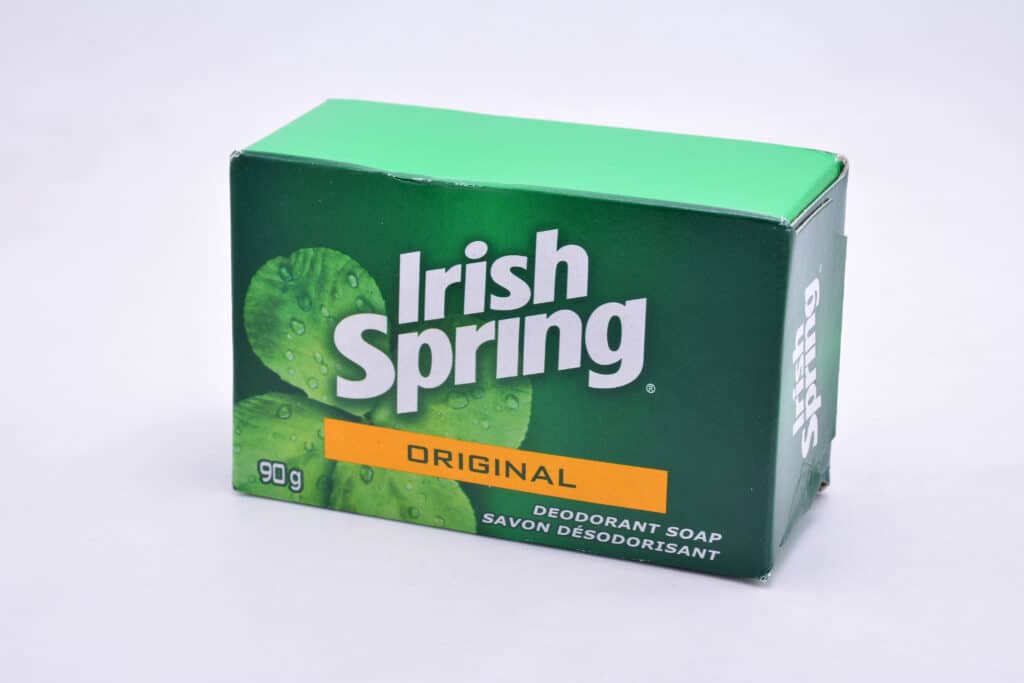
Deer avoid the smell of Irish Spring soap due to its powerful scent.
©Walter Eric Sy/Shutterstock.com
6. Hot Pepper
Hot pepper is another scent that deer hate. The capsaicin in hot peppers can cause a burning sensation in a deer’s mouth and nose, causing it to avoid the area. You can sprinkle hot pepper flakes around your garden, or mix them with water to create a spray. To create a spray, mix one quart of water and one tablespoon of hot pepper flakes and spray it around the perimeter of the garden. Reapply every few days.

Hot pepper flakes can be sprinkled or mixed with water to make a spray to repel deer.
©Jiri Hera/Shutterstock.com
7. Eucalyptus
Eucalyptus is nature’s deer repellent. With its powerful scent and pungent essential oils, eucalyptus creates a natural barrier against destructive deer. Planting eucalyptus hedges around your garden or creating an easy spray with eucalyptus essential oil are two simple yet effective ways to harness the plant’s potent aroma. The spray, which is just eucalyptus oil and water in a bottle, can be applied every few days to freshen the scent and maintain a deer-free space. With eucalyptus, you can protect your garden naturally, without harsh chemicals.

Deer do not like the smell of eucalyptus.
©iStock.com/Marina Denisenko
8. Lavender
Lavender is a fragrant herb that can be used to repel deer. The scent of lavender is overwhelming for deer, and they tend to avoid areas where it is planted. You can plant lavender around your garden or use lavender essential oil to create a spray. To create a spray, mix 10-15 drops of lavender essential oil with water in a spray bottle. Then, mist the area you want to be deer-free. Make sure to reapply the spray every few days to maintain its effectiveness.
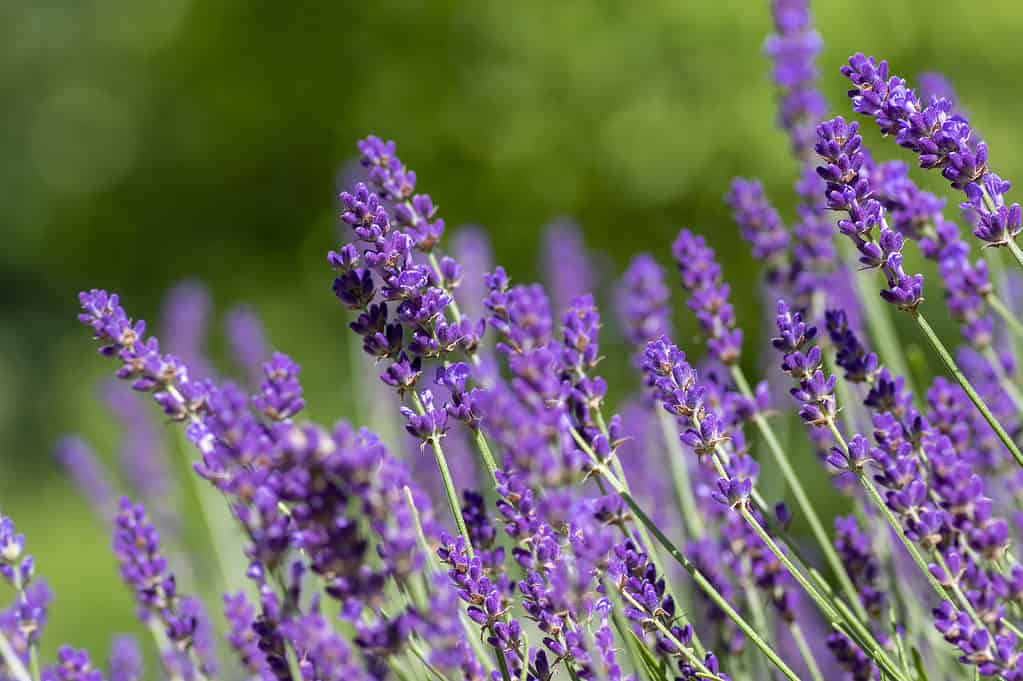
Plant lavender or make a spray with essential oil and water to keep deer out of your garden.
©iStock.com/Iva Vagnerova
9. Predator Urine
Predator urine is a compelling natural repellent that taps into deer’s instinctual fear of predators. The scent triggers their avoidance of areas that may put them in harm’s way. The urine convinces deer to steer clear of gardens and yards by mimicking the smell of wolves or coyotes. Simply applying drops of urine around the perimeter creates an invisible barrier that many deer will avoid, though protection is often short-lived. For ongoing protection, regularly re-treat the area with the powerful predator-scented spray. This organic solution outsmarts deer by exploiting their innate responses to threats, providing an easy and long-lasting deterrent.

Predator urine can be purchased to scare deer away from your garden.
©dgenxart/Shutterstock.com
10. Fennel
Fennel is another herb that can be used to repel deer effectively. The strong scent of fennel can be overpowering for deer, causing them to flee the area. You can plant fennel around your garden or use fennel essential oil to create a spray. To make your own spray, mix 10-15 drops of fennel essential oil with water in a spray bottle and distribute evenly around the outside of the garden. For effectiveness, spray about every three days.
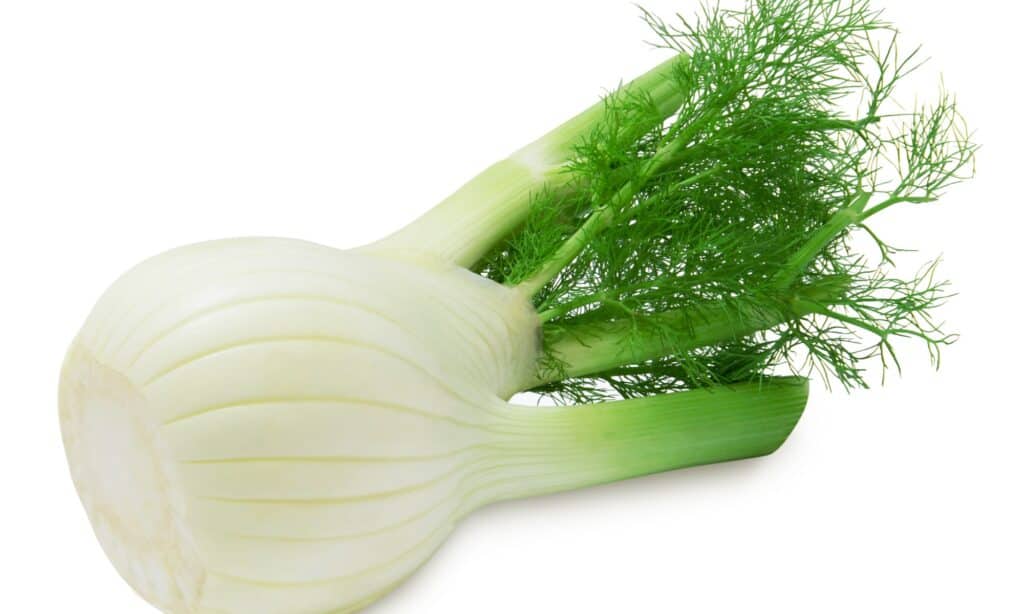
Fennel can be planted or the essential oil can be sprayed to repel deer.
©iStock.com/IlonaImagine
What Are Deer Most Afraid Of?
Deer are prey animals, so they are naturally cautious and alert to avoid danger. While each deer is an individual and may have unique fears and preferences, certain things can trigger fear or alarm in these animals. Here are some of the most common things that can cause them to avoid an area.
Predators
Deer are most afraid of predators, such as wolves, coyotes, and mountain lions. These animals directly threaten deer and can cause them to flee or freeze in fear. That is why predator urine is so effective in keeping deer away from certain areas.

As prey animals, deer are alert to avoid danger, including predators.
©WildMedia/Shutterstock.com
Sudden Movements or Loud Noises
Deer have excellent hearing and are easily startled by sudden movements or loud noises. This is why hunters and wildlife watchers often use stealth and camouflage to avoid deer detection. To deter deer, you can use wind chimes or hang pie pans so they bang together when the wind blows, though deer often grow used to such noises over time.
Strange or Unfamiliar Scents
Deer have a keen sense of smell and are sensitive to unfamiliar scents. This is why particular smells, such as predator urine or human hair, or very strong scents like fennel or garlic cause deer to avoid an area.
Bright Lights
Deer are also sensitive to bright lights, which can disorient them and make them more vulnerable to predators. This is why drivers are often warned to use caution when driving at night in areas where deer are common. You can use motion detector lights to startle deer and cause them to flee the area.
Why Would Someone Want to Repel Deer?
There are several reasons why someone might want to repel deer, including deer safety, human safety, and the protection of your garden or farm. Take a look at some of the common reasons to deter deer.
Protecting Gardens and Crops
Deer are notorious for destroying garden plants and crops, which can be a frustrating and expensive problem for gardeners and farmers. By using scents or other methods to repel deer, people can protect their plants and crops from being trampled or eaten.

You may use smells that deer hate to repel them from your garden or keep them away from the roads.
©iStock.com/tmphoto98
Preventing Collisions
Unfortunately, deer are a common cause of car accidents, especially in rural areas. People can help prevent dangerous collisions by repelling deer from roadsides and highways. More than 2 million deer collisions happen in the United States each year.
Preventing Property Damage
Deer can also cause property damage by rubbing their antlers against trees, shrubs, and other objects. They may also break fences or even crash into plate-glass doors. By repelling deer from these areas, people can help keep property damage to a minimum.
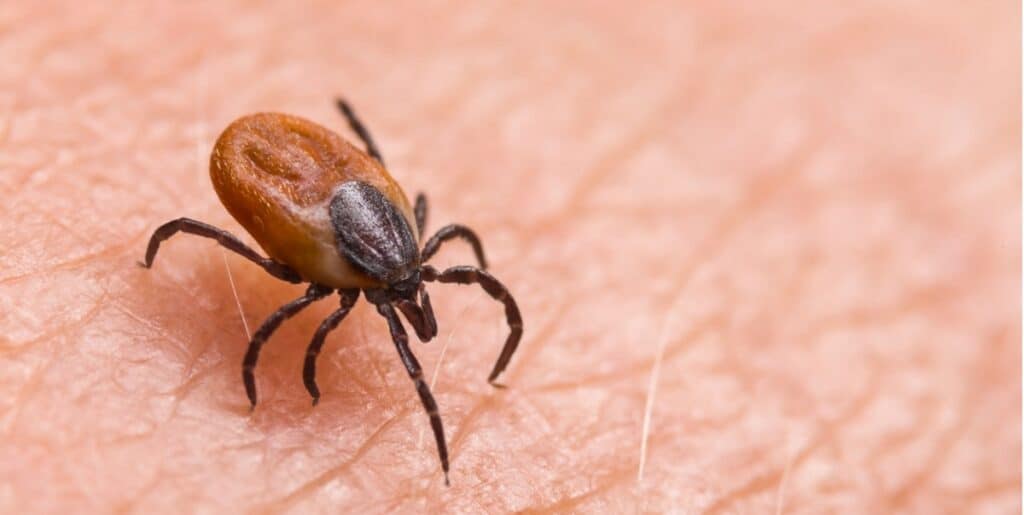
Deer carry ticks that can jump on you and your pets.
©iStock.com/Ladislav Kubeš
Preventing Disease
Deer can carry ticks and other disease-carrying pests, which is a major concern for people who spend time outdoors. People can help reduce the risk of tick bites and other health issues by using smells that deer absolutely hate in specific areas.
While many people enjoy seeing deer and appreciate their beauty, there are several practical reasons why someone might want to repel them. By using scents or other methods to repel deer, people can protect their property, prevent accidents, and reduce disease risk.