
Alaska is a well-known hunting destination. Enthusiasts, namely experienced hunters, know that the state can present game, such as caribou, bison, black bears, wolves, grizzly bears, mountain goats, and elk.
If you’ve dabbled in hunting or catching wild animals, you probably know that hunting elk is incredibly difficult, mostly due to their size, strength, and acute senses. However, though hunting is not for everyone, many hunters enjoy the pursuit. Let’s discover the largest elk ever harvested in Alaska. We’ll begin by telling you about these majestic creatures.
What Type of Elk is Found in Alaska?
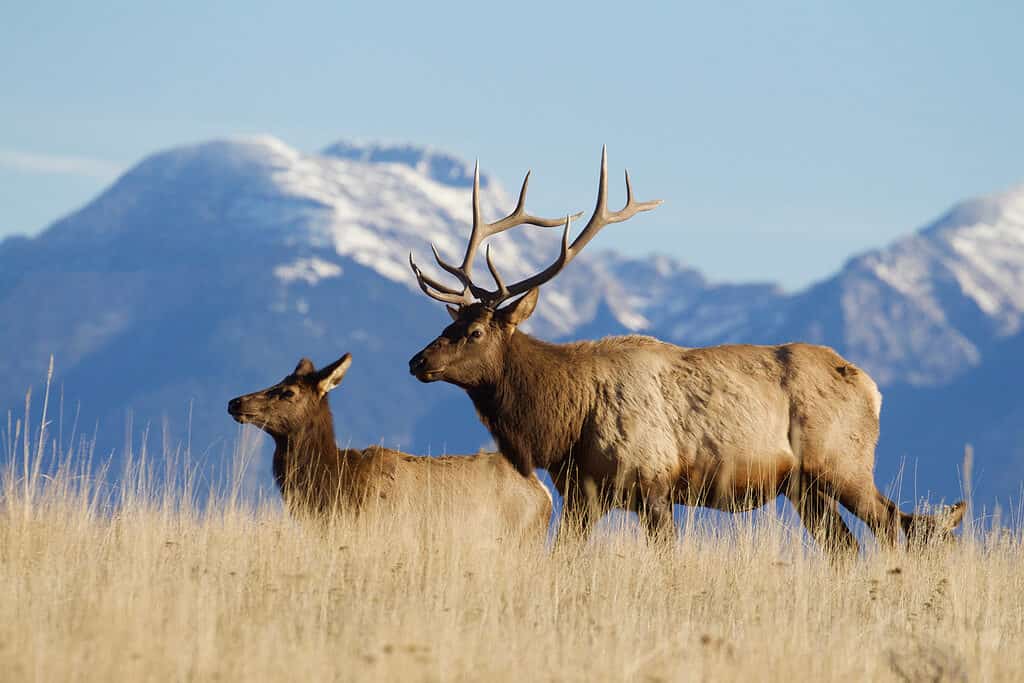
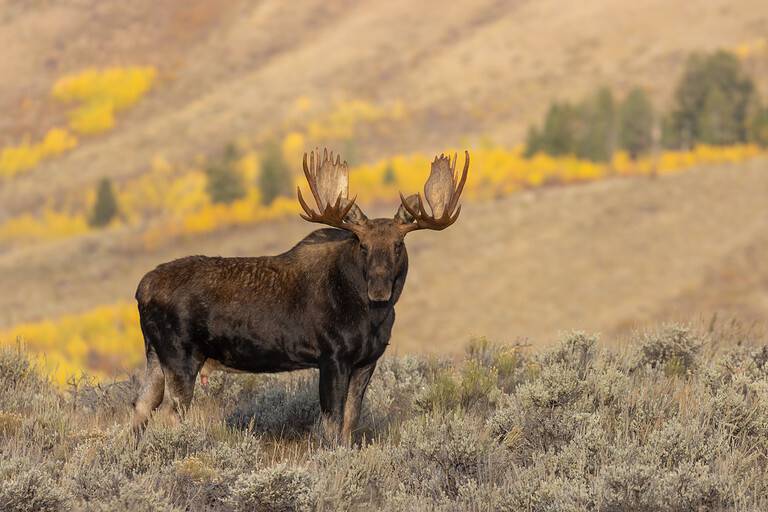
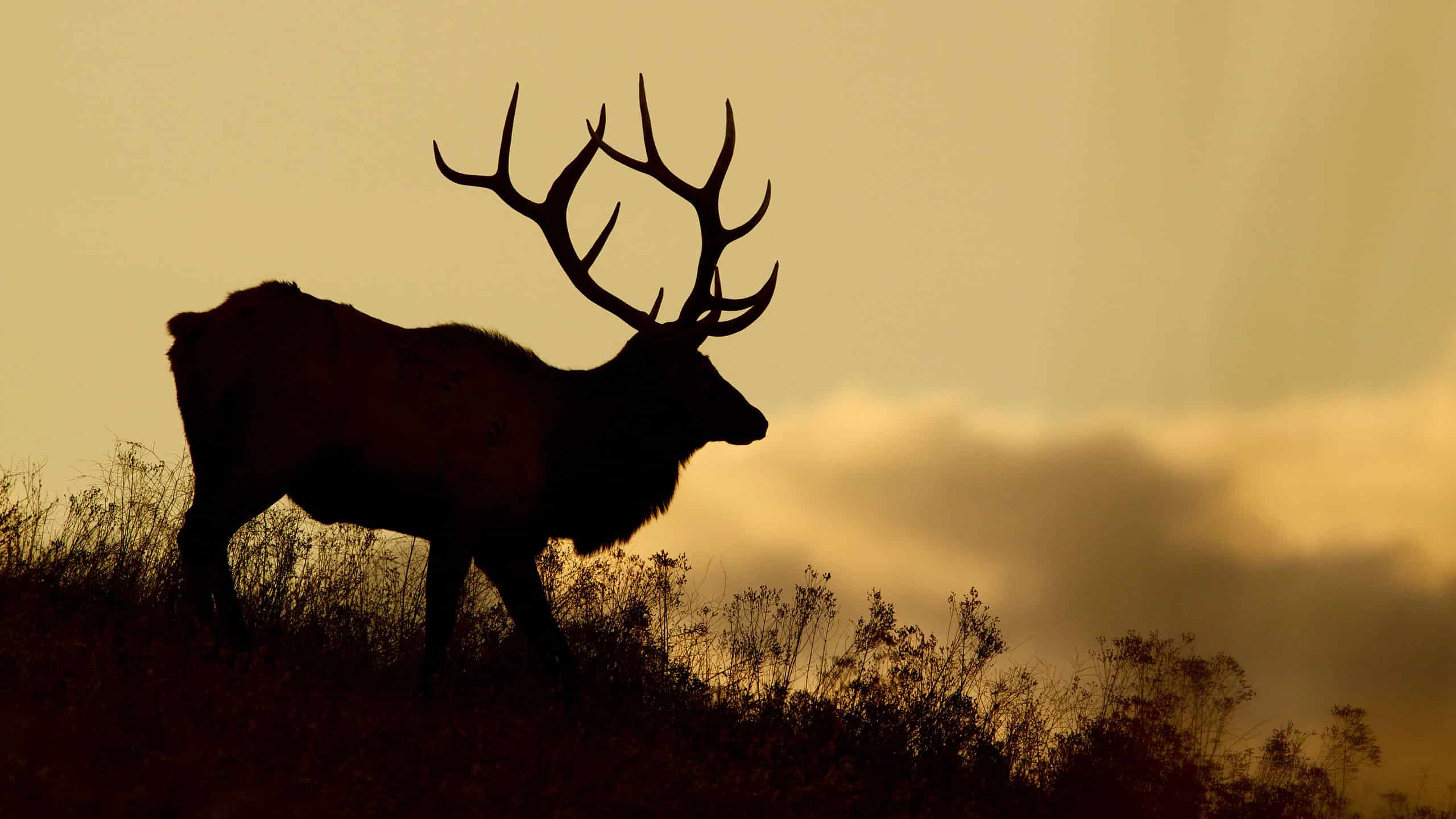
Elks represent the largest species of the Cervidae (deer) family.
©Tom Reichner/Shutterstock.com
The Roosevelt Elk (Cervus elaphus roosevelti) is the primary type of elk that you’ll find in Alaska. It is a subspecies of the North American elk and is a species within the Cervidae (deer) family. The Roosevelt Elk is a herbivore, which means that hunters will often spot them in areas full of low-lying grasses, ferns, and shrubs.
Male Roosevelt elk are typically quite large, with males weighing up to 1,300 lbs. The highest part of a male’s back can measure between 2.5–5.6 ft high, and the elk is typically between 6.9–8.5 ft long. However, it’s not the body size that technically determines how large the Roosevelt Elk is, especially when it comes to hunters.
What Defines Large In Terms of Elk Hunting?
This is where things get a bit complicated. For big-game hunters, the elk’s actual height, length, and weight are unimportant. It’s not about their bodies. Instead, it is the antlers that contributes to the size and are ultimately the big prize.
What You Need to Know
Here is exactly what defines “large” in terms of elk hunting:
- The total number of points on antlers (both left and right side) – Points are awarded when they exhibit projections of at least one inch in length. The points from the antler tip to the nearest beam edge is part of the equation. The tip of the beam is counted as a point but not measured as one;
- The tip to tip spread – This value represents the distance between the tips of the antlers’ main beams;
- The greatest antler spread – This value represents the distance between the perpendiculars of the antlers at a right angle and towards the skull’s center line (at its widest part). If bigger, the distance between the main beams or their respective points is in consideration;
- The inside spread of the antlers’ main beams – This value represents the distance between the widest point is on the main beams, which is at a right angle to the skull’s center line.
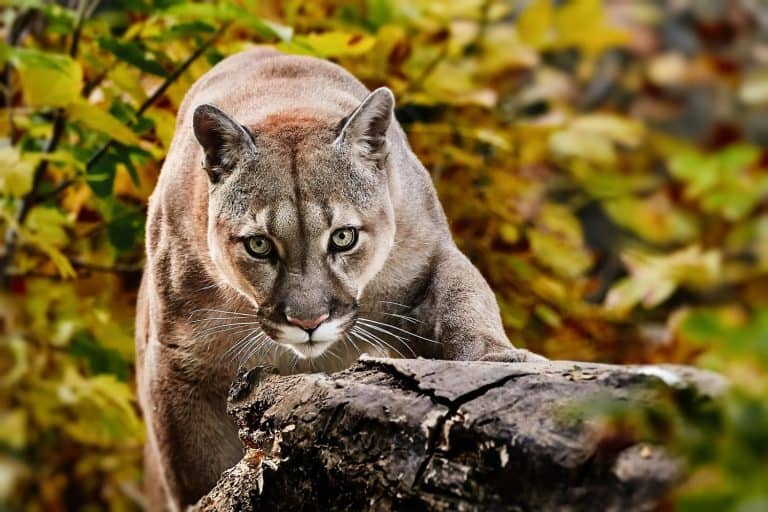
All of the above make up the score chart or score of a hunted specimen. In short, this is what “largest” means when talking about elk. It’s similar with many other animals. For instance, when it comes to cougars, the largest specimen is determination is the size of the animal’s skull.
What Is the Largest Elk Harvested in Alaska?
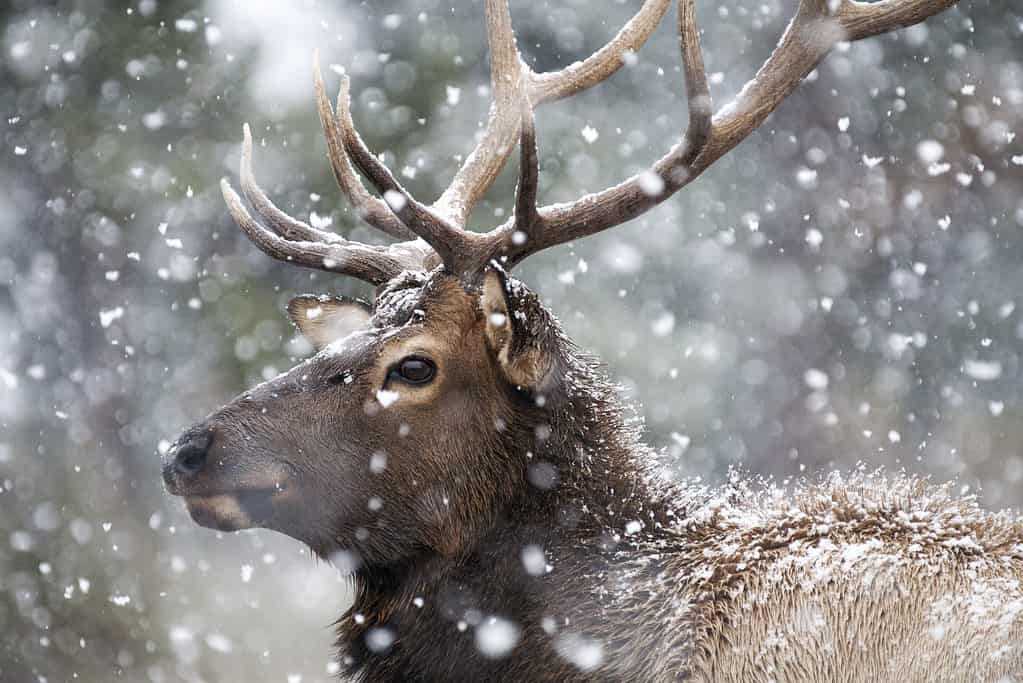
The largest elk ever harvested in Alaska has a score of 291 ⅝.
©Bradley Wakoff/Shutterstock.com
The largest Roosevelt Elk ever harvested in Alaska has a score of 291 ⅝. The harvest took place during a hunt on the 25th of October 25, 2016, by Susan D. Larson.
The exact antler values of the largest elk catch in Alaska:
- It had a total of 12 antler points, six on each side;
- The tip to tip spread of the antlers was 34 2/8 inches;
- The greatest antler spread was 39 4/8 inches;
- The inside spread of the antlers’ main beams was 36 ⅝ inches;
- The kill location was Malina Bay, Alaska.
This data was collected by a private organization called the Boone and Crocket Club. Hunters who hunt large animals send their records to B&CC, and they are listed on the site.
What Is the Largest Elk Harvested in the World?
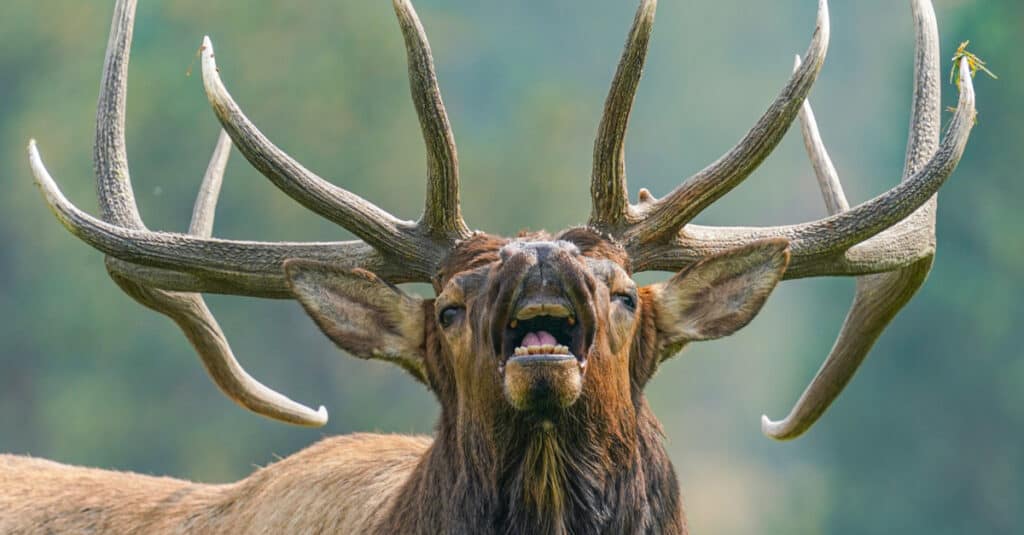
The largest elk harvested in the world has a score of 478 ⅝.
©Cornelius Doppes/Shutterstock.com
The largest elk ever harvested in the world has a score of 478 ⅝. Denny Austad was the hunter, and it occurred in 2008. The specimen is the “Spider Bull.” Though not technically an official designation, the term “spider” refers to the fact that the shape of the antlers often remind people of a spider.
It should also be mentioned that this is the “non-typical” world record. The term “non-typical” means that the antlers aren’t symmetrical on either side, which can make them appear larger and result in a larger size and score.
Up Next:
- 10 Incredible Elk Facts
- Elk Size Comparison: The Biggest Deer?
- Elk Poop: Everything You’ve Ever Wanted to Know