










Quick Take
- Owners must commit to 2 hours of daily activity to prevent clinical depression.
- Adding gluten to a Golden Irish diet creates severe digestive issues and bloating.
- Their gundog heritage paradoxically prevents them from functioning as effective guard dogs in modern homes.
- Expert scouting for responsible breeders is vital due to the rare status of this hybrid.
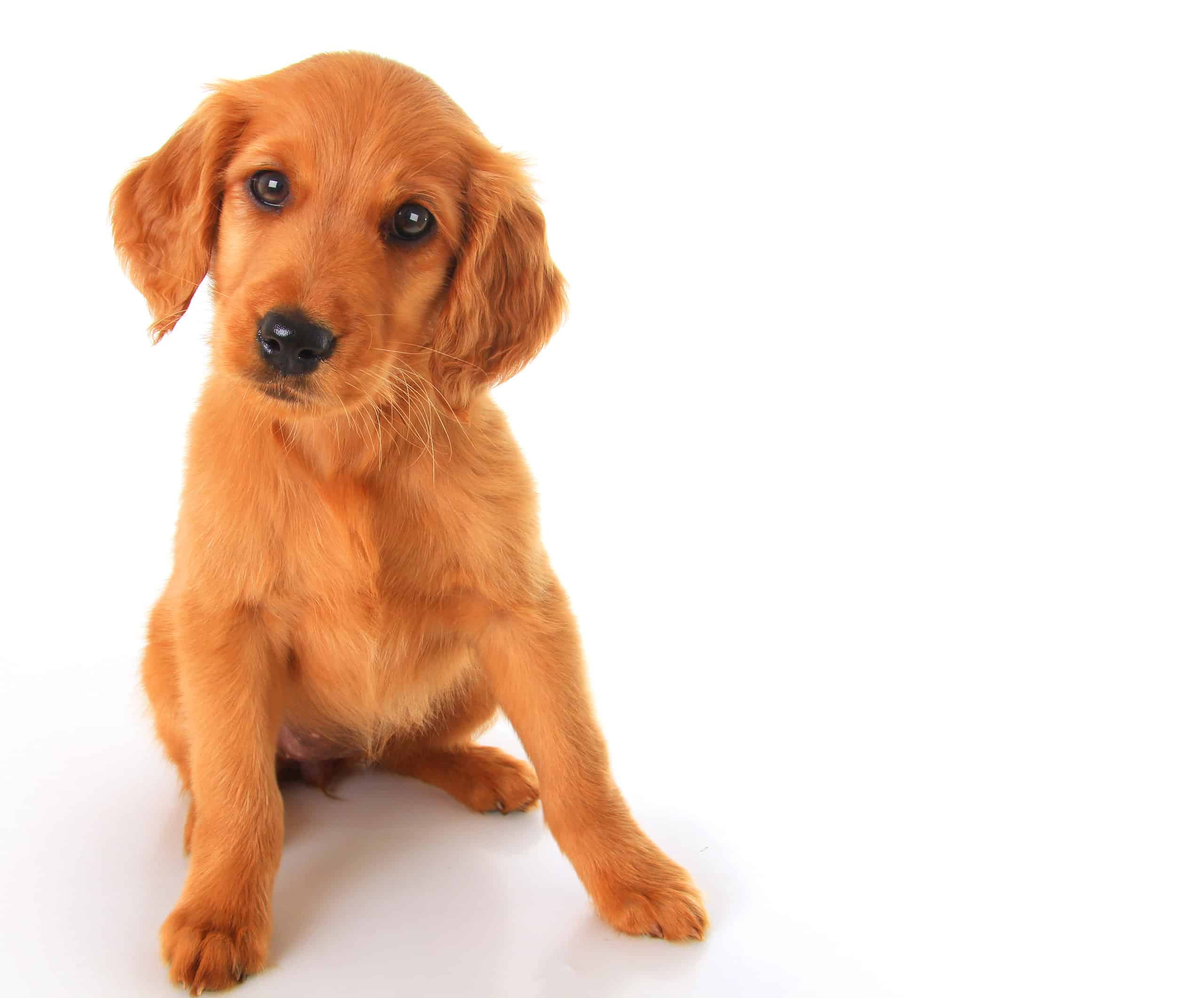
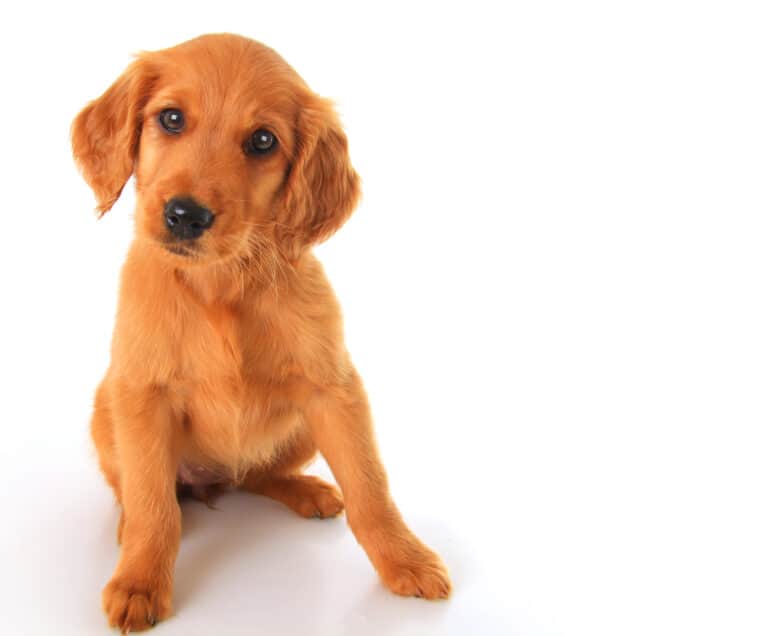
The Golden Irish dog is a mix of a Golden Retriever and an Irish Setter. These dogs were originally located in Ireland and formally bred to be used as gundogs.
This hybrid breed has a beautiful exterior appearance and an outgoing and friendly temperament. They enjoy the outdoors and can be energetic at times, but they sure do like having some downtime, making the Irish Setter the perfect fit for a well-balanced home environment.

History Of The Breed
The Golden Irish dog’s date of origin is not known, as it is a hybrid of the Golden Retriever and the Irish Setter, although it is believed to have begun in the 1980s when the designer dog craze first started. Its parent breeds have a much deeper history. The Golden Retriever originated in the Scottish Highlands in the 1800s and was developed by Dudley Marjoribanks, who later was known as Lord Tweedmouth. This retriever was descended from the now-extinct Tweed Water Spaniel.
The Irish Setter was bred to be a hunting dog, specifically to locate and point upland gamebirds, and became popular in the 18th century. It is believed to have descended from a mix of the following breeds: English Setter, Spaniel, Pointer, and Gordon Setter.
Fun Facts About The Golden Irish Dog
- The Golden Irish dog is a very competitive and athletic breed and will always be eager to join in on any sporting activity.
- Their athletic build and strong muscles allow them to be avid swimmers.
- They can be known as Velcro dogs because they like sticking around and are always near their owners.
- Because this breed is a hunting dog, not many people believed it could be so friendly and loving.
Pros And Cons Of Owning A Golden Irish Dog
| Pros | Cons |
|---|---|
| Highly intelligent: Because they were bred as hunting dogs, they take commands seriously, which allows for easy training and an obedient dog. | Digestive issues: The Golden Irish dog has inherited some health issues from the Irish Setter; if gluten is added to their diet, they will experience bloating and upset stomachs. |
| Very athletic: The Golden Irish dog enjoys the outdoors and likes to participate in physical activities such as swimming, running, and hiking. | Energetic and active: Their boisterous and high-energy personality requires this breed to get a lot of exercise. If Golden Irish dogs don’t get enough exercise and attention, they can become depressed. |
| Grooming: This breed’s grooming is low maintenance as they are hypoallergenic, so they don’t shed often. | Separation anxiety: They do not do well with being left indoors for long periods of time. If they don’t get enough human interaction or exercise, they can experience separation anxiety, resulting in destructive and naughty behavior. |
The Best Dog Food For The Golden Irish Dog
When deciding on the best dog food for your Golden Irish, it’s best to provide them with the highest quality of either wet or dry food. Their food intake needs to sustain them throughout the day, especially when they are so active.
Incorporate whole foods that don’t contain any artificial preservatives and allergenic ingredients such as gluten and sulfates. Because these dogs are known to have sensitive stomachs, it is essential to provide your dog with foods that can be digested easily, such as
- Eggs
- Chicken
- Beef
- Sweet potato
- Carrots
- Beetroot
- Celery
- Cucumber
If you are unsure about the Golden Irish’s nutritional needs, go to your veterinarian, who can advise what your dog should eat to keep them healthy and happy.
Weight And Size
Both genders are of average size. The male’s weight is 55 to 80 pounds, and their height is 21 to 28 inches. The female’s weight is between 55 and 80 pounds, and they have the same height of 21 to 28 inches.
Health Issues
The Golden Irish breed can inherit certain health issues from both the Golden Retriever and the Irish Setter. These common health issues consist of
- Hip and Elbow Dysplasia
- Ear infections
- Bloating of the stomach
Hip And Elbow Dysplasia
Hip and elbow dysplasia often occurs in large dog breeds, especially the Golden Irish dog. Because of their more prominent bone structure, this condition does not allow the formation of the joint’s bone and socket to form correctly. Hip and elbow dysplasia causes the joint to loosen, and the bone will reduce over time, resulting in painful osteoarthritis and decreased mobility.
Ear Infections
If their ears get wet and are not dried properly, moisture is left behind, creating bacteria inside the ear. This causes an unpleasant odor, redness, and itchiness. This can be cured by getting antibiotic medication prescribed by your veterinarian.
Bloating Of The Stomach
This is a very dangerous condition; if not monitored, it can become fatal. In addition, the stomach can flip over, causing it to swell with gas or fluid, putting pressure on vital organs. To prevent this from happening, teach your dog to eat more slowly and avoid physical activity after eating.
It is very important to provide a balanced eating and exercise regime and take your dog for regular check-ups to prevent or keep health issues under control.
Temperament
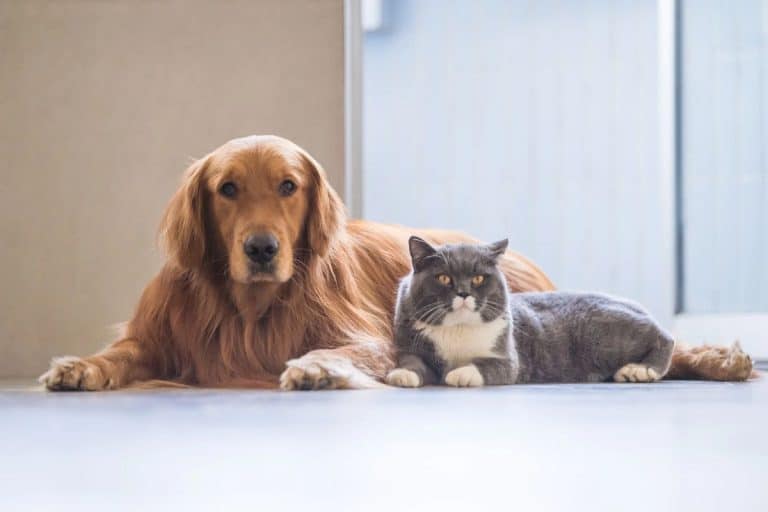
Sharing the same qualities as their purebred relatives, they like displaying their love, excitement, and friendliness towards people and other animals. In addition to their complacent nature, they won’t make excellent guard dogs as they become attached to everyone they meet.
How To Take Care Of A Golden Irish Dog
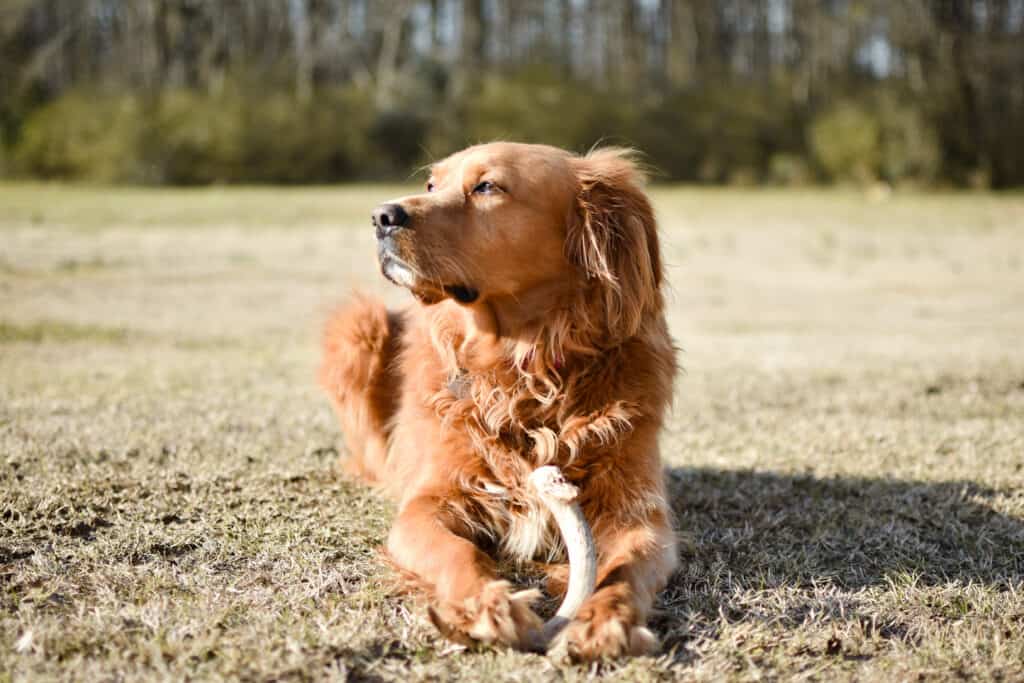
The Golden Irish dogs were originally located in Ireland and formally bred to be used as gundogs.
©Kara Carter/Shutterstock.com
Having a dog can be a big responsibility, so when owning a Golden Irish dog, make sure to provide
- Good quality food
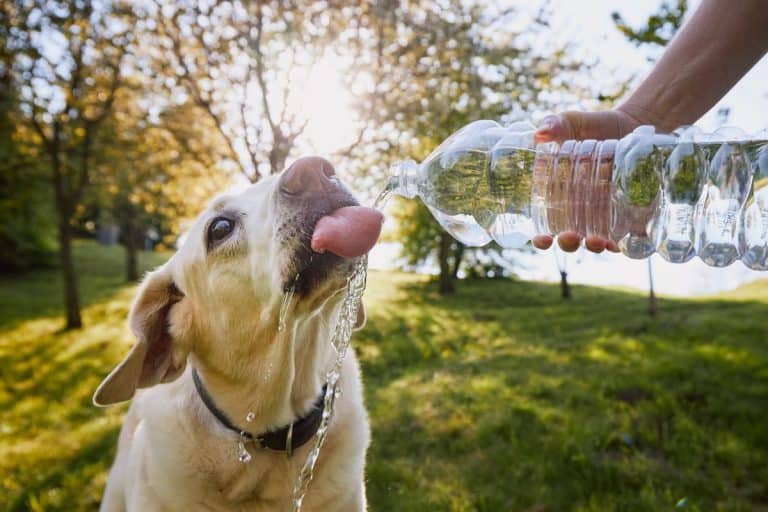
- Clean water
- Safe living environment
- Regular check-ups at the vet
- Essential grooming
Grooming
As they explore the outdoors, their fine, feathered locks are prone to collecting nature’s foliage. To prevent knots and achieve a beautiful, silky coat, it’s best to brush their fur once a day and have them bathed once a month.
As for those pearly whites, brush them daily to prevent tooth decay and smelly breath. When sending your dog to the groomers, ask them to trim your dog’s nails, as they are professionals and have mastered the art without harming the pup.
Training
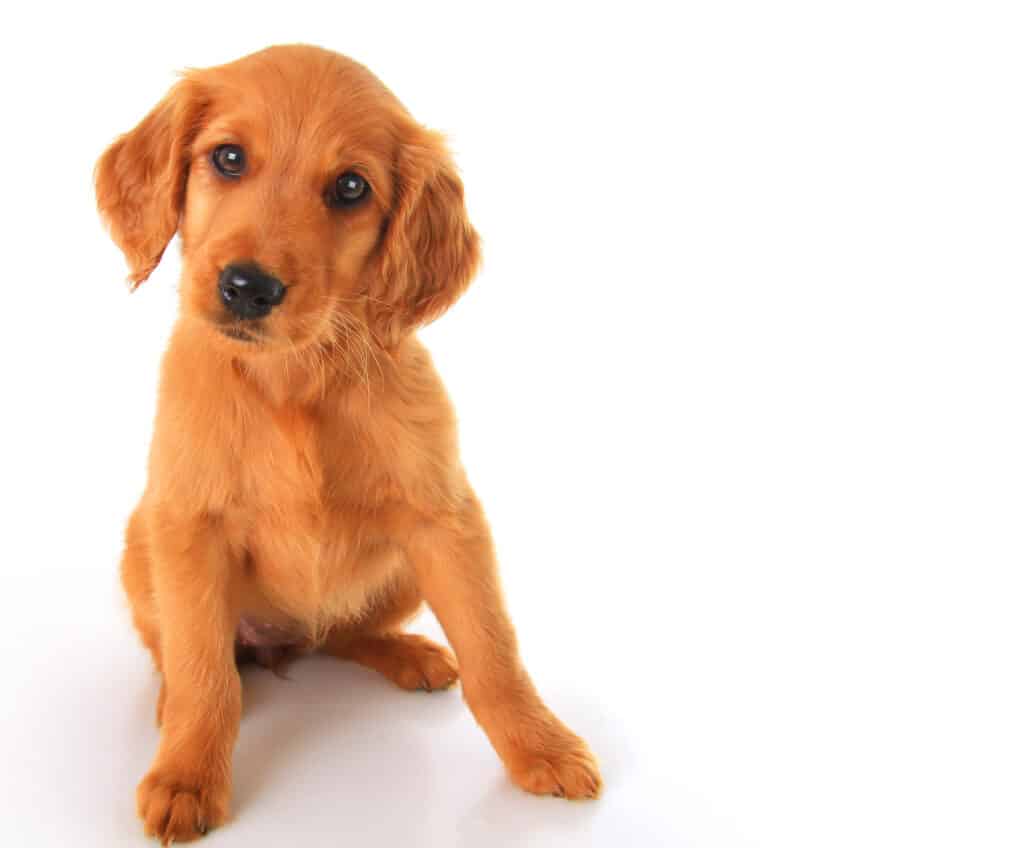
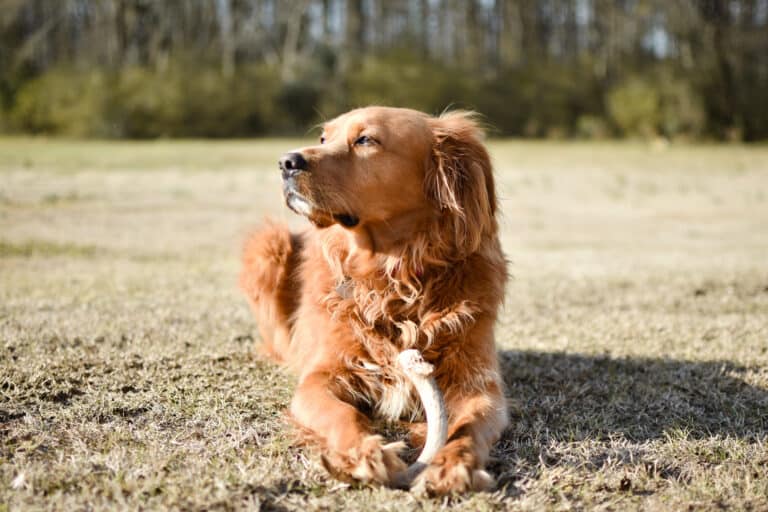
The Golden Irish dog is a very competitive and athletic breed and will always be eager to join in on any sporting activity.
©Hannamariah/Shutterstock.com
When training your Golden Irish dog, make use of proper training techniques and keep training times brief. Once you have given your dog a command and they follow through, reward them with treats and praise. These dogs are highly intelligent and focused, making them fast learners and making training them an easy task.
Exercise
This breed has an abundance of energy, which is why they need a lot of exercise to keep healthy and avoid becoming obese. They need at least one hour of activity twice a day, keeping their minds and bodies stimulated and feeling content.
Puppies
Due to this breed being a hybrid dog, they are considered rare. Therefore, when adopting this dog, it is crucial to do proper research and deal with a responsible breeder.
The female dog can fall pregnant from one year of age and can bear 8-12 puppies 63 days after mating. Once the pups are born, a beautiful bonding experience begins between the mother and her new litter of puppies.
Golden Irish Dog And Children
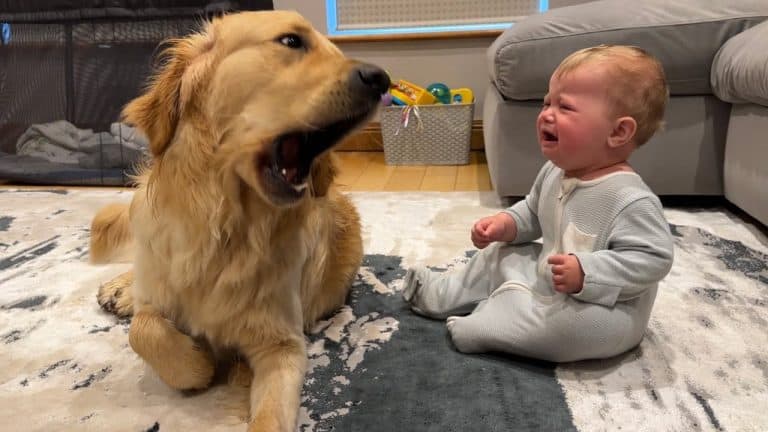
Because of their loving and gentle nature, they bond quickly with children, providing your kids with a furry best friend.
Dogs Similar to the Golden Irish Dog
Dogs similar to the Golden Irish are the Flat-coated Retriever and Red Setter. Both of which have very similar traits.
They were bred to be hunting dogs on land and water; their incredible sense of smell and intellectual skills assisted hunters in retrieving their game. These dogs share the same playful and mischievous qualities but differ in body shape and coat color.
Golden Irish Pictures
View all of our Golden Irish pictures in the gallery.

Hannamariah/Shutterstock.com