
Quick Take
- Gophers scream, but sometimes you just can't hear them, and the reason they do it this way is stranger than you'd expect. Hear about silent screams →
- Scientists have a specific word for what gophers do underground that no other mammal is known to do, and knowing it changes how you see them entirely. Discover their farming behavior →
- Gophers don't need to drink water. Here's how they pull it off. See how they skip water →
- The thing gardeners hate most about gophers is actually the same thing that makes them invaluable to an ecosystem. Explore their ecosystem role →
Gophers (Geomyidae), also sometimes referred to as pocket gophers, are rarely seen above ground. These burrowing rodents spend their entire lives building complex burrow systems, eating, mating, and raising pups underground. What other facts should you know about gophers? Read on to learn 10 astonishing gopher facts.
1. Gophers Have Unusual Lips
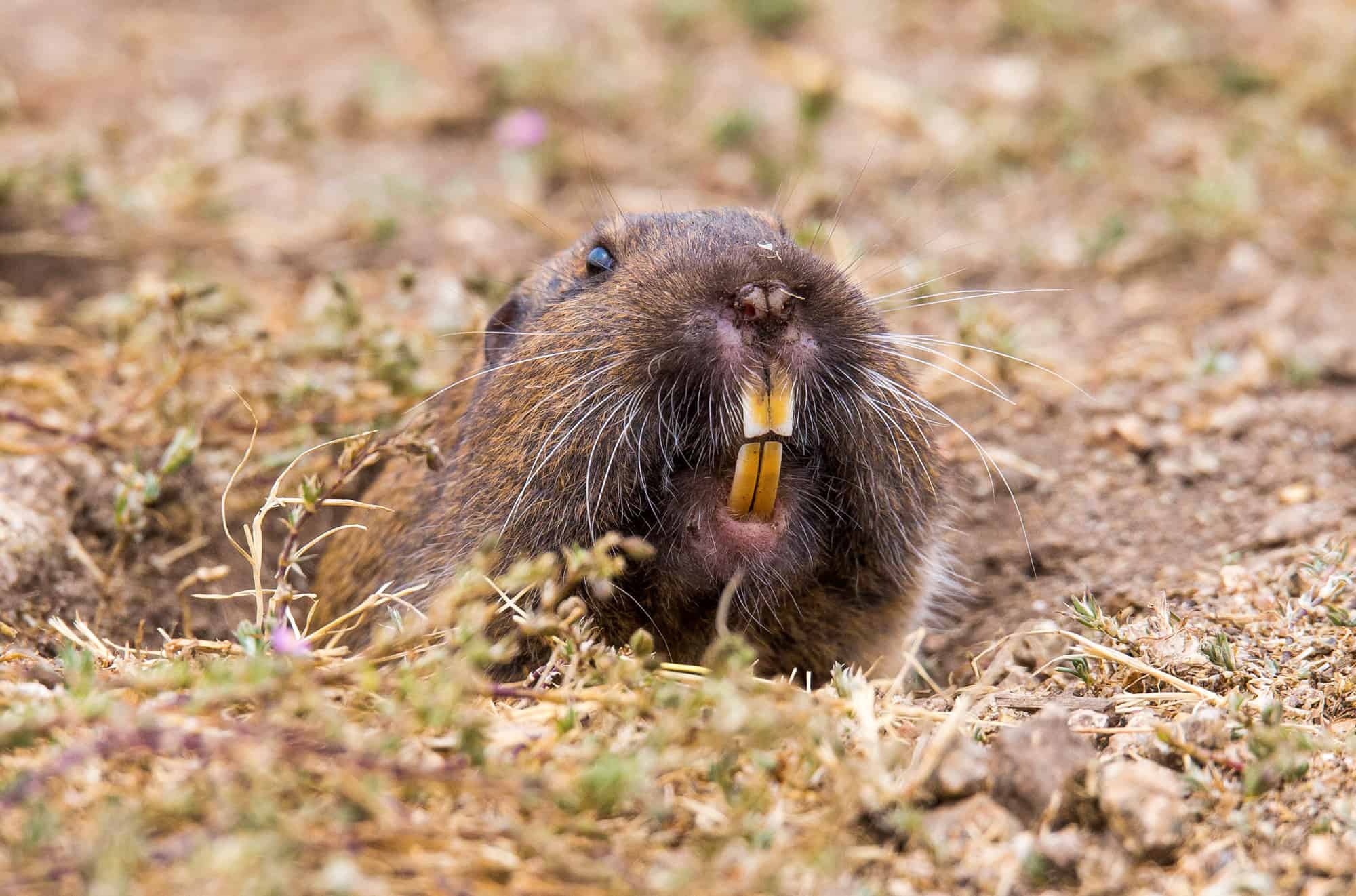
Gopher lips are unusually adapted to fit behind their four incisors. This allows them to seal off their mouths, throats, and respiratory tracts to keep them free of dirt and debris while digging with their teeth. Keeping their mouths and throats sealed off from both debris and dry underground air helps gophers preserve moisture and prevents them from becoming dehydrated while excavating.
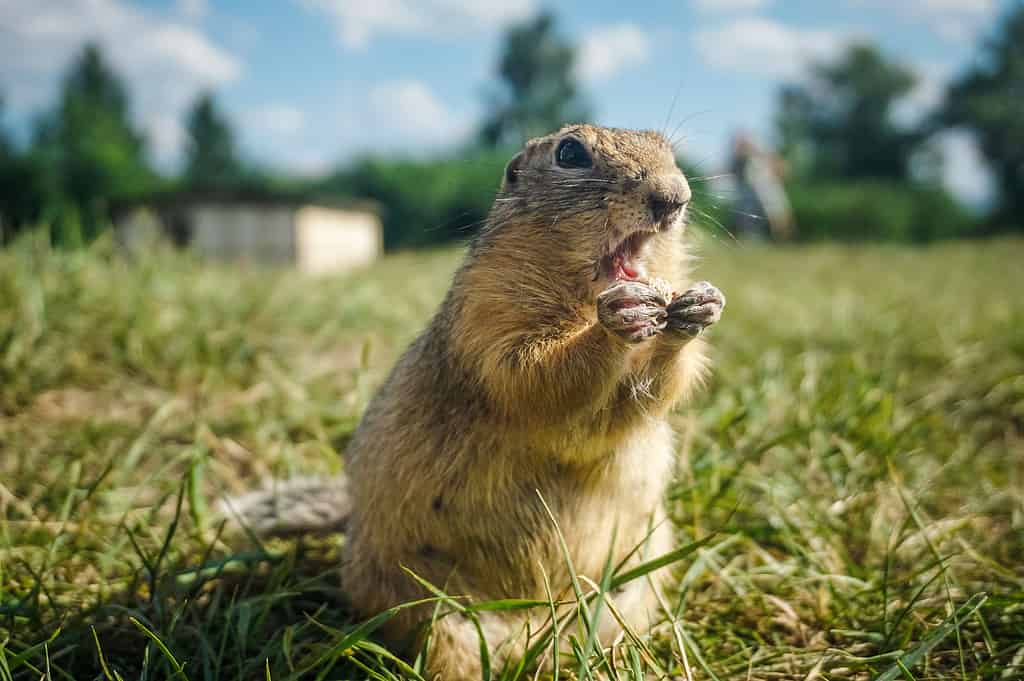
The gopher’s unusually adapted lips help prevent dirt from entering its mouth while digging.
©paha1205/Shutterstock.com
2. Gophers Emit Silent Screams
Gophers are typically solitary, but they give audible warning calls and emit what appear to us as silent screams. Researchers found that these screams reach frequencies around 48,000 hertz. However, human hearing only reaches around 20,000 hertz. These ultrasonic cries do not travel as far or wide as their typical warning barks, but gophers can accurately direct these screams to nearby gophers without drawing a predator’s attention.
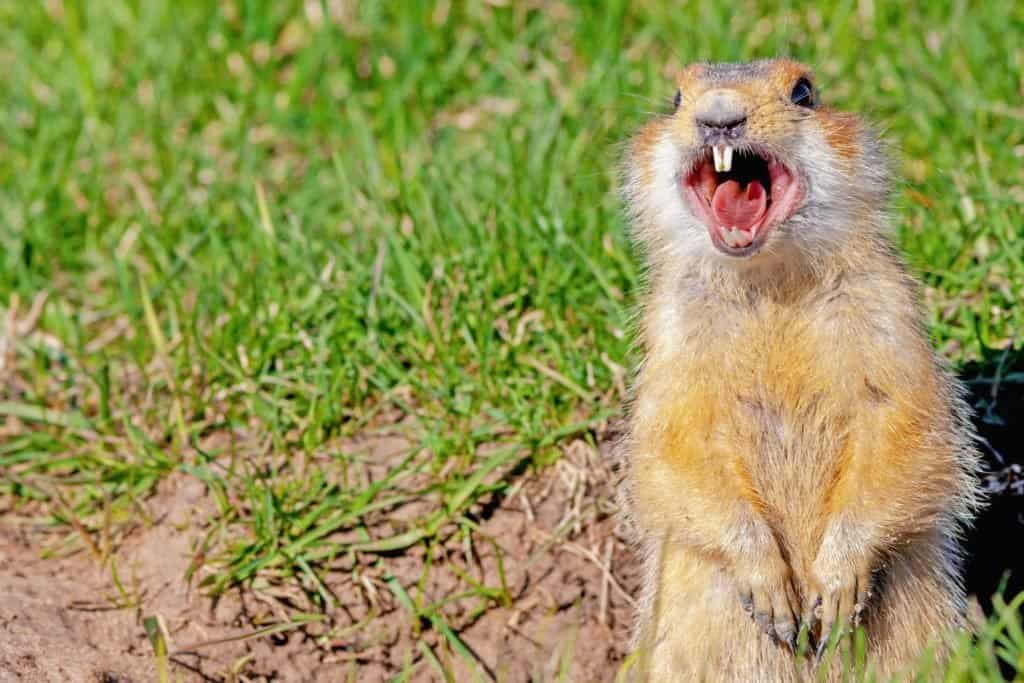
Gophers make silent screams to warn nearby gophers of predators.
©SERGEI BRIK/Shutterstock.com
3. Gophers Are Like Root “Farmers”
Researchers have found that gophers tend the roots that grow in their tunnels. When they excavate their tunnels, they turn over the soil, aerating it, and when they defecate and urinate, they fertilize the roots. Biting off large roots also encourages many smaller, more easily digestible roots to grow. Scientists discovered that harvesting their root crops provides gophers with 21% to 62% of their daily energy needs.
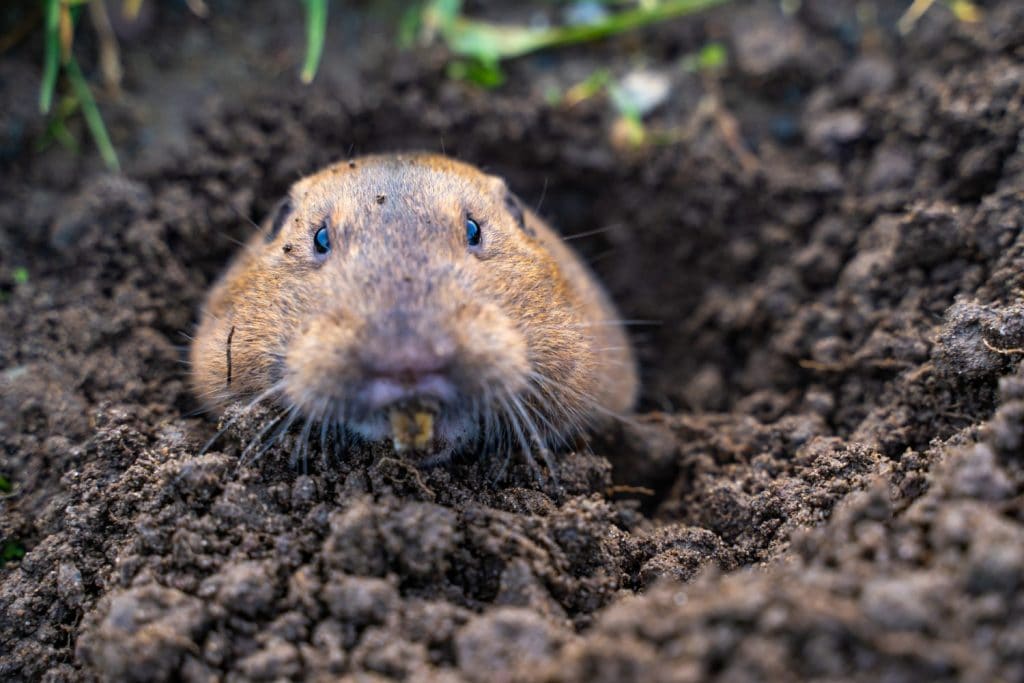
Gophers tend the roots in their tunnels.
©Iv-olga/Shutterstock.com
4. Gophers Clean Their Food Before Eating It
Scientists observing gophers in a lab noticed that the gophers cleaned and dried dirty or wet leaves before eating them. They would rapidly shake the leaves or run the leaves through their hands. Researchers also found that sometimes the gophers spent more time cleaning the food than they spent eating it.
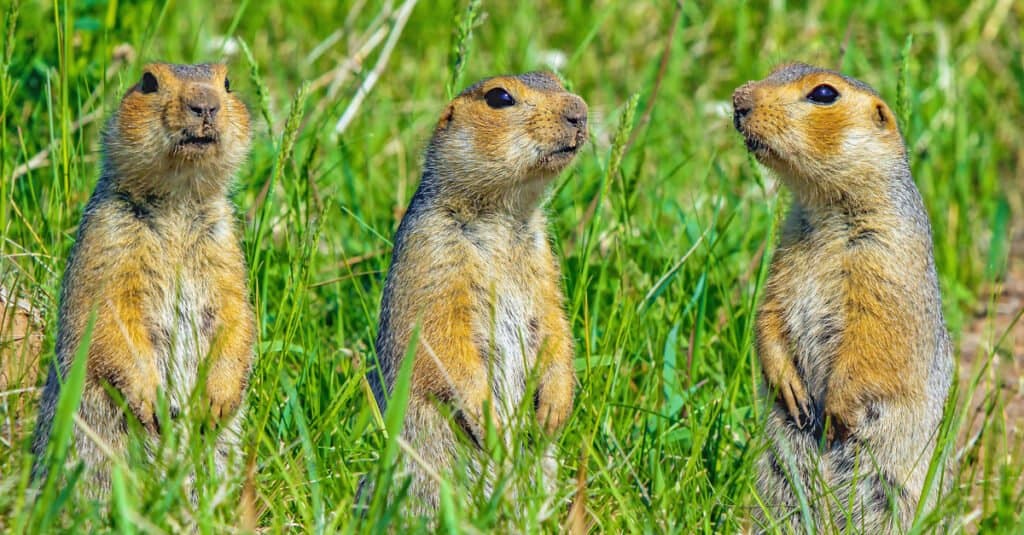
Gophers shake leaves or run them through their hands to dry or clean them before consuming them.
©SERGEI BRIK/Shutterstock.com
5. Gophers Can Run Backwards
A gopher can run backwards almost as fast as it can run forwards. They have soft, sleek, loose pelts that let them easily slide through the tunnel in reverse without their fur causing them to get stuck. Gophers also have sensitive whiskers to help them feel the burrow walls and very short, sensitive, sparsely-haired tails that help guide them in the dark.
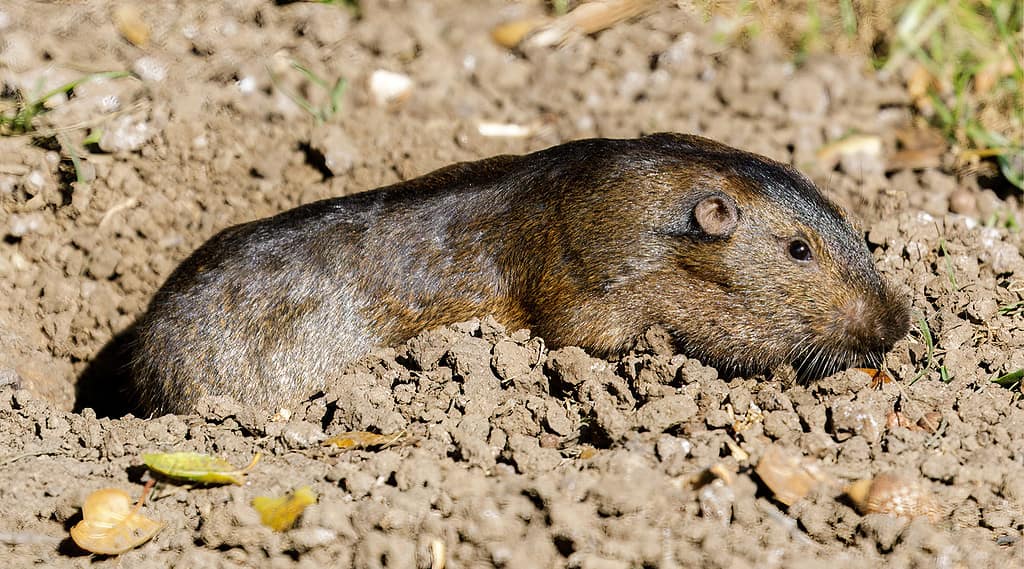
Gophers have sleek, loose pelts that keep them from getting stuck when moving in the opposite direction.
©iStock.com/dit:yhelfman
6. Gophers Groom Themselves Like Cats
Gophers groom themselves in a manner similar to cats. They clean themselves by licking their forelimbs and rubbing their faces, necks, and ears. They also clean their long teeth using their claws.
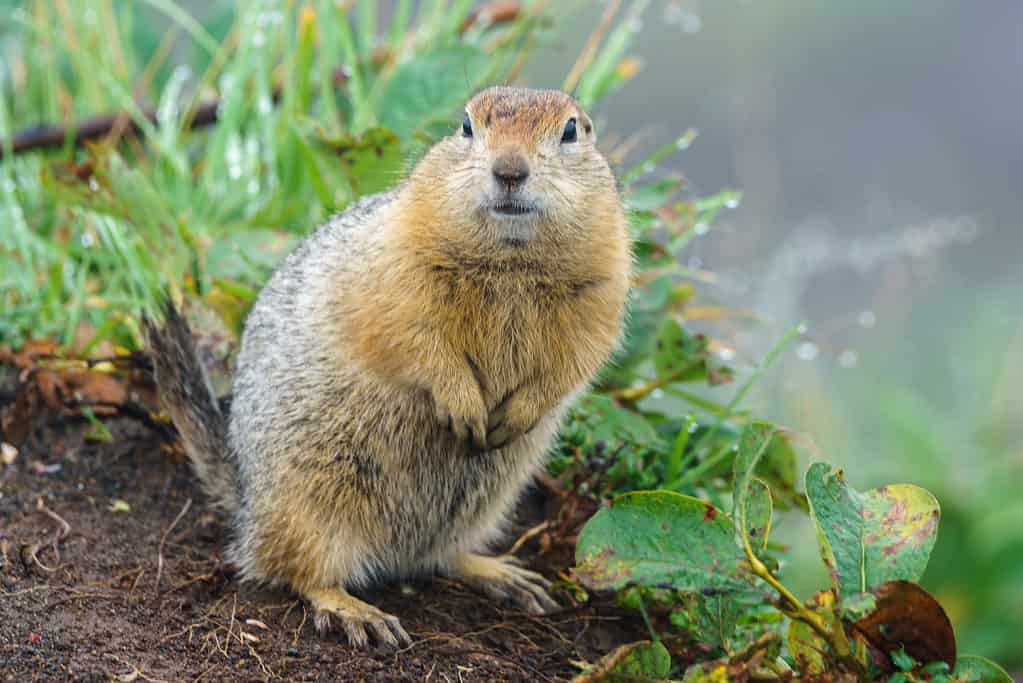
Gophers groom themselves like cats.
©Pavluntic/Shutterstock.com
7. Gophers Have External Cheek Pouches
Unlike many other rodents with cheek pouches, pocket gophers have pouches on the outside of their mouths rather than the inside. Their fur-lined pouches extend back as far as their shoulders and are used to carry food and nesting materials back to their burrows. They can even turn their cheek pouches inside out to empty and clean them. Pocket gophers get their name from these external cheek pouches.

Gophers transport food back to their nests using their external cheek pouches.
©eumates/Shutterstock.com
8. Gophers Can Move Tons of Soil Each Year
Even though gophers might eat some of the plants you love, they can also help improve soil fertility. Gopher digging behaviors help keep soil aerated and allow it to absorb moisture more efficiently. Their digging efforts are so helpful that scientists call gophers subterranean ecosystem engineers. Just one pocket gopher moves one ton to four tons of soil to the surface per year. Gopher mounds can increase the soil quality over time and provide new seedbeds for young plants.
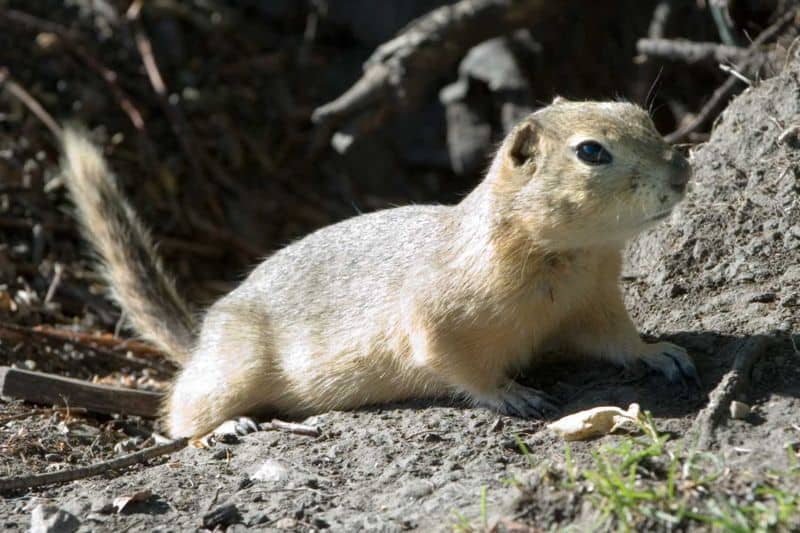
Gopher mounds can actually improve the soil over time.
©No machine-readable author provided. Cszmurlo assumed (based on copyright claims) / CC BY-SA 3.0 – Original / License
9. Some Female Gophers Can Have Three Litters Per Year
Pocket gophers generally have only one litter a year, but in warmer climates, females may have 2 or 3 litters per year. Litters can consist of 1 to 10 pups, but 3-4 is more typical. The breeding season can vary depending on the climate, but most pups are born from March through June.

Most gopher litters consist of 3 to 4 pups.
©SERGEI BRIK/Shutterstock.com
10. Gophers Do Not Drink Water
Most gopher species do not leave their burrows to look for a source of water. Gophers get all the moisture they need from the roots, tubers, stems, and leaves they eat. As we mentioned earlier, sealing their mouths and throats also helps them prevent moisture loss.
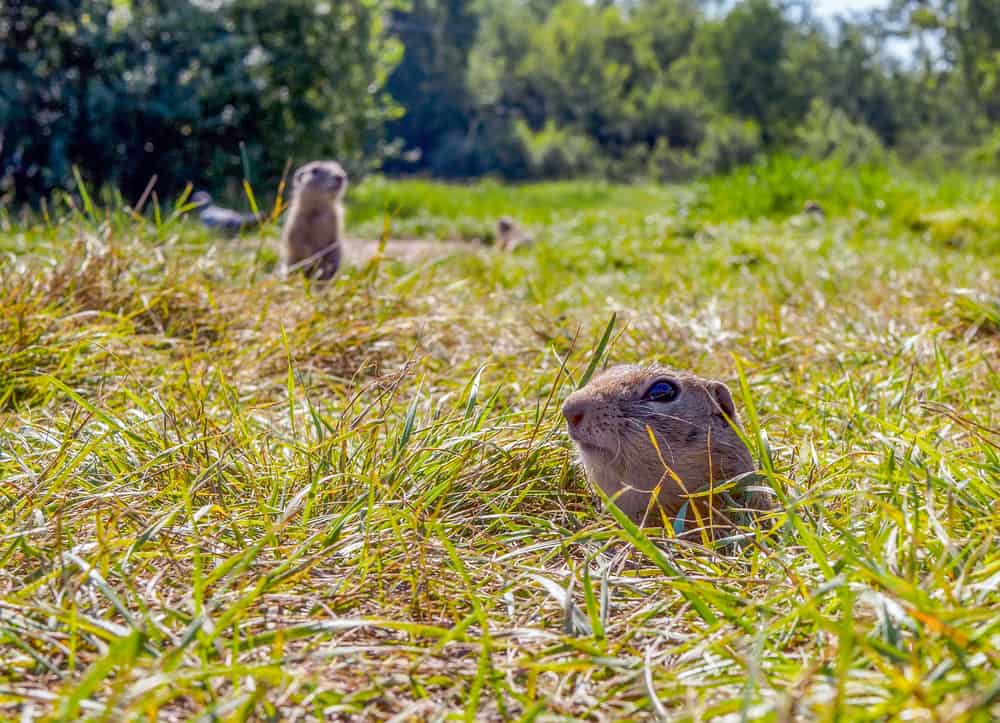
Gophers have no need to drink water.
©vadimserebrenikov/Shutterstock.com