Quick Take
- The 24-hour mark isn't the real danger zone. Your guinea pig can hit a critical health crisis far sooner than most owners expect. See the real timeline →
- Dehydration doesn't just cause thirst. It can silently trigger a deadly condition most guinea pig owners have never heard of. Discover this deadly condition →
- A simple skin test can tell you if your guinea pig is already dehydrated, though most owners never know to try it. Try the skin test →
- If your guinea pig has stopped drinking, the cause might have nothing to do with thirst, and the fix could surprise you. Find the real cause →
Your guinea pig’s water bottle or bowl should always be filled with fresh, clean water. In this article, we’ll discuss the importance of water for guinea pigs, how long they can go without water, and what to do if your guinea pig isn’t drinking.
How Often Do Guinea Pigs Need Water?
Guinea pigs should never be without water. The only exceptions are short excursions for floor time or vet visits. Each guinea pig you own should have its own water bottle or bowl, but it never hurts to have an extra in case something goes wrong! If you only have one water source and it empties, or the water bottle stops working, your piggies won’t have anything to drink.
You’ll also want to ensure the water sources are secure and functioning properly. Bowls should be heavy so they can’t be tipped over, and bottles should have secure lids and spouts. Regularly check water bottle spouts to ensure that they aren’t blocked.
If you’re traveling with your guinea pig for several hours and don’t want to hook a water bottle to their carrier, providing watery vegetables such as cucumber can help keep them hydrated. If you’re going on vacation without your guinea pigs, someone should stop by at least once a day to check their water bottles, replenish their hay, and feed them fresh vegetables.
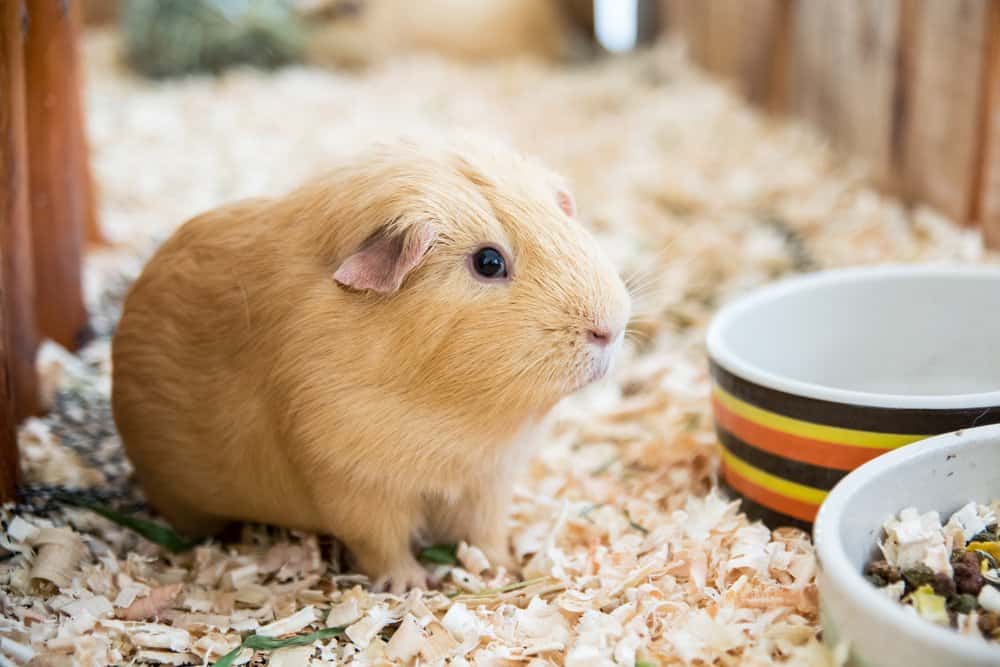
Never take water away from your guinea pig, as they need constant access to it.
©BunionBear/Shutterstock.com
How Long Does a Guinea Pig Take to Become Dehydrated?
A healthy guinea pig may be able to survive up to 24-48 hours without water. However, they can begin to show signs of clinical dehydration in as few as 12 hours.
Why Dehydration Is Life-Threatening
The biological and physical effects of dehydration can quickly turn critical in these small animals. Take a closer look at the life-threatening issues faced by a dehydrated guinea pig.
GI Stasis
One reason dehydration in guinea pigs is life-threatening is because they have such high metabolic rates. Without water, a guinea pig can go into GI Stasis long before the 24-hour mark. GI Stasis is a deadly condition in which the digestive system stops moving food through the body. GI Stasis typically sets in after around 6-12 hours without food, and it can happen sooner in piggies who also don’t have water access.
Kidney Damage
The kidneys need water to function properly. If your guinea pig goes too long without water, it may suffer from kidney damage. Kidney damage is irreparable and, when severe, can cause a guinea pig to suffer from kidney disease for the rest of its life. Complete kidney failure is another possible consequence of allowing your guinea pig to become dehydrated.
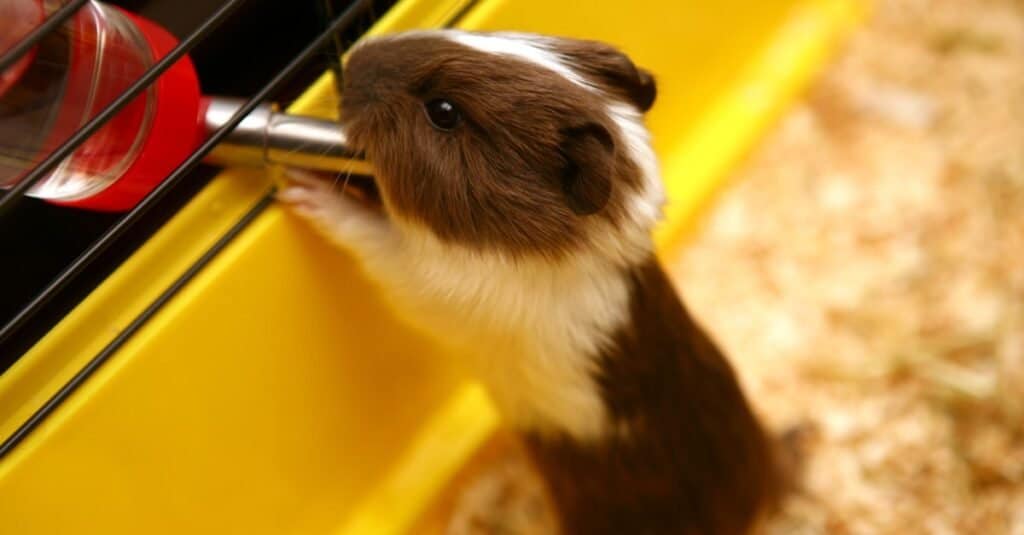
When a guinea pig is dehydrated, they’re more likely to develop health issues such as urinary problems.
©Gordana Sermek/Shutterstock.com
Bladder Stones
Bladder stones are more likely to occur when a guinea pig does not drink enough water. If your guinea pig develops a bladder stone, it can form a blockage that makes them unable to pee. This is a painful and life-threatening condition that requires emergency vet treatment.
Urinary Tract Infection (UTI)
Without enough water to flush out the urinary tract, your guinea pig may develop a urinary tract infection, or UTI. Your veterinarian will need to prescribe antibiotics to treat the infection.
Electrolyte Imbalance
Dehydration can also cause a drop in important electrolytes, such as potassium and sodium. Electrolytes support nerve and muscle function. When electrolytes drop too low, a guinea pig may suffer organ failure, heart arrhythmias, and neurological issues.
How Can You Tell If Your Guinea Pig Is Dehydrated?
Here are some of the ways you can check to see if your guinea pig is dehydrated:
- Monitor their potty habits: Dehydrated guinea pigs won’t urinate as frequently, and their urine will be darker in color with a strong odor. Their stools will be hard, dry, and teardrop-shaped.
- Are they eating? Often a dehydrated guinea pig also won’t eat normally. This is a sign that they need an emergency vet appointment.
- Do they have eye or mouth discharge? Thick drool and crusty eyes are two signs of dehydration in guinea pigs.
- Gently pinch the skin. Your piggy is likely dehydrated if it feels loose and doesn’t snap back into place.
What to Do If Your Guinea Pig Isn’t Drinking
If your guinea pig is not drinking as much as it normally does, there are a few things you can try to get them drinking again. However, if your guinea pig does not begin drinking again very soon, or if your guinea pig stops drinking suddenly and without reason, they need to see a veterinarian immediately.
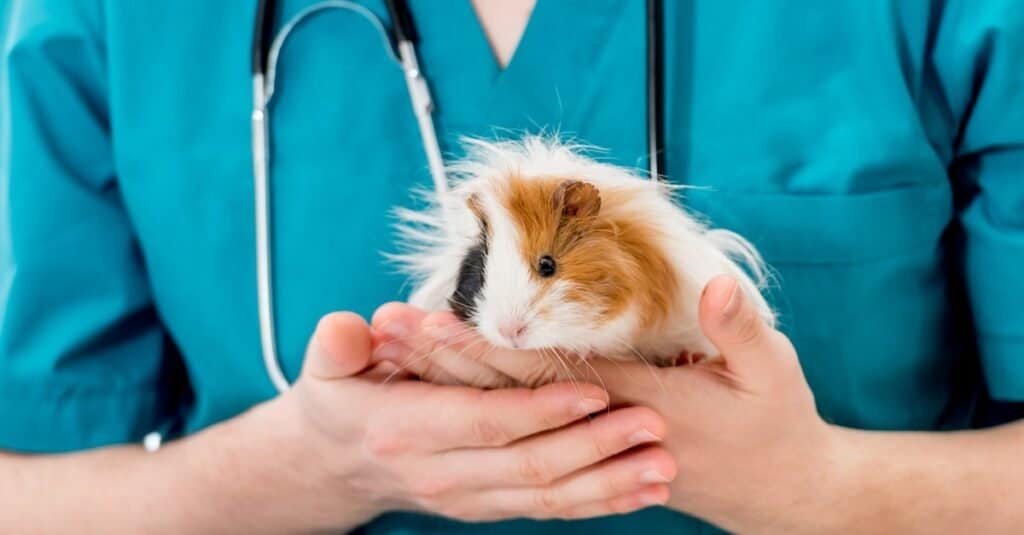
If your guinea pig stops drinking suddenly, take them to the veterinarian immediately.
©Tatyana Vyc/Shutterstock.com
#1: Determine the Cause
First, you might want to rule out the following causes:
- Many guinea pigs drink more in the summer and less in the winter.
- If you feed many watery vegetables, your guinea pigs may not be thirsty enough to drink or may drink very little.
- It’s normal for new guinea pigs to hide a lot, and they might wait to drink until you’re not around. Alternatively, they may not drink unless they can reach the water bottle from their hide.
If nothing has changed in your guinea pig’s environment or diet, they may have an illness that needs to be addressed. Remember that illnesses in guinea pigs can progress very quickly, and they can’t go long without water or food, so treat the situation as an emergency.
#2: Move the Water Closer to Your Guinea Pig
If your new guinea pig is staying beneath their hide, moving the water bottle within reach can help them feel safe enough to drink. They may not wander out, especially while you’re nearby. Guinea pigs are prey animals, and adjusting to new surroundings often takes a while. Eventually, they’ll feel comfortable being out in the open, but that takes time.
#3: Feed Them Watery Vegetables
If your guinea pig isn’t drinking as normal, you might want to provide extra watery veggies, such as romaine lettuce or cucumber, or leave their daily vegetables damp after washing them. This helps get some hydration into them while you figure out a more permanent solution.
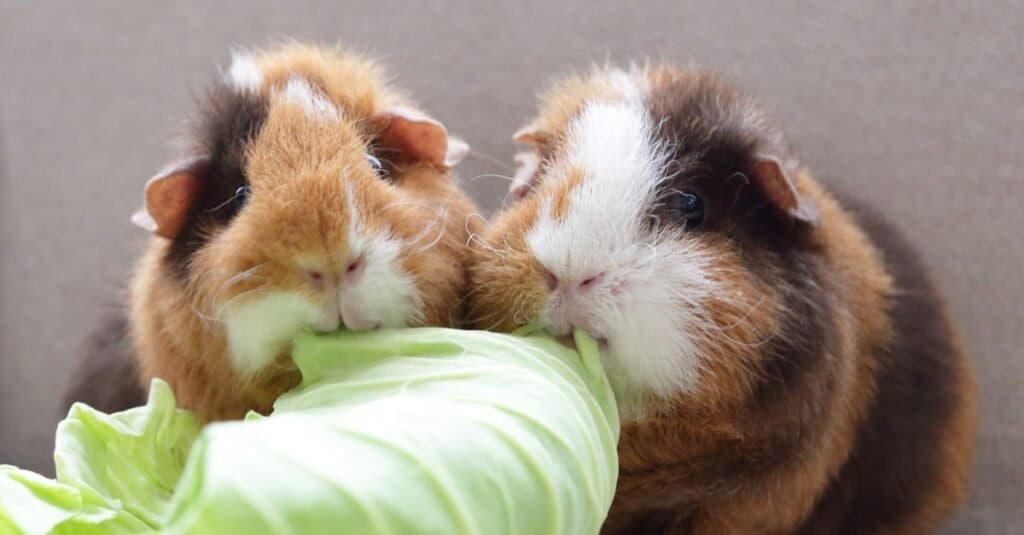
Guinea pigs get some hydration from their daily vegetables.
©yurilily/Shutterstock.com
#4: Try a Water Bottle vs. a Bowl, or Vice Versa
New guinea pigs may be used to either a bottle or a bowl and can become confused if water is offered the other way. Most guinea pigs drink water from bottles than bowls, but it’s worth trying whichever isn’t currently in their cage to discover their unique preferences.
#5: Ensure the Water Is Clean and Fresh
If it’s been a while since you last cleaned their water bottle or bowl, this might have caused your guinea pigs to stop drinking from it. Dirty water bottles and bowls can grow algae or even mold, and they can also harbor bacteria that are not healthy for your piggies.
Both bottles and bowls should be emptied and refilled at least once daily and deep cleaned at least once a week. Bowls may need more frequent cleaning if your piggies are messy, which most are! When cleaning water bottles, make sure to use a bottle brush on the inside of the bottle and to clean the entire interior of the spout as well.
#6: Check That the Water Bottle Is Working
As mentioned above, sometimes debris can get caught in the spout, blocking water from coming out when your guinea pigs try to drink. Tap your finger against the spout to ensure it’s releasing water. If it isn’t, you may need to clean the spout or purchase a new water bottle. In the meantime, use another bottle or give your guinea pigs a bowl of water.
Remember that fresh water and hay at all times are a must! If your guinea pig isn’t drinking, don’t panic, but search for the root cause, and don’t delay in taking your guinea pig to the veterinarian if necessary.