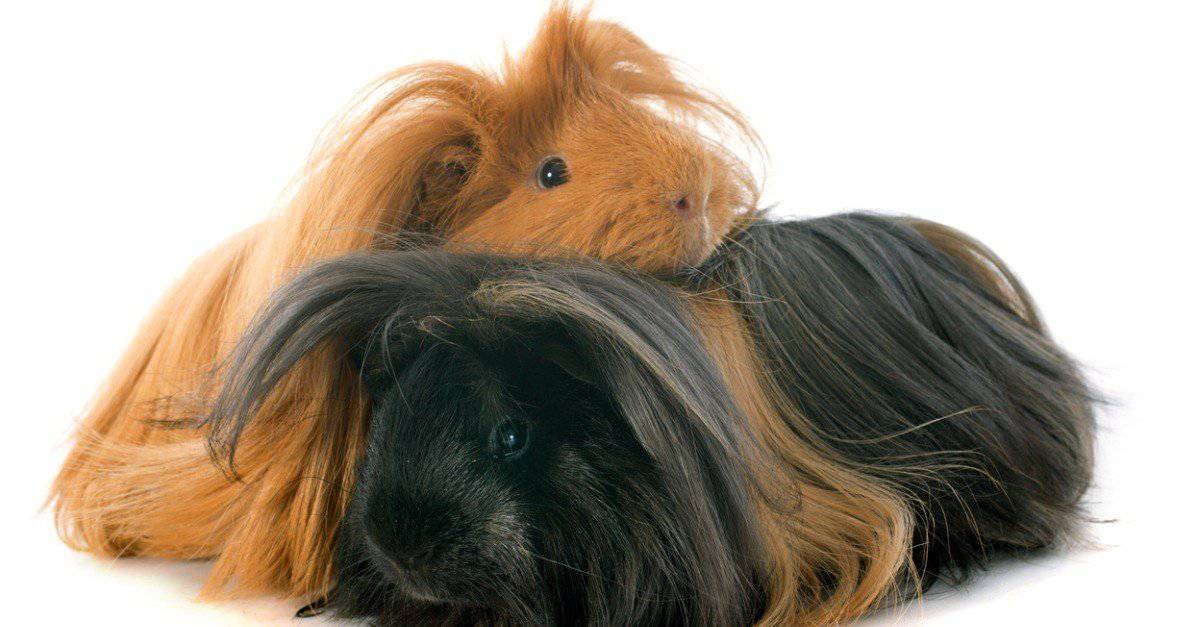

Guinea pigs may be small, but their emotions are anything but. They’re gentle little things that do best in calm, predictable environments. Some of their signs of stress are obvious; others are not so much. A guinea pig that hides in corners, refuses food, or lashes out aggressively is communicating loudly—if you know how to listen. Learning to recognize these signals is not just about keeping your pet feeling safe and comfortable. It’s also about protecting them from the long-term health effects of prolonged stress.
Guinea Pigs: The Best Pets?
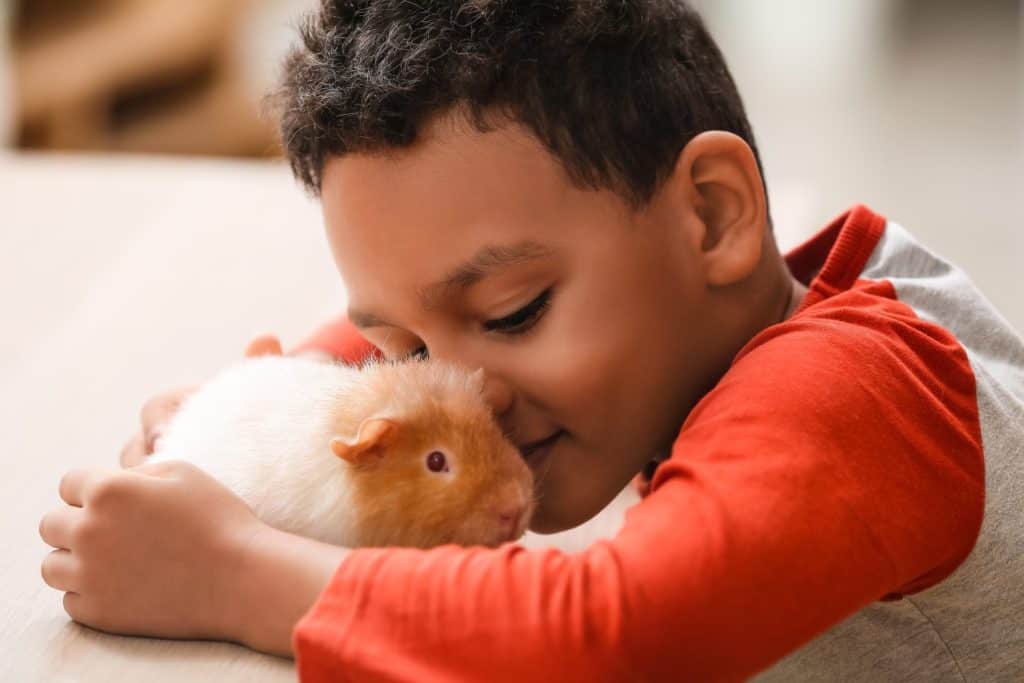
These good-natured animals are great first pets for a child.
©Pixel-Shot/Shutterstock.com
Guinea pigs have been domesticated for about 3,000 years as both a food source and a pet. Many people consider them one of the best pets, especially for children. They’re gentle, social, and relatively easy to care for. Unlike smaller rodents, they rarely bite and enjoy interacting with their humans, often chirping or squeaking when excited. They have charming personalities, don’t require expensive food or equipment, and live longer than many other small pets (usually 5–7 years).
However, there are a few downsides. They need a large cage with regular cleaning and they’re happiest with a companion piggie—so you’ll likely need at least two. They can also be prone to certain health issues, such as respiratory infections, scurvy if they don’t get enough vitamin C, dental overgrowth from insufficient hay, and skin problems like mites or fungal infections. And they can also be anxious and get stressed out, with negative impacts on their health.
Stress Is a Guinea Pig Survival Mechanism
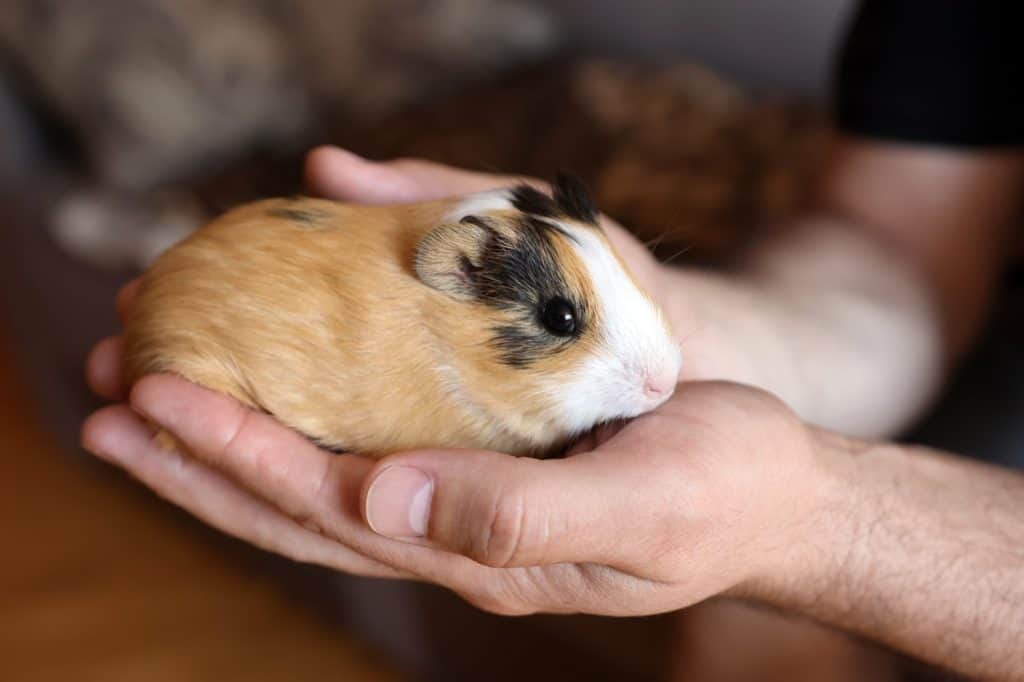
Anxiety in guinea pigs is a survival mechanism for animals with few natural defenses.
©Vitstyle/Shutterstock.com
Guinea pigs are naturally anxious creatures. Every kind of predator is after them in the wild, so survival depends on constant vigilance. Their first instinct when threatened is to freeze or hide. As domestic pets, however, they no longer have the same escape routes. They’re confined to a cage with limited hiding options, or they’re being handled by their owner. Without a safe outlet, stress can build up quickly, turning into chronic anxiety or even illness.
Stress in guinea pigs isn’t just a mood issue—it has real health consequences. Prolonged anxiety suppresses the immune system, raising the risk of infections, respiratory illnesses, digestive troubles, and skin conditions. Stress-related injuries are also common, whether from panicked dashes around the cage or obsessive self-chewing. Physiologically, stress hormones disrupt sleep, appetite, and digestion, and left unchecked, they can trigger serious problems such as gastrointestinal stasis. Recognizing and reducing stress isn’t simply good pet care—it’s essential for survival.
Guinea Pig Social Life
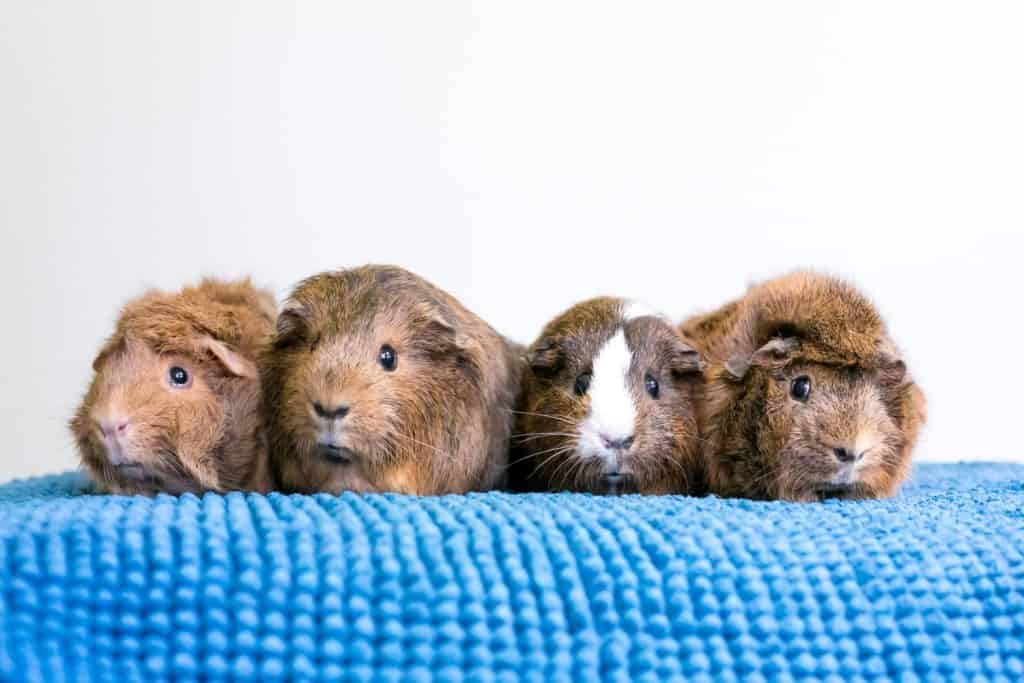
Guinea pigs are herd animals.
©Mary Swift/Shutterstock.com
Unfortunately, when adopting a guinea pig, many people are poorly informed about the fact that these are herd animals. In the wild, they live in small social groups for safety and companionship. That instinct carries over into domestic life—they feel more secure and happier when kept with others. Moreover, they tend to form bonded pairs or groups unevenly; that is, they don’t bond with every random guinea pig they meet. If you adopt just one guinea pig from a group, you might be separating a bonded pair. If you later add another guinea pig, they may not bond. Either situation can cause stress for your guinea pig from the beginning.
Common Guinea Pig Stressors
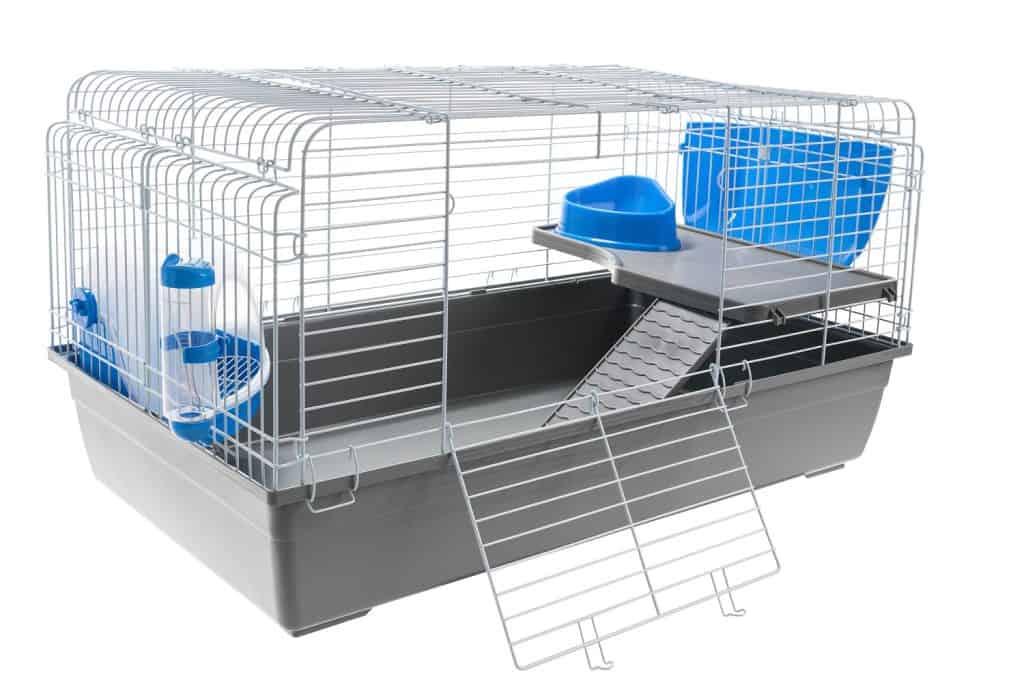
©del-Mar/Shutterstock.com
A pair of guinea pigs needs a single-level enclosure 3-4 times bigger than this one.
One of the most common triggers for guinea pig stress is a small cage. Don’t trust that a cage is large enough just because it is marketed specifically for guinea pigs. For one guinea pig, experts recommend at least 7.5 square feet (about 30” x 36”). Because guinea pigs are social animals and should usually be kept in pairs, the minimum recommended space for two guinea pigs is 10.5 square feet (about 30” x 50”). And that space needs to be all at the same level, as guinea pigs are not climbers. Their backs are relatively weak and can be strained by trying to walk up ramps that are too steep.
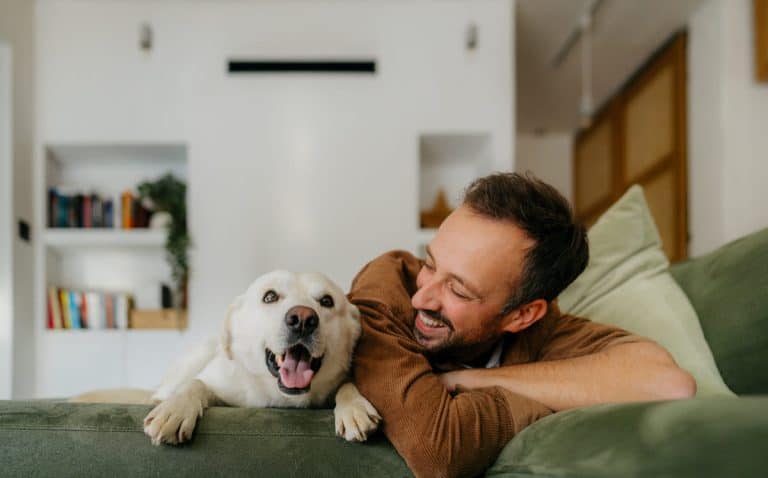
Other causes of piggie stress include sudden temperature changes, loud noises, loneliness, rough handling, or disruptions in routine. Even seemingly harmless stressors—like a curious, tail-wagging, licking-kissing dog, a new human in the house, or bright lights—can make a guinea pig feel under siege. When these disruptions pile up, the result is often a combination of behavioral and physical warning signs. Here’s what that can look like.
1. Hiding or Sleeping Too Much
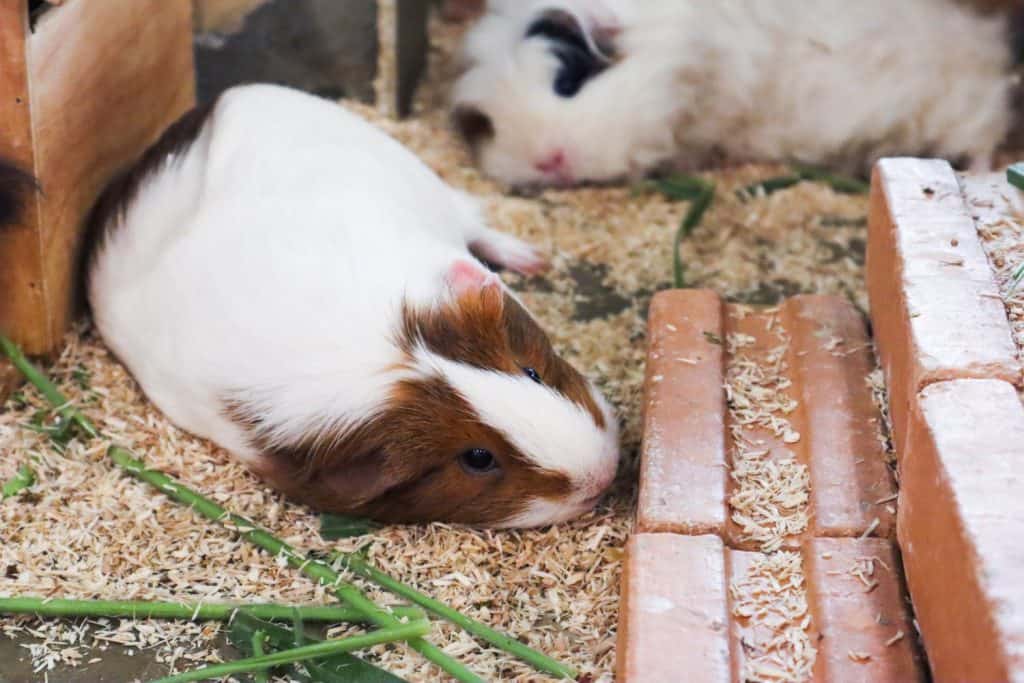
Sleeping too much is a sign of stress for these animals.
©bbearlyam/Shutterstock.com
Guinea pigs naturally spend a good portion of their day resting or tucked away in hiding spots, and this is completely normal. They’re not nocturnal like hamsters, nor are they strictly diurnal like people. Instead, guinea pigs follow a pattern of short sleep cycles spread throughout the day and night, usually sleeping for only a few minutes at a time. Much of that looks like quiet resting rather than deep sleep.
Hiding and resting only become a concern if a guinea pig seems to spend nearly all of its time asleep or withdrawn. Seasonal changes, such as winter, might make them seem a little less active, but they do not truly hibernate or drastically change their sleep needs. At all times of the day and night and in all seasons, healthy guinea pigs balance their naps with periods of eating, exploring, and interacting.
2. Changes in Chewing and Eating
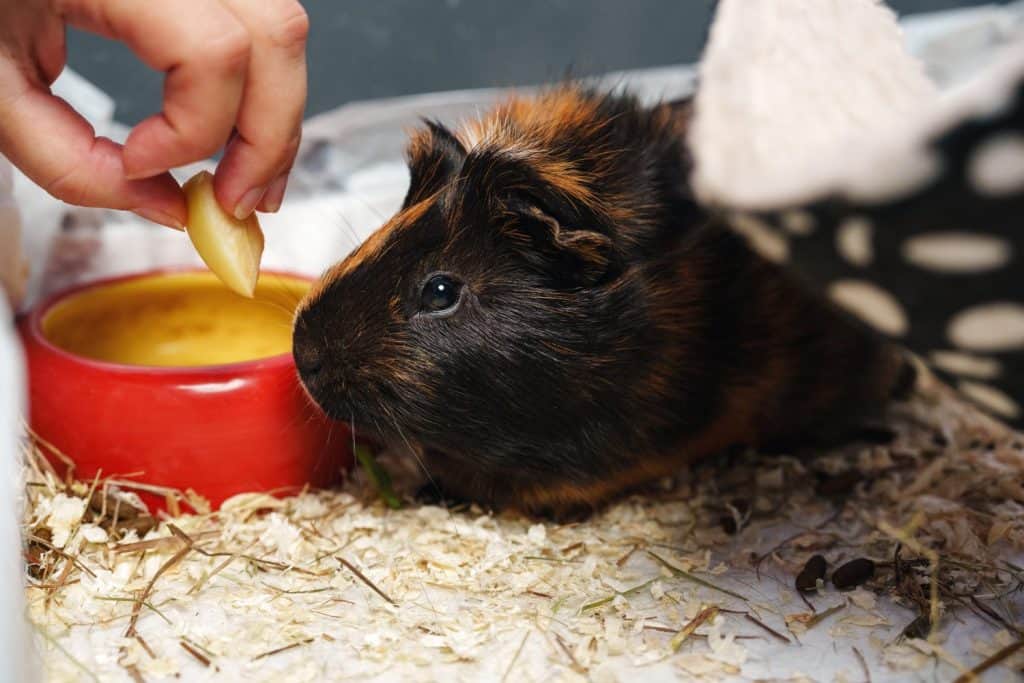
Stressed guinea pigs might refuse to eat and start losing weight.
©FabrikaSimf/Shutterstock.com
Appetite loss is one of the strongest and most medically urgent red flags for stress in guinea pigs. Because their digestive systems are so delicate, even going without food for a single day can trigger dangerous complications like gastrointestinal stasis. A guinea pig that refuses to eat for 6–8 hours should see a veterinarian right away, as they can develop life-threatening complications very quickly.
On the other end of the spectrum, some guinea pigs cope with stress by eating or drinking more than usual. While this isn’t as common as appetite loss, a nervous guinea pig might nibble constantly at hay or repeatedly “play” with its water bottle, making a mess without actually drinking much.
Bar chewing is another stress behavior, often a mix of boredom and anxiety, and while it may seem harmless, it can damage teeth or lead to mouth injuries. This is also why you should avoid cages with plastic-coated bars, as guinea pigs may chew off and ingest the plastic, even if they are otherwise healthy.
3. Vocalizations and Aggression
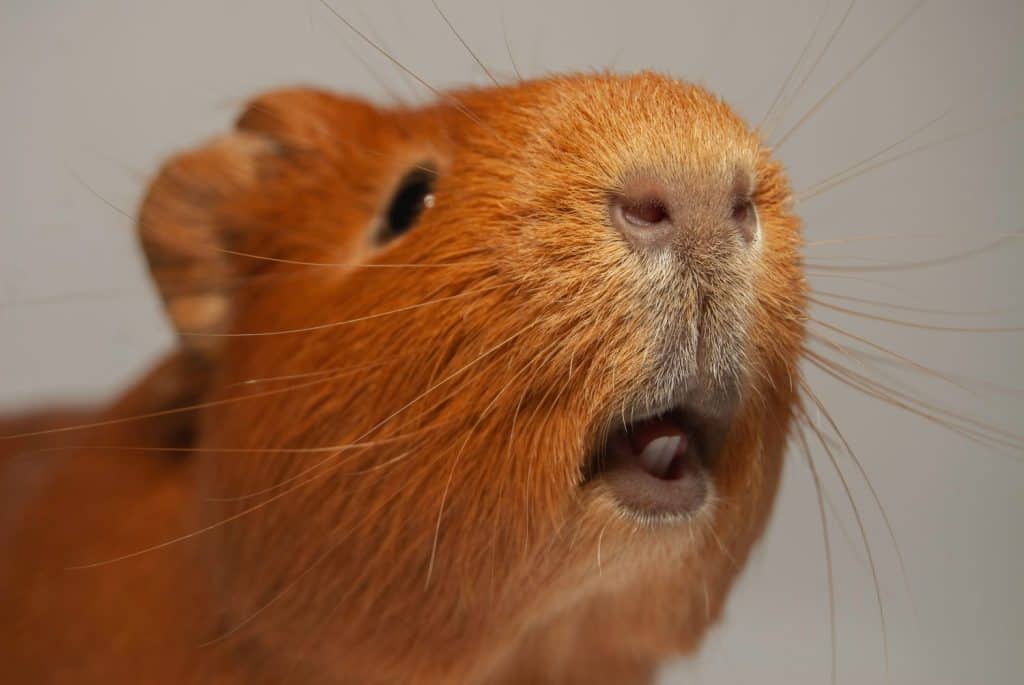
Your guinea pig might actually be vocally telling you something is wrong.
©keithrodrigop/Shutterstock.com
Guinea pigs “talk” with their bodies as much as their squeaks, and many of their vocalizations are perfectly normal. Happy guinea pigs often make soft cooing or purring sounds when content, short wheeks when excited for food, and high-pitched whistles when they recognize their owner is nearby. These sounds usually signal comfort, anticipation, or a desire for attention.
When a guinea pig is angry or stressed, however, the tone changes. Teeth chattering is one of their clearest warnings, often paired with bared teeth, lunging, or chasing cage mates. Other stress-related sounds include whining, hissing, or sharp squeals when approached or handled.
Stress can sometimes push guinea pigs past vocal warnings into outright aggression, either toward cage mates or even their owners. They may lunge, nip, or bite, often after teeth chattering or chasing. Aggression can escalate into mounting, ramming other guinea pigs, or even full-on fighting, which can result in serious injuries. Toward people, aggression is usually milder but can still include nipping fingers, squealing when picked up, or struggling to escape. These are signals that the animal feels stressed and needs a quiet time out.
4. Overgrooming and Hair Loss
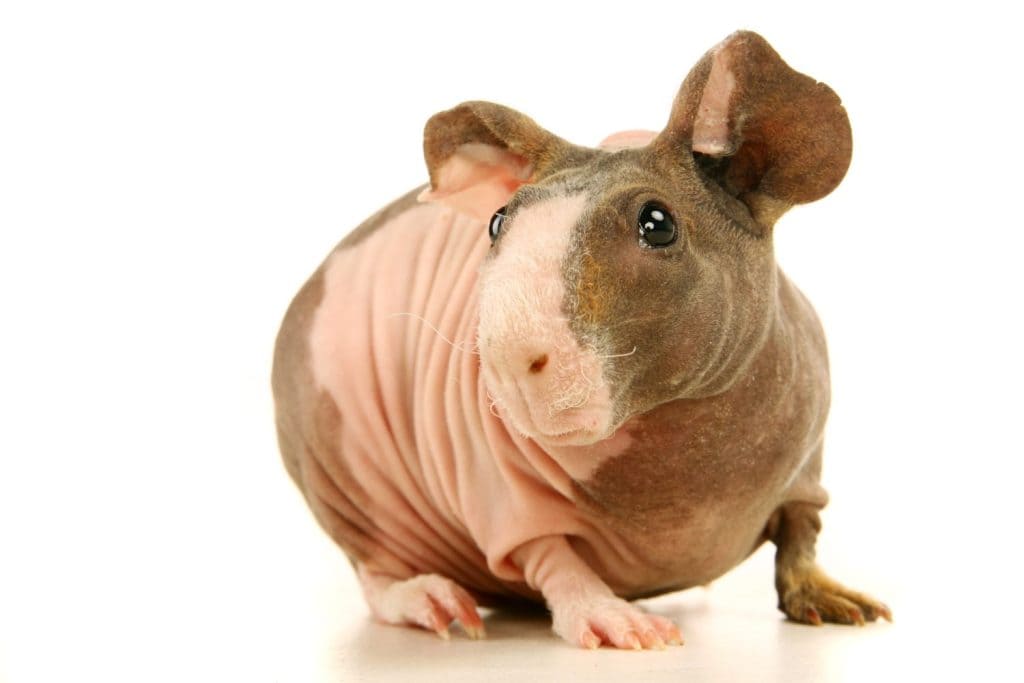
This is a perfectly normal hairless guinea pig. However, if your long-haired guinea pig looks like this… you’ve got yourself one stressed-out little friend!
©Rosa Jay/Shutterstock.com
Stress leaves visible marks on guinea pigs over time, often showing up in the condition of their coats. Overgrooming—where a guinea pig chews, licks, or pulls at its fur excessively—can create bald spots, irritated skin, or even raw patches. Sometimes one guinea pig will overgroom a cage mate, leaving tufts of fur missing along the back or sides. In some cases, stress has the opposite effect, causing a guinea pig to neglect grooming altogether, which leaves the coat looking messy or matted.
Beyond the cosmetic impact, overgrooming carries another risk: a guinea pig can ingest large amounts of fur, which may build up in the digestive tract and contribute to dangerous blockages or slow gut movement. Since guinea pigs rely on constant digestion to stay healthy, this can quickly become a serious medical issue. Because hair loss and poor coat condition can also result from mites, fungal infections, or other illnesses, a veterinary checkup is always recommended before assuming stress is the cause.
5. Nervous Movements
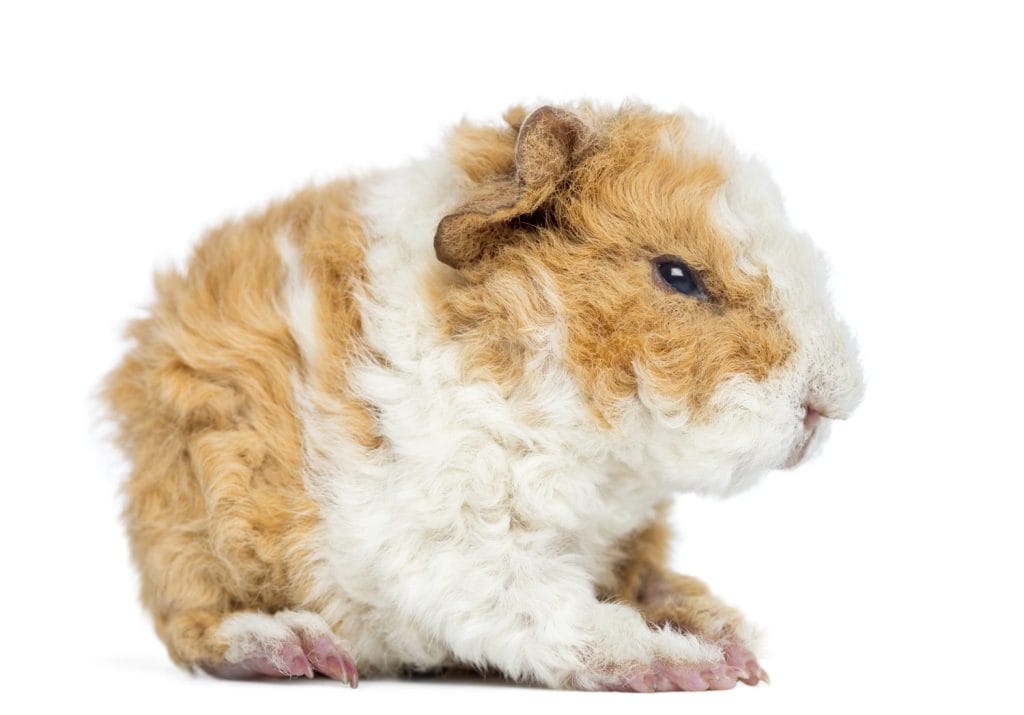
Freezing in place is often a guinea pig’s go-to response when startled.
©Eric Isselee/Shutterstock.com
Freezing is one of a guinea pig’s most instinctive reactions—when startled, they may go completely still, sometimes for several minutes, in an attempt to avoid detection. Shaking or trembling can also occur, especially after a sudden fright or during handling, and it’s a sign the guinea pig feels unsafe. Nervous, jittery movements, such as pacing around the cage or darting quickly from one hiding spot to another, often indicate ongoing anxiety.
Teeth chattering is another clear warning. This rapid clicking sound is a signal of irritation or anger, often accompanied by bared teeth, lunges, or chasing if directed at a cage mate. Running may be either playful or panicked, depending on the context—while a frightened guinea pig may dash frantically in circles, a happy one might zoom around in bursts of energy. Popcorning—quick jumps and twists in the air—is usually a sign of excitement and joy in younger guinea pigs, but if it occurs in a frantic, repetitive manner, it may indicate stress.
When to See a Vet

A small animal vet can help distinguish whether your guinea pig is stressed out or has some other medical condition.
©PeopleImages/Shutterstock.com
Many stress symptoms in guinea pigs can be eased by adjusting their environment—adding more hiding spaces, improving cage size, or reducing noise and handling—but some signs should never be ignored. Appetite loss, dramatic weight changes, messy or thinning coats, and persistent shifts in behavior can all point to underlying illness rather than simple stress. Because guinea pigs decline quickly when unwell, it’s best not to take chances. If basic stress-relief steps do not lead to visible improvement within a short time, schedule a veterinary checkup—ideally with a small-animal or exotic pet specialist—to ensure your guinea pig’s health.