
If you’re thinking about getting a guinea pig (Cavia porcellus), you probably have some questions about how to choose the best one for your household. One of the most common questions is: Should I get a female or male guinea pig? Female and male guinea pigs are not vastly different. There are, however, a couple of sex-linked behaviors worth noting. Continue reading to discover how the characteristics of these adorable rodents differ between male and female guinea pigs.
Genitalia
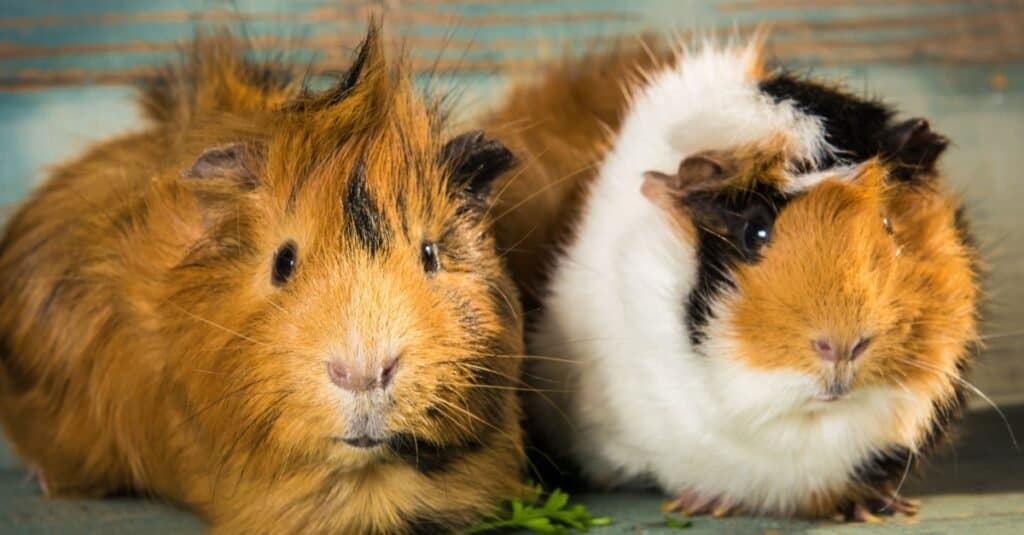
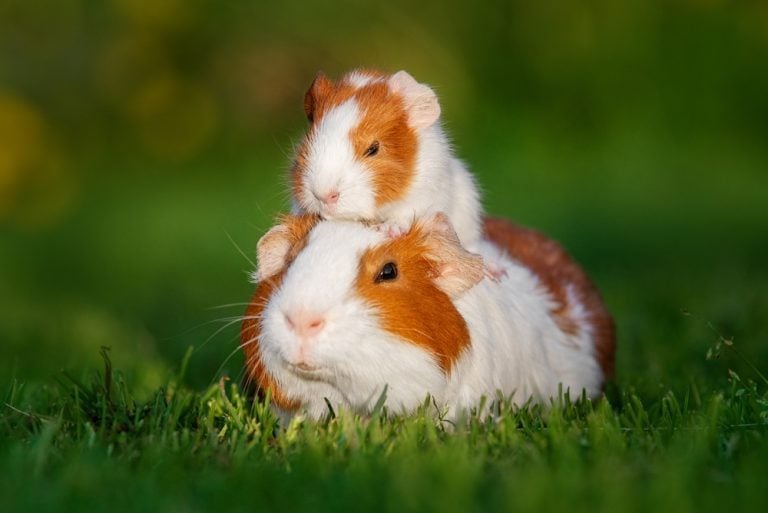
Guinea pigs are not actually from Guinea. They are indigenous to the Andes region of South America, including Ecuador, Peru, and Bolivia.
©Oleg Batrak/Shutterstock.com
When comparing female guinea pigs (sows) to male guinea pigs (boars), the most basic difference is in their sexual organs. These sex organs are located on the underside of a guinea pig at the base of its tail. A female’s genitals have a Y-shape, while the boar’s genitals take the form of a line with a bump above it. The bump is the male reproductive organ.
Size
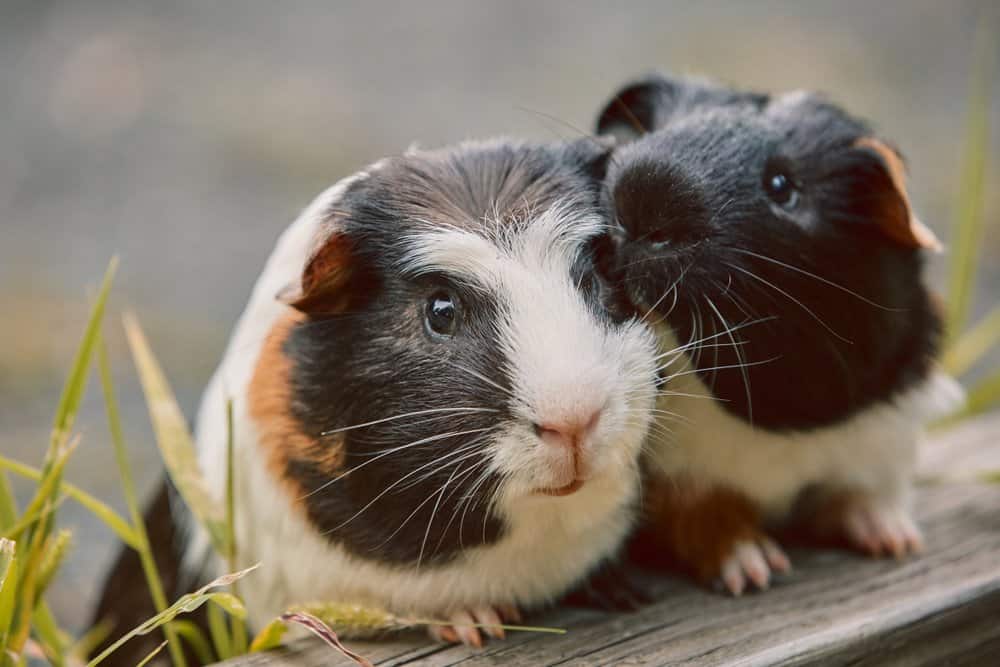
Male guinea pigs are typically larger than females.
©iStominaP/Shutterstock.com
Size-wise, boars tend to be larger than sows. Adult sows typically weigh 1.5-2.25 pounds, while adult boars weigh between 2-3 pounds. There is no notable difference in length between the sexes, though boars are slightly longer, with most measuring eight to twelve inches long.
Playfulness
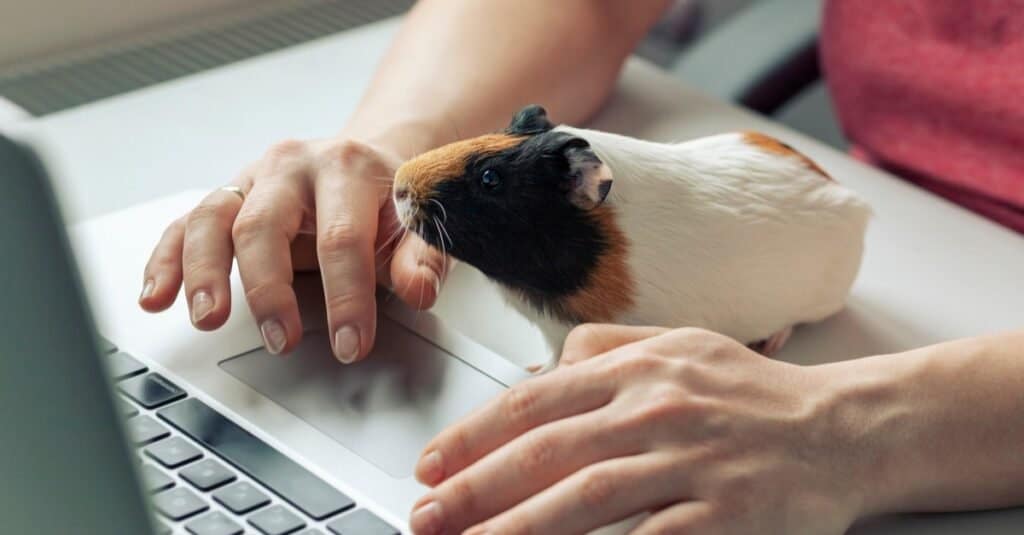
Male guinea pigs are typically more outgoing than females.
©Skylines/Shutterstock.com
Understandably, if you’re going to get a guinea pig, you want it to be playful. Though there is no definitive evidence, boars have a reputation for being more playful than sows, but there are other factors that determine whether a guinea pig is playful.
The amount of handling and attention a guinea pig has as a pup affects its level of playfulness. A pup that’s been handled a lot is going to develop trust in humans and is likely to grow up as a playful pet. A pup that is rarely handled, however, may be subdued and standoffish as a result.
If you choose to get a young guinea pig, it’s likely to be more playful than an older one. This is true for both males and females.
A guinea pig that feels safe tends to be more playful than one that feels anxious. Keeping your guinea pig’s cage in a quiet room is a good idea. A relaxed guinea pig will be more willing to play. A change of environment can make a big difference in how friendly your guinea pig is. Gaining the trust of your small pet is the first step to being able to play games with it and enjoy its unique antics.
Aggressiveness
©feedough/iStock via Getty Images
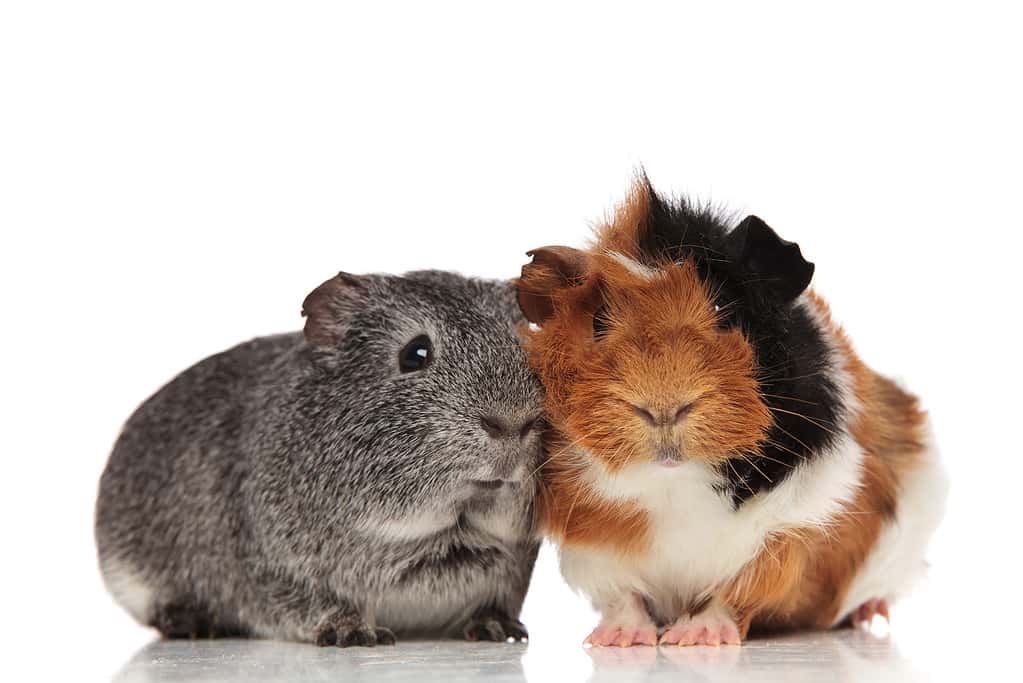
Though boars are considered more aggressive than sows, guinea pigs are recognized for their gentle nature. However, if a guinea pig feels cornered or threatened, it may become aggressive, as will a mother guinea pig that feels her pups are being threatened. Previous experience and treatment also play a role in how aggressive a guinea pig will be. By and large, however, guinea pigs are not aggressive animals.
Eating Habits
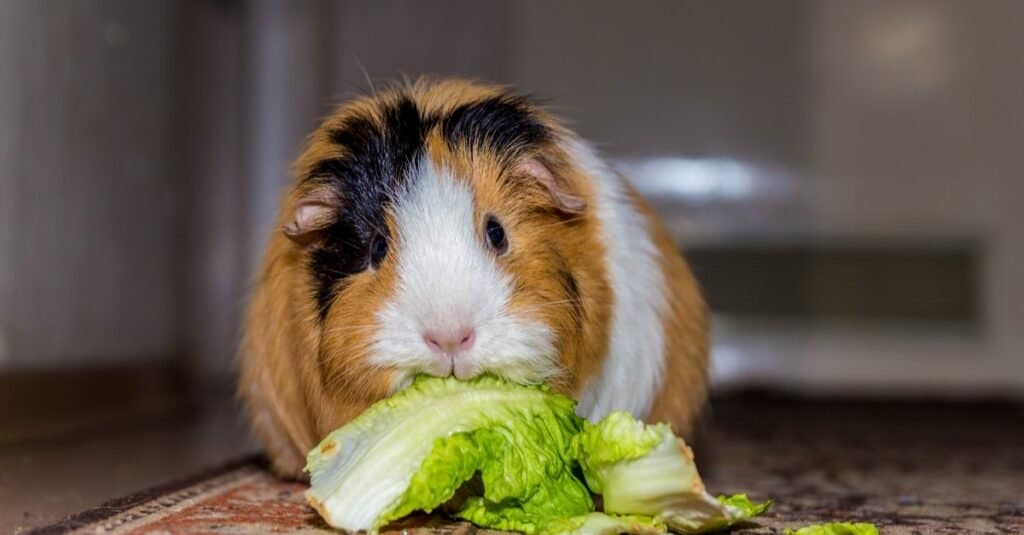
A guinea pig should get a variety of foods, including fresh vegetables and fruit.
©Tomasz Stepien/Shutterstock.com
Male and female guinea pigs require a diet that includes leafy vegetables like spinach, lettuce, and kale, along with a supply of hay. Because males can be a little heavier than females, they may eat more, but for the most part, both males and females eat about the same amount of food. The exception is pregnant and nursing guinea pigs, as a sow will eat larger amounts during these times.
Grooming
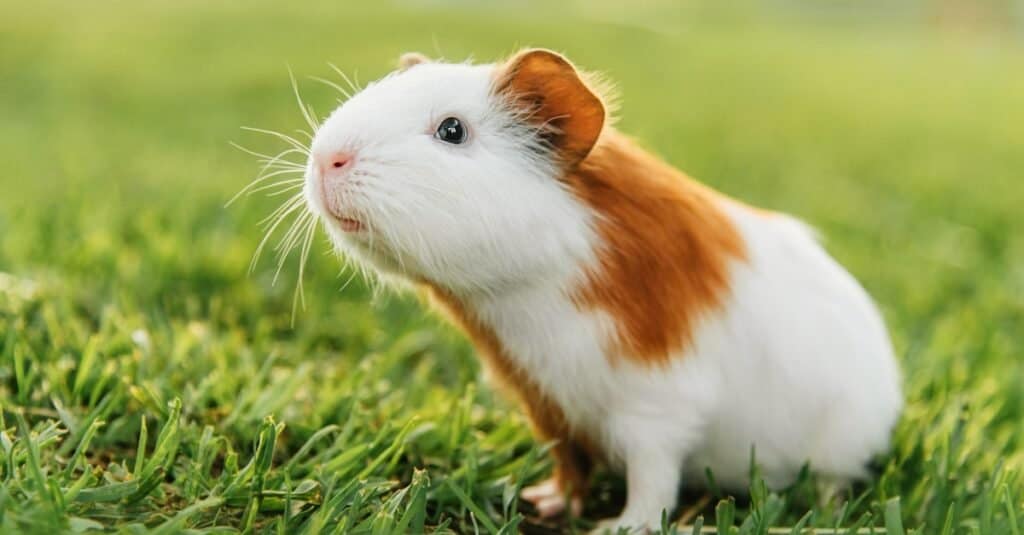
The domesticated guinea pig is one of six recognized species that belong to the genus Cavia.
©Rita_Kochmarjova/Shutterstock.com
Boars and sows with short coats require a moderate amount of care, while guinea pigs with longer coats do best with a regular brushing routine to keep their coat healthy.
The nails and teeth of boars and sows grow at about the same rate. The teeth should be checked regularly to ensure they don’t get too sharp. Feeding your guinea pig hay helps keep their teeth in check.
Compatibility
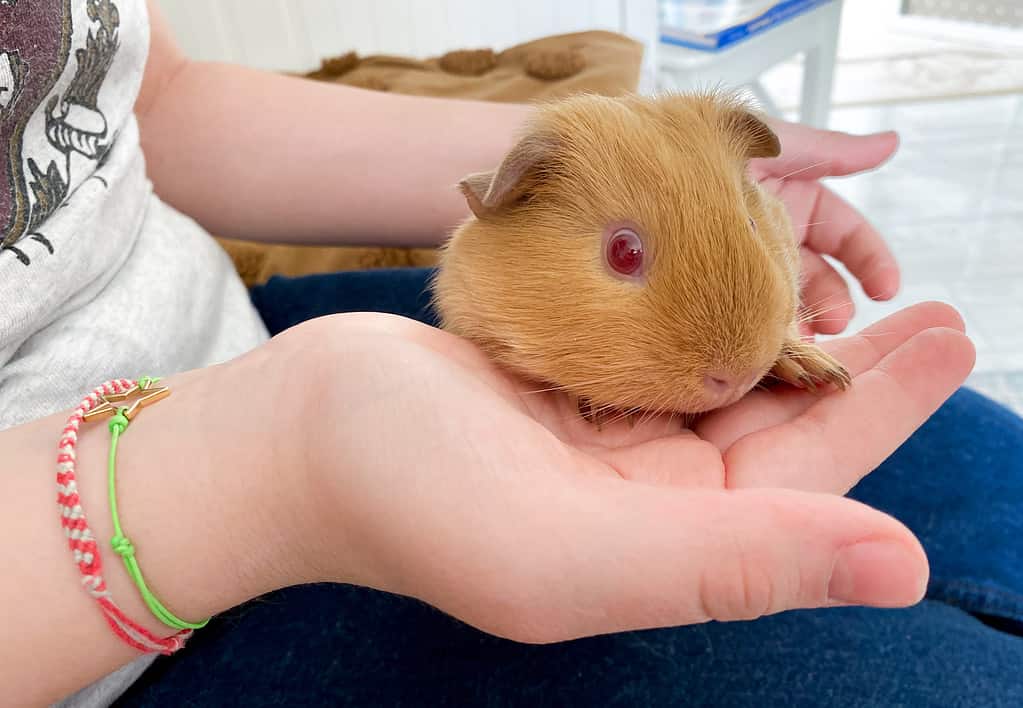
The typical lifespan of both boars and sows is five to eight years, though some guinea pigs can live up to ten years with proper care.
©Goroda/iStock via Getty Images
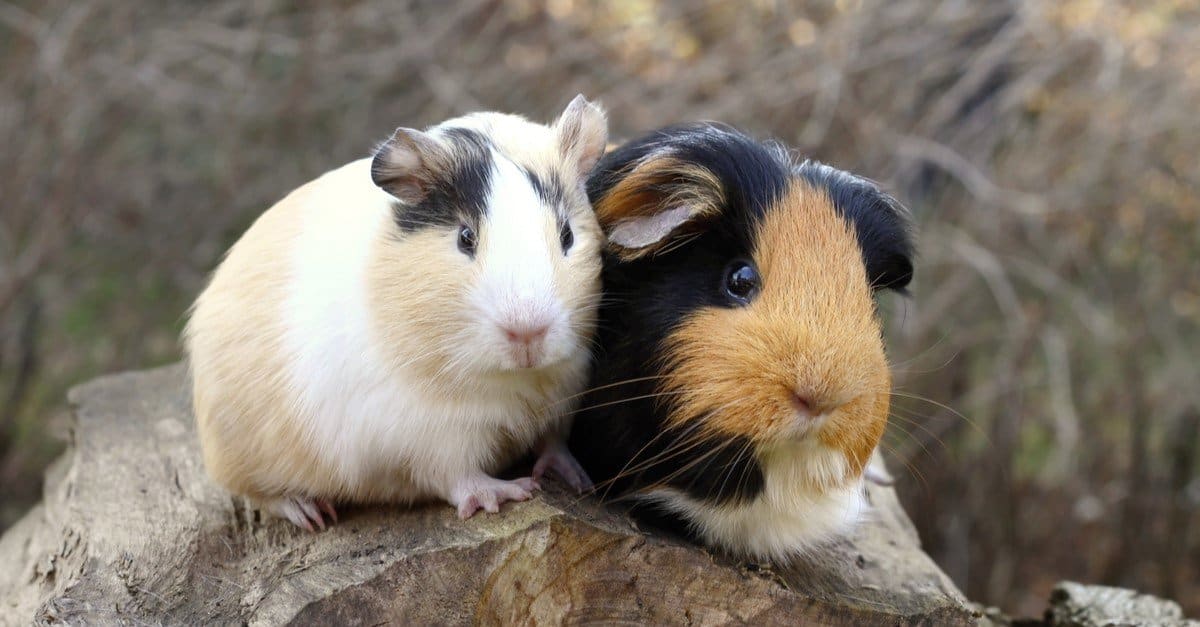
Guinea pigs are social creatures. In the wild, they live in colonies of ten or more. So, you would think domesticated guinea pigs would get along well. But this isn’t always true.
Boars can live together, but it’s a good idea to observe them to ensure they are getting along. Sometimes male guinea pigs are territorial; therefore, it is ideal if one has a dominant personality and the other is more passive.
Female guinea pigs usually do well with other females. In the wild, females and their young pups live with other females. When you put two females in a cage, make sure there is enough space for them to move away from each other. If the females don’t seem to get along, adding a neutered male to the cage can help, as a male can act as a calming influence. However, ensure the male is neutered to prevent unwanted pregnancies.
Those who own just one guinea pig should be prepared to play with it for at least an hour each day. This is necessary because the pet doesn’t have another pig to play with. Keep in mind that getting a pair of guinea pigs will provide these pets with a better quality of life. If you adopt or purchase two or more guinea pigs from the same group, there’s an even better chance they will get along from the start.