H
Species Profile

Havashire

Canis lupus familiaris

Big charm in a tiny package
iStock.com/Alika Obrazovskaya

Havashire Distribution

Click a location to explore more animals from that region

Origin Location

This map shows the native origin of the Havashire. As a domesticated species, they are now found worldwide.

Loading map...

Size Comparison

Human 5'8"
Havashire 9 in

Havashire stands at 13% of average human height.

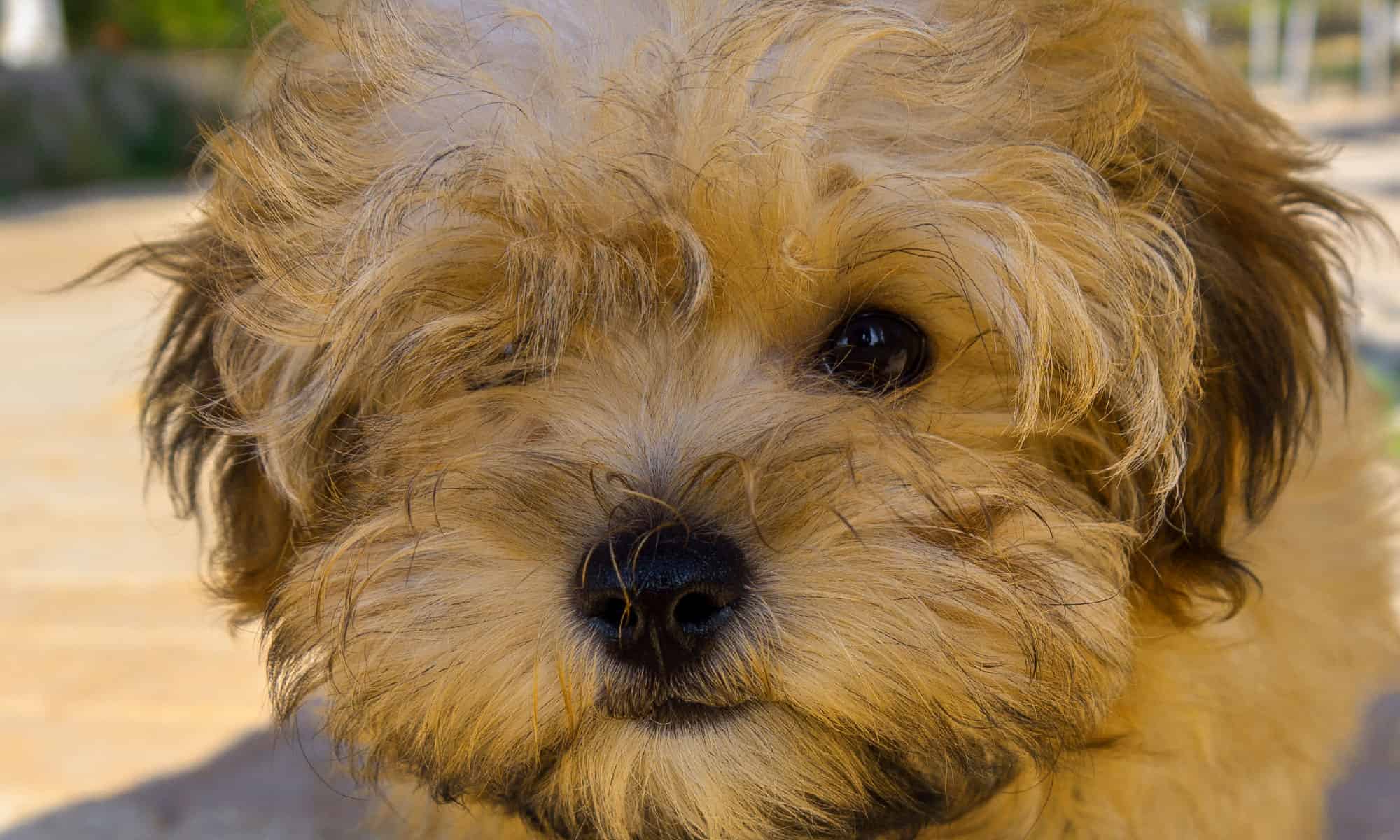
Animal, Animal Hair, Beauty, Brown, Canine - Animal

At a Glance

Domesticated
Diet Omnivore
Activity Diurnal+
Lifespan 5 years
Weight 6.5 lbs
Status Not Evaluated
Did You Know?

"Havashire" is a modern designer-dog name; it is not a formal kennel-club breed or a separate species-it is a mix of domestic dog breeds.

Scientific Classification

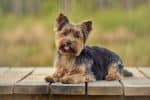
The Havashire is a small companion dog, typically a hybrid (designer cross) between a Havanese and a Yorkshire Terrier. As a mixed breed, appearance and temperament can vary by individual, but it is generally kept as a toy/small companion animal.

Kingdom
Animalia
Phylum
Chordata
Class
Mammalia
Order
Carnivora
Family
Canidae
Genus
Canis
Species
Canis lupus

Distinguishing Features

  • Small/toy-sized companion dog
  • Often a silky to wavy coat influenced by Havanese and Yorkshire Terrier parentage
  • Typically alert, people-oriented temperament (variable due to mixed ancestry)

Physical Measurements

Males and females differ in size

Height
♂ 10 in (9 in – 11 in)
♀ 9 in (7 in – 10 in)
Length
♂ 1 ft 5 in (1 ft 2 in – 1 ft 7 in)
Weight
♂ 10 lbs (7 lbs – 13 lbs)
♀ 7 lbs (4 lbs – 10 lbs)
Tail Length
♂ 5 in (4 in – 6 in)
♀ 6 in (4 in – 7 in)
Top Speed
16 mph
About 25 km/h

Appearance

Primary Colors
Secondary Colors
Skin Type Havashire (Havanese × Yorkshire Terrier mix) (Canis lupus familiaris) has skin under a long, silky or soft wavy coat. Nose and skin are usually black or brown and may be sensitive; gentle grooming helps.
Distinctive Features
  • Not a separate wild species or standardized kennel-club breed; a small companion-dog hybrid within the domestic dog, so appearance and temperament can vary notably by individual and by which parent traits dominate.
  • Toy/small companion build with a compact frame; typically a fine-boned look (Yorkie influence) or slightly sturdier, plush outline (Havanese influence).
  • Coat is usually long and continuously growing, often low-shedding to moderately shedding; texture ranges from silky-straight (Yorkie-like) to soft-wavy (Havanese-like). Regular brushing/combing helps prevent mats, especially behind ears, armpits, groin, and under collar/harness.
  • Facial features often include a short-to-moderate muzzle, rounder companion-dog expression, and hair that can obscure eyes without trimming; routine eye-area cleaning and trims help reduce tear staining and irritation.
  • Ears may be erect/semierrect (Yorkie-leaning) or drop (Havanese-leaning); ear hair can trap moisture-regular ear checks/cleaning reduce risk of external ear infections.
  • Tail commonly carried up or over the back with feathering (Havanese-leaning), though carriage varies.
  • Breed-specific (cross) care needs: frequent grooming, periodic professional trims, dental hygiene (toy-breed tartar risk), and careful harness use to reduce neck strain.
  • Havashire health risks from parent breeds include dental crowding, kneecap (patellar) luxation, tracheal collapse, Legg-Calve-Perthes, skin allergies, and eye problems like dry eye or cataracts; responsible breeding, weight control, and early vet checks help.
  • Domestic-dog context distinctions vs the base species (wolf lineage): neotenic companion-dog features (smaller size, softer facial contours), greater coat variety, and strong human-focused behavior; requires indoor living, socialization, and mental enrichment rather than wild-foraging adaptations.

Sexual Dimorphism

Sexual dimorphism is mild, typical of small domestic dogs: males are often slightly larger and more muscular, while females may be slightly smaller/finer-boned; individual variation and spay/neuter status can outweigh sex differences.

♂
  • May have a slightly broader skull and chest and a more robust neck/shoulder outline.
  • Coat volume can appear fuller in some males, though this is highly individual and grooming-dependent.
♀
  • May present a slightly finer-boned, lighter frame and narrower head.
  • In intact females, coat condition/texture can fluctuate with hormonal cycles; spayed females often show more stable coat quality.

Did You Know?

"Havashire" is a modern designer-dog name; it is not a formal kennel-club breed or a separate species-it is a mix of domestic dog breeds.

Coat type can range from Yorkie-like straight and silky to Havanese-like wavy; some individuals shed less than many dogs but none are truly non-allergenic.

Size is typically toy/small (often about 2-6 kg), but adult weight depends heavily on parent sizes and genetics.

Color is highly variable: Yorkie-style blue-and-tan patterns, Havanese creams/whites, chocolates, and parti patterns can all appear.

Many inherit "alert terrier" tendencies (watchdog barking) alongside the Havanese's social, lapdog temperament.

As with many small dogs, dental care is disproportionately important-daily brushing can matter more than with larger breeds.

Their mix heritage often produces "surprise traits" (ears up or floppy, muzzle length, coat density), even within the same litter.

Unique Adaptations

  • Domestication traits (species context): as a domestic dog, behavior is tuned to human cues-eye contact, responding to pointing, and attachment behavior far beyond wild canids.
  • Companion-dog selection: small body size and people-oriented temperament are exaggerated compared with the base species (gray-wolf lineage), making them better suited to indoor living.
  • Coat as a managed 'adaptation': long, continuously growing hair in many individuals requires human grooming (brushing, trimming) rather than seasonal shedding typical of wild canids.
  • Efficient indoor activity needs: toy/small dogs often meet exercise requirements with short, frequent play sessions plus walks, unlike wild canids adapted for long-distance ranging.
  • Enhanced social signaling: expressive facial cues and frequent vocal communication can be pronounced, especially with terrier-style alertness.

Interesting Behaviors

  • Velcro companionship: commonly shadows a favorite person from room to room, reflecting companion-breed selection in both parent breeds.
  • Alert announcing: may vocalize at doorbells/footsteps like a terrier; early "quiet cue" training helps in apartments.
  • Lap-to-play switch: short bursts of energetic play (tug, fetch in hallways) followed by long cuddle sessions.
  • Face-washing and pawing: some show Havanese-like affectionate pawing or "washing" behaviors during greetings.
  • Toy preference and carry: Yorkie influence can show as prideful toy-carrying and quick, bouncy pounces.
  • Scent-and-scout walks: despite small size, many enjoy structured sniff walks; using a harness helps protect the neck.

Cultural Significance

The Havashire (Havanese × Yorkshire Terrier mix) (Canis lupus familiaris) is a modern mixed lapdog made for city life. It joins Havanese and Yorkie histories as companion pets and often serves as a family or therapy dog.

Myths & Legends

Victorian England's "ladies' lapdog" lore surrounds the Yorkshire Terrier's rise: stories and period anecdotes describe Yorkies as tiny, glamorous companions in parlors and on promenades, symbolizing refinement despite their working terrier roots.

The Havanese is tied to loving stories of "Havana's little companion dogs," kept in homes as charming house pets. This cultural link is often repeated in breed histories as a sign of Cuban companionship.

Across Europe, little dogs were kept as lucky charms against loneliness and bad luck; old diaries and folk stories say this, and toy mixes like the Havashire (Canis lupus familiaris) still have that meaning.

A widespread canine legend tradition-the loyal dog who guards a home and alerts family to danger-appears in many cultures' folktales; the Havashire's common 'alarm bark' echoes this long-standing storytelling motif of the vigilant small guardian.

Conservation Status

NE Not Evaluated

Has not yet been evaluated against the criteria.

Population Stable

Life Cycle

Birth 3 pups
Lifespan 5 years

Lifespan

In the Wild
3–8 years
In Captivity
11–16 years

Reproduction

Mating System Polygyny
Social Structure Managed Domestic
Breeding Pattern Transient
Fertilization Managed Selective
Birth Type Internal_fertilization

Havashire (Havanese × Yorkshire Terrier mix) (Canis lupus familiaris): breeding is controlled by people. Owners pick and time mates, often using one male with several females. Pairing is planned, short-term, and people give neonatal care; health and size are checked.

Behavior & Ecology

Social Pack Group: 3
Activity Diurnal, Crepuscular
Diet Omnivore Poultry-based small-breed kibble or gently cooked chicken/turkey (highly palatable, easy-to-chew pieces).

Temperament

Affectionate, companion-focused; seeks proximity and physical contact (more pronounced than many larger working-line dogs).
Playful and people-pleasing; responds well to reward-based training; can be sensitive to harsh handling.
Alert and watchful; may be prone to barking/"alarm" vocalizations (often Yorkie-leaning), especially at door noises or unfamiliar visitors.
Social but variable across the HUB: ranges from outgoing/greeter to cautious/one-person dog depending on early socialization and inherited tendencies.
Can develop separation-related behaviors if understimulated or abruptly left alone; benefits from enrichment, gradual departures, and calm independence training.
Small-dog confidence with occasional reactivity: may posture or bark when overwhelmed; improved with controlled exposure, choice-based interactions, and avoiding flooding.
Generally gentle with children when treated respectfully; best with older or supervised kids due to fragility and risk of injury from rough handling.
Health-linked behavior considerations: dental discomfort can reduce tolerance for face handling; patellar luxation or Legg-Calvé-Perthes-type orthopedic pain (risk in small breeds) may present as irritability or avoidance; routine vet checks support stable temperament.
Care requirements shaping behavior: regular grooming reduces mat-related skin discomfort that can make the dog touch-sensitive; daily mental stimulation (short training sessions, puzzle feeders) prevents nuisance barking and attention-seeking.

Communication

High-pitched bark/yap used for alerting and attention seeking; frequency varies by individual and environment.
Whines/whimpers to solicit contact, food, or access; can increase with separation stress.
Growls (often low-intensity) as a distance-increasing signal when uncomfortable or in pain; should prompt assessment of handling, resource guarding triggers, or health issues.
Play vocalizations (short barks, yips) during interactive games.
Tail carriage/wagging patterns: rapid wag with soft body for friendly approach; stiff posture with high tail can indicate arousal/uncertainty.
Ear and facial expressions: ears back, lip-licking, yawning as appeasement/stress signals; important due to small size and frequent handling by humans.
Body proximity and following ("velcro" behavior) as a primary affiliation signal; leaning and pawing for attention.
Scent marking and sniffing: typical canine olfactory communication; may mark more when anxious or in new environments.
Licking/nuzzling and bringing toys as social bids; can be shaped into polite greetings via training.
Play bows and bouncy movements during friendly interactions; may switch to avoidance/hiding when overwhelmed-owners should provide escape options.

Habitat

Biomes:
Temperate Forest Temperate Grassland Mediterranean Desert Hot Desert Cold Boreal Forest (Taiga) Tundra Alpine Savanna Tropical Dry Forest Tropical Rainforest Freshwater Wetland Marine +8
Terrain:
Plains Coastal Mountainous Hilly Plateau Valley Island Riverine +2
Elevation: Up to 9842 ft 6 in

Ecological Role

Human-associated companion omnivore with minor opportunistic predation.

companionship and social support to humans low-level scavenging of food waste in domestic settings (managed) incidental pest deterrence/alert barking and occasional rodent/insect control participation in managed nutrient cycles via pet waste disposal practices

Diet Details

Main Prey:
Complete commercial dog food Animal-based proteins Dietary fats Carbohydrate and fiber sources used in dog foods
Other Foods:
cooked vegetables Fruits Grains and starches Dietary fiber sources

Human Interaction

Domestication Status

Domesticated

Havashire (Havanese × Yorkshire Terrier mix) (Canis lupus familiaris) is not a standard breed but a small companion dog cross. Bred for small size and friendly, people-focused temperaments, it can look silky or wavy and may be affectionate or feisty. Needs regular grooming and care. Watch for dental disease, patellar luxation, tracheal collapse, allergies.

Danger Level

Low
  • Nuisance biting or nipping if poorly socialized or handled roughly (more likely with small dogs that are fearful or overstimulated)
  • Scratches or minor injuries during play
  • Allergic reactions in sensitive individuals (dander/saliva; coat type varies and is not guaranteed hypoallergenic)
  • Zoonotic risks typical of pet dogs if not well cared for (e.g., parasites, ringworm), mitigated by routine veterinary care
  • Behavioral issues such as barking or separation distress that can impact household/neighbors more than physical safety

As a Pet

Suitable as Pet

Legality: Havashire (Havanese × Yorkshire Terrier, Canis lupus familiaris) is usually legal to own. Local laws may require licensing or rabies shots, limit number of dogs, or landlords/HOAs may ban or limit pets.

Care Level: Moderate

Purchase Cost: $50 - $2,000
Lifetime Cost: $15,000 - $40,000

Economic Value

Uses:
Companion animal (pet industry) Veterinary care and preventive medicine Professional grooming and coat care services Training/behavior services Boarding/daycare and pet sitting Breeding/sale of designer-cross puppies (variable and unstandardized market) Pet retail (food, dental chews, toys, harnesses, clothing) Rescue/adoption services
Products:
  • puppies/adoption placements
  • vaccination, spay/neuter, and routine veterinary services
  • dental cleanings and dental home-care products
  • grooming (haircuts, de-matting, bathing)
  • training classes/private behavior consults
  • boarding/daycare packages
  • pet insurance policies
  • specialty small-breed diets and treats
  • harnesses/leashes, carriers, and travel accessories

Relationships

Quick Take

  • Identifying legumes in dietary ingredients is critical due to a specific link with heart failure risks.
  • The Havashire defies its lapdog status by carrying the lineage of aggressive industrial vermin hunters.
  • Utilizing a crate during early development is the only effective way to bypass specific house training failures.

The Havashire is a small and cuddly lapdog that was bred from a cross between a Yorkshire Terrier and a Havanese. It is a relatively newer hybrid creation and was most likely developed at the beginning of the 21st century. Both parent breeds are toy dogs with different origins. The Yorkie is a graceful and elegant long-haired toy dog with a working-class origin from northern England. This dog was originally supposed to be a vermin hunter in mills and factories, but it later became a favorite of the British nobility. The Havanese, named after Cuba’s capital city of Havana, was a favorite lapdog of the country’s upper classes. It is a member of the Bichon family of dogs.

Despite being a 50/50 hybrid of two different breeds, the Havashire will not inherit an exact mix of features; it may be more like one parent than another. Unfortunately, it is difficult to know exactly what it will inherit ahead of time. This dog usually features a short muzzle, a highly expressive face, floppy ears, and dark, rounded eyes. The double-layered coat of fur tends to be smooth, silky, and elegant. It also comes in a huge array of different colors, including red and black, tan and black, fawn, brindle, solid white, black, and a multi-colored mix.

A detailed infographic about the Havashire dog breed, featuring cartoon illustrations of the dog and sections on its lineage, temperament, health risks, and care requirements.
Don't let the 'cuddly' label fool you—this hybrid hides a fierce hunting lineage and a high-stakes dietary requirement that could save its life. © A-Z Animals

3 Pros And Cons Of Owning A Havashire

ProsCons
Sociable
The Havashire gets along very well with all kinds of people.
Stubborn
The Havashire may inherit a slight stubborn streak from its Yorkshire parent.
Intelligent
This dog will learn quickly from its owner.
Highly Energetic
Some dogs may have a large amount of energy that needs to be worked off every day.
Affectionate
This is great for people who want a cuddly lapdog.
Demands Attention
This dog will take up a lot of time from its owner.
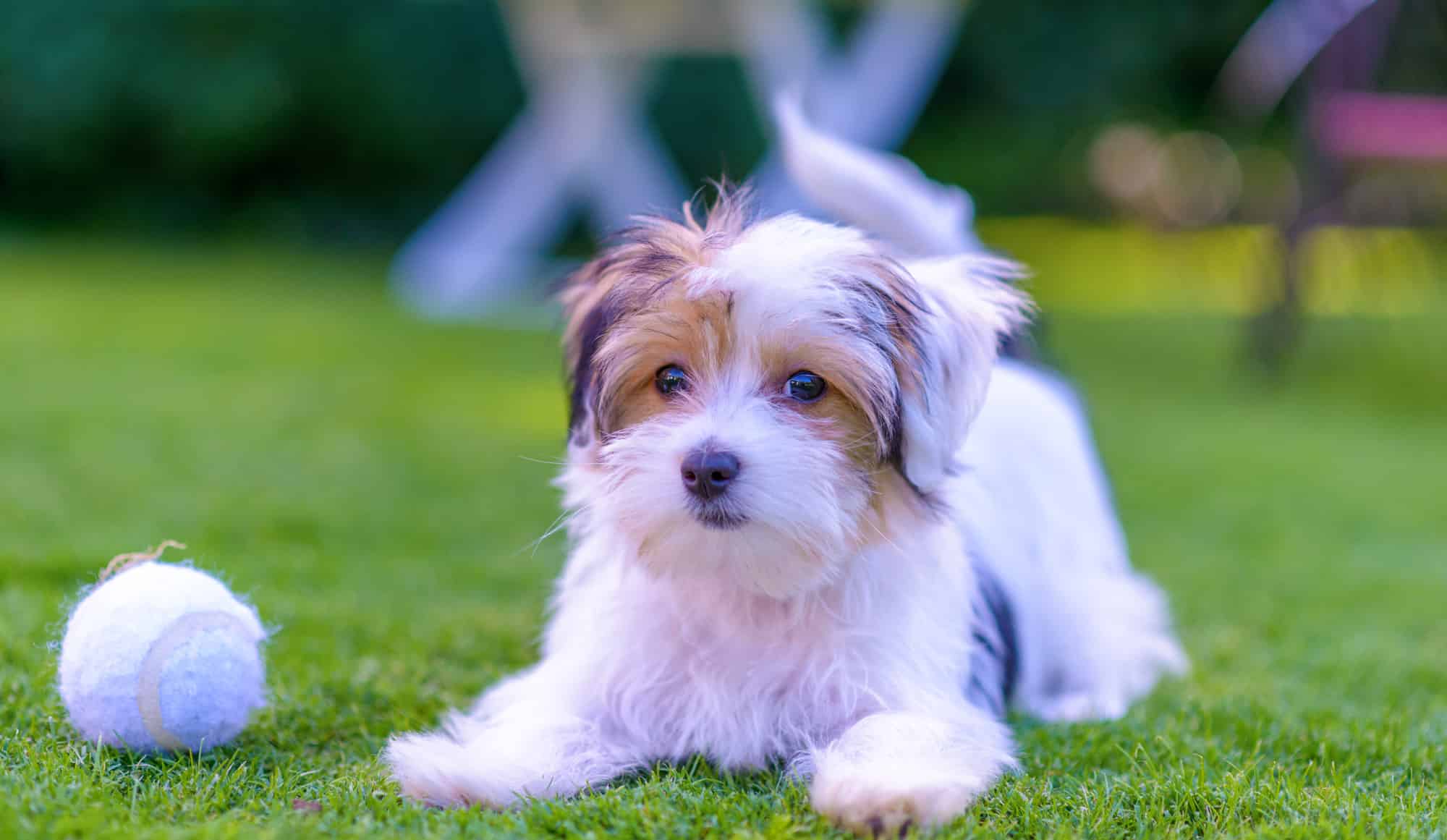
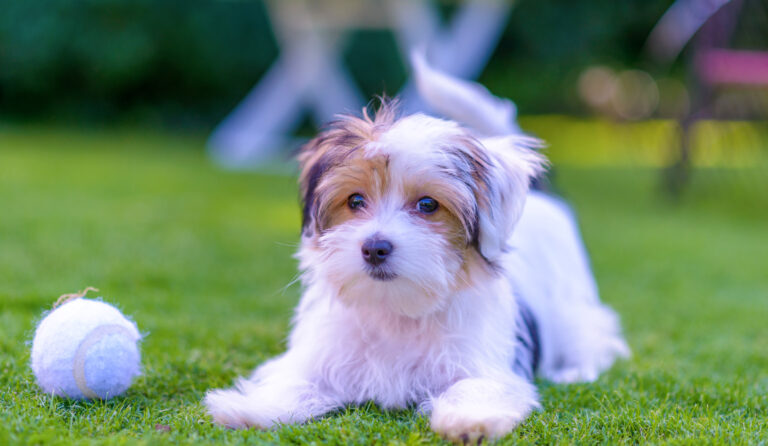
Grass, Lying Down, Puppy, Alertness, Animal

Very small and thin-framed, Havashires should be handled with care.

Size And Weight

The Havashire is a very small toy dog with a thin and frail frame. It is a good idea to handle these dogs with care.

Height (Male)9 to 12 inches
Height (Female)8 to 11 inches
Weight (Male)9 to 12 pounds
Weight (Female)6 to 11 pounds

Common Health Issues

The Havashire may inherit any number of different health problems from its two parent breeds, including deafness, epilepsy, skin allergies, eye conditions, cancer, and some heart problems. It’s also vulnerable to some developmental disorders of the bones and joints, including Legg-Calve-Perthes Disease (when the blood flow is interrupted to the hip joint, causing the bone to break apart) and patellar luxation (essentially, an out-of-place knee cap).

The chances of these conditions ever arising can be minimized with proper breeding, but it isn’t possible to eliminate all risks. That is why you should schedule regular checkups at the vet for examinations and tests. If the dog remains healthy throughout its life, then it can have a lifespan of 12 to 16 high-quality years.

Temperament
Animal, Animal Hair, Beauty, Brown, Canine - Animal

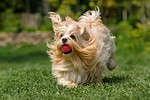
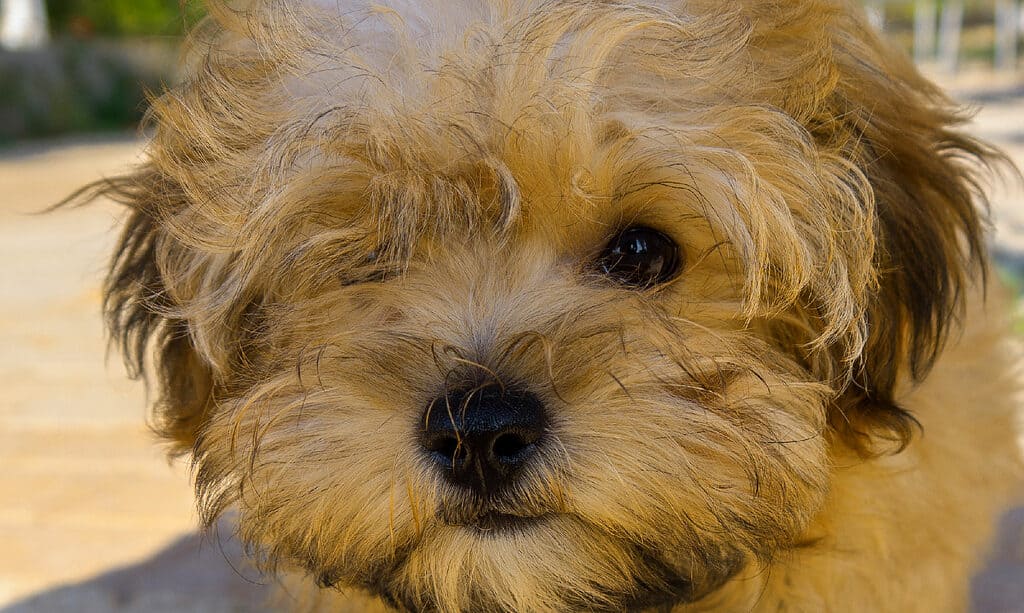
The Havashire can be spunky and energetic or mellow and quiet.

The Havashire is an upbeat, happy-go-lucky dog with extraordinary loyalty and fondness for its owner. Temperamentally, this dog can reside anywhere on the spectrum between the spunky and energetic terrier group and the mellower and quieter Havanese, but its full personality may not become apparent until the dog has fully matured. Due to its small size and quiet nature, the Havashire makes an excellent apartment dog, as long as it receives enough time outdoors to roam around freely. Owners should always strive to involve this dog in family activities. If it doesn’t receive enough attention and love, then it might develop some anxious behavior and undesirable traits.

How To Take Care Of The Havashire

Despite its small size, the Havashire will require a great deal of time and effort to care for. At least some prior experience with dog ownership is recommended before deciding to bring this mix home. If you have any other questions or concerns about dog ownership, then you should consult with your vet.

The Best Dog Food

A full-grown Havashire should ideally eat about a cup of high-quality dry food mixed in with some wet food per day. The exact amount will, of course, depend on the dog’s age, size, and activity level, but it should have a healthy amount of lean proteins mixed with fats and carbohydrates. Since small breeds may tend to gain weight, you should not leave out more food than is necessary.

Since Havashires can develop heart conditions, it’s important for owners to know about the link between dog food containing legumes and heart failure in dogs. Compare some legume-free dog foods.

Maintenance And Grooming

The amount of time spent grooming this dog will depend on the length of the hair it inherits from its parents. If the dog has a longer coat of fur, then it will need daily grooming with a pin brush and comb to prevent matting and tangling. If it has shorter hair, then it will need to be groomed only a few times a week. Either way, the coat will need to be trimmed a few times a year, preferably by a professional groomer, though it’s possible to do it yourself.

Because it tends to develop dry skin, the Havashire should only be bathed with a mild shampoo whenever necessary to clean off strong dirt and grime. The dog’s coat should already produce natural oils that will keep it fresh and clean. Owners will also need to trim the nails and clean out the ears regularly.

Training

The Havashire is an intelligent and eager-to-please dog that excels at all kinds of training, but first, you will need to overcome its slight stubborn streak. This will require a bit of a patient attitude on the part of its owner. The Havashire will need a strong leader who’s not afraid to assert control over the training process, but doesn’t get too loud or aggressive; this dog is very sensitive to changes in its owner’s voice. Positive reinforcement methods like treats and praise should work best to convince your dog to follow your commands. If you are struggling to train your dog, or it begins to show signs of anxiety or aggression, then you might want to contact a professional trainer to help you.

Exercise

Despite its small size, a full-grown Havashire is a voracious dog that’s just bursting with energy; it requires at least an hour of exercise every single day. Your dog should be satisfied with plenty of indoor activities, games, and playtime, but it will also need to spend some time outdoors on brief walks or just roaming around parks and yards. Fortunately, once its energy is spent, the Havashire will usually settle down and curl up on its owner’s lap. It may need some extra clothing or covering in colder weather.

Puppies

Havashire puppies are exuberant attention seekers with a high level of energy. In order to become well-behaved full-grown adults, they will require obedience training, house training, socialization, and, optionally, crate training within the first few months of their lives. These puppies are a bit notorious for their difficulty in house training, but a crate can assist with this. Once the dog becomes accustomed to the crate and regards it as a living space, the puppy will try to hold it in until after it’s been released from the crate. Puppy pads and paper training work less well for this type of dog.
Agricultural Field, Animal, Animal Body Part, Animal Ear, Animal Teeth

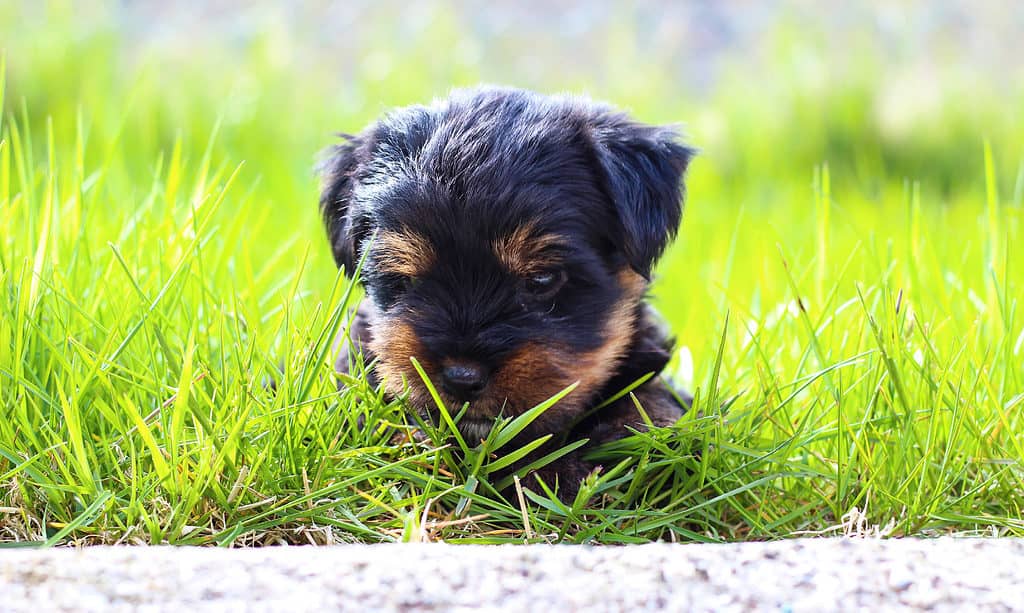
Havashire puppies do not always take to house training quickly, but a crate can help.

Havashires And Children

The kind and gentle Havashire should get along with people of all ages. The only problem is that its small and frail body might not tolerate rough handling from raucous kids. That is why it might be better to wait until the kids are older and calmer.

Dogs Similar To The Havashire

Besides the Havanese and the Yorkshire Terrier, the Havashire is most closely related to the following dogs:

  • Bichon Frise: As a member of the bichon family, this small white toy dog is very similar to the Havanese. This is a charming, intelligent, and cuddly companion with a big personality.
  • Corkie: As a cross between a Cocker Spaniel and a Yorkshire Terrier, the Corkie is a small, exuberant, and fun-loving companion dog with a long, dense, silky coat of fur. Like the Havashire, it is a little stubborn with obedience training, but also very eager to learn and play.
  • Yorkie Bichon: Also sometimes known as a Borkie, the adorable Yorkie Bichon is a mixture between a Yorkshire Terrier and a Bichon Frise. It is friendly and intelligent, but also has a strong mind of its own.

View all 288 animals that start with H

Sources

  1. Doggie Designer / Accessed April 15, 2021
  2. Wag Walking / Accessed April 15, 2021
Melissa Bauernfeind

About the Author

Melissa Bauernfeind

Melissa Bauernfeind was born in NYC and got her degree in Journalism from Boston University. She lived in San Diego for 10 years and is now back in NYC. She loves adventure and traveling the world with her husband but always misses her favorite little man, "P", half Chihuahua/half Jack Russell, all trouble. She got dive-certified so she could dive with the Great White Sharks someday and is hoping to swim with the Orcas as well.
Connect:

Thank you for reading! Have some feedback for us?


Havashire FAQs (Frequently Asked Questions)

The Havashire is a small lapdog that combines some aspects of its two parent breeds, the Yorkshire Terrier and Havanese. This mix has an upbeat, lively, intelligent, and loyal temperament.