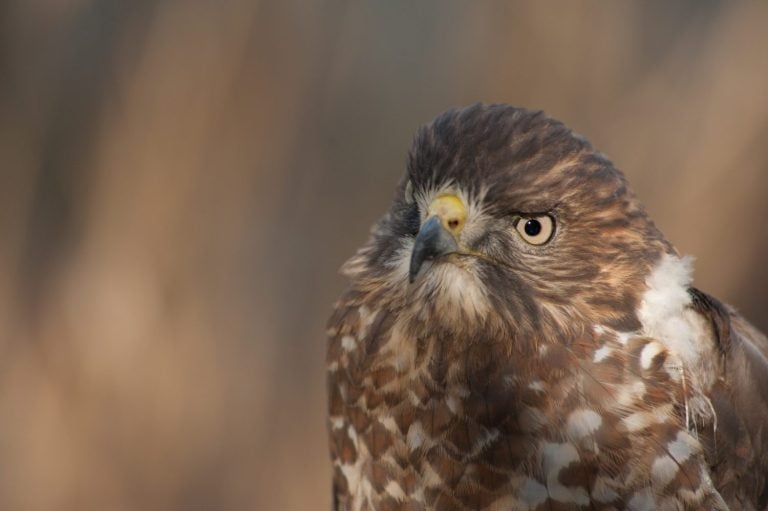

Quick Take
- One North Carolina hawk actually hunts like an owl, relying on sound rather than just sight to track prey. Discover the owl-like harrier →
- Some of these hawks are year-round residents, while others travel from the Arctic. Knowing which is which changes where and when you can spot them. Meet the Arctic winter visitor →
- The smallest hawk on this list hunts at backyard bird feeders, something locals aren't happy about. See the feeder-hunting hawk →
- One hawk rebuilds its nest from scratch every single year, a behavior whose reason reveals a surprisingly strategic side of raptor behavior. Explore nesting behavior →
Worldwide, there are more than 200 species of hawks contained in the family Accipitridae. North America serves as a habitat for between 17 and 19 distinct hawk species, of which North Carolina hosts up to nine. North Carolina’s hawk population includes permanent, year-round residents and seasonal visitors. This split makes the state a splendid location for birdwatching, as the variety of raptors shifts significantly with the changing seasons. Read on to discover the eight hawk species found in North Carolina.
Red-tailed Hawk
| Red-tailed Hawk | Details |
|---|---|
| Scientific name | Buteo jamaicensis |
| Weight | 1.5-3.5 lbs (680-1586 g) |
| Height | 18-26 in (45-65 cm) |
| Wingspan | 43-56 in (110-141 cm) |
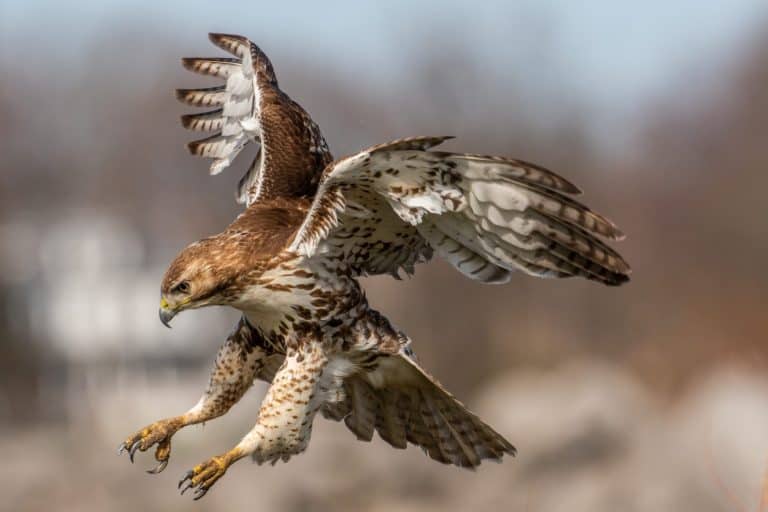
The most widely distributed hawk species in North Carolina, red-tailed hawks spend much of their time circling over open fields or perched on telephone poles by the roadside in search of prey. They have distinctive red tails, which differentiate them from other types of hawks.
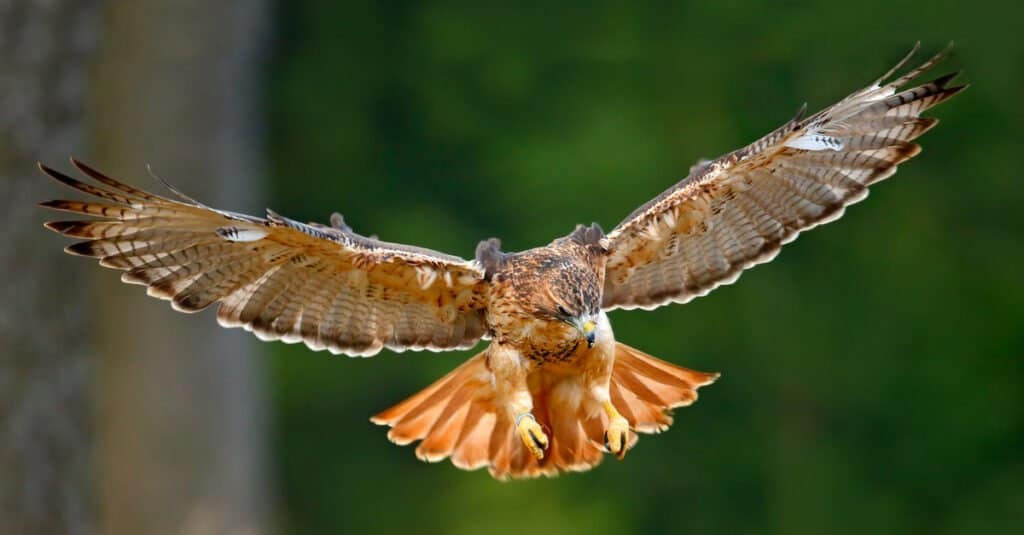
Red-tailed hawks mainly feed on crustaceans, amphibians, reptiles, and small birds.
©Ondrej Prosicky/Shutterstock.com
Red-tailed hawks feed on small mammals, amphibians, reptiles, and small birds. They have keen vision for spotting prey from high perches. These hawks are also vulnerable to predation from great-horned owls, bobcats, and even humans.
During breeding seasons, red-tailed hawks build their nests in the crowns of large trees. Females lay between one and five eggs each year. Both males and females take turns incubating the eggs. Eggs take between four and five weeks to hatch, and young ones fledge (leave the nest) about six to seven weeks later.
Northern Harrier
| Northern Harrier | Details |
|---|---|
| Scientific name | Circus hudsonius |
| Weight | 11-27 oz (300-750 g) |
| Height | 21-25 in (53-64cm) |
| Wingspan | 41-46 in (103-117 cm) |
Northern harriers have owl-like faces and slender, long tails. They are winter residents of North Carolina, where they can be seen gliding low over prairies, marshes, and open fields. In summer, Northern harriers return to their breeding grounds across Canada and Alaska.
The Northern harrier’s diet varies by season. During the winter, they feed primarily on rats, lizards, toads, large insects, voles, and small birds, flying low over open fields or dense cover to find prey. They
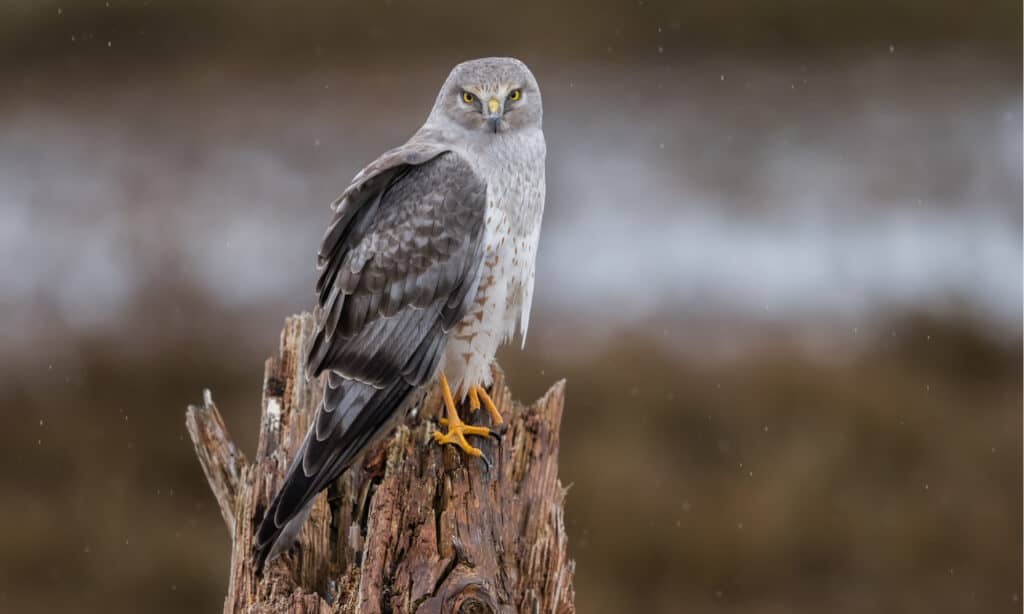
Northern harriers have owl-like faces and slender, long tails.
©Harry Collins Photography/Shutterstock.com
Northern harriers usually nest in colonies, and one male can have more than two mates. They build their nests on the ground in a dense field. Females lay clutches of four to six eggs. The incubation period lasts about 30-32 days and is done by females only. Young ones can fly at 30–38 days old, with males fledging earlier than females.
Red-shouldered Hawk
| Red-shouldered Hawk | Details |
|---|---|
| Scientific name | Buteo lineatus |
| Weight | 1-1.7 lbs (486-774g) |
| Height | 15-24 in (38-61 cm) |
| Wingspan | 35-50 in (90-127 cm) |
Red-shouldered hawks can be seen throughout the year in North Carolina. They inhabit a wide range of environments, including suburban areas, deciduous forests, wooded swamps, and riparian forests. Red-shouldered hawks are not particular when it comes to finding a home. They have red shoulders and striking black-and-white barred feathers on their wings and tails.
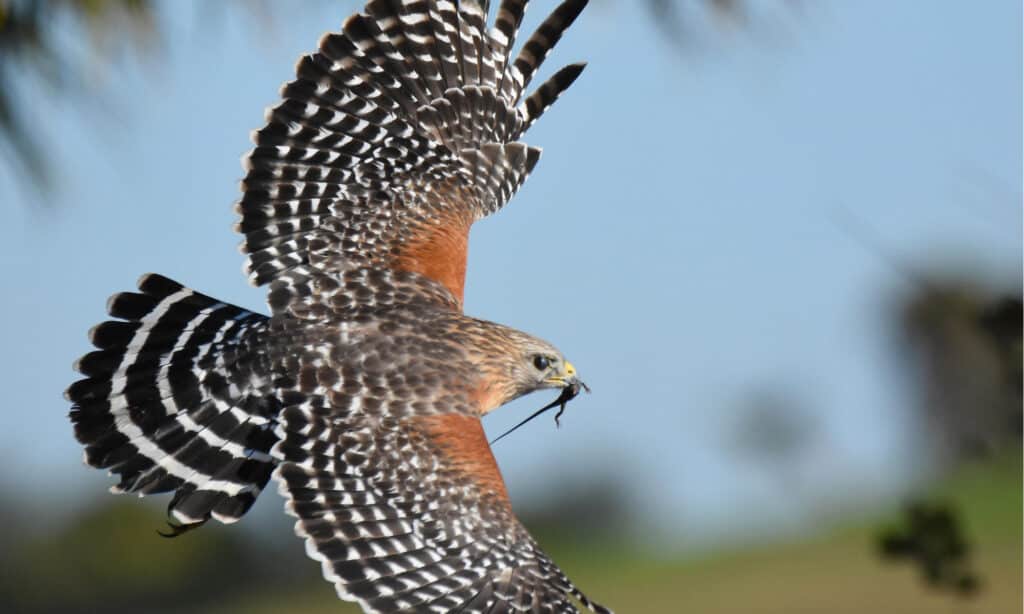
Red-shouldered hawks derive their name from the red color on their upper wings.
©MTKhaled mahmud/Shutterstock.com
Like many other raptors, red-shouldered hawks feed on small mammals such as lizards, frogs, snakes, shrews, mice, voles, caterpillars, small birds, and large insects. They either fly low to the ground to spot and surprise prey or perch on poles or trees and wait for unsuspecting prey to pass by.
Red-shouldered hawks build their nests in the nooks of trees, usually in an area close to a source of water. Females lay between two and five eggs and incubate them for 33 days once the nest is ready.
Rough-legged Hawk
| Rough-legged Hawk | Details |
|---|---|
| Scientific name | Buteo lagopus |
| Weight | 1.32-3.66 lbs (599-1660 g) |
| Height | 18-24 in (46-60 cm) |
| Wingspan | 52-54 in (132-138 cm) |
Rough-legged hawks are visitors to North Carolina in winter, where they migrate from their Arctic breeding grounds. They can be spotted perched on poles by the roadside or hovering over open fields and marshes. These dark-brown raptors derive their name from their feathered legs.
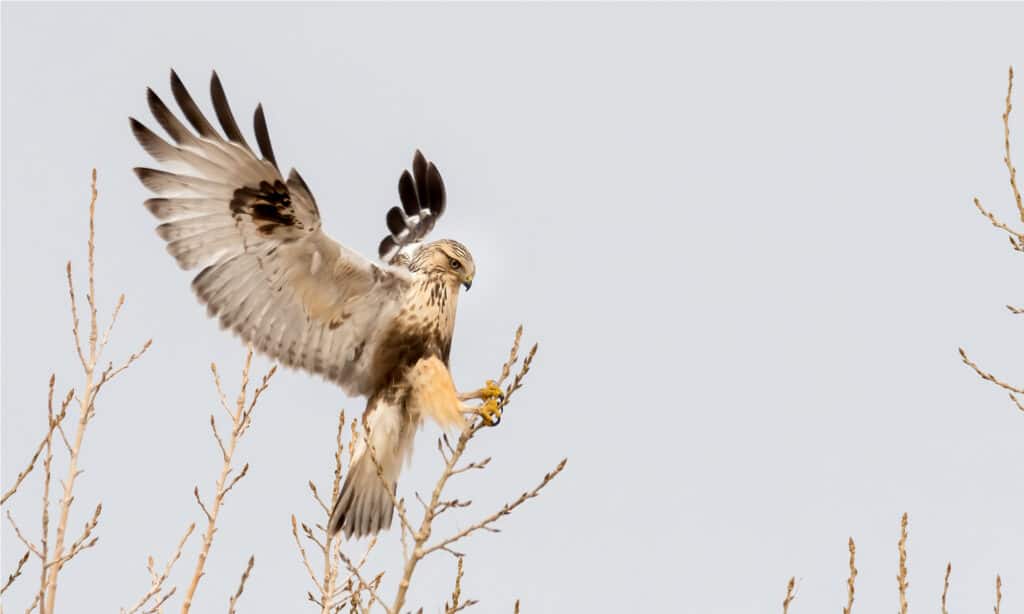
Rough-legged hawks mainly feed on voles and lemmings.
©Eivor Kuchta/Shutterstock.com
Rough-legged hawks feed on voles and lemmings. They also eat a variety of small birds, ground squirrels, and other mammals. They hunt by hovering over open fields or watching for prey from a perch.
Some rough-legged hawks build their nests on high cliffs or level ground, while others build their nests in treetops at the forest’s edge. Once the nest is ready, females lay between three and five eggs, which take approximately 31 days to hatch.
Broad-winged Hawk
| Broad-winged Hawk | Details |
|---|---|
| Scientific name | Buteo platypterus |
| Weight | 9.3-19.8 oz (264-561 g) |
| Height | 13.4-17.3 in (34-44 cm) |
| Wingspan | 31.9-39.4 in (81-100 cm) |
Broad-winged hawks can be found throughout North Carolina. They are small hawks with fairly broad wings. They spend most of their time at the edges of forests. Broad-winged hawks can also be sighted along the shores, coastlines, or ridges.
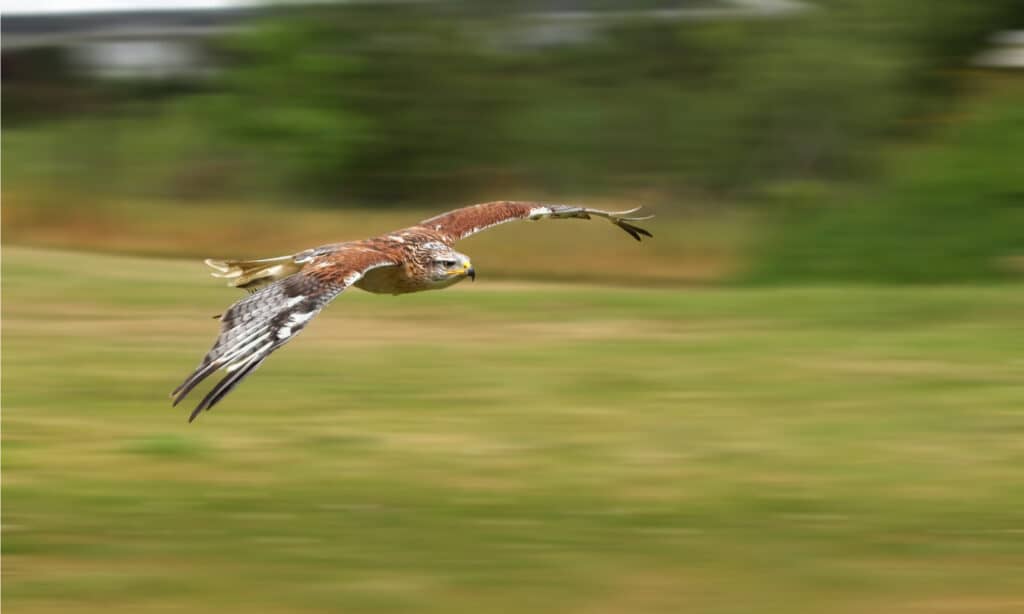
Broad-winged hawks build their nests in the lower part of a tree, normally coniferous or deciduous.
©pr2is/Shutterstock.com
These hawks have a diet that consists of young turtles, lizards, snakes, squirrels, voles, mice, toads, and small birds. They sometimes eat earthworms, centipedes, and crayfish. They watch for prey from a perch and swoop down rapidly to catch it the moment they spot it.
Broad-winged hawks build their nests in the lower branches of coniferous and deciduous trees. Females lay between one and four whitish eggs with brown spots. The incubation period lasts between 28 and 31 days. Both sexes take care of their young until they can fly and hunt for themselves.
Cooper’s Hawk
| Cooper’s Hawk | Details |
|---|---|
| Scientific name | Accipiter cooperii |
| Weight | 7.8-14.5 oz (220-410 g) |
| Height | 14-20 in (35-50 cm) |
| Wingspan | 24-39 in (62-99 cm) |
Cooper’s hawks are widespread, year-round residents in North Carolina. However, the local population swells during late fall and winter, when Cooper’s hawks migrating from Canada and the Northern U.S. move south to overwinter in the state.
Cooper’s hawks have red eyes, a bluish-black back, and a rounded tail. They are well adapted to catching prey in densely forested areas.
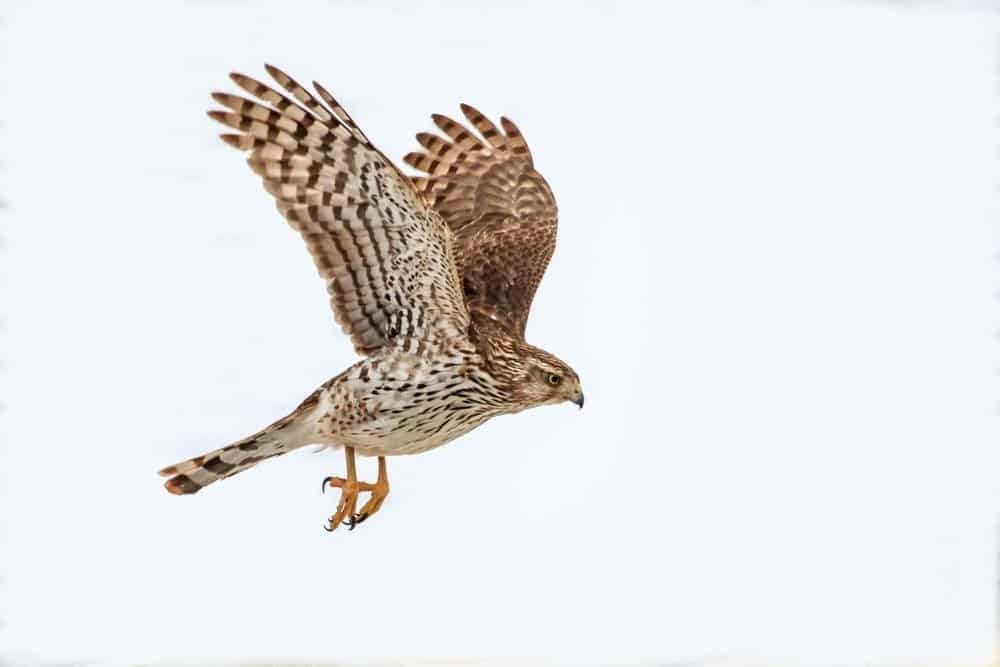
Cooper’s hawks are widespread in North Carolina.
©Richard G Smith/Shutterstock.com
Their diet consists of woodpeckers, quails, doves, snakes, frogs, squirrels, mice, bats, and even smaller raptors like American kestrels. They patrol forest edges and open fields in search of a meal. They can also be spotted at backyard feeders looking for an easy meal.
Male Cooper’s hawks build new nests each year to avoid parasites and structural weakness. Females lay three to six eggs, and they are solely responsible for their incubation. Eggs hatch after 30 to 36 days, and the young Cooper’s hawks are ready to fledge (leave the nest) in about four to five weeks.
Northern Goshawk
| Northern Goshawk | Detials |
|---|---|
| Scientific name | Accipiter gentilis |
| Weight | 1.4-4.8 lbs (635-2177 g) |
| Height | 18-27 in (46-69 cm) |
| Wingspan | 40-46 in (103-117 cm) |
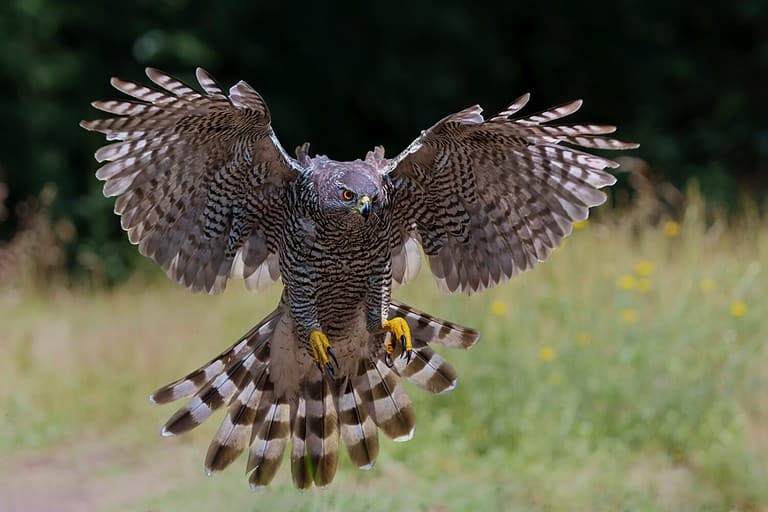
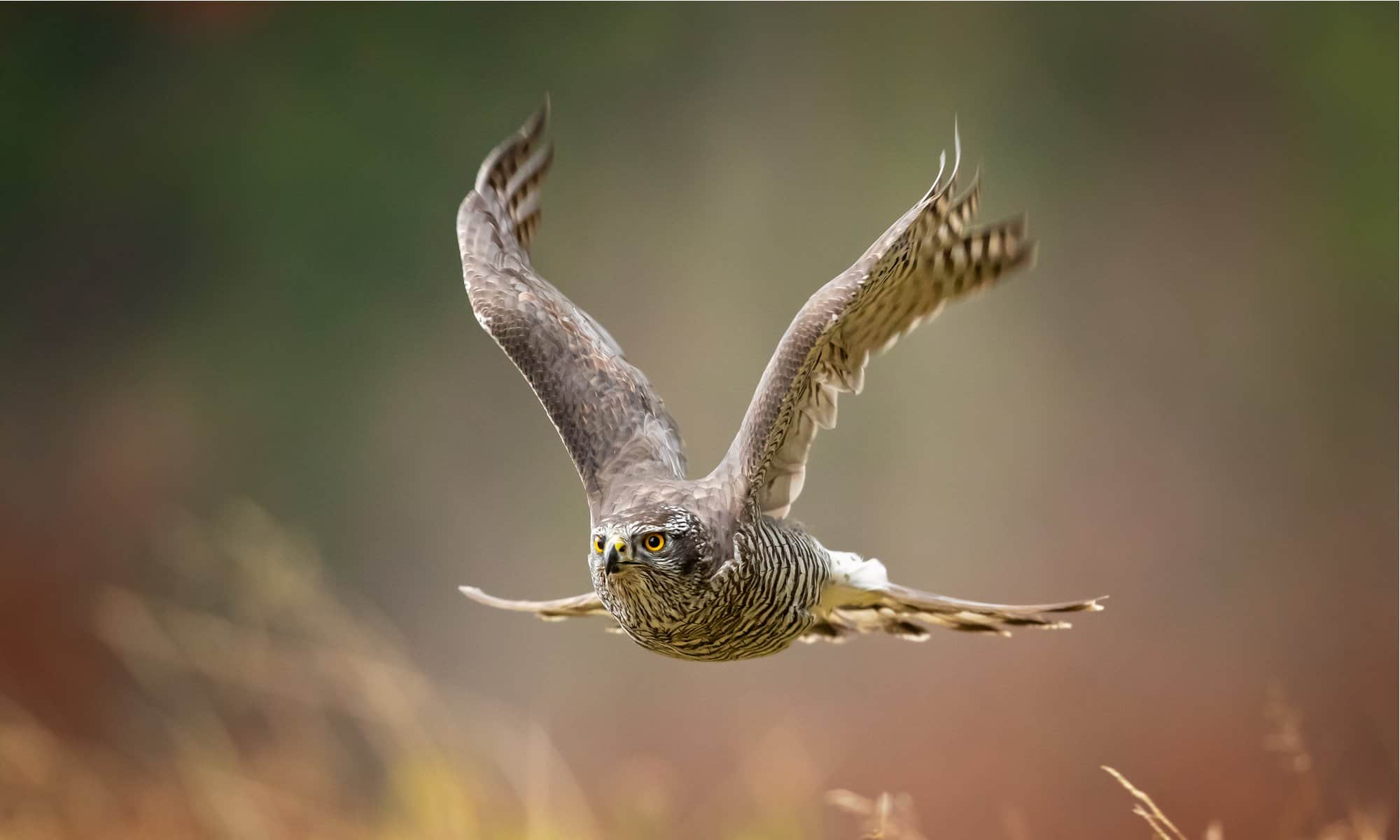
Northern goshawks are often found in North Carolina during the winter, where they migrate from their summer breeding grounds in Northern Canada and Alaska. They have predominantly gray plumage, with broad wings and a long tail.
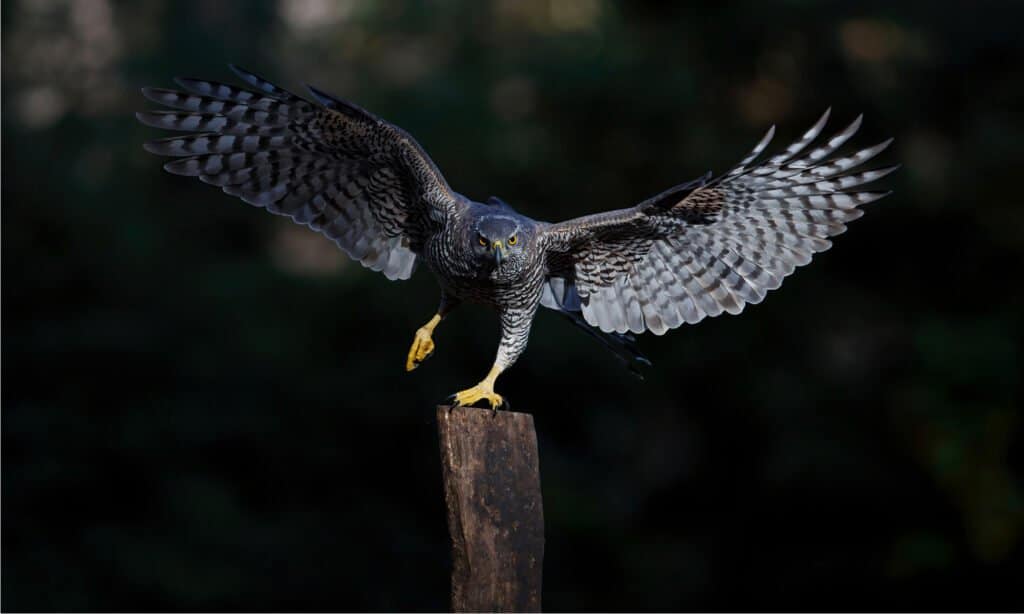
Northern goshawks are susceptible to predation by great horned owls, fishers, American martens, and other large hawks.
©Henk Bogaard/Shutterstock.com
Northern goshawks feed on medium-sized birds and small mammals. They pursue prey in short, fast bursts of flight. They are susceptible to predation by great horned owls, American martens, and other large hawks.
Northern goshawks build their nests on top of deciduous trees in mixed forests. Females lay between two and four eggs, which take 32 to 38 days to hatch. Females do most of the incubation. Young ones fledge in about five to six weeks.
Sharp-shinned Hawk
| Sharp-shinned Hawk | Details |
|---|---|
| Scientific name | Accipiter striatus |
| Weight | 2.9-7.7 oz (82-219 g) |
| Height | 9.1-15 in (23-37 cm) |
| Wingspan | 17-27 in (42-68 cm) |
Sharp-shinned hawks are winter visitors in North Carolina. They derive their name from their sharply keeled, featherless legs. These hawks are among the smallest types of hawks. They have long, narrow tails that complement their short, rounded wings.
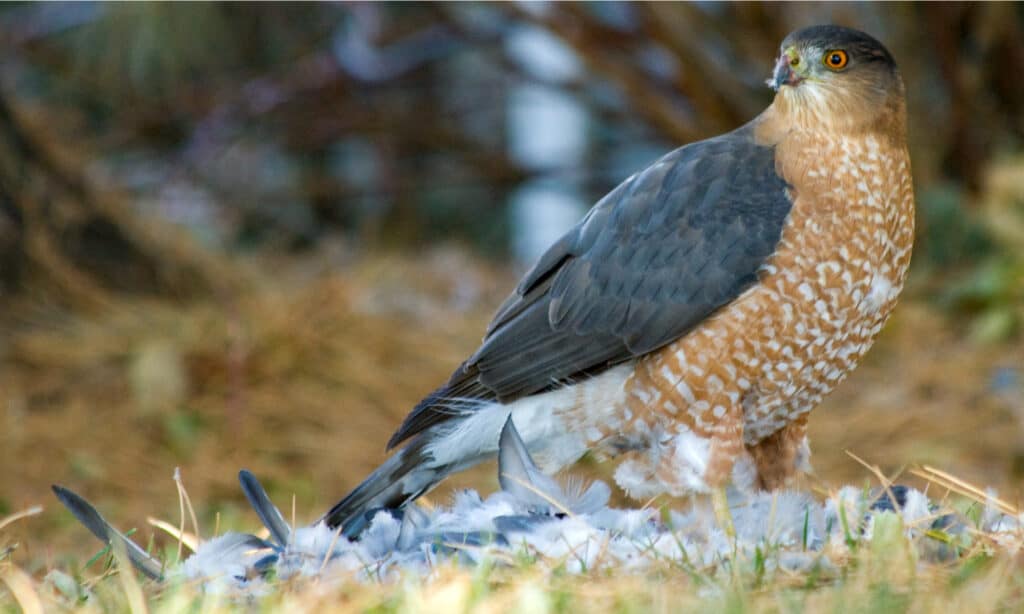
Sharp-shinned hawks are generally very secretive birds of prey.
©Wyatt W/Shutterstock.com
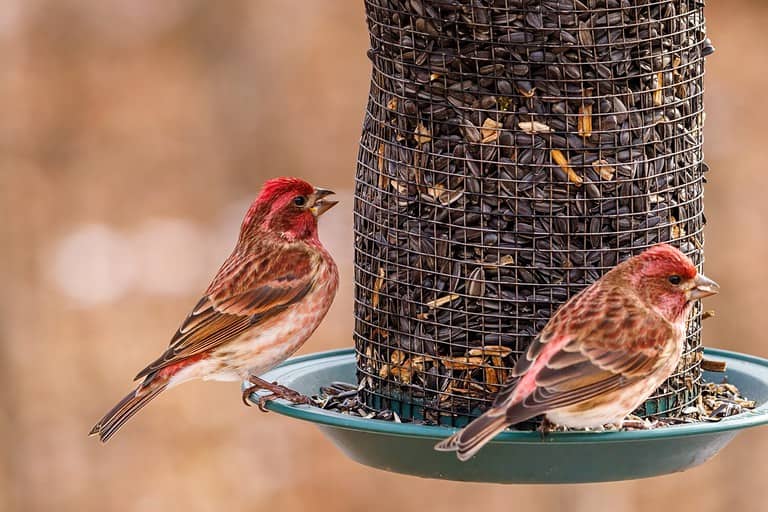
Sharp-shinned hawks feed on small birds such as songbirds and quails. They often frequent the backyard bird feeders in search of prey. This behavior makes them unpopular with backyard birders. Sharp-shinned hawks are preyed upon by peregrine falcons and other large hawks.
Sharp-shinned hawks are generally very secretive birds of prey. They inhabit heavily forested areas and nest in dense vegetation during breeding seasons. Females lay between four and five eggs, which take an average of 30 to 32 days to hatch.
Swainson’s Hawk
| Swainson’s Hawk | Details |
|---|---|
| Scientific name | Buteo swainsoni |
| Weight | 1.5 to 3 pounds (0.69 to 1.37 kilograms) |
| Height | 19 to 22 inches (48.3 to 55.9 centimeters) |
| Wingspan | 4-foot (1.2 meters) |
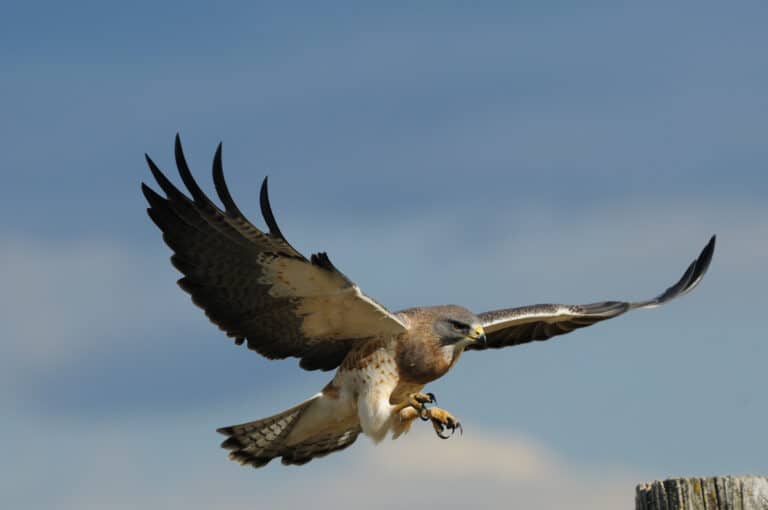
The Swainson’s hawk (Buteo swainsoni), is a slender, long-winged raptor measuring 19 to 22 inches long with a 4-foot wingspan. While their plumage is highly variable, most individuals have dark gray or brown upperparts, a white throat, a distinct reddish-brown bib or chest band, and a pale belly. Swainson’s hawks are a highly migratory species that breeds in Western North America, stretching from Western Canada down to Northern Mexico.
Because they travel vast distances to overwinter in Argentina, they are exceptionally rare east of the Mississippi River. In North Carolina, the Swainson’s Hawk is classified as an accidental vagrant rather than a seasonal migrant, with only a handful of verified sightings.
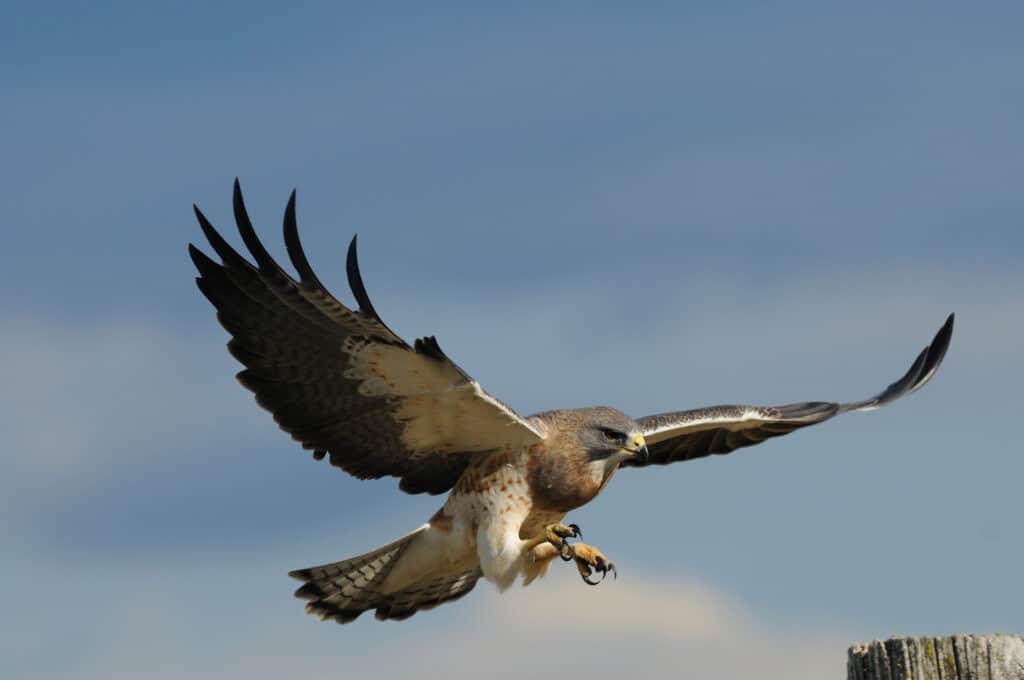
Swainson’s hawks are long-distance migrants.
©Rob McKay/Shutterstock.com