
Quick Take
- Sand fleas aren't insects, and that distinction changes everything about whether you should fear them. See the crustacean distinction →
- Most beach bites blamed on sand fleas come from something else entirely. Find out what's really biting →
- There's a tropical cousin of the sand flea that earns the danger reputation, and it behaves in a deeply unsettling way. Learn about chigoe fleas →
- Sand fleas can change to match their surroundings, though scientists are still piecing together exactly how. Explore their coloring details →
What can you see at the beach? Sunsets, crashing waves, shells, sea turtles… and fleas. Most of us have probably spotted them hopping around the shoreline, but we may not have known what these little insects were. Over 90 species of sand fleas live in the United States, and they are widespread along the coasts. Today, we’ll take an in-depth look at sand fleas and how to identify them.
What Does a Sand Flea Look Like?
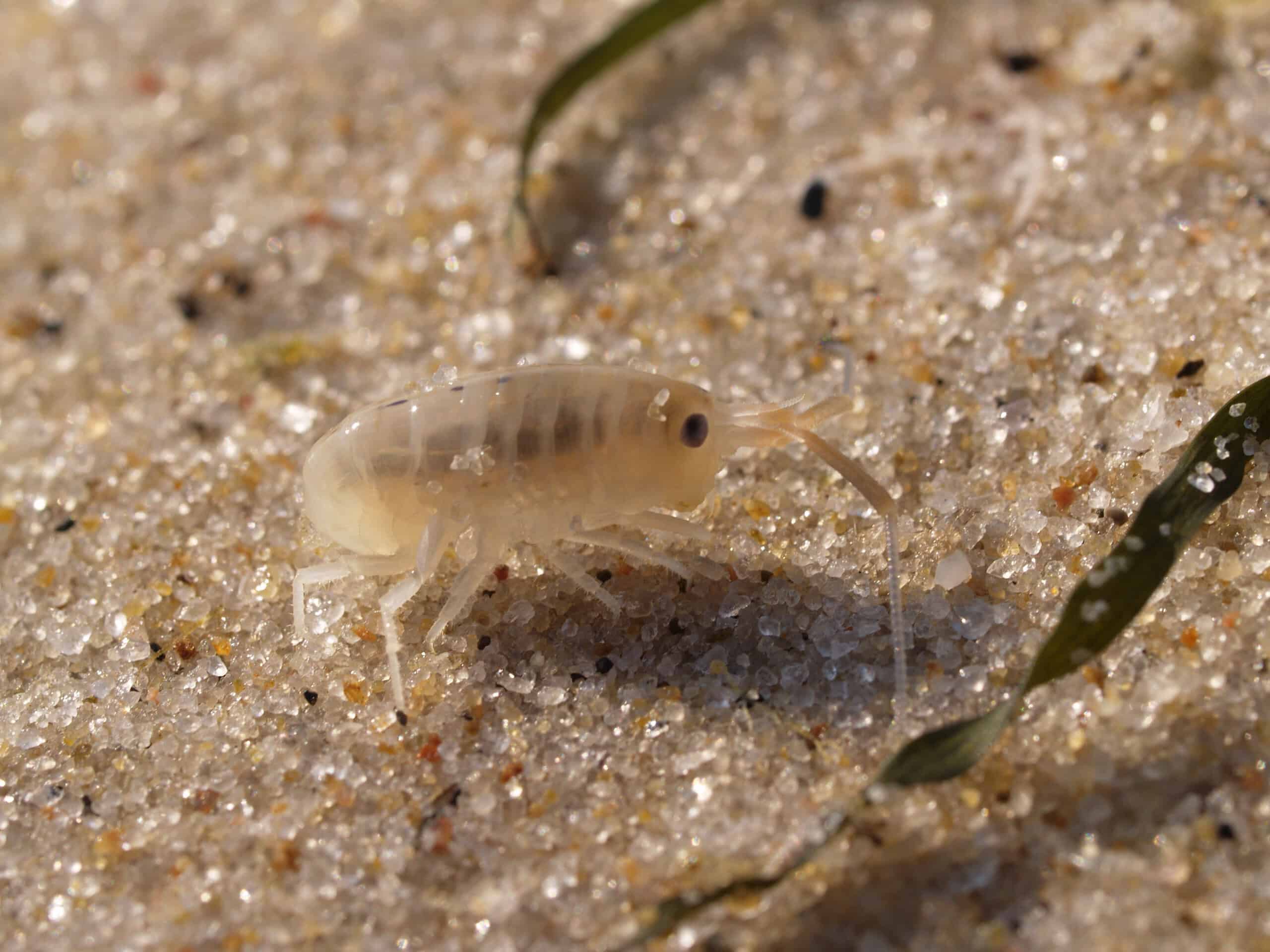
Sand fleas are amphipods with shrimp-like or oval-shaped shells. They have 5-7 pairs of long legs, two pairs of reddish antennae, one of which is longer than the other, and tiny black eyes nestled on top of their heads. They use gills to breathe oxygenated water and develop hard exoskeletons, as is common with crustaceans, to protect against predators and the rough coastal environment. They are typically tan, gray, green, or brown to blend into their sandy surroundings. Experts think sand fleas utilize camouflage and can actually change color to blend into their environment.
Sand fleas generally measure 0.25-1 inch long. For example, the common sand flea (Platorchestia platensis) measures around 0.4 inches long. The common name beach hopper or sand hopper describes their environment and their quick as a flash jumping motion. In order to jump, a sand hopper tucks its tail beneath its body and then flicks it out, rapidly pinging itself into the air.
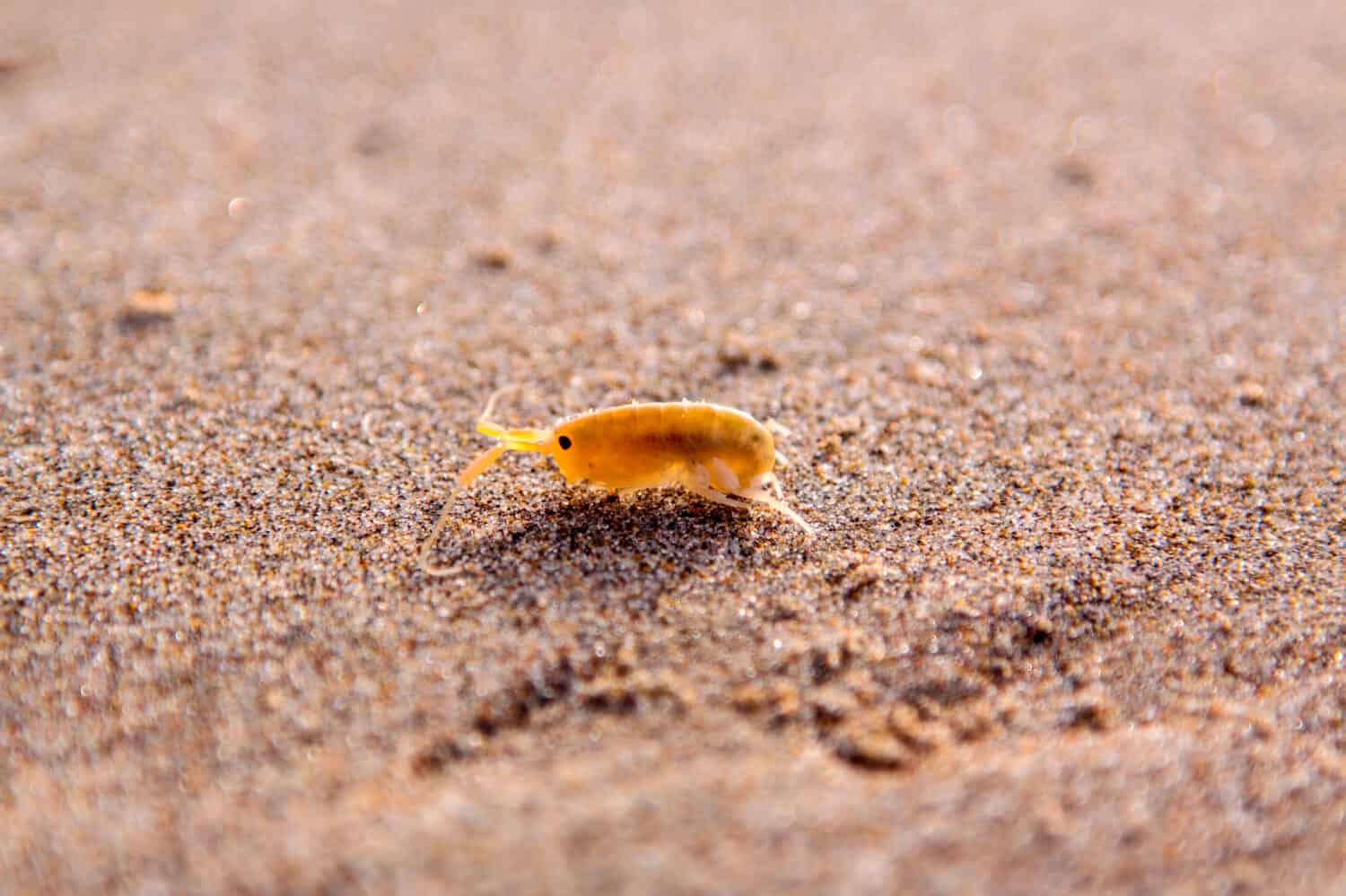
In the United States, sand fleas are usually called sand hoppers or mole crabs.
©Bandersnatch/Shutterstock.com
Sand Fleas vs. Regular Fleas
Sand fleas are not really fleas, or even insects. As we noted above, North American sand fleas are actually tiny crustaceans in the amphipod order, belonging to the family Talitridae. Although sand fleas jump like the fleas we sometimes see on our pets, they are not the same. Sand fleas are not parasites and primarily eat organic debris, including plant or animal matter, or detritus in decaying seaweed.
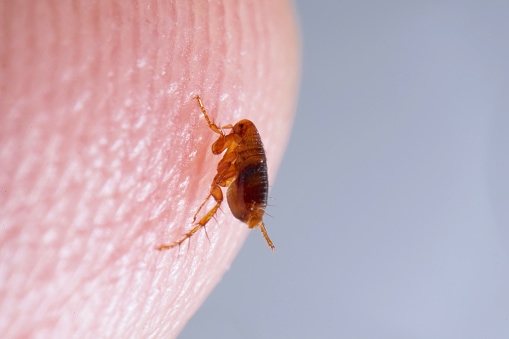
The most common flea (Ctenocephalides felis) is the cat flea. They are parasitic insects in the Siphonaptera order, which contains around 2,500 external parasite insects. Regular fleas ingest their host’s blood to survive. These fleas are reddish-brown to black with bodies that are flattened laterally (side-to-side). They grow to around 0.039 to 0.157 inches. These fleas do bite people, although they prefer cats, dogs, and other mammals.

Ctenocephalides felis, or the cat flea, is the most common flea found on dogs, cats, and other mammals.
©iStock.com/coopder1
Are Sand Fleas Harmful to Humans?
North American sand fleas are not harmful to humans and do not bite. As herbivorous filter feeders, they have no interest in humans. Since they jump like fleas, it’s easy to associate them with the itchy, stinging bites of cat fleas. At the beach, stings and bites are much more likely to come from gnats, midges, or blood-feeding sandflies that leave welts and red itchy bumps.
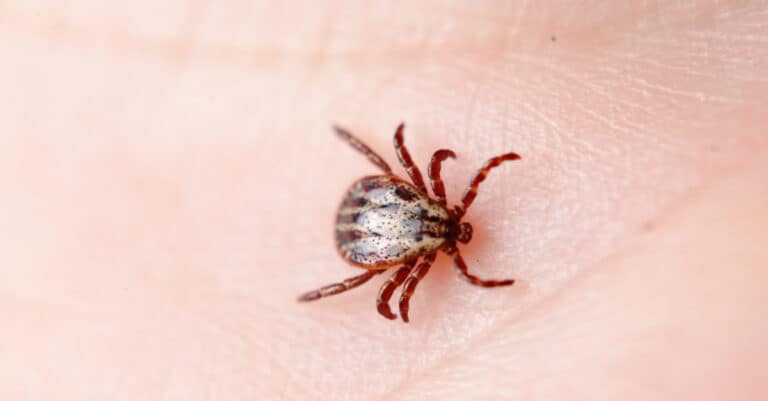
However, in tropical Central to South America, parts of Africa and Asia, and the Caribbean, the called chigoe flea (Tunga penetrans), sometimes called the jigger flea, does bite humans, and females bore into human feet. These minute parasitic fleas may be the reason many people think harmless sand fleas on North American beaches are dangerous. Chigoe bites can develop into sand flea disease, tungiasis, which leads to lesions and severe inflammation.

Chigoe sand fleas, called jiggers, live in tropical Central to South America, Asia, Africa, and the Caribbean.
©3drenderings/Shutterstock.com
Sand Flea Habitat
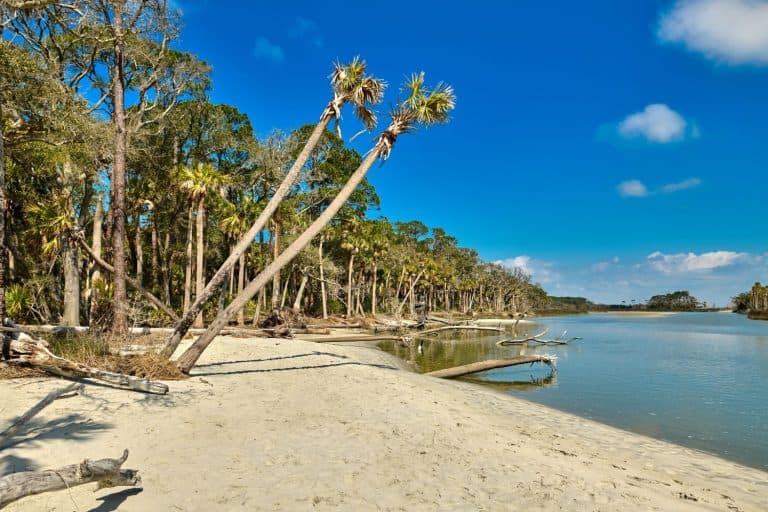
Sand fleas mostly live in water, but some are terrestrial and live on sandy beaches, usually under rocks or vegetation near the high tide line. They generally hide, buried up to 12 inches in the sand, then emerge at night to forage for food. If you lift seaweed, you might spot them jumping flea-like back to the sand. Sand fleas can swim back to shore with the help of their tail flips if a rogue wave washes them out.
Common North American sand flea species live along the Atlantic coastline, while some live on the Pacific or Gulf coast. Inland coastal marshes are popular habitats, too. During the winter, most adult species live in a dormant state in the damp sand above the spring tide mark. One or two might get stuck in your towels or belongings, but they don’t hitch a lift on purpose. A sand flea will dry out and die in your home. Their bodies must stay moist at all times.

Sand fleas emerge at night to eat decaying organic matter.
©ch123/Shutterstock.com
Sand Flea Life Cycle
Female sand fleas brood their young in a pouch attached to their underbellies. From here, eggs mature over one to three weeks and hatch out as juveniles that look just like the adult form, only smaller and often translucent.
Male sand fleas can live up to 21 months while females live about 18 months. A male sand flea fights other males for the right to mate with females in a colony beneath the sandy shoreline. However, the shifting environment can change from day to day. A male may discover his harem vanished after the tide retreats.