
There are a wide variety of diets in the animal kingdom. While some animals need to eat hundreds of times a day to survive, others only need to eat once every few weeks. Some of the large animals on our list eat extraordinary amounts of food, while some smaller animals eat significantly more food in proportion to their body mass than larger animals. However, all the animals on this list are hungry and have large appetites. Our list starts with animals that eat large amounts of food infrequently and ends with animals that eat daily. Keep reading to discover the 20 animals with the biggest appetites.
20. Burmese Python
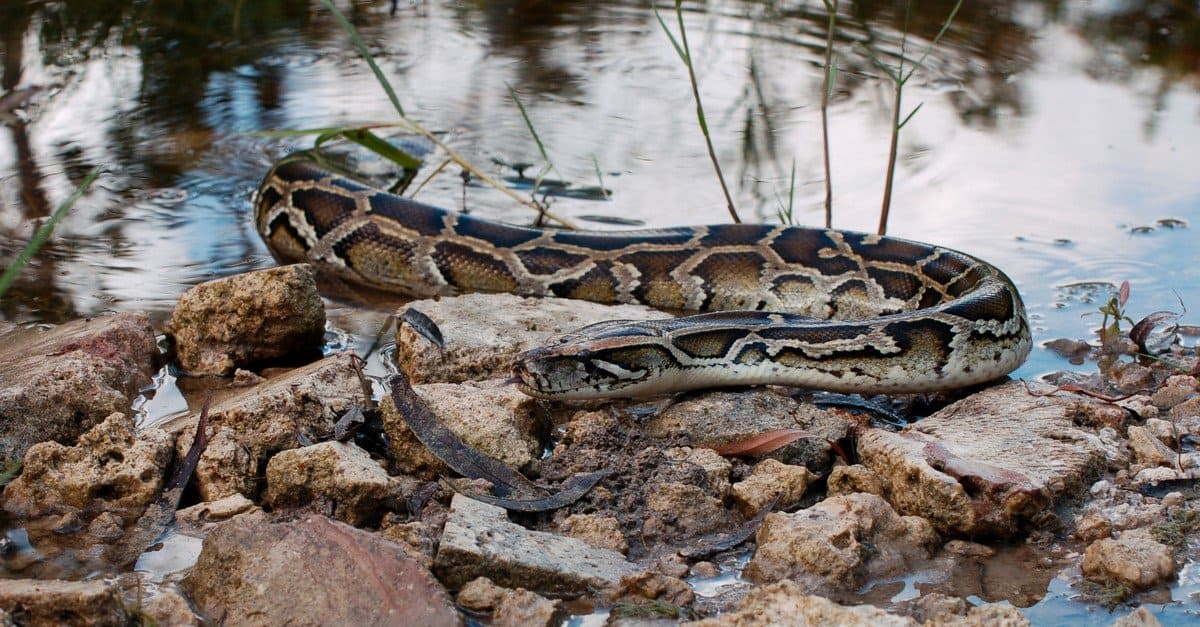
A Burmese python can eat prey that is over 50% of its body weight.
©Heiko Kiera/Shutterstock.com
The Burmese python (Python bivittatus) can reach up to 20 feet in length and weigh as much as 250 pounds. These opportunistic ambush predators constrict their prey, then swallow it whole. Burmese pythons can eat prey that weighs more than 50% of their own body mass. Researchers recently discovered a Burmese python ingesting a 77-pound deer that was 66.9% of the snake’s total body weight. Depending on the size of the meal, the snake may receive enough energy to go two weeks without feeding again.
19. Gila Monster

The Gila monster stores excess calories in its tail as fat to be used when it needs extra resources.
©Vaclav Sebek/Shutterstock.com
Gila monsters (Heloderma suspectum) are the largest lizards endemic to the U.S. They can reach about 2 feet in length and weigh from 1-5 pounds. Gila monsters eat eggs, lizards, turtles, birds, frogs, snakes, insects, and carrion. Young Gila monsters can eat up to 50% of their body weight in just one meal, while adults can eat up to around 35% of their body weight in one meal. Low metabolic rates and the ability to store fat reserves in their tails mean they do not have to feed as frequently as other animals.
18. Tasmanian Devil
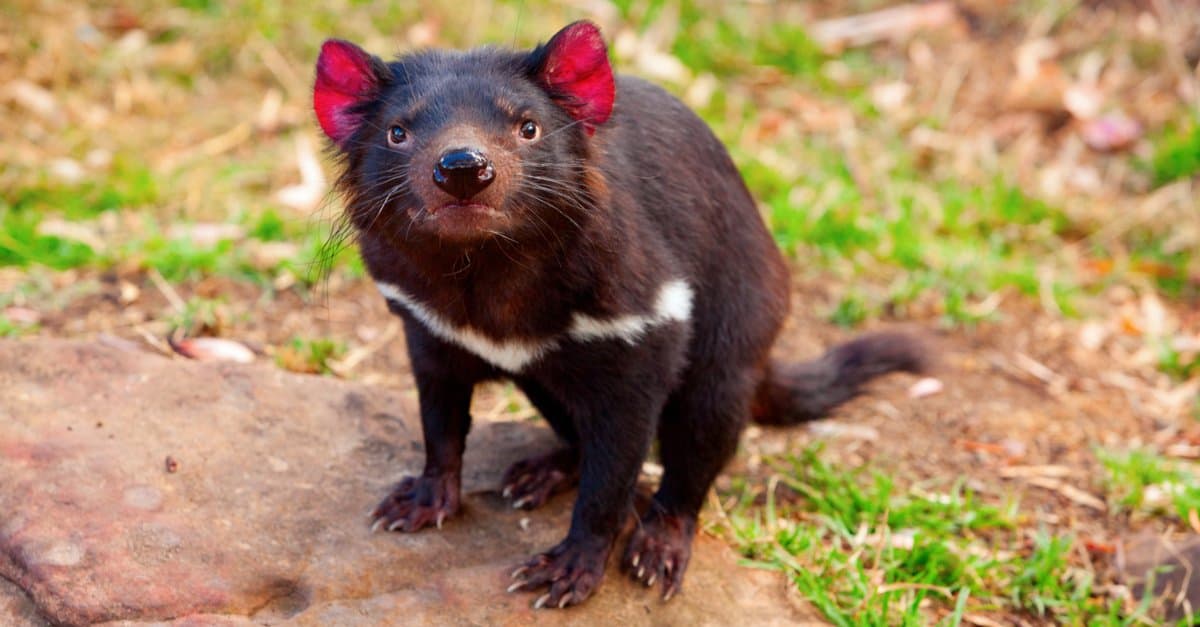
Tasmanian devils can eat up to 40% of their body weight during a single meal.
©Oleksii G/Shutterstock.com
Although Tasmanian devils (Sarcophilus harrisii) only eat every 3-8 days, they don’t skimp on the portions. An adult can consume up to 40% of its body weight in one meal. Tasmanian devils only weigh up to 31 pounds, but that does not stop them from attacking larger prey. Their average prey weighs about 44 pounds, but they also attack animals that weigh up to 66 pounds, such as adult wombats and wallabies. Tasmanian devils eat the entire animal except for the skin and the large, dense bones like the skull.
17. Tiger
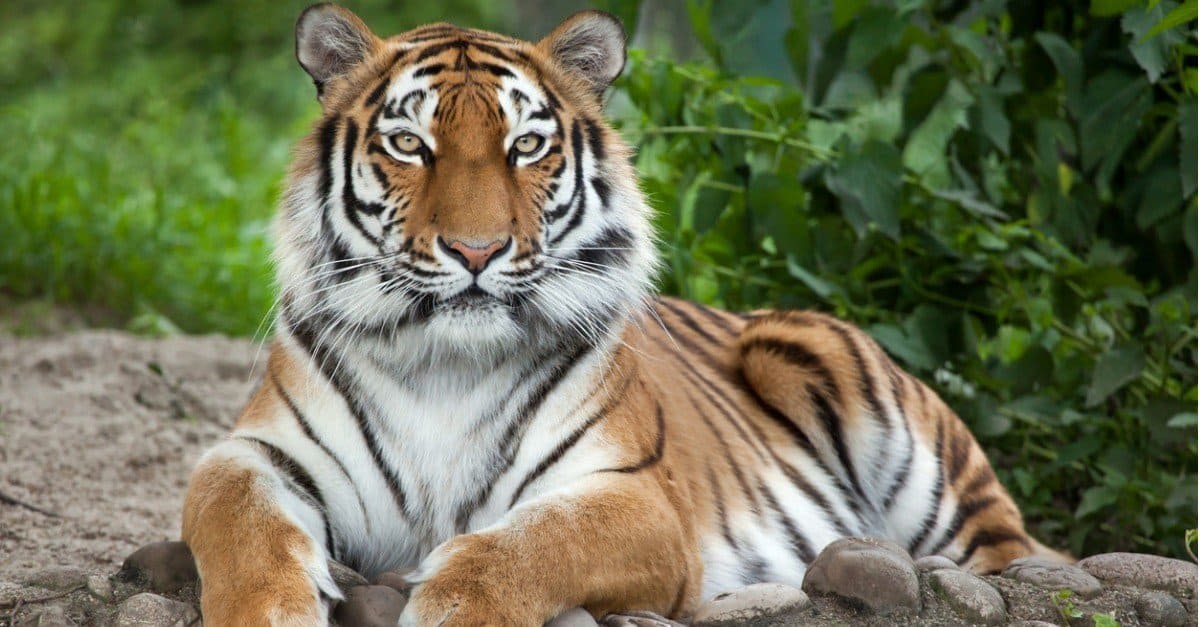
Male tigers can eat up to 20% of their body weight in a single day.
©iStock.com/wrangel
A tiger (Panthera tigris) is an opportunistic apex predator that may go a few days in between hunts. However, when they do eat, they can consume 40-60 pounds of meat a night, or as much as 77 pounds for a large male. Tigers can eat 20% of their body weight in a single 24-hour period. This is about 100 pounds of meat for a large male tiger, which can weigh up to about 575 pounds.
16. Lion
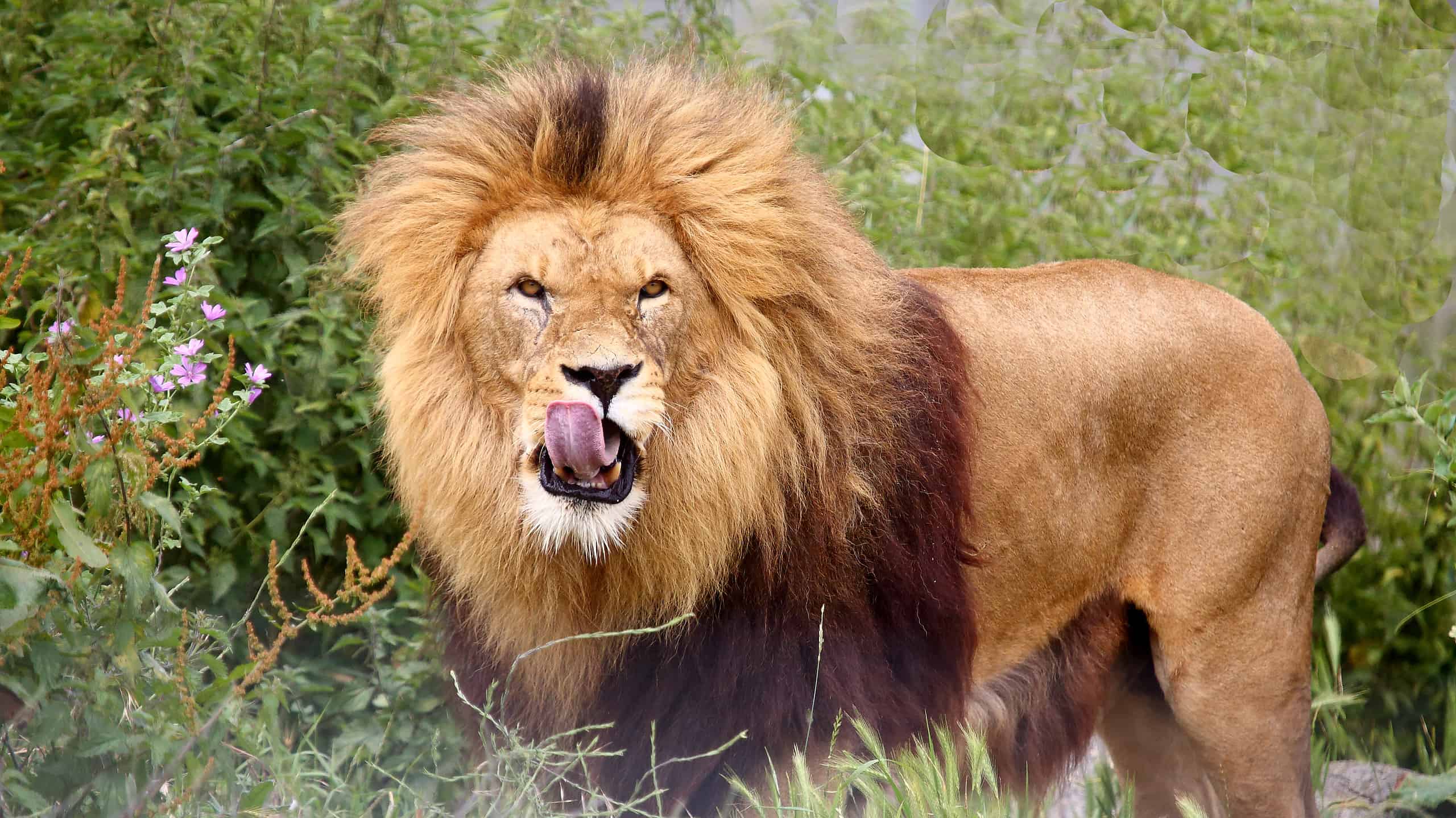
Lions require a minimum of 19 pounds of food per day.
©keith hudson/Shutterstock.com
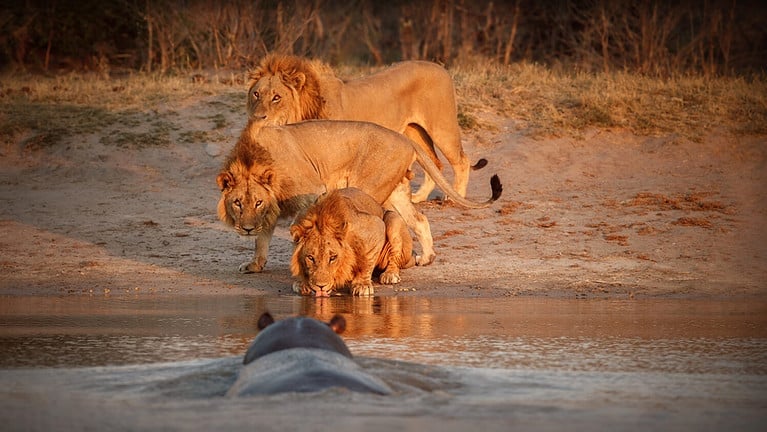
Despite only eating every two to four days, lions are opportunistic carnivores and will consume almost a quarter of their body weight when they do eat a meal. Male lions generally weigh between 330-500 pounds and can eat about 88-100 pounds of meat at a time. They require a minimum of about 19 pounds of food daily. As much as 88% of a lion’s diet comes from its kills, and a single lion can bring down prey that is twice its own weight.
15. Polar Bear
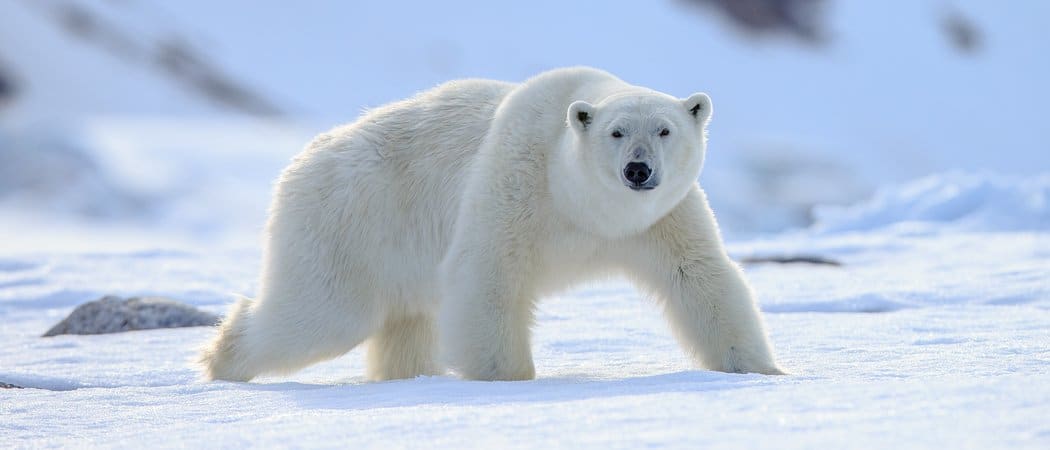
Polar bears eat seals and other marine mammals for their blubber.
©Vaclav Sebek/Shutterstock.com
The polar bear is generally considered to be the largest bear species on average. They can typically reach 10 feet long and weigh up to 1,700 pounds. Polar bears are capable of eating up to 20% of their body weight in a single meal. They need to eat over 12,000 calories per day to gain or maintain their weight, but the frequency of their meals varies depending on the availability of prey. They can also consume up to 100 pounds of seal blubber at a time, which helps them build their fat reserves.
14. Giraffe
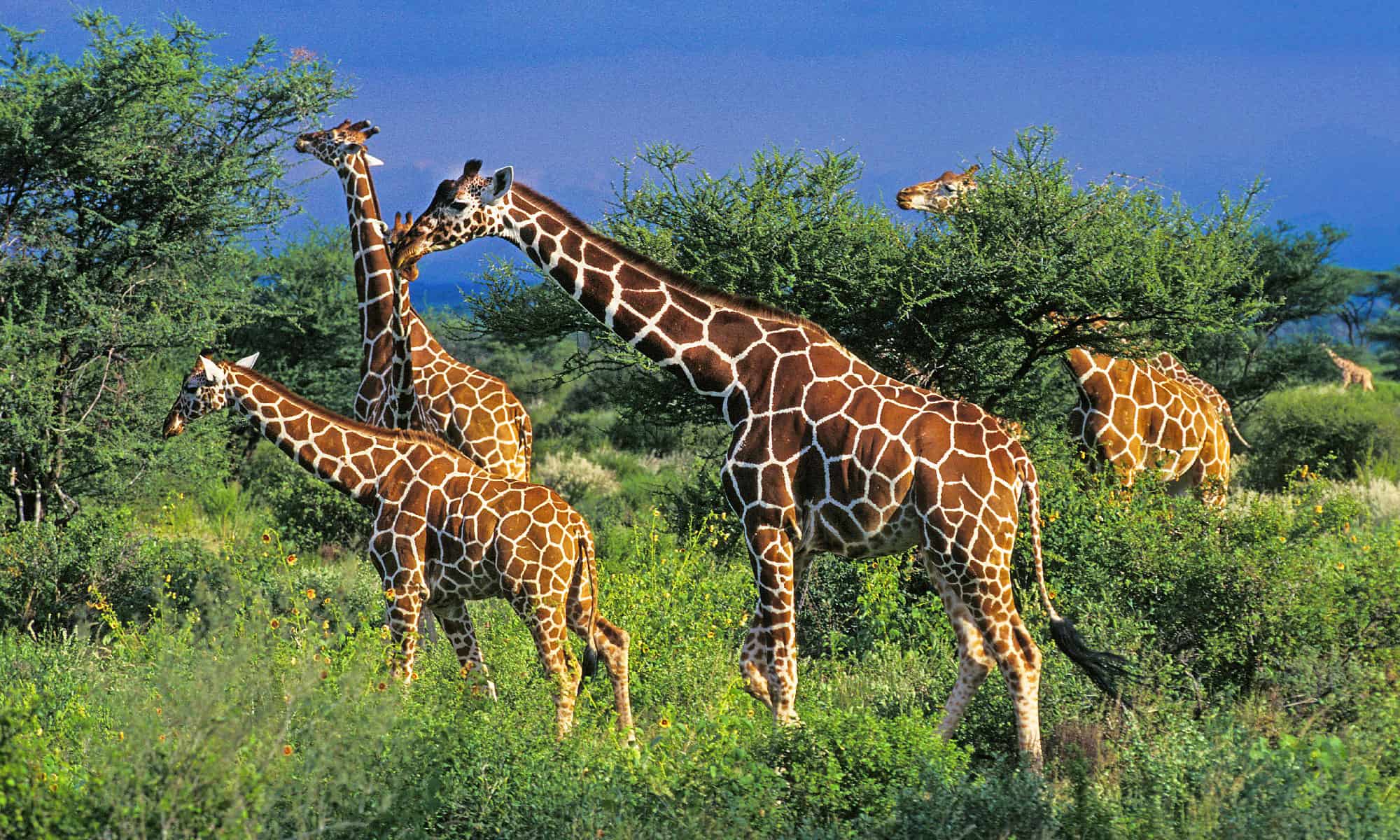
Giraffes eat between 1.6% and 2.1% of their body weight per day.
©iStock.com/slowmotiongli
Weighing up to 3,000 pounds, the giraffe (Giraffa camelopardalis) is the eighth heaviest land mammal. Giraffes are herbivores and browsers, primarily consuming vegetation that grows at high levels other herbivores cannot reach. Their tall height, long tongues, and specialized digestive systems allow them to eat over 75 pounds of food a day. This is between 1.6% and 2.1% of an adult giraffe’s body weight.
13. Giant Pandas

The giant panda’s diet is over 98% bamboo.
©Chen Wu from Shanghai, China / CC BY 2.0 - Original / License
The giant panda’s (Ailuropoda melanoleuca) diet is over 98% bamboo. Because their diet is not very nutritious and provides little energy, they spend around 12 hours a day foraging and feeding to compensate for the deficiency. Researchers have found that an average-sized giant panda of around 220 pounds will eat between 26-33 pounds of bamboo leaves and stems or 50-84 pounds of bamboo shoots each day, depending on the season.
12. Kodiak Brown Bear
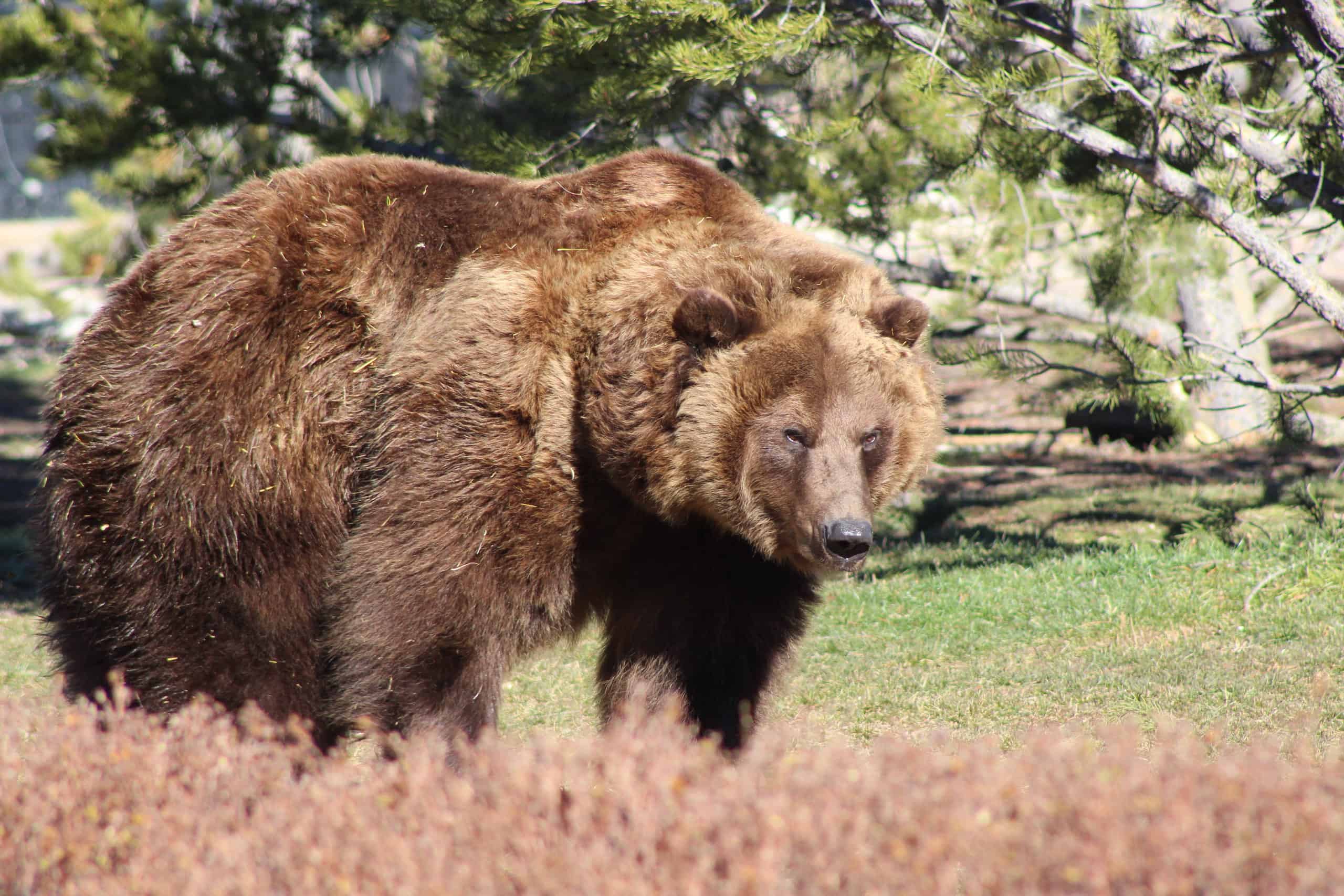
Kodiak bears can reach up to 1,500 pounds.
©Lisa Stoorza/Shutterstock.com
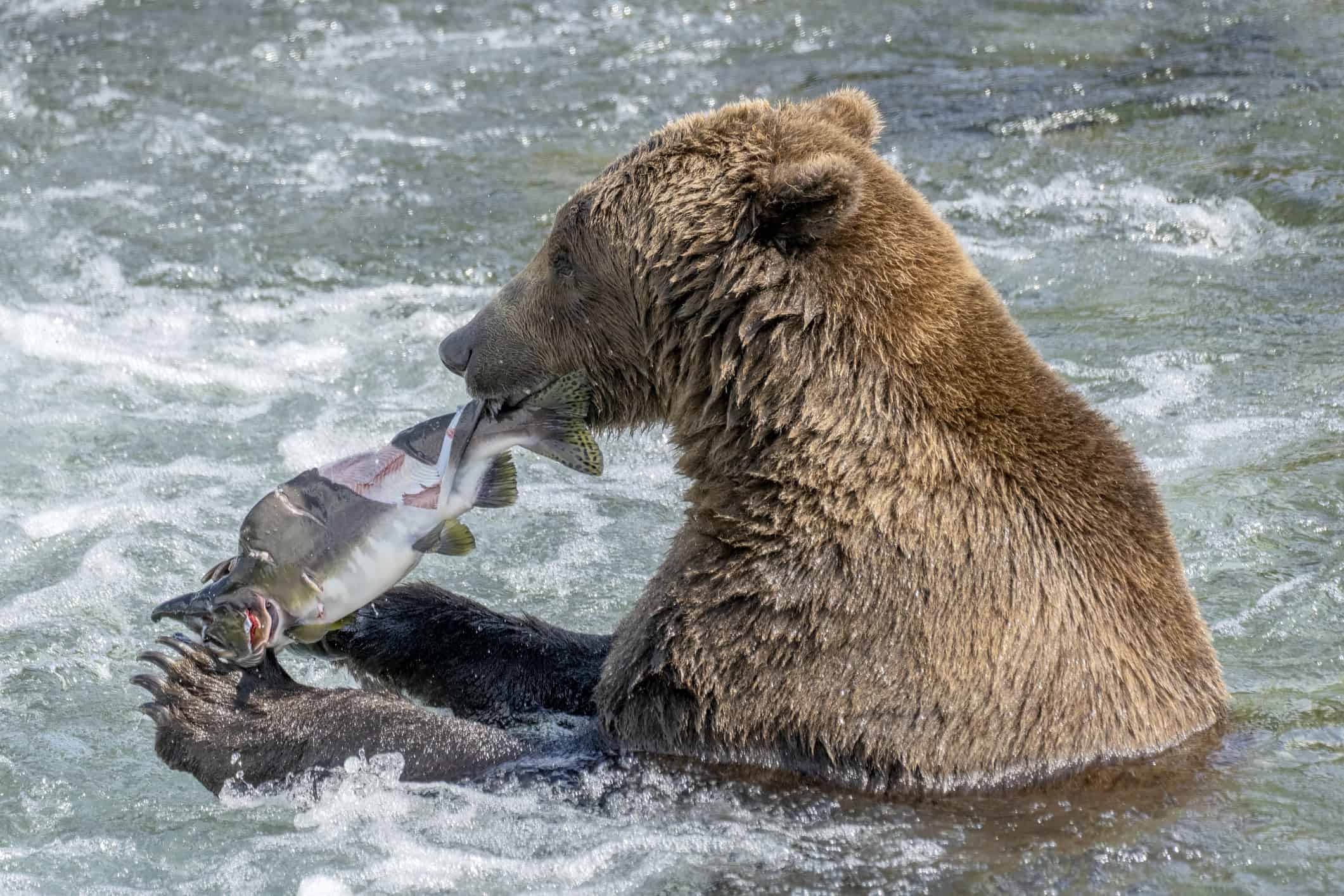
Adult Kodiak brown bears (Ursus arctosmiddendorffi) are a subspecies of brown bear that only lives in the Kodiak Archipelago in southwest Alaska. These massive bears can weigh up to 1,500 pounds. Despite their large size, Kodiak bears are omnivorous, with a diet that is primarily salmon, grass, berries, and plants. Kodiak bears eat about 50 pounds of food per day during the spring. However, during the summer and fall when they are preparing for hibernation, Kodiak bears can consume up to 90 pounds of food a day.
11. Hippo
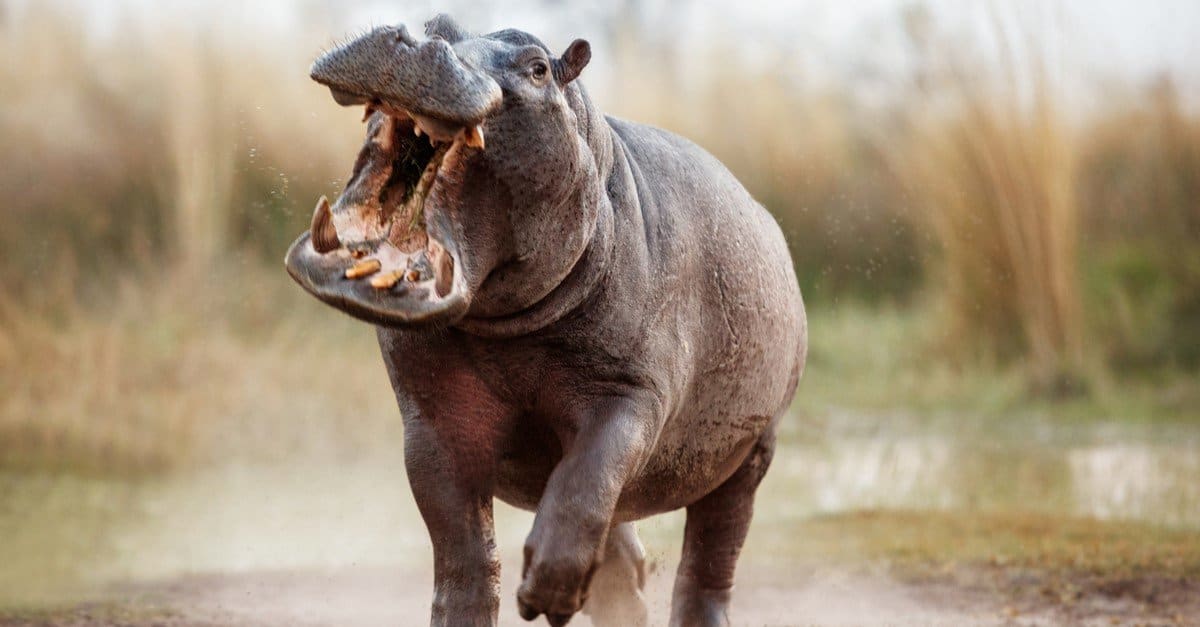
Hippos can survive for weeks without food due to low metabolic rates and slow digestion.
©PhotocechCZ/Shutterstock.com
The hippo is among the largest land animals, weighing up to 4,552 pounds in the wild and 9,900 pounds in captivity. Although they are semi-aquatic, hippos forage and graze exclusively on land. Hippos spend as much as 5-6 hours a night eating. Although they consume between 55-88 pounds of food daily, that is only about 1%-1.5% of a hippo’s body weight. Their slow digestive processes and low metabolic rates allow them to go without food for several weeks at a time when resources are scarce.
10. Rhinoceros
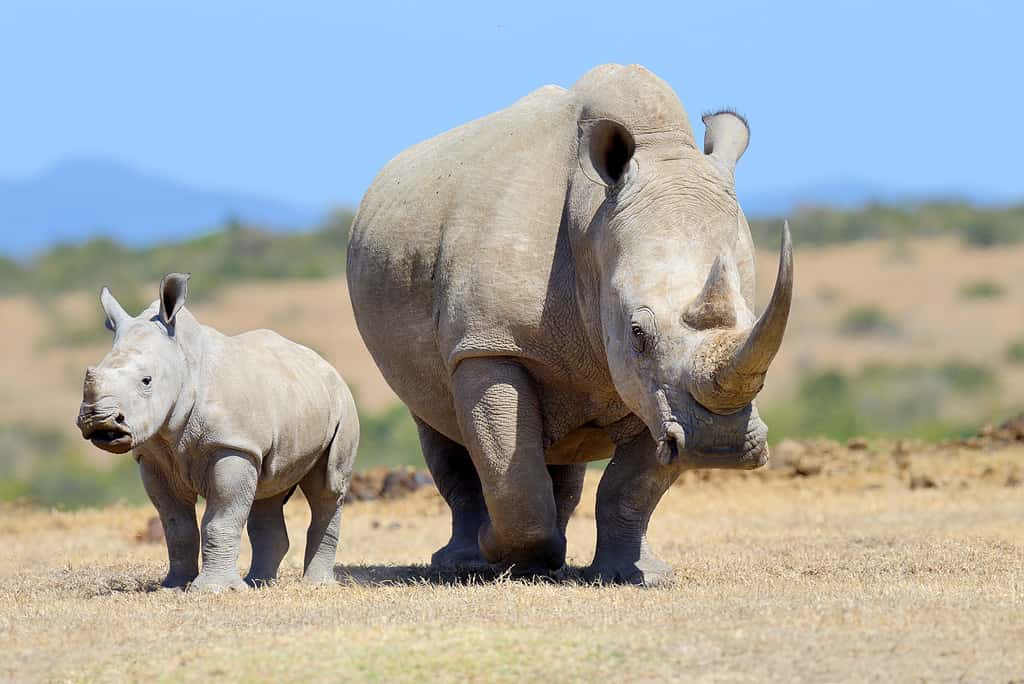
Half of the time a white rhino is awake is spent grazing and eating.
©Volodymyr Burdiak/Shutterstock.com
Rhinos (Ceratotherium simum) are the second-largest land animals after elephants. The largest subspecies, the African white rhino, is a herbivorous grazer that can weigh over 5,000 pounds. These rhinos require up to 120 pounds of grass and leaves per day, which is about 2% of their body weight. They are said to spend around half of their waking hours grazing and eating.
9. Elephant Seal
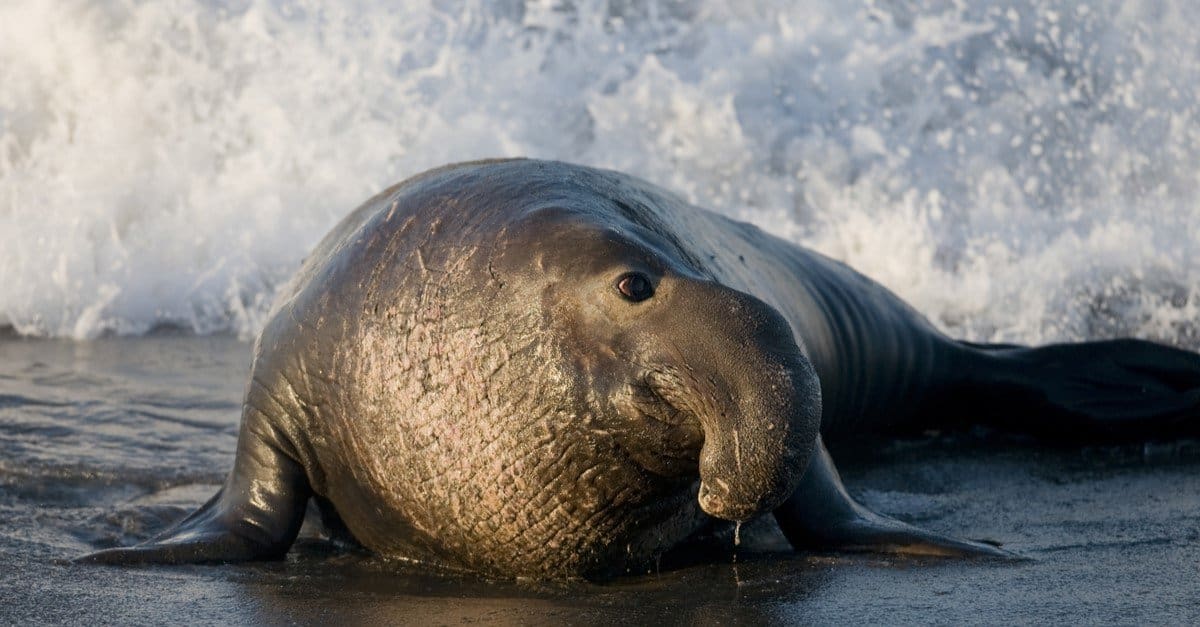
An elephant seal can eat up to 200 pounds of food each day.
©creativex/Shutterstock.com
Elephant seals (Mirounga) are the largest seals on Earth, with northern elephant seals weighing up to 5,000 pounds and southern elephant seals weighing up to 8,800 pounds. These seals mainly eat squid, octopus, and fish, regularly diving to depths of over 1,500 feet to hunt. Although some elephant seals are picky eaters, researchers believe they can eat up to 200 pounds of food per day.
8. African Elephant
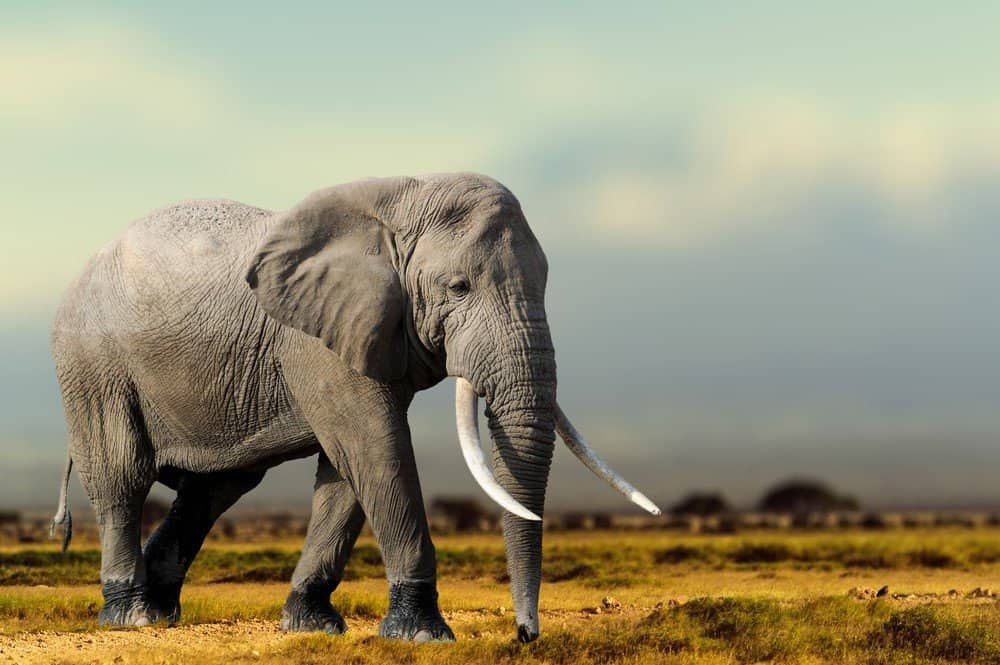
Male African elephants in the wild weigh up to 14,000 pounds.
©Volodymyr Burdiak/Shutterstock.com
Although African elephants (Loxodonta africana) only eat up to 2% of their body weight daily, their massive size means they require a substantial amount of food. They are said to have the largest daily food intake of all land herbivores. African elephants in the wild have been found to weigh up to 14,000 pounds. They generally consume between 100 and 400 pounds of trees, shrubs, grasses, and other plants, spending as much as 16 hours a day foraging and eating.
7. Black-Footed Cat
©iStock.com/slowmotiongli
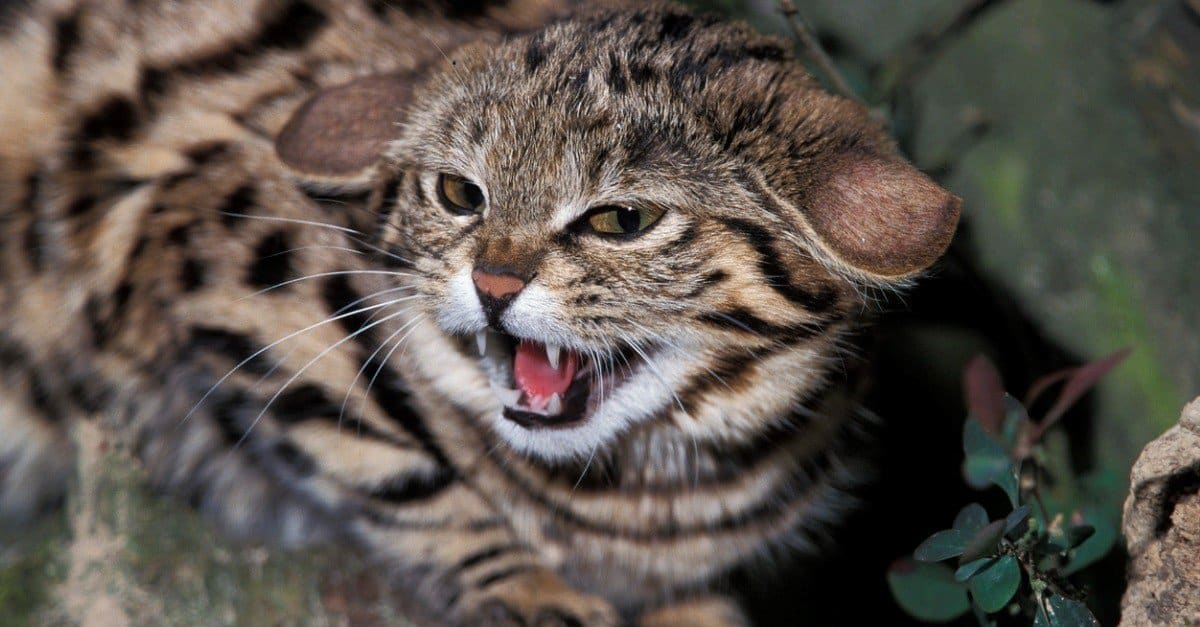
Black-footed cats (Felis nigripes) are the smallest felines in Africa and some of the smallest wild cats on the planet. They are smaller than most domestic house cats at just over 2 feet long, including the tail, and only 5.5 pounds. Black-footed cats can eat up to 20% of their body weight daily, which equals up to 14 birds, rodents, or invertebrates each night. One small black-footed cat is said to be able to eat 3,000 rodents a year.
6. Chickadee
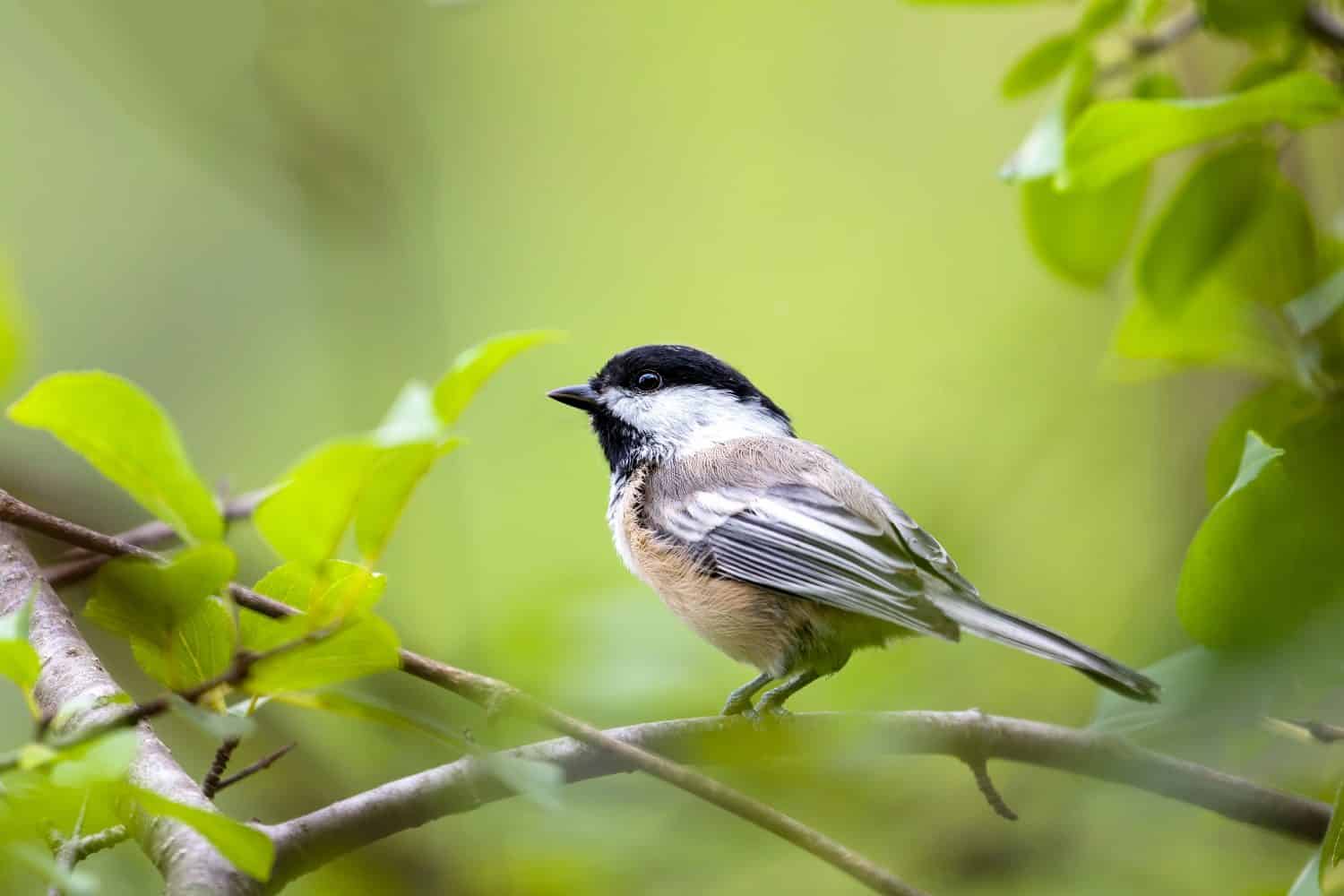
Chickadees can eat up to 60% of their body weight per day during the winter.
©Manu M Nair/Shutterstock.com
The black-capped chickadee (Parus atricapillus) is a small North American bird about 5.9 inches in length with a wingspan of about 8.3 inches. It only weighs up to 0.5 ounces, but it has a high metabolic rate for its size. A chickadee can eat up to 35% of its body weight per day in the warmer months, primarily in insects and spiders. During the winter, studies have shown it requires up to 60% of its body weight in food to survive the cold.
5. Desert Locust

A large swarm of desert locusts can contain 40-80 million individual members.
©Revilo Lessen/Shutterstock.com
Next is an insect well-known for wreaking havoc on vegetation. The desert locust (Schistocerca gregaria) is located in northern Africa, the Middle East, and Asia. This insect is capable of eating its body weight in plant matter per day, which is about 0.07 ounces. With each insect eating its own weight, a large swarm of locusts can consume about 423 million pounds of food every day.
4. Pygmy Shrew
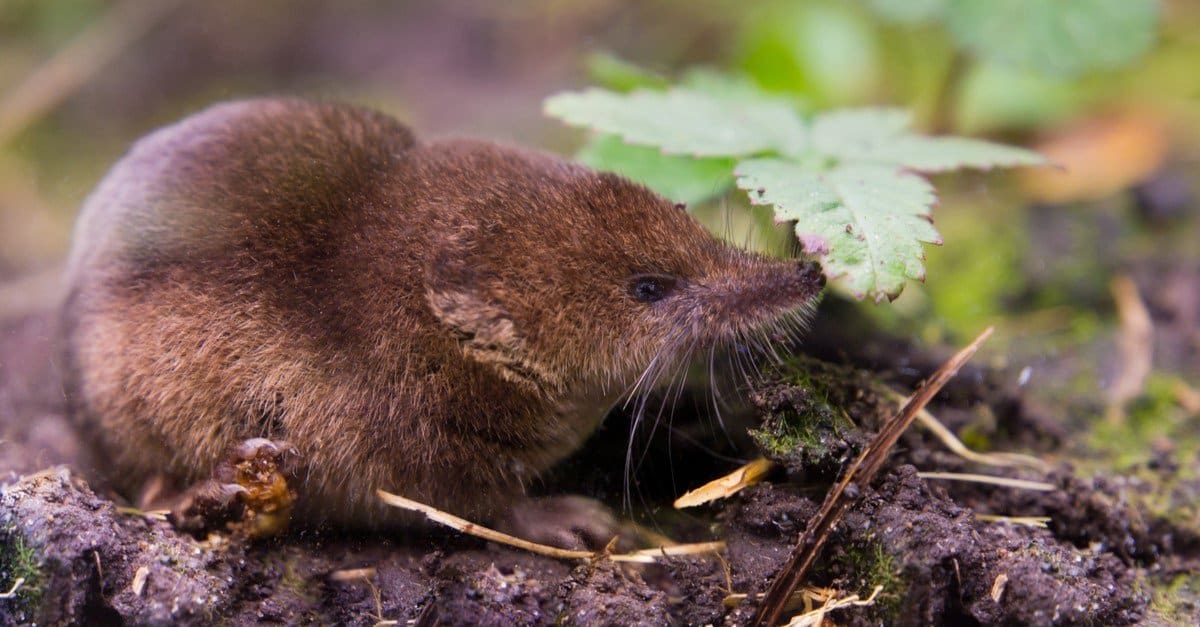
Pygmy shrews have one of the fastest metabolisms in the animal kingdom.
©iStock.com/CreativeNature_nl
Another surprise on our list of animals with the largest appetites is the pygmy shrew (Sorex minutus). Pygmy shrews are some of the smallest mammals on Earth, reaching about 3.5 inches long and weighing only 0.11 ounces. The pygmy shrew’s small mass results in rapid heat loss, a high metabolic rate, and an enormous appetite. It requires at least 125% of its body weight in insects, spiders, and other small invertebrates each day. Pygmy shrews must eat about every 2-3 hours to survive.
3. Ruby-Throated Hummingbird
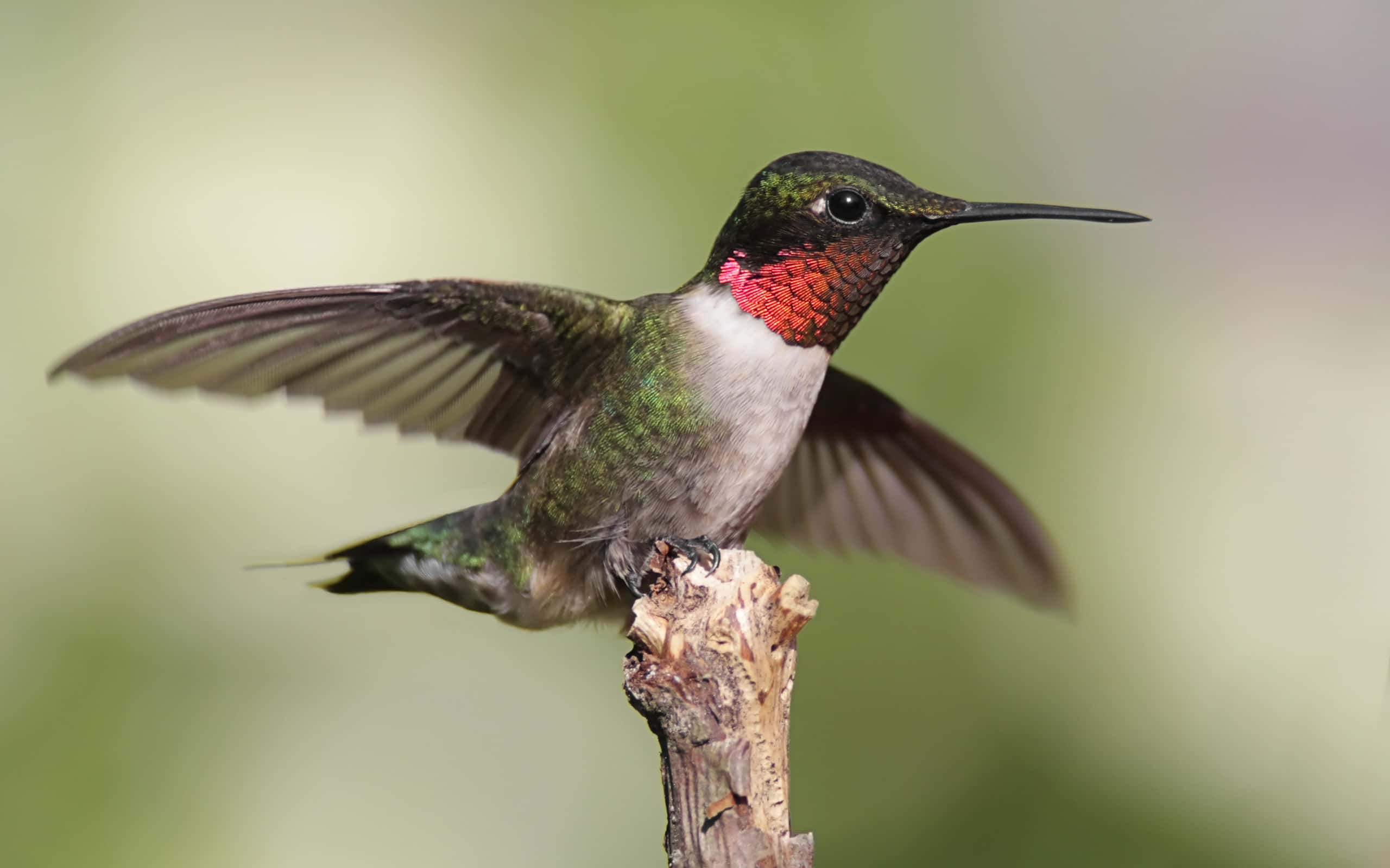
The ruby-throated hummingbird must eat about every 10-15 minutes.
©Steve Byland/ via Getty Images
Ruby-throated hummingbirds (Archilochus colubris) are some of the smallest birds in North America. They only grow as long as 3.5 inches, with wingspans of up to 4.3 inches. They weigh just 0.18 ounces. Despite their small size, ruby-throated hummingbirds can eat twice their weight in nectar and small insects daily. Hummingbirds have the highest metabolisms relative to their body size in the animal kingdom and must eat every 10-15 minutes. To keep their wings flapping at an incredible 80 times per second, they require the human equivalent of 150,000 calories a day.
2. Polyphemus Moth
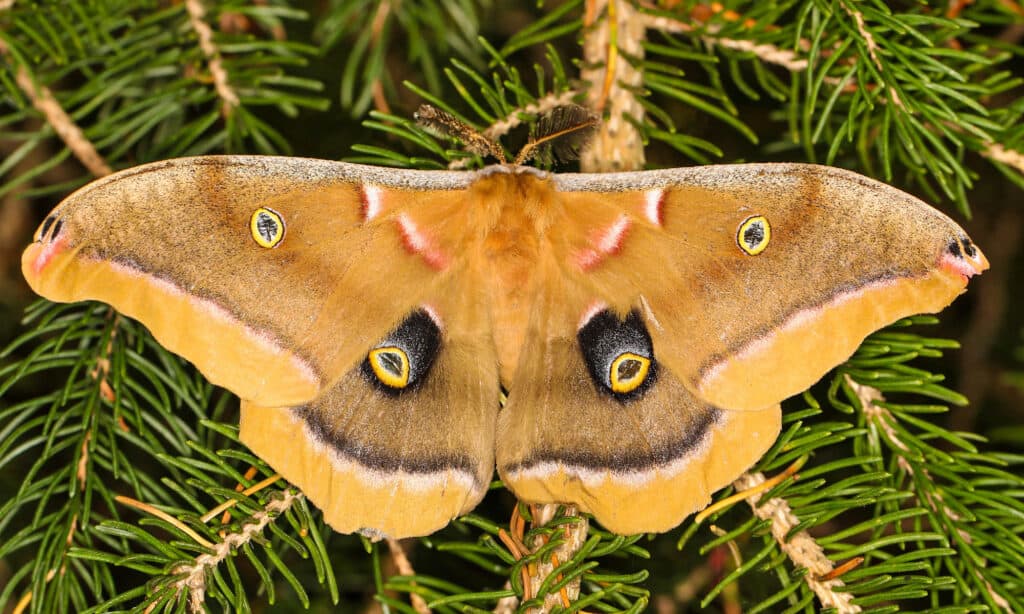
Only polyphemus moth caterpillars eat, as adults lack mouthparts.
©iStock.com/BrianLasenby
The polyphemus moth (Antheraea polyphemus) might not be the first animal that comes to mind when you think of big appetites. However, the caterpillars of the polyphemus moth hold the world record for eating more food relative to their body weight than any other animal on Earth. Adult polyphemus moths cannot eat because they lack mouthparts, but the caterpillars can consume 86,000 times their birth weight in deciduous trees and shrubs during their first 56 days.
1. Blue Whale
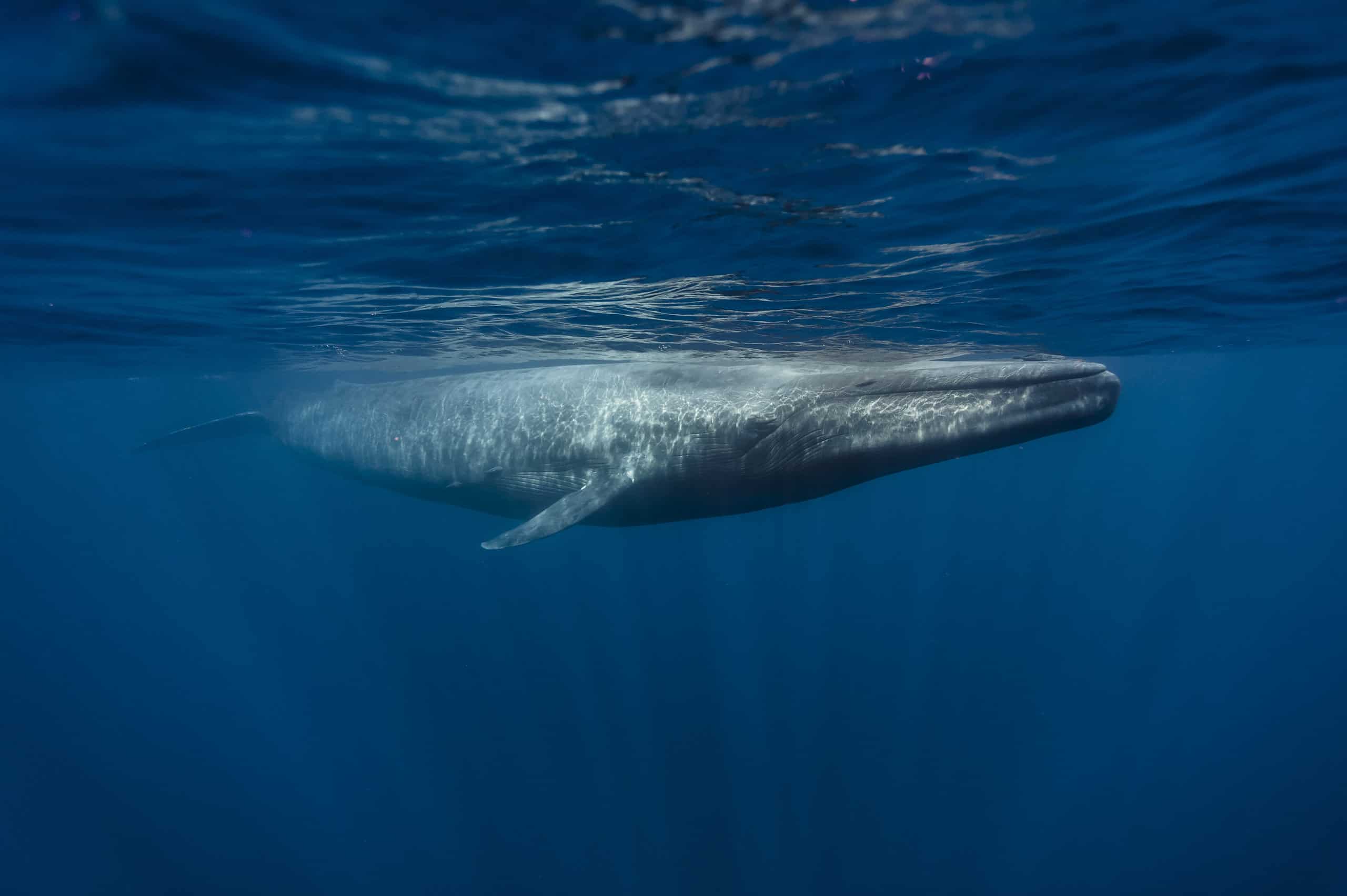
The blue whale’s diet consists almost entirely of krill.
©Andrew Sutton/Shutterstock.com
The largest animal to ever live on Earth also has one of the largest appetites known to science. Blue whales (Balaenoptera musculus) can reach from 80-110 feet long and weigh up to 150 tons. To maintain the energy levels required by such a large body, the blue whale consumes 16-20 tons, or 32,000-40,000 pounds, of krill per day. That amount is in the range of 20-50 million calories, which is equivalent to eating 70,000-80,000 Big Macs every day.