N S W E
Wildlife Expeditions

Wildlife of
Monaco

Monaco's wildlife appeal is concentrated offshore-visitors come for unexpectedly rich Mediterranean marine life, seasonal dolphin and whale sightings, and the principality's outsized influence on ocean science and conservation.
14 Species
2.02 km² Land Area
Overview

About Monaco

Despite its tiny size and famously urban coastline, Monaco retains a distinctive natural heritage tied to the Mediterranean Sea. On land, biodiversity is limited to pockets of landscaped gardens, rocky outcrops, and small green spaces that support common coastal birds and hardy Mediterranean flora. The real wildlife story begins at the waterline: Monaco sits on a productive stretch of the Ligurian Sea where clear waters, steep underwater topography, and currents can concentrate life close to shore.

Monaco's key ecosystems are marine and nearshore. Seagrass meadows (Posidonia oceanica)-a cornerstone habitat of the Mediterranean-provide nursery grounds for fish and invertebrates, stabilize sediments, and store "blue carbon." Rocky reefs and artificial structures add habitat complexity that attracts schooling fish and supports diverse invertebrate communities. Offshore, the broader Ligurian Sea is part of a region known for cetaceans; in the right season and conditions, boat trips can encounter dolphins and, farther out, large whales that follow prey-rich waters.

What makes Monaco uniquely compelling for wildlife enthusiasts is the contrast: a high-density microstate where meaningful nature experiences are largely marine, accessed via short excursions from a glamorous harbor. Monaco also plays an outsized role in global ocean stewardship through marine research, public education, and support for Mediterranean conservation initiatives-helping elevate issues like cetacean protection, sustainable fisheries, and habitat restoration well beyond its borders. For visitors, it's a place to combine urban culture with focused, conservation-minded encounters with the living Mediterranean.

Physical Features

Geography

Monaco's extremely small size and dense urban development leave very limited terrestrial habitat, so wildlife distribution is driven mainly by the narrow Mediterranean coastline, steep coastal slopes, and adjacent nearshore marine waters. Most local biodiversity occurs in marine and coastal environments (rocky shores, small beaches, seagrass beds), while terrestrial fauna relies on fragmented pockets of greenery (parks, gardens) and connectivity with surrounding French habitats for movement and recolonization.

2.02 km² Land Area
One of the smallest countries on Earth (2nd smallest after Vatican City); about the size of a large urban neighborhood (~0.8 sq mi). Size Rank

Key Landscapes

  • Mediterranean coastline (rocky shorelines, small beaches, seawalls)
  • Nearshore marine waters and shallow coastal zone (core habitat for fish, invertebrates, seabirds)
  • Steep coastal slopes/cliffs and terraced terrain (limits continuous habitat; favors cliff/ledge users and edge species)
  • Artificial harbor and engineered shoreline (urban marine habitat with different species composition than natural shores)
  • Small urban green spaces (parks, gardens, tree-lined streets) acting as habitat fragments and stopover sites for birds and insects
  • Submerged seagrass beds (notably Posidonia oceanica where present nearby) important for nursery habitat and coastal productivity

Ecoregions

  • Terrestrial (WWF biome context): Mediterranean forests, woodlands & scrub (Mediterranean sclerophyllous vegetation along the French-Italian Riviera; in Monaco largely replaced by urban land cover)
  • Marine (regional ecological zone): Mediterranean Sea-Ligurian/Provençal coastal waters (nearshore Mediterranean marine communities; often treated as the Ligurian Sea marine ecoregion in marine biogeographic schemes)
Parks & Reserves

Protected Areas

Monaco has no national parks and very little remaining natural land due to its dense urban footprint. Biodiversity conservation is therefore concentrated in (1) a small, strictly managed coastal marine reserve at Larvotto and (2) participation in large, regional Mediterranean conservation frameworks-most notably the Pelagos Sanctuary for marine mammals. On land, Monaco's contribution to habitat conservation is mostly through municipal green-space management (gardens/parks on cliffs and reclaimed land) that can support migratory birds, pollinators, bats, and common Mediterranean urban wildlife, but these sites are generally not "formal protected areas" in the national-park sense.

Protected Coverage

Terrestrial land under formal protection is negligible (approximately <1%, effectively ~0% in many global datasets). Monaco's most meaningful protection is in the marine realm (Larvotto marine reserve) and via the internationally designated Pelagos Sanctuary (covering a vast offshore area shared with France and Italy, not limited to Monaco's tiny coastline).

Notable Parks & Reserves

Larvotto Underwater Reserve

Marine Reserve (locally managed no-take/regulated area; Monaco)

Monaco's flagship conservation area protects nearshore rocky reefs and seagrass habitats and is notable for relatively high fish abundance and visibility compared with adjacent urbanized coastline. It supports coastal nursery habitat and helps protect sensitive Mediterranean seagrass communities.

Posidonia seagrass (Neptune grass)
Dusky grouper
White seabream
Common octopus
Mediterranean moray
Salema porgy

Pelagos Sanctuary (Pelagos Sanctuary for Marine Mammals)

International Marine Mammal Sanctuary; SPAMI (Specially Protected Area of Mediterranean Importance)

A large transboundary sanctuary in the northwestern Mediterranean that protects critical feeding and migration habitat for whales and dolphins; Monaco is one of the three signatory states. It is one of the most important cetacean conservation areas in the Mediterranean and a key place for responsible whale watching and research.

Fin whale
Fin whale
Sperm whale
Sperm whale
Striped dolphin
Common bottlenose dolphin
Risso's dolphin
Cuvier's beaked whale

Saint-Martin Gardens (coastal cliff gardens)

Municipal park / urban green space (biodiversity value; not a national protected area category)

These cliffside gardens provide a rare vegetated coastal corridor in Monaco and can be a useful stopover/foraging area for migrating birds and urban-adapted Mediterranean wildlife. The sea-facing cliffs also create microhabitats for reptiles and invertebrates.

Yellow-legged gull
Pallid swift
Black redstart
Common wall lizard
Mediterranean house gecko
European green toad

Exotic Garden of Monaco

Botanical garden / managed urban habitat (not a national protected area category)

While primarily a botanical collection, the garden's rock slopes and diverse planting create habitat structure that supports pollinators, small reptiles, and roosting/foraging opportunities for bats. It also plays an outreach role for native and Mediterranean plant awareness.

Common wall lizard
Mediterranean house gecko
European green toad
Painted lady butterfly
European honey bee
European honey bee
Common pipistrelle (bat)

Fontvieille Park

Municipal public park (urban green space; not a national protected-area designation)

A public landscaped park in Monaco's Fontvieille district, created on land reclaimed from the sea. It features a pond and gardens and sits next to the Princess Grace Rose Garden.

Animals

Wildlife

Monaco's wildlife diversity is shaped by its very small size and highly urbanized land area. Most "signature" biodiversity is coastal and marine: Mediterranean seabirds overhead, marine turtles, and seasonal cetaceans offshore. On land, wildlife is limited to adaptable urban/coastal species (small mammals, bats, reptiles), with birdlife boosted by migration along the French/Italian Riviera and by rocky shoreline habitat. The best nature-viewing is typically along the coast (e.g., Larvotto area) and from boats offshore, including within/near the Pelagos Sanctuary for Mediterranean Marine Mammals.

~20-30 (many are bats; plus occasional/seasonal marine mammals such as dolphins and whales offshore) Mammals
~150-200 recorded (strongly influenced by migrants and seabirds along the coast) Birds
~8-12 (mainly common Mediterranean coastal/urban reptiles) Reptiles
~2-5 (limited by scarce freshwater habitats) Amphibians

Iconic Species

Fin Whale
Fin Whale The largest animal regularly occurring in the region; Monaco sits adjacent to the Pelagos Sanctuary where fin whales feed seasonally. Sightings are typically offshore during productive periods when krill and small schooling fish are abundant.
Striped Dolphin One of the most frequently encountered dolphins in the Ligurian Sea. Often seen in groups during boat trips offshore, making it a defining marine-wildlife experience linked to Monaco's coastal setting.
Common Bottlenose Dolphin
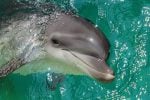
Common Bottlenose Dolphin A charismatic coastal dolphin that may be seen closer to shore than many other cetaceans. It's emblematic of Monaco's Mediterranean waters and is a focal species for regional marine conservation messaging.
Sperm Whale
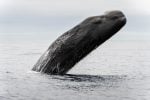
Sperm Whale An iconic deep-diving whale of the Pelagos area; sightings are more sporadic than dolphins but highly sought-after on offshore excursions into deeper waters.
Loggerhead Sea Turtle The most likely sea turtle to be encountered in the northwest Mediterranean. Individuals may appear near the coast or offshore; it's notable due to conservation concern and the region's efforts to reduce bycatch and marine litter impacts.
Yellow-legged Gull The most conspicuous coastal bird in and around Monaco, commonly seen along the shoreline, harbors, and rooftops. While widespread, it strongly defines the everyday urban-coastal wildlife scene.
Scopoli's Shearwater A characteristic Mediterranean pelagic seabird that can be seen offshore, especially during the breeding season and migration. Its gliding flight over open water is a hallmark of boat-based wildlife watching in the region.
Peregrine Falcon
Peregrine Falcon A dramatic raptor that can use cliffs and tall structures for nesting/roosting in the broader Riviera landscape. When present, it's a top urban-wildlife highlight due to its speed and visibility over the coastline.

Endemic Species

None (no true country-endemic terrestrial vertebrates) Monaco's microstate size and heavily modified landscapes mean there are no widely recognized vertebrate species endemic to Monaco. Wildlife is largely shared with the surrounding Provence-Ligurian Mediterranean region; distinctiveness comes from the marine setting and protected-sea context rather than endemism. Endemic

Notable Populations

  • Monaco lies adjacent to (and is closely associated with) the Pelagos Sanctuary for Mediterranean Marine Mammals, a globally important hotspot for fin whales, striped dolphins, and other cetaceans in the northwest Mediterranean.
  • Seasonal cetacean presence offshore (notably fin whales and dolphins) is the most globally significant element of Monaco's wildlife experience, compared with its limited terrestrial habitats.
Protection

Conservation

Primary Threats

  • Nearly the entire territory is built-up, leaving minimal space for native terrestrial habitats and creating strong edge effects (light/noise, heat island, limited connectivity) on remaining green pockets and coastal margins.
  • Harbors, coastal defenses, and land-reclamation/shoreline engineering associated with ports and high-value real estate alter nearshore hydrodynamics and seabed conditions, potentially impacting rocky shore communities and seagrass beds.
  • Marine pollution risks include stormwater runoff from dense urban surfaces (hydrocarbons, metals), episodic sewage/combined overflow issues typical of dense coastal cities, and chronic inputs from boating (fuel spills, antifouling paint biocides, microplastics). Litter and microplastics are amplified by intense tourism and yachting activity.
  • Mediterranean warming increases marine heatwaves that stress seagrass (Posidonia) and shift species distributions; sea-level rise and stronger storm impacts increase pressure for hard coastal protection; ocean acidification affects calcifying organisms in nearshore ecosystems.
  • High-density tourism and yachting increase underwater noise, physical disturbance to shallow habitats (trampling on rocky shores, diver/snorkeler pressure), and wildlife disturbance from vessel presence in adjacent waters.
  • While Monaco's direct fishing footprint is small, its adjacent waters are part of heavily exploited Mediterranean/Ligurian Sea fisheries, affecting local food webs and the availability of prey for top predators (including cetaceans in the broader area).
  • Regional depletion of marine resources (fish and invertebrates) and extraction pressures in the wider Mediterranean can indirectly reduce biodiversity and ecosystem resilience in Monaco-adjacent waters.
  • Non-native marine species can arrive via hull fouling and ballast water from frequent yacht and shipping traffic; establishment is facilitated by warming waters and artificial harbor habitats.
  • Coastal modification (armoring, marina management, dredging/maintenance) changes sediment dynamics and habitat structure, potentially degrading nursery areas and sensitive benthic communities such as seagrass meadows.
Visit

Wildlife Tourism

Monaco's wildlife tourism is small-scale but surprisingly rewarding-focused almost entirely on the Mediterranean marine environment and a few high-quality urban/coastal nature experiences. Economically, it's a niche complement to Monaco's dominant luxury/events economy, adding value through eco-excursions, diving, and ocean-education attractions (notably the Oceanographic Museum) rather than big-ticket "safari" tourism. Historically, Monaco has an outsized role in marine science and conservation (Prince Albert I's oceanographic legacy), which shapes today's visitor experiences: curated museum exhibits, citizen-science style outings, and responsible boating/diving. Accessibility is excellent: visitors can base in Monaco and reach marine wildlife sites within minutes by foot to the harbor; nearby French Riviera waters are also easily accessed for boat trips, snorkeling, and dives. Expect a "micro-safari" feel-short travel times, guided interpretation, and wildlife that rewards patience (dolphins offshore, seabirds along the coast, seasonal pelagic life).

Best Time to Visit

Year-round coastal nature with strong seasonality offshore.

- March-May (spring): Best all-around for comfortable sea conditions and active coastal wildlife. Look for migrating seabirds (gulls, terns), increased fish activity in clearening waters, and early-season dolphin encounters on longer boat runs.
- June-August (summer): Warm water + peak visibility for snorkeling/diving. Expect abundant reef fish, octopus, schooling fish, and lively harbor/coastal ecosystems. Offshore boat trips can still produce dolphins; go early morning for calmer seas.
- September-October (early autumn): Often the sweet spot-warm water, fewer crowds, and excellent underwater visibility. Great for snorkeling/diving, pelagic fish sightings, and seabird movement.
- November-February (winter): Cooler, rougher seas but rewarding for storm-driven seabird watching and dramatic coastal conditions. On calm days, boat-based dolphin searches can still succeed; bring warm layers and plan flexible dates around weather windows.

Top Wildlife Experiences

  • Take a half-day marine wildlife-spotting cruise from Port Hercule, scanning for dolphins offshore and seabirds along the headlands (ask operators about low-speed approaches and wildlife codes of conduct).
  • Snorkel the clear coastal shallows on a guided "Mediterranean reef safari," focusing on identification of bream, wrasse, damselfish, and octopus-best in summer and early autumn.
  • Book a beginner-friendly scuba dive (or refresher) on nearby Riviera sites and learn to spot classic Mediterranean species-moray eels, groupers (where present), nudibranchs, and cephalopods-while practicing low-impact buoyancy.
  • Visit the Oceanographic Museum of Monaco with a wildlife-planning mindset: use it as an orientation hub to learn local species, seasonal cycles, and conservation issues before heading out on the water.
  • Do a sunrise or sunset coastal birding walk along the Monaco waterfront and adjacent viewpoints to watch gulls, cormorants, terns, and migratory passerines (spring/autumn), with the best light for photography.
  • Join a responsible paddleboard or kayak session in calm conditions to quietly observe nearshore fish and marine birds without engine noise (stick to marked routes and avoid sensitive areas).
  • Try a night dive or guided nocturnal snorkel (where offered nearby) to see the Mediterranean shift gears-hunting cuttlefish, octopus activity, and different reef behavior after dark.
  • Plan a "Riviera pelagic day" (Monaco-based) that combines a longer offshore run with wildlife searching and ocean interpretation-best chance for dolphins and open-water birdlife; choose operators that prioritize observation over pursuit.
  • Add a conservation-flavored experience: participate in a beach/harbor-edge micro-litter walk and learn how plastics affect local marine fauna-quick, practical, and impactful even on short trips.

Safari Types Available

  • Boat-based marine wildlife watching (dolphin and seabird cruises)
  • Snorkeling safaris (guided coastal reef interpretation)
  • Scuba diving wildlife experiences (beginner to advanced)
  • Kayak/Paddleboard "silent safaris" in calm nearshore waters
  • Coastal birding walks and migration watching (urban/coastal trails)
  • Museum/aquarium-led wildlife orientation and conservation experiences
  • Citizen-science/eco-activities (seasonal; litter monitoring, wildlife ID-focused outings)
  • Night-time underwater experiences (night dives/snorkels, where available nearby)
Fun Facts

Did You Know?

More than a fifth of Monaco's territory has been created by land reclamation from the sea; recent extensions (e.g., the Portier Cove/Mareterra project) were built with engineered underwater habitats to encourage marine life to recolonize around new seawalls.

You can snorkel in a designated marine reserve steps from one of Europe's most built-up cityscapes: Larvotto's reserve protects rocky reefs and seagrass habitat, including Neptune grass, a slow-growing plant community often called the "lungs" of Mediterranean coastal ecosystems.

Monaco's "wildlife big ticket" is offshore, not on land: the nearby Pelagos zone is one of the Mediterranean's key areas for regular fin whale presence, because currents concentrate plankton/krill that whales feed on.

Because Monaco has no rivers and extremely limited natural land cover, its everyday wild vertebrate fauna is dominated by coastal/urban-tolerant birds and marine species-meaning your best chance of a memorable 'wild Monaco' sighting is often a fish, octopus, or dolphin rather than a land mammal.

Shortest coastline of any sovereign state with a seacoast: Monaco's shoreline is only about 4.1 km long-so nearly all "local wildlife" is concentrated in a very small strip of Mediterranean habitat.

Highest population density of any country (≈19,000 people per km²): Monaco's extreme urban density leaves exceptionally little terrestrial habitat for wild species compared with other nations.

Home country of a founder of the Pelagos Sanctuary-about 87,500 km²-widely cited as the largest protected area in the Mediterranean dedicated to marine mammals (fin whales, sperm whales, dolphins).

A protected area measured in hectares: Monaco's in-country marine protected zone at Larvotto covers about 44 ha, making it a very small MPA-yet it is a formal refuge for coastal Mediterranean species.

The Principality of Monaco is a microstate, and it’s the second-smallest country in the world. As a result, Monaco has far fewer species of animals than most other countries. Less than 100 species of animals live in the country, and many of them are birds or fish. Also, almost 400 species of plants thrive in the region.

The National Animal of Monaco
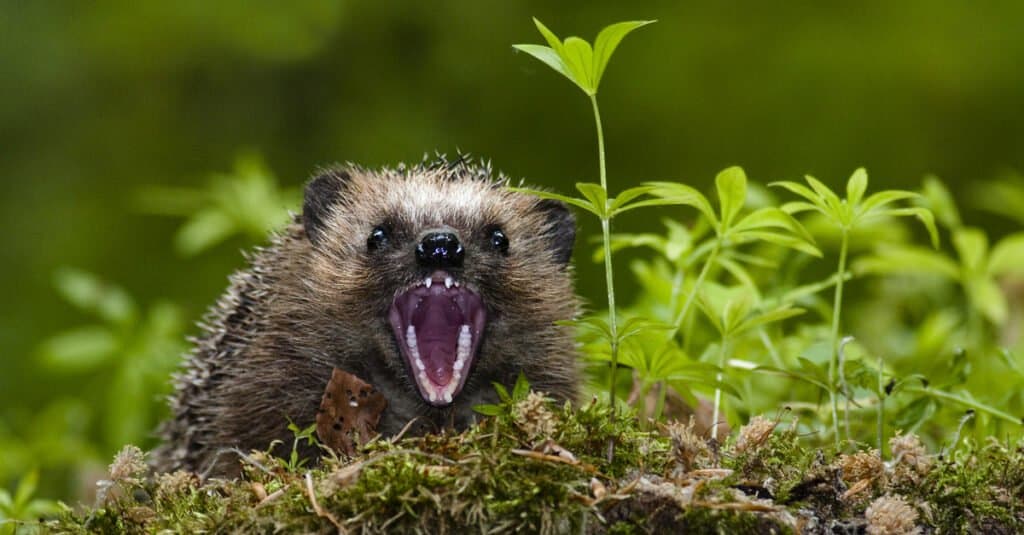
Hedgehog Teeth - In the Woods

Even when trying to look fierce, the hedgehog is still a small, cute mammal.

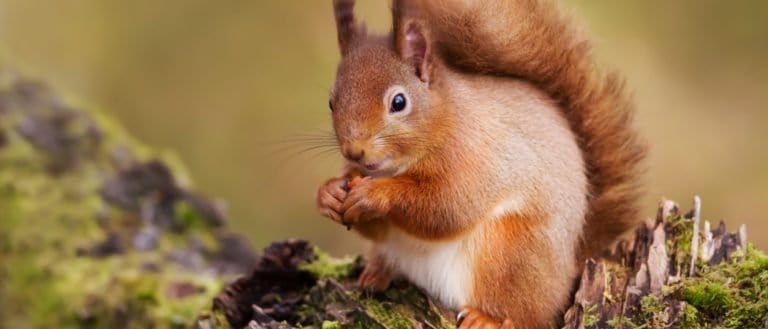
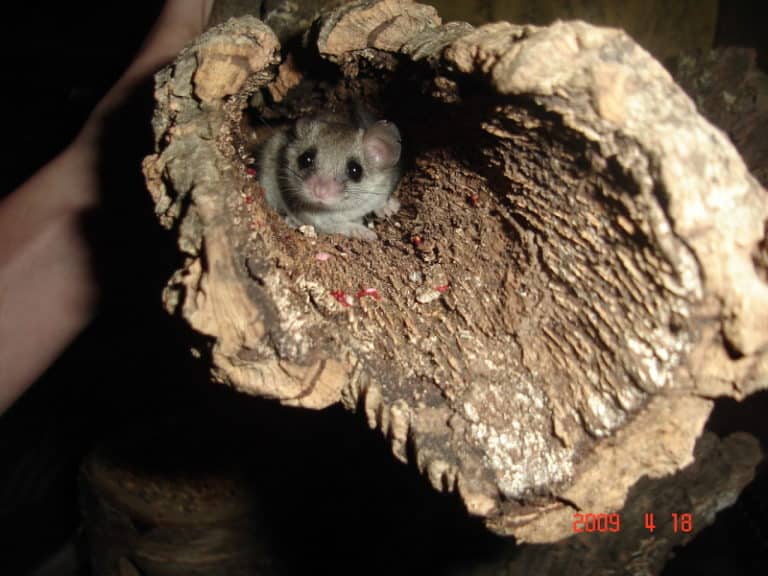
Despite being a small country, it has three national animals. Rather than opt for lions or other dangerous animals, the national animals of Monaco include the wood mouse, the hedgehog, and the rabbit. Interestingly, rabbits are not typically found in this country. Also, only about 10 species of mammals live in the principality, so the national animals represent 20 percent of the mammals that live in the country.

Where to Find Wild Animals in This Country

Monaco is a very small country, but it has a few parks and gardens where people can see animals. The Fontvieille Park and the Princess Grace Rose Garden are two places where visitors can see natural plants and animals from the area. The parks are designed to focus on plants, especially roses, but they naturally attract animals as well. The two parks combine for a total of almost 10 acres.

The Top Zoos in The Principality

While small, Monaco has a zoo. The Zoological Garden of Monaco houses donated animals, recovered, and abandoned animals. The zoo contains about three hundred animals including hippos, turtles, and various exotic birds.

What Are the Most Dangerous Animals in Monaco?
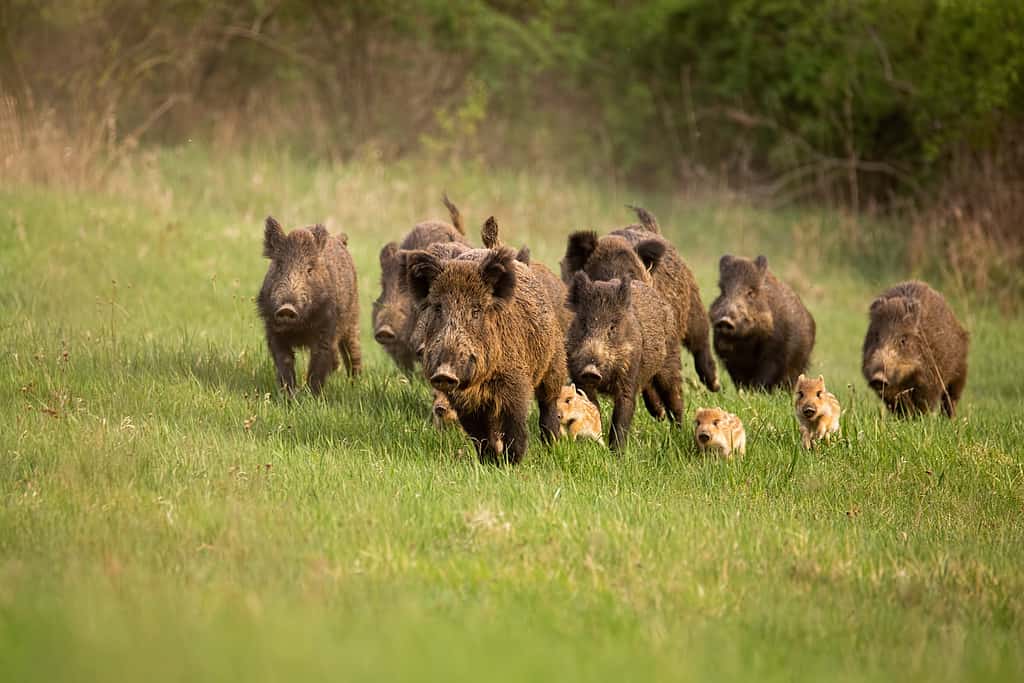
Group of wild boars, feral hogs

Group of wild boars, sus scrofa, running.

Given its proximity to its neighboring countries, Monaco does have a few dangerous animals. However, they’re not necessarily plentiful. Some of the animals to watch out for in Monaco include:

  • Asp vipers– venomous snakes that can deliver a painful, potentially fatal bite.
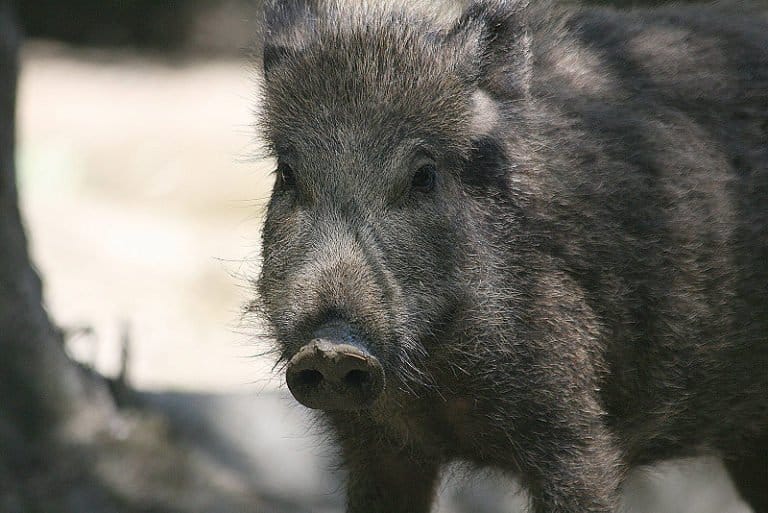
  • Wild boars– large, omnivorous mammals that can pass diseases on to humans while potentially goring them.
  • Brown recluse spider- a venomous spider that can deliver a potent, painful bite to humans and animals.

Few harmful animals live in this small area, but they do exist. Visitors should be aware of the potentially dangerous animals that survive in the region.

Endangered Animals in Monaco
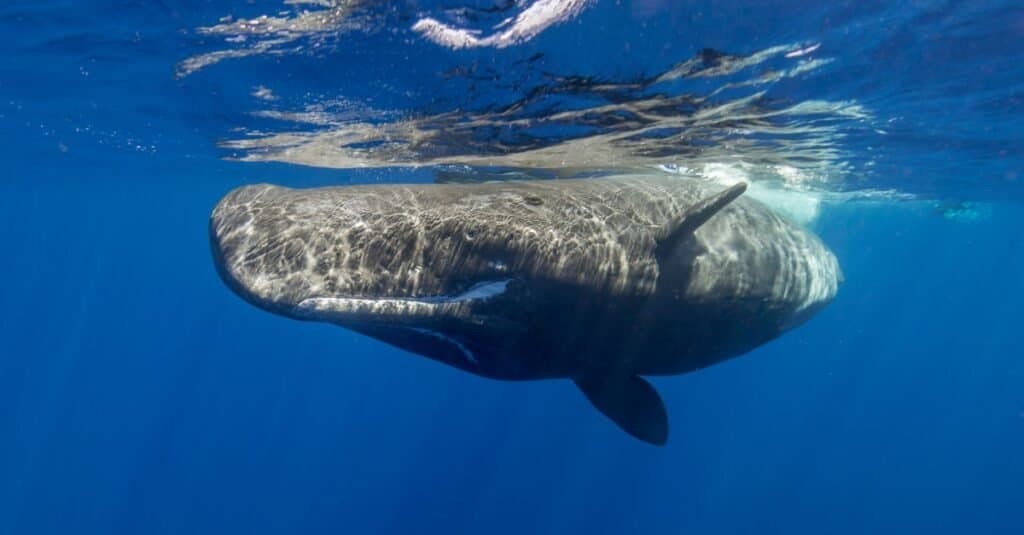
Animals With the Toughest Skin-sperm whale

A Sperm whale in the Indian Ocean, Mauritius. Sperm whales are the largest of all toothed whales and can grow to a maximum length of 52 feet (15.8 m) and weight of 90,000 pounds (40 metric tons).

A few endangered animals inhabit the area in and around Monaco. They include:

  1. Sperm whales
  2. Atlantic Bluefin Tuna
  3. Short-beaked Common Dolphin

The endangered animals in this principality need support to maintain their populations. Without human interventions, these populations could continue to dwindle or disappear entirely.

Animals Found in Monaco

14 species documented in our encyclopedia

Thank you for reading! Have some feedback for us?