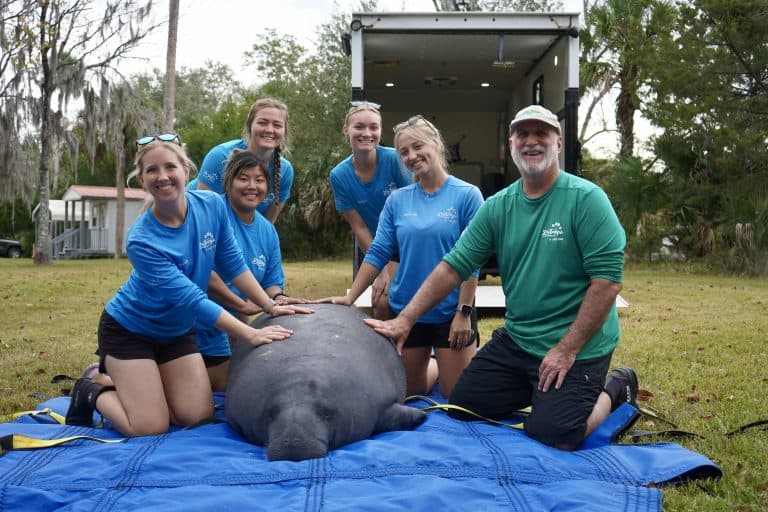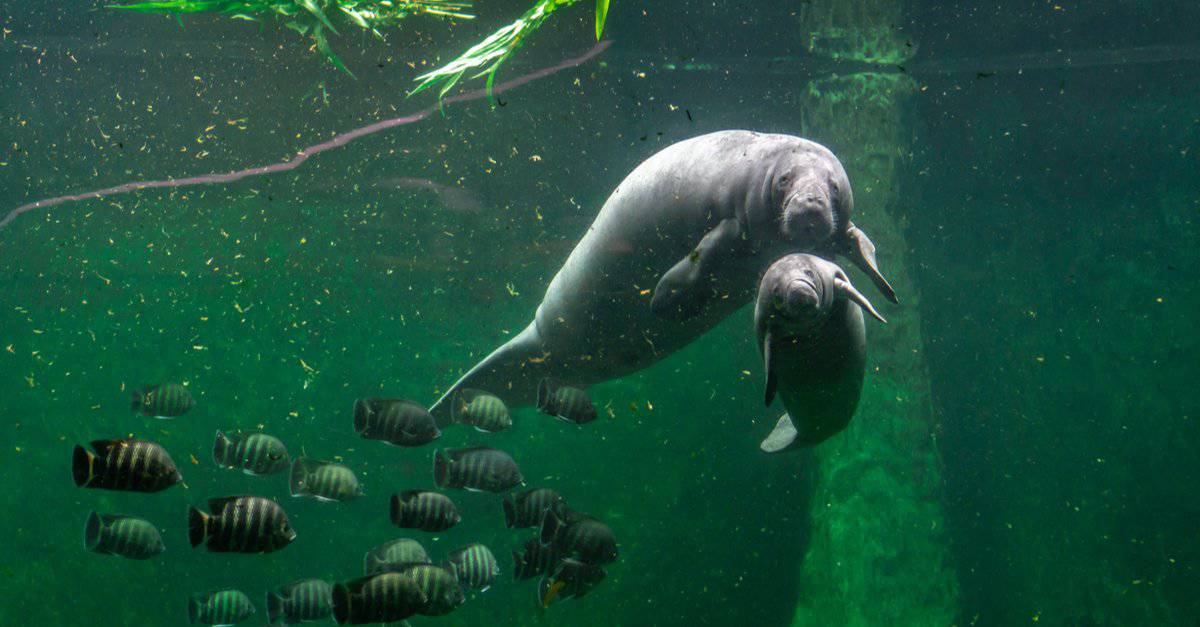

Baby manatees are some of the most amazing aquatic mammals in the world. Did you know that they belong to an exclusive club of only three other mammals for their teeth? Keep reading to learn five astounding facts about the baby sea cow!
1. A Baby Manatee is Called a Calf
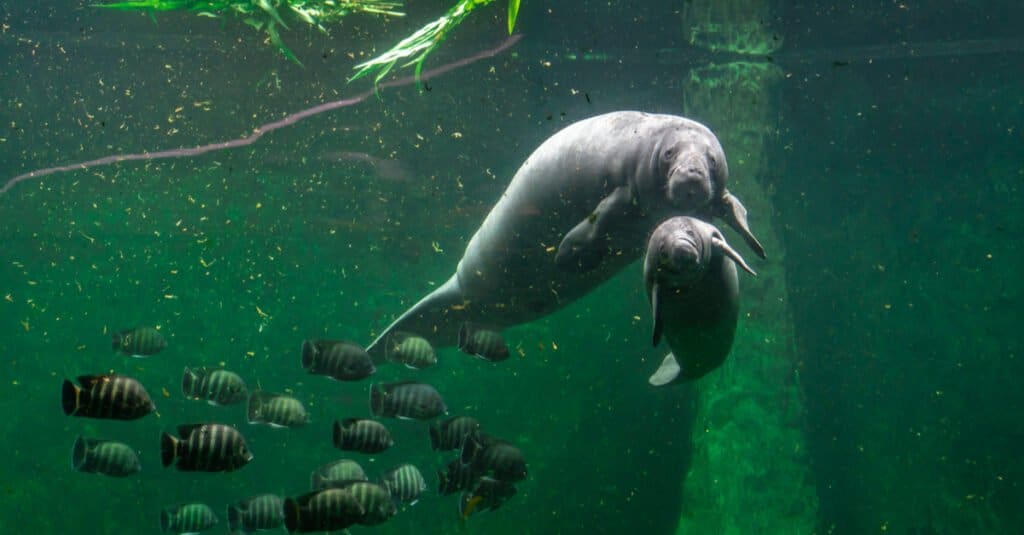
Like baby cows and elk, manatees are also called calves.
©Lukasz Machowczyk/Shutterstock.com
Although the term is more commonly associated with cows, a baby manatee is actually called a calf. They aren’t the only animals called calves, though. In fact, many other mammals share the name, such as elephants, camels, and even elk. Also, a group of manatee calves with their families is called an aggregation.
2. Baby Manatees Lose Their Teeth Many Times
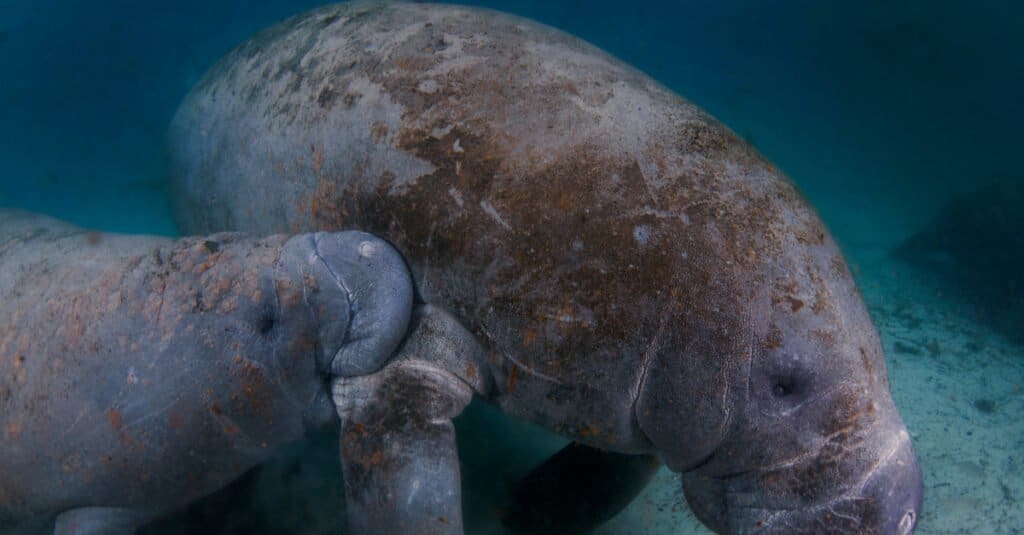
Manatee calves grow new teeth in a conveyor belt-like motion.
©Greg Amptman/Shutterstock.com
It’s no secret that most baby mammals lose their first set of teeth, called baby teeth or milk teeth, to make room for their adult chompers. Baby manatees, however, are one of only three mammals that lose their teeth multiple times throughout their lives to grow new ones. This means that manatees are polyphyodonts.
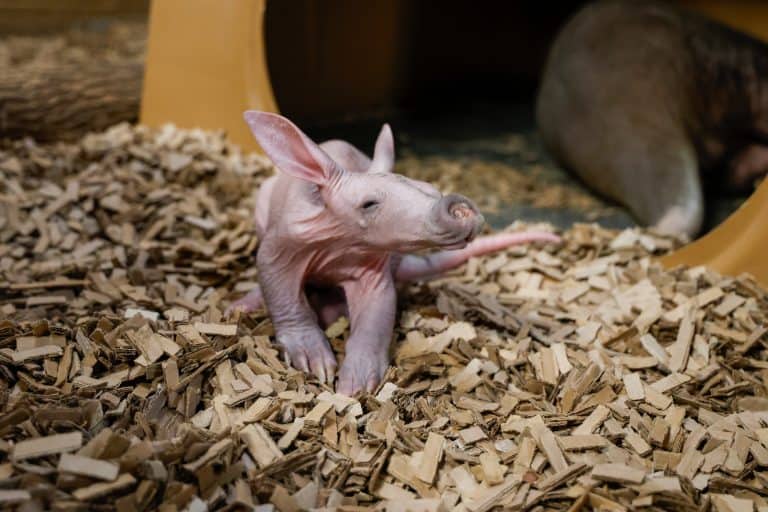
Manatee calves, kangaroos, and elephants are the only mammalian polyphyodonts on the planet. This means that a new set of teeth is constantly growing just behind the current set. When it’s time for a new set to emerge, the old teeth are pushed forward and eventually fall out to make room.
What’s even more interesting about manatee calves’ teeth is that they have no “biting” teeth. This means that they are missing teeth that some other mammals have, such as canines and bicuspids. Instead, all of their teeth are molars, which are made for grinding the aquatic plants they eat. Their teeth move forward about a centimeter each month to sprout new ones at the back.
3. Manatee Calves are Pretty Big
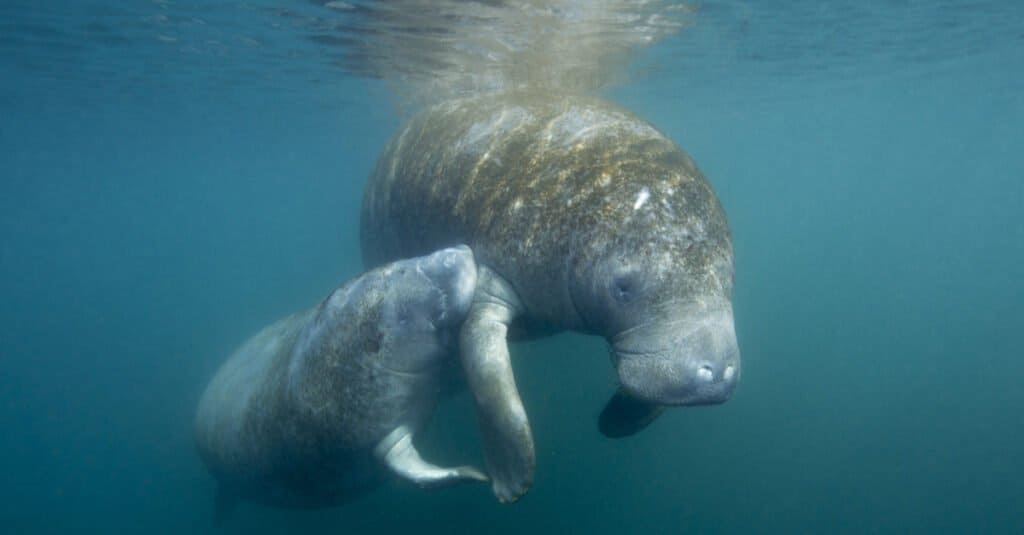
Manatee calves are anything but tiny and weigh about sixty pounds as newborns.
©272007413/Shutterstock.com
Chances are, when you think of the word “baby”, you imagine a tiny, adorable creature. However, manatees aren’t called “sea cows” for nothing. A baby manatee is born weighing an astounding 60+ pounds.
Because of their size as newborns, female manatees typically only give birth to one calf at a time; twin manatee calves are rare. Manatee calves are born underwater after gestating in their mothers’ wombs for about 13 months on average. Then, they stick close to their mothers for around their first two years of life. Female manatees only care for one calf at a time, so they typically reproduce only once every two years, although it may be up to five years in some cases.
Due to their long gestation period, manatee calves aren’t completely helpless at birth. In fact, they can swim to the surface of the water and make sounds quickly after entering the world. Even though adult manatees always travel in a single-file line, mothers and calves swim side-by-side.
4. Manatee Calves Can’t Breathe Underwater
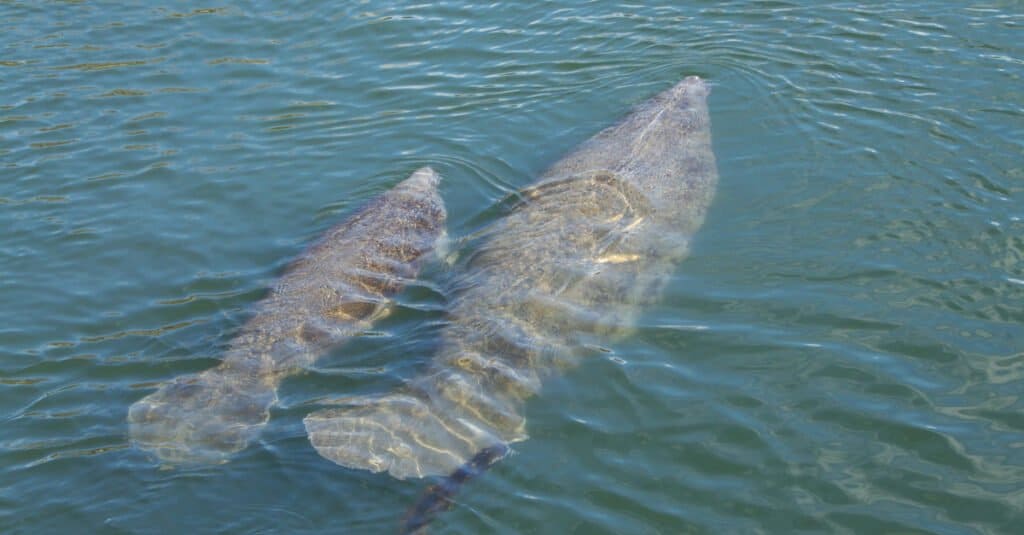
Manatee calves breathe from the surface of the water.
©romarti/Shutterstock.com
Baby manatees make their homes in slow-moving rivers, estuaries, canals, and on coasts. Since they spend so much of their time underwater, it might come as a surprise that they can’t breathe underwater. They lack the gills necessary to extract oxygen from the water, so they must come to the surface for air.
Baby manatees nurse underwater from flaps beside their mothers’ flippers. You might be wondering how in the world a baby manatee nurses without being able to breathe. Luckily, the young mammals can hold their breath for up to twenty minutes before coming up for air. When they’re not nursing, manatee calves come to the surface for air once every few minutes.
Since manatees cannot breathe underwater while sleeping, they have a modified form of sleep to avoid drowning. This means that a manatee is never truly ‘asleep’. Instead, they rely on two great adaptations to rest. Half of the manatee’s brain rests while the other half stays alert. This is unlike humans, where we are able to rest our entire brain all at once. This action helps manatees protect themselves from predators and allows them to breathe. In addition to that, manatees will turn over on their backs or even upside down while they sleep. They will then expand their chests and lungs to slowly float to the surface in order to breathe. It becomes a super slow motion bobbing in the water, all to allow baby manatees and adult manatees to “sleep”.
5. Manatees Have a Close Land Relative
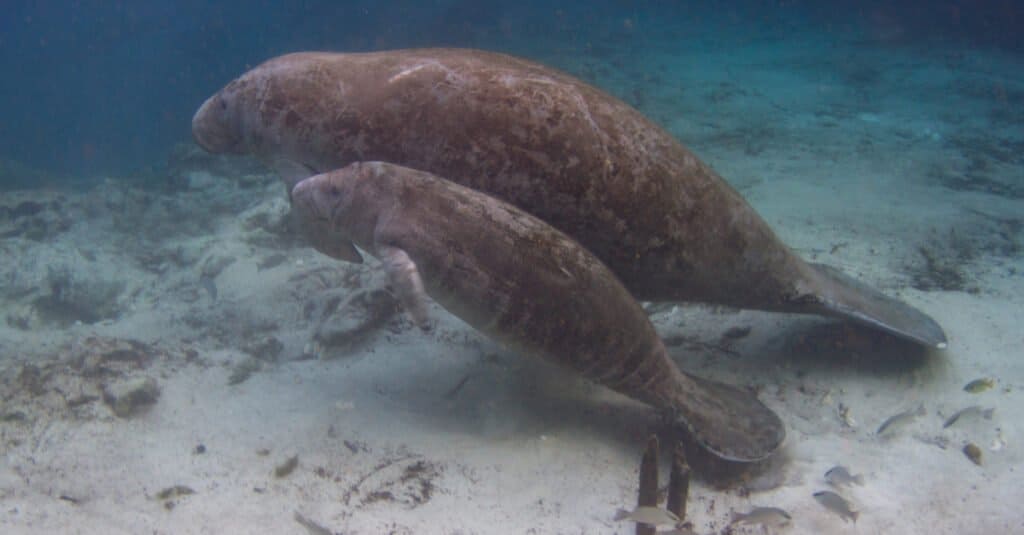
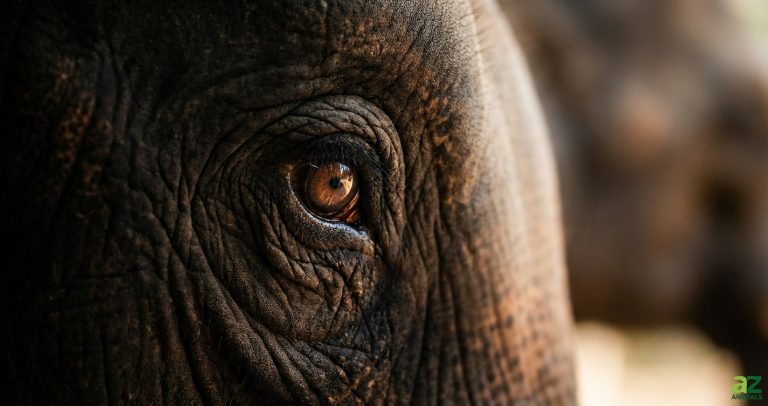
Elephants and manatees are closely related.
©Peter Douglas Clark/Shutterstock.com
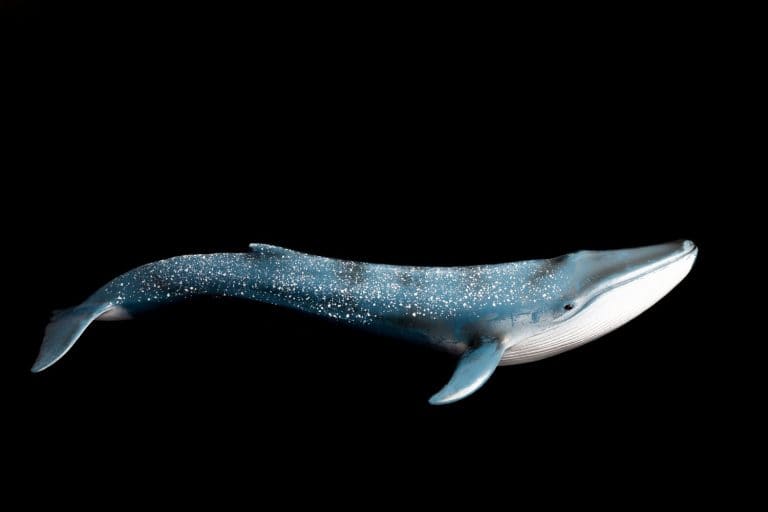
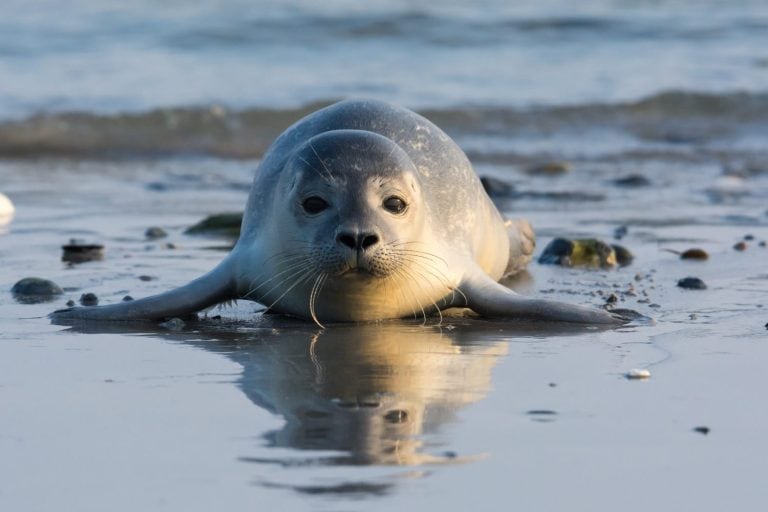
Manatees are sea mammals, just like whales, seals, and walruses. Consequently, many people think that they are related. However, a manatee is actually more closely related to the elephant than any other sea mammal. Who knew?
Visually, manatees have several similarities with their elephant cousins. For example, their gray, leathery skin is almost identical. They also share the prickly, thin hair on their body with the land giants. However, the more profound similarities are found in their ancestry.
Manatees did not evolve from elephants. Instead, they share a common ancestor: Tethytheria. Tethytheria were rodent-like, hoofed mammals that lived in the Cenozoic age with woolly mammoths, saber-toothed tigers, and early primates. Some Tethytheria species evolved to live on land, evolving into today’s elephants. Those that evolved to survive in the water made today’s manatees.