
For the past several years, the Georgia Department of Natural Resources has been asking the public for help in reporting monarch butterfly sightings in southern states. From November through March each year, scientists investigate reports of monarch sightings from residents in North Carolina, South Carolina, Georgia, Florida, Alabama, Mississippi, Louisiana, and Texas.
Volunteers can submit reports at iNaturalist.org, which, in addition to the states listed above, also collects data from Tennessee. You can also enter your report on journeynorth.org. Journey North tracks and releases news regarding the seasonal migrations of many species, including a variety of birds and, of course, monarch butterflies.
Why Should You Report Monarch Butterfly Sightings?
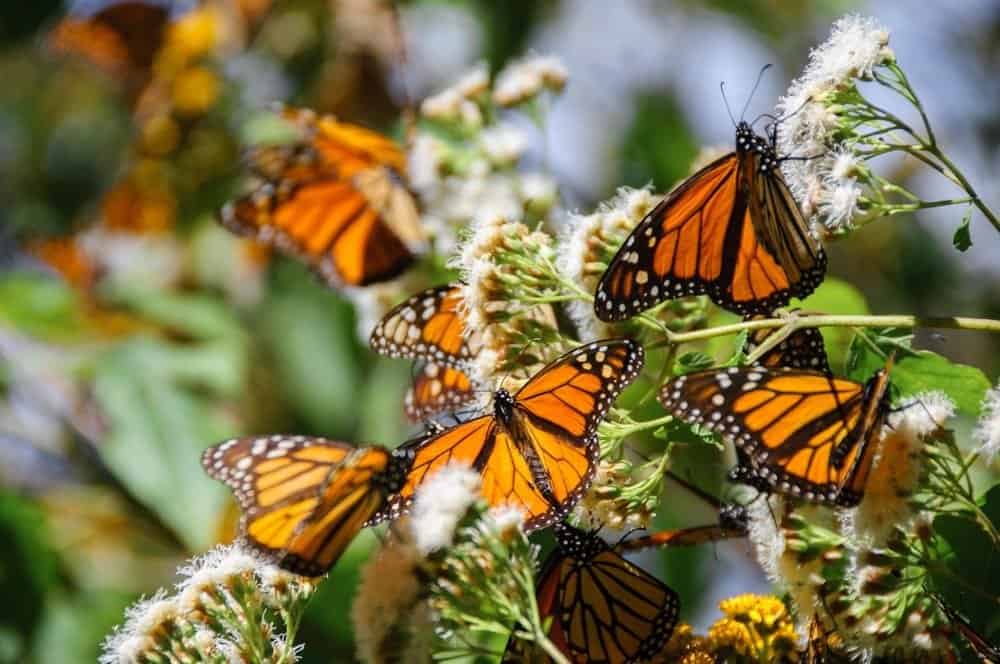
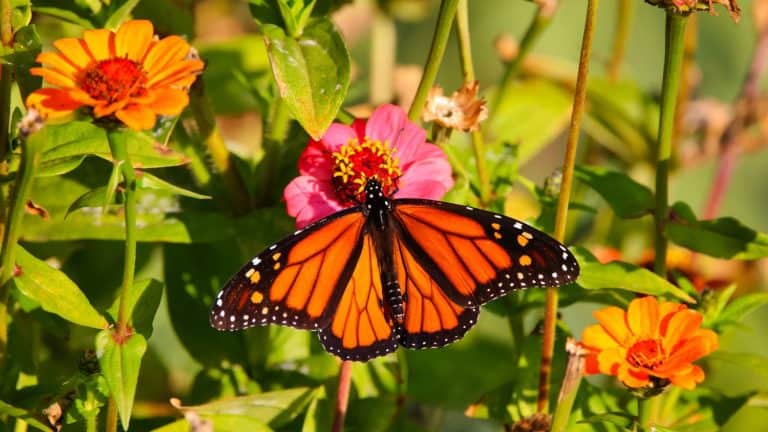
Monarch butterflies typically migrate from the U.S. to winter in Mexico.
©Noradoa/Shutterstock.com
The project, called Monarchs Overwintering in the Southeastern States (MOVERS), is a partnership among universities, federal and local government agencies, and other organizations. Reports of monarch butterfly (Danaus plexippus) sightings help scientists study monarch butterfly behavior. These reports demonstrate whether monarch butterflies are staying in the southern states during the winter instead of migrating to Mexico.
Each winter, thousands of monarch butterflies are sighted in southeastern states when populations are expected to be in Mexico. Volunteer observations help scientists determine whether environmental conditions are suitable for butterflies to spend the winter as non-breeding adults in the southern United States. The information also helps researchers discover why and how some monarch butterflies breed in the southern U.S. throughout the winter.
In December 2024, the U.S. Fish and Wildlife Service published a proposal in the Federal Register to list the monarch butterfly as a threatened species under the Endangered Species Act. Tracking the butterflies’ migration and changing habits will help scientists focus their conservation efforts to protect monarch butterflies for future generations.
How to Report Monarch Butterfly Sightings
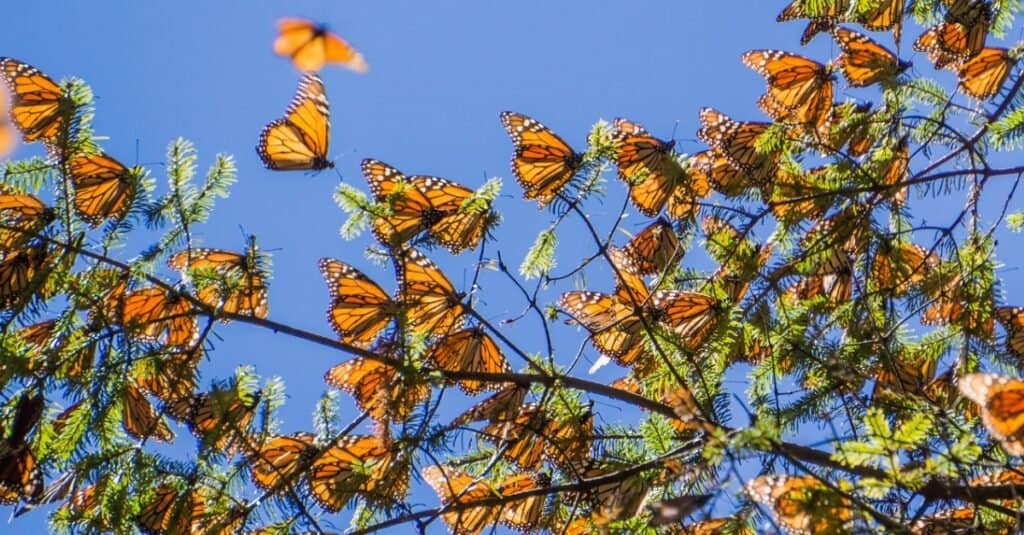
Groups of migrating monarch butterflies roost together in trees at night.
©iStock.com/JHVEPhoto
Journey North has a place to report monarch sightings on its homepage. Although the Georgia Department of Natural Resources has requested reports from specific states, Journey North encourages winter monarch butterfly reports regardless of where you live. You can also enter reports on iNaturalist.org.
Researchers are seeking assistance in identifying different types of monarch sightings. They also ask that all reports include the number of monarch butterflies observed at each location. Any photos you take are valuable additions to monarch butterfly sighting reports. If you see a monarch butterfly, please use the following categories to provide details in your report.
Monarch Adults
Were the monarchs exhibiting directional flight? How many adult monarch butterflies did you observe at this location? How did you estimate the number observed? Include any other behavioral observations, such as mating, laying eggs, nectaring (please specify the plant species if known), basking in the sun, or any deceased monarchs.
Monarch Eggs and Larvae
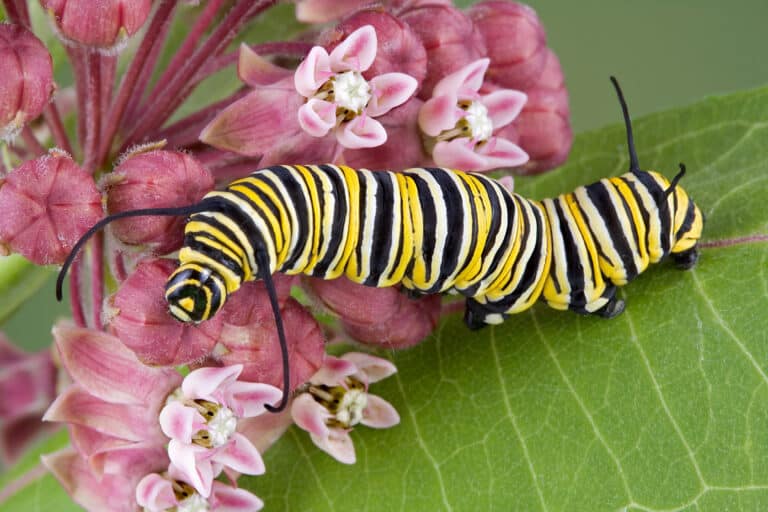
Please report to Journey North if you see monarch eggs or larvae on or under a milkweed plant’s leaf. Count the number of eggs and larvae, and, if known, specify the species of milkweed where they were observed.
Milkweed Plants
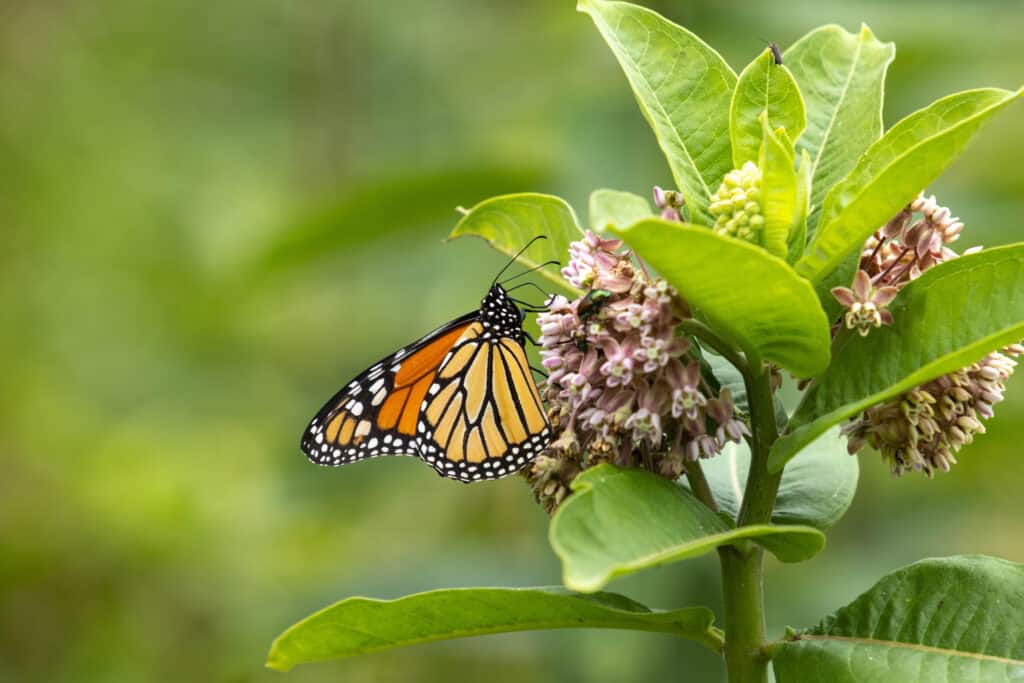
Monarch butterflies only lay their eggs on milkweed plants.
©iStock.com/carolmellema
Observations of the first emerging milkweed plants may begin as early as February, depending on your location. Report the species, height, number of leaves, whether flowers are present or budding, whether fruiting pods are present, or if leaves are yellowing. Also include the size of the milkweed patch.
Monarch Peak Migration
Monarch migration is spectacular but also unpredictable. People often report seeing large numbers of monarchs flying in a clear “directional” flight, or seeing “hundreds of butterflies” nectaring in a field of flowers, fueling up for the long flight. If you observe what appears to be a large number of monarchs for your area (i.e., dozens or hundreds), please report this sighting under PEAK Migration. To ensure reported numbers are meaningful, please indicate how long you spent counting monarchs.
Monarch Roosts
Migrating monarchs cluster together in trees at night, forming what is known as a roost. A roost may contain just a few butterflies or more than you can count. Fall roost reports should reflect the number of monarchs observed within a roost for a single night. In your comments, let Journey North know when the roost formed, how you estimated the number of monarchs roosting, and any other relevant information (such as nearby nectar sources, the species of tree(s) used for roosting, and whether the monarchs are sheltered from the wind at their location).