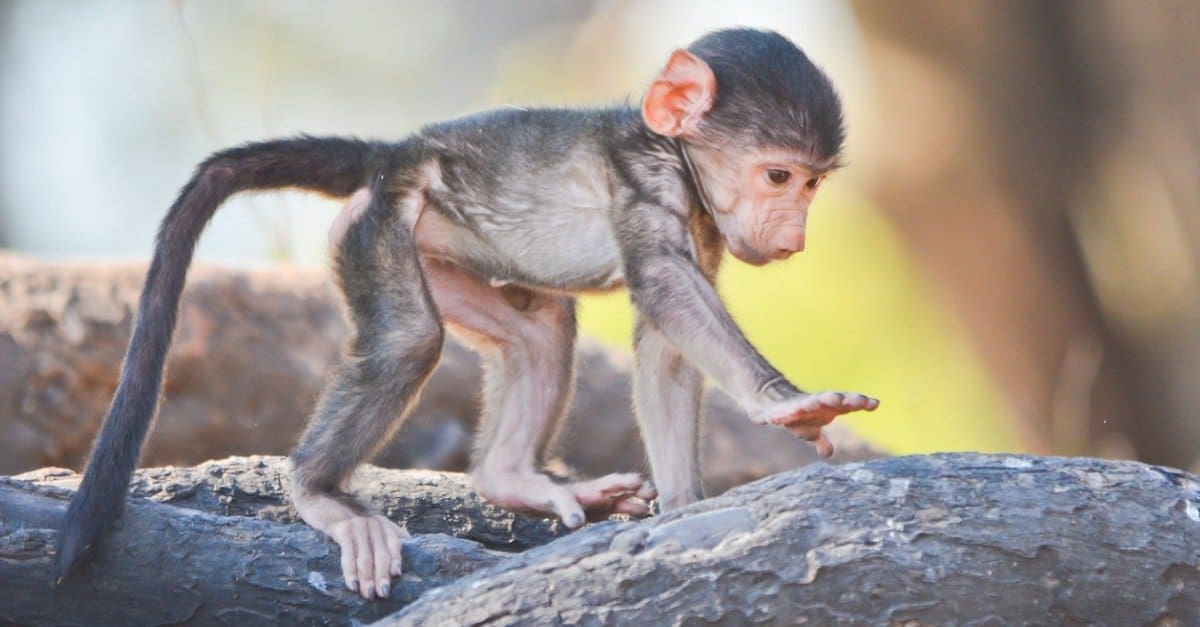

Between the Old World, which includes Africa and Asia, and the New World, which includes Mexico and Central and South America, there are well over 200 monkey species. Yet, nearly all species of baby monkeys live in families or groups, like most human babies do. Did you know that baby monkeys are also called infants? Wondering what else baby monkeys have in common with human babies? Keep reading to learn five fascinating facts and see 5 amazing pictures of baby monkeys.
#1: Baby Monkeys Can Be Different Colors Than Their Parents
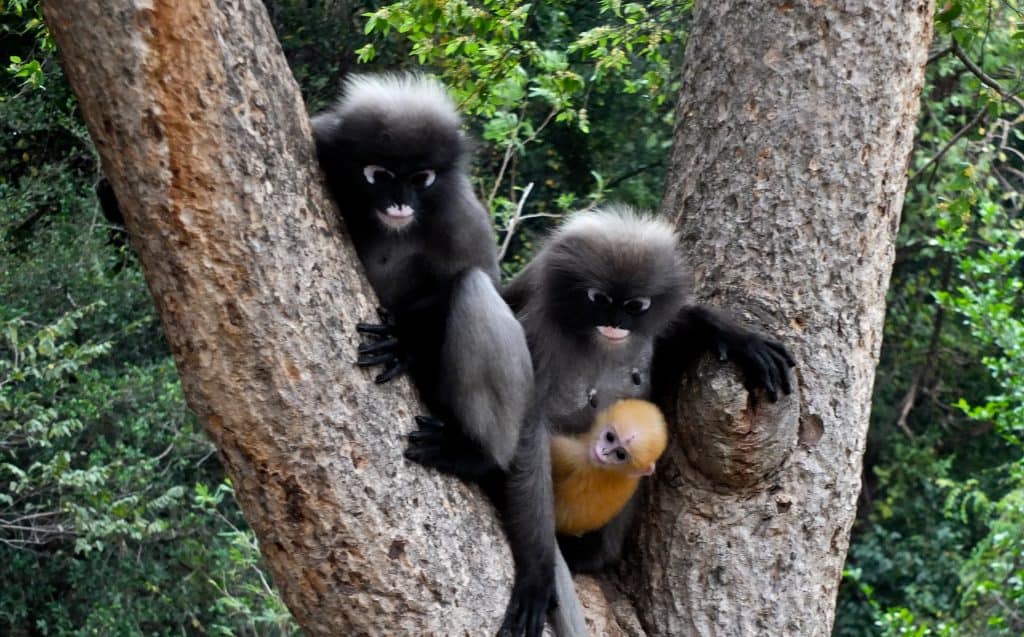
Langur parents are black, but their babies are orange.
Some baby monkeys have different color hair than their parents. A number of langur species, including silvered leaf langurs, François’ langurs, and spectacled langurs, have dark grey to black hair as adults, but they give birth to babies with bright orange hair. Newborn colobus monkeys have white hair, while the parents have black hair.
Scientists believe that the infants’ bright colors help the adults in the troop identify and look after the youngest and most vulnerable members. The babies are also easier to spot in dense, forested habitats. An infant’s color typically changes to the same color as the parents when it becomes a juvenile, within the first six months.
#2: Baby Monkeys Throw Tantrums
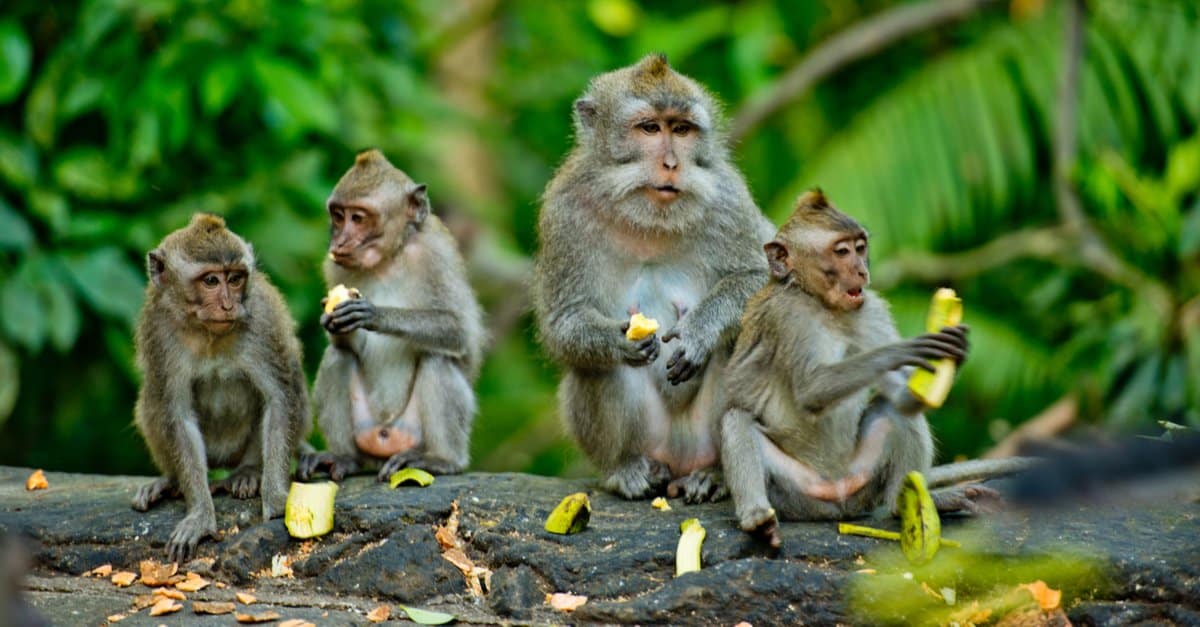
Baby monkeys sometimes throw tantrums if their mother does not respond to their initial cries.
©Leo_nik/Shutterstock.com
Just like human babies, baby monkeys cannot always communicate their wants and needs to their parents. When human babies and monkey babies are hungry, they cry to let their mothers know they want to be fed. Sometimes, monkey babies throw screaming tantrums to get their mother’s attention if she does not respond to their initial cries.
Researchers studying rhesus macaque monkeys found that if the mother does not give in and other members of the troop become annoyed, they might chase or grab the infant or the mother. Researchers found that the mothers were more likely to give in to their infant’s demands if there was an audience. This was especially true if the onlookers were dominant and not close relatives. The mother’s relatives were found to be more tolerant.
#3: Newborn Monkeys Learn by Observing Others
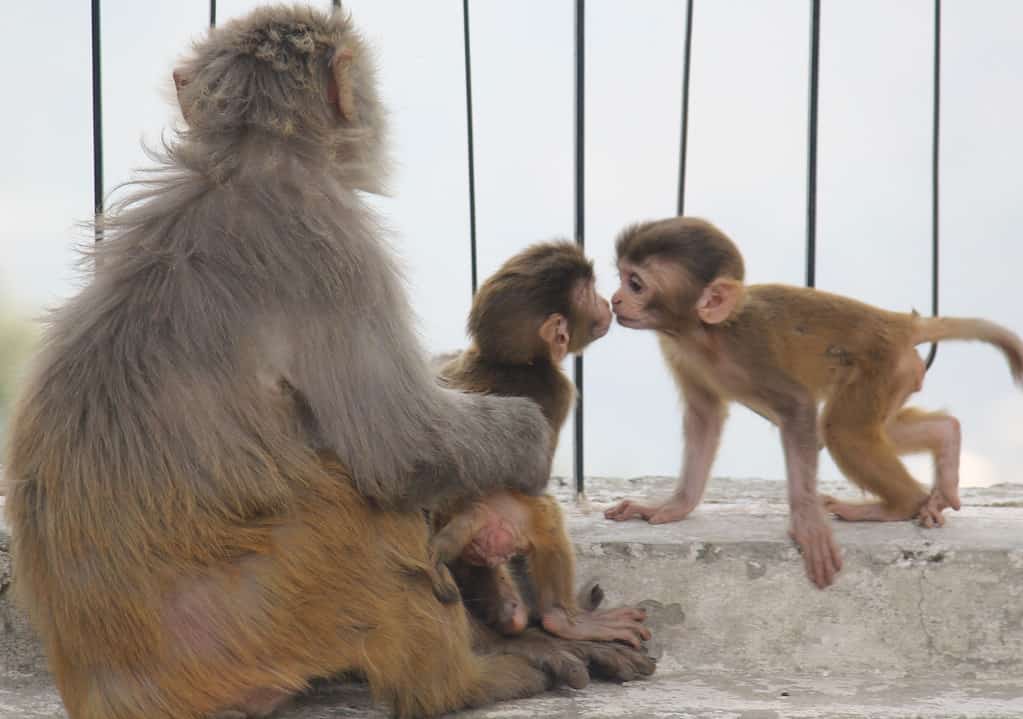
Young monkeys learn how to strengthen social bonds through play.
©ayushi09/iStock via Getty Images
As soon as they’re born, baby monkeys are introduced into their parents’ social network of monkeys. A troop can range from just a few monkeys to hundreds, depending on the species. These societies can be very complex. However, by remaining in close proximity to their mothers, siblings, and close family members, the babies learn the skills they need to get along with other group members. Young monkeys also discover how to strengthen social bonds through grooming and play.
Additionally, baby monkeys learn physical and practical skills by observing and imitating more experienced members of the troop. For example, scientists found that younger capuchin monkeys learned by paying attention to the way other monkeys accomplished tasks, such as opening fruit.
#4: Monkey Babies Can Recognize Unfamiliar Family Members
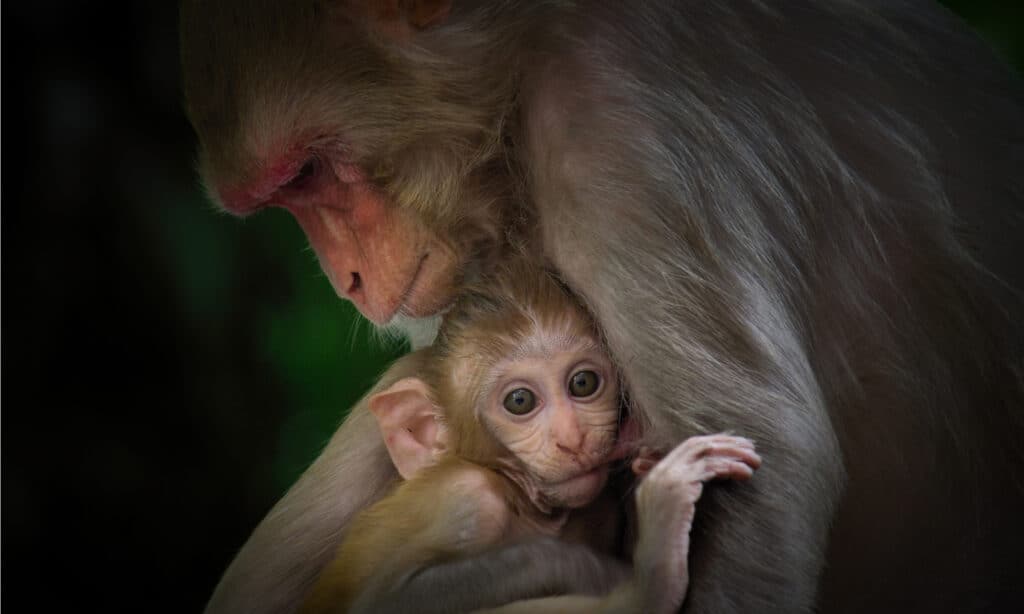
Macaques can recognize paternal kin using facial cues, even if they have never met.
©Robert Ross/Shutterstock.com
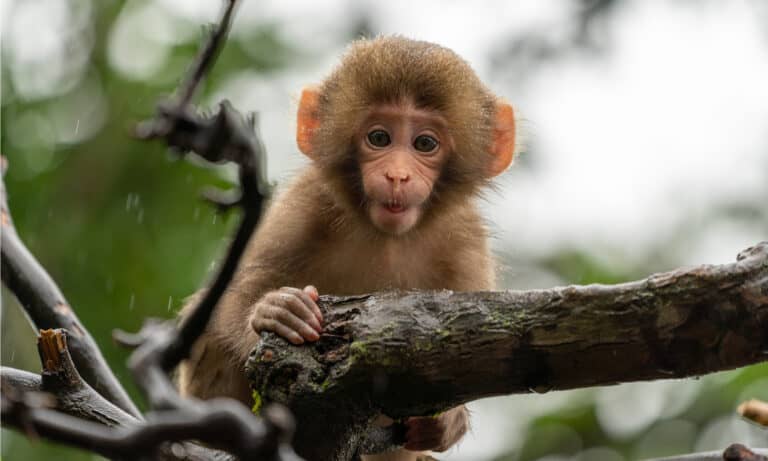
Some monkey species have unique mating habits that make it difficult to know which monkey fathered a specific infant. However, studies have shown that even if a young monkey doesn’t know who its father is, it can still identify other monkeys from the paternal side of its family.
Macaques are commonly polygamous, with females mating with many males and males frequently changing social groups. So young macaques are raised by their mothers and often do not know their fathers. Yet researchers found that macaques could recognize unfamiliar paternal relatives solely by facial cues. The ability to recognize their kin is a crucial adaptation to prevent inbreeding in polygamous societies.
#5: Some Monkey Fathers Share Parenting Duties
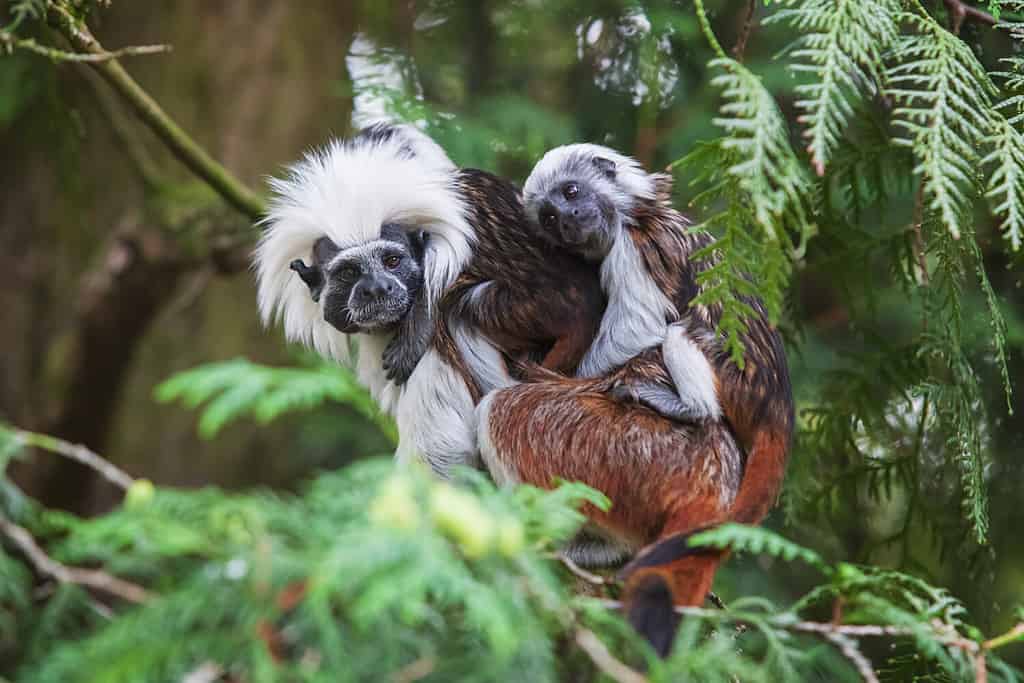
Tamarin monkey fathers carry their babies on their backs, only giving the infants to their mothers to nurse.
©Marten_House/Shutterstock.com
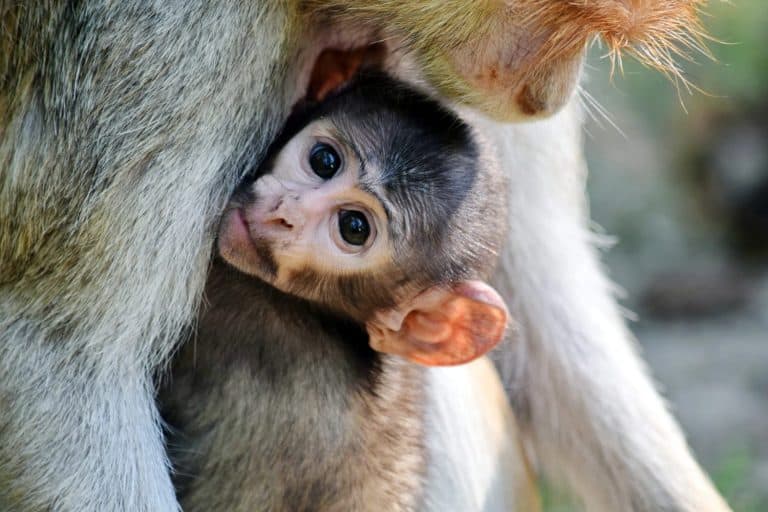
It is well-known that monkey babies have close relationships with their mothers. Infant monkeys are essentially helpless at birth, so the mothers carry their babies everywhere to feed them, protect them, and teach them. Mothers and babies form strong bonds that are often maintained throughout their lives.
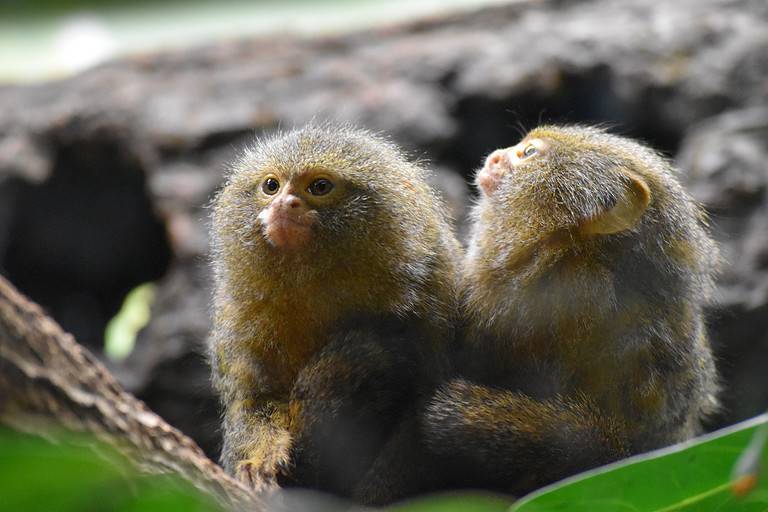
However, in some monkey species, the father has an active role in child rearing, taking responsibility for most of the infant’s care. Tamarin, titi, and marmoset fathers carry their babies on their backs, giving them to the mothers only to nurse. Researchers found that paternal care is more common in primates than in other mammals. They also determined that sharing parenting duties can positively impact infant survival rates.