
Quick Take
- Achieving normal development for Japanese macaques requires an immediate intervention following the July 2025 abandonment of Punch.
- The 6 to 8-month weaning period creates a high-risk window for infants experiencing maternal rejection.
- A non-living orangutan plushie facilitates the acquisition of essential grooming and social skills.
- Ichikawa City Zoo staff utilized a specific replacement object to satisfy the instinctual clinging requirement.
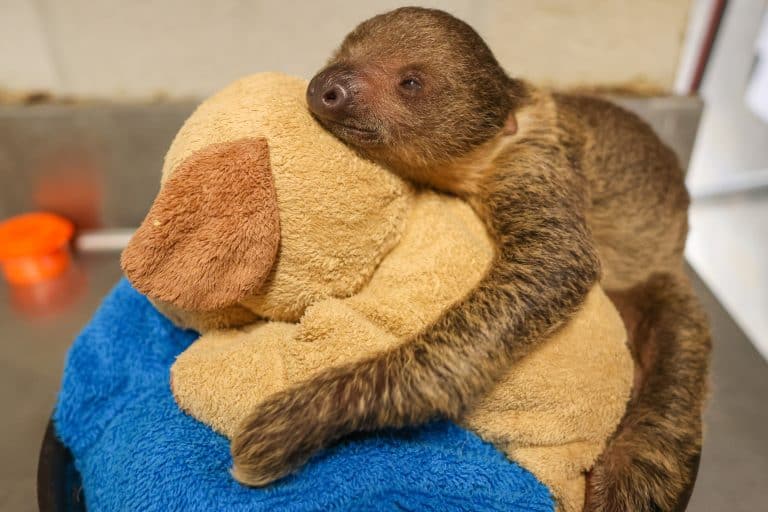
Due to an unfortunate situation with a happy ending, Punch the baby macaque monkey has gone viral online. Punch is a baby monkey who lives at the Ichikawa City Zoo in Japan and was abandoned by his mother. To help ease the anxiety, zookeepers gave him an adorable orangutan plushie to keep him company.
This Instagram post by @straits_times shows little Punch cuddling with his plush, and it is the cutest thing. Keep reading here to learn more about Punch and his favorite plushie.
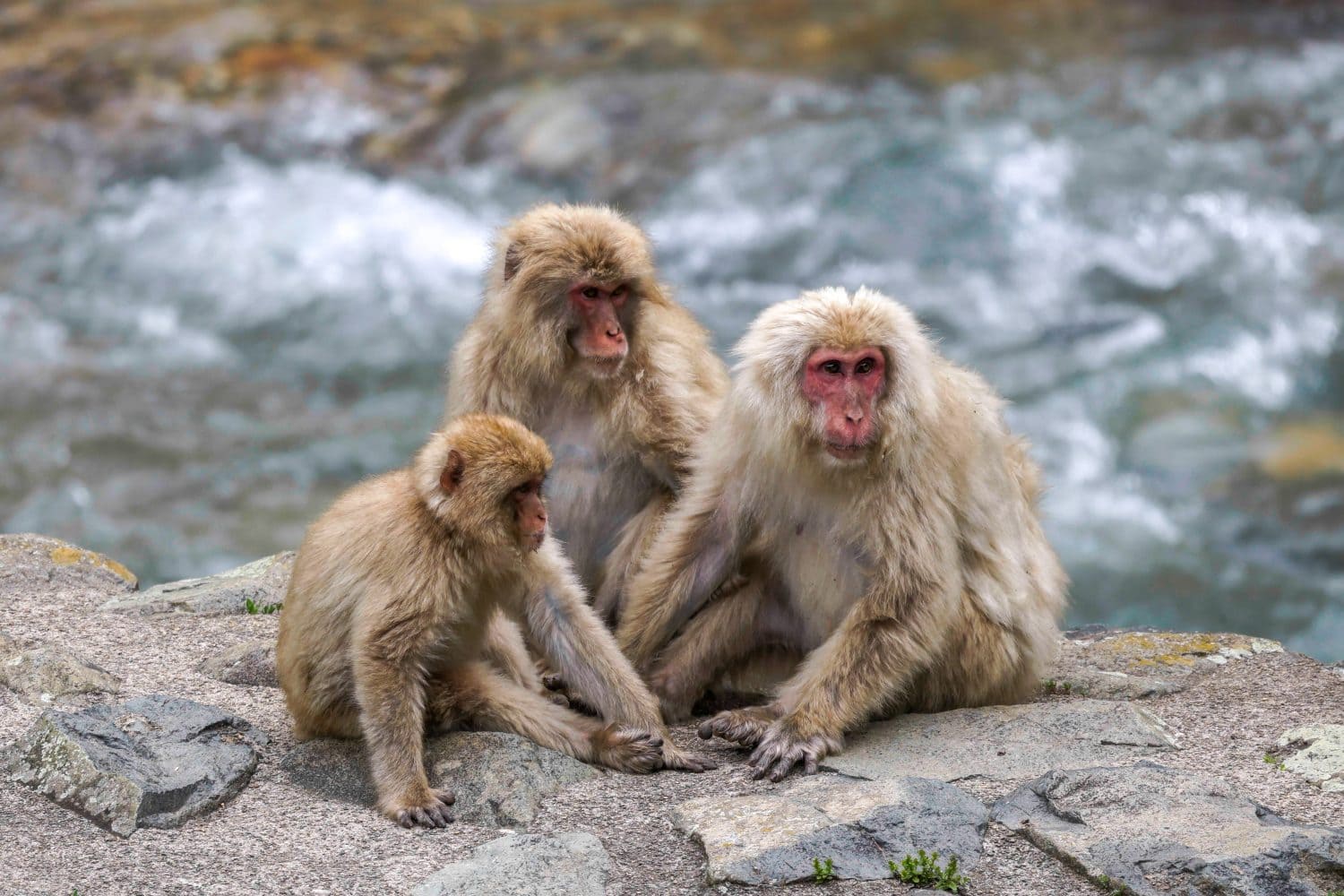
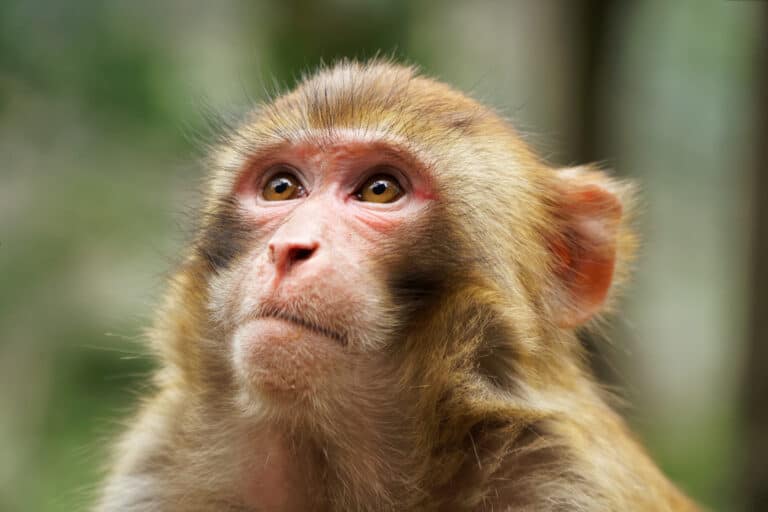
Japanese macaques are extremely social creatures from birth, meaning rejection can have serious consequences on development.
©Momoe Toyama/Shutterstock.com
Baby Punch
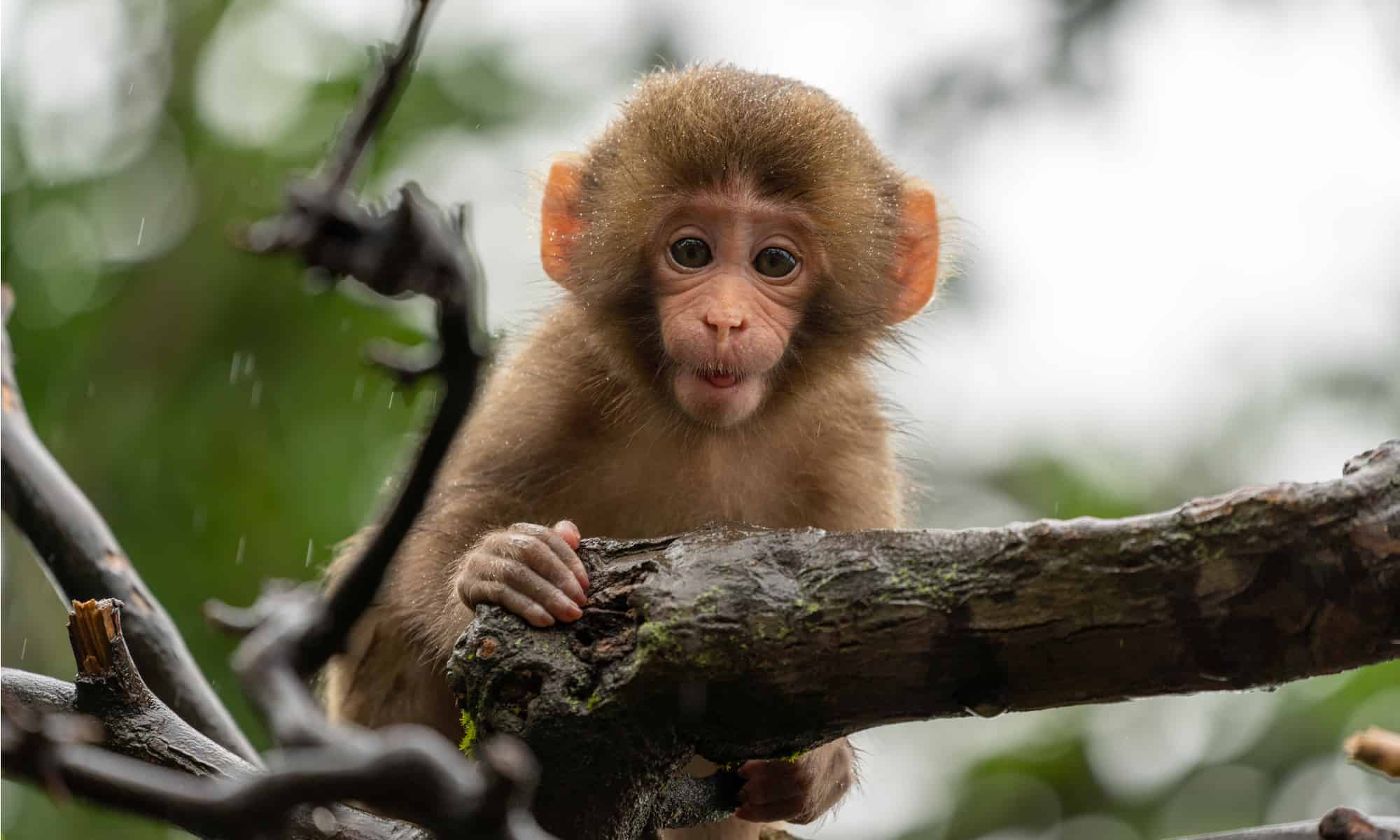
Punch is a baby Japanese macaque, a species of monkey native to Japan. One of the defining features of this species is its strong social bonds and behaviors. Familial bonds are extremely important for the development of these monkeys. Unfortunately, Punch was abandoned by his mother shortly after his birth in July of 2025.
Abandonment is rare in these monkeys, but can sometimes occur due to postpartum stress from the mother. Without care from his mother, Punch could have easily been rejected and suffered as a result. Thankfully, the staff at Ichikawa City Zoo had a great idea to make sure that Punch wasn’t too lonely. Caretakers at the zoo gave Punch a stuffed orangutan plushie, and he seems to love it dearly.
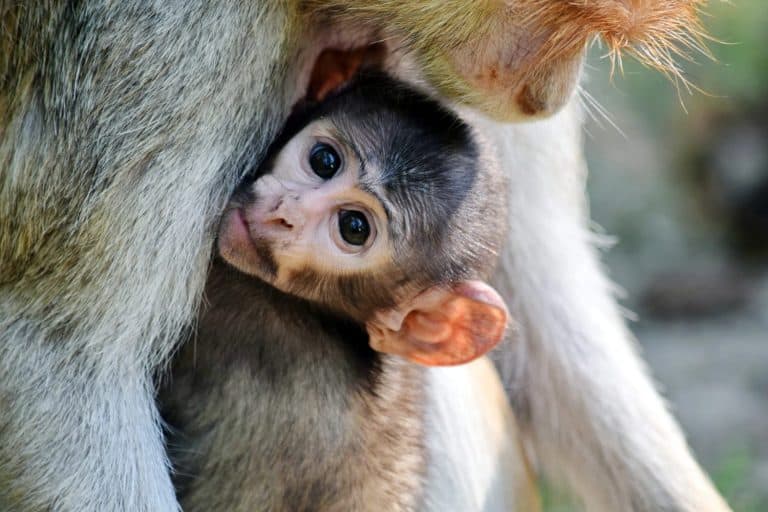
Japanese macaques often cling to their mothers after birth. It is an instinctual behavior that gives the baby warmth and comfort. The plush serves as an alternative. Punch carries the plush with him and cuddles it while sleeping. While not a permanent solution, the plush provides comfort that the baby would otherwise receive from his mother. Baby macaques cling to their mothers for the first few months after birth and begin to wean at around six to eight months.
However, nursing and maternal care can last for years, meaning that the plush is filling an extremely important role. Although Punch’s story began sadly, his attachment to the plush helps him learn play, grooming, and social skills. This story is a great reminder that attention and care can come from the most unexpected places, and that, ultimately, it’s what we all need.