
Quick Take
- In their larval stage, as caterpillars, moths have voracious appetites.
- Some moth species lack mouthparts and do not eat.
- Moths that do eat consume liquids solely, resulting in liquid waste.
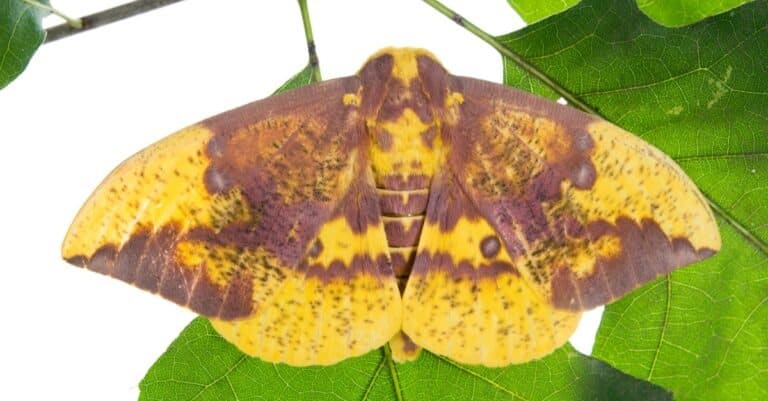
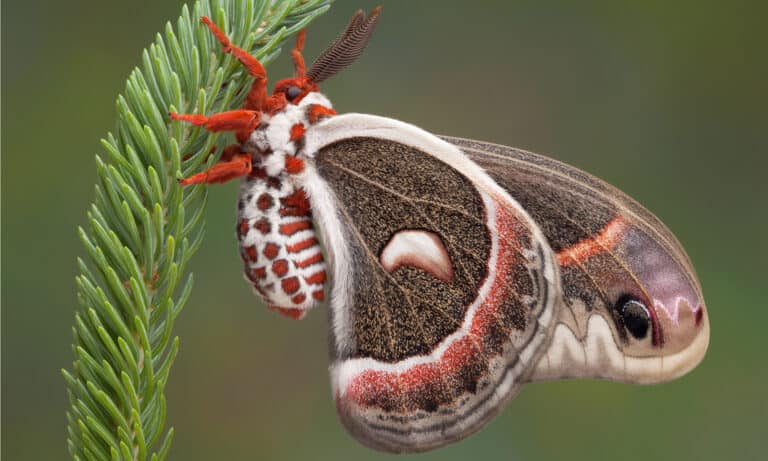
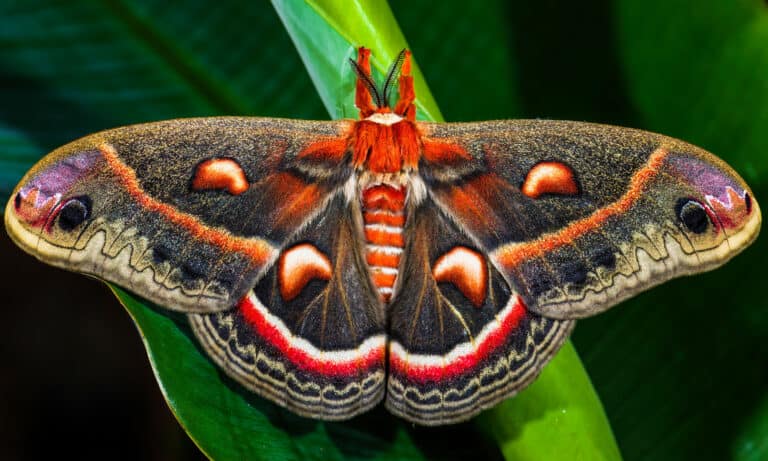
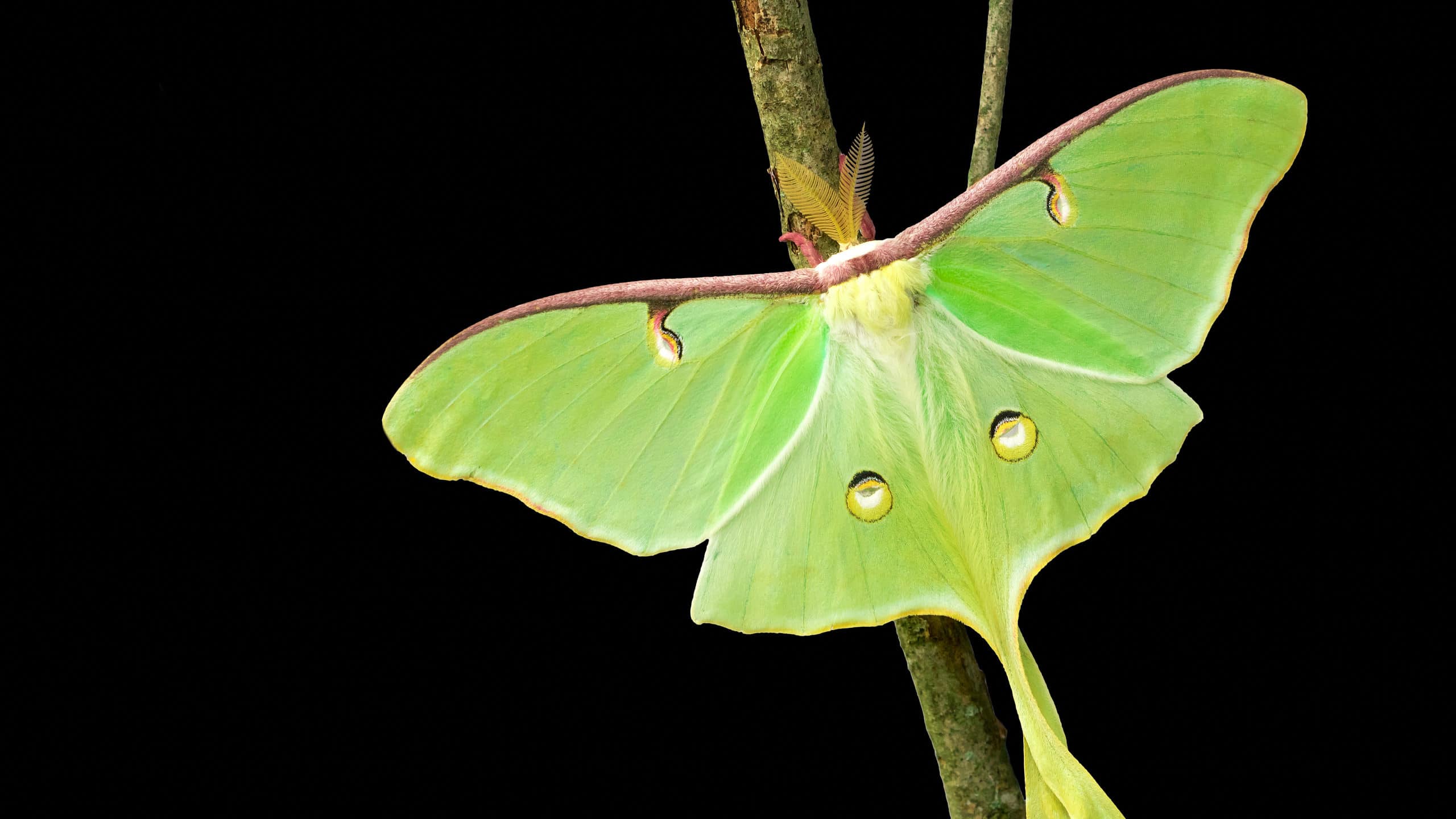
There are approximately 160,000 known species of moths (Lepidoptera) worldwide. In their larval stage, as caterpillars, they have voracious appetites, devouring crops, shrubs, and trees. Moths, however, feed on nectar and tree sap, although several species, such as the luna moth (Actias luna), the atlas moth (Attacus atlas), and the cecropia moth (Hyalophora cecropia), do not eat at all. These moths lack functional mouthparts and survive solely on the energy stored during their caterpillar stage. Because moths either don’t eat at all or consume only liquids, do they poop? The answer is both yes and no. Read on to learn everything you’ve ever wanted to know about moth poop.
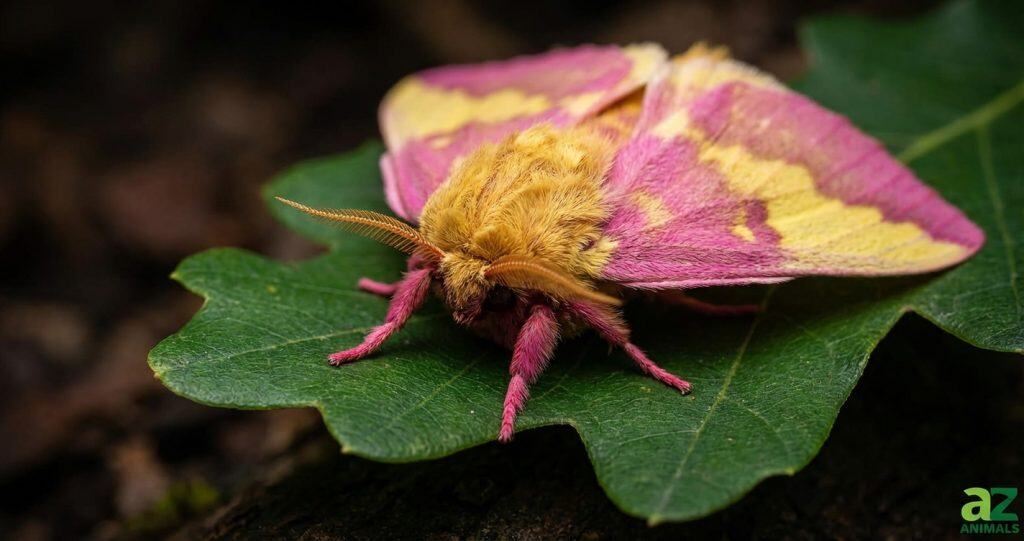
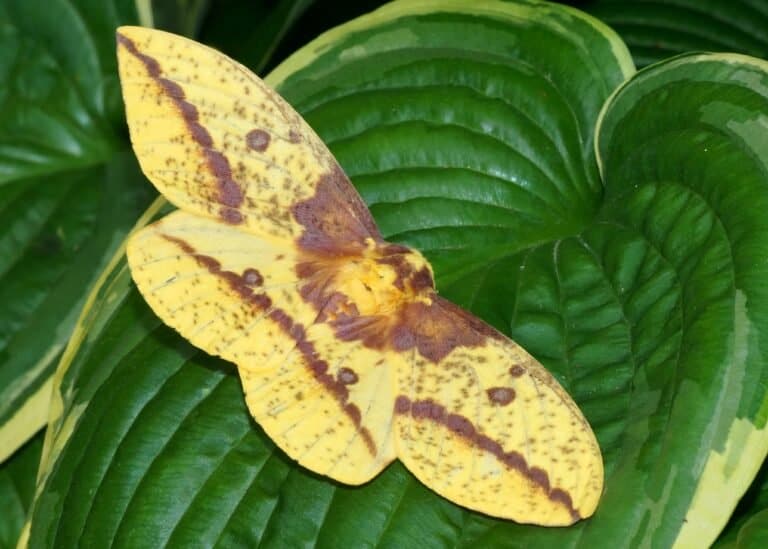
Moths are one of the most diverse and abundant animal groups on Earth.
©A-Z Animals
What Does The Moth Poop Look Like?
Almost all moths excrete meconium, a red-to-brown dark liquid, shortly after emerging from their cocoon. Meconium is the accumulated waste from metabolic processes and tissue breakdown during the transformation from the pupal stage. For moth species that do not eat, this is both the first and last excrement they will expel. They do not have a functional digestive tract and therefore cannot produce frass (insect feces).
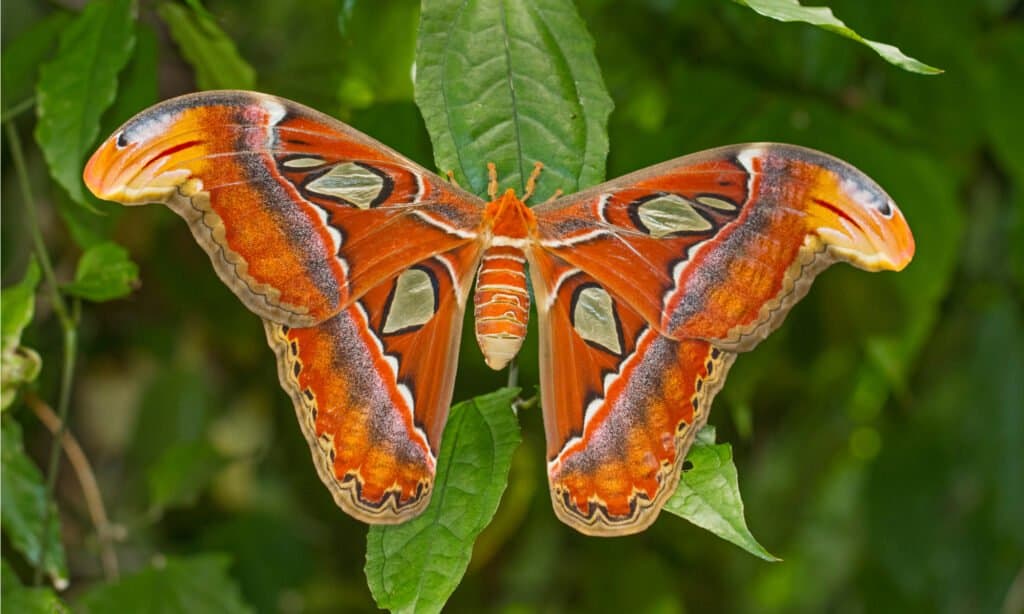
Atlas moths lack mouthparts and do not eat or defecate in this stage of their life.
©Rod Williams/Shutterstock.com
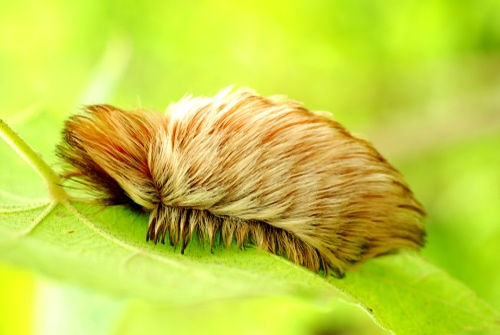
Moth species that do eat consume nectar, tree sap, and fruit juice, and they expel liquid frass instead of the solid pellets produced during their larval (caterpillar) stage. Although caterpillars can consume and excrete amounts far exceeding their body weight, adult moths that feed produce only small amounts of liquid frass.
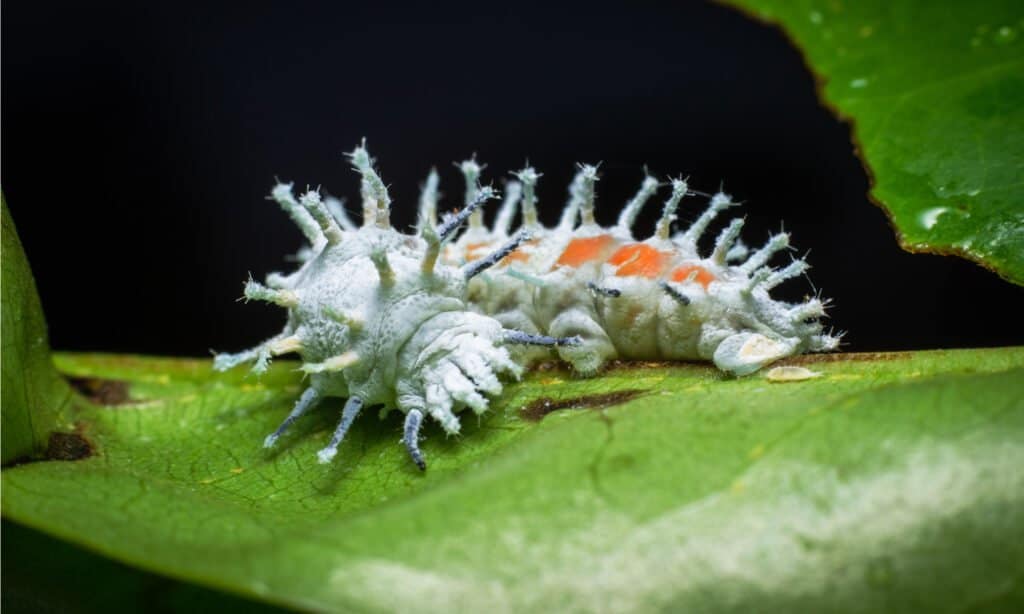
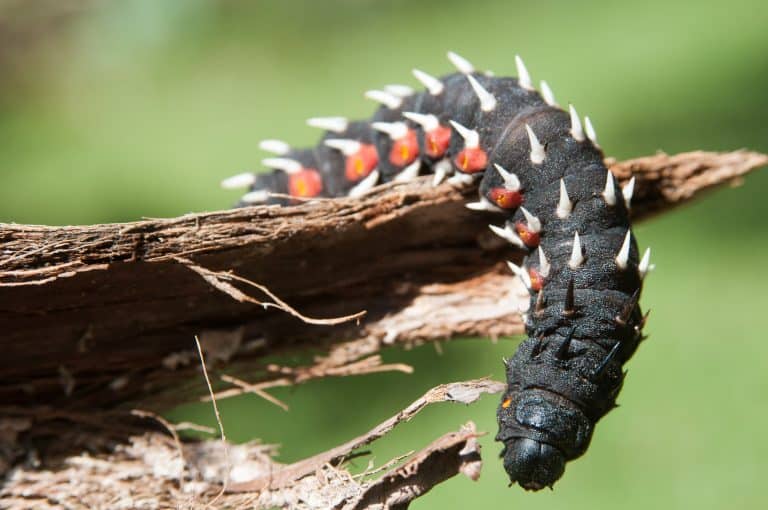
The atlas moth larva feeds ravenously, first on its eggshell and then on its favorite leaves, such as those from citrus, guava, cinnamon, and Jamaican cherry trees.
©Raxsoller Malayte/Shutterstock.com
Adult moth waste is generally very subtle, appearing as tiny, clear, or slightly cloudy droplets of liquid. In most cases, if you see dark, solid grains that look like pepper or sand, you aren’t looking at adult moth waste, but rather the solid frass from a caterpillar.
Liquid frass consists mostly of water and uric acid. It is typically thin and watery, allowing it to be expelled quickly so the moth remains light enough for flight.