



P
Species Profile

Picardy Spaniel

Canis lupus familiaris

Picardy: the calm marshland gundog
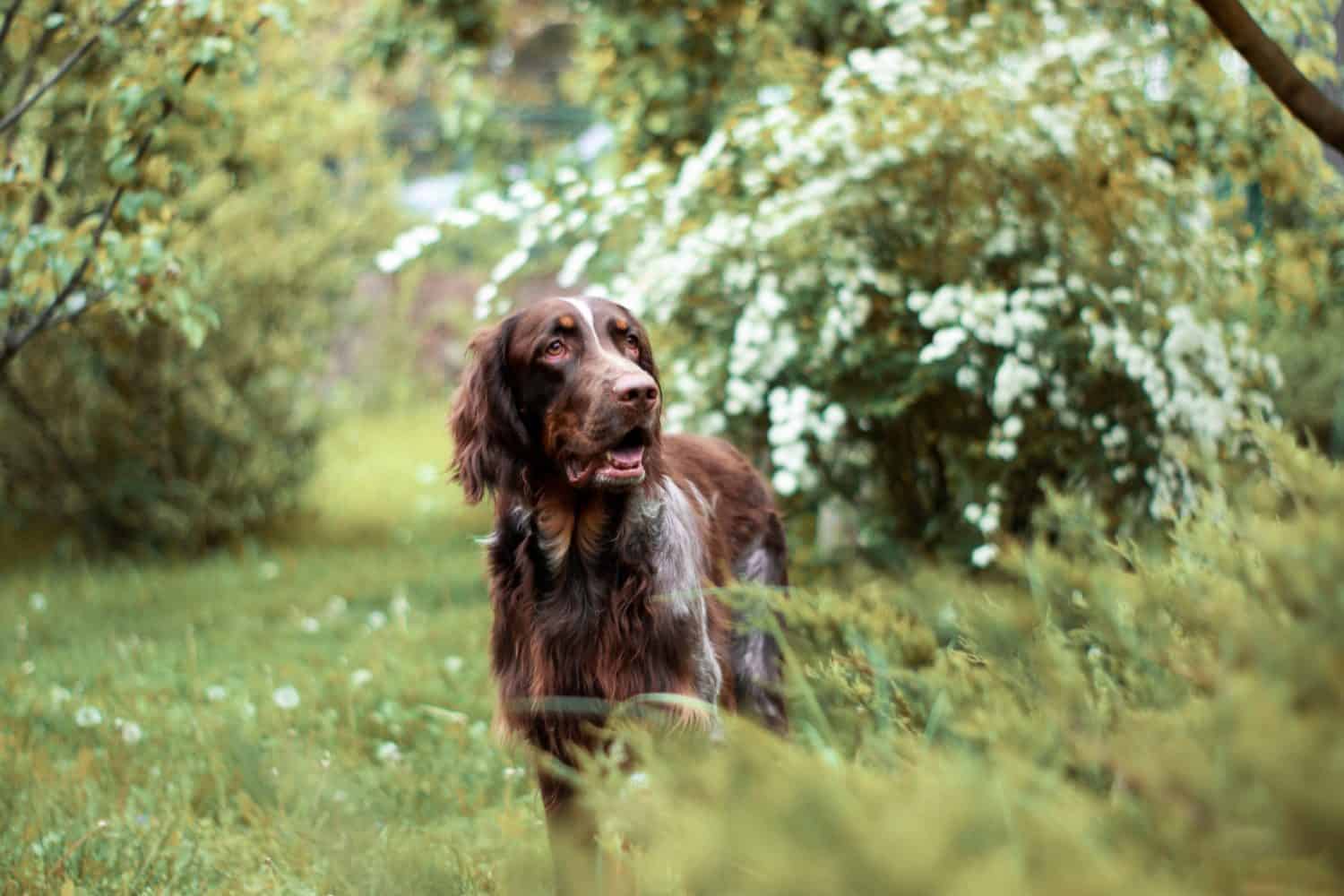
Anastasiia Dovgan/Shutterstock.com

Picardy Spaniel Distribution

Click a location to explore more animals from that region

Origin Location

This map shows the native origin of the Picardy Spaniel. As a domesticated species, they are now found worldwide.

Loading map...

Found in 1 country

Size Comparison

Human 5'8"
Picardy Spaniel 1 ft 10 in

Picardy Spaniel stands at 33% of average human height.

Hunting dog brown curious hunt

At a Glance

Domesticated
Also Known As Épagneul Picard, Epagneul Picard, Picard Spaniel, Picard
Diet Omnivore
Activity Diurnal+
Lifespan 5 years
Weight 27 lbs
Status Not Evaluated
Did You Know?

The breed name ties it directly to the Picardy region of northern France.

Scientific Classification

The Picardy Spaniel (French: Épagneul Picard) is a French gundog (spaniel-type) developed for hunting and retrieving, especially in field and wetland settings. It is a distinct domestic dog breed within the family Canidae.

Kingdom
Animalia
Phylum
Chordata
Class
Mammalia
Order
Carnivora
Family
Canidae
Genus
Canis
Species
Canis lupus familiaris

Distinguishing Features

  • French spaniel-type gundog from Picardy region
  • Medium-to-large, sturdy hunting dog build
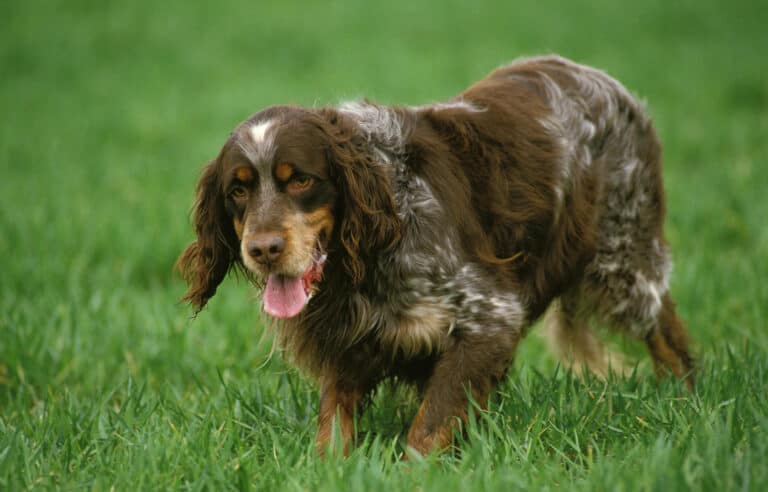
  • Coat typically fawn/brown with white and mottling/roan; feathering on ears/legs common in spaniels
  • Bred for pointing/flushing and retrieving, often associated with wetland and field work

Physical Measurements

Males and females differ in size

Height
♂ 1 ft 11 in (1 ft 10 in – 1 ft 12 in)
♀ 1 ft 10 in (1 ft 10 in – 1 ft 11 in)
Length
♀ 2 ft 9 in (2 ft 6 in – 2 ft 11 in)
Weight
♂ 50 lbs (44 lbs – 55 lbs)
♀ 46 lbs (40 lbs – 53 lbs)
Tail Length
♂ 11 in (10 in – 12 in)
♀ 9 in (7 in – 10 in)
Top Speed
31 mph
running

Appearance

Primary Colors
Secondary Colors
Skin Type Pigmented canine skin under a medium-length, dense, slightly wavy, water-resistant double coat; feathering on ears, legs, and tail.
Distinctive Features
  • Domestic dog breed (Picardy Spaniel), a French spaniel-type gundog from Picardy, France.
  • Built for field and marsh work: athletic, deep-chested, strong hindquarters, endurance-oriented gait.
  • Coat: medium-long, slightly wavy, with protective density and noticeable feathering; suited to wetland retrieving.
  • Head and expression: long, low-set fringed ears; gentle, attentive look; typically amber/hazel eyes.
  • Often confused with the Blue Picardy Spaniel, but Picardy is fawn/chestnut rather than blue-gray roan.
  • Care: high daily exercise and retrieval/field-style mental work; thrives with active handling and training.
  • Grooming: weekly brushing; extra attention to feathering to prevent mats and burrs after hunts.
  • Health watch: hip dysplasia risk, ear infections due to heavy ears, and occasional eye issues; routine ear cleaning and orthopedic screening recommended.

Sexual Dimorphism

Males are typically larger and heavier-boned with a broader head and thicker neck. Females are slightly lighter and more refined in build, while coat type and color pattern are generally the same in both sexes.

♂
  • Slightly taller and more muscular frame
  • Broader skull and more pronounced chest
  • Thicker neck and heavier bone
♀
  • Slightly smaller, more streamlined build
  • Finer head and lighter bone structure
  • Often appears more refined through shoulders and loin

Did You Know?

The breed name ties it directly to the Picardy region of northern France.

It's distinct from the Blue Picardy Spaniel: Picardy is typically brown/fawn with brown markings, while "Blue" refers to a gray/blue roan coat.

Bred as a versatile gundog, it can both search/flush game and retrieve from water, especially in wetlands.

It's considered one of the older French spaniel types, associated with traditional continental bird hunting.

The breed is known for a "soft mouth," meaning it can retrieve game gently without damaging it.

Compared with many high-drive sporting dogs, it's often described as notably even-tempered and people-oriented at home.

Unique Adaptations

  • Weather-ready coat: medium-length, slightly wavy hair with feathering that helps shed water and insulate in damp, chilly marsh climates.
  • Sturdy, athletic build for covering uneven ground (furrows, reeds, mud) without sacrificing endurance.
  • Sensitive, highly developed canine olfaction (shared species trait) shaped by selective breeding for efficient game-finding.
  • Trainability tuned for cooperation: generations selected for responsiveness to handler cues in the field.
  • Pendant ears and facial furnishings that offer some protection against brush-paired with the need for routine ear care due to reduced airflow.

Interesting Behaviors

  • Methodical quartering: working a field in a patterned sweep to locate scent efficiently.
  • Close-to-medium range hunting style that tends to keep it connected to the handler.
  • Natural retrieve sequences (pick up → return → deliver) with a characteristically gentle hold.
  • Strong use of wind/scent cones-frequently casting into the breeze and re-checking promising patches.
  • Water enthusiasm in cool weather: wading, swimming, and re-entering water repeatedly when on birds.
  • "Velcro" downtime: after work, many seek proximity and settle calmly near family members.

Cultural Significance

The Picardy Spaniel is part of France's hunting dog tradition, used for bird hunting in Picardy's fields and wetlands. Rare outside its home, it is valued for calm behavior and steady work, and is part of local life, distinct from the Blue Picardy Spaniel.

Myths & Legends

French sporting lore links the Picardy Spaniel to older spaniel types depicted in European hunting art and stories-dogs that worked birds for nets and falcons long before modern firearms.

Regional anecdotes from northern France describe Picardy hunters favoring a steady brown spaniel for cold, reed-choked marshes-praised for returning through icy water with game in its mouth and no fuss in its manner.

As with several European breeds, enthusiasts recount post-war survival stories: a small number of dedicated breeders and hunters preserving local dogs through periods when wars and hardship sharply reduced breeding stock.

The breed's name identifies it as a spaniel originating in the Picardy region of France, reflecting its historical development and use there as a hunting dog.

Conservation Status

NE Not Evaluated

Has not yet been evaluated against the criteria.

Population Stable

Life Cycle

Birth 6 pups
Lifespan 5 years

Lifespan

In the Wild
3–12 years
In Captivity
11–15 years

Reproduction

Mating System Polygynandry
Social Structure Managed Domestic
Breeding Pattern Serial
Fertilization Internal Fertilization
Birth Type Managed_selective

Picardy Spaniels reproduce via internal fertilization, with pairings usually arranged by humans rather than stable pair bonds. Across the domestic dog context, mating is generally polygynandrous, with serial, short-term associations limited to the female's estrus.

Behavior & Ecology

Social Pack Group: 4
Activity Diurnal, Crepuscular, Cathemeral
Diet Omnivore Lean poultry/game meat (especially duck or pheasant-style proteins)

Temperament

HUBS (domestic dog context): Social, human-guided cooperative behavior; variation depends on training and socialization.
Breed distinction vs base species: selectively bred gundog-reduced roaming/independent hunting, increased handler focus and retrieve drive.
Calm, gentle, and even-tempered in the home; typically less sharp/guardy than many breeds.
High affiliative tendency: seeks proximity and contact; may develop separation distress if under-stimulated.
Field-oriented persistence: enjoys searching cover and working wetlands; strong endurance rather than sprint intensity.
Generally biddable and soft-mouthed for retrieving; responds best to consistent, reward-based handling.
Moderately reserved with strangers; warms up with calm introductions rather than immediate exuberance.
Dog-social by default, but can become timid or reactive without early exposure to dogs, people, and environments.
Care requirement: daily aerobic exercise plus scent/retrieve games; thrives with structured off-leash work in safe areas.
Care requirement: coat needs regular brushing; ear care is critical after water/field work to prevent irritation.
Health concerns to monitor: hip dysplasia risk; chronic ear infections from pendulous ears; possible hereditary eye disease (e.g., PRA)-screening advised.

Communication

bark
whine
growl
howl
tail carriage and wag patterns signaling arousal and friendliness
ear and facial expressions (soft eyes, relaxed mouth) indicating appeasement or stress
body posture: forward lean for interest; lowered stance for uncertainty
nose-led tracking and ground sniffing as information gathering and self-regulation
scent marking (urine, pawing) more common outdoors and in novel areas
object-carrying/retrieving to solicit play, attention, or continuation of work

Habitat

Biomes:
Temperate Forest Wetland Freshwater Temperate Grassland Boreal Forest (Taiga) Tundra Desert Hot Desert Cold Alpine Mediterranean Tropical Rainforest Marine +6
Terrain:
Plains Riverine Coastal Muddy
Elevation: Up to 16404 ft 3 in

Ecological Role

Domestic hunting and retrieving companion; human-assisted predator/forager in managed landscapes rather than a self-sustaining wild predator.

assists humans in harvesting and retrieving game (reduces wounding loss) supports wildlife management/hunting efficiency in regulated seasons deterrence of some nuisance wildlife around farms/homes (human-mediated) companion animal role in human social ecosystem (working partnership)

Diet Details

Other Foods:
Cooked grains and starches Vegetables Fruits Fiber sources

Human Interaction

Domestication Status

Domesticated

Canis lupus familiaris, domestic dogs, came from gray wolves and were shaped by people over thousands of years for work and companionship. The Picardy Spaniel is a French spaniel gundog from Picardy, bred for field and wetland hunting, with strong scenting and steady retrieving. People keep it for hunting and as a calm companion.

Danger Level

Low
  • Bite risk exists like any dog, usually linked to fear, pain, resource guarding, or poor socialization/handling rather than inherent aggression
  • Higher risk of nipping/rough play with insufficient training or if children mishandle the dog
  • Chase/prey drive can create injury risk indirectly (knocking people over, bolting toward wildlife) without strong recall and leash management
  • Zoonotic/parasite risks are low with routine veterinary prevention (rabies vaccination, deworming, tick control) but increase if neglected

As a Pet

Suitable as Pet

Legality: Picardy Spaniel (Canis lupus familiaris) is usually legal to own as a pet in most places. Owners must still follow local rules like licensing, leash laws, housing limits, and laws based on behavior.

Care Level: Moderate

Purchase Cost: $1,200 - $3,000
Lifetime Cost: $18,000 - $45,000

Economic Value

Uses:
Companion animal (pet ownership economy: food, supplies, training, boarding/daycare, veterinary care) Sporting/hunting dog (field work, guided hunting, training services, equipment) Breeding and showing (rare-breed preservation, kennel clubs, conformation events) Working/sport roles (scent work, tracking, obedience/rally; occasionally therapy when temperament and training fit)
Products:
  • Hunting and retrieving labor/value (time saved, game recovery, improved success/ethics of retrieval)
  • Stud services and puppy sales (where ethically bred and health-tested)
  • Training services (gun-dog training, recall and impulse control, cooperative fieldwork)
  • Pet industry spend (premium diets, grooming tools, crates, harnesses, enrichment toys)
  • Veterinary services (preventive care, orthopedic/ear/skin management where needed)

Relationships

Ecological Equivalents 7

Animals that fill a similar ecological role in their ecosystem

Domestic dog
Domestic dog Canis lupus familiaris Picardy Spaniel: a French spaniel gundog for field and wetland hunting; medium-large, with a harsh brown coat, a strong nose, and a soft mouth. Requires lots of exercise, regular ear care, hip screening, and gentle training.
Blue Picardy Spaniel
Blue Picardy Spaniel Canis lupus familiaris Occupies a similar French wetland and field gundog niche and working style. Closely associated with the same regional development and has a comparable coat suited to cool, damp cover.
French Spaniel Canis lupus familiaris Continental spaniel gundog used for upland bird hunting and retrieving, with a similar handler-focused temperament and trainability.
Brittany
Brittany Canis lupus familiaris Another French bird dog commonly used for upland game. Comparable energy needs and field aptitude, though Brittanys are typically more pointer-like in style.
English Springer Spaniel
English Springer Spaniel Canis lupus familiaris Serves a similar ecological role as a flushing-and-retrieving bird dog in thick cover, and has comparable ear and coat maintenance demands from frequent exposure to wet, brushy habitats.
Labrador Retriever
Labrador Retriever Canis lupus familiaris Strong overlap in the waterfowl-retrieving niche. Both thrive in wetland work requiring swimming, endurance, and reliable retrieval.
German Shorthaired Pointer
German Shorthaired Pointer Canis lupus familiaris Occupies a similar upland hunting niche (finding and working birds in open fields); overlaps in exercise requirements and handler-led field training, though it is typically more pointing-oriented than spaniels.

Quick Take

  • Owners must provide 1 to 1.5 hours of activity to manage the working dog’s extreme stamina.
  • The 25-inch frame triggers obesity risks when combined with understimulation over a 14-year lifespan.
  • This hunting breed thrives in apartments despite its French noble heritage and gun dog instincts.
  • Early socialization is mandatory for 6 to 8-member litters to suppress rambunctious behavior.

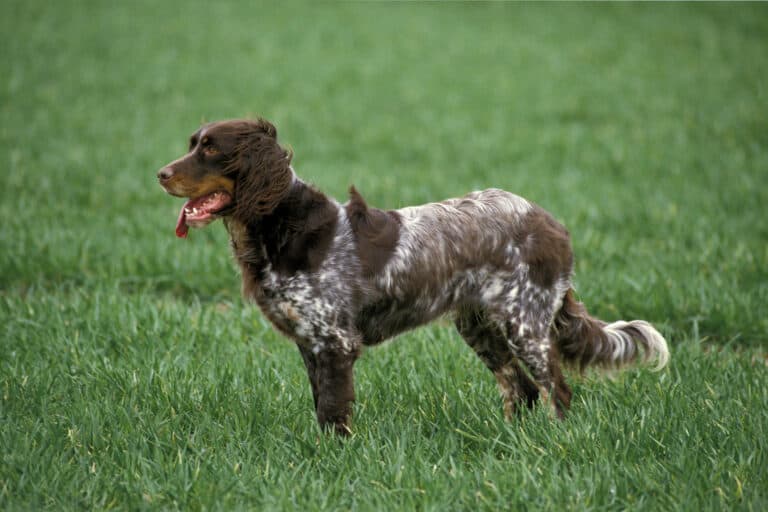
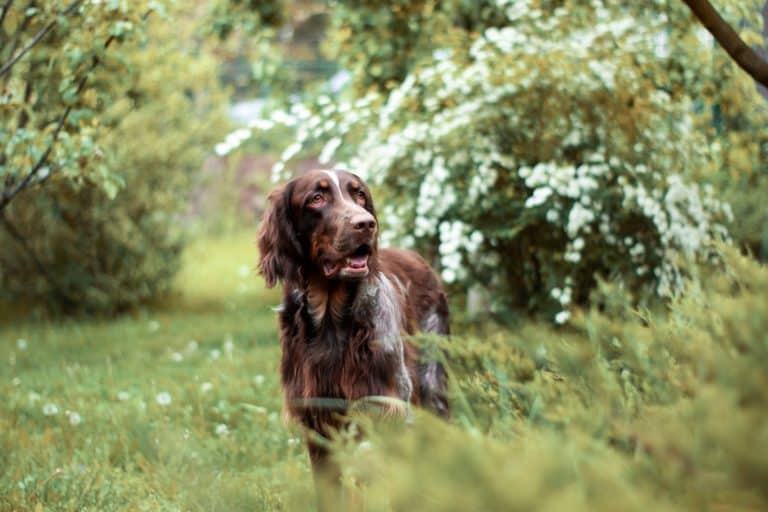
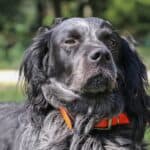
The Picardy spaniel is a medium-sized hunting dog with all the typical features of other working spaniels, like their expressive eyes, silky ears, and sturdy build. However, something that sets them apart from the rest is their brown roan coat with tan markings.

Picardy spaniels were initially bred for hunting by French noblemen, and while today they are primarily companion dogs, there are still people who use them as gun dogs to retrieve prey like waterfowl and hares.

An infographic about the Picardy Spaniel dog breed, showcasing its physical traits, exercise needs, and family temperament through icons and text.
Noble heritage meets urban living—discover why this rare $3,500 companion is worth the years-long wait. © A-Z Animals

Different Types of Picardy Spaniels

The most closely related breed to the Picardy Spaniel is the Blue Picardy Spaniel, which was developed by crossing the Picardy Spaniel with English Setters. The French Spaniel is another related breed that shares ancestry with the Picardy Spaniel.

Three Pros and Cons of Owning a Picardy Spaniel 

This breed is exceptionally cute, but before running out and purchasing one, there are a few pros and cons about the Picardy spaniel you need to know:

ProsCons
Because of their hunting history, they are great companions for avid outdoorsmen and skilled in hunting, retrieving, and pointing activities.Not suitable for inactive owners
Perfect fit for an active familyAre prone to separation anxiety
Great watchdogsNot hypoallergenic

The Best Dog Food for a Picardy Spaniel 

Because this is a medium-sized breed, it should be fed high-quality dog food formulated especially for dogs of its size. In addition, because they are working dogs, try looking for kibble designed to meet their needs.

Size and Weight

The Picardy spaniel is similar in size to their cousin, the Cocker spaniel. Males generally stand 22 to 25 inches (55 to 64 cm) tall and weigh 55 to 70 lbs (25 to 32 kg), while females are slightly smaller at 22 to 24 inches (55 to 60 cm) and 45 to 58 lbs (20 to 26 kg).

Common Health Issues

These dogs are generally healthy and have relatively long lifespans. However, one major health issue in Picardy spaniels is ear infections because of the shape and size of their long ears. In addition, they are prone to obesity if overfed and understimulated. Picardy spaniels can live for 12 to 14 years of age.

Temperament

These dogs are mild-mannered and highly intelligent. Even though they were bred to be hunting dogs, they make fantastic family pets. Of course, they need plenty of outdoor space to release all their pent-up energy. However, Picardy spaniels are one of the few working dogs that do well in apartments as long as they get their long walks every day.

They are so devoted to their family that they may develop separation anxiety if left alone the whole day. To avoid behavioral problems, ensure that they get enough exercise and attention each day.

How to Take Care of a Picardy Spaniel 

Picardy spaniels usually have a relatively long lifespan, but that is only if they are cared for correctly. So, before obtaining this breed, be sure you can keep up with all its care requirements.

Grooming

This breed usually experiences matting on their ears, legs, and tails, which can be prevented by brushing them twice a week, focusing on those areas. In addition, their ears require a lot of attention because they are prone to ear infections. Therefore, they will benefit from a thorough ear cleaning every week with a veterinary-approved ear cleaner.

Training

These dogs require consistent training with a firm leader because they are a stubborn breed. However, they are very intelligent and should follow instructions easily with a positive reinforcement training method. In addition, they are busybodies and generally excel at many dog sports, even ones that don’t require fetching skills.

These dogs will not respond well to yelling or physical punishment, which only scares them and may impact the bond between the dog and owner.

Exercise

These dogs are incredibly active and have high exercise needs. Their stamina and endurance are out of this world, and they can go for long daily jogs without even breaking a sweat. In fact, a daily jog won’t be enough for this hunting dog. They need at least 1 to 1.5 hours of vigorous exercise a day, including running around in an enclosed yard.

Puppies

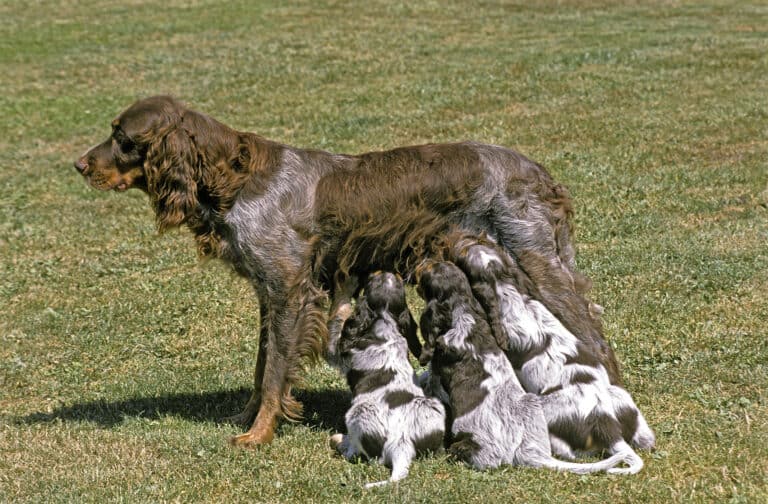
The average litter size for this breed is between 6 and 8 puppies. Pups can be quite rambunctious because of their high energy level, so it’s best to start socialization and training from an early age.

Socialization does wonders for these puppies as it will teach them to be calmer and friendlier towards other animals and people. In addition, training will stop any destructive behavior and keep their energy levels under control.

Because Picardy spaniels are somewhat rare, finding one is difficult. Hopeful dog lovers are usually placed on a waiting list and can spend between $1,200 and $3,500 for a pup.
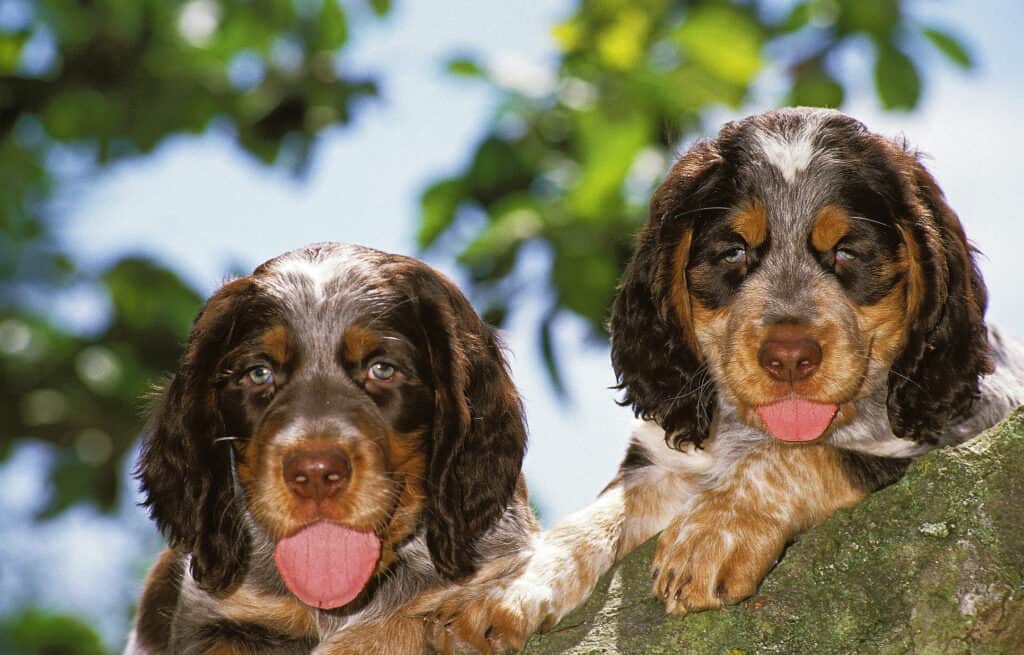
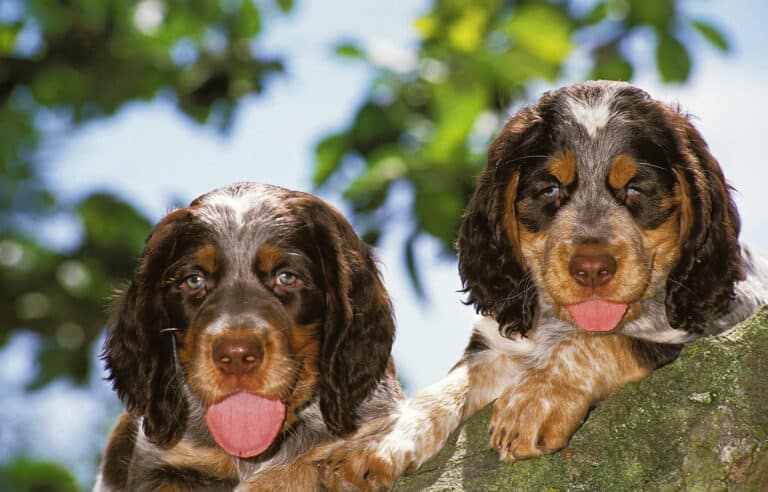
Picardy Spaniel Puppies

Picardy spaniels give birth to litters that average 6 to 8 in size.

Picardy Spaniel and Children

Picardy spaniels are the perfect family dog. Their high energy levels work well with young children, and their hunting dog background makes them excellent watchdogs who will protect your children. In addition, if socialized from a young age, they get along well with other pets.

Dogs similar to the Picardy Spaniel 

There are many dog breeds similar to the Picardy spaniel. The following breeds are all water dogs and have very gentle and loving natures:

View all 246 animals that start with P

Sources

  1. Pet Guide / Accessed September 29, 2022
  2. Dog Zone / Accessed September 29, 2022
  3. Animals Adda / Accessed September 29, 2022
Chanel Coetzee

About the Author

Chanel Coetzee

Chanel Coetzee is a writer at A-Z Animals, primarily focusing on big cats, dogs, and travel. Chanel has been writing and researching about animals for over 10 years. She has also worked closely with big cats like lions, cheetahs, leopards, and tigers at a rescue and rehabilitation center in South Africa since 2009. As a resident of Cape Town, South Africa, Chanel enjoys beach walks with her Stafford bull terrier and traveling off the beaten path.
Connect:

Thank you for reading! Have some feedback for us?


Picardy Spaniel FAQs (Frequently Asked Questions)

Because Picardy spaniels are somewhat rare, finding one is difficult. Hopeful dog lovers are usually placed on a waiting list and can spend between $1,200 to $3,500 for a pup.