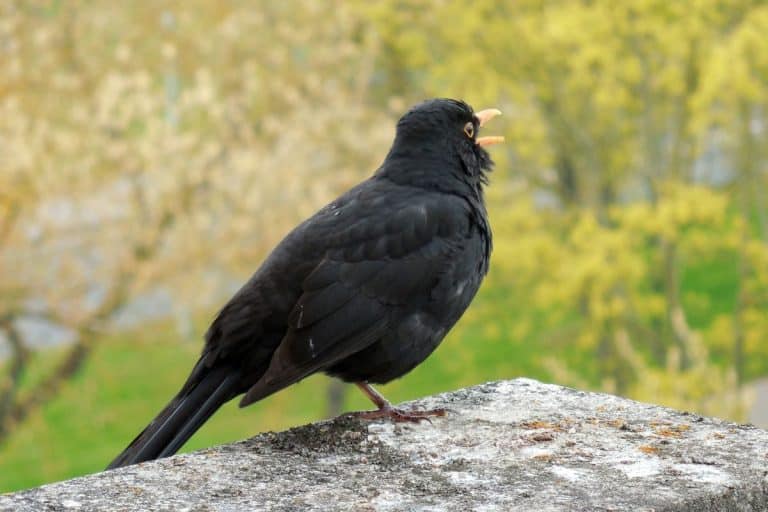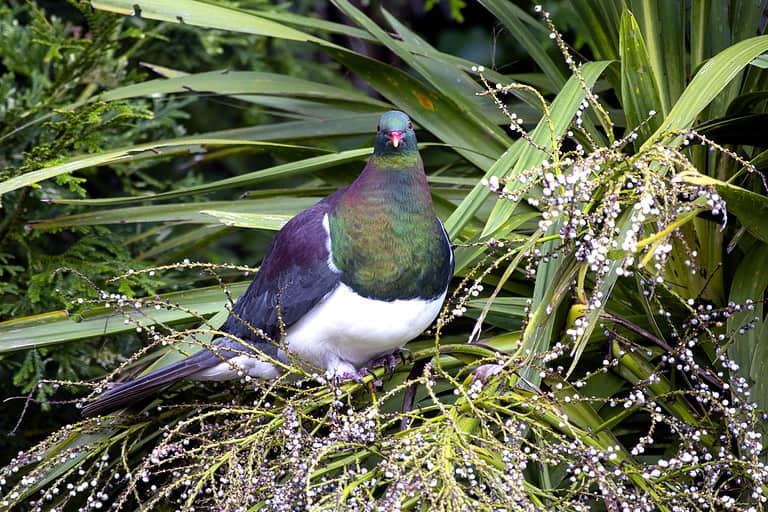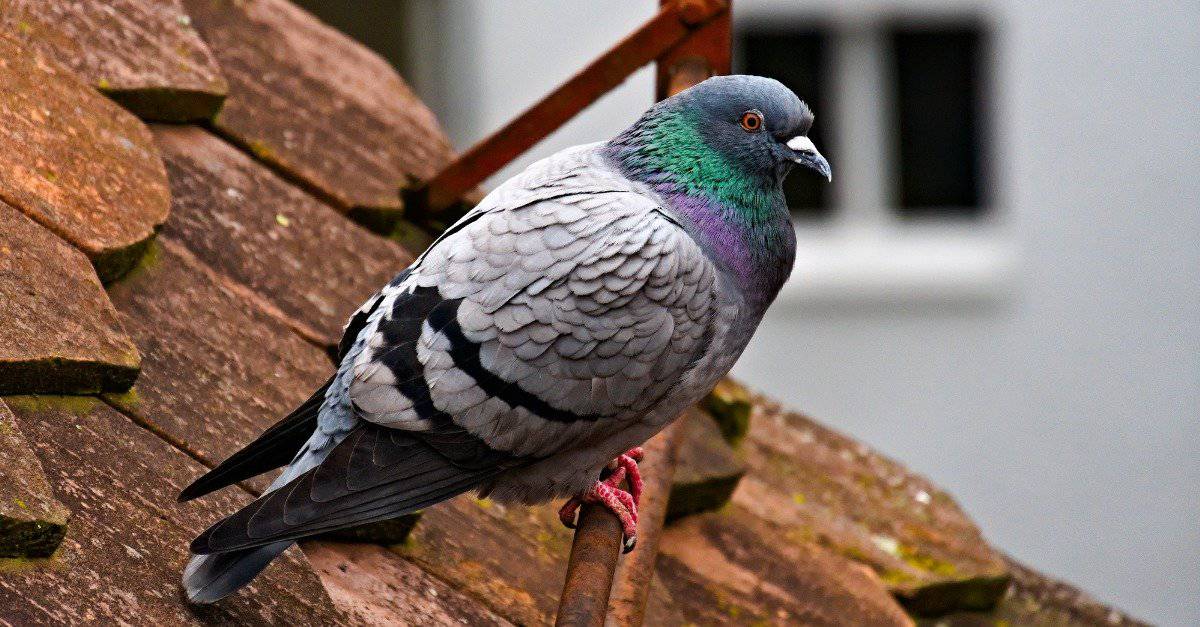

The pigeon, also called a rock dove, is a stout-bodied bird with a fleshy beak and large wings. There are between 310 and 352 pigeon species distributed worldwide. Many are native to the Asian Pacific region and are rarely seen by people. The diets of pigeon species are widespread and varied, though similarities exist. Continue reading to discover what these feathered flocks feed on.
What Pigeons Eat

Some pigeons congregate near cities and towns.
©MNStudio/Shutterstock.com
Pigeons are sometimes described as true omnivores, meaning they eat both plants and animal protein. However, their diet consists primarily of plant matter, including grains, grasses, green leafy vegetables, herbs, weeds, fruits, and berries, which they occasionally supplement with insects, snails, and earthworms.
The composition of the diet depends on location. Pigeons located near the tropics tend to eat more fruits than seeds and therefore spend a great deal of time foraging in trees. Many temperate species, on the other hand, obtain the bulk of their nutrients from seeds. It’s estimated that pigeons consume between 12% and 20% of their body weight each day.
How Pigeons Eat
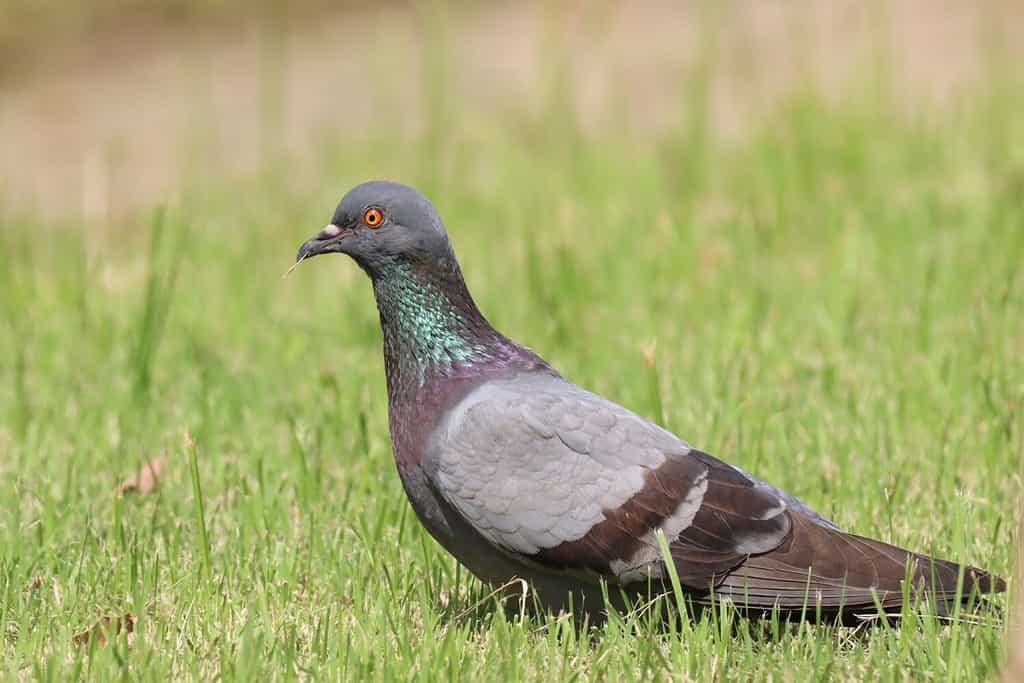
The gizzard, a specialized, muscular part of the pigeon’s digestive system, breaks down seeds and grains.
©Opasbbb/Shutterstock.com
Pigeon anatomy is adapted to take advantage of the foods around them. Heavy seed and grain eaters, pigeons rely on their gizzards (a special organ located near the digestive system) to grind up tough food. Their intestines are longer, allowing for the breakdown and absorption of complex carbohydrates. Pigeons in the tropics, which are primarily fruit eaters, generally have shorter intestines and a thinner gizzard. They also have a greater ability to cling to branches and hang upside down, making it easier for them to obtain fruits from trees.
What Baby Pigeons Eat
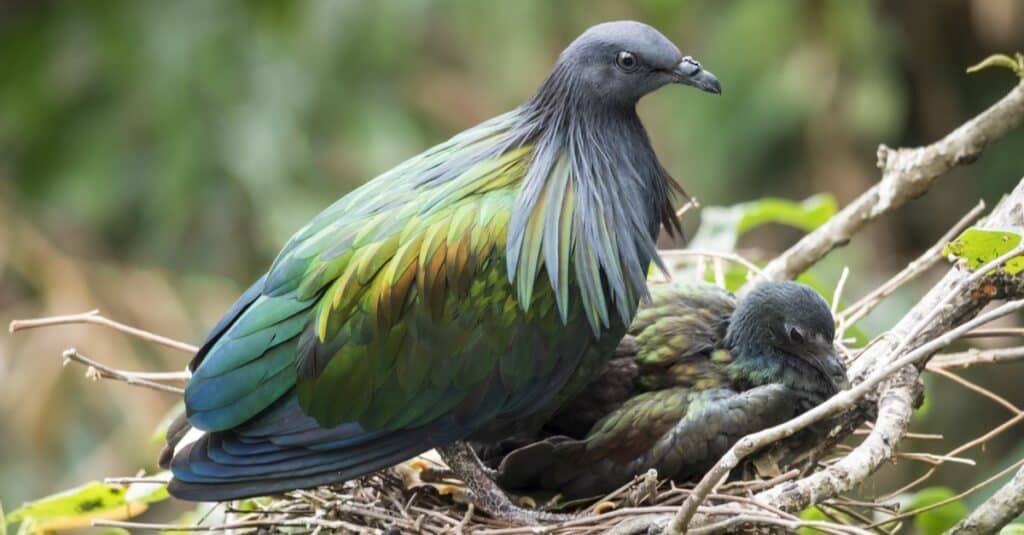
Nicobar Pigeon looking after her nest and her baby.
©iKhai_TH/Shutterstock.com
Before reaching adulthood, baby pigeons feed on a substance called pigeon’s milk. This isn’t true milk, but instead a semi-solid regurgitated substance that is extremely high in proteins and fats, helping the hatchlings grow to full size. The baby pigeons consume this milk during the first few days of life before being gradually weaned to accept seeds and other foods. It may take a few weeks before baby pigeons are fully capable of digesting adult food.
Feeding Pigeons
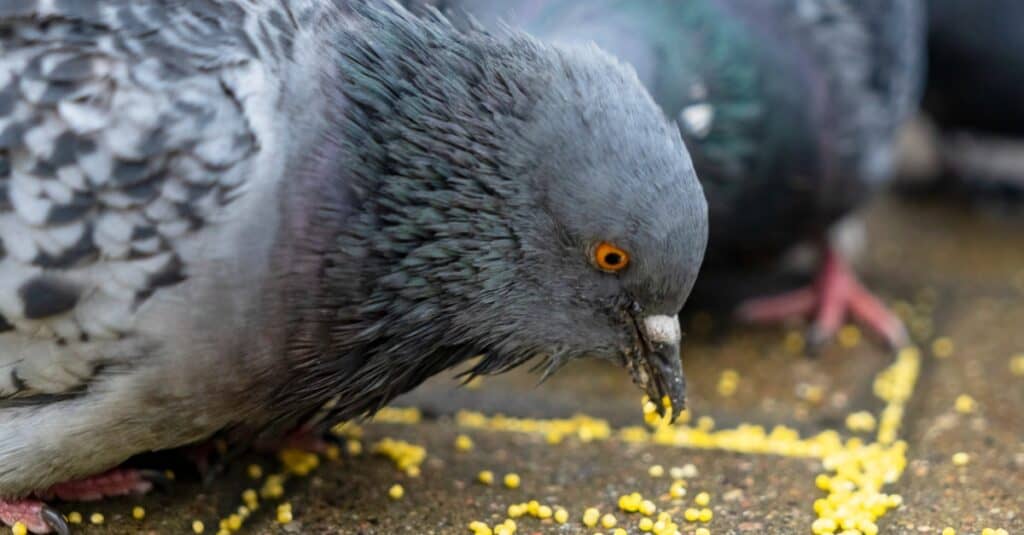
Pigeons are thought to play an important ecological role in the wild by dispersing uneaten seeds throughout their environments.
©iStock.com/Ivan Murauyou
While humans can feed pigeons, that doesn’t mean they should. While it might be tempting to feed pigeons as you sit on a park bench, some experts counsel against this practice. Regularly feeding pigeons can make them more reliant on human-provided food sources and may reduce their motivation to forage naturally. If you are intent on feeding pigeons, it is better to set up a small feeding box in your yard.
The feeding box should contain a combination of wheat, cracked corn, sunflower seeds, sorghum, and millet. To maximize the chances of attracting them, you might want to spread out seeds on the ground or put them in some kind of tray or platform feeder on which the bird can easily perch. Dense shrubs or evergreen trees near your yard can serve as potential nesting sites to keep the pigeons nearby. Pigeons like to have a birdbath nearby with ledges to stand on.
A Complete List of the Top 10 Foods the Pigeon Eats
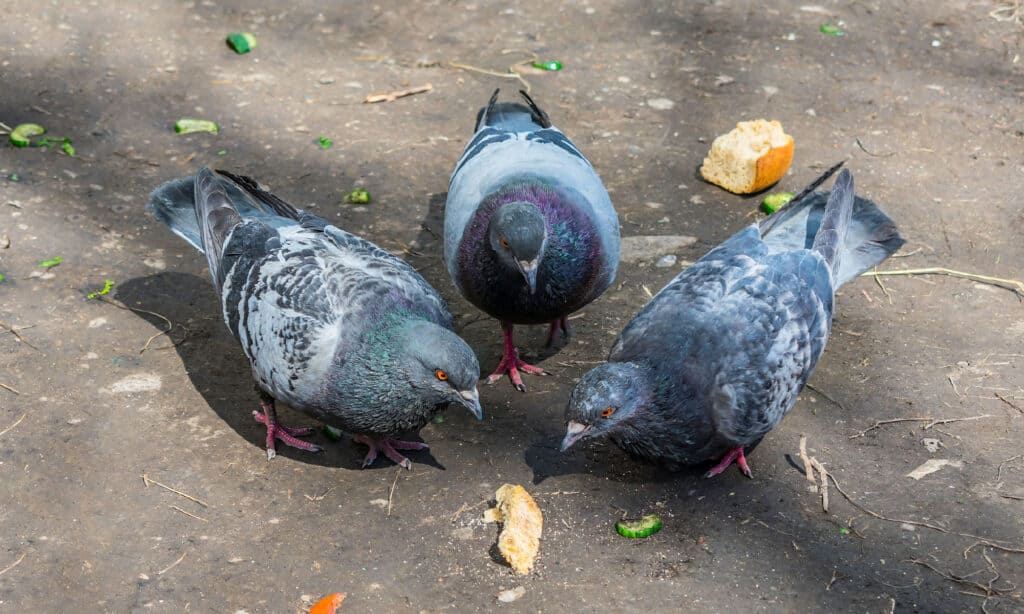
City pigeons are principally scavengers.
©iStock.com/Nikolay Chekalin
Pigeons have a long and varied diet. This is by no means an exhaustive list of foods, but it should give you some idea of what most pigeons eat.
- Seeds and grains
- Grasses
- Weeds
- Green vegetables
- Herbs
- Fruits
- Berries
- Insects
- Snails
- Earthworms
What Can Pigeons Not Eat?
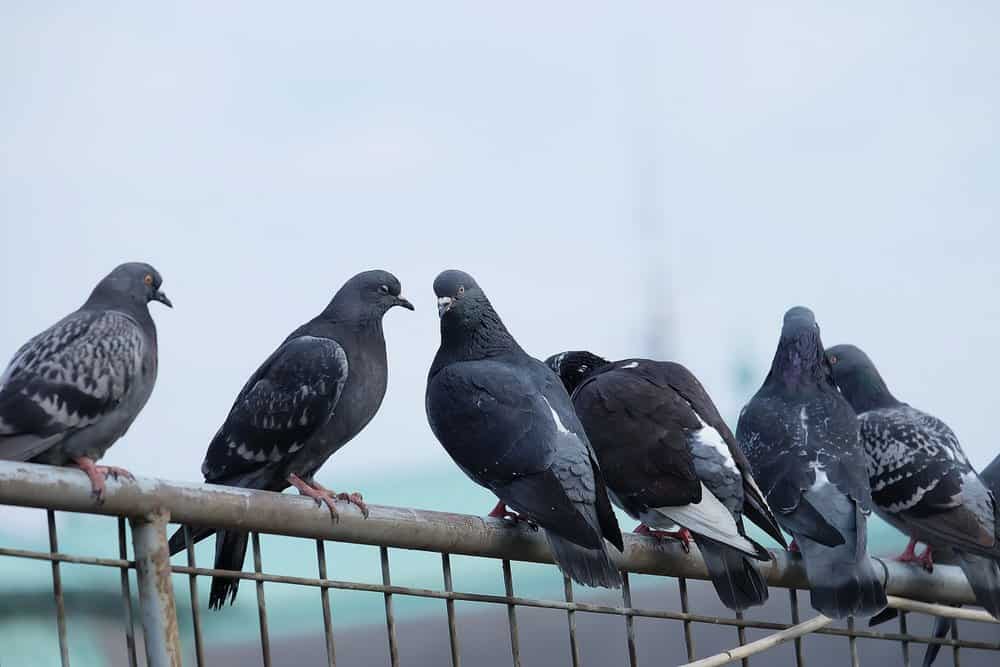
There are many foods that pigeons shouldn’t eat.
©Alice Arts Bar/Shutterstock.com
Like many animals, pigeons are susceptible to certain toxic foods. Pigeons in urban areas might be more at risk of eating toxic foods since these are much more available to them. One of their favorite items is salt, which can dehydrate them. Another is processed sandwich meats, which may contain bacteria from which pigeons have no defense.
These are additional foods that should be kept away from pigeons:
- Apple seeds
- Avocado
- Caffeine
- Chocolate
- Fats
- Fruit pits
- Garlic
- Onions
- Xylitol
Not only are these items harmful, but some have severe effects. Items that contain sugar, both in food and drink, can lead to pigeons developing diabetes, and apple seeds contain cyanide, which can irritate their digestive systems.