
Stories of pit bulls being “fighting dogs” lead to misconceptions about their nature and temperament. Aggression toward humans is uncharacteristic of this breed. They make great companions and are excellent family dogs when properly trained and socialized. Pit bulls are very loving and devoted dogs, as many pit bull owners will gladly tell you.
The American Dog Breeders Association (ADBA) describes pit bulls as medium-sized dogs with short coats and well-defined, solid, muscular bodies. They have broad heads with round to almond-shaped eyes and small to medium length ears. Their short tails are thick at the base and taper to a point. But other than reproductive organs, how do you know if it’s a male or female pit bull? How do you decide which sex is a better fit for your family? Read on to learn the differences between male and female pit bulls.
Comparing a Male and a Female Pit Bull

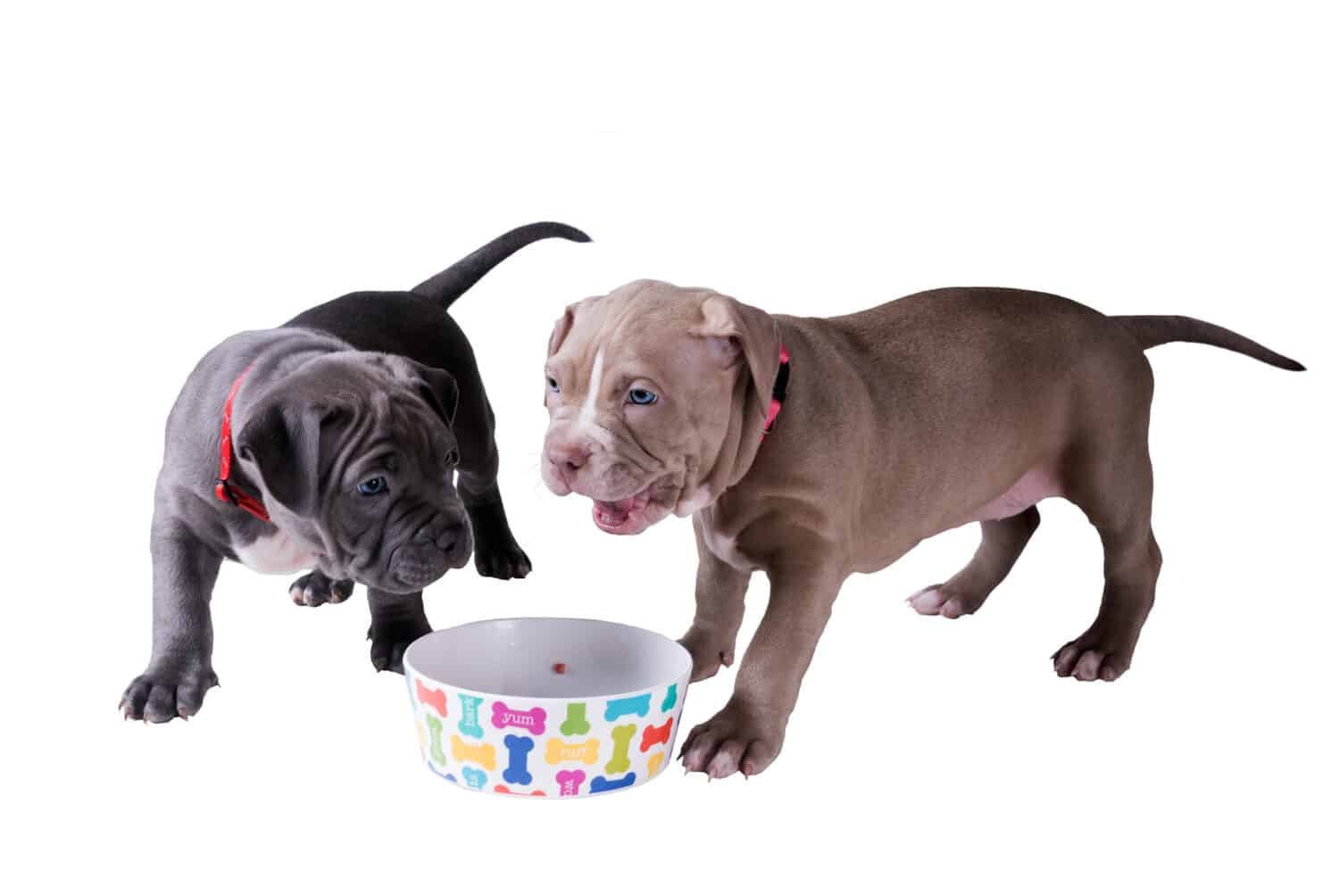
Pit bulls of both sexes make excellent family dogs when properly trained and socialized.
©SeventyFour/Shutterstock.com
| Male Pit Bull | Female Pit Bull | |
|---|---|---|
| Size | Height: 18-21 inches Weight: 35-60 pounds | Height: 17-20 inches Weight: 30-50 pounds |
| Appearance | Bulkier and more muscular; broader head and chest; may have more developed jaws and closer set eyes | Slimmer, more refined body; narrower head and chest; eyes slightly wider apart |
| Temperament | Higher energy levels; outwardly affectionate; more excitable; confident but stubborn; can be more dominant and territorial | Calmer temperament; more independent and self-reliant; less likely to engage in acts of dominance; may be more selective in their affections |
| Training and Socialization | Require more socialization with people and other dogs; may be harder to train due to stubbornness | Require a moderate amount of socialization with people and other dogs; may be easier to train but require mentally stimulating tasks |
| Health Problems | Bone, joint, and hip injuries; Bladder infections | Uterus infections when not spayed; Breast tumors and cancers |
Key Differences Between a Male Pit Bull and a Female Pit Bull
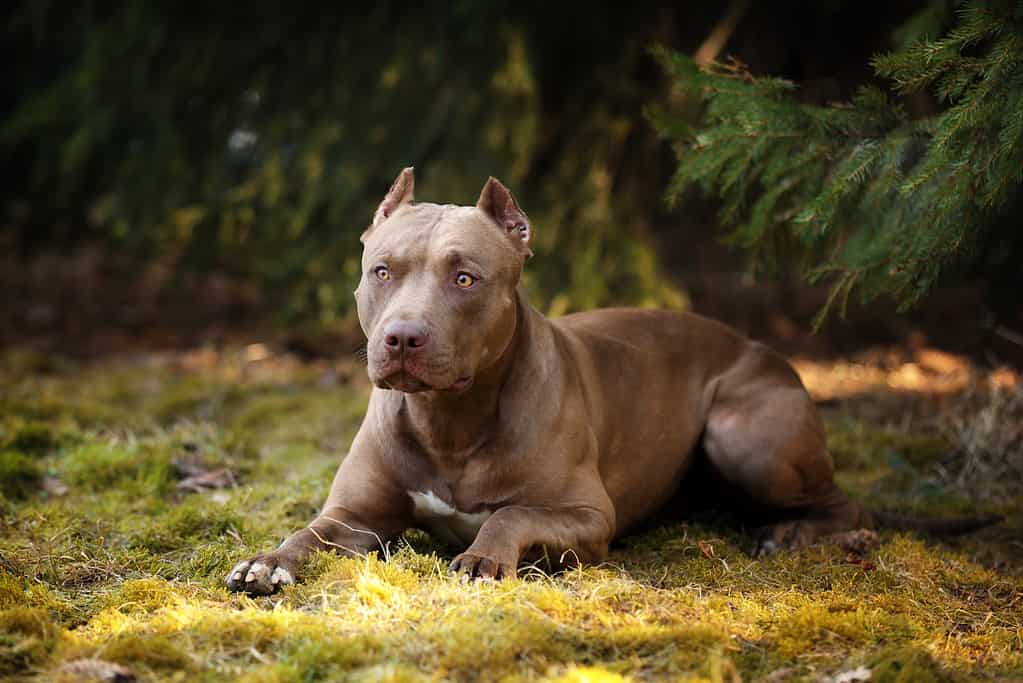
Male pit bulls tend to have broader heads and chests than females.
©Ivanova N/Shutterstock.com
Male and female pit bulls look similar, but there are 5 key differences between the two sexes. There are differences in size, appearance, temperament, social needs, and health problems. Take an in-depth look at these differences in the following sections.
Size
The male pit bull is generally taller than the female, measuring from 18 to 21 inches in height. Males are also typically heavier. Breed standards for the United Kennel Club (UKC) suggest that American pit bull terrier males in good condition should weigh between 35 and 60 pounds.
Females are typically shorter and smaller than their male counterparts. They stand about 17 to 20 inches tall at the withers. UKC standards for female pit bulls suggest animals in good condition weigh between 30 and 50 pounds.
Appearance
Male pit bulls tend to be bulkier and more muscular. Their heads and chests are often broader than those of the females. Some sources also suggest that males have more developed jaw bones and eyes that are slightly closer together.
In contrast, females generally have a longer and slimmer body frame. Their heads are slightly narrower, with eyes spaced slightly farther apart. Females are often said to have a more refined yet still athletic appearance compared to males.
Temperament

Male pit bulls are more high energy, while female pit bulls tend to be calmer.
©Matthew Lyon/Shutterstock.com
Male pit bulls tend to be more outwardly affectionate. They are said to be more playful, especially with children. A male pit bull is higher energy and can be more excitable as a puppy. They are confident but also a bit more stubborn. Unneutered males can be more dominant and territorial and may exhibit more aggressive tendencies with other male dogs. If you do not intend to breed pit bulls, it is important to neuter your male or spay your female pit bull.
Female pit bulls are known to be more independent and self-reliant. They can be more maternal but are sometimes more selective in their affections. Females are also less exuberant and have a calmer disposition. They are less likely to engage in acts of dominance. However, temperament can vary significantly between individual dogs.
Social Needs
Male pit bulls are more energetic than females, but both sexes require proper training and socialization to ensure they are well-balanced pups. Male pit bulls are eager to please but can sometimes be harder to train due to their stubborn nature. As mentioned above, males can be more territorial, so they may require a greater focus on socialization to learn to interact appropriately with other dogs.
In some ways, female pit bulls are easier to train because of their calmer dispositions. They also respond well to positive reinforcement. However, their independence means they may not be as eager to please and will need more mentally stimulating training techniques to keep them engaged. Because females are less likely to be territorial, they often integrate more easily into multi-pet households.
Health Problems
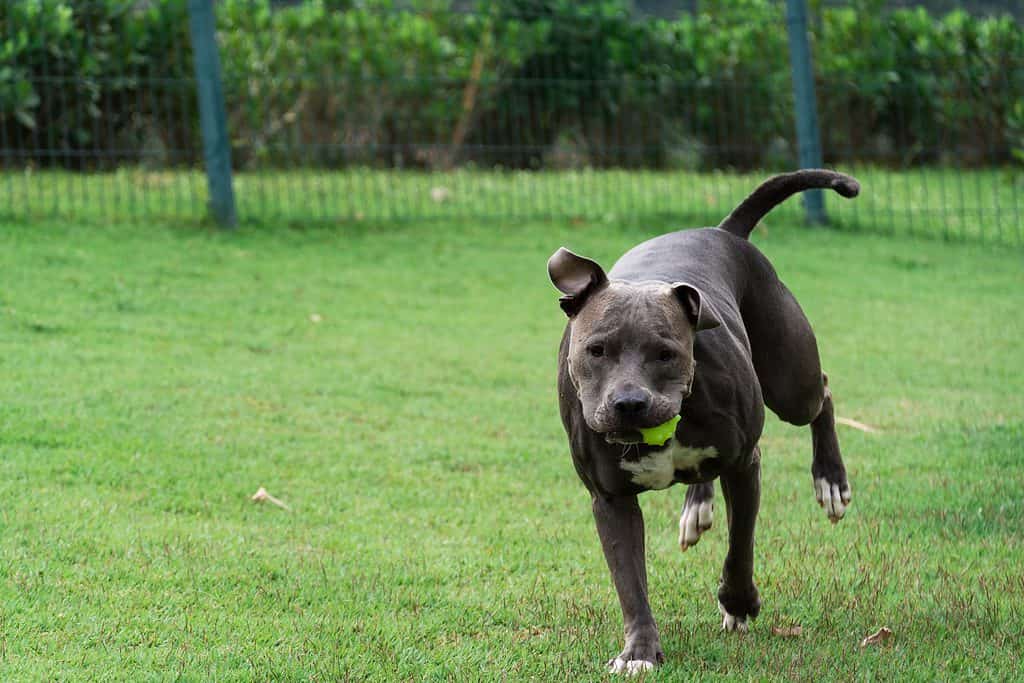
Pit bulls require a healthy diet, socialization, and plenty of exercise to live a balanced life.
©Diego Thomazini/Shutterstock.com
Pit bulls are generally healthy, but like all breeds, they may be subject to certain health issues. Some of the most common health problems in pit bulls include:
- Allergies
- Hip dysplasia
- Cataracts
- Obesity
- Liver disease
- Thyroid problems
- Heart disease
Male pit bulls are more prone to bone injuries, as well as joint and hip problems, because they are more physically active. They are also more likely to have bladder problems.
If they are not spayed, female pit bulls are prone to uterine infections, mammary tumors, and cancer.
Which Is Better, a Male or Female Pit Bull?
Remember that a pit bull’s character, personality, and temperament are less dependent on sex and more dependent on the individual and whether they have received proper early socialization and training. With proper care and attention, owners can help ensure a pit bull of either sex becomes a great companion and playmate for the entire family.