




P
Species Profile

Podenco Canario

Canis lupus familiaris

Big ears. Bigger stamina.
iStock.com/Wirestock

Podenco Canario Distribution

Click a location to explore more animals from that region

Origin Location

This map shows the native origin of the Podenco Canario. As a domesticated species, they are now found worldwide.

Loading map...

Found in 1 country

Size Comparison

Human 5'8"
Podenco Canario 1 ft 11 in

Podenco Canario stands at 34% of average human height.

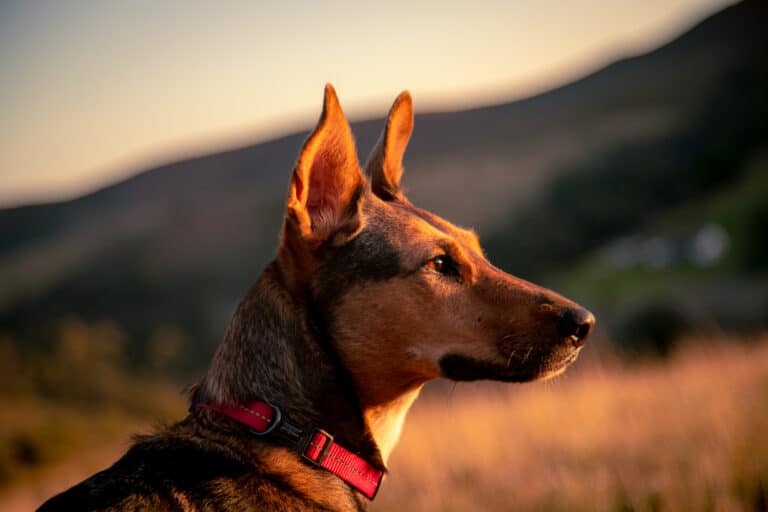
Podenco Canario in a Field

At a Glance

Domesticated
Also Known As Canary Island Podenco, Canary Islands Podenco, Canary Podenco, Canary Island Hound, Canarian Hound, Podenco
Diet Omnivore
Activity Crepuscular+
Lifespan 12 years
Weight 25 lbs
Status Not Evaluated
Did You Know?

The Podenco Canario is a Spanish breed native to the Canary Islands, developed chiefly for rabbit hunting in rough volcanic terrain.

Scientific Classification

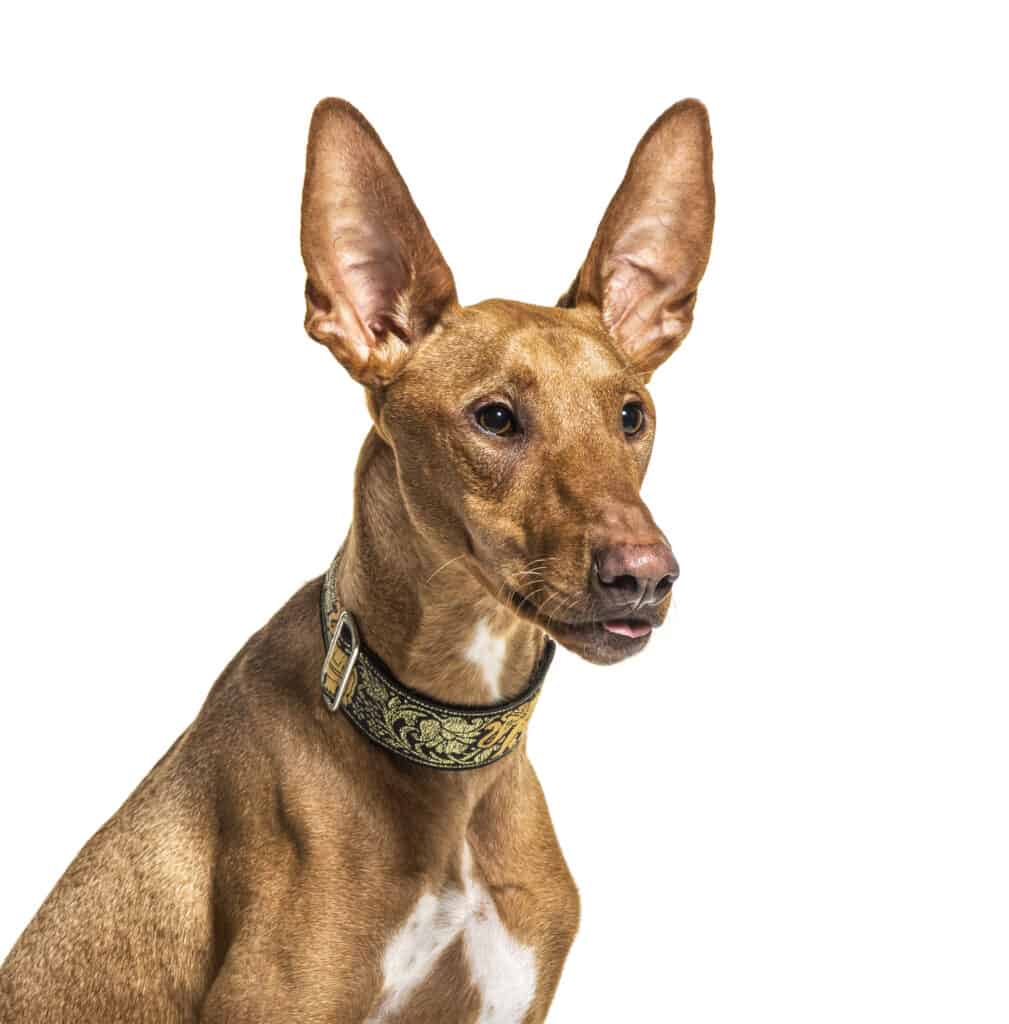
The Podenco Canario is a primitive, podenco-type hunting dog traditionally used for rabbit hunting across the Canary Islands. It is characterized by an athletic, lean build, high stamina, keen senses, and typically large erect ears.

Kingdom
Animalia
Phylum
Chordata
Class
Mammalia
Order
Carnivora
Family
Canidae
Genus
Canis
Species
Canis lupus

Distinguishing Features

  • Lean, leggy, athletic body adapted for endurance and speed
  • Large, erect, triangular ears; alert expression
  • Typically short coat (often reddish/fawn, sometimes with white markings)
  • Traditional use as a scent/sight-oriented rabbit hunter in the Canary Islands

Physical Measurements

Males and females differ in size

Height
1 ft 11 in (1 ft 10 in – 2 ft 1 in)
1 ft 10 in (1 ft 9 in – 1 ft 12 in)
Length
3 ft 3 in (2 ft 11 in – 3 ft 7 in)
Weight
50 lbs (44 lbs – 55 lbs)
42 lbs (35 lbs – 49 lbs)
Tail Length
1 ft 4 in (1 ft 2 in – 1 ft 6 in)
Top Speed
34 mph
running

Appearance

Primary Colors
Secondary Colors
Skin Type Short, close-lying coat over thin, elastic skin; low undercoat, heat-adapted.
Distinctive Features
  • Domestic dog breed (Canis lupus familiaris) selectively bred for rabbit hunting in the Canary Islands.
  • Lean, athletic sighthound-type silhouette with deep chest and pronounced tuck-up.
  • Large, upright triangular ears; extremely mobile and heat-dissipating.
  • Long, narrow head with minimal stop; tight lips and dry facial planes.
  • Long legs, light bone, and springy gait optimized for endurance and agility over rough lava terrain.
  • Short, tight coat requires little grooming but offers limited cold protection.
  • Keen scent, sight, and hearing; typically alert, active, and fast-reacting in the field.
  • Care: needs daily vigorous exercise, sprinting opportunities, and secure fencing due to prey drive.
  • Care: benefits from mental work (tracking games), gentle training, and early socialization to reduce timidity.
  • Health considerations: generally hardy; watch for exercise-related pad abrasions, minor hunting injuries, and occasional dental wear.
  • Health considerations: may be sensitive to cold/wet conditions; provide warmth in cooler climates.

Sexual Dimorphism

Males are typically slightly taller and more robust, with broader skull and chest. Females are usually finer-boned with a narrower head and lighter musculature, while maintaining the same lean, athletic outline.

  • Slightly larger overall frame and heavier musculature.
  • Broader chest and shoulders; more pronounced neck thickness.
  • Wider head and muzzle with a more substantial jawline.
  • Slightly smaller, more refined build with finer bone.
  • Narrower chest and head, giving a lighter, more streamlined look.
  • Often shows a more delicate neck and overall outline.

Did You Know?

The Podenco Canario is a Spanish breed native to the Canary Islands, developed chiefly for rabbit hunting in rough volcanic terrain.

It's a "podenco" type: a Mediterranean landrace group of primitive hunting dogs known for lean bodies, upright ears, and keen senses.

Many hunt in small packs, using a mix of scenting and sighting-often freezing, then bursting into fast pursuit.

The breed's short coat and light build help it shed heat while working long hours in warm island climates.

Their large, erect ears improve sound detection and also help dissipate heat during intense exercise.

Outside hunting, they're often calm at home-but their prey drive can be very strong around small animals.

Unique Adaptations

  • Endurance-focused build: deep chest and long limbs support efficient trotting and repeated sprints over long hunts (a breed refinement beyond the general domestic dog).
  • Heat management: short coat, minimal body bulk, and large ears aid cooling in the Canary Islands' warm conditions.
  • Terrain agility: compact, springy musculature and flexible spine favor rapid turns and leaps across lava rock, scrub, and steep slopes.
  • Sensory emphasis: strong olfaction plus keen vision and hearing-selected for locating small, fast quarry in dense cover.
  • Low-maintenance coat: short hair reduces burr pickup and drying time after work, useful in coastal/island environments.

Interesting Behaviors

  • Quartering and zig-zag searching: methodical ground coverage while scenting for rabbit trails.
  • Explosive "start-stop" pursuit: a tense freeze or head lift followed by a sudden sprint when quarry bolts.
  • Pack cooperation: dogs spread out to flush rabbits from cover, then converge when one strikes a fresh line.
  • High environmental scanning: frequent head turns and ear swivels, blending sound, scent, and movement cues.
  • Problem-solving in brush and rock: agile climbing, hopping, and quick direction changes in uneven terrain.
  • Vocal and body signaling in the field: hunters value clear indications-alert posture, tail carriage, and selective barking depending on local hunting style.

Cultural Significance

A working emblem of rural Canarian hunting culture, the Podenco Canario is closely tied to traditional rabbit hunting practices across the islands. It represents a long-lived Mediterranean "podenco" heritage adapted locally to Canarian landscapes and livelihoods-valued more for field ability, toughness, and partnership with hunters than for ornamental traits.

Myths & Legends

Canarian oral tradition often frames the podenco as an old island hunter's companion "from before the Castilian era," a rustic origin story emphasizing that the dog belongs to the islands' countryside and volcanic ravines.

In local hunting tales passed down for generations, Podenco Canario dogs are called almost legendary rabbit finders whose ears "heard the mountain" before rabbits moved, stories that teach children what good dog work looks like.

People often link podenco-type dogs to old Mediterranean sea routes. Island stories say early traders brought them, and the islands' land and hunting made them Canarian in shape and skill.

Conservation Status

NE Not Evaluated

Has not yet been evaluated against the criteria.

Population Stable

Life Cycle

Birth 6 pups
Lifespan 12 years

Lifespan

In the Wild
11–13 years
In Captivity
10–15 years

Reproduction

Mating System Polygynandry
Social Structure Managed Domestic
Breeding Pattern Serial
Fertilization Managed Selective
Birth Type Internal_fertilization

In domestic settings, Podenco Canario matings are typically human-managed: selected males and females mate via internal fertilization, often with repeated copulations across a female's heat. Pair bonds are not durable; individuals may breed with multiple partners across seasons.

Behavior & Ecology

Social Pack Group: 4
Activity Crepuscular, Diurnal, Cathemeral
Diet Omnivore Lean meat-especially rabbit (reflecting the breed's traditional quarry)

Temperament

Breed vs. base species (domestic dog): more primitive, highly prey-driven, independent, and environmentally sensitive.
HUBS (podenco-type): high stamina hunters with keen senses; individuals vary from reserved to openly social.
Alert, agile, and persistent; can be cautious with strangers but affectionate and loyal with family.
High chase/foraging motivation; recall reliability varies-best managed with secure areas and long-line training.
Generally cooperative with familiar dogs; may show same-sex tension if under-exercised or poorly socialized.
Care: needs daily vigorous exercise, scent/tracking games, and structured enrichment to prevent frustration behaviors.
Care: early socialization and positive, reward-based training; harsh corrections can increase avoidance and reactivity.
Care: secure fencing recommended; strong escape/chase tendencies when stimulated by small animals.
Health (breed-typical): generally hardy; monitor for patellar luxation, skin allergies, and occasional ear irritation.
Health/care: maintain lean condition, nail/foot care for running, routine parasite control in hunting contexts.

Communication

Short, sharp alert barks when aroused or scenting
Whines and high-pitched excitement sounds during pursuit or anticipation
Growls for boundary-setting, typically brief and situational
Occasional howl-like calls in high arousal or separation contexts
Pronounced ear carriage and head/neck orientation signaling attention to stimuli
Tail position and fast body turns to cue chase intent; freezes before sudden pursuit
Scent investigation and ground-nosing; may mark during arousal or territorial routines
Pawing, nudging, and leaning into handlers for contact; avoids sustained eye contact when unsure
Play bows and chase invitations with known dogs; may disengage quickly if overstimulated

Habitat

Biomes:
Mediterranean Temperate Grassland Temperate Forest Desert Hot Desert Cold Boreal Forest (Taiga) Tundra Alpine Wetland Freshwater Marine Tropical Dry Forest Tropical Rainforest Temperate Rainforest Savanna +9
Terrain:
Island Volcanic Rocky Sandy Hilly Coastal
Elevation: Up to 12188 ft 4 in

Ecological Role

Human-associated predator and hunting aide (rabbit specialist) within the domestic dog niche; functions as an introduced/managed mesopredator under human control rather than a fully wild canid.

Rabbit and rodent population control (pest management) Supports traditional subsistence/recreational hunting Scavenging of edible scraps in human environments (minor) Can indirectly influence local prey behavior/distribution through pursuit pressure

Diet Details

Main Prey:
European rabbit Rats and mice Small ground birds Lizards and geckos Invertebrates
Other Foods:
Windfall fruits Berries Grasses Roots and tubers Vegetable scraps

Human Interaction

Domestication Status

Domesticated

Podenco Canario (Canarian Podenco, Canis lupus familiaris) is a domesticated rabbit hound from the Canary Islands. Bred for hunting rough volcanic land, it is lean, athletic, high in endurance, with a strong hunting drive, good sight, smell, and hearing, and large upright ears. Humans use them for rural hunting, pest control, kennel hunts, adoption, rescue, lure coursing, and agility.

Danger Level

Low
  • Bite risk is generally low but can increase with fear, poor socialization, or rough handling; may be aloof with strangers.
  • High prey drive can lead to chasing cyclists/runners or grabbing small pets if unmanaged.
  • Escape/chase behavior (climbing/digging/jumping) can create indirect risk via traffic incidents when off-leash or in insecure yards.
  • Strong pursuit instincts may cause accidental collisions/knock-downs during high-speed play.

As a Pet

Suitable as Pet

Legality: Generally legal to own as a domestic dog breed in most jurisdictions. Breed-specific bans are uncommon; however, local rules may apply (licensing, leash laws, restrictions on hunting dogs, transport/import requirements, and housing/landlord policies). Not a regulated wildlife species.

Care Level: Experienced

Purchase Cost: $300 - $2,000
Lifetime Cost: $15,000 - $40,000

Economic Value

Uses:
Hunting/working dog Companion animal Animal rescue and rehoming Breeding (limited, niche) Canine sports and training services
Products:
  • rabbit-hunting assistance and field work
  • pest/rabbit control services (informal/working use)
  • stud services and registered puppies (where recognized)
  • training, equipment, and sport participation fees
  • rescue adoption fees and rehabilitation services

Relationships

Ecological Equivalents 5

Animals that fill a similar ecological role in their ecosystem

The Podenco Canario is a dog that has been hunting rabbits for centuries, and this breed still hunts in Spain. The term “Podenco” means “hound” in Spanish. A type of hound from the Canary Islands, the Podenco Canario is an ancient dog that originated in Egypt and came to these islands with the Phoenicians during their travels.

This breed of dog first appeared in the Canary Islands around 500 years ago and has been preserved in its original form because of the island’s geographic isolation. The Podenco Canario is an affectionate and gentle dog that gets along well with children, though they do not enjoy playing rough games. Children should be careful when playing with these dogs because they may nip at them if they are too rough. Though they are very intelligent, strong, and independent dogs with a high prey drive, they are not necessarily good companions for small animals.

The Podenco Canario is a very stubborn breed of dog that requires a lot of exercise from its owners. It utilizes multiple senses when hunting, including sight, scent, and sound, to catch rabbits, often working alongside ferrets, which are used to flush rabbits from their burrows. These dogs are pack animals by nature, and one of their favorite things in the world is being affectionate with people who are close to them.

3 Pros And Cons Of Owning A Podenco Canario

ProsCons
The Podenco Canario is a very quiet dog and rarely barks. They typically only bark when they see something unexpected, such as a stranger or another animal.This dog is an independent and bright dog, which can make it stubborn and hard to train. It’s not likely to come when called.
They are affectionate and loyal to their family and have a gentle temperament, making them good with children. They like to play with older children and can spend hours at a time playing together.They do not care for rough play, so they will nip at small children who tug on their ears or pull their tails. They are also big enough to carelessly knock an unsuspecting child over.
According to health surveys, the dog is in good health and is not predisposed to any genetic diseases or other physical malformations.The Podenco Canario has a high prey drive, meaning it may run off after small animals if given the opportunity. This can also mean that it is not a good dog for someone with small pets.

Types Of The Breed

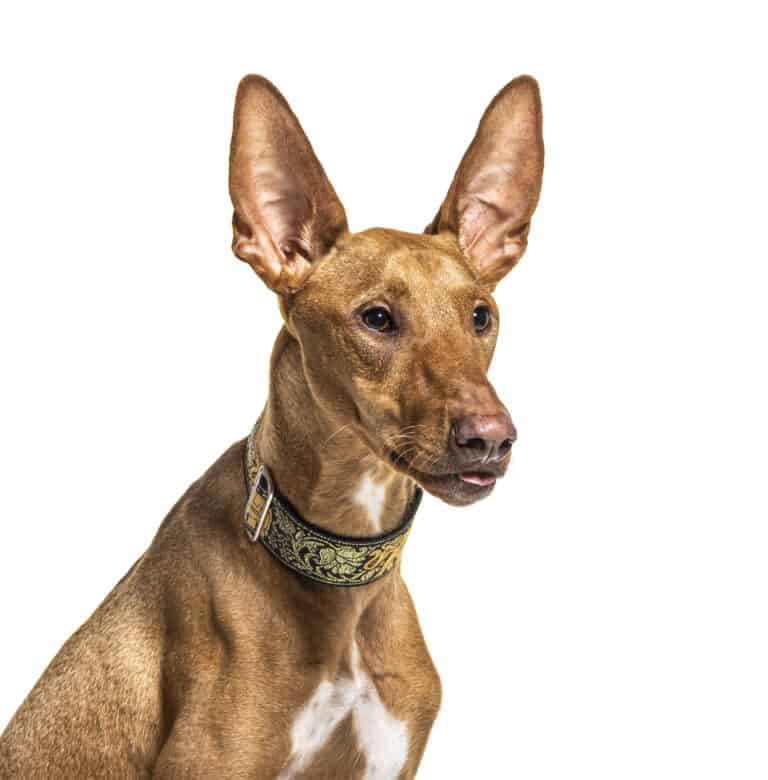
Podenco Canario Close-Up

The Podenco is found in three different types: Andaluz, Canario, and Ibicenco.

The Podenco can be found in three different types: small, medium, and large. The Podenco Andaluz is a breed from mainland Spain, the Podenco Canario is native to the Canary Islands, and the Podenco Ibicenco (Ibizan Hound) comes from the island of Ibiza. Each is a distinct breed rather than a size variant of the Podenco Canario. Both the small and medium breeds are used for rabbit hunting, while the large breed is used for hunting deer, rabbit, and wild boar.

The Best Dog Food For Podenco Canario

The Podenco Canario is a very active dog that needs to exercise for one to two hours a day. They also have a high metabolism. This dog needs dry kibble with high protein, carbohydrates, and fats to have enough energy for daily activities. Any food given to the Podenco should have meat as the number one ingredient.

Size And Weight
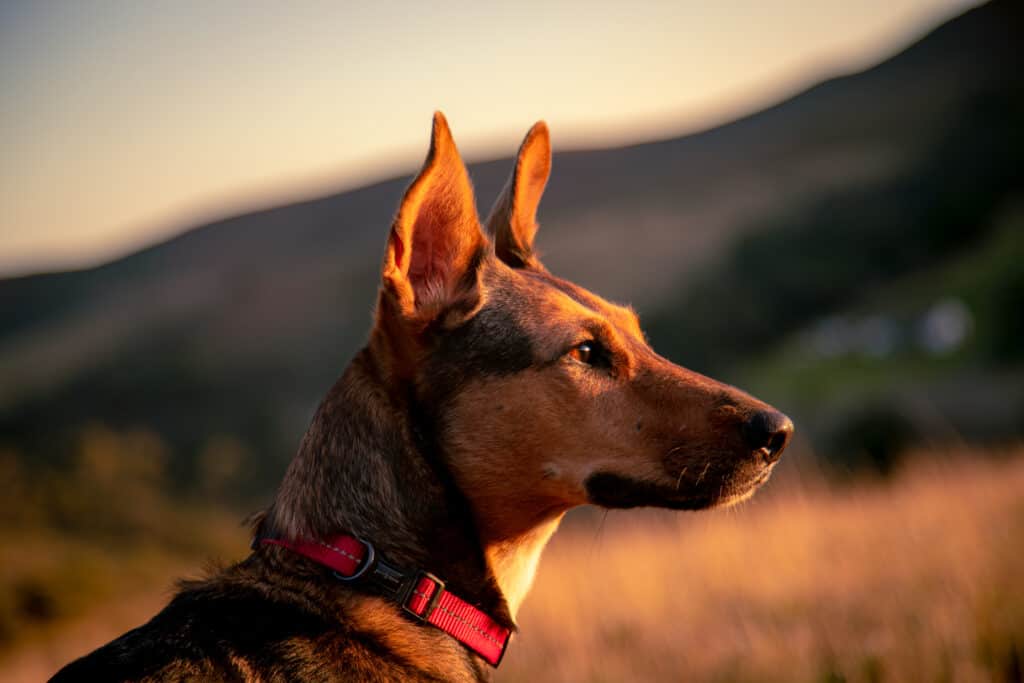
Podenco Canario in a Field

Ranging from 18 to 25 inches in height, Podenco Canarios are tall dogs.

The male Podenco Canario stands an average of 21 to 25 inches at the shoulder. It weighs an average of 44 to 55 pounds. The female is on the smaller side, with a height of 18 to 22 inches and a weight of 40 to 50 pounds.

Common Health Issues

While relatively healthy, Podencos may suffer from issues with hip dysplasia and testicular tumors. They are also physically daring while hunting, so it is important to watch for injuries. Occasionally, they will experience eye issues. Podenco Canarios have large ears, which means they are prone to ear infections.

Temperament

The Podenco Canario is intelligent and independent, with a lot of energy. They are very social but are agitated and nervous when not handled well. These dogs are often very enthusiastic and playful with their owners, which makes them fun companions. They’re affectionate and blush when excited. Podenco Canarios are usually quiet dogs that rarely bark unless something alarms them. Though they are smart, independent, and loyal, they easily become bored if they don’t receive enough activity. A good way to keep them busy is to train them, though they don’t respond well to being harshly treated or mishandled.

How To Take Care Of A Podenco Canario
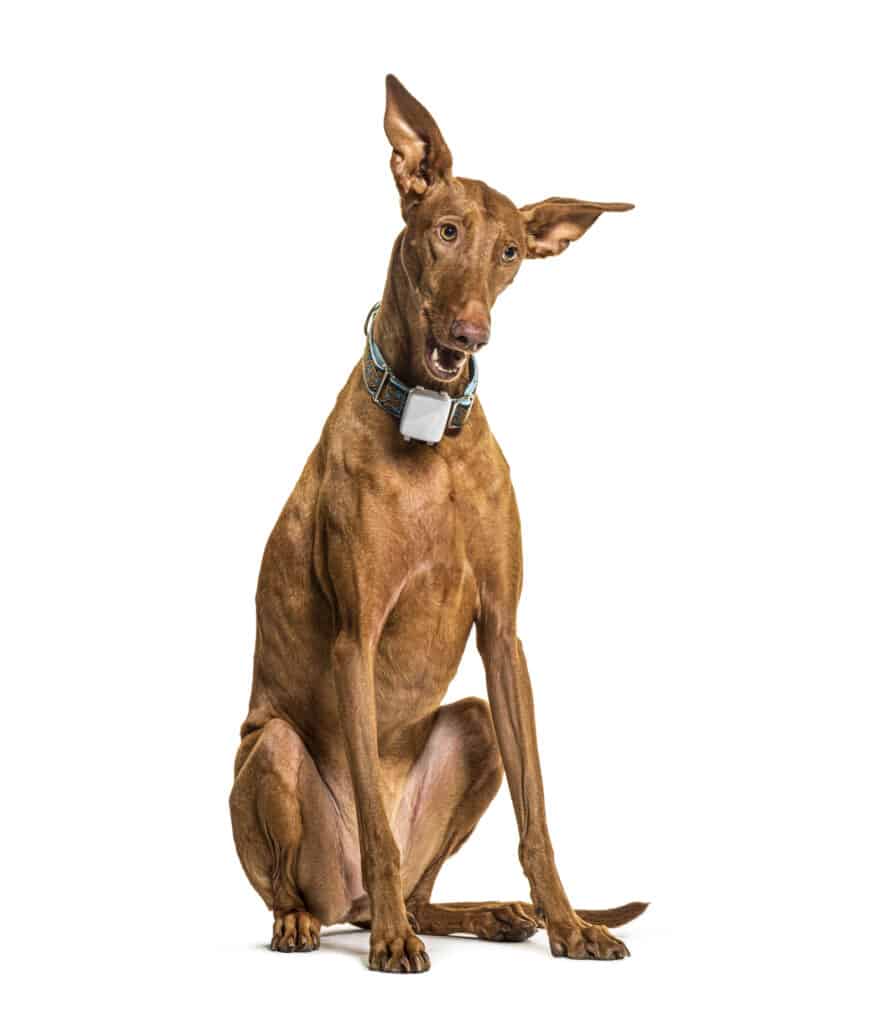
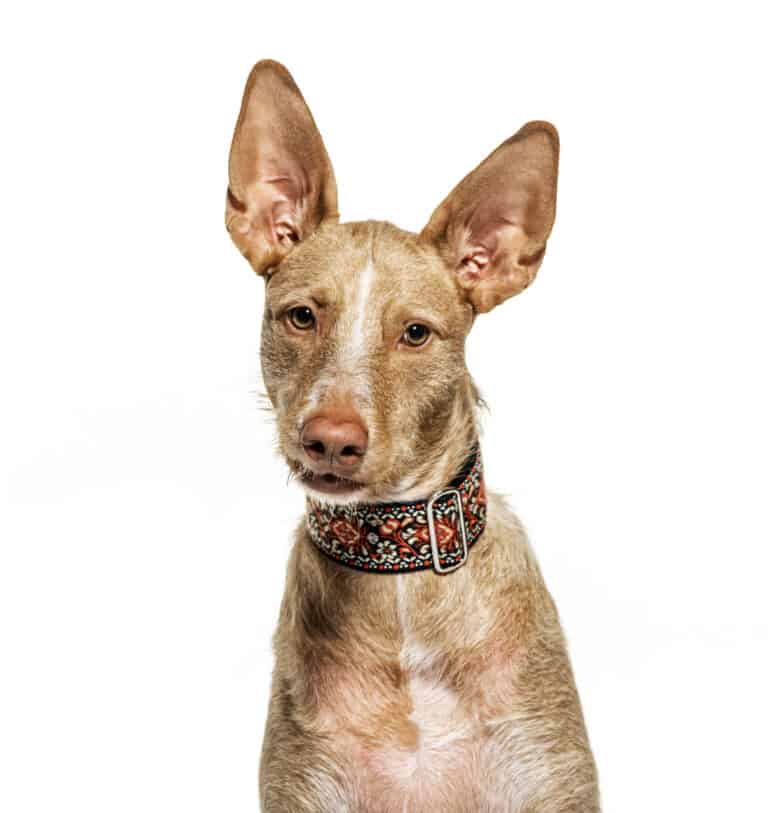
Sitting Podecno Canario

Podenco Canario may need to have its fur wiped down with a cloth, but it will need a gentle shampoo for its sensitive skin.

Maintenance And Grooming 

The Podenco Canario has a short coat that you don’t need to bathe often, though you can occasionally wipe the fur down with a cloth. They tend to be sensitive to harsh shampoos, so if you do bathe them, use a gentle shampoo.

It’s important for pet owners to remember that they should brush their pets’ teeth weekly to prevent the buildup and accumulation of bacteria. Trim their nails weekly. Also, dog owners should regularly check their pet’s ears for wax and dirt, which can cause pain and infection if not tended properly.

Training 

They can be stubborn sometimes and will take longer to learn a task if you do not treat them with patience and firm yet gentle training. It is important to use positive reinforcement during these sessions and speak calmly in a patient tone. Also, it is important to vary the training sessions so they don’t become monotonous. You can introduce them to dog sports to keep them occupied, and they will learn these rather quickly. Finally, it is very important to socialize them early on, and they can be somewhat reserved around new people and surroundings, so you should introduce them regularly.

Exercise 

They are very active dogs and require a lot of exercise, needing at least 60 minutes of daily activity, if not two hours. Podenco Canarios can run incredibly fast, so if they get loose, they could be gone before you know it. These dog breeds need plenty of room to roam and are best suited for an active family with a lot of yard space. They are best suited for someone who enjoys being out in nature.

Puppies 

When you bring them home, you should begin to train them as soon as possible. They need lots of instruction and playtime to develop their emotional health. In addition, they need to have contact with other dogs and new people, which helps them build courage in unfamiliar circumstances.

Podenco Canario And Children

The Podenco Canario is an excellent companion to have around children, especially older, active ones, and it likes to play, which makes it the perfect furry friend for children. However, the dog does not like rough play, so anyone who wants to pet it should use gentle motions instead of tugging its ears or tail. You should monitor and train smaller children to handle the dog properly, or it may tend to nip them.

Dogs Similar To Podenco Canario

The Ibizan Hound shares some ancestry with the Podenco Canario. They are both rabbit-hunting hounds from Spain. It should be noted, though, that the American Kennel Club actually does not recognize the Podenco Canario as a separate breed from the Ibizan Hound, but the Podenco’s genetic pool was isolated for 500 years, making it purer than many accepted breeds.

View all 246 animals that start with P

Sources

  1. Wikipedia / Accessed October 26, 2022
  2. Wag Walking / Accessed October 26, 2022
  3. Pet Guide / Accessed October 26, 2022
  4. Galgo Pod / Accessed October 26, 2022
  5. United Kennel Club / Accessed October 26, 2022
  6. Hope for Podencos / Accessed October 26, 2022
  7. Primitive Dogs / Accessed October 26, 2022
  8. Hope for Podencos / Accessed October 26, 2022

Melissa Bauernfeind

About the Author

Melissa Bauernfeind

Melissa Bauernfeind was born in NYC and got her degree in Journalism from Boston University. She lived in San Diego for 10 years and is now back in NYC. She loves adventure and traveling the world with her husband but always misses her favorite little man, "P", half Chihuahua/half Jack Russell, all trouble. She got dive-certified so she could dive with the Great White Sharks someday and is hoping to swim with the Orcas as well.
Connect:

Thank you for reading! Have some feedback for us?


Podenco Canario FAQs (Frequently Asked Questions)

The Podenco is not an aggressive dog. It is quite gentle, but it will bark to alert its owners of a stranger’s presence. This makes it good as a watchdog, but not necessarily good as a guard dog.