

P
Species Profile

Polish Tatra Sheepdog

Canis lupus familiaris

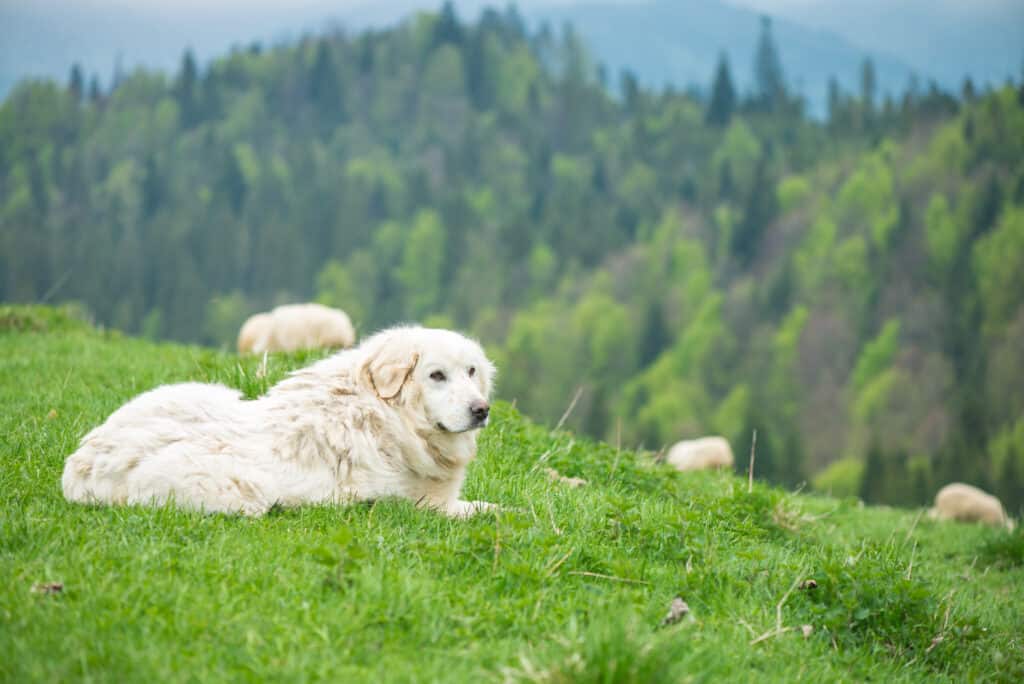
White guardian of the high pastures
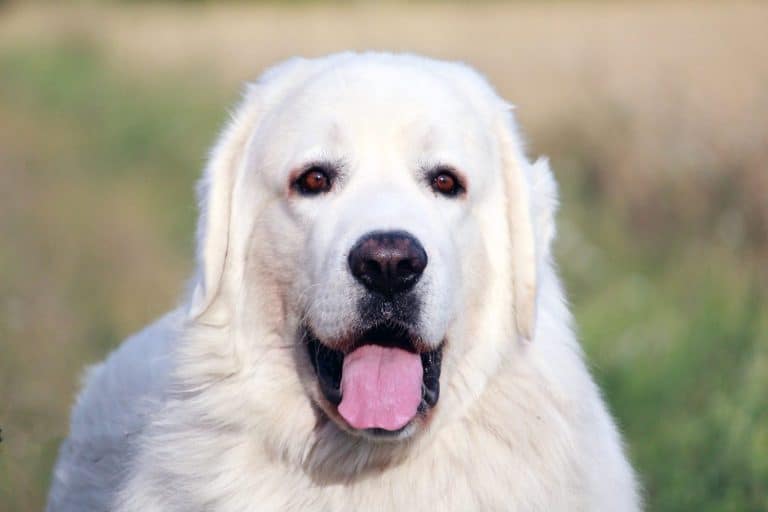
Arek Bialon/Shutterstock.com

Polish Tatra Sheepdog Distribution

Click a location to explore more animals from that region

Origin Location

This map shows the native origin of the Polish Tatra Sheepdog. As a domesticated species, they are now found worldwide.

Loading map...

Found in 1 country

Size Comparison

Human 5'8"
Polish Tatra Sheepdog 2 ft 2 in

Polish Tatra Sheepdog stands at 38% of average human height.

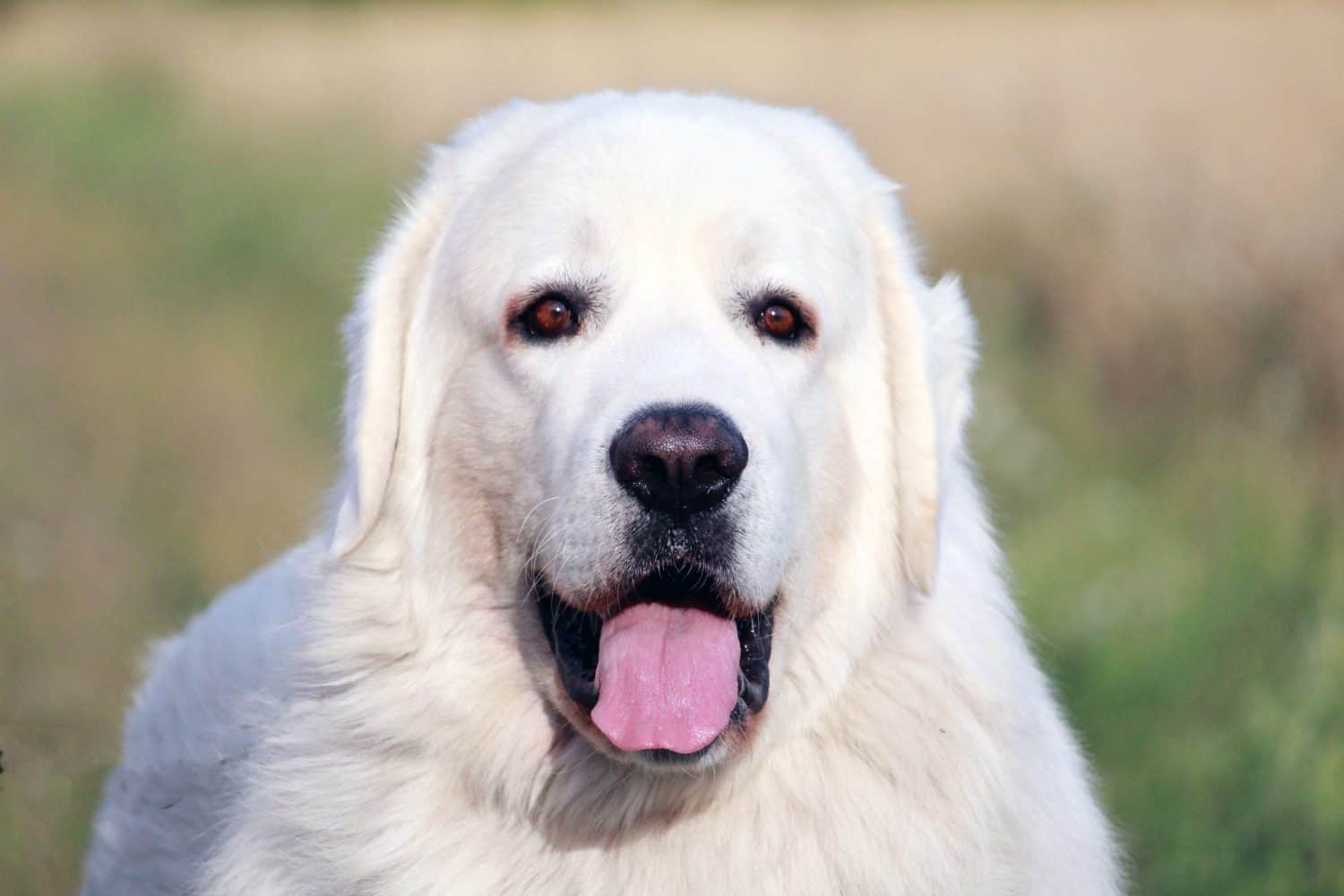
A beautiful male of the Polish Tatra Shepherd Dog breed with a field right after the harvest in the background.

At a Glance

Domesticated
Also Known As Tatra Shepherd Dog, Tatra Mountain Dog, Tatra Sheepdog, Owczarek Podhalański, Podhale Shepherd Dog, Podhalan
Diet Omnivore
Activity Cathemeral+
Lifespan 5 years
Weight 60 lbs
Status Not Evaluated
Did You Know?

The breed's name translates to "Podhale Sheepdog" or "shepherd dog of Podhale," referring to the Podhale region in southern Poland.

Scientific Classification

A large, white livestock guardian dog breed originating in Poland’s Tatra (Podhale) region, traditionally used to protect sheep and other livestock from predators and theft.

Kingdom
Animalia
Phylum
Chordata
Class
Mammalia
Order
Carnivora
Family
Canidae
Genus
Canis
Species
Canis lupus

Distinguishing Features

  • Large, robust livestock-guardian build with strong bone
  • Thick, weather-resistant double coat, typically solid white
  • Calm, vigilant, independent guarding temperament
  • Bred for flock protection rather than herding

Physical Measurements

Males and females differ in size

Height
♂ 2 ft 3 in (2 ft 2 in – 2 ft 4 in)
♀ 2 ft 1 in (1 ft 12 in – 2 ft 2 in)
Length
♀ 4 ft 8 in (4 ft 3 in – 5 ft 1 in)
Weight
♂ 116 lbs (99 lbs – 132 lbs)
♀ 88 lbs (77 lbs – 99 lbs)
Tail Length
♂ 1 ft 4 in (1 ft 2 in – 1 ft 6 in)
♀ 1 ft 4 in (1 ft 2 in – 1 ft 6 in)
Top Speed
25 mph
running

Appearance

Primary Colors
Secondary Colors
Skin Type Thick, well-pigmented skin with a dense double coat (coarse outer coat, woolly undercoat) adapted to cold, wet mountain conditions.
Distinctive Features
  • Breed identity: Polish Tatra Sheepdog (also called the Tatra Shepherd Dog), a domesticated dog breed developed through selective breeding for livestock guarding.
  • Large livestock guardian build: strong-boned, rectangular frame, deep chest, substantial neck ruff, and heavy feathering on tail and legs.
  • Head and expression: broad skull, moderate stop, dark almond eyes, alert but calm guardian expression.
  • Coat function: weather-resistant white double coat improves visibility to shepherds and blends with flock in snow.
  • Temperament tendency: vigilant, independent, and territorial; typically reserved with strangers, devoted to family and stock.
  • Movement: steady, efficient trot suited for patrolling terrain rather than sprinting pursuit.
  • Common health concerns in large breeds: hip/elbow dysplasia risk; bloat (GDV) potential; monitor for orthopedic strain during growth.
  • Care requirements: frequent brushing (more during seasonal sheds), coat drying after snow/rain, routine ear/skin checks under dense coat.
  • Management needs: early socialization, clear boundaries, secure fencing, and purpose-driven mental work; not ideal for confined apartment life.
  • Working context: bred for predator/theft deterrence in Poland's Tatra/Podhale region; excels when given space and a guarding role.

Sexual Dimorphism

Males are typically larger and more heavily boned with broader heads and a fuller neck ruff. Females are slightly smaller and finer in build, often appearing more refined while retaining the same guarding presence and coat type.

♂
  • Greater overall height and weight; heavier bone and chest.
  • Broader head and muzzle; more pronounced neck ruff.
  • More imposing silhouette, especially through shoulders and forequarters.
♀
  • Slightly smaller, lighter frame with a more refined head.
  • Often a slightly less massive ruff and forequarter muscling.
  • May appear more agile while maintaining the same dense coat and feathering.

Did You Know?

The breed's name translates to "Podhale Sheepdog" or "shepherd dog of Podhale," referring to the Podhale region in southern Poland.

The breed's hallmark white coat helped shepherds distinguish guardian dogs from wolves at dusk or in snow.

Unlike herding breeds that "move" flocks, it's a livestock guardian: it stays with animals and deters threats.

It developed in the Carpathian mountain environment, selected for endurance, weather resistance, and steady nerves.

Most are naturally reserved with strangers but deeply bonded and gentle with their own people and animals.

It's one of several European white mountain guardians, often compared with the Slovak Cuvac and Kuvasz due to similar roles.

A mature Tatra Sheepdog is powerful and imposing, but typically uses presence, barking, and blocking before escalating.

Unique Adaptations

  • Dense, weatherproof double coat (insulating undercoat + protective outer coat) suited to cold, wet mountain climates; seasonal shedding is heavy.
  • Large frame and substantial bone for physically deterring predators and absorbing harsh terrain demands.
  • White coloration that increases visibility to shepherds and helps the dog blend into flocks for close protection.
  • Strong territoriality and situational awareness-behavioral adaptation for guarding rather than herding.
  • Energy economy: capable of long, steady patrols with bursts of intensity when needed, rather than constant high-speed work.
  • Domestic dog context: retains key domestic dog traits (social bonding, scent communication, biddable learning) but is selectively bred for calm, low-reactive steadiness around livestock and high wariness to outsiders.

Interesting Behaviors

  • Perimeter patrolling: repeatedly walking fence lines or ridge edges to check for changes and intruders.
  • Sentinel positioning: choosing a high vantage point with a wide view of stock and access routes.
  • Alarm barking in bouts, especially at night-an evolved deterrent signal common in livestock guardian dogs (LGDs).
  • Body-blocking and "shadowing": stepping between livestock/family and an approaching person or animal without immediate aggression.
  • Stock-bonding: forming strong affiliative relationships with sheep/goats and calmly moving among them.
  • Independent decision-making: may ignore commands if it judges a situation differently-typical of guardian breeds.
  • Low prey-drive display toward familiar stock, but quick pursuit responses to fast-moving unknown animals near the boundary.

Cultural Significance

Polish Tatra Sheepdog (Canis lupus familiaris) is connected to Podhale highlander herding culture in the Tatra Mountains. It guards flocks from wolves, bears, and thieves and is a living symbol of mountain shepherd life in southern Poland, not just a show dog.

Myths & Legends

Podhale shepherd stories speak of "white mountain dogs" given or traded along old Carpathian shepherd routes, valued as protectors that faced wolves and led sheep safely through sudden alpine storms.

Regional highland anecdotes describe the guardian's night bark as a protective 'signal' that keeps evil and misfortune away from the homestead-an echo of wider European beliefs that a vigilant dog's voice wards off danger.

Mountain pasture stories tell of Polish Tatra Sheepdogs quietly placing themselves between a sleeping shepherd and a prowling wolf, taking the first watch without being told — a lesson to respect the guardian's choice.

Elders say the name links the Polish Tatra Sheepdog to the Podhale region, as if the dog was born there. People speak of the breed as part of the landscape as well as the flock.

In herding communities, a good white guardian dog was treated as a partner in living. Families still tell stories about a dog that saved their livestock in hard winters or when predators attacked.

Conservation Status

NE Not Evaluated

Has not yet been evaluated against the criteria.

Population Stable

Life Cycle

Birth 6 pups
Lifespan 5 years

Lifespan

In the Wild
2–10 years
In Captivity
10–12 years

Reproduction

Mating System Polygyny
Social Structure Managed Domestic
Breeding Pattern Serial
Fertilization Managed Selective
Birth Type Internal_fertilization

As a managed domestic breed, pairings are typically arranged by humans; a proven male (stud) may sire litters with multiple females across seasons. Copulation uses internal fertilization and pair bonds are temporary, lasting one breeding cycle.

Behavior & Ecology

Social Pack Group: 2
Activity Cathemeral, Crepuscular
Diet Omnivore Lamb- or beef-based meals (meat-forward, high-quality large-breed formulations)

Temperament

Livestock-guardian specialist: calm, steady, low-reactive until a threat is detected, then decisive.
Distinguished from the base species (wolf): far more human- and livestock-bonded, less reliant on conspecific pack cooperation.
HUBS (livestock guardian dogs): territorial boundary patrol, night/crepuscular vigilance, deterrent display barking; intensity varies by line and training.
Aloof with strangers; typically tolerant with familiar animals when raised with them early.
Independent problem-solver; may ignore repetitive commands-responds best to consistent, fair, low-conflict handling.
Protective and watchful; can be dog-selective, especially with same-sex adults, if poorly socialized.
Care requirements: secure fencing, early socialization, calm exposure to visitors, and clear property boundaries.
Exercise needs: moderate daily activity plus purposeful tasks; excessive high-intensity work is usually unnecessary.
Coat care: heavy double coat needs regular brushing; seasonal shedding can be substantial; heat sensitivity in warm climates.
Health tendencies to monitor: hip/elbow dysplasia, gastric dilatation-volvulus (bloat), eyelid issues (entropion/ectropion), hypothyroidism, obesity risk if under-exercised.

Communication

deep repetitive alarm barking
low growls as warning
howl-like calls when isolated or escalating alerts
whines during affiliative greetings or frustration
snorts/huffs as close-range warning
upright stance and forward body block to deter approach
intense staring and silent escorting away from stock
scent marking along boundaries
tail carriage and piloerection to signal arousal
circling/patrolling routes around flock or property
nose nudges or shoulder checks to move livestock or redirect family members

Habitat

Biomes:
Temperate Forest Alpine Temperate Grassland Boreal Forest (Taiga) Tundra Mediterranean Desert Hot Desert Cold Wetland Freshwater Marine Tropical Rainforest Tropical Dry Forest Savanna +8
Terrain:
Mountainous Hilly Plateau Valley Plains
Elevation: Up to 8202 ft 1 in

Ecological Role

Human-associated omnivore functioning primarily as a livestock guardian (predator deterrent) with secondary scavenging/commensal feeding typical of domestic dogs.

reduces livestock losses by deterring predators and theft can lower human-carnivore conflict by nonlethal predator exclusion assists in carcass/offal cleanup when managed appropriately (minor nutrient cycling) provides working partnership/companionship that supports pastoral economies

Diet Details

Main Prey:
Small rodents Rabbits and hares Poultry Carrion and offal from large ungulates Animal-derived foods
Other Foods:
Cooked grains and starches Vegetables Fruits and berries Grasses and herbs

Human Interaction

Domestication Status

Domesticated

Polish Tatra Sheepdog (Canis lupus familiaris) is a domestic dog bred in Poland’s Tatra Mountains to live with and protect sheep and other stock. They are chosen for patrol and territorial behavior, making their own choices, suspicion of strangers, a heavy white weatherproof coat, low prey drive but strong defensive drive, and calm but quick action against threats.

Danger Level

Moderate
  • Protective/territorial aggression if strangers approach property, family members, or livestock without proper introductions
  • Increased bite risk when poorly socialized, undersupervised with visitors, or allowed to roam (may challenge perceived intruders)
  • Size and strength can cause injury via jumping/knocking down even without intent to bite
  • Night barking/patrolling behaviors can create conflict with neighbors and escalate tense encounters
  • Higher risk around children's friends or delivery/maintenance workers if management (gates, leash, secure fencing) is inadequate

As a Pet

Suitable as Pet

Legality: Polish Tatra Sheepdog (Canis lupus familiaris) is usually legal to own. Few breed bans exist, but normal dog laws—licenses, leash rules, barking rules—apply. Some landlords or insurance companies may limit large guardian dogs; check local rules.

Care Level: Experienced

Purchase Cost: $1,200 - $3,000
Lifetime Cost: $20,000 - $55,000

Economic Value

Uses:
Livestock protection (working guardian) Companion animal (experienced owners) Breeding and stud services Conformation/show and kennel programs Farm/ranch security and deterrence
Products:
  • predator-deterrence/guarding labor (on-farm service value)
  • sale of puppies from health-tested lines
  • stud fees and breeding rights
  • training/consultation for LGD placement and management
  • pet services (food, grooming, veterinary care) supporting local economies

Relationships

Ecological Equivalents 5

Animals that fill a similar ecological role in their ecosystem

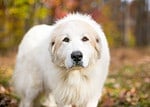
Great Pyrenees
Great Pyrenees Canis lupus familiaris Large white livestock guardian dog that independently assesses threats, has a low hunting drive, a puppy-like social nature, and strong territorial guarding instincts. Requires early socialization and training with people, strong fencing, and coat care; prone to hip and elbow dysplasia and bloat.
Kuvasz
Kuvasz Canis lupus familiaris Both fill guardian roles in Central and Eastern Europe: similar in size, protective and independent, and requiring experienced handlers. Breeding selects for steady nerves, calmness with livestock, and cooperation with people. They share care needs such as hip and elbow checks and controlled puppy growth.
Slovak Cuvac
Slovak Cuvac Canis lupus familiaris Polish Tatra Sheepdog (Canis lupus familiaris): a white-coated mountain livestock guardian dog that is calm and loyal. Requires firm rules, early socialization, and regular brushing. Prone to large-dog issues such as joint problems, cruciate tears, and bloat.
Maremma Sheepdog
Maremma Sheepdog Canis lupus familiaris Lives with livestock and guards by being present and walking/patrolling around rather than chasing. Requires heavy seasonal shedding care, double-coat grooming, parasite control, and lots of space. Like other livestock guardian dogs (LGDs), bred to roam less and to accept the herd.
Anatolian Shepherd Dog
Anatolian Shepherd Dog Canis lupus familiaris Performs the same job of keeping predators away but typically lives in hot, dry areas and has a short coat. The Polish Tatra Sheepdog, by contrast, has a thick white coat adapted to cold, wet mountain conditions and stays close to sheep; both breeds require regular work.

Quick Take

  • Reaching over 2 feet in height causes massive skeletal problems during the puppy’s primary growth phase.
  • The highly intelligent and strategic temperament of these dogs paradoxically makes them stubborn and difficult to train.
  • The puppy stage requires a rigorous socialization process to ensure the breed can coexist with other animals.

The Polish Tatra Sheepdog hails from the Tatra peaks of the Carpathian Mountains in Southern Poland. It is a rare breed known for its personality and majestic appearance. This breed was originally bred several thousand years ago to watch over livestock, and it gets many of its traits from the work it was born to do. It is also known as the Polish Mountain Sheepdog (Owczarek Podhalanski), and it is believed that this breed is most likely a descendant of the Mastiff.

Although they are massive dogs, they are gentle, sweet souls who remain calm around people and other animals. In addition, these dogs are highly intelligent and strategic, which is another reason for their gentle nature. However, they will attack if it’s their last resort.

A detailed green and white infographic about the Polish Tatra Sheepdog featuring a photo of the white dog in the mountains, size silhouettes, and care category icons.
A majestic mountain guardian with a self-cleaning coat and a strategic mind that often refuses to follow orders. © A-Z Animals

Three Pros And Cons Of Owning A Polish Tatra Sheepdog

While Polish Tatra Sheepdogs have a caring and loyal nature, there are always pros and cons to any breed.

ProsCons
Polish Tatra Sheepdogs are highly intelligentThey are not that affectionate or playful
They are good watchdogsPolish Tatra Sheepdogs are very active and need a lot of exercise
These massive dogs are surprisingly gentleThey can bark a lot

The Best Dog Food For A Polish Tatra Sheepdog

Polish Tatra Sheepdogs need a high-quality dog food that is suitable for their life stage. In addition, they would benefit from dog food specifically formulated for large breeds, especially when they are puppies. Eating the right dog food when they are puppies will help prevent them from growing too fast, which can lead to skeletal problems.

Size And Weight
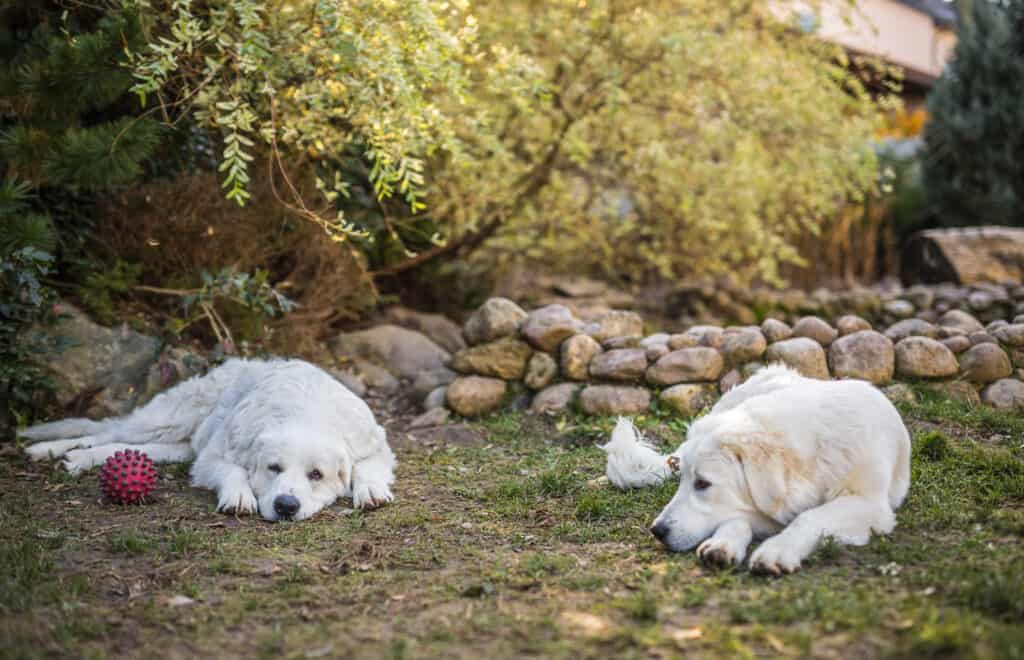
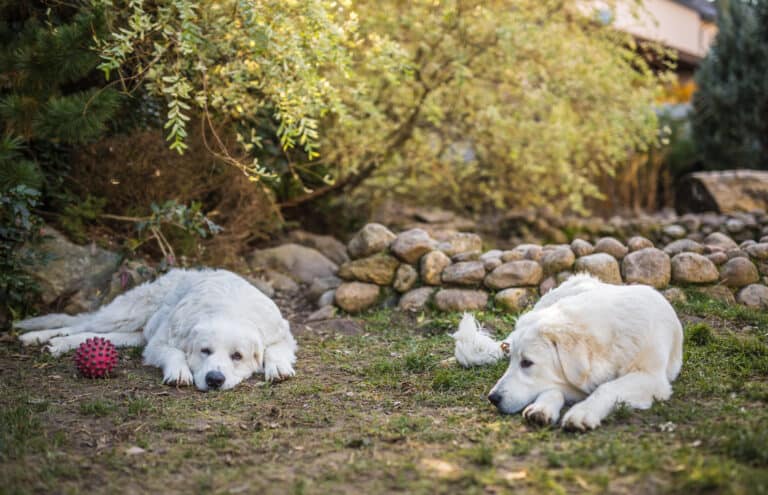
Two big white dogs are walking outdoor. Tatra Shepherd Dog. Polish Tatra Sheepdog

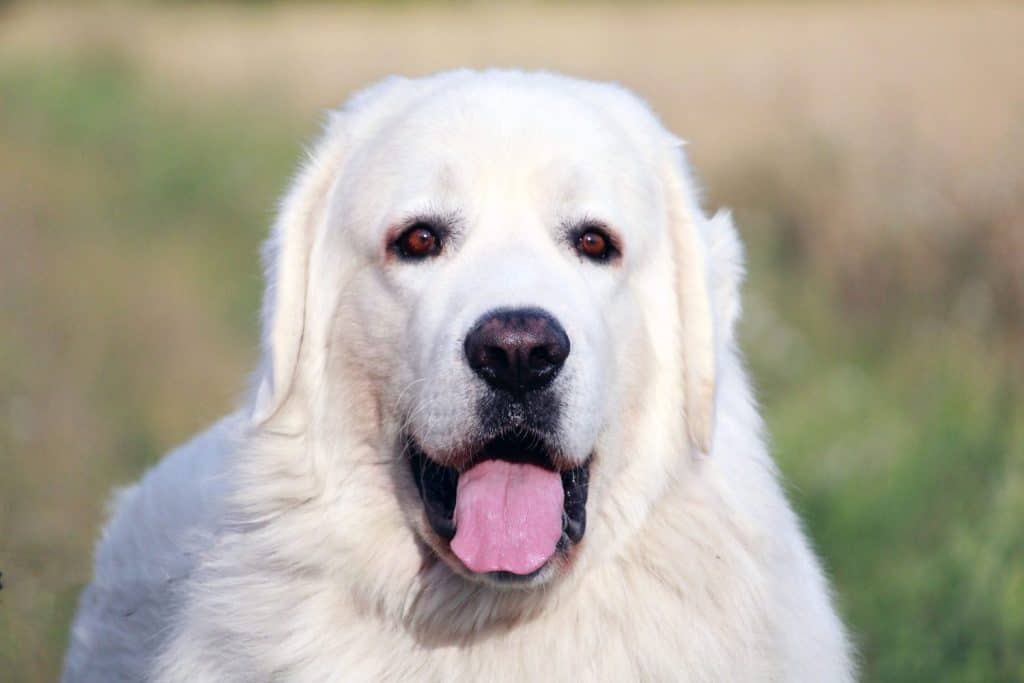
The most distinguishing feature of this breed is its shaggy, snow-white coat.

The Polish Tatra Sheepdog is a large, muscular breed whose size is enhanced by its long, thick coat, which protects them from the elements. However, their most distinguishing feature is their striking, shaggy snow-white coat.

These massive dogs measure over 2 feet tall and can weigh up to 130 pounds. They have rectangular bodies with a broad snout. Their tails are straight, and they carry them high when they are in a good mood.

Common Health Issues

The Polish Tatra Sheepdog is generally healthy; however, they are prone to some diseases, such as:

Temperament

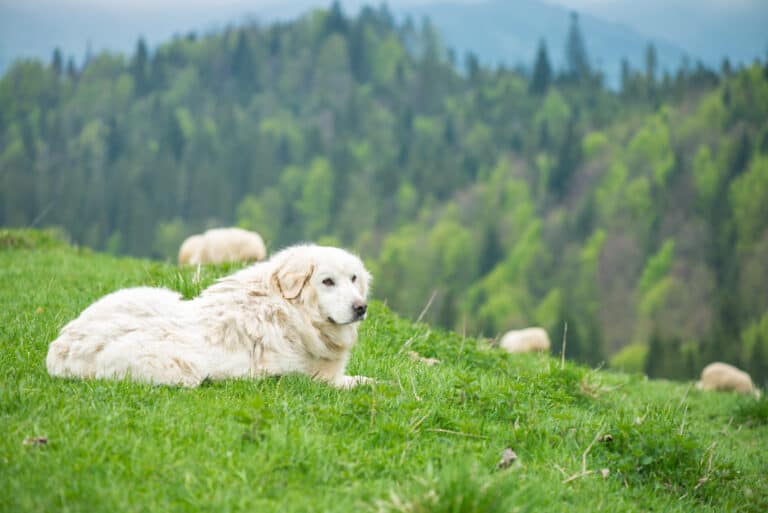
Sheep dog guard herd in Polish Tatra mountains

Polish Tatra Sheepdogs are non-aggressive but are not overly affectionate unless they grow up with that companion from an early age.

This gigantic breed is known for its guardian skills, but they are non-aggressive and always manage to stay calm toward people and animals. They have a keen sense of awareness and are quite gentle for their size.

However, they are not that affectionate unless they grow up with a companion from an early age. These dogs will treat their family as they would a flock by protecting them with everything they have in them.

However, this trait can become an issue, especially if they are not appropriately trained, because they are easily stimulated and can bark a lot.

However, training won’t be easy. Polish Tatra Sheepdogs are incredibly stubborn and need constant authority when training and socializing to promote good behavior.

Caring For A Polish Tatra Sheepdog
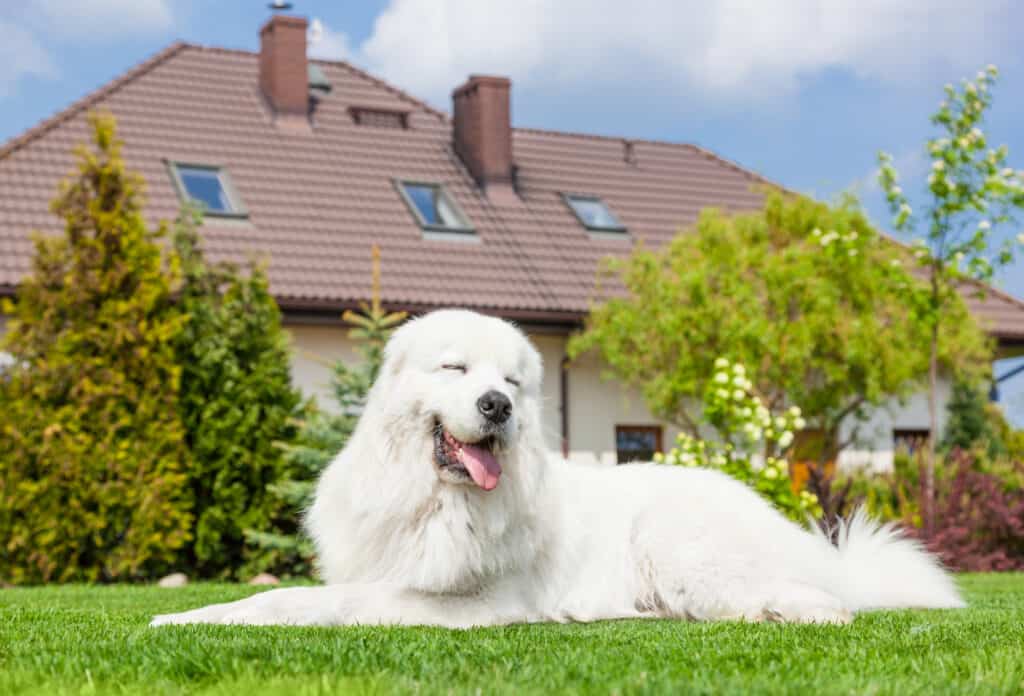
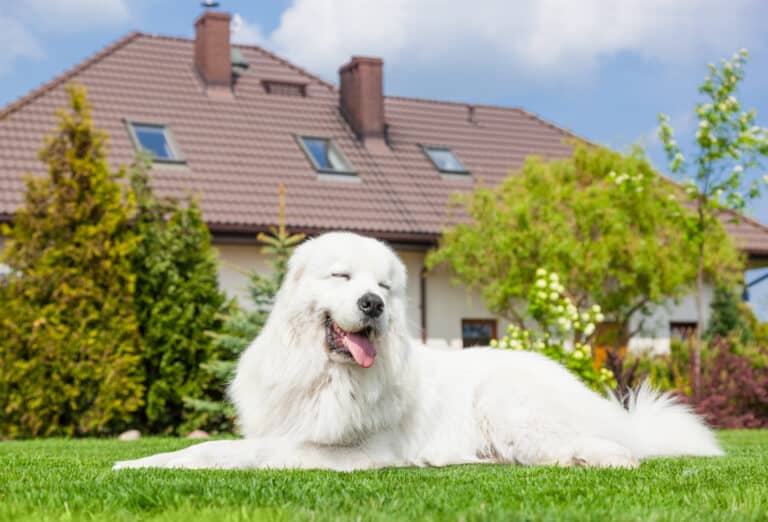
Big guard dog resting in front of the house. Polish Tatra Sheepdog also known as Podhalan or Owczarek Podhalanski

Polish Tatra Sheepdogs have self-cleaning coats, so you will rarely have to wash them.

If Polish Tatra Sheepdogs are well taken care of, they can live long and healthy lives.

Grooming

Although they have long hair and thick coats, their grooming needs are manageable. One of their coolest traits is that their coats are self-cleaning, meaning you rarely have to wash them, which is great when dealing with a 130-pound dog.

However, they will need to be brushed weekly to remove all their loose hair. In addition, during the summer months, they will need a brush daily.

Their nails need trimming, and their ears need cleaning every 6 weeks. It’s always best to have a professional dog groomer handle this for you, as owners often cut their dog’s nails too short, which is painful and causes bleeding.

In addition, you need to brush their teeth weekly with an old toothbrush and specific dog toothpaste. Alternatively, you can take them for professional dental cleanings once every 3 months.

Training

While the Polish Tatra Sheepdog makes a fantastic guard dog, it isn’t that easy to train. Unfortunately, their capability of decision-making doesn’t help with obedience. They are more likely to make up their own minds than listen to their trainer or owner.

However, training them is not impossible, and studies have proven that they can learn with a lot of persistence using a reward-based training method.

Exercise

Polish Tatra Sheepdogs have medium to high energy; thanks to all those years of standing guard over livestock, they have developed quite a bit of stamina.

This large breed requires a lot of exercise; however, letting them run around a large garden for an hour will do the trick. They are really independent and can keep themselves entertained.

Puppies
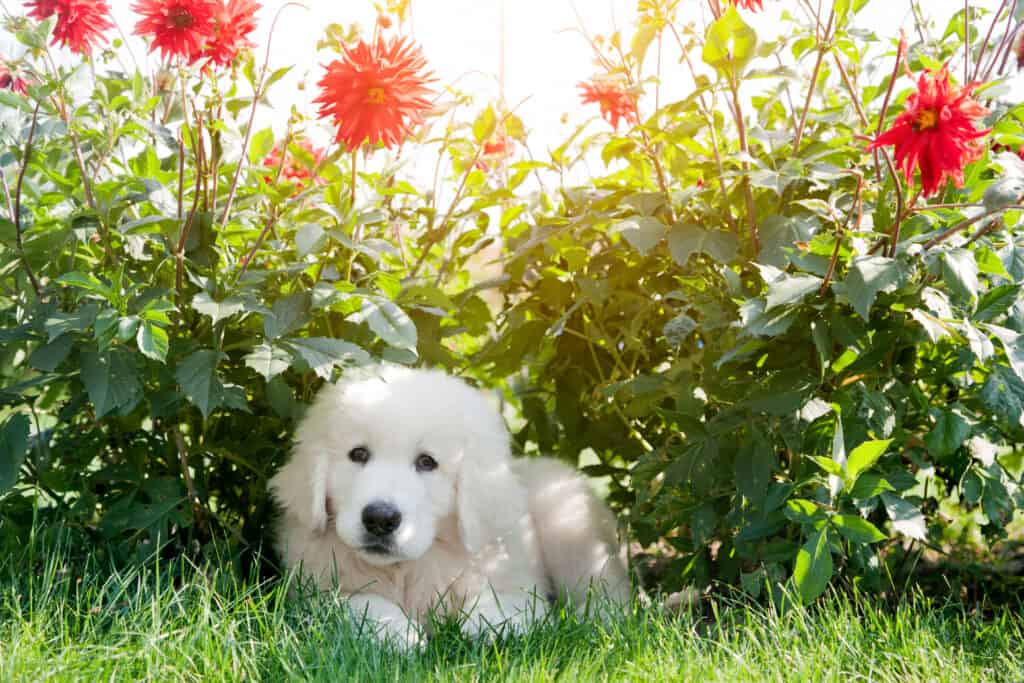
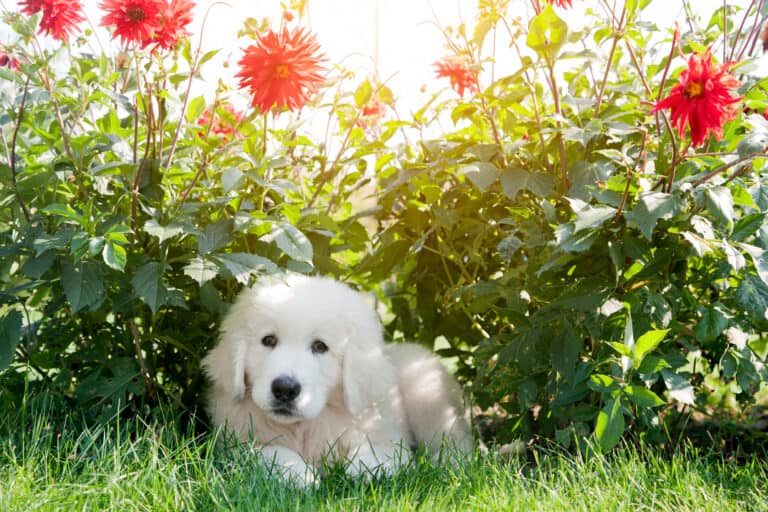
Cute white puppy dog lying on grass in flowers. Polish Tatra Sheepdog, known also as Podhalan or Owczarek Podhalanski

Puppies need a firm but gentle hand when dealing with their independent personality.

It is important to introduce your Polish Tatra Sheepdog puppy to other animals, like other dogs, cats, and birds, at a young age so that it is able to coexist with them in a positive way. Socialization at a young age is crucial.

The average cost for Polish Tatra Sheepdog puppies is $1,200 to $2,000 in the USA. However, purchasing a show dog can cost you much more.

Females generally give birth to 5 to 10 pups per litter.

Polish Tatra Sheepdog And Children

If raised properly, Polish Tatra Sheepdogs are great family dogs and will care for your children on the same level as the livestock they were bred to protect. They are perfect around little ones because of their even tempers and being slow to anger.

Biting is very rare but can happen if absolutely pressed. However, children should never be left alone with any dog, no matter their temperament, as accidents can happen.

Dogs Similar To The Polish Tatra Sheepdog

Several dogs are similar to the Polish Tatra Sheepdog; they include:

Saint Bernard

The Saint Bernard is fantastic with children and is often called the gentle giant. Although they are massive dogs, they show outstanding tolerance and patience. Although they are huge, Saint Bernards love being indoors with their family.

Because of their gigantic size, they do not make good apartment dogs. In addition, they have a low tolerance for heat because they were bred to withstand the freezing temperatures of the Alps.

Their massive size means it takes them longer to mature physically and mentally, meaning they remain like puppies for some time.

Tibetan Mastiff

As their name suggests, Tibetan Mastiffs originated in Tibet and are one of the oldest dog breeds in the world. In fact, there are Stone Age cave drawings of this breed in the Himalayas that validate this theory, proving they have been around for centuries.

They were initially bred as watchdogs, which is one of their best characteristics. These massive dogs provide exceptional protection for their loved ones.

While they are loyal and protective, this breed can be quite aloof. In addition, their guarding instincts can make them wary of people they don’t know. So, curbing this behavior will require some training and socialization skills.

Bernese Mountain Dog

Initially bred to protect livestock and pull carts, the Bernese Mountain Dog is a large breed dog with a very placid nature. Today, they are primarily used as companion dogs.

These gigantic dogs are the perfect breed to have around children and are easy to train. However, they rely heavily on the affection of their owners and can be needy at times, which causes separation anxiety.

The Bernese Mountain Dog is very big, and they have tri-colored fur. Because of their long coats, they need to be groomed often to keep their shedding under control.

View all 246 animals that start with P

Sources

  1. Dog Breeds List / Accessed September 28, 2022
  2. Your Dogs World / Accessed September 28, 2022
  3. Wag Walking / Accessed September 28, 2022
Chanel Coetzee

About the Author

Chanel Coetzee

Chanel Coetzee is a writer at A-Z Animals, primarily focusing on big cats, dogs, and travel. Chanel has been writing and researching about animals for over 10 years. She has also worked closely with big cats like lions, cheetahs, leopards, and tigers at a rescue and rehabilitation center in South Africa since 2009. As a resident of Cape Town, South Africa, Chanel enjoys beach walks with her Stafford bull terrier and traveling off the beaten path.
Connect:

Thank you for reading! Have some feedback for us?


Polish Tatra Sheepdog FAQs (Frequently Asked Questions)

These massive dogs measure over 2 feet tall and can weigh up to 130 pounds.