











P
Species Profile

Pomeagle

Canis lupus familiaris

Big Nose, Fluffy Heart
Takeshi / flickr

Pomeagle Distribution

Click a location to explore more animals from that region

Origin Location

This map shows the native origin of the Pomeagle. As a domesticated species, they are now found worldwide.

Loading map...

Size Comparison

Human 5'8"
Pomeagle 3 ft 7 in

Pomeagle stands at 64% of average human height.

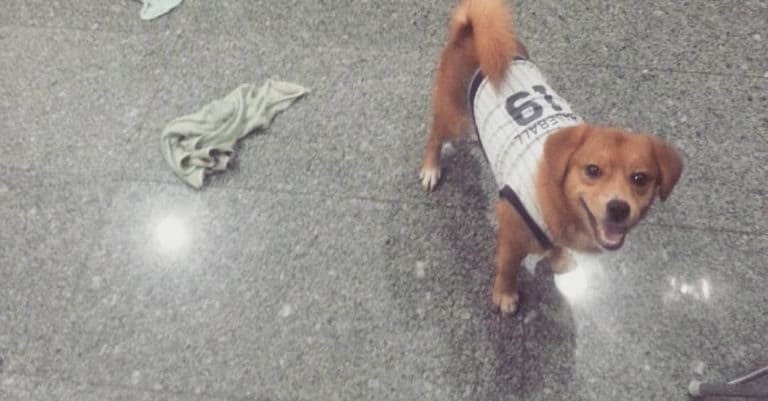
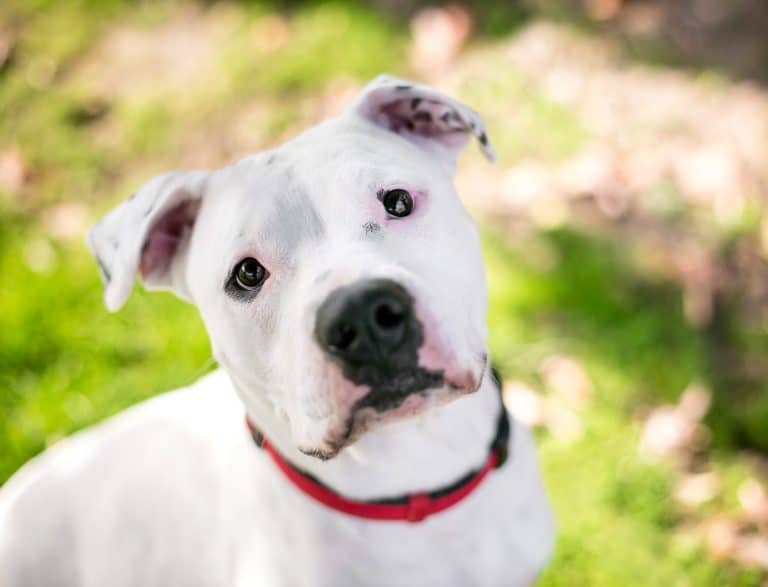
Pomeagle close-up

At a Glance

Domesticated
Also Known As Pomeranian Beagle mix, Beagle Pomeranian mix, Pom-Beagle mix, Beagle Pom mix, Pomagle
Diet Omnivore
Activity Cathemeral+
Lifespan 5 years
Weight 99 lbs
Status Not Evaluated
Did You Know?

Pomeagles aren't standardized by major kennel clubs, so littermates can look and behave quite differently.

Scientific Classification

The Pomeagle is a designer mixed-breed dog produced by crossing a Pomeranian with a Beagle. Traits vary widely by individual, often combining a small-to-medium body size, hound curiosity, and Spitz-like coat features. As a mix, it is not a formally standardized breed in major kennel clubs.

Kingdom
Animalia
Phylum
Chordata
Class
Mammalia
Order
Carnivora
Family
Canidae
Genus
Canis
Species
Canis lupus

Distinguishing Features

  • Variable coat length; often fluffy like Pomeranian
  • Beagle-like facial markings and ears possible
  • Small-to-medium size, mix-dependent
  • High scent interest from Beagle lineage
  • Temperament and energy level highly variable

Physical Measurements

Males and females differ in size

Height
♂ 1 ft 1 in (10 in – 1 ft 3 in)
♀ 12 in (8 in – 1 ft 3 in)
Length
♂ 2 ft (1 ft 6 in – 2 ft 6 in)
Weight
♂ 20 lbs (11 lbs – 29 lbs)
♀ 18 lbs (9 lbs – 26 lbs)
Tail Length
♂ 7 in (4 in – 10 in)
♀ 7 in (5 in – 10 in)
Top Speed
25 mph
running

Appearance

Primary Colors
Secondary Colors
Skin Type Variable coat
Distinctive Features
  • Small-to-medium companion size, much smaller than the gray wolf ancestor.
  • Coat length varies: short Beagle coat to fluffy Pomeranian double coat.
  • Ears usually drop like Beagle; occasional semi-erect ears appear.
  • Tail often carried high, sometimes curled with a plume.
  • Hound-style facial markings: black saddle, tan points, and white blaze common.
  • Spitz-like neck ruff may develop, especially in thicker-coated individuals.
  • Moderate shedding; thicker coats need brushing 2-4 times weekly.
  • Beagle-driven appetite; portion control helps prevent overweight-related strain.
  • Dental crowding risk in smaller dogs; daily tooth brushing recommended.
  • Screen parents for patella, hips, eyes, thyroid, and IVDD risk.

Sexual Dimorphism

Dimorphism is mild: males are typically heavier with a broader head and chest, while females trend slightly smaller and finer-boned. Coat fullness and markings vary more by individual genetics than by sex.

♂
  • Slightly broader skull and thicker neck than females.
  • Heavier bone and deeper chest on average.
  • May develop more pronounced ruff if coat is plush.
♀
  • Slightly smaller frame with lighter bone structure.
  • Narrower muzzle and finer facial features on average.
  • May appear more streamlined even with similar coat length.

Did You Know?

Pomeagles aren't standardized by major kennel clubs, so littermates can look and behave quite differently.

Many inherit the Beagle's powerful scent drive, making "follow-the-nose" adventures a common challenge on walks.

Coats range from short and sleek to plush double-coats, depending on which parent's genes dominate.

Some Pomeagles "talk" like Beagles (baying) but also have Pom-style alert barking-often very vocal households.

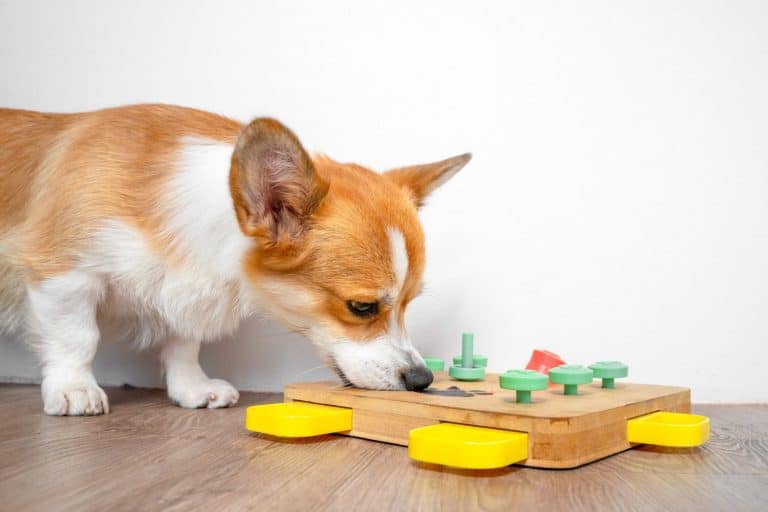
Food motivation is common; puzzle feeders and measured portions help prevent obesity, a frequent issue in both parent lines.

Floppy Beagle-like ears can increase risk of ear infections, especially if the coat is dense around the ear canal.

Their domestic-dog traits-friendly sociability, varied colors, and smaller size-show how dogs differ from their wolf ancestors.

Unique Adaptations

  • Beagle-derived olfactory skill helps them locate hidden food or toys quickly, thriving in scent games and tracking play.
  • Pomeranian-influenced coat (often double-layered) can improve cold tolerance but raises grooming and shedding needs.
  • Compact size supports apartment living, yet the hound energy still requires daily structured exercise.
  • Highly expressive vocal communication-useful for alerting-means early training matters to prevent nuisance barking.
  • Domestic-dog neoteny (retained youthful traits) often boosts human bonding compared with the base species, the gray wolf.

Interesting Behaviors

  • Tracks odors intensely, often zig-zagging on leash like a hound working a scent trail.
  • May "bay" when excited or frustrated, mixing Beagle-style howl with Pomeranian alarm barking.
  • Enjoys digging and nosing in grass or blankets, especially when bored or under-exercised.
  • Uses quick, clever problem-solving to reach treats-sniffing, pawing, and "working" toys persistently.
  • Can be Velcro-like with family but distracted outdoors; recall reliability varies with scent temptation.

Cultural Significance

As a modern "designer mix," the Pomeagle reflects companion-focused breeding trends-combining the Beagle's scent-hound heritage with the Pomeranian's royal-era popularity-highlighting how domestic dogs diverged culturally from wolves into household partners.

Myths & Legends

Welsh legend tells of Gelert, a loyal dog wrongly blamed for tragedy; the tale became a lasting symbol of canine devotion.

In Homer's Odyssey, Argos recognizes Odysseus after decades apart, a classic story of steadfast canine loyalty.

Medieval France revered Saint Guinefort, a dog honored as a folk saint after saving a child-an unusual example of animal-centered devotion.

Queen Victoria's love of small Pomeranians in the 1800s popularized the breed across Britain, a royal anecdote shaping modern toy-dog culture.

Historic "Pocket Beagle" stories describe very small Beagles kept for hunts; the tale endures as lore about the breed's past variety.

Conservation Status

NE Not Evaluated

Has not yet been evaluated against the criteria.

Population Stable

Life Cycle

Birth 4 pups
Lifespan 5 years

Lifespan

In the Wild
2–8 years
In Captivity
10–15 years

Reproduction

Mating System Polygyny
Social Structure Managed Domestic
Breeding Season Year-round; females cycle about every 6 months
Breeding Pattern Serial
Fertilization Managed Selective
Birth Type Managed_selective

Behavior & Ecology

Social Pack Group: 3
Activity Cathemeral, Diurnal, Crepuscular
Diet Omnivore Chicken

Temperament

Affectionate
Curious
Vocal
Food-motivated
Independent
Social-with-humans
Prey-driven

Communication

barks
howls
whines
bay-like barks
grumbles
scent marking
body posture
tail signaling
facial expressions
ear position
play bows

Habitat

Biomes:
Temperate Forest Boreal Forest (Taiga) Tundra Temperate Grassland Mediterranean Desert Hot Desert Cold Alpine Wetland Freshwater Marine +5
Terrain:
Plains Hilly Valley Coastal Island Mountainous
Elevation: Up to 16404 ft 3 in

Ecological Role

Domesticated companion; minor mesopredator when free-roaming

pest control human companionship alarm barking scent-trailing work

Diet Details

Other Foods:
Pumpkin Carrots Blueberries Apples (no seeds) Cooked rice Oats

Human Interaction

Domestication Status

Domesticated

Domestic dog descended from gray wolves, domesticated in Eurasia ~15,000-30,000 years ago for hunting, guarding, and companionship. The Pomeagle is a modern designer cross (Pomeranian × Beagle) bred for small companion temperament.

Danger Level

Low
  • nipping if mishandled
  • fear-based aggression
  • resource guarding episodes
  • escape/chase of small animals
  • barking nuisance complaints
  • allergen exposure (dander)

As a Pet

Suitable as Pet

Legality: Generally legal; subject to local dog licensing and leash laws.

Care Level: Moderate

Purchase Cost: $300 - $1,200
Lifetime Cost: $15,000 - $35,000

Economic Value

Uses:
Companionship Services Breeding Therapy Security
Products:
  • puppies
  • services

Quick Take

  • Owning a Pomeagle requires a mandatory 7-day hygiene protocol to manage its designer coat.
  • The 25-pound male Pomeagle faces a significant risk of developing joint dysplasia.
  • The Pomeagle is surprisingly deemed an unsuitable companion for young children.
  • Executing a twice-daily training session is necessary to address the Pomeagle‘s short attention span.

With fluffy hair, adventurous personalities, and plenty of energy for an entire day of activities, the Pomeagle is one of the most exciting new designer breeds on the market. These dogs love to run around the house and follow their owners to various locations. Although they have short attention spans, you can count on a Pomeagle to eagerly obey any commands it’s managed to learn.

Pomeagles are a hybrid species made by crossing a Pomeranian with a Beagle. These dogs are tiny but athletic and are a good choice for small families with an active lifestyle.

An educational infographic titled Pomeagle Guide outlining the pros, cons, health issues, and size charts for the Pomeranian-Beagle crossbreed.
It looks like a toy, but the Pomeagle demands a relentless care routine and carries hidden health risks that catch most owners off guard. © A-Z Animals

Owning a Pomeagle: 3 Pros and Cons

ProsCons
Small size: Pomeagles are playful dogs that are the perfect size to hang out in an apartment, office, or another small environment. These dogs love to walk around, so make sure to keep the floor area clean.Extra grooming: Most Pomeagles have long, fluffy hair that needs to be brushed regularly. Even if your Pomeagle takes after its beagle parent, you should still take them in for frequent grooming. These dogs are far from hypoallergenic, so get ready to clean up extra dog hair.
Alert senses: Pomeagles have sharp ears and keen minds, making them a great choice for an in-house watchdog. Your Pomeagle will always tell you when a stranger is in your presence.Escape artist: Pomeagles are small, energetic, adventurous, and enthusiastic. This combination of traits leads to a tendency to run out the door, so make sure to keep an eye on your pup.
Alert senses: Pomeagles have sharp ears and keen minds, making them a great choice for an in-house watchdog. Your Pomeagle will always tell you when a stranger is in your presence.Hard to train: Pomeagles have short attention spans, which makes it hard for them to complete training sessions. Work on one command at a time, and always end on a good note before your dog starts getting bored.
Pomeagle in between the plants in the garden

Pomeagle in between the plants in the garden

Size and Weight

Pomeagles are smallish dogs with golden fur and smiling faces. Most designer dog breeds’ sizes are varied, and Pomeagles are no exception. Full-grown Pomeagles are slightly larger and more athletic than their Pomeranian parents. The average full-grown Pomeagle weighs between 10 and 20 pounds, although both larger and smaller Pomeagles have been known to exist. Expect your Pomeagle to stand at about 7-12 inches at the shoulder.

Height (male)7-12 inches
Height (female)6-11 inches
Weight (male)7-25 lbs
Weight (female)5-20 lbs

Common Health Issues

Mixed-breed dogs like Pomeagles typically have fewer health issues and longer lifespans than their parent breeds. Still, there are a few things your vet needs to look out for, ranging from minor concerns like eye problems and ear infections to more serious issues like joint dysplasia and patellar luxation. Once you get your new Pomeagle home from the breeder, make an appointment to have your vet give the dog a thorough checkup.

Temperament

These dogs are sweet and fun, and they like to spend time exploring their environment. Expect to see adventurous and playful behavior traits from these dogs, especially when they are still puppies. However, these dogs are more energetic than their Pomeranian counterparts and will need plenty of room to roam around.

When you’re interacting with your Pomeagle, remember that they need plenty of attention in order to keep their separation anxiety down. Keep them by your side, lift them onto the counter, and remember to take them out for plenty of walks. You should also consider buying plenty of dog toys in order to keep your Pomeagle occupied.

How to Take Care of a Pomeagle

These are alert and intelligent dogs that will ask you for the care that they need. Listen to your dog when they get frustrated, and make sure that they get fed on a regular schedule to help maintain an even temperament.

The Best Dog Food

These are small dogs with small and sensitive stomachs. To keep your dog happy and healthy, feed them a high-quality kibble intended for small breed adults. Be sure to regulate the portions, as this breed is known for being prone to overeating and gaining excess weight.

Maintenance and Grooming

These dogs have long, thick fur that needs to be brushed and trimmed on a regular basis. In general, brush your dog every day; bathe them once a week, and take them to the groomer once a month. Don’t forget to include nail trimming, tooth brushing, and ear inspections in your list of maintenance activities.

Training

These are loyal and obedient dogs, but they do tend to have short attention spans. To combat this, start working with your puppy as soon as you bring them home. Try holding short training sessions twice a day. Only focus on one or two commands at a time, and be sure to bring plenty of treats with you to ensure that your dog is interested.

Exercise

These are energetic dogs that actually need quite a bit of exercise. Take your dog outside for at least two separate walks every day. In addition, you should also try to keep plenty of open floor space available so that your dog has plenty of room to run around.

One of the best ways to keep high-energy dogs like Pomeagles from engaging in destructive behaviors is to keep plenty of dog toys around. Ropes are a great choice for chewing and impromptu games of tug-of-war.

Puppies

Puppies are small and adventurous, which makes them a bit difficult to take care of. Before you bring your puppy home, make sure to clear off the floor so that they don’t have cords they can chew or furniture that they can trip on.

Remember to start working with your puppy to help their training move along more quickly. Pay attention to their personality, and help curate good experiences so that they associate commands with positive memories.

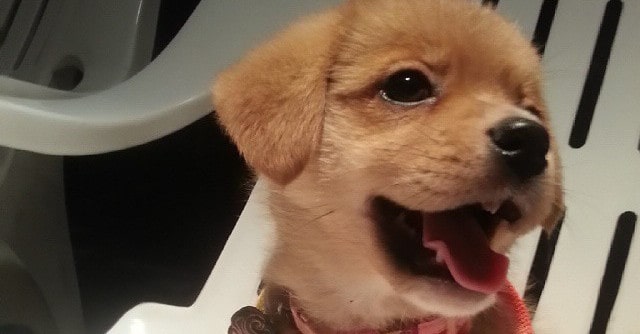
Friendly Pomeagle puppy sitting on a chair

Friendly Pomeagle puppy sitting on a chair.

Pomeagles and Children

Pomeagles are small, energetic, intelligent, and self-centered dogs. Pomeagles can make good companions for families and children, but supervision is recommended with young or inexperienced children due to the dog’s small size and energetic nature. Keep a close eye on your dog, and consider putting them away for large social gatherings.

Dogs Similar to Pomeagles

These are small dogs with fine coats and adventurous attitudes. If you’re looking for something similar, try adopting either a purebred Pomeranian or a related designer hybrid.

  • Pomeranian: The original Victorian lapdog, the Pomeranian has soft hair and a winning personality.
  • Pomapoo: With fluffy hair and an intelligent personality, the Pomapoo is a great choice for Pomeranian fans.
  • Boglen Terrier: Boglen terriers are playful, loyal, and active pets that love to be a part of the family.
View all 246 animals that start with P

Sources

  1. Doggie Designer / Accessed April 20, 2021
  2. Dog Time / Accessed April 20, 2021
  3. Pet Guide / Accessed April 20, 2021
  4. Wag Walking / Accessed April 20, 2021
  5. Pet Keen / Accessed April 20, 2021
  6. 101 Dog Breeds / Accessed April 20, 2021
  7. Dog Breed Info / Accessed April 20, 2021
  8. Dogell / Accessed April 20, 2021
A-Z Animals Staff

About the Author

A-Z Animals Staff

AZ Animals is a growing team of animals experts, researchers, farmers, conservationists, writers, editors, and -- of course -- pet owners who have come together to help you better understand the animal kingdom and how we interact.
Connect:

Thank you for reading! Have some feedback for us?


Pomeagle FAQs (Frequently Asked Questions)

The Pomeagle is a hybrid dog breed made by crossing a Pomeranian with a beagle. Although these dogs were once created as natural mixes, more recent iterations of the breed have been made that follow strict patterns. Pomeagles are small dogs with fluffy fur, floppy ears, and playful dispositions.