






B
Species Profile

Boglen Terrier

Canis lupus familiaris

Big nose, big heart, best buddy
BGSmith/Shutterstock.com

Boglen Terrier Distribution

Click a location to explore more animals from that region

Origin Location

This map shows the native origin of the Boglen Terrier. As a domesticated species, they are now found worldwide.

Loading map...

Size Comparison

Human 5'8"
Boglen Terrier 1 ft 2 in

Boglen Terrier stands at 21% of average human height.

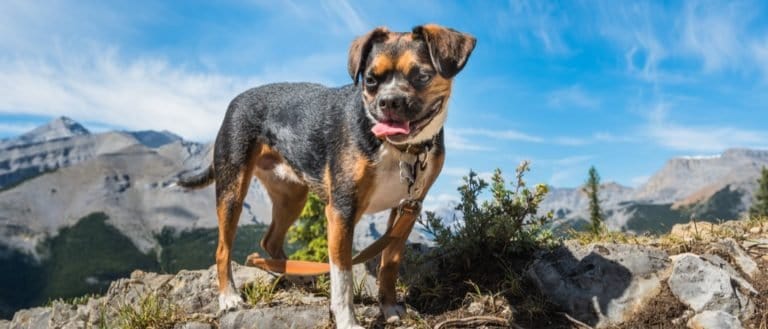
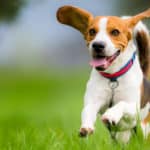
Beagle Boston Terrier mix dog, Boglen Terrier, while Hiking Nihahi Ridge Kananaskis Country Alberta Canada

At a Glance

Domesticated
Also Known As Boglen, Boglen mix, Boglen dog, Beagle-Boston mix, Boston-Beagle mix, Beagle/Boston Terrier mix
Diet Omnivore
Activity Diurnal+
Lifespan 12 years
Weight 16 lbs
Status Not Evaluated
Did You Know?

Boglen Terriers aren't a standardized "breed" in kennel-club terms-traits vary widely by which parent they take after.

Scientific Classification

The Boglen Terrier is a mixed-breed domestic dog typically produced by crossing a Beagle with a Boston Terrier. As a designer cross, it is not a standardized taxonomic unit beyond the domestic dog, but it is commonly treated as a ‘breed type’ in pet contexts.

Kingdom
Animalia
Phylum
Chordata
Class
Mammalia
Order
Carnivora
Family
Canidae
Genus
Canis
Species
Canis lupus

Distinguishing Features

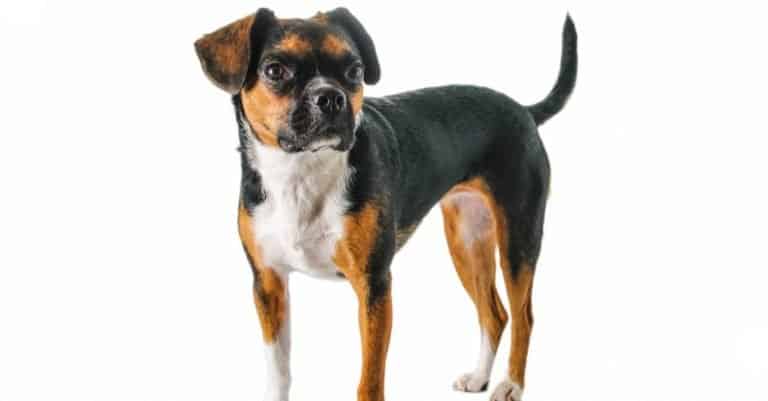
  • Small-to-medium companion dog with variable appearance blending Beagle and Boston Terrier traits
  • Often short coat; commonly black/white/tan patterns or tri-color variants
  • Typically a moderate muzzle length (less brachycephalic than many Boston Terriers, but variable)
  • Energetic, alert demeanor; may show Beagle-like scent interest and Boston Terrier-like playfulness

Physical Measurements

Males and females differ in size

Height
♂ 1 ft 3 in (1 ft 1 in – 1 ft 5 in)
♀ 1 ft 1 in (11 in – 1 ft 4 in)
Length
♀ 1 ft 10 in (1 ft 6 in – 2 ft 2 in)
Weight
♂ 29 lbs (20 lbs – 40 lbs)
♀ 24 lbs (15 lbs – 35 lbs)
Tail Length
♂ 8 in (6 in – 11 in)
♀ 3 in (1 in – 6 in)
Top Speed
26 mph

Appearance

Primary Colors
Secondary Colors
Skin Type Boglen Terrier has short to medium, smooth coat (Boston-like) or sometimes a denser, more weather-resistant coat (Beagle-like). Moderate shedding; some dogs have sensitive, allergy-prone skin and occasional facial folds.
Distinctive Features
  • Species context: This is a domestic dog (Canis lupus familiaris) cross type (Beagle × Boston Terrier), not a wild canid; appearance and size vary more than in standardized pure breeds.
  • Overall build typically compact-to-medium and athletic; often more 'sturdy' than a Beagle and less square than a Boston, but either parent can dominate.
  • Head and muzzle length vary from moderately short (Boston-influenced; may include mild underbite) to more moderate/longer (Beagle-influenced).
  • Ears are variable: floppy Beagle-like ears are common; some show semi-prick or rose ears from Boston Terrier influence.
  • Eyes often large and expressive; some individuals have more prominent eyes (Boston-like), increasing risk of corneal injury/dry eye.
  • Tail can be straight, gently curved, or naturally shorter; carriage often lively and alert.
  • Behavioral/functional distinction from the base species: strong scenting/foraging drive and nose-led tracking tendency (Beagle), combined with people-oriented companion traits and playful 'terrier-like' energy (Boston).
  • Care requirement: needs daily exercise and enrichment (walks plus sniffing games/scent work); can become bored and vocal without outlets.
  • Care requirement: training benefits from reward-based methods; may show Beagle stubbornness and selective hearing when following scents-secure leash/fencing recommended.
  • Care requirement: weight management is important (Beagle tendency toward overeating); measured meals and controlled treats help prevent obesity-related joint and airway strain.
  • Care requirement: coat care is usually low-maintenance (weekly brushing, routine bathing as needed), but regular nail trims and ear cleaning are important-especially if ears are floppy.
  • Care requirement: dental care is important (small/medium companion-dog tendency toward dental tartar); routine brushing and professional cleanings as advised.
  • Health concern (variable by conformation): if muzzle is shorter, may have brachycephalic-type issues (snoring, heat intolerance, exercise intolerance); avoid overheating and consider harness use.
  • Health concern: allergy-prone skin/atopy and recurrent ear infections can occur; monitor itching, redness, and odor.
  • Health concern: eye issues (corneal ulcers, dry eye) may occur in Boston-leaning dogs; prompt vet evaluation for squinting/tearing.
  • Health concern: orthopedic issues seen in small-to-medium dogs can appear (patellar luxation; occasional hip dysplasia); maintain lean body condition and appropriate exercise.
  • Health concern: hereditary risks can reflect both parent breeds (e.g., occasional seizure disorders from Beagle lines; congenital hearing issues can occur, especially in very white-patterned dogs).

Sexual Dimorphism

Sexual dimorphism is typically mild-to-moderate as in many domestic dogs: males average slightly larger and more muscular with broader heads/neck; females often appear a bit lighter and more refined. Because this is a mixed-breed type, overlap is common and differences are not diagnostic.

♂
  • Slightly heavier bone and muscle mass; broader chest/neck in some individuals.
  • Head may look blockier (Boston-influenced) or more robust overall.
  • May carry more pronounced jowls/loose lip if muzzle is shorter (variable).
♀
  • Slightly smaller, lighter frame on average; often a narrower chest.
  • Head and neck may appear more refined; overall silhouette may look less stocky.
  • Coat/pattern not sex-linked; coloration differences are individual rather than sex-based.

Did You Know?

Boglen Terriers aren't a standardized "breed" in kennel-club terms-traits vary widely by which parent they take after.

Many inherit the Beagle's powerful nose and will happily "work" for treats via scent games and tracking walks.

If the muzzle is shorter (Boston-like), they may snore or tire faster in heat-structure matters more than weight alone.

Coats are usually short and easy-care, often with classic Beagle hound patterns or Boston-style tuxedo markings.

They commonly combine a Beagle's food motivation with a Boston Terrier's people-focused, comedic charm.

Vocal style varies: some "bay" like a Beagle, others are quieter but still alert and expressive.

Because both parent breeds were shaped for human roles (hunting assistant and companion), Boglens typically bond strongly and dislike long isolation.

Unique Adaptations

  • Domestic dog social flexibility: compared with gray wolves, this cross is typically more juvenile in behavior, more tolerant of dense human environments, and more responsive to human cues.
  • Enhanced olfaction potential (Beagle influence): Beagles are scent hounds bred for tracking, and many Boglens inherit strong scenting drive and persistence.
  • Compact, urban-friendly body plan (Boston influence): many are small-to-medium, making them adaptable to apartments-provided daily exercise and enrichment are met.
  • Heat and airway sensitivity may occur (Boston influence): individuals with shorter muzzles can be more prone to brachycephalic obstructive airway issues, requiring cooling strategies and pacing.
  • Short, low-maintenance coat: often sheds moderately but typically needs only routine brushing; skin folds are usually minimal compared with more extreme brachycephalic breeds.

Interesting Behaviors

  • "Nose-to-ground mode": sudden lane changes on walks to follow scent trails; may ignore recall when a smell is hot.
  • Scent-led problem solving: sniffing out dropped food or hidden toys faster than expected for their size.
  • Comedy bursts: short, energetic play zoomies followed by cuddly lap time (often more Boston-leaning).
  • Vocal communication that can include Beagle-style baying/howling when excited, lonely, or tracking.
  • Soft-mouthed carrying: picking up toys and parading them to people for attention.
  • Selective hearing outdoors: strong environmental focus; benefits from leash skills and high-value rewards.
  • Greeter behavior: many are socially forward with people, but may chase small animals if prey drive is strong.

Cultural Significance

Boglen Terrier (Beagle × Boston Terrier mix, Canis lupus familiaris) is a modern designer cross that blends the Boston Terrier and Beagle. It reflects 21st-century pet culture of mixing breeds for behavior, size, and lifestyle, with more focus on training, play, and health checks.

Myths & Legends

In Ancient Egypt, the jackal-headed Anubis guided souls and guarded embalming-one of many dog-canid figures linking keen senses and guardianship to the afterlife.

Greek myth set Cerberus, the multi-headed hound, at the gates of the Underworld-an enduring image of the dog as boundary-keeper and protector.

In Mesoamerican tradition, a deity associated with guiding souls through the underworld and the Mexican Hairless Dog are tied to this role, reflecting the long-standing bond between people and dogs as companions on life's journey.

A British naming tradition often linked to Beagles traces the word to Old French terms for loud calling or "baying," echoing the breed's famous voice on the hunt.

The Boston Terrier began in late 19th-century Boston, bred from bulldog-type and terrier-type dogs as a city companion. Its tuxedo coat and polite ways earned the nickname "American Gentleman."

In modern pet stories, "designer dogs" like the Boglen Terrier (Beagle × Boston Terrier mix) are family tales of the "perfect mix"—a new custom of naming, identity, and community from planned breeding.

Conservation Status

NE Not Evaluated

Has not yet been evaluated against the criteria.

Population Stable

Life Cycle

Birth 5 pups
Lifespan 12 years

Lifespan

In the Wild
10–15 years
In Captivity
10–15 years

Reproduction

Mating System Polygynandry
Social Structure Managed Domestic
Breeding Pattern Transient
Fertilization Managed Selective
Birth Type Managed_selective

As dogs (Canis lupus familiaris), Boglen Terriers naturally have polygynandry (both sexes may mate with many partners), but people usually control breeding. Owners choose or prevent mates; mating is by internal fertilization, short-term, and other dogs rarely help raise pups.

Behavior & Ecology

Social Pack Group: 3
Activity Diurnal, Crepuscular
Diet Omnivore Meat-forward complete dog food (kibble or wet) with high palatability; many individuals strongly prefer poultry- or beef-based formulas.

Temperament

Species context (Canis lupus familiaris): highly social, human-attuned, and behaviorally plastic; Boglen Terriers typically show especially strong human-orientation and trainability compared with many free-ranging domestic dogs due to common companion-breed selection pressures.
Breed-type distinction from base domestic dog: tends to combine Beagle scent-drive and food motivation with Boston Terrier sociability and clownish, people-focused play; may be more distractible outdoors and more 'alert'/vocal than some companion breeds.
Affectionate, social, and often thrives on frequent interaction; may seek lap/close contact and follow owners room-to-room.
Play style: energetic, bouncy, and sometimes rough-and-tumble; benefits from structured play and polite greeting training to reduce jumping/mouthing.
Trainability: generally good with positive reinforcement; scent distractions can reduce reliability-short sessions, high-value rewards, and impulse-control games help.
Scent and prey interest: may track smells intensely and wander if off-leash; recall can be inconsistent-secure fencing and leash/harness are commonly needed.
Alertness/guarding: typically friendly rather than truly protective, but may alarm-bark at novel sounds/visitors; 'quiet' cue training can be useful in close housing.
Dog sociability: often friendly; variation is wide (designer cross). Some individuals show frustration-reactivity on leash if under-socialized or under-exercised.
Health concerns influencing behavior (breed-context): may show heat/exercise intolerance if brachycephalic traits are inherited (Boston Terrier influence); avoid strenuous activity in heat and monitor noisy breathing.
Watch for health issues: brachycephalic airway problems (varies), eye irritation, patellar luxation, allergies/dermatitis, ear infections (especially with droopy Beagle-like ears), and obesity from a strong love of food.
Care requirements (behavior-linked): daily physical exercise plus scent-work (sniff walks, tracking games), food puzzles, and consistent routines reduce nuisance barking and destructive chewing.
Care requirements (handling and management): early socialization, crate/alone-time conditioning, and cooperative care training (ears, nails, vet handling) are recommended; use reward-based methods-harsh corrections can increase anxiety and vocalization.

Communication

Barking Alerting, attention-seeking, excitement; can be frequent without training
Bay/howl-like vocalizing More likely when Beagle traits are strong, especially in response to scents or separation
Whining Frustration, anticipation, or social solicitation
Growls Play growls common; also used for discomfort/resource guarding-requires context assessment
Scent communication: heavy sniffing, scent-trailing, urine marking (variable; more common in intact individuals), and investigative nose-to-ground behavior outdoors
Body language: bouncy approach, pawing, play bows, and close-contact leaning; may show 'freeze' or hard stare when over-threshold or guarding resources
Facial signals: lip-licking, yawning, and head turns as calming/appeasement; brachycephalic facial structure (if present) can make subtle expressions harder to read
Tactile communication: nudging, pawing, and mouthing during play; benefits from bite-inhibition and polite-play training
Visual/territorial signaling: window watching and door-rushing tendencies in some households; management with barriers and mat-training often helps

Habitat

Biomes:
Temperate Forest Temperate Grassland Mediterranean Boreal Forest (Taiga) Tundra Alpine Desert Hot Desert Cold Savanna Tropical Dry Forest Tropical Rainforest Temperate Rainforest Freshwater Wetland Marine +9
Terrain:
Plains Hilly Mountainous Coastal Valley Island
Elevation: -3937 in – 16404 ft 3 in

Ecological Role

Human-associated domestic omnivore/mesopredator (companion animal). Ecologically, the Boglen Terrier's food web role is primarily dependent on human provisioning; secondarily it may opportunistically hunt small pests due to strong scent-drive, and it may scavenge if unmanaged.

Companionship and social support to humans Potential small-pest deterrence/occasional rodent control Participation in scent work/tracking activities (enrichment and working roles) Acts as a consumer of human-provided food waste when improperly secured (highlighting the need for responsible waste management)

Diet Details

Main Prey:
Small mammals Rabbits and hares Birds and eggs Invertebrates
Other Foods:
Human-provided plant foods Vegetables Fruits Grasses

Human Interaction

Domestication Status

Domesticated

Dogs (Canis lupus familiaris) were domesticated ~15,000 years ago from gray wolves for tameness and work with people. The Boglen Terrier (Beagle × Boston Terrier) is a companion cross, not a breed. It often shows Beagle scent drive and barking plus Boston compact, people-focused traits and possible airway issues. Common roles: pet, walks, training, scent games, grooming, vet care, therapy.

Danger Level

Low
  • Bites/scratches, typically associated with fear, pain, rough handling, or poor socialization
  • Jumping or mouthing during play (more common in under-trained young dogs)
  • Zoonotic/parasite risks if preventive care is lacking (e.g., intestinal parasites, ectoparasites)
  • Occasional nuisance risks: barking/vocalizing and pulling/bolting toward scents, which can cause falls or leash-related injuries

As a Pet

Suitable as Pet

Legality: Boglen Terrier (Beagle × Boston Terrier mix) (Canis lupus familiaris) is usually legal to own. Any rules are general local laws or housing rules (licenses, leashes, vaccines, size/insurance), not breed-specific bans.

Care Level: Moderate

Purchase Cost: $200 - $1,200
Lifetime Cost: $12,000 - $30,000

Economic Value

Uses:
Companion animal market Pet services (training, grooming, boarding/daycare) Veterinary and preventive healthcare Pet products retail
Products:
  • companionship and family pet value
  • adoption/rescue placement value (mixed-breed demand)
  • training services (basic obedience, recall, impulse control, nosework)
  • preventive veterinary care (vaccines, parasite control, spay/neuter)
  • management of breed-typical issues (ear infections/allergies/weight/airway as applicable)
  • pet supplies (harnesses, long lines, food puzzles, chew items)

Relationships

Ecological Equivalents 5

Animals that fill a similar ecological role in their ecosystem

Quick Take

  • This designer breed dodges the health problems that plague one of its parents, though in doing so it trades them for a different vulnerability most new owners overlook. See the health tradeoffs →
  • The Boglen's weight can vary by 30 pounds depending on one factor, and guessing wrong at adoption could change everything about how you care for it. Check the size range →
  • Its most endearing personality trait is also the one most likely to become a serious problem if you ignore it. View the pros and cons →
  • Training a Boglen Terrier requires repeating the same command far more times than you'd expect, and stopping too soon can undo all your progress. Read the training advice →

Created by breeding a Boston terrier with a Beagle, the Boglen terrier is an adorable designer dog breed with a great personality. These dogs combine the Boston terrier’s playful and quirky traits with the good health and curious nature of the beagle. The result is a sweet and lovable terrier that instantly wins the hearts of dog owners around the world.

Boglen terriers are loyal but stubborn dogs that love to follow their owners everywhere. Although you’ll need to give your Boglen a lot of attention, you’ll be rewarded by their devotion and their charming household antics.

An infographic about the Boglen Terrier showing illustrations of the parent breeds and providing detailed care and temperament information.
Sweet, lovable, and notoriously stubborn—this designer mix demands more than just affection. Master the unique challenge of the Boglen Terrier before bringing one home. © A-Z Animals

Owning a Boglen Terrier: 3 Pros and Cons

ProsCons
Apartment-friendly. Boglen terriers are small dogs with even temperaments, making them a great choice for apartment living. Remember to take your dog out several times a day, and make sure there is room in your house for them to run around.Separation anxiety. Boglen terriers are very attached to their owners and don’t do well when left on their own. Luckily, these dogs are small enough to spend time at the office or accompany their owners on minor errands.
Less grooming. Boglen terriers have short coats and don’t shed very much, meaning that they require almost no brushing or grooming.Stubborn personality. The Boglen terrier is known for having an independent personality that can be difficult to work with. Be ready to spend plenty of time teaching your dog simple commands, and remember to refresh their training regularly.
Fewer health issues. The Boglen terrier’s beagle genetics have made this breed significantly healthier than the Boston terrier. However, health outcomes can vary depending on the individual dog’s genetics.Loves to eat. Boglen terriers are very food-motivated dogs. Although this trait isn’t necessarily negative, owners should be aware that their small dog is prone to obesity. You can combat this problem with portion control and plenty of exercise.

Size and Weight

Boglen terriers are small to medium-sized dogs with long legs, floppy ears, and slightly scrunched faces. The weight of your Boglen terrier will largely depend on whether their genetics favor the beagle or Boston terrier side of the family. Beagles and Boston terriers have overlapping height ranges at the shoulder, though Boston terriers tend to be smaller and stockier. Either way, you can expect your Boglen terrier to weigh between 10 and 40 pounds and to stand about 11 to 17 inches tall.

Common Health Issues

Boston terriers are known for suffering from a variety of health issues, including breathing problems and severe eye issues. Because they have beagle genetics, Boglen terriers aren’t nearly as susceptible to either of these concerns. However, they are still at risk for obesity, minor eye infections, joint dysplasia, and skin allergies.

Temperament

Boglen terriers are known for being sweet, fun, and interactive dogs with vibrant personalities. These pups share many of the same mellow and gentle personality traits that beagles are known for. However, they also exhibit the same stubborn, independent, and no-nonsense behavior that is characteristic of the Boston terrier. Because this is a designer dog breed, every Boglen terrier will be a little bit different; however, you can expect them to be friendly, loyal, and thoroughly endearing.

Although they are strong-willed, Boglen terriers aren’t always obedient dogs. Expect training to be a slow and lighthearted process with a focus on basic commands and general bonding with the owner. Once you’ve established a pattern of obedience, you’ll come to find your Boglen terrier’s stubborn personality adorable and heartwarming. These dogs might not be destined to perform tricks, but they are loving and attached members of their families.

How to Take Care of a Boglen Terrier

Boglen terriers are sweet dogs that need plenty of love and attention. Be prepared to take your Boglen terrier with you everywhere; they love to follow their owners around and explore the outside world.

The Best Dog Food

Boglen terriers may be active dogs, but they also love to overeat. Start by finding high-quality dog food that’s intended for small breeds. Then, consult with your vet to find an amount of food that won’t make your Boglen terrier overweight.

Because it is less processed and more satisfying for dogs, some owners prefer high-protein, raw, and freeze-dried dog food You can also choose to make homemade dog food out of lean meats and vegetables; just remember that your Boglen terrier is a small dog who only needs small to moderate portions. Maintaining a healthy weight is a great way to improve your dog’s energy levels and overall lifespan.

Maintenance and Grooming

One of the main advantages of adopting a Boglen terrier is that this breed is incredibly low maintenance. These dogs are not prone to shedding and don’t need trips to the groomer to keep their coats in order. In general, expect to brush and bathe your Boglen terrier on a monthly basis. You should also trim their nails, brush their teeth, and check their ears and eyes for infections.

Boglen Terrier Training

Boglen terriers are playful but stubborn dogs that can be difficult to train. For best results, start training early while your Boglen terrier is still a puppy. Keep training sessions short; after about twenty minutes, your dog may become distracted. Focus on simple commands, and be prepared to repeat the same exercise 30–100 times before your dog is comfortable following your orders. Once your Boglen knows what to do, refresh their training at least twice a week to help them remember their commands.
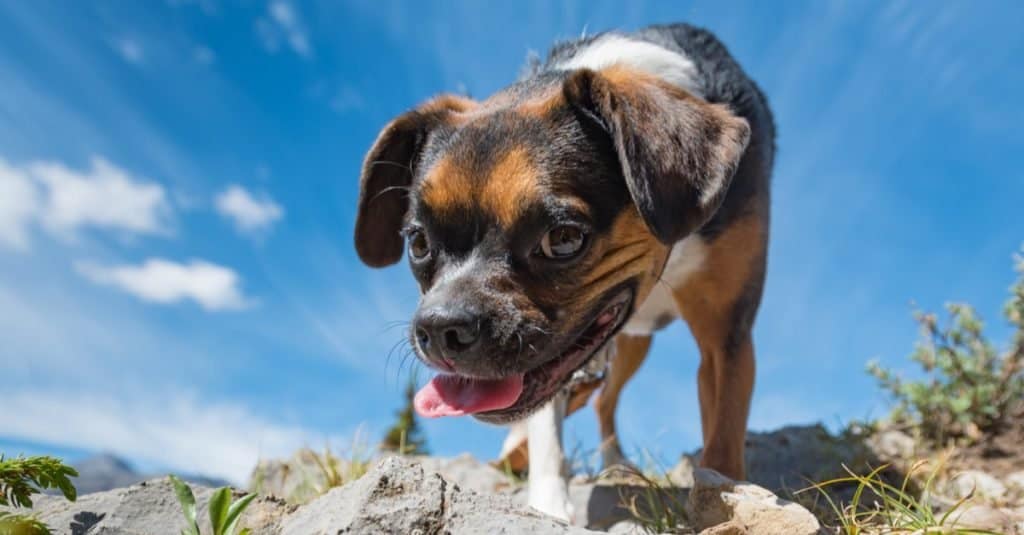
Beagle Boston Terrier mix dog, Boglen terrier, while Hiking Nihahi Ridge Kananaskis Country Alberta Canada

Training a boglen terrier should start early.

Boglen Terrier Exercise

Boglen terriers are active dogs that need a moderate to high amount of exercise. Because these are small dogs, they can burn most of their energy by running around the house. However, you should still take them on a scheduled 30-minute walk at least once a day. If your Boglen terrier is engaging in destructive behaviors like pawing or chewing, consider increasing the amount of exercise until your dog is tired and relaxed.

Puppies

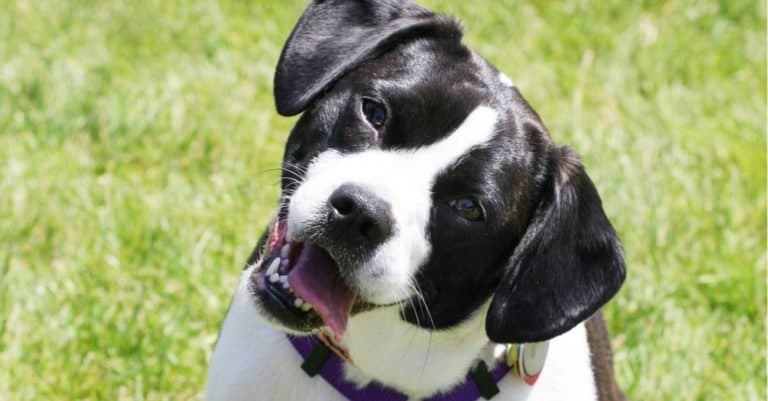
Boglen terrier puppies are sweet and inquisitive. These dogs like to wander and explore, so make sure to watch your Boglen puppy at all times to keep them out of trouble. Even when they get older, you will get the best results if you bring your Boglen terrier with you instead of leaving them at home by themselves.

Boglen Terriers and Children

Boglen terriers are sweet and playful dogs, but they are also very small. Although they get along well with older children, these dogs should not be left unsupervised with small children who do not understand how to respect a dog’s boundaries. Keep an eye on your Boglen during social situations, and be sure to rescue them if you notice that they’re getting tired or irritated.

Dogs Similar to Boglen Terriers

Boglen terriers are small dogs with great personalities. If you’re looking for something similar, try adopting one of the parent breeds or another beagle hybrid.

  • Boston Terrier: Spunky and lovable, the Boston terrier is a classic dog that makes a great family pet.
  • Beagle: Beagles are friendly and inquisitive dogs that are the perfect companions for an active lifestyle.
  • Poogle: The Poogle has all of the best features of a beagle combined with the low-shedding, largely hypoallergenic coat inherited from its miniature poodle parent.
View all 453 animals that start with B

Sources

  1. Dog Time / Accessed March 27, 2021
  2. Dog Breed Info / Accessed March 27, 2021
  3. Love To Know / Accessed March 27, 2021
  4. 101 Dog Breeds / Accessed March 27, 2021
  5. Wag Walking / Accessed March 27, 2021
A-Z Animals Staff

About the Author

A-Z Animals Staff

AZ Animals is a growing team of animals experts, researchers, farmers, conservationists, writers, editors, and -- of course -- pet owners who have come together to help you better understand the animal kingdom and how we interact.
Connect:

Thank you for reading! Have some feedback for us?


Boglen Terrier FAQs (Frequently Asked Questions)

A Boglen terrier is a designer dog breed created by mixing a beagle with a Boston terrier. Boglen terriers are small to medium-sized dogs with floppy ears, squished faces, and the beagle’s signature coat pattern.