
Quick Take
- Fencing in your garden is the most reliable way to keep rabbits out.
- Rabbits eat a wide variety of plant matter, so they eat most plants they find in their environment.
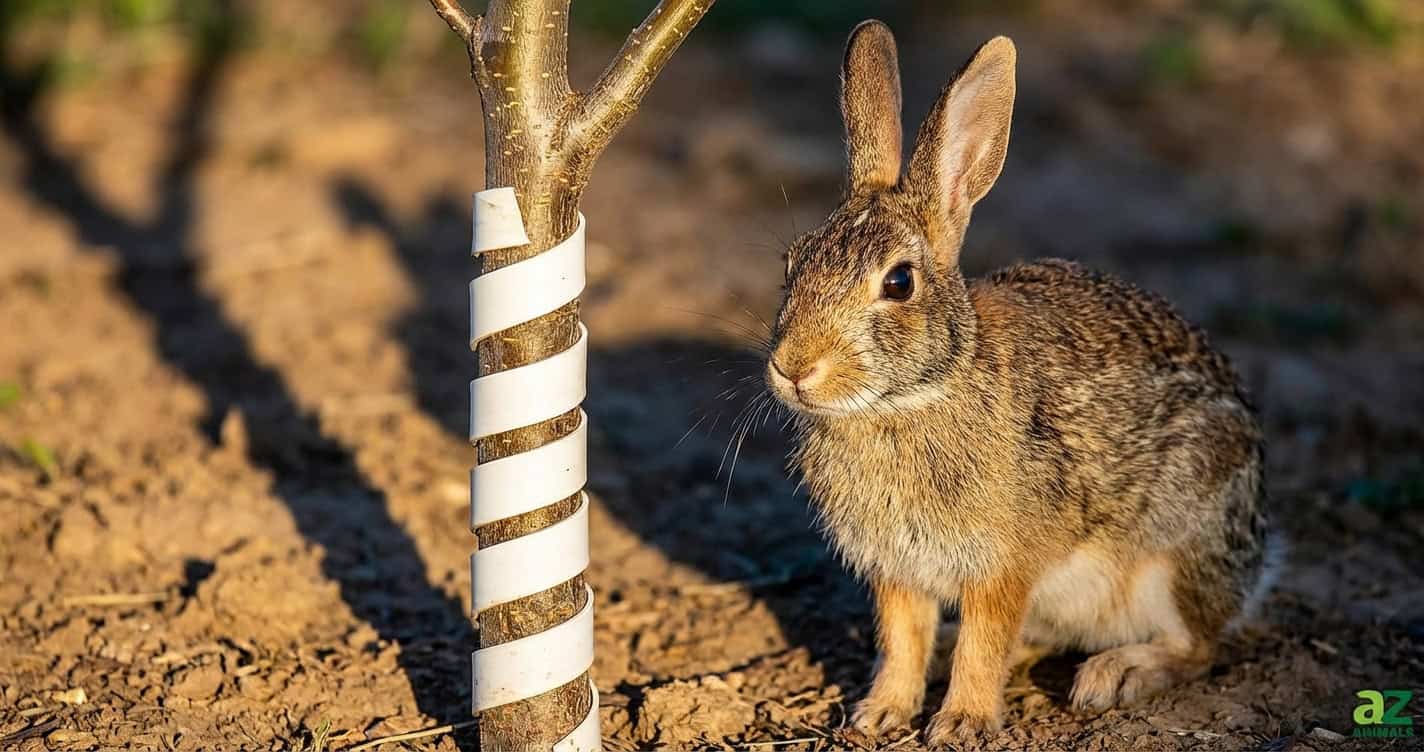
- Protect small trees by putting corrugated or spiral tree guards around their trunks.
To anyone who plants a garden, rabbits are not always the sweet, adorable bunnies that we know and love. Rabbits are notorious garden pests that can wreak havoc on your flowers and vegetables. If you are wondering why you have rabbits in your garden and how to solve your rabbit problem, read on for some helpful tips on keeping rabbits out of your garden.
Why Are There Rabbits in Your Garden?
Rabbits take up residence in our gardens because our gardens are sheltered habitats with plenty of food. A rabbit’s destructive tendency is mainly due to its diverse diet. Rabbits eat a wide variety of plant matter, so these furry opportunists will eat nearly any type of plant they can find in their environment. However, they may sometimes avoid plants with dense, fuzzy leaves or strong odors.
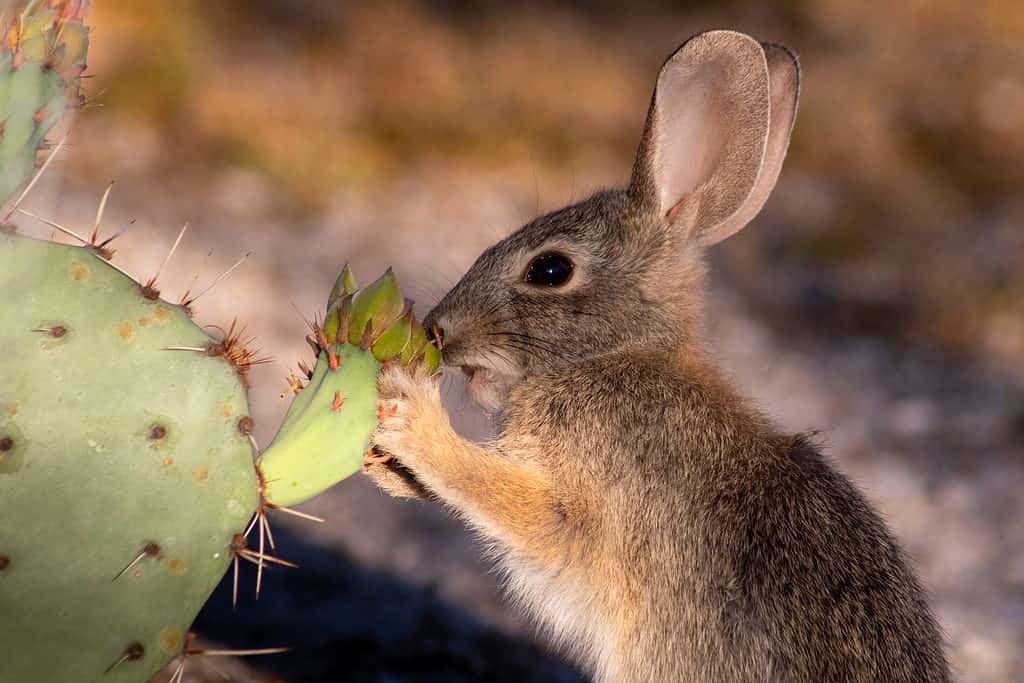
Rabbits are opportunistic and eat most plants in their habitats.
©Charles T. Peden/Shutterstock.com
Rabbits primarily consume grasses, weeds, and flowers during the spring and summer. They also eat leafy greens, such as lettuce, spinach, and Swiss chard, as well as other garden vegetables, including beans, peas, beets, and more. Rabbits cause moderate damage to some fruits, such as strawberries, blueberries, and raspberries, among others. According to wildlife experts, rabbits leave an angled clean cut, as if scissors have snipped off flower heads, buds, and young stems of up to 0.25 inches in diameter. Iowa State University offers an excellent list to help gardeners choose plants that are less likely to be damaged by rabbits.
During the fall and winter, rabbits eat woody plants. You can find evidence of their gnawing on the stems and bark of woody plants, shrubs, trees, brambles, and fallen twigs and branches. They generally gnaw around the base of trees, which often destroys them. Rabbits favor young trees because the bark is smoother and thinner than it is on older trees.
Tips for Keeping Rabbits Out of Your Garden
As with most pests, the best way to deal with a rabbit problem is to prevent it from happening. So, your best bet is to keep rabbits from getting in. Here are a few recommendations that can help you keep rabbits out of your garden for good.
Change the Habitat
Rabbits are crepuscular, which means they are most active at dawn and dusk. This behavior helps them avoid predators that hunt in full sun or at night. Rabbits that visit your garden typically sleep in shallow, hidden nests or under structures such as decks. They tend to favor covered areas such as brush piles, tall grass, or dense shrubbery. Removing brush, debris, and cutting tall weeds will make your garden less appealing to rabbits.
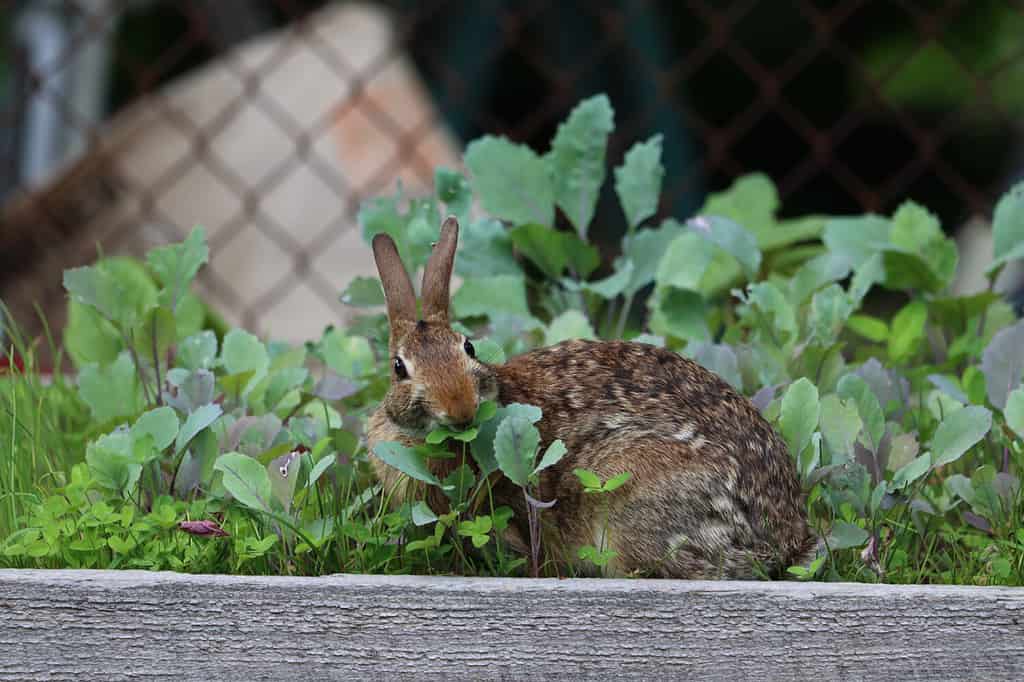
Rabbits are crepuscular and typically forage at dawn and dusk.
©Lisa Basile Ellwood/Shutterstock.com
Build a Fence Around Your Garden
Fencing is one of the best ways to keep rabbits out of your garden. Experts recommend a chicken wire fence with mesh that is an inch or smaller. It should stand at least 2 feet tall to prevent jumping. Use metal posts or wooden stakes for support. To keep rabbits from crawling under the fence, you can bury the bottom a few inches underground or pin the bottom of the fence to the ground with landscaping staples or u-shaped landscape pins. Some gardeners also recommend creating a 90° L-shaped footer at the bottom of the fence to provide a horizontal barrier for animals that try to dig underneath.
Create Barriers Around Individual Plants
You can install barriers around individual plants for extra protection against pests or as an alternative to fencing the entire garden. Barriers are particularly important for young plants or woody shrubs that can be significantly damaged by rabbits gnawing on them during the winter. Make individual cylinders of chicken wire or hardware cloth to protect trees and plants that are more susceptible to damage. Like the external fence, these cylinders should be buried a few inches into the ground to prevent burrowing. You can also protect small trees by putting corrugated or spiral tree guards around their trunks.
Use Strong-Scented Plants That Rabbits Don’t Like
Since rabbits consume a wide range of plants, it is difficult to know which ones will be rabbit-resistant. Some farmers believe that “rabbit-proof plants” do not exist. However, rabbits may find certain plants unpalatable. Garlic, basil, hot peppers, onions, marigold, lavender, rosemary, sage, thyme, and mint are just a few of the plants rabbits avoid. Planting these around the garden’s perimeter may deter rabbits from entering your garden.
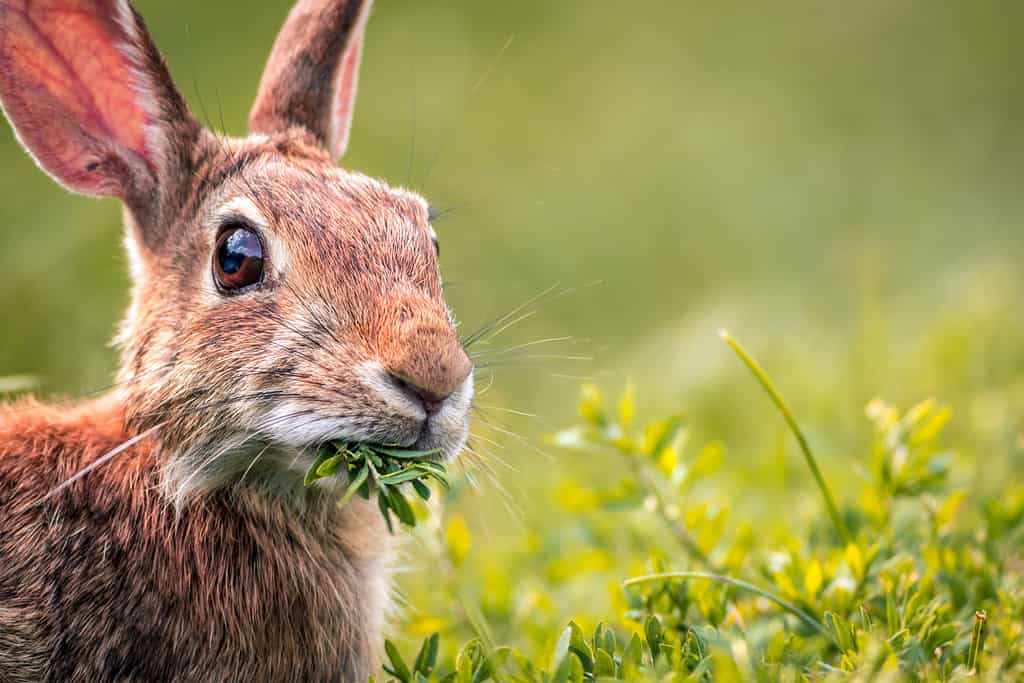
Rabbits consume a wide range of plants, but there are some they may find unpalatable.
©Rabbitti/Shutterstock.com
Put Visual Deterrents in and Around Your Garden
Rabbits and other pests are likely to stay away if they believe there are predators around. Some of the common visual deterrents you can put in your garden include:
- Metal pinwheels
- Reflective tape
- Predator decoys such as rubber snakes and owl statues
If you use visual deterrents, it is important to change their location frequently to prevent rabbits from getting used to them. Unfortunately, this method has limited effectiveness, and if used alone, it is unlikely to completely stop rabbits from foraging among your plants.
Use Repellents
Chemical sprays are available commercially, but many are not recommended because they can affect edible plants. There are several commercially available rabbit repellents that use natural scents and tastes such as garlic and pepper to deter rabbits from eating your plants. These products must be reapplied consistently, especially after rain, to remain effective. Some farmers recommend making your own sprays, and there are plenty of recipes available online. Rabbits have a keen sense of smell, so a well-prepared cocktail of pungent-smelling ingredients may make your garden seem less attractive.
The truth is that keeping rabbits out of your garden is an ongoing battle. Even after following these tips, you must remain vigilant to prevent rabbits from entering your garden and damaging your crops. Rabbits adapt quickly, so gardeners must stay one step ahead to discourage them.