
There are over 60 recognized species in the genus Rattus. The U.S is home to at least 10 species of rats. Some are native species, others have been introduced, notably the invasive brown rat and black rat, which arrived via ships centuries ago. These rats are highly destructive to native wildlife and ecosystems. Continue reading to discover the 11 largest rat species in the U.S. and where you might encounter them.
Bushy-Tailed Wood Rat (Neotoma cinerea)
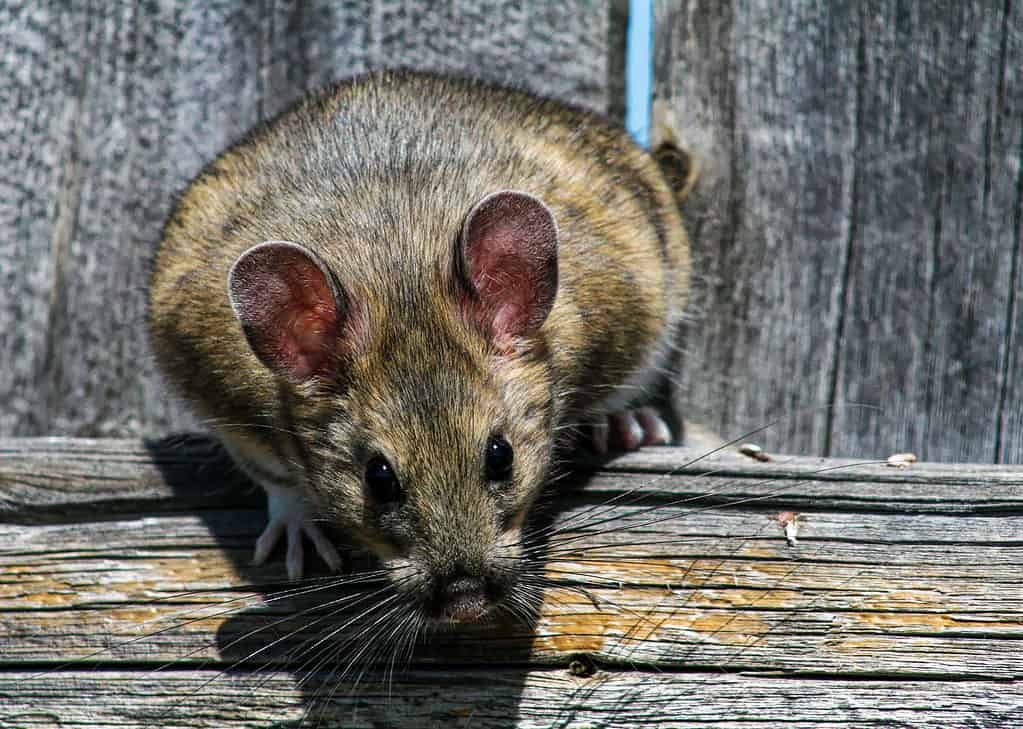
Bushy-tailed woodrats are found in North America and enjoy living in or around rocky places.
©M. Leonard Photography/Shutterstock.com
Despite its somewhat comical name, the bushy-tailed woodrat has several remarkable traits. As its name suggests, the bushy-tailed wood rat possesses a large, bushy tail, unlike the typical sleek, scaly rat tail. In terms of size, these creatures can grow to impressive lengths of up to 18 inches, tail included. Their sturdy bodies, topped with dense, soft fur, contribute to their hardy appearance.
Habitat
Bushy-tailed wood rats prefer the rocky terrain of the Western United States, Canada, and as far north as Alaska. Within these environments, they construct elaborate dens or middens at the bases of trees or within rocky crevices.
Eastern Woodrat (Neotoma floridana)
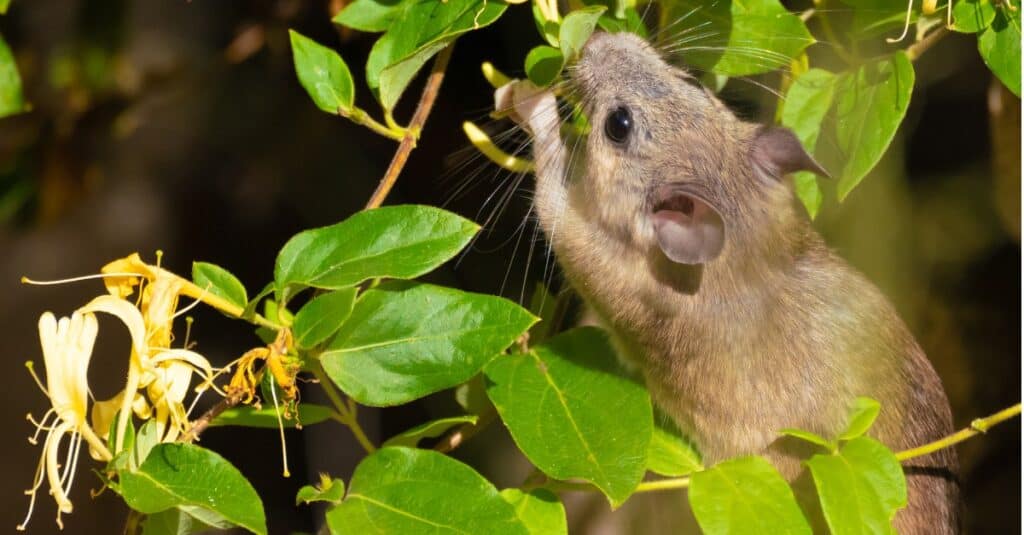
A small Eastern woodrat eating leaves.
©iStock.com/Moment of Perception Photography
The Eastern woodrat s distinguished by its unique habits and specific habitat preferences. The Eastern woodrat has an overall length of up to 17 inches, including its tail. They have a grey-brown fur coat and large black eyes, rounded ears, and noticeably long whiskers.
Habitat
The Eastern Woodrat inhabits the Eastern and Central United States. Its preferred environments include forests, rocky areas, and sometimes even abandoned buildings. Its nest, often constructed from twigs and other plant material, serves as both a refuge and a place to store food.
Norway Rat (Brown Rat) (Rattus norvegicus)

If they have the chance, Norway rats will live in groups growing to hundreds of members, called colonies.
©torook/Shutterstock.com
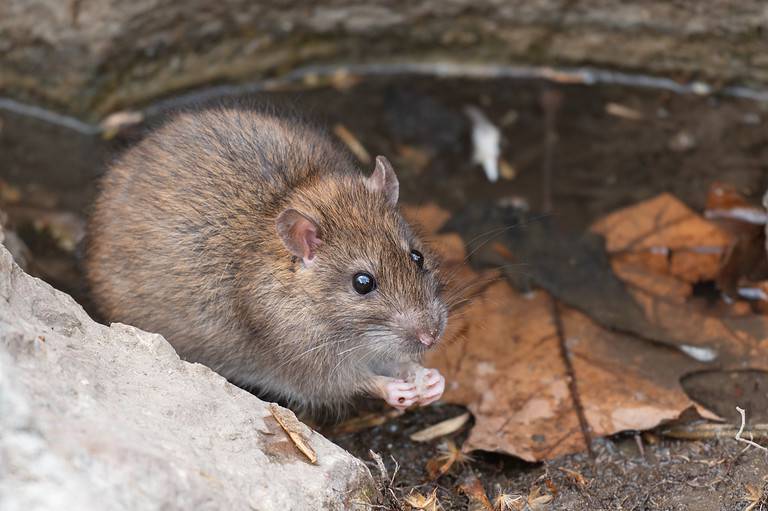
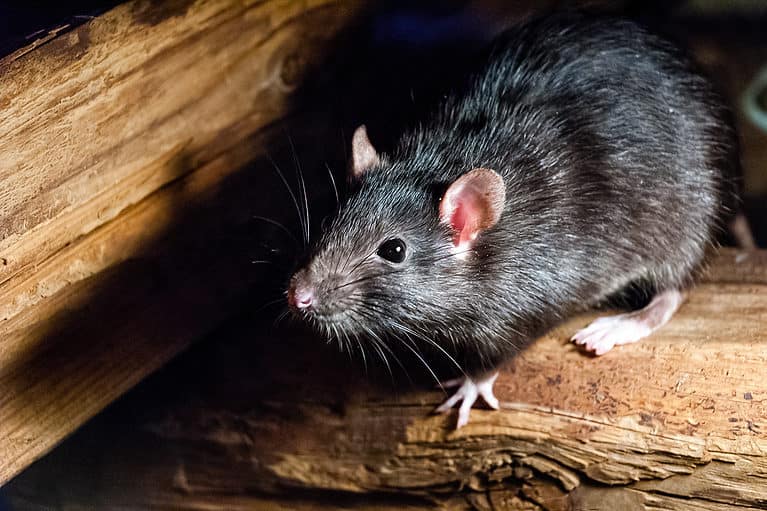
The Norway rat, also known as the brown rat, is known for its close association with human habitats. The Norway rat, also known as the brown rat, is an imposing rodent. Its body can measure up to 16 inches in length, with the tail adding another 8 inches. Its coarse brown fur, relatively small ears, and scaly tail differentiate it from other rat species.
Habitat
The Norway rat is highly adaptable and can be found throughout the United States. It prefers habitats close to human activity, such as city sewers, buildings, and agricultural fields. This species is adept at surviving in a wide range of environments, from basements to open fields.
Black Rat (Rattus rattus)
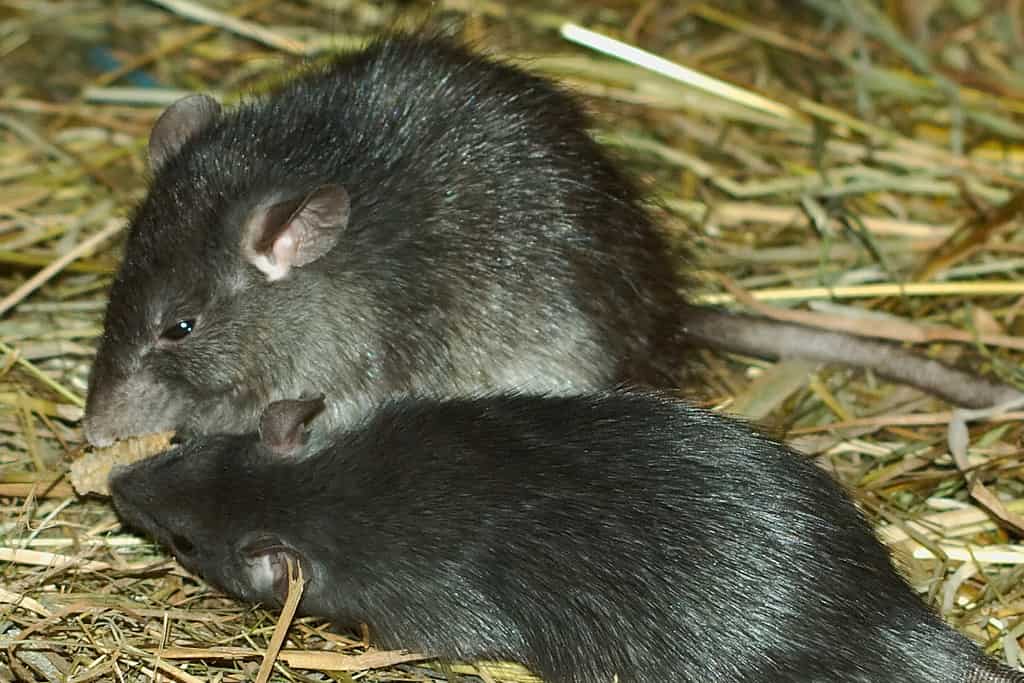
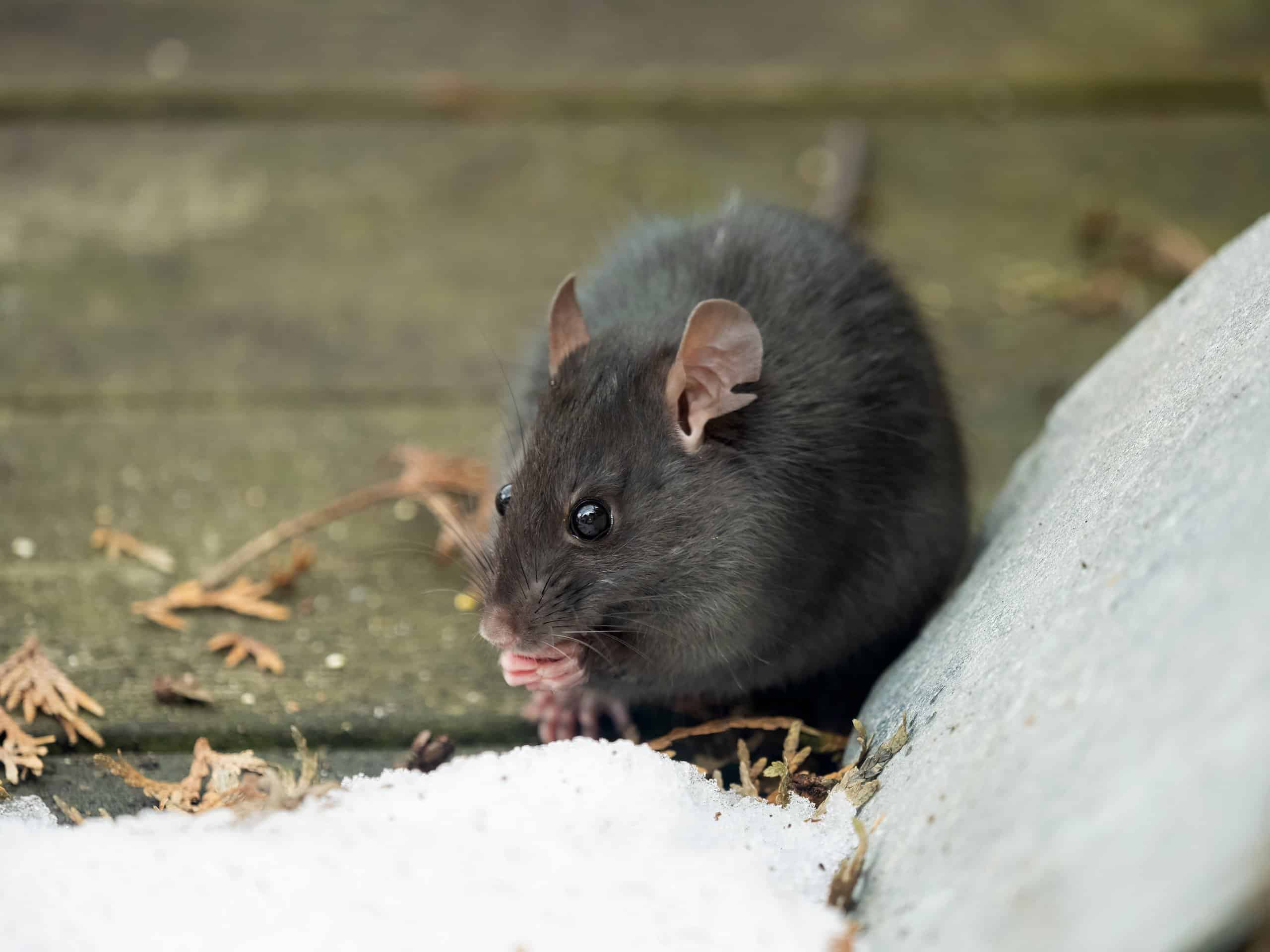
The Roof rat has darker fur, making it easier to distinguish from many others.
The black rat has a streamlined body that can reach up to 16 inches in length, including the tail. Also known as the ship rat or roof rat, it has sleek black or dark brown fur, large ears, and a slender build.
Habitat
Originally from Asia, the Black Rat has successfully colonized various parts of the world, including the United States. It is particularly common in coastal cities and port areas. Its habit of nesting high in structures or trees gives it the nickname roof rat.
California Kangaroo Rat (Dipodomys californicus)
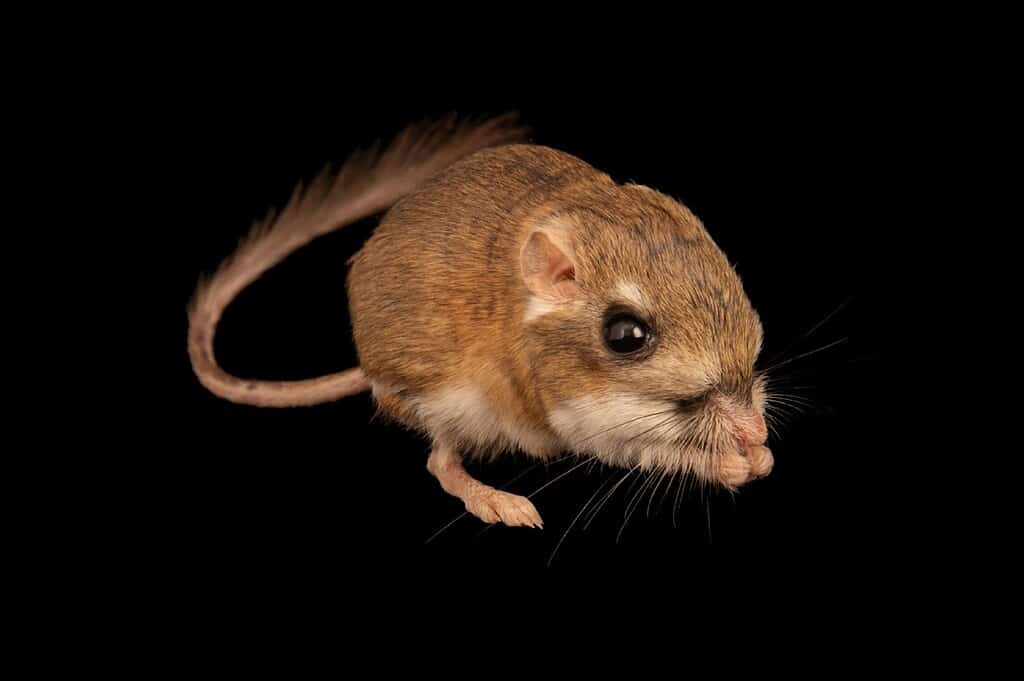
Close-up of a kangaroo rat in San Bernardino, CA.
©Usha Roy/Shutterstock.com
The California kangaroo rat can reach lengths of up to 16 inches, including its tail. California kangaroo rats have long hind legs, small front legs, and a tufted tail, all of which contribute to their impressive hopping abilities.
Habitat
The California Kangaroo Rat inhabits the grasslands and woodlands of California. They favor dry, sandy soils suitable for burrowing and are particularly common in the coastal areas of California.
Southern Plains Woodrat (Neotoma micropus)
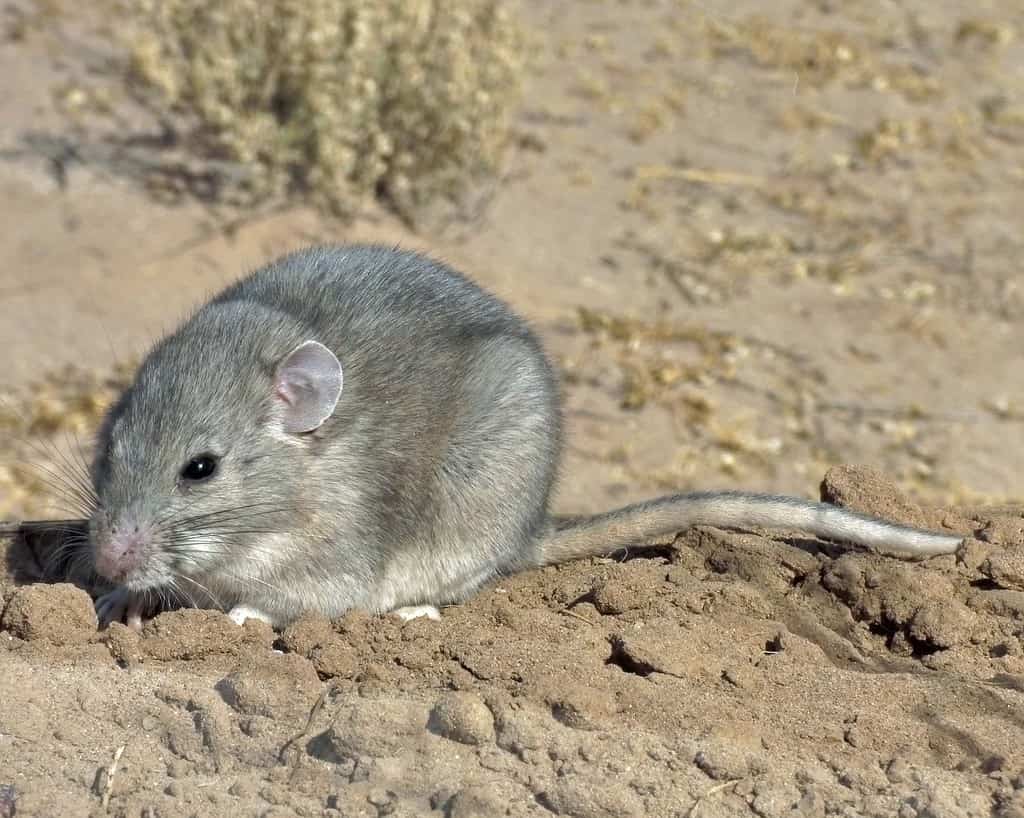
The Southern Plains Woodrat can grow up to 15 inches in length.
The Southern Plains woodrat has an average size of up to 15 inches in length, including its tail. Sporting a grey-brown coat and a white underbelly, this rat has large eyes and round ears that contribute to its distinctive look.
Habitat
The Southern Plains woodrat thrives in the arid regions of the Southern United States, specifically in Texas and New Mexico. It favors areas with dense, prickly underbrush or cactus growth, which offer protection from predators. In these areas, it constructs elaborate stick homes known as middens.
Hispid Cotton Rat (Sigmodon hispidus)
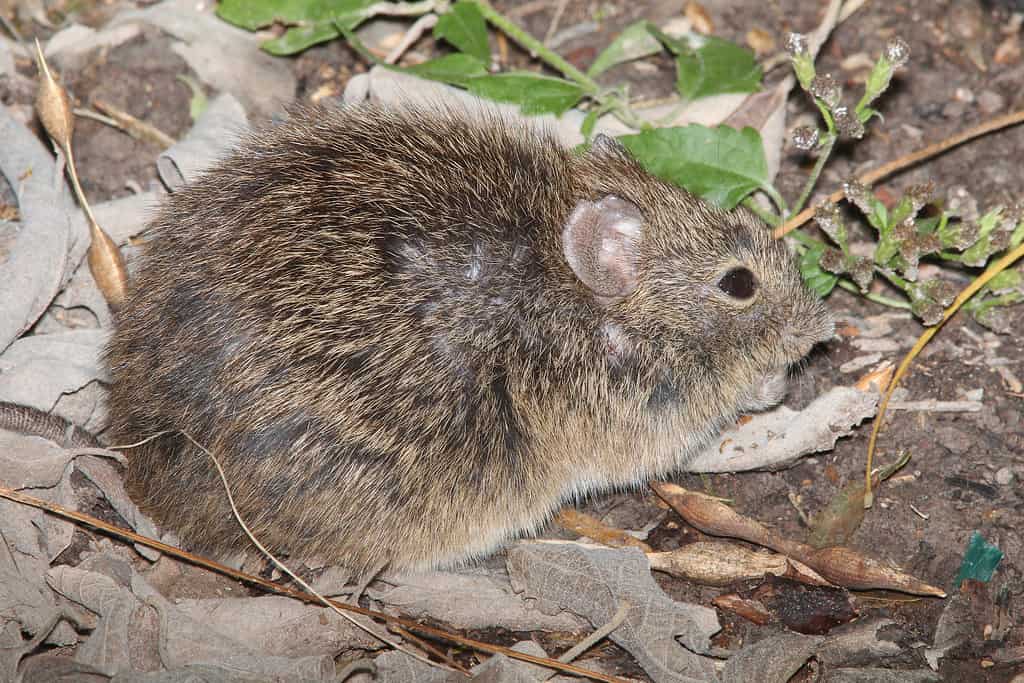
The lifespan of the hispid cotton rat is less than six months in the wild, but in captivity, individuals can live up to 23 months.
Noted for its bristly fur and diverse habitat, the hispid cotton rat is characterized by its heavy body, which can reach lengths of up to 14 inches, tail included. It gets its name from the coarse, or hispid, fur that covers its body. Its color varies from dark gray to brown, with a lighter underbelly.
Habitat
The hispid cotton rat thrives in a wide range of habitats across the United States, from Florida to Arizona and as far north as Virginia. It typically prefers grassy areas, fields, or the edges of forests, particularly where the ground cover is thick and provides ample protection.
Banner-Tailed Kangaroo Rat (Dipodomys spectabilis)
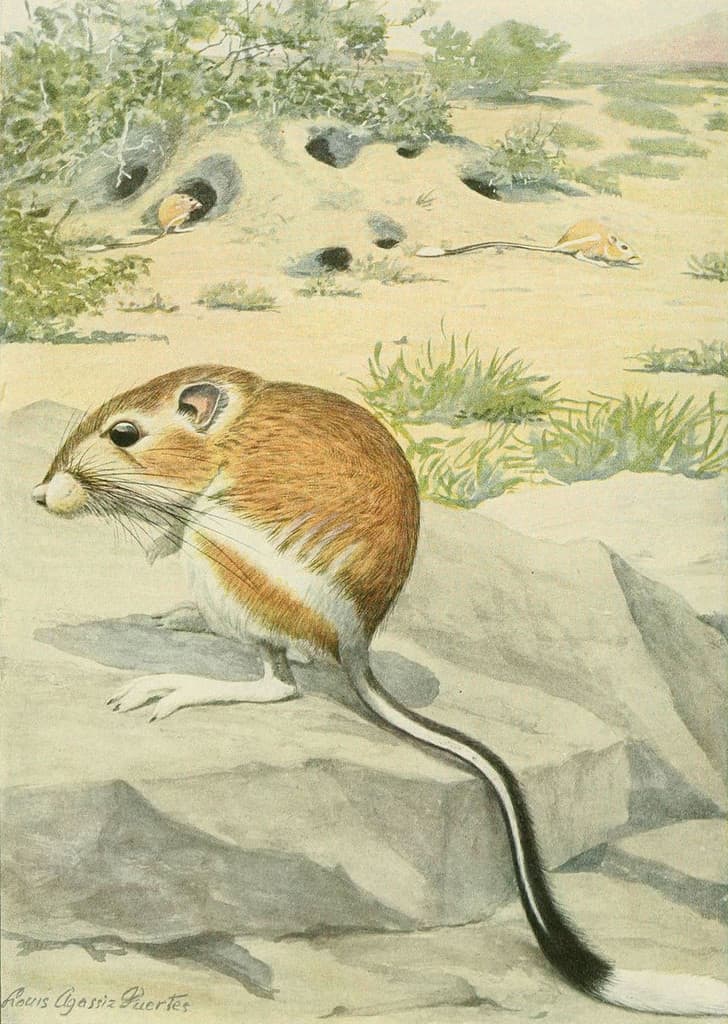
Thanks to its large hind legs and tufted tail, the banner-tailed kangaroo rat has a kangaroo-like appearance.
©Fuertes, Louis Agassiz; Grosvenor, Gilbert Hovey; National Geographic Society (U.S.); Nelson, Edward William / CC0 – Original / License
The banner-tailed kangaroo rat is a large rodent that can reach lengths of up to 14 inches, including its tail. It is noted for its large hind legs, small front legs, and distinctive tufted tail.
Habitat
These rats inhabit arid regions of the southwestern U.S., including New Mexico and parts of Arizona. They are uniquely adapted to desert environments and can often be found in sandy soils where they build elaborate burrow systems.
Texas Kangaroo Rat (Dipodomys elator)
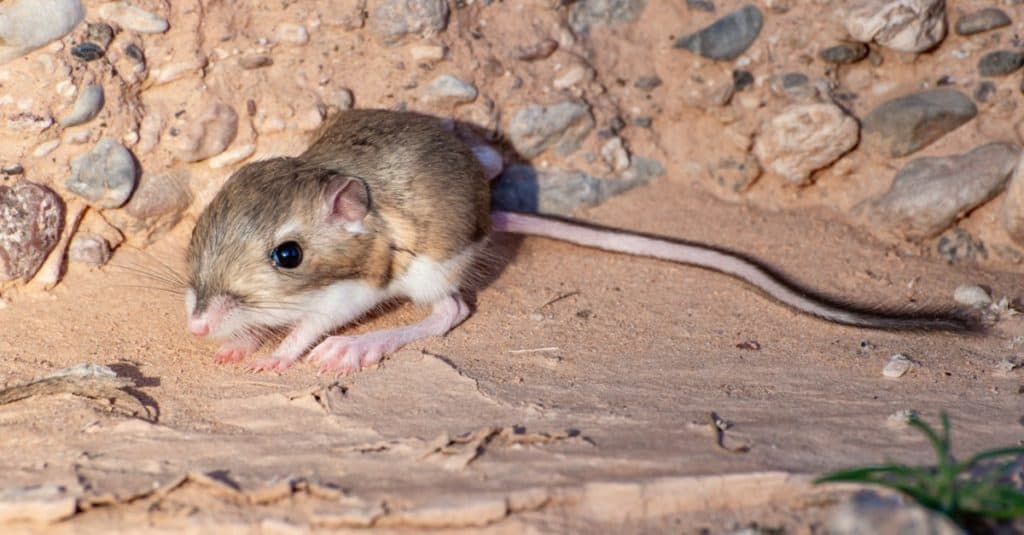
The Texas Kangaroo rat looks very similar to Merriam’s Kangaroo rat pictured here.
©Dominic Gentilcore PhD/Shutterstock.com
The Texas kangaroo rat can reach lengths of up to 14 inches, tail included. It follows the typical kangaroo rat blueprint with large hind legs and a long tail that assists in balance during its characteristic hopping.
Habitat
As its name suggests, the Texas kangaroo rat is found in Texas, particularly in the grasslands and mixed shrub areas. Its habitat preference includes sandy or gravelly soils, which are ideal for their burrowing lifestyle.
Marsh Rice Rat (Oryzomys palustris)
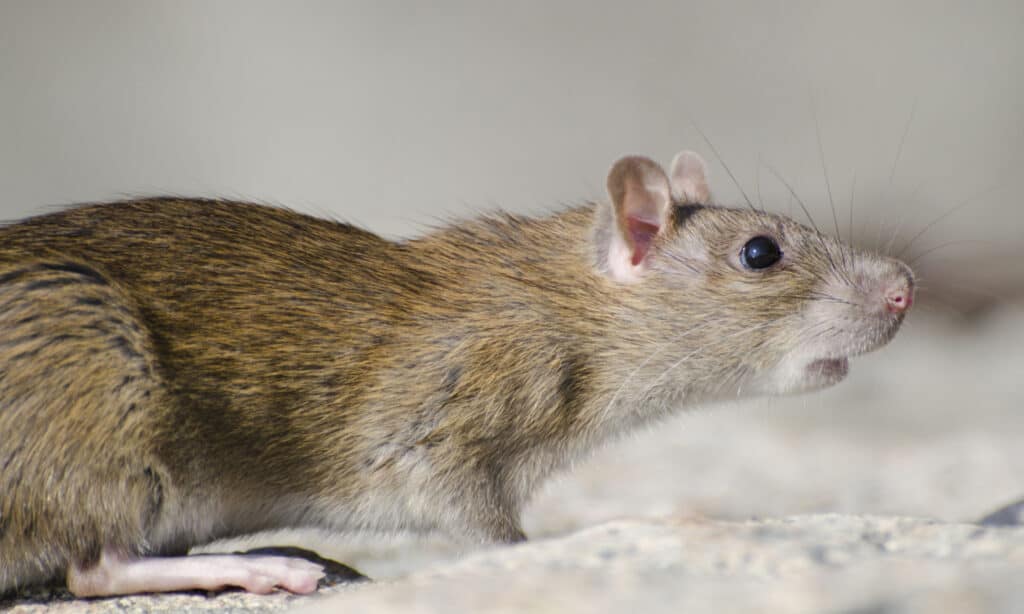
Marsh rice rats usually live for less than one year in the wild.
©Oakland Images/Shutterstock.com
Known for its unique habitat and diet, the marsh rice rat offers a fascinating divergence from its urban-dwelling relatives. The Marsh Rice Rat is a medium-sized rodent with a body length of up to 12 inches when you include its tail. It has dense, soft fur with a gray-brown upper body and a white or gray underbelly. Its semi-webbed hind feet and long, scaly tail are adaptations to its aquatic lifestyle.
Habitat
Marsh Rice Rats are primarily found in the wetlands, marshes, and coastal areas of the southeastern United States. These environments provide the necessary resources and protection, and marsh rice rats are often found in grassy areas near bodies of water.