Quick Take
- Rattlesnakes don't fully disappear in winter, and the specific temperature that brings them back out is closer than most Texans realize. Learn about brumation →
- Most rattlesnake bites aren't random attacks. They happen in a predictable pattern that's almost entirely avoidable if you know when and where to watch. See peak activity patterns →
- One Texas rattlesnake is responsible for more bites than all the others combined, and it's probably not the one you'd guess. Meet the top biter →
- Dead rattlesnakes can still bite, and ignoring that fact is one common way people get envenomated. Read encounter safety tips →
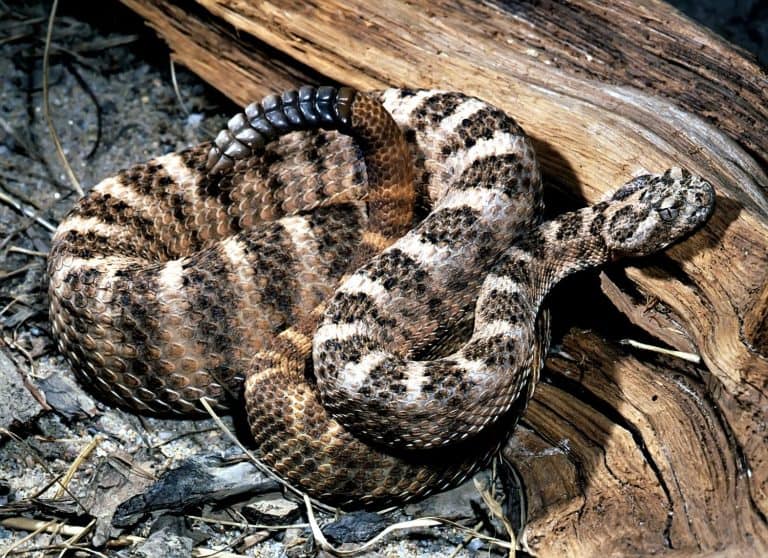
There are over 105 different species and subspecies of snakes in Texas, and nine of those are different types of rattlesnakes. This makes the Lone Star State home to the second-highest population of rattlesnakes in the USA, the first being Arizona. Most sightings of rattlesnakes in Texas occur during their breeding season. Therefore, this is also when they are most defensive and aggressive. However, it is unlikely they will attack for no reason; they only strike in self-defense. Learn when rattlesnakes are most active in Texas and how this information can save your life.
Texas Rattlesnake Brumation
Brumation is a period of winter inactivity in ectothermic (cold-blooded) animals such as reptiles and amphibians, similar to hibernation in mammals. Cooler temperatures and shorter days in the fall lead animals to seek shelter. Their metabolisms drop to conserve energy. Animals have reduced appetites during this period, but they may drink water to avoid dehydration.
Rattlesnakes in Texas generally begin brumation in October and November. The exact timing of the seasonal change will differ depending on the environment and location in the state. The type of habitat also impacts when rattlesnakes go into brumation. For example, scrublands provide plenty of cover, protecting the rattlesnakes from the elements. However, the desert, which covers most of West Texas, has cold nights because the limited vegetation does not provide as much protection from the elements. Furthermore, higher elevations like mountains and hills are colder than lower elevation areas. So it is hard to pinpoint the exact time these snakes will go into brumation.
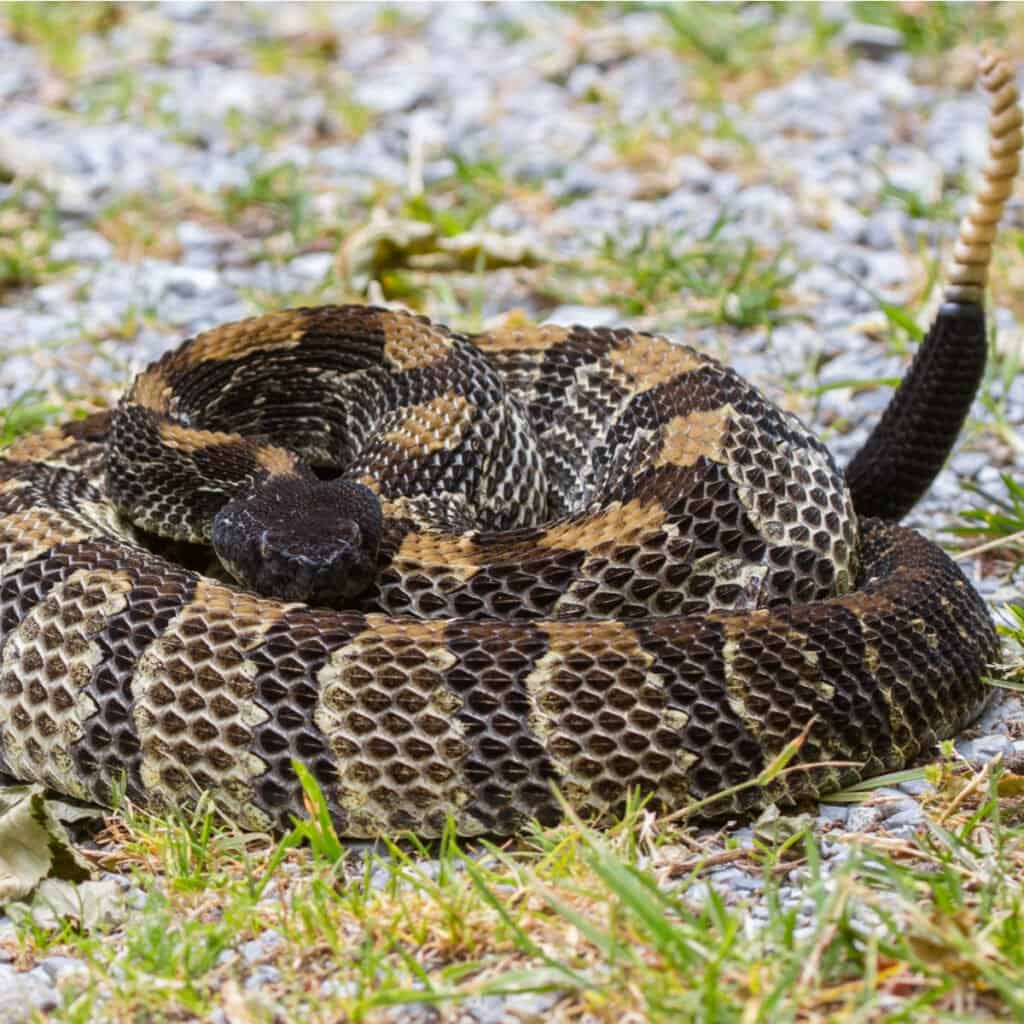
Rattlesnakes typically brumate when temperatures consistently drop below 60 degrees Fahrenheit.
©Frode Jacobsen/Shutterstock.com
Once the breeding season is over in late summer, rattlesnakes begin to eat more, increasing their fat reserves to survive the winter. Once the temperature drops below 60°, you are less likely to see rattlesnakes. However, a study on rattlesnakes in Tennessee found that the snakes moved from their dens an average of 6 times. So on warm winter days, rattlesnakes may take the opportunity to re-hydrate and warm up.
When Are Rattlesnakes in Texas Most Active?
In Texas, rattlesnakes come out of brumation once spring arrives and the ground around them begins to heat up. This generally occurs between February and early March. They can survive in temperatures from 60° to 90°, but according to the Texas Parks and Wildlife Department, temperatures between 80° and 90° are probably the most comfortable for Texas snakes.
Rattlesnakes are the most active from April through October. Rattlesnake courtship and mating primarily occurs in the spring as they emerge from brumation, though some species may mate in late summer or fall. According to the Texas Poison Center Network, most rattlesnake bites are reported in June.
What to Do if You See a Rattlesnake
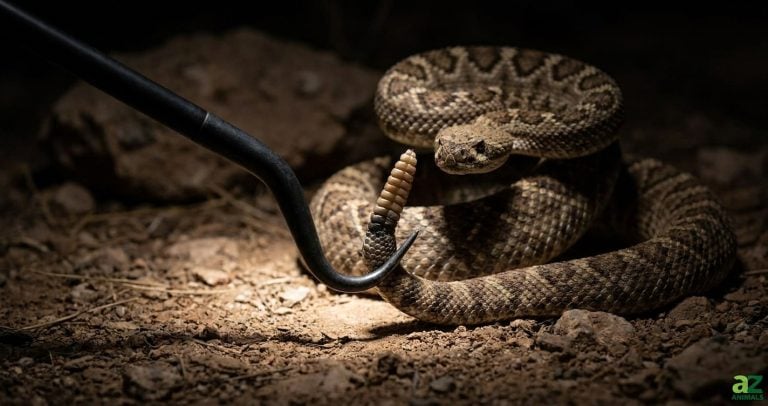
Most snakebites are caused by taking risks with venomous snakes or accidents. If you hear a rattlesnake, freeze until you know its location. Remain still and allow the snake to escape. Most snakes prefer to flee rather than confront humans or pets. If staying still is not an option, back away very slowly and carefully. Do not touch dead snakes, as muscle contractions could cause them to bite and inject venom.
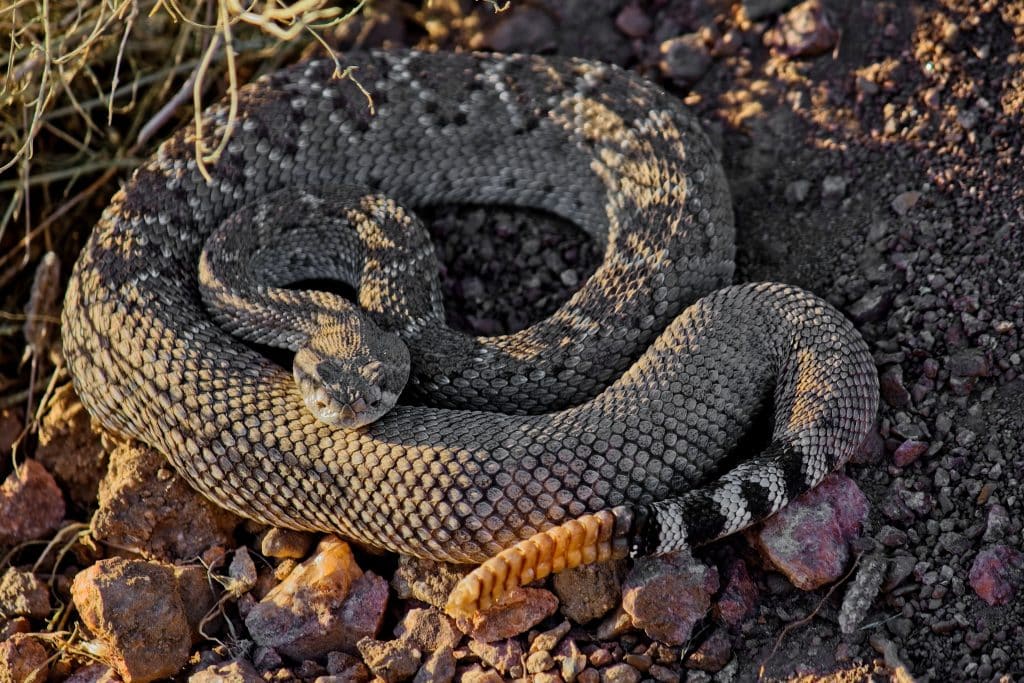
Western diamondback rattlesnakes are the most common rattlesnakes in Texas.
©Wirestock Creators/Shutterstock.com
When hiking or hunting, wear heavy boots and long pants to reduce the risk of accidentally getting bitten when startling or stepping on a rattlesnake. Remain on well-used trails, as snakes often hunt in tall grass. Be mindful around brush and debris piles. Check for snakes before stepping over logs or sitting on rocks. Snakes also hide near the banks of streams and creeks. Keep all pets on a leash.
Nine Types of Rattlesnakes in Texas
Texas is home to eight different species and one subspecies of rattlesnakes: the Western diamondback, banded rock, Mojave, Timber, mottled rock, Prairie, black-tailed rattlesnake, Western Massasauga, and the desert Massasauga. Three of the rattlesnakes found in Texas are protected either federally or in Texas. They include the mottled rock rattlesnake, timber rattlesnake, and banded rock rattlesnake. Learn more about the nine rattlesnakes found in the state and where they live in Texas.
Western Diamondback Rattlesnake (Crotalus atrox)
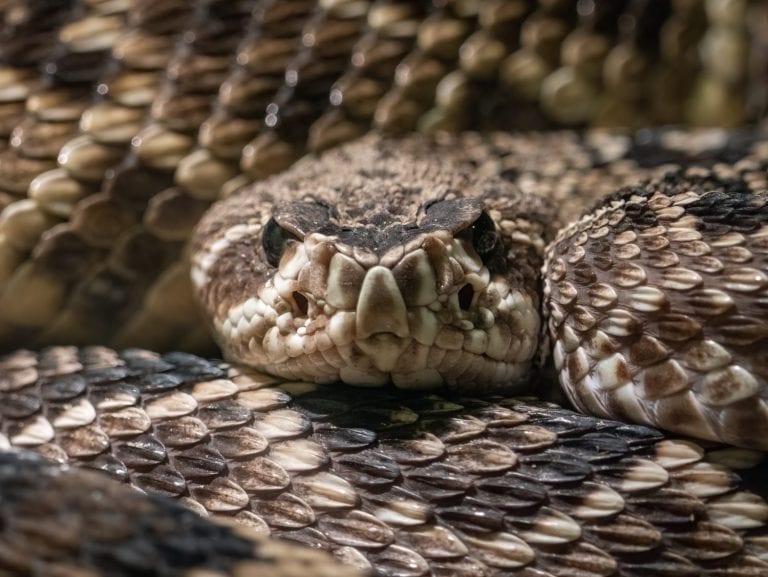
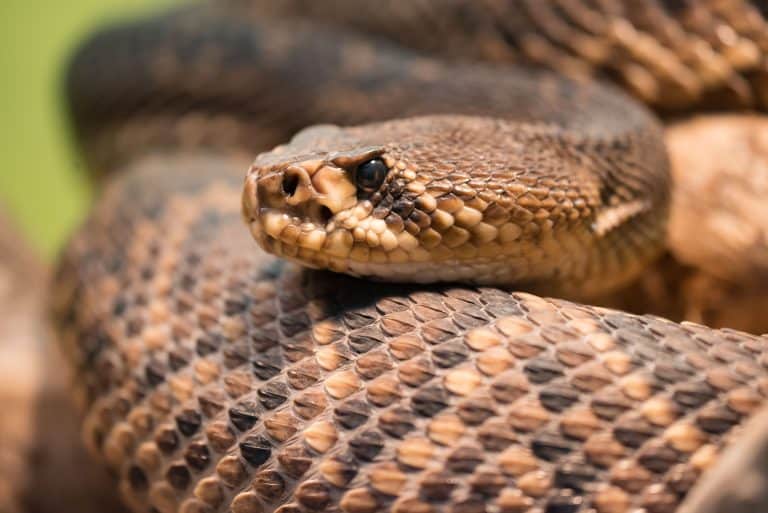
The western diamondback rattlesnake is also known as a Texas diamondback, and it is a venomous species of the pit viper family. This snake is responsible for most of the northern Mexico snakebite fatalities, and it is historically linked to the highest number of snakebites in the U.S. It is found across Texas, except for easternmost areas. These snakes are heavy-bodied, with triangular heads. Additionally, there are two lines on each side of their face, from their eyes to the jaw. They were named after the dark diamond-shaped patterns on their backs. Their tails also have white and black bands just under the rattles. They average 3.5 to 4.5 feet in length and typically weigh between 3 and 6 pounds.
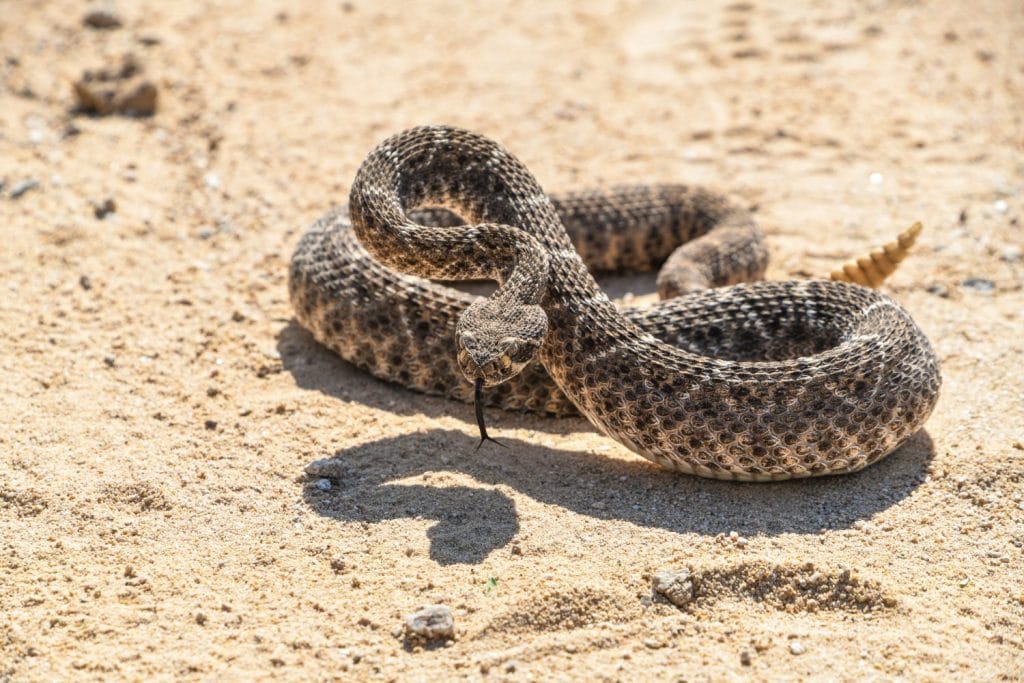
Western diamondback rattlesnakes are a venomous species of the pit viper family.
©Clint H/Shutterstock.com
Banded Rock Rattlesnake (Crotalus lepidus klauberi)
The banded rock rattlesnake doesn’t have a large range in Texas, as they primarily inhabit El Paso County and the Franklin Mountains. In addition, they are one of the smallest rattlesnakes and a subspecies of rock rattlesnakes (Crotalus lepidus). As adults, they only measure 1.8 to 2 feet long. The banded rock rattlesnake population in Texas is the only subspecies that is gray. In other areas, males are bright green, and females range from brown to pink. The Texas population has 13 to 20 dark primary bands covering their gray bodies.
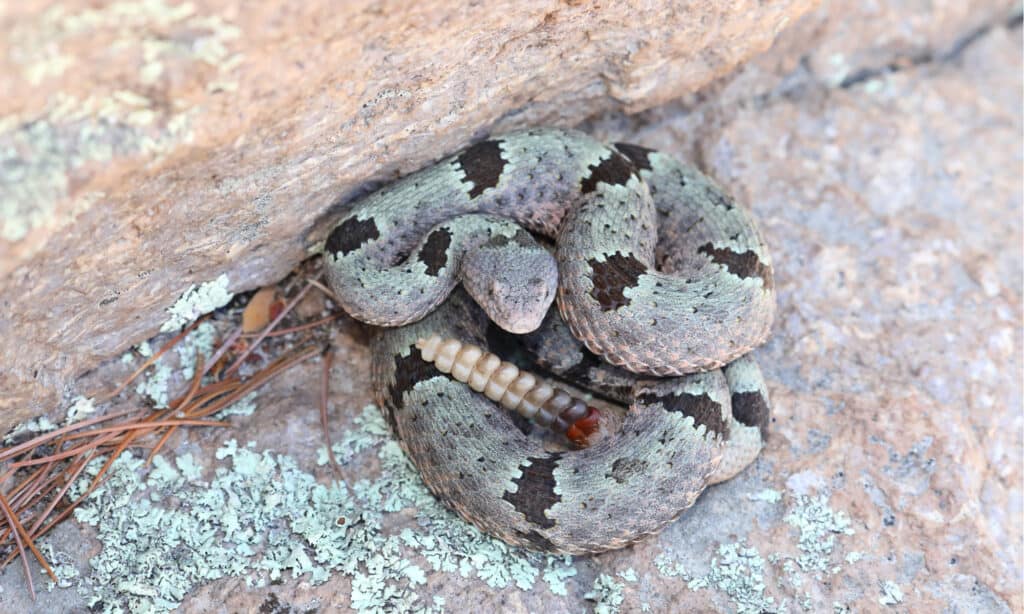
The banded rock rattlesnake is one of the smaller members of the rattlesnake species.
©Glenn McCrea/Shutterstock.com
Mojave Rattlesnake (Crotalus scutulatus)
Found in the deserts of southwestern U.S. and central Mexico, this highly venomous pit viper is not a snake to be taken lightly. While it was named after the Mojave Desert, it does occur in other areas like desert flats, canyons, rocky hills, mountain slopes, and high deserts. It is only found in westernmost Texas. They are medium-sized snakes and can reach lengths of 2 to 4 feet. They are generally a greenish-gray in color. However, at higher elevations, their coloring may be olive green, while at lower elevations, they may be brown or yellow.
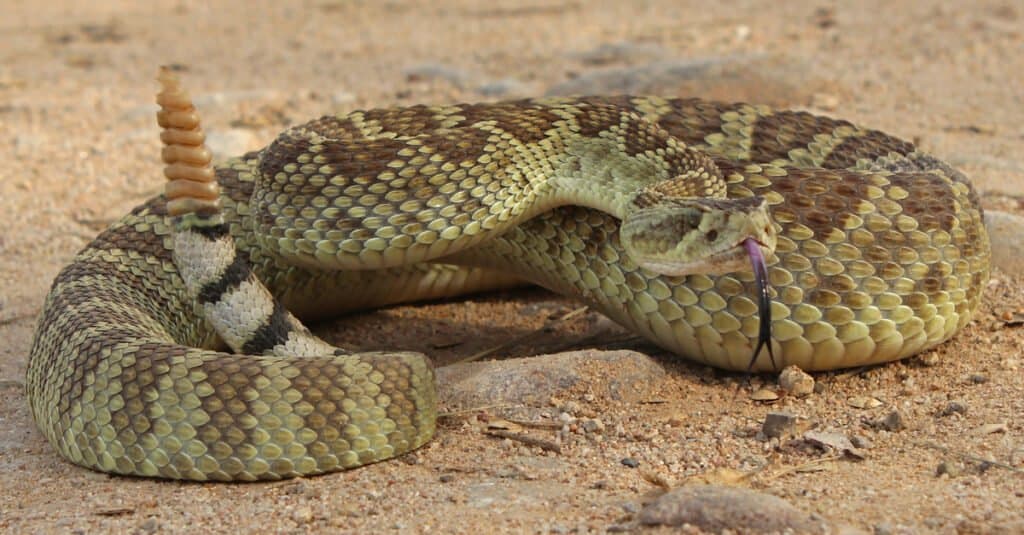
The Mojave rattlesnake typically average 2 to 4 feet in length.
©Creeping Things/Shutterstock.com
Timber Rattlesnake (Crotalus horridus)
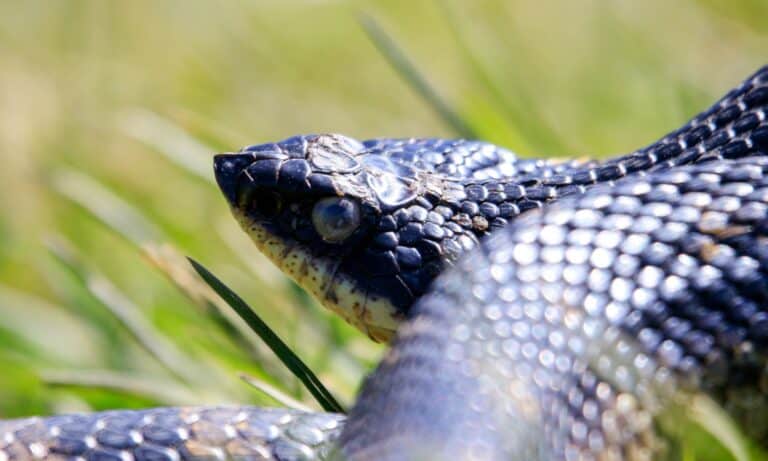
The timber rattlesnake goes by many names, including black rattlesnake, timber rattler, American viper, Eastern rattlesnake, and canebrake. This snake is a very large pit viper that occurs across the eastern half of the United States. It is found in the eastern third of Texas. They vary in coloration, but all have dark crossbands that overlay the base, which range in color from shades of brown to yellow to black. Additionally, they have a dorsal stripe that varies from tan to chestnut, yellow, and orange. Fully grown adults average around 4.5 feet long.
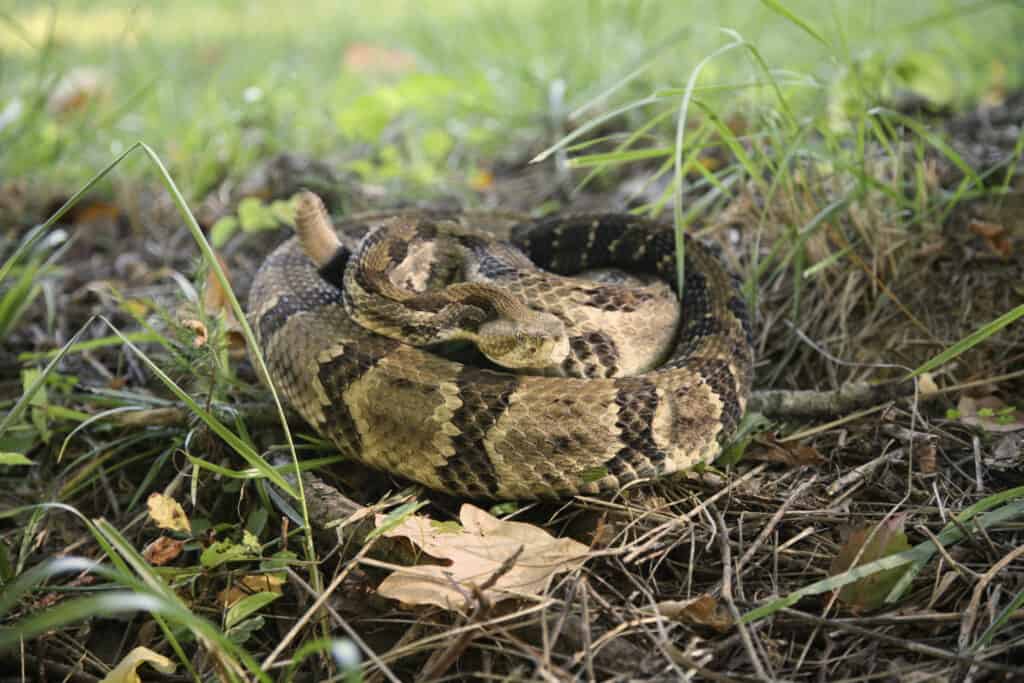
Timber Rattlesnakes also go by the names timber rattler and black rattlesnake.
©iStock.com/NajaShots
Mottled Rock Rattlesnake (Crotalus lepidus)
The mottled rock rattlesnake is a smaller, thinner snake only averaging around 2 feet long. This snake has a few subspecies, including the banded rock rattlesnake, and they occur in some southern states and certain parts of Mexico. They can be found in mountainous regions of West Texas. These snakes are found in a wide variety of habitats. Their coloration differs depending on their environment. For example, they can be green, gray, brown, blue-gray, or a pink hue. They also have widely spaced blotches over their base color, sometimes forming crossbands with serrated edges, and there are often tiny spots between the blotches.
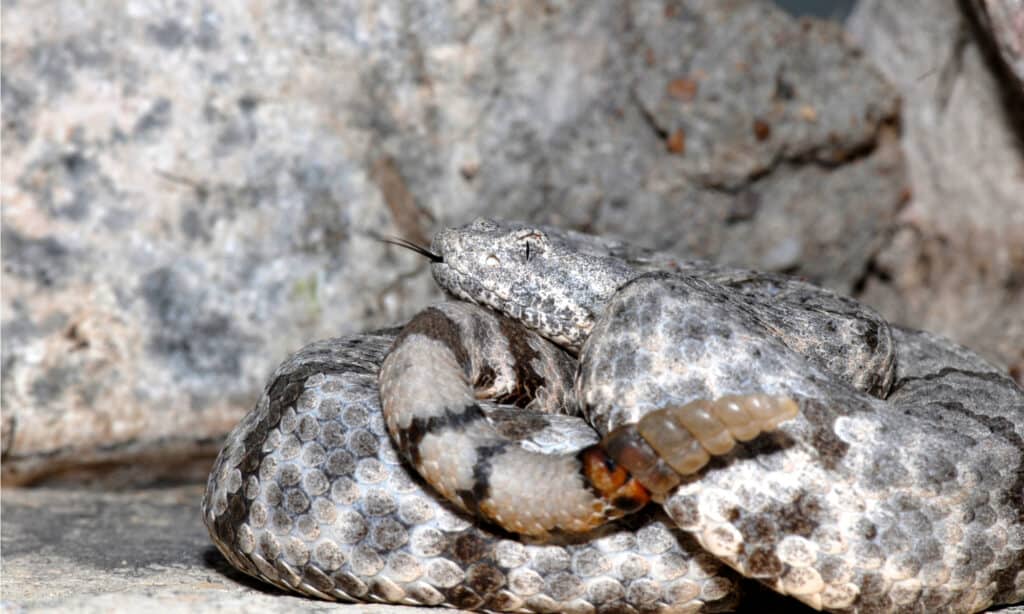
The mottled rock rattlesnake can survive in a wide variety of habitats.
©Rusty Dodson/Shutterstock.com
Prairie Rattlesnake (Crotalus viridis)
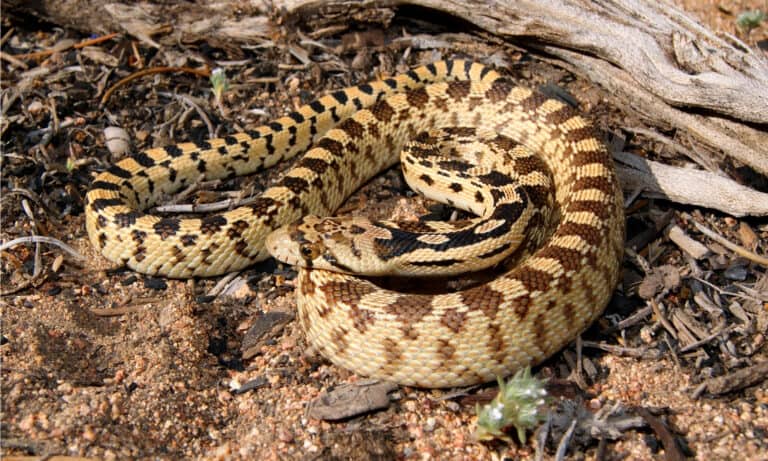
The prairie rattlesnake, also called the Great Plains rattlesnake, inhabits areas in the western United States. Prairie rattlesnakes prefer residing in prairies and grasslands, but they can inhabit a variety of environments. Unlike their cousins, the Mojave rattlesnake, prairie rattlesnakes avoid deserts. This snake can be found in the western third of Texas. These elusive snakes usually grow to around 3 feet long. Their skin color ranges from brown to pale green with black or brown blotches with dark and light borders. In addition, their rattle-tipped tails are covered in blotches that merge to form dark rings. Males typically have more rings than females. Lastly, these snakes have a white or pale yellow belly.
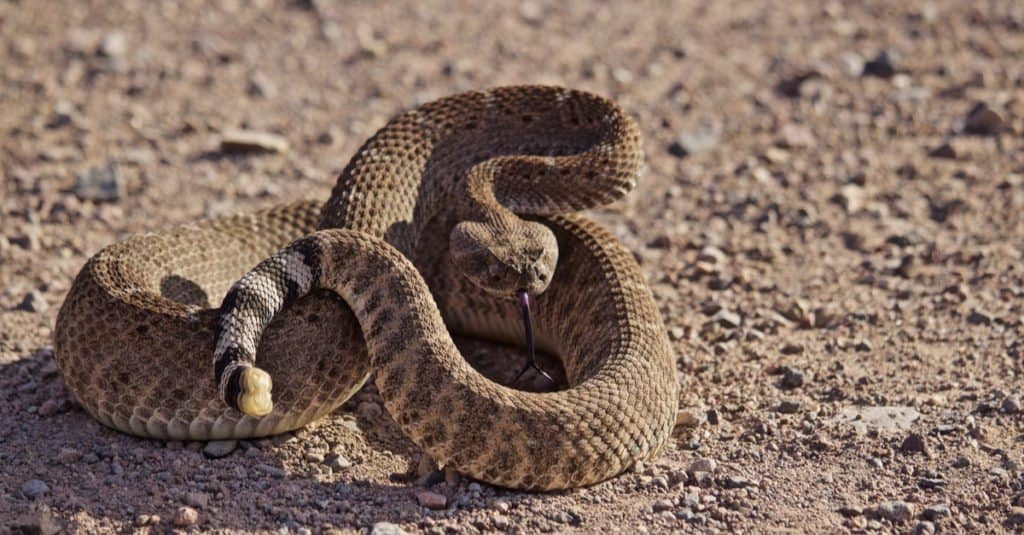
Unlike their cousins, the Mojave rattlesnake, prairie rattlesnakes usually avoid deserts.
©DMartin09/Shutterstock.com
Ornate Black-tailed Rattlesnake (Crotalus ornatus)
The ornate black-tailed rattlesnake inhabits areas like western Texas, central New Mexico, the Chihuahuan Desert, and south of the Coahuila and Nuevo León states of Mexico. These snakes occupy the mountainous areas of Trans-Pecos in Texas, but are rarely seen in the Hill Country. Ornate black-tailed rattlesnakes are relatively large snakes that average 3 feet in length. The ornate black-tailed rattlesnake has unique patterns and coloration. For example, they have dark tails that differ in color from charcoal to jet black. In addition, their nose and forehead are pitch black, as if dipped in ink.
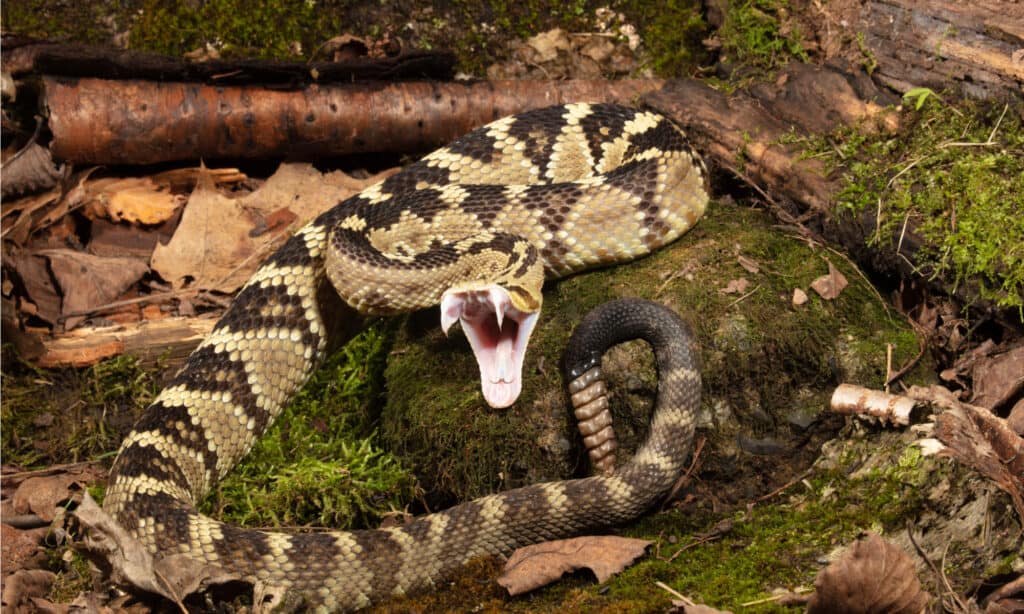
Black-tailed rattlesnakes average around 3 feet long.
©Joe McDonald/Shutterstock.com
Western Massasauga (Sistrurus tergeminus)
Massasauga snakes include three species and several subspecies. The western massasauga rattlesnake occurs in wet meadows, woodlands, and marshes. They primarily occur in central Texas. These rattlesnakes can reach 2 feet in length and have a light-brown skin with a row of brown blotches along their backs and smaller ones on the sides. Unlike many of its cousins, the western massasauga practices communal denning, also called a hibernaculum.
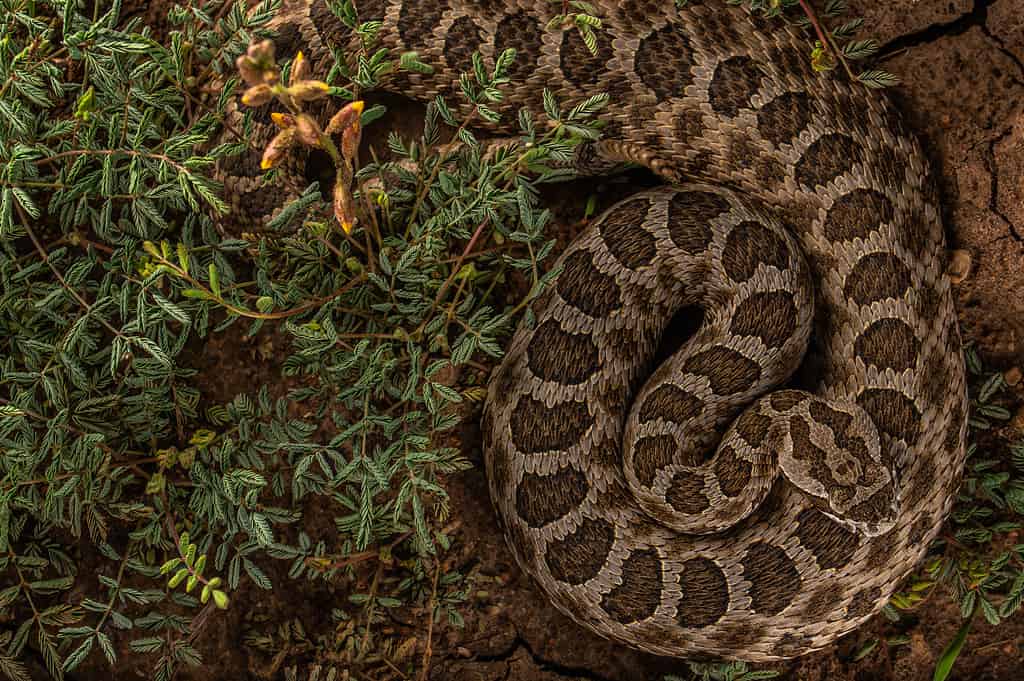
Western massasaugas inhabit areas in Arizona, central Oklahoma, Texas, southeast Colorado, and eastern Kansas.
©Nick Kanakis/Shutterstock.com
Desert Massasauga (Sistrurus tergeminus edwardsii)
The desert massasauga is found in the Trans-Pecos, the lower Rio Grande Valley, and the western Panhandle. These snakes are smaller and thinner than the western massasauga, rarely exceeding 2 feet long. They are light gray in color, with dark brown blotches running down their spines. They have two to three brown rows on their sides. These blotches have black borders, and they usually form crossbands on the tail beneath the rattle. Their bellies are generally cream or white, scattered with black spots.
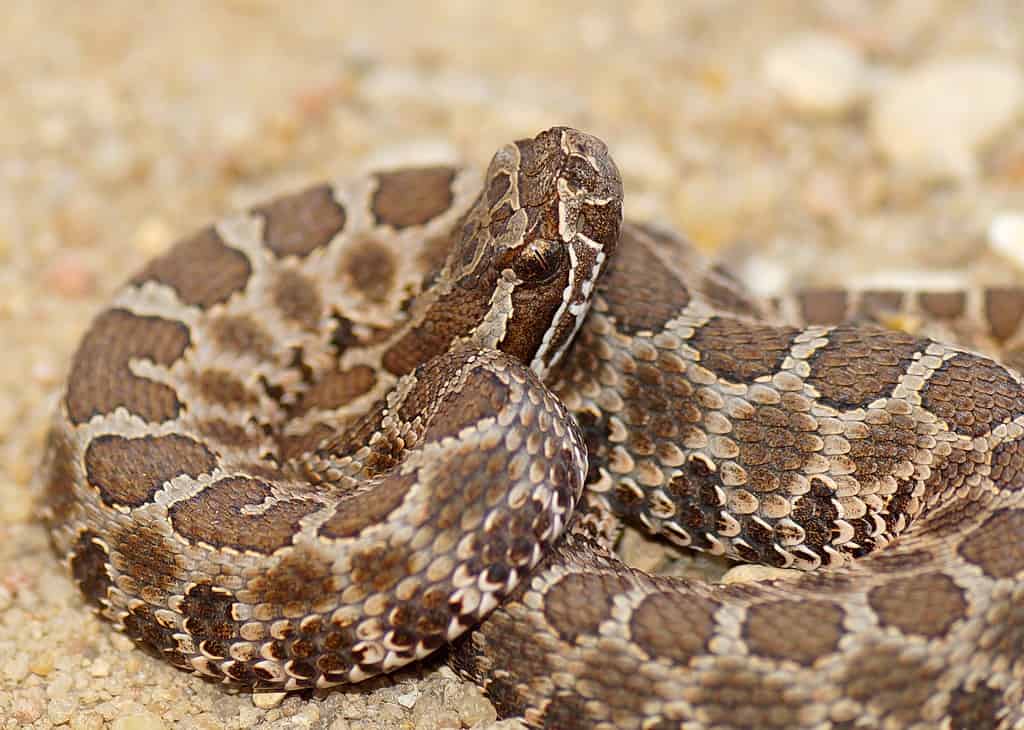
Desert massasauga rattlesnakes favor desert grasslands, scrub plains, and shortgrass prairies.
©Matt Jeppson/Shutterstock.com