


S
Species Profile

Siberpoo

Canis lupus familiaris

Brainy athlete in a fluffy suit

Siberpoo Distribution

Click a location to explore more animals from that region

Origin Location

This map shows the native origin of the Siberpoo. As a domesticated species, they are now found worldwide.

Loading map...

Size Comparison

Human 5'8"
Siberpoo 1 ft 8 in

Siberpoo stands at 29% of average human height.

At a Glance

Domesticated
Also Known As Huskypoo, Huskypoo, Husky-Poo, Husky Poo, Huskydoodle
Diet Omnivore
Activity Crepuscular+
Lifespan 4 years
Weight 27 lbs
Status Not Evaluated
Did You Know?

"Siberpoo" isn't a standardized breed; litters can look and behave very differently even among siblings.

Scientific Classification

The Siberpoo is a domestic dog hybrid (designer cross) between a Siberian Husky and a Poodle. As a mixed cross, appearance and temperament can vary widely depending on which parent traits dominate.

Kingdom
Animalia
Phylum
Chordata
Class
Mammalia
Order
Carnivora
Family
Canidae
Genus
Canis
Species
Canis lupus

Distinguishing Features

  • Often marketed as a Husky–Poodle “doodle” mix, potentially with a wavy/curly coat but not reliably hypoallergenic
  • May inherit Husky-like facial mask/blue eyes (variable) and Poodle-like coat texture (variable)
  • Typically medium-sized but can range depending on Poodle size parent (Standard vs Miniature/Toy)

Physical Measurements

Males and females differ in size

Height
1 ft 11 in (1 ft 8 in – 2 ft 2 in)
1 ft 8 in (1 ft 5 in – 1 ft 11 in)
Length
3 ft 1 in (2 ft 7 in – 3 ft 7 in)
Weight
55 lbs (40 lbs – 71 lbs)
46 lbs (35 lbs – 60 lbs)
Tail Length
1 ft 3 in (12 in – 1 ft 6 in)
1 ft 1 in (10 in – 1 ft 4 in)
Top Speed
31 mph
running

Appearance

Primary Colors
Secondary Colors
Skin Type Domestic dog skin with variable pigmentation; moderate sensitivity risk, with some individuals prone to atopic dermatitis and seasonal allergies.
Distinctive Features
  • Domestic dog cross (Siberian Husky x Poodle); not a standardized, formally fixed breed type.
  • Coat ranges from wavy to curly, sometimes with Husky-like undercoat; shedding level varies widely.
  • Often carries Husky facial mask, white blaze, and strong contrast markings; others appear more solid Poodle-like.
  • Eye color can vary; brown is common, blue or heterochromia may occur via Husky ancestry.
  • Ears may be erect (Husky-like), semi-erect, or drop (Poodle-like), varying by individual.
  • Athletic, endurance-oriented build compared with many companion dogs; needs structured daily exercise.
  • Care: frequent brushing (2-4 times per week; more for curly coats) to prevent mats; periodic professional grooming often helpful.
  • Care: regular ear cleaning/drying is important, especially with drop ears and active swimmers.
  • Care: mental enrichment is essential; can be high-drive and vocal if under-stimulated.
  • Health concerns: hip dysplasia and elbow issues can occur; maintain lean body condition and screen breeders if possible.
  • Health concerns: eye problems (e.g., cataracts, progressive retinal atrophy) and corneal issues; routine veterinary eye checks recommended.
  • Health concerns: allergy/skin irritation and ear infections are relatively common; monitor itchiness, redness, odor.
  • Health concerns: risk of bloat (GDV) in deeper-chested individuals; use slow feeding and avoid heavy exercise after meals.
  • Breed-distinguishing context vs base species (gray wolf): human-directed hybrid selection emphasizes companion temperament, coat variety, and manageable size, rather than wild-type uniformity and survival traits.

Sexual Dimorphism

Sexual dimorphism is mild. Males are typically taller and heavier with broader heads and thicker neck/ruff, while females are slightly smaller and may appear more refined; overall variability from mixed ancestry can exceed sex differences.

  • Often larger overall frame and heavier bone structure.
  • Broader skull and muzzle; thicker neck/ruff if Husky coat influence is strong.
  • May carry more muscle mass and a slightly deeper chest.
  • Typically lighter frame with narrower head and a more streamlined outline.
  • May show less pronounced ruff and slightly finer facial features.
  • Often reaches mature size earlier, with similar coat variability.

Did You Know?

"Siberpoo" isn't a standardized breed; litters can look and behave very differently even among siblings.

Size can range widely depending on the Poodle parent (Toy/Miniature/Standard) paired with the Siberian Husky.

Coat type varies from Husky-style double coat (heavy shedding) to curlier Poodle-like coats (often less shedding)-no coat type is guaranteed.

Many inherit the Husky's strong "talking" vocalizations (howls, yodels) mixed with Poodle-style attentiveness to people.

Both parent breeds are working dogs: Huskies developed for endurance sled pulling; Poodles for water retrieving.

"Hypoallergenic" is not a promise-dander and saliva allergies still occur, and shedding level is unpredictable in mixes.

Unique Adaptations

  • Trait variability (hybrid mix): unlike the base species (gray wolf, Canis lupus), domestic dogs show extreme, human-selected variation-Siberpoos can span multiple coat types, sizes, and temperaments.
  • Endurance + trainability blend: potential to combine Husky stamina with Poodle responsiveness-excellent for canicross, skijoring, agility, and hiking when trained.
  • Coat insulation options: double-coat individuals may handle cold well; curlier-coated individuals may shed less but require more grooming to prevent matting.
  • Cognitive flexibility: both parent breeds rank high in working intelligence, often yielding fast learning-both good habits and bad ones.
  • Human-directed bonding: compared with wild canids, domestic dogs (including Siberpoos) are adapted to read human cues and live closely with people.

Interesting Behaviors

  • Sled-dog impulses: pulling on leash, jogging for miles, and a strong desire to move with a "team."
  • Problem-solving and mischief when bored (opening doors, stealing items, inventing games).
  • High social awareness: can be "velcro-dog" attentive like many Poodles, yet independent like many Huskies.
  • Vocal communication: howling, "woo-woo" talking, and dramatic complaints-often triggered by excitement or frustration.
  • Chase/prey drive may be strong (squirrels, cats), especially if Husky traits dominate; reliable recall can take work.
  • Play styles can be intense and athletic-lots of jumping, sprinting, and wrestling.
  • Weather preferences vary: some love cold and snow (Husky coat influence), while others overheat more easily (dense/curly coat influence).

Cultural Significance

Siberpoos reflect the modern "designer cross" trend-pairing two historic working breeds to fit contemporary lifestyles. They also echo the cultural legacy of their parents: Siberian Huskies' Arctic sled-dog heritage and Poodles' long history as European water retrievers and companions in art and popular culture.

Myths & Legends

Among the Chukchi people of Siberia, sled dogs (ancestors of today's Siberian Husky type) were central to survival stories and community life, celebrated for endurance and loyalty in Arctic journeys.

The 1925 "Serum Run" to Nome became a lasting cultural legend of sled dogs in Alaska-teams led by dogs like Togo and Balto are remembered for racing life-saving medicine through blizzards.

A traditional anecdote behind the Poodle's iconic clip ties to practical water work: hair was left to protect vital areas while shaved sections reduced drag during swimming retrieves-later becoming a show-style symbol.

In Norse mythology, the wolf Fenrir is a mighty being bound by the gods, embodying both fearsome wild power and fate-often invoked when people talk about "wolfish" traits in northern dogs.

In Roman tradition, the she-wolf who nursed Romulus and Remus links canids with protection and founding narratives, influencing centuries of symbolism around wolves and dogs.

In Aztec belief, the dog is associated with the afterlife journey-Xolotl guides souls, and dog figures appear in funerary contexts, reflecting a widespread theme of dogs as guides and guardians beyond life.

Conservation Status

NE Not Evaluated

Has not yet been evaluated against the criteria.

Population Stable

Life Cycle

Birth 6 pups
Lifespan 4 years

Lifespan

In the Wild
2–8 years
In Captivity
9–16 years

Reproduction

Mating System Polygynandry
Social Structure Managed Domestic
Breeding Pattern Transient
Fertilization Managed Selective
Birth Type Internal_fertilization

Siberpoos follow domestic-dog reproductive patterns: mating is typically human-managed, with selected pairings and internal fertilization during the female's estrus. No stable pair bond is expected; either sex may mate with multiple partners across breeding opportunities.

Behavior & Ecology

Social Pack Group: 3
Activity Crepuscular, Diurnal, Cathemeral
Diet Omnivore Fish-based, high-protein meals (e.g., salmon)

Temperament

Hybrid variability is high: can combine Husky independence with Poodle biddability and focus.
Very social with family; may be friendly or reserved with strangers depending on early socialization.
High-energy, athletic; needs daily vigorous exercise and purposeful activities to prevent nuisance behaviors.
Intelligent, fast-learning; benefits from positive reinforcement, variety, and short engaging sessions.
Potential for stubbornness and selective listening (Husky-like); consistency and clear rules matter.
Often playful and mouthy when young; structured play and impulse-control training recommended.
May have moderate-to-high prey drive and roaming/escape tendencies; secure fencing and leash skills essential.
Can be vocal: may "talk," howl, or demand-bark, especially when under-stimulated.
Health concerns to watch: hip dysplasia, progressive retinal atrophy, epilepsy, Addison's disease, bloat risk, allergies/skin issues.
Care needs: high mental enrichment, reliable recall training, regular grooming (matting risk in curlier coats), and coat-appropriate brushing schedule.

Communication

bark Alert/demand
howl Husky-like long-range calling
whine Attention or stress
yip/squeal Play/arousal
"talking"/grumble vocalizations Complaint or excitement
rich body language: ears, tail carriage, and facial expressions
play bows and bouncy approach to invite interaction
pawing/nudging to solicit attention or movement
scent marking and sniffing as social information gathering
staring/eye contact used to request help or cues
jumping/spinning pacing when overstimulated or under-exercised

Habitat

Biomes:
Temperate Forest Temperate Grassland Boreal Forest (Taiga) Tundra Alpine Mediterranean Desert Hot Desert Cold Wetland Freshwater Marine +5
Terrain:
Mountainous Hilly Plateau Plains Valley Coastal Island Riverine Volcanic Karst Rocky Sandy Muddy +7
Elevation: Up to 14763 ft 9 in

Ecological Role

Human-associated domestic omnivore: primarily a provisioned companion animal that may opportunistically predate small animals and scavenge in human environments.

Companionship and human social support Working/utility potential (training for obedience, therapy, service assistance, or recreational sport depending on temperament) Local pest deterrence and occasional rodent control where allowed Participation in human-managed activities that can support search, sport, and safety training (individual-dependent)

Diet Details

Main Prey:
Domestic livestock Fish Eggs Small mammals and birds
Other Foods:
Cooked grains and starches Vegetables Fruits Dietary fiber

Human Interaction

Domestication Status

Domesticated

Siberpoo (Siberian Husky × Poodle; Canis lupus familiaris) is a recent designer cross, not a standard breed. Individuals vary widely in coat, size, shedding, and temperament. They often have high energy and need 60–120+ minutes of exercise, early training and mental work. 'Hypoallergenic' is not guaranteed. Screen parents for joint, eye, and other health issues.

Danger Level

Low
  • bite risk typical of domestic dogs, increased by poor socialization, fear, or pain
  • injury from jumping/collision due to high energy and size
  • escape/roaming leading to traffic incidents and public safety concerns
  • prey drive chasing small animals; can cause conflict in shared spaces
  • reactivity/frustration behaviors if under-exercised or under-stimulated

As a Pet

Suitable as Pet

Legality: Generally legal as a domestic dog in most jurisdictions. May be subject to standard canine licensing/leash laws, landlord/HOA restrictions, and occasional local rules affecting large/"northern breed" types (e.g., insurance or housing policies).

Care Level: Experienced

Purchase Cost: $500 - $3,000
Lifetime Cost: $20,000 - $65,000

Economic Value

Uses:
Companion/pet ownership Professional services (training, grooming, boarding/daycare) Sport and recreation (dog sports, endurance activities) Rescue and rehoming services Veterinary and preventive healthcare
Products:
  • purchase/adoption fees
  • vaccinations, spay/neuter, microchipping, licensing
  • high-quality food and supplements
  • grooming tools and professional grooming appointments
  • training classes/private behavior consulting
  • leashes/harnesses, secure fencing/containment, crates
  • veterinary diagnostics and treatment for orthopedic/eye/endocrine conditions
  • pet insurance or emergency care funds

Relationships

Ecological Equivalents 7

Animals that fill a similar ecological role in their ecosystem

Siberian Husky
Siberian Husky Canis lupus familiaris Primary source of high endurance, cold‑weather tolerance, strong roaming and prey‑drive tendencies, and a dense double coat. If Husky traits dominate (e.g., in a Siberpoo), the offspring often require significantly more daily exercise, stronger containment, and focused recall training than the average pet dog.
Poodle
Poodle Canis lupus familiaris Primary source of high trainability, people-focused behavior, and curly, low-shedding coat tendencies, though mixes are not reliably hypoallergenic. If Poodle coat traits dominate, Siberpoos usually require frequent brushing and regular professional grooming to prevent matting and skin irritation.
Alaskan Malamute
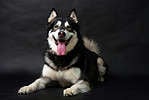
Alaskan Malamute Canis lupus familiaris Comparable niche as an energetic, cold-adapted companion and working dog; similar management needs, including heavy seasonal shedding, high exercise demand, and potential for pulling and escape behaviors.
Labradoodle
Labradoodle Canis lupus familiaris Popular Poodle cross kept primarily as an active companion. Parallels include variable coat type and shedding, the need for structured training, and a higher grooming burden when curly-coat traits appear.
Goldendoodle
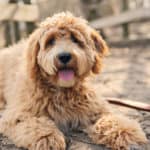
Goldendoodle Canis lupus familiaris Similar companion niche and 'designer cross' variability. Relevant comparison for coat unpredictability, allergy expectations (not guaranteed), and common poodle-mix care needs such as grooming and ear care.
Border Collie
Border Collie Canis lupus familiaris Comparable in mental-energy needs: many Siberpoos, like Border Collies, are not only physically active but also cognitively demanding; they benefit from daily training games, scent work, puzzle feeding, and structured tasks to reduce boredom-related behaviors.
Australian Shepherd
Australian Shepherd Canis lupus familiaris Occupies a similar high-drive companion niche; useful for comparing management of adolescent intensity, the need for consistent reinforcement-based training, and the risk of nuisance behaviors (jumping, mouthing, destructiveness) if under-exercised.

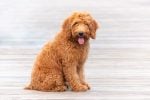
One of the first things that people notice about Siberpoos is that they don’t have the sharply pointed ears of a traditional husky. Instead, these dogs have the floppy, rounded ears of their standard poodle parents.

If you’ve ever owned a husky, you’ve probably wished that they would shed a little less. Many designer dog breeders thought the same thing, which is why they eventually came up with the Siberpoo. This adorable breed was created by mixing a Siberian Husky with a standard poodle. The result is a curly-haired, blue-eyed darling that has won hearts all across the United States.

Siberpoos are hardworking, loyal, and energetic dogs, just like both of their parent breeds. Although they can be difficult to train and even more difficult to keep entertained, these pups are dedicated working dogs that can be incredibly rewarding to raise and own.

3 Pros and Cons Owning a Siberpoo

Pros!Cons!
Low shedding: Unlike huskies, which tend to shed an entire coat of fur twice a year, the Siberpoo sheds little to none. This is great for both people with dog allergies and owners who want less clean-up around their house.Stubborn streak: Huskies believe in strong leadership, and Siberpoos are no different. Your pup may need to be convinced that you’re worth listening to before they’ll learn any tricks.
Loyal personality: They love their packs, and in many cases, that means their human family. Expect your dog to stick right by your side after you adopt them.Gets bored easily: They are intelligent and energetic dogs that need a lot of attention. In addition to physical exercise, you’ll need to keep your pup mentally stimulated with socialization and light tasks.
Loves to play: They are energetic dogs that almost never run out of energy. You’ll love taking your dog out for endless walks or letting them follow you around your work site.Lots of grooming: They have very thick, curly coats of hair that need constant brushing. This can be a great bonding activity with your dog, but it’s also very time-consuming.

Siberpoo Size and Weight

Siberpoos are medium-large dogs with curly hair, floppy ears, bright eyes, and sharp faces. A full-grown dog typically weighs between 40 to 60 pounds and usually stands between 13 to 22 inches tall. It’s worth noting that standard poodles are always at least 15 inches tall; if a poosky is smaller than this, it might imply that a mini poodle was used as one of the parents. Female Siberpoos may be smaller than their male counterparts, but the difference is seldom noticeable.

Height (Male):13 to 22 inches
Height (Female):13 to 22 inches
Weight (Male):40 to 60 pounds
Weight (Female):40 to 60 pounds

Siberpoo Common Health Issues

Siberpoos are relatively healthy dogs. However, they’re prone to picking up many of the same genetic disorders that trouble their parent breed, the husky. Your vet will want to run complete blood work on your new poosky puppy to make sure they don’t have Addison’s disease, Cushing’s disease, or any similar complications. In addition, you’ll need to keep an eye out for joint dysplasia, thyroid issues, and several other health concerns. Bring your Siberpoo in for regular checkups. The problems your vet will look for include:

  • Joint dysplasia
  • Epilepsy
  • Hypothyroidism
  • Gastric issues
  • Legg-Calve Perthes Disease
  • Von Willebrand’s Disease
  • Addison’s Disease
  • Cushing’s Disease

Siberpoo Temperament

Siberpoos are loyal, intelligent, hardworking, and affectionate dogs. They are incredibly energetic and frequently exhibit playful behaviors, especially with their family members. Every Siberpoo has a different personality, but they’re all loving and engaged with the world around them. Those captivating blue eyes seem to take in everything at once; spending time with your Siberpoo will help you gain a new appreciation for the world around you.

One thing that many people don’t realize is that most Siberpoos have a serious stubborn streak. Although this can occasionally lead to behavior problems, you’re more likely to have a few difficult training sessions that require a lot of patience. Pay attention to how tired your dog is, and don’t try to force a lesson if they can’t seem to focus. If you work with your Siberpoo, you should have no problem teaching them what they need to know.

How to Take Care of a Siberpoo

One of the most important things to realize about Siberpoos is that they are still cold-weather dogs. Expect your pup to thrive in the winter and struggle during the summer. Take them to the groomer as soon as the weather warms up, and make sure that they have access to the same cooling amenities that huskies need to stay happy.

The Best Dog Food for Siberpoos

Siberpoos are high-energy dogs that need to consume a lot of calories. Look for a high-quality kibble with plenty of protein. You should also focus on healthy fats to help your Siberpoo stay warm while they’re outdoors in the snow. If you feed homemade food, be sure to include plenty of cooked meats and at least some green vegetables.

The A-Z Animals favorite for the best dog food for Siberpoos is Purina Pro Plan Sport, Energy & Vitality Support, High Protein 30/20 Salmon Dry Dog Food.

First of all, a 30/20 balance of protein and fat is ideal for a high-energy, endlessly active dog. Using salmon as the main protein source, additional poultry ingredients provide the glucosamine your dog’s joints need to combat conditions like joint dysplasia. This food also cares for the tummy with probiotics that ease digestion.

Purina Pro Plan Sport High Protein dog food is available on amazon.

Maintenance and Grooming

Although they don’t have the thick coats of their husky parents, Siberpoos still struggle with overheating issues in the summer. Because of this, you should make sure they go to the groomer for a full trim as soon as the weather starts to warm up. Otherwise, you should brush your Siberpoo at least twice a week to keep their coat from matting. They will also need regular nail trimming and ear cleaning to make sure they stay healthy.

Training

Siberpoos are stubborn dogs that should start training as soon as possible. For best results, stick to short sessions, and always try to end on a positive note. It’s better to do two short training sessions in the same day than to keep working with an exhausted husky, and pooskies are no different.

Exercise

A full grown Siberpoo needs to spend at least an hour exercising every day. Although walks can be sufficient, you’ll get the best results if your Siberpoo has access to a yard that they can run and play in. For bonus points, try to arrange a cool and shady area where your dog can lounge during the summertime.

Siberpoo Puppies

Siberpoo puppies are inquisitive and playful. These dogs will be hard workers when they are full grown, but in the meantime, they want to explore the world around them. Take your Siberpoo puppy for plenty of walks around the neighborhood. As their owner, it’s your job to foster their curiosity without letting them develop bad habits like pulling or disobeying.

Siberpoos and Children

Siberpoos are loving and playful dogs that enjoy spending time with older children. However, because these dogs are so high-energy, they don’t tend to do well with young kids who don’t know how to respect a dog’s boundaries. Expect your Siberpoo to growl or show warning signs long before they seriously react to a child in their presence. As long as you pay attention and don’t leave kids unsupervised around your dog, there should be no major problems.

Dogs Similar to Siberpoos

Siberpoos are primarily bred for their cold-weather traits. If you’re looking for a dog that loves the snow, try adopting a purebred Siberian Husky, a Greenland Dog, or a Canadian Eskimo Dog.

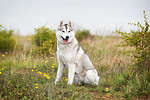
  • Siberian Husky: With shockingly blue eyes and fluffy grey coats, it’s no surprise that the Siberian Husky is so popular. Although they originated in Asia, huskies are currently found across Europe and North America.
  • Canadian Eskimo Dog: The Canadian Eskimo Dog has been around for hundreds if not thousands of years; today, they’re actually quite hard to find. These large, fluffy sled dogs make great cold-weather companions and lovable family pets.
  • Greenland Dog: Another sled dog, the Greenland Dog is a working breed found exclusively in Greenland. These pups are known for their light fur, impressive strength, and even temperament.

Both Siberpoos and members of their parent breed, the Siberian Husky, are frequently named for their brilliant blue eyes. Popular names for Siberpoos include:

  • Luna
  • Loki
  • Shadow
  • Winter
  • Sunshine
  • Willow
  • Scout
  • Jasper
  • River
  • Bandit
  • Aspen
  • Storm
View all 391 animals that start with S

Sources

  1. doggiedesigner.com / Published March 12, 2021
  2. dogable.com / Published March 12, 2021
  3. dogbreedplus.com / Published March 12, 2021
  4. welovedoodles.com / Published March 12, 2021
  5. wagwalking.com / Published March 12, 2021
  6. petguide.com / Published March 12, 2021
Ashley Haugen

About the Author

Ashley Haugen

Ashley Haugen is the editor of A-Z Animals. She's a lifelong animal lover with an affinity for dogs, cows and chickens. When she's not immersed in A-Z-Animals.com (her favorite editorial job of her 25-year career), she can be found on the hiking trails of Middle Tennessee or hanging out with her family, both human and furry.
Connect:

Thank you for reading! Have some feedback for us?


Siberpoo FAQs (Frequently Asked Questions)

Also known as a poosky, a Siberpoo is a designer dog breed created by crossing a Siberian Husky with a standard poodle. Siberpoos have the long, curly hair of a poodle combined with the bright blue eyes that huskies are known for.