
Quick Take
- Snails live in terrestrial and aquatic habitats everywhere in the world except for Antarctica.
- Snails range in size from 0.024 inches long to nearly 3 feet in length.
- Neotropical snakes in the Dipsadini tribe demonstrate a counter-intuitive preference for snails over traditional reptilian prey.
- Snails can deter or avoid predators by using camouflage, thickened shells, defensive mucus, and hiding.
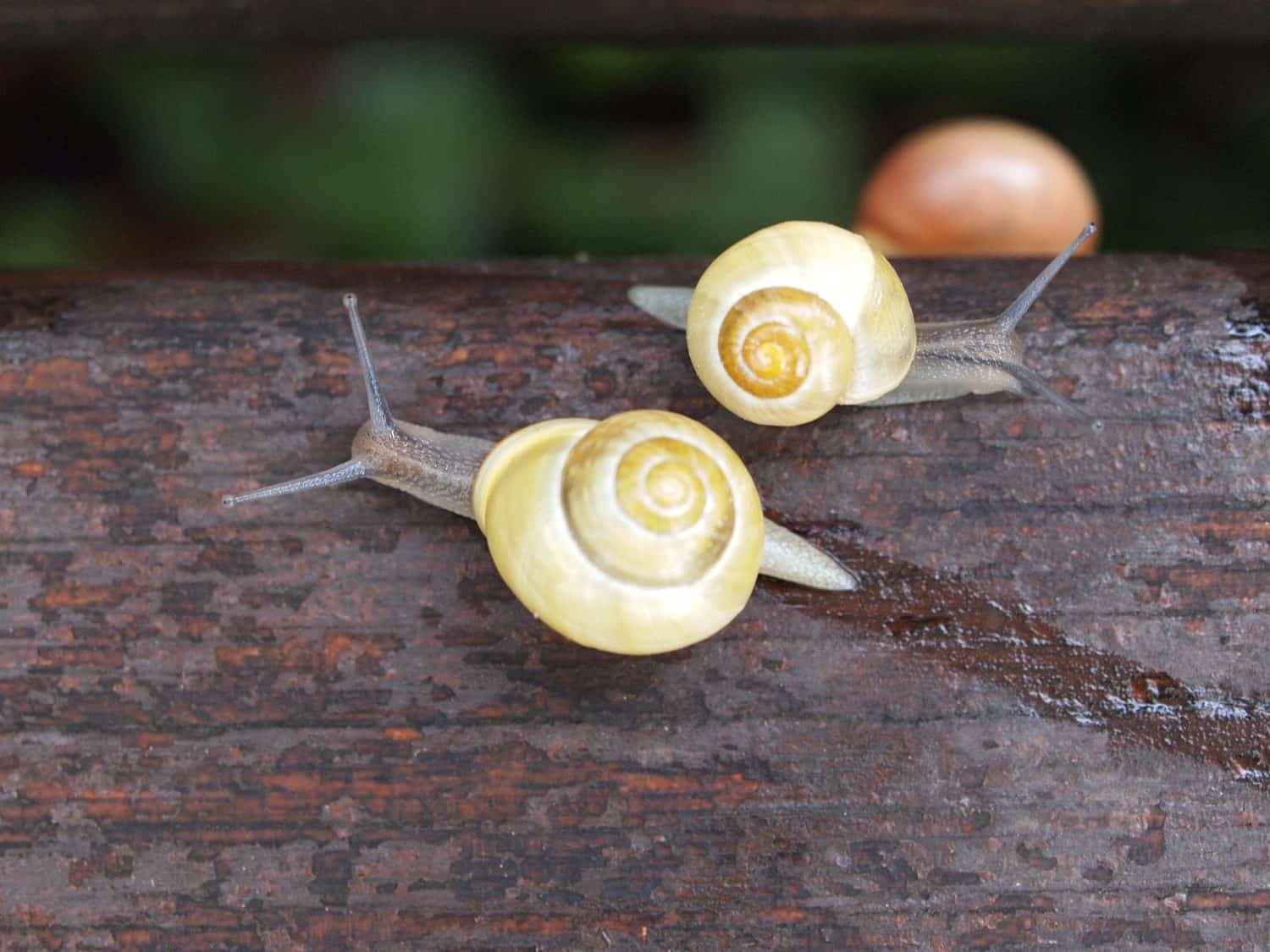
Snails are a group of mollusks that live in diverse habitats worldwide except for Antarctica. There are over 60,000 species of land snails, freshwater snails, and marine snails. Snails can be herbivores, carnivores, or detritivores. They range in size from small terrestrial snails, just 0.024 inches long, to giant marine snails that measure nearly 3 feet in length. These invertebrates are sometimes viewed as garden or aquarium pests, but they also provide food for many different animals. Keep reading to learn more about the animals that eat snails.
Snails’ Natural Enemies
Whether on land or in the water, snails have many predators from different taxonomic classes. Birds, mammals, reptiles, amphibians, fish, crustaceans, and other invertebrates hunt and eat snails. Snails can deter or avoid predators by using camouflage, thickened shells, defensive mucus, and hiding. Some snails have regenerative abilities that allow them to repair their shells, eyes, parts of their foot, and even their entire head if they survive an attack. Take an in-depth look at the animals that prey on snails.
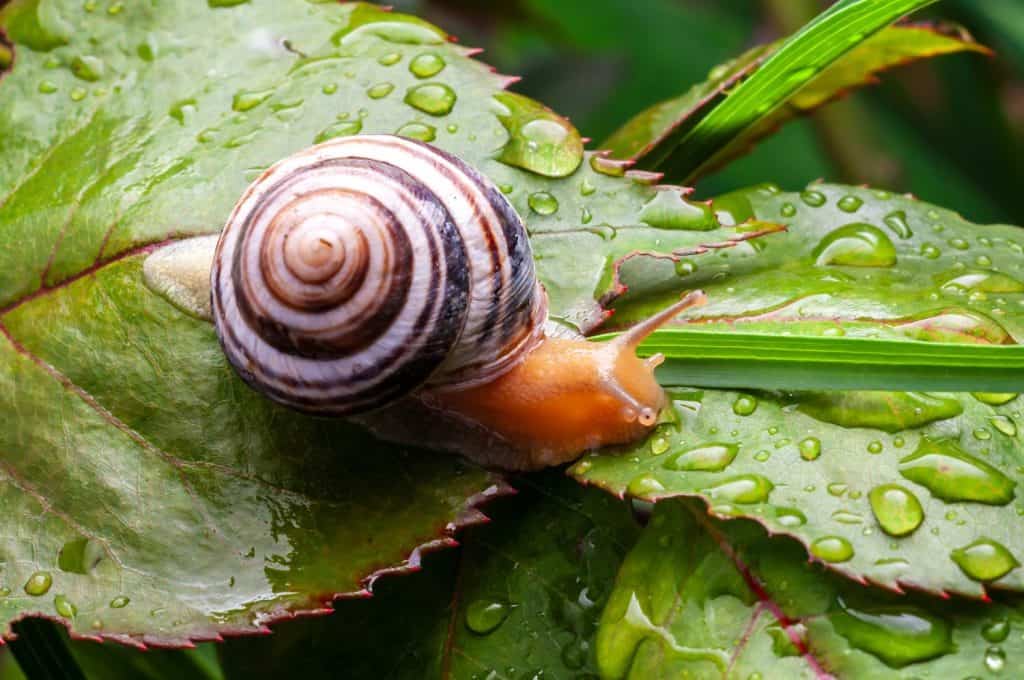
Snails live in terrestrial and aquatic environments all over the world.
©Andrey Abryutin/Shutterstock.com
Birds
Many birds prey on snails, especially ground-foraging birds such as blackbirds, robins, sparrows, grouse, crows, starlings, and wild turkeys. Corvids, including crows, ravens, blue jays, and magpies, also consume snails. Song thrushes are known to hit snails against flat, hard objects called anvils to break open the shells.
Snail kites and limpkins particularly favor freshwater apple snails. Other waterfowl and wading birds including mallard ducks, common gallinules, black-necked stilts, herons, and glossy ibis also consume freshwater snails. Coastal birds such as gulls and oystercatchers have been observed eating marine snails that have washed up on the beach.
Mammals
Small mammals including shrews, hedgehogs, squirrels, mice, and rats are known snail predators. They typically make a hole in the shell with their teeth and pull the snail’s soft body out of the shell. Muskrats, river otters, and raccoons often consume freshwater snails, generally breaking the shells open with their teeth.
Sea otters, harbor seals, bearded seals, elephant seals, and walruses have been recorded feeding on marine snails as part of their diets. Sea otters typically use rocks as tools to smash open the hard shells. Seals crack the shells with their strong back molars.Walruses use their snouts to extract prey from the sediment, similar to how pigs root in soil. Then they suck the snail’s soft body out of the shell.
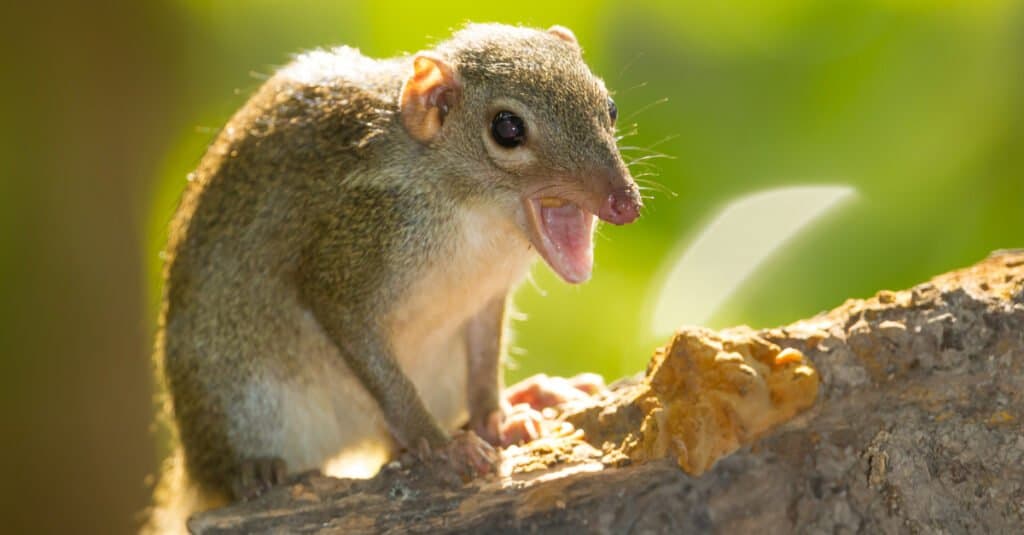
Due to their high metabolisms, shrews eat many types of insects and invertebrates, including snails.
©kajornyot wildlife photography/Shutterstock.com
Reptiles
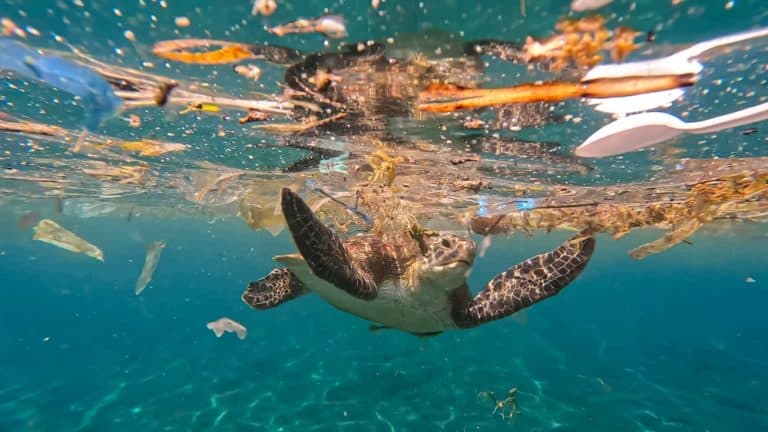
Reptiles also consume snails. Caiman lizards, pink and blue-tongued skinks, anoles, garter snakes, alligator lizards, geckos, bearded dragons, frilled lizards, and monitor lizards are all known to eat snails as part of their diets. Turtles have also been recorded eating snails, smashing the shells with their beaks and crushing plates to consume the entire snail. Lizards generally use their powerful jaws and strong molars to crush the shells and eat both the meat and the shell. Caiman lizards and semi-aquatic monitor lizards generally consume freshwater snails, while most other lizards primarily eat terrestrial snails.
There are also 133 known species in the snail-eating, or goo-eating, snake tribe Dipsadini. These Neotropical snakes are primarily arboreal and almost exclusively eat snails and slugs. These snakes have modified jaws and more teeth on the right mandible than the left. This adaptation allows them to more easily extract snails from their shells, as clockwise shells are the most common. They bite into the shell and make a sawing motion with their jaws to pull the snail out.
Amphibians
Toads, frogs, newts, and salamanders commonly eat snails. Amphibians are opportunistic feeders and will typically eat anything they can catch. Amphibians eat both aquatic and terrestrial snails, depending on their habitat. For example, toads and some salamander species are primarily terrestrial as adults, so they consume more land-based snails than other amphibians.
Amphibians generally catch snails with their sticky tongues and swallow them whole because they do not chew their prey. Even amphibians that have teeth, such as newts and salamanders, use their teeth to grasp prey, not to crunch or chew it. Amphibians have strong stomach acid that breaks down snail shells and insect exoskeletons.
Fish
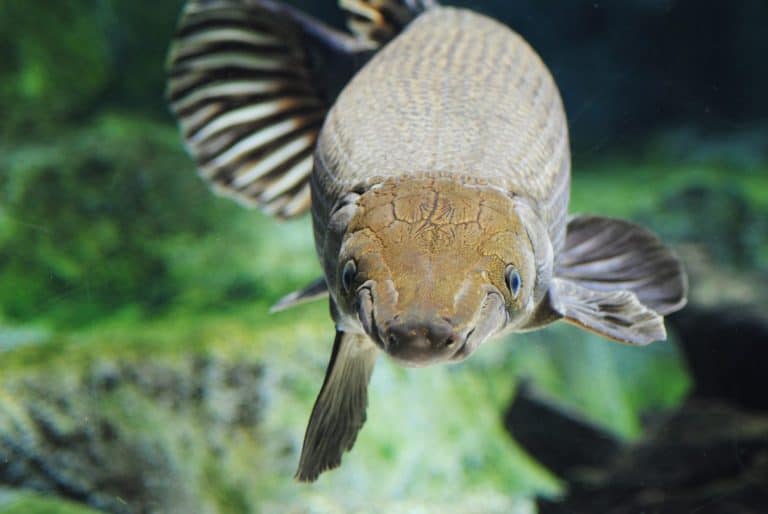
Freshwater pufferfish, loaches, cichlids, betta fish, gouramis, corydoras, and paradise fish are known to consume snails in aquariums or ponds. Snail darters (an eastern population of stargazing darters) are found in the Tennessee River system and have a diet that primarily consists of freshwater snails. Trout, bass, and sunfish are also river fish that commonly eat snails. Redear sunfish are sometimes called “shellcrackers” because they seek out hard-shelled prey and crush the shells with their teeth.
Triggerfish, saltwater pufferfish, hogfish, and wrasses are known to eat snails in marine environments or saltwater aquariums. These fish have powerful jaws or specialized teeth that can crack open snail shells. Marine snails are often found in reef systems, where ocean fish frequently prey on them.
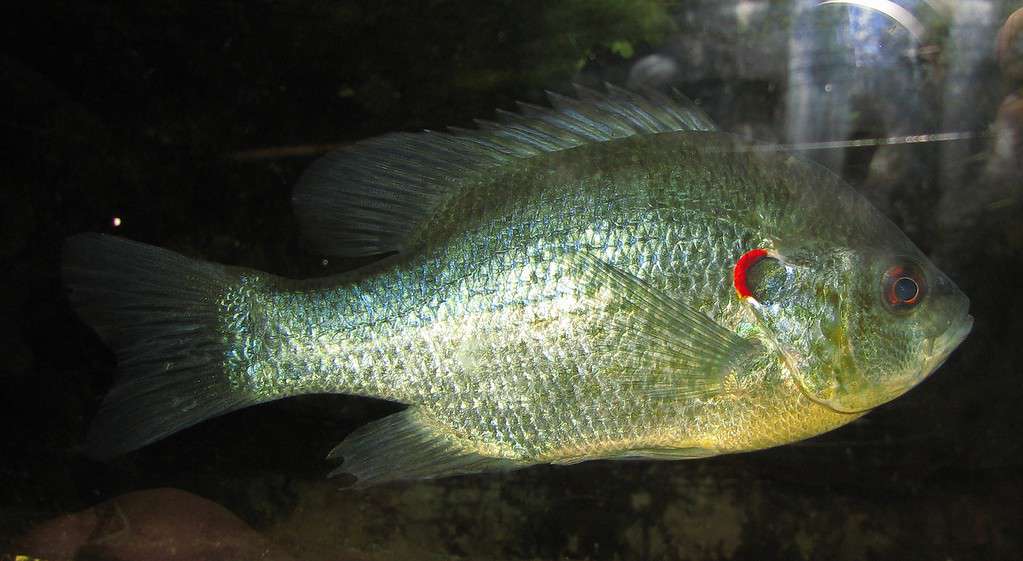
Redear sunfish prefer hard-shelled prey, including snails.
Crustaceans
Crustaceans commonly consume snails in both freshwater and marine environments. In freshwater habitats, shrimp and crayfish species are known to prey on snails. Freshwater and brackish water crabs, such as panther crabs and red claw crabs, also eat snails.
Striped shore crabs and yellow shore crabs are saltwater species, but they are semi-terrestrial crabs that prey on California horn snails. Green crabs, Jonah crabs, Atlantic rock crabs, lady crabs, and Florida stone crabs have also been recorded consuming snails. Hermit crabs are said to kill snails for their shells, but experts believe they typically only attack snails if they are hungry or if the snails are sick or dying. Hermit crabs tend to move into shells that are already unoccupied.
Insects and Invertebrates
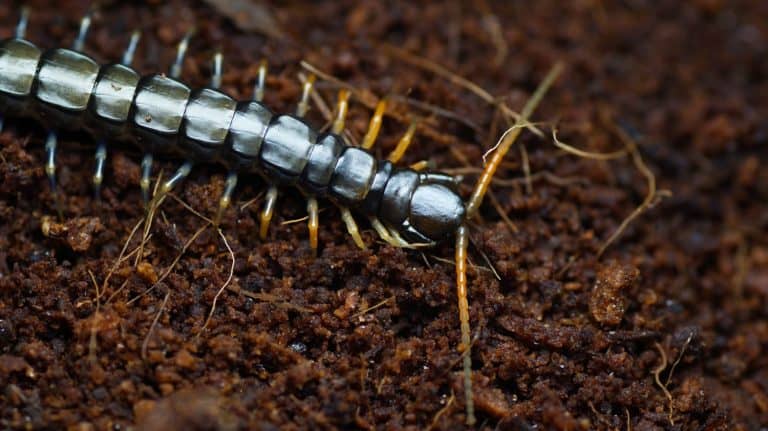
Insects and invertebrates, including other snails, also kill and eat snails. Beetles and their larvae, firefly larvae, flies, mites, millipedes, centipedes, ants, nematodes, and predatory snails like the rosy wolfsnail are just a few of the organisms that prey on terrestrial snails.
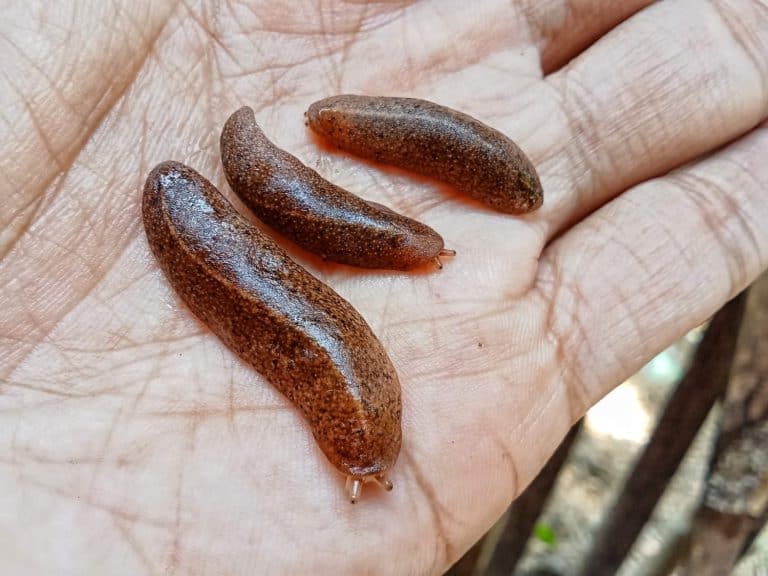
In aquatic environments, assassin snails, leeches, aquatic mites, larvae, and nematodes also attack and consume snails. In marine environments, flatworms, bumblebee snails, sea angels, and queen helmet conches are known to feed on snails. Once larger marine snails like giant Tritons and the Australian trumpets reach their full sizes of 1.6 feet and 2.98 feet long, respectively, they have few predators aside from humans.