
Quick Take
- One animal on this list freezes completely solid every winter, organs and all, and simply walks away in spring. Its chemistry is the only reason it survives. See the freeze survival →
- Poison dart frogs are only deadly because of what they eat. Take that away, and they become almost harmless. Explore the diet connection →
- A slow, shell-less snail can paralyze a fish almost instantly, and its venom is being studied to transform pain medicine. Discover the venom research →
- One beetle carries two completely harmless chemicals, and combining them inside its own body produces something that makes predators flee. See the chemical reaction →
Chemistry isn’t limited to humans in laboratories. Throughout the natural world, animals have evolved the ability to make chemicals that help them hunt, defend themselves, communicate, and survive. Some create powerful toxins, while others make adhesives, glowing compounds, or even natural antifreeze. These chemicals have taken millions of years to evolve. Because of this, they tend to outperform anything humans have manufactured. Here are eight of the animal kingdom’s most brilliant chemists.
1. Bombardier Beetle
©pusit_panya/Shutterstock.com
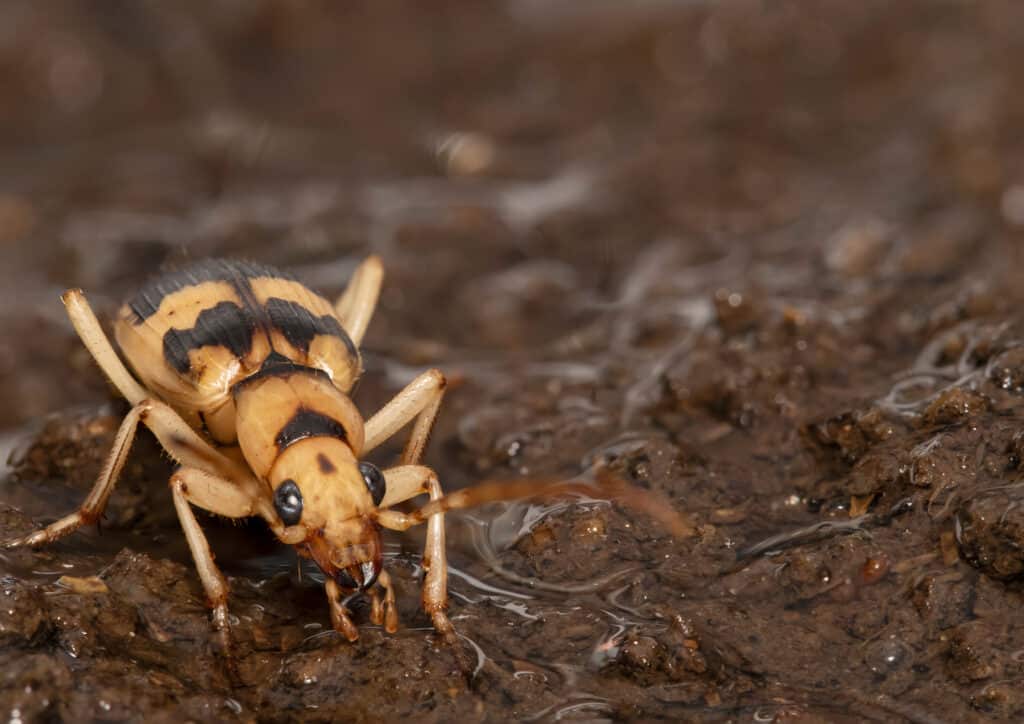
The bombardier beetle has one of the most sophisticated chemical defense systems. It carries two harmless chemicals in separate chambers inside its abdomen. When threatened, the chemicals combine within the beetle to form something deadly: an explosive shot of scalding-hot liquid that targets predators. The ejection makes an audible pop, as a hot stream wards off insects, spiders, frogs, and even small mammals. This little beetle has a carefully controlled chemical weapon.
2. Cone Snail
©iStock.com/scubaluna
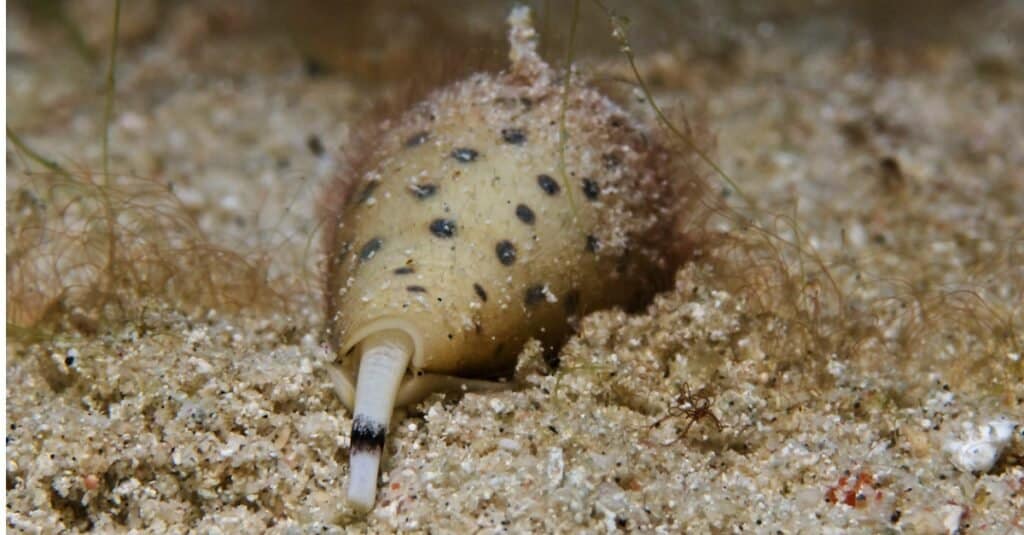
The cone snail is incapable of moving fast, but its chemistry is ultra-swift. It has a unique harpoon-like tooth that holds a venom made of hundreds of specialized toxins. The chemicals attack the nervous system in different ways. Some cone snail species can paralyze fish almost instantly, preventing them from escaping. It should come as no surprise that scientists have become extremely interested in these compounds. Several are being studied for their use as powerful painkillers. Because each species makes its own unique group of chemicals, there is plenty to learn from these small marine creatures.
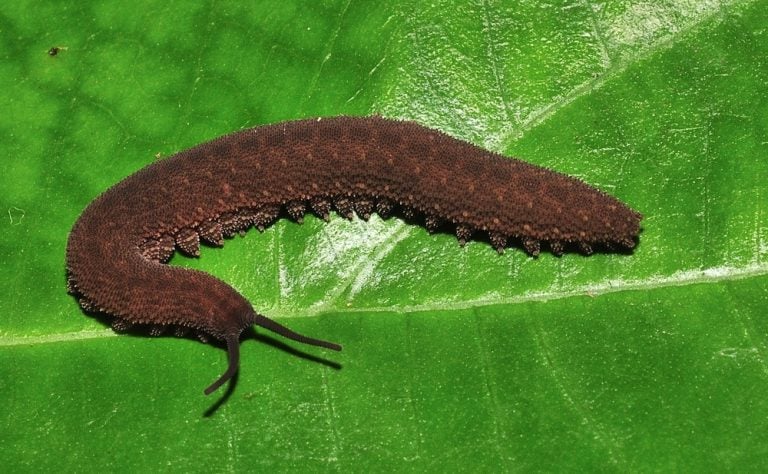
3. Velvet Worm
©Sapodorado26/Shutterstock.com
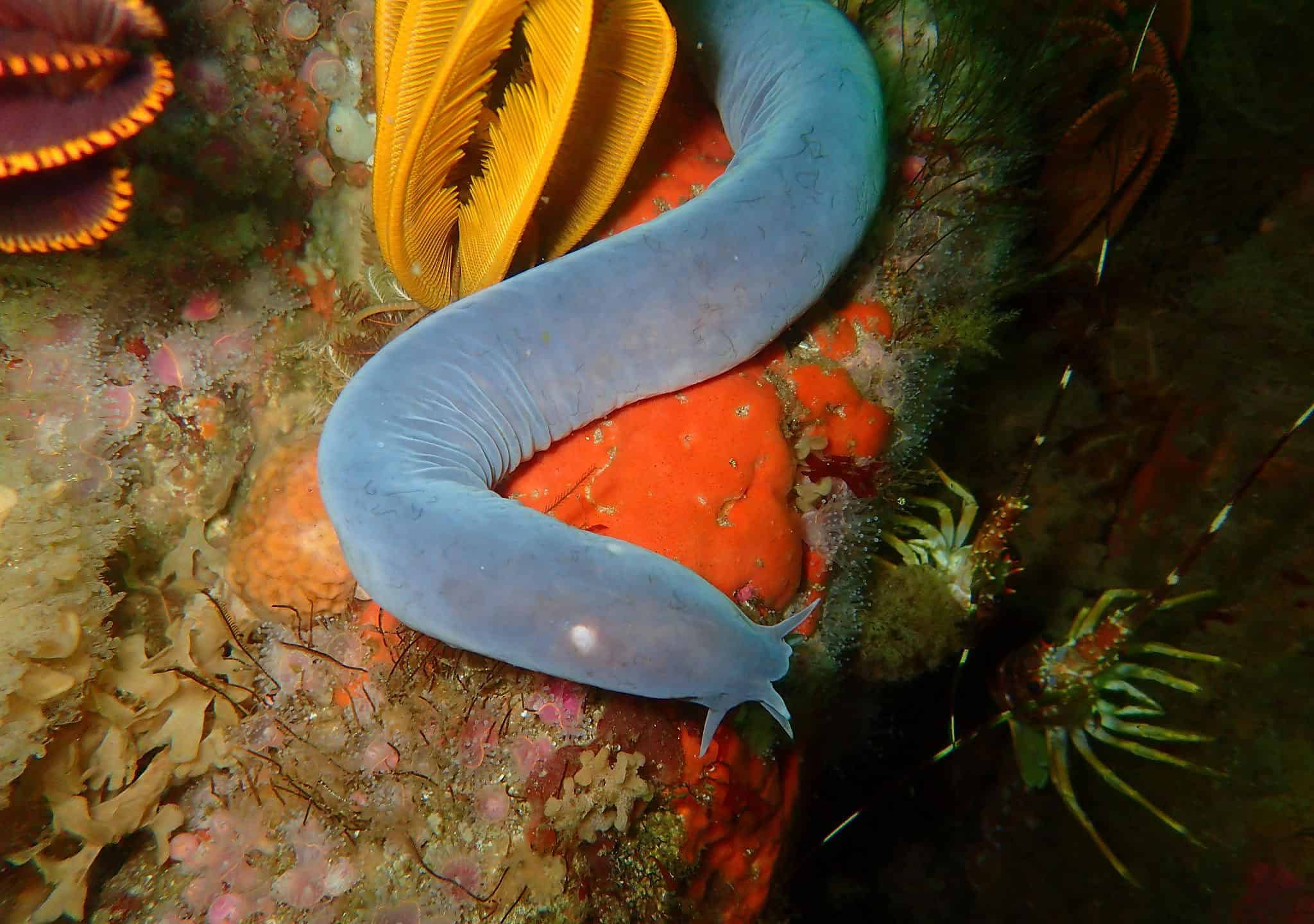
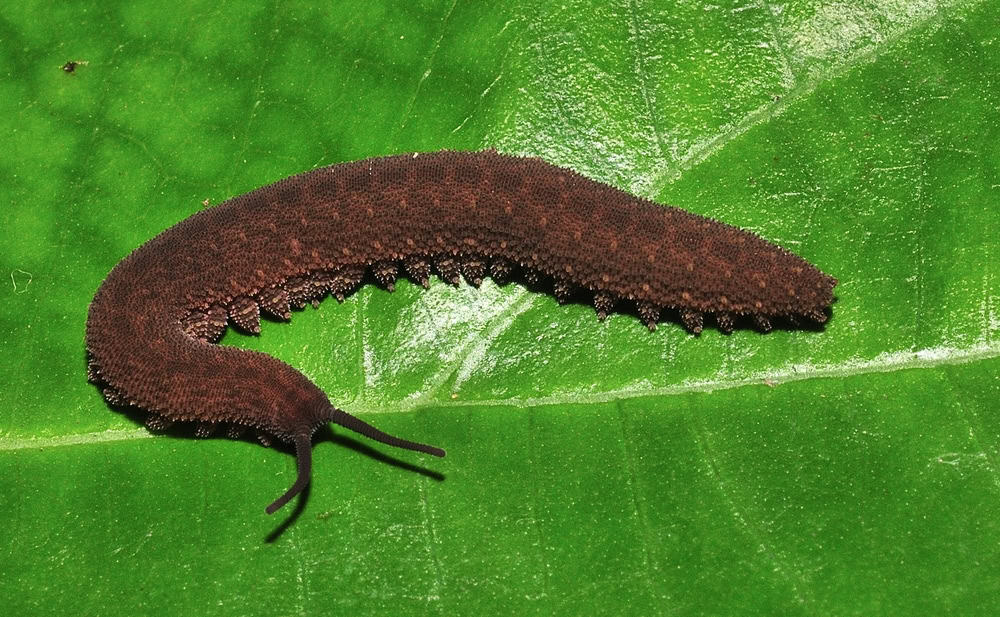
The velvet worm hunts using chemistry instead of speed. When prey comes too close, the worm shoots two streams of sticky slime from glands near its head. The slime hardens into a material that rapidly entangles insects. Escaping this substance is nearly impossible. Once the victim is trapped, the worm injects digestive chemicals. These break down the prey, making it easier to eat. This unusual combination of adhesive slime and digestive chemistry has kept velvet worms around for hundreds of millions of years.
4. Hagfish
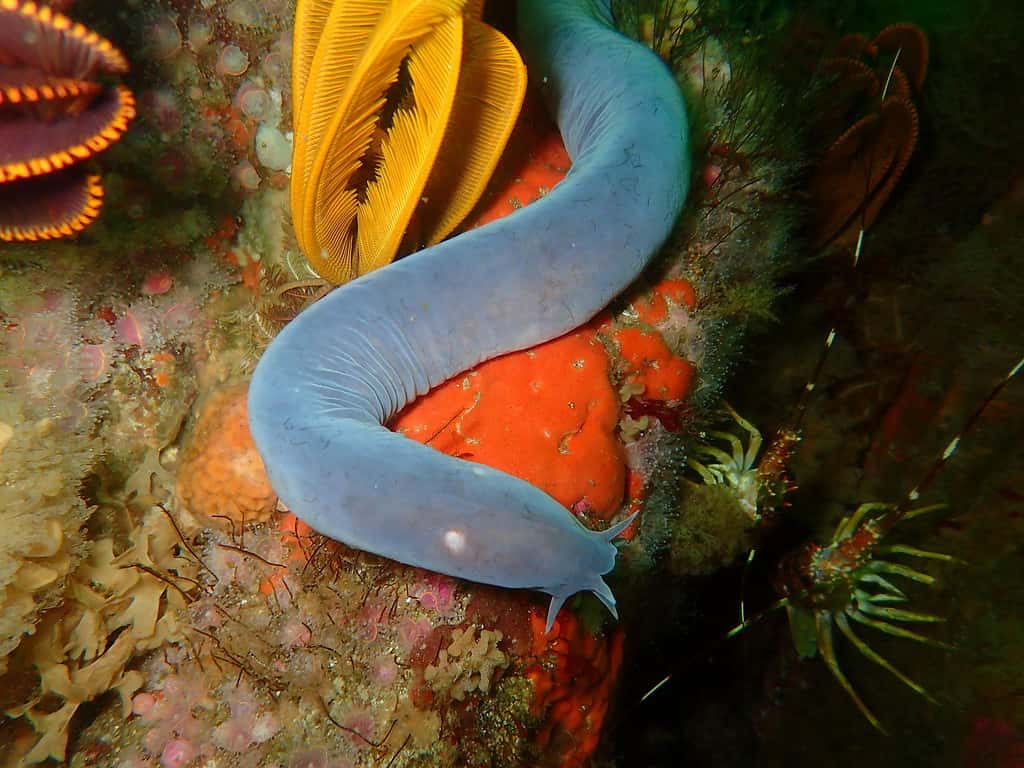
When attacked, the hagfish uses a chemical trick unlike that of any other vertebrate. It releases a mucus full of microscopic protein fibers. The special mucus instantly expands when it mixes with ocean water. Within seconds, the mixture becomes an enormous cloud of slime. The gooey substance is capable of clogging the gills of predatory fish. Attackers are forced to abandon the hunt to avoid being suffocated. And they don’t just make tiny amounts of the stuff; hagfish can generate enough slime to fill a big bucket.
5. Wood Frog
©Viktor Loki/Shutterstock.com
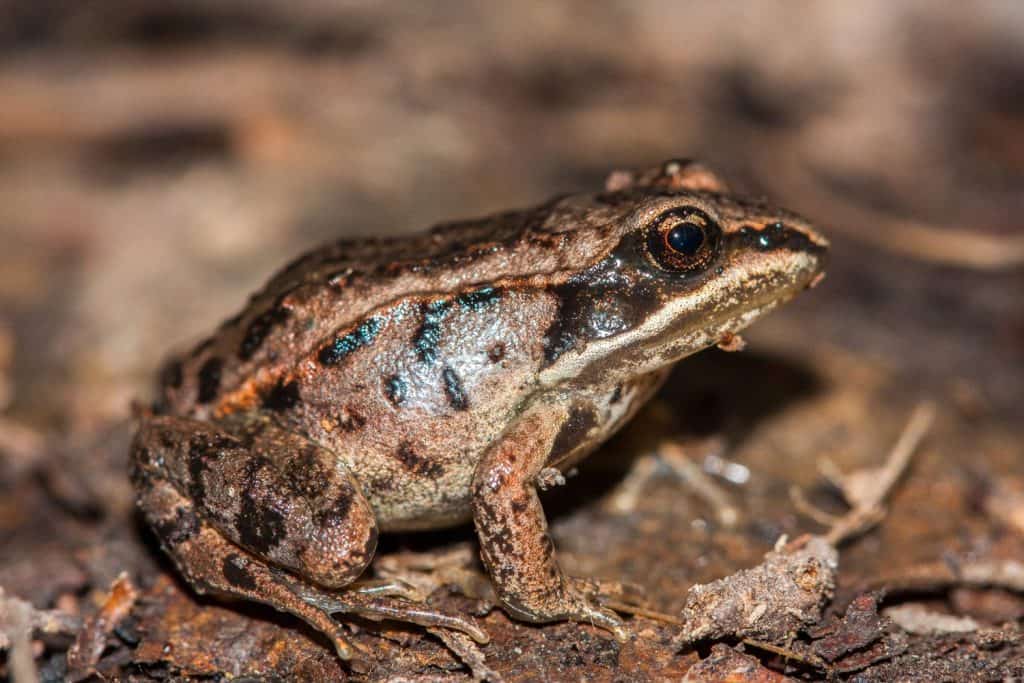
The wood frog has solved one of winter’s biggest challenges through chemistry. As temperatures drop below freezing, its liver releases glucose and other protective compounds that fill the body. Remarkably, they act as natural antifreeze. A large portion of the frog’s body freezes solid, with ice forming around its organs. While this occurs, the chemicals prevent cell damage. When spring arrives, the frog simply thaws like a steak on a warm day. It resumes its normal, everyday activity.
6. Firefly
©anko70/Shutterstock.com
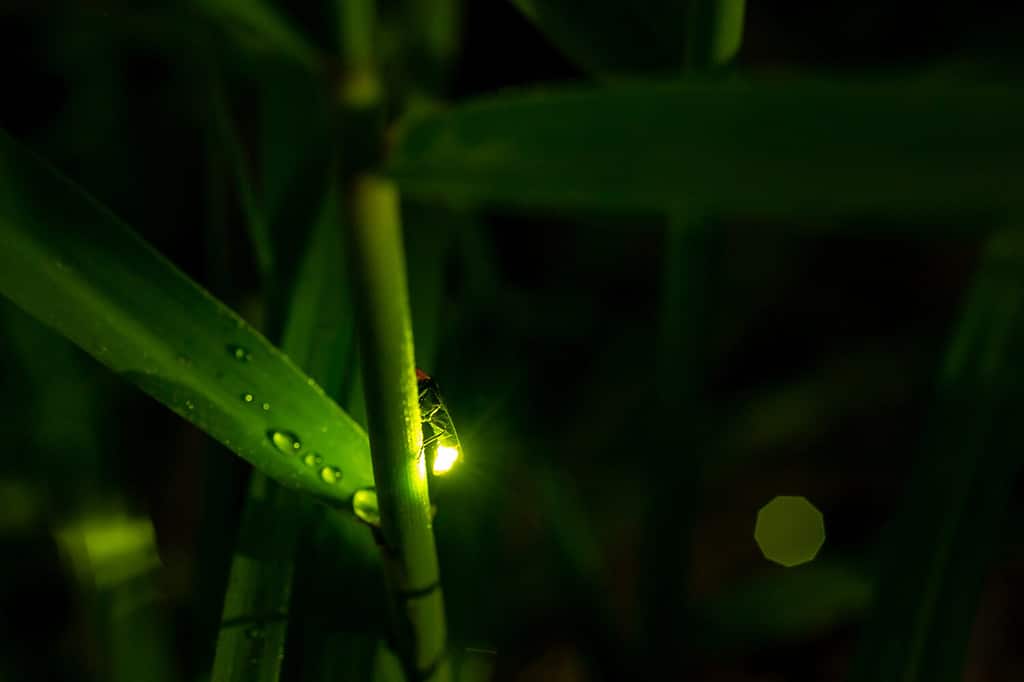
Fireflies make one of nature’s prettiest chemical reactions. Inside specialized cells, they have a molecule called luciferin. When mixed with oxygen, a reaction occurs, creating nearly 100 percent “cold light,” meaning it makes almost no wasted heat. Different species flash specific patterns to attract mates and communicate with each other in the dark. Scientists think fireflies might help with medical imaging and biotechnology.
7. Poison Dart Frog
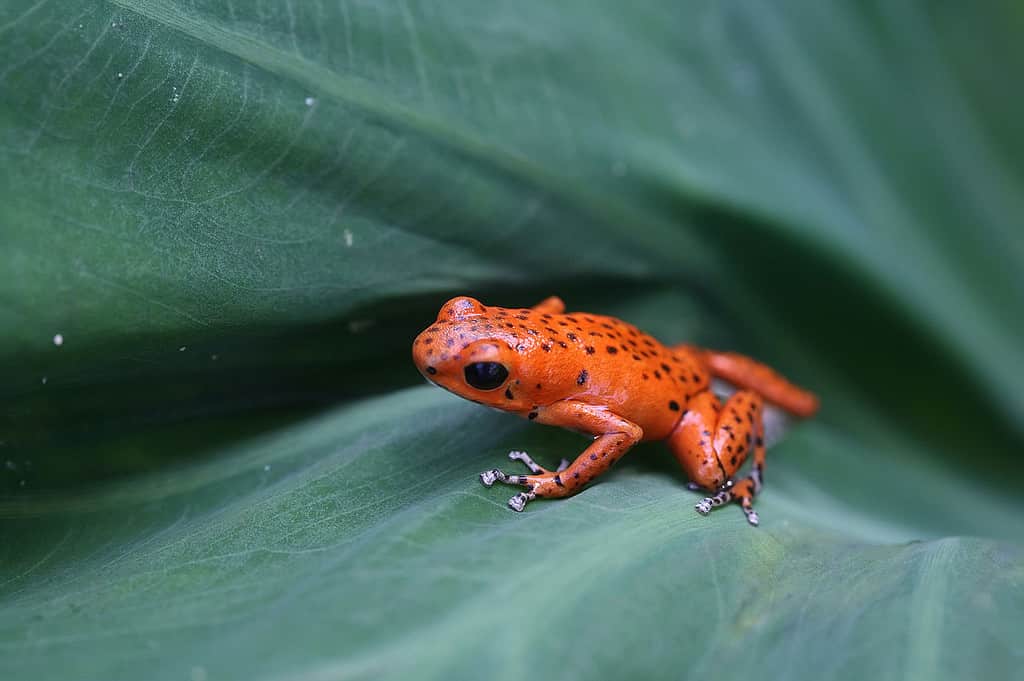
Poison dart frogs make some serious chemical defenses. Their toxins are some of the most potent found in any land animal. Bright warning colors communicate to other animals that touching one could be a deadly mistake. Certain species have powerful alkaloid toxins that damage nerves and muscles. This is enough to discourage nearly all predators, working in their best interest. Interestingly, many of these frogs lose their toxic chemicals in captivity because they need dietary compounds in order to produce the potent toxin.
8. Spider
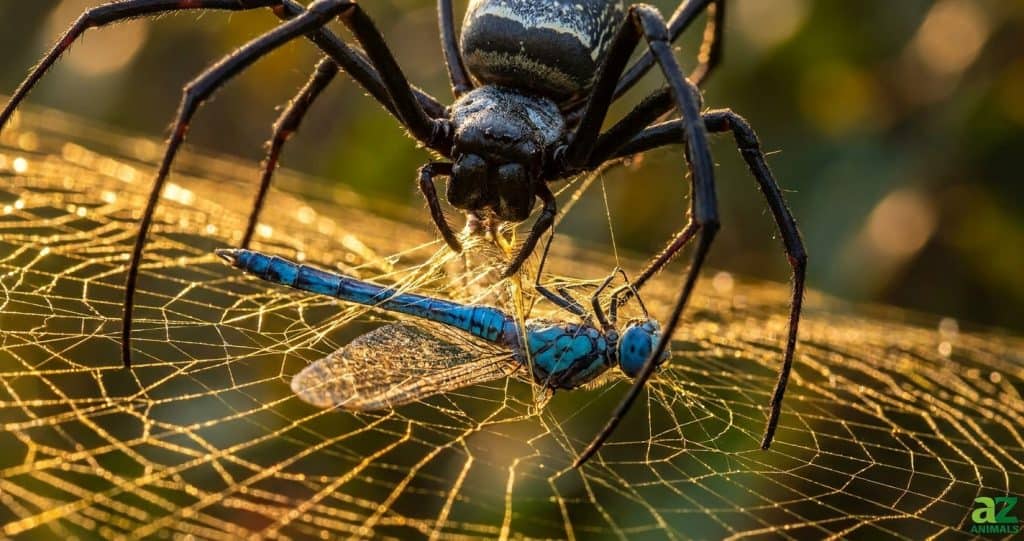
Spider silk may look simple, but it is actually an extraordinary material. Inside a spider’s body, silk begins as a liquid protein solution. By passing through spinning organs, changes in acidity and pressure reorganize the proteins, turning them into strong fibers. Spiders can make different kinds of silk for different jobs, like building webs, creating egg sacs, forming safety lines, or wrapping prey. At this point, scientists have spent decades trying to recreate this natural material.