
From its sibilant hiss to its signature silent slither, snake encounters often produce a rush of adrenaline. Whether it’s the byproduct of excitement or fear depends on the individual. Once a snake has been spotted, there are situations in which catching the snake is the best course of action. From identification purposes in the event of a bite to removing a venomous snake from your home or yard, knowing how to capture a snake is paramount. Catching snakes can be tricky, but it is not impossible. Keep reading to discover some tried-and-true methods.
Venomous Snakes
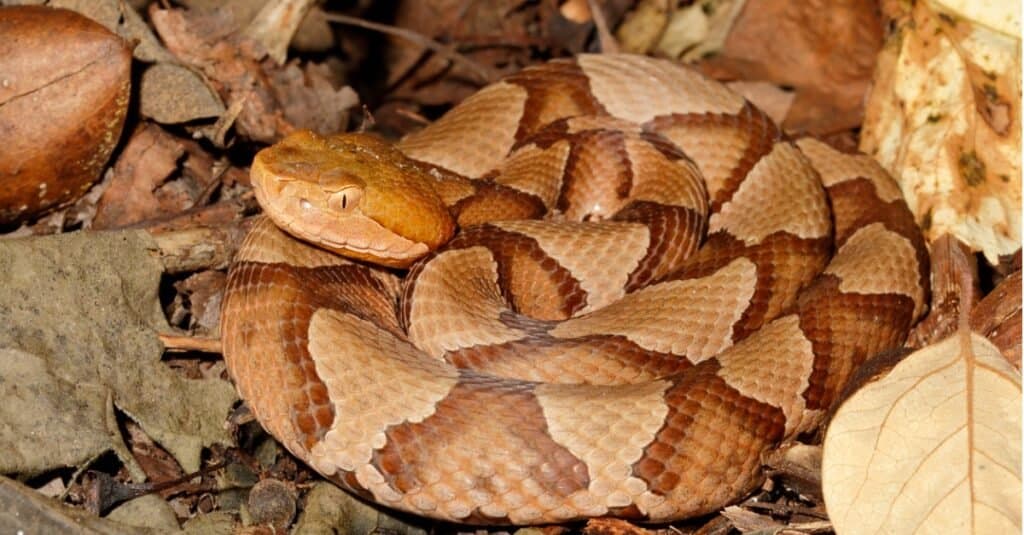
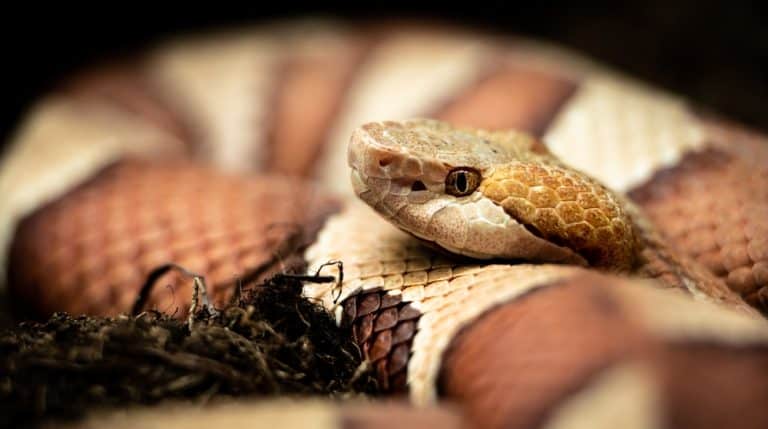
Northern Copperheads are venomous snakes found in North America, belonging to the pit viper family. They are known for their distinctive copper-colored heads and reddish-brown bodies with hourglass-shaped bands.
©iStock.com/David Kenny
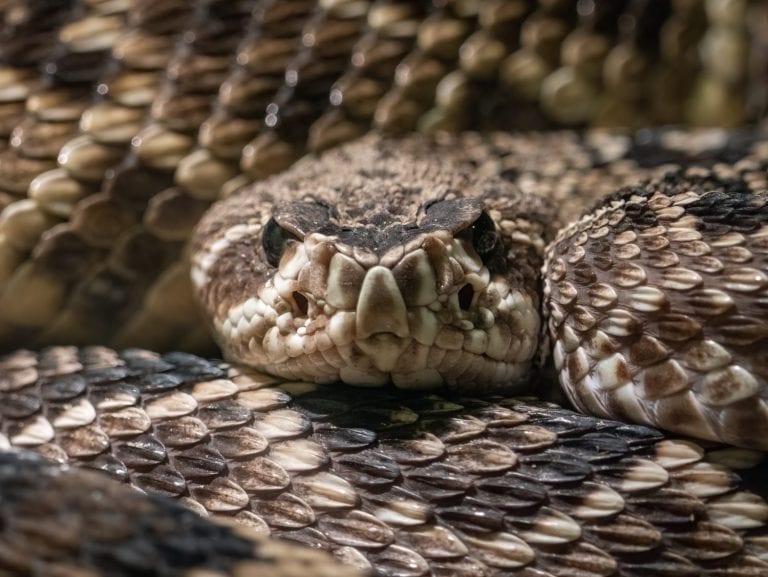
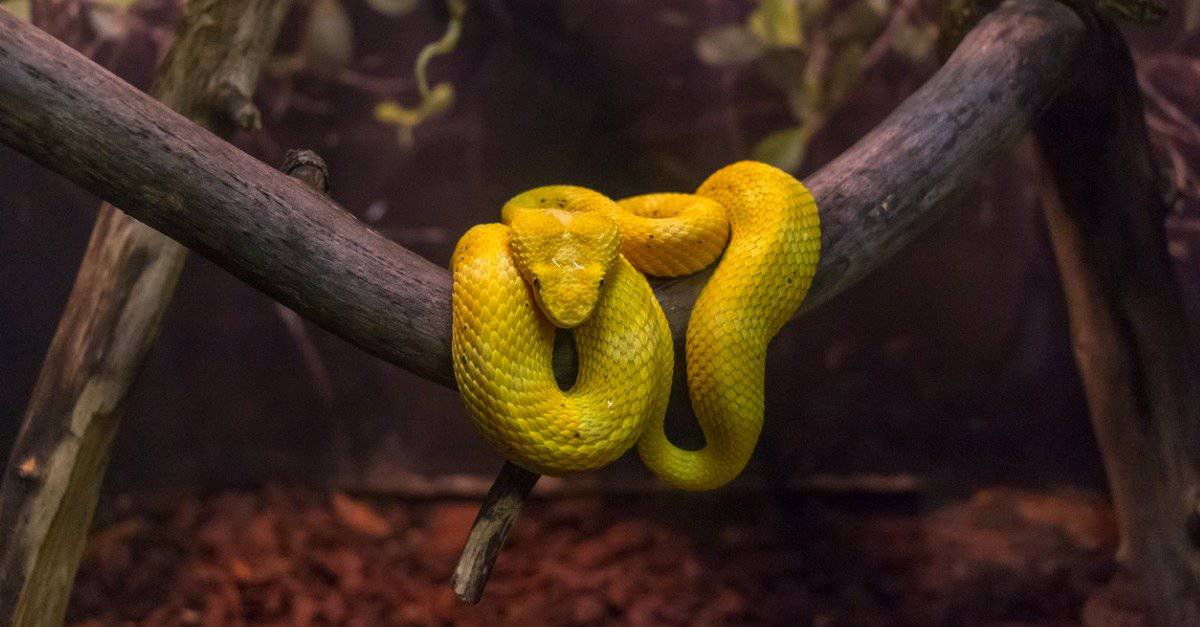
Assume all snakes are dangerous if you’re unsure of their identification. Never attempt to handle a snake if you suspect it might be venomous. Unless you are certain the snake is not dangerous, avoid touching it. To determine if the snake is venomous, focus on its head shape, pupils, and the scales on its underside near the tail. Venomous snakes often have triangular heads, elliptical pupils (like a cat’s eye), and a single row of scales on the underside of their tail. If there are heat-sensing pits on the snake’s head, it is also likely venomous. If you see any of these features and do not have the experience to safely remove the snake, contact a licensed professional for safe removal. This is crucial for both your well-being and the snake’s.
The only native venomous snakes in North America are rattlesnakes, copperheads, cottonmouths (also known as water moccasins), and coral snakes. All except coral snakes are pit vipers.
How to Catch a Snake
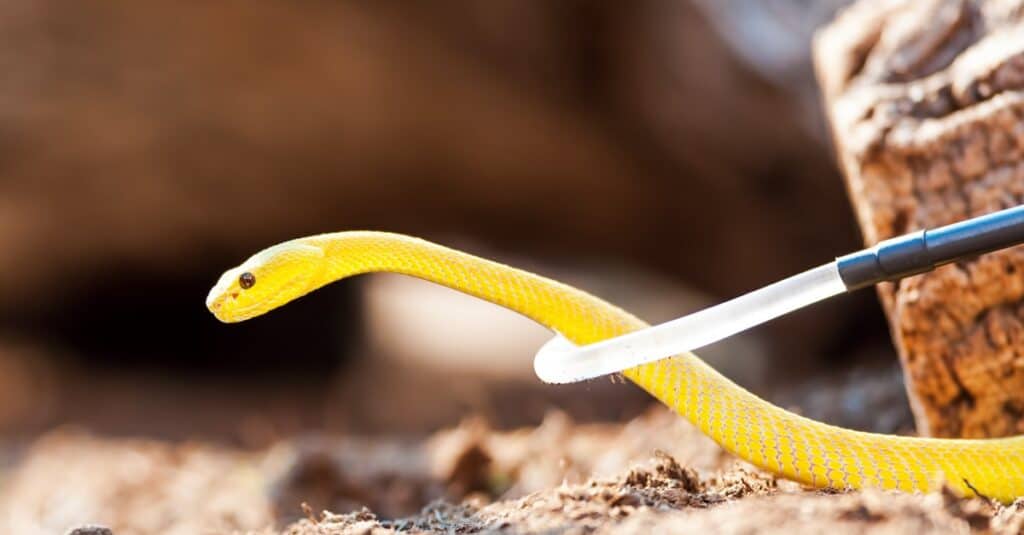
A snake hook is an indispensable tool for catching snakes.
©iStock.com/adogslifephoto
Snakes are not typically found in homes unless they are kept as pets. While they may occasionally enter residences in search of food and shelter, snakes are wild animals that prefer to live outdoors. They can be attracted to homes by the presence of rodents, which they prey on, and by cool, dark areas like basements or crawl spaces. Snakes can also enter through cracks in foundations, under doors, or around plumbing. Some may be attracted to the warmth of a home during cooler months.
Snake Tongs
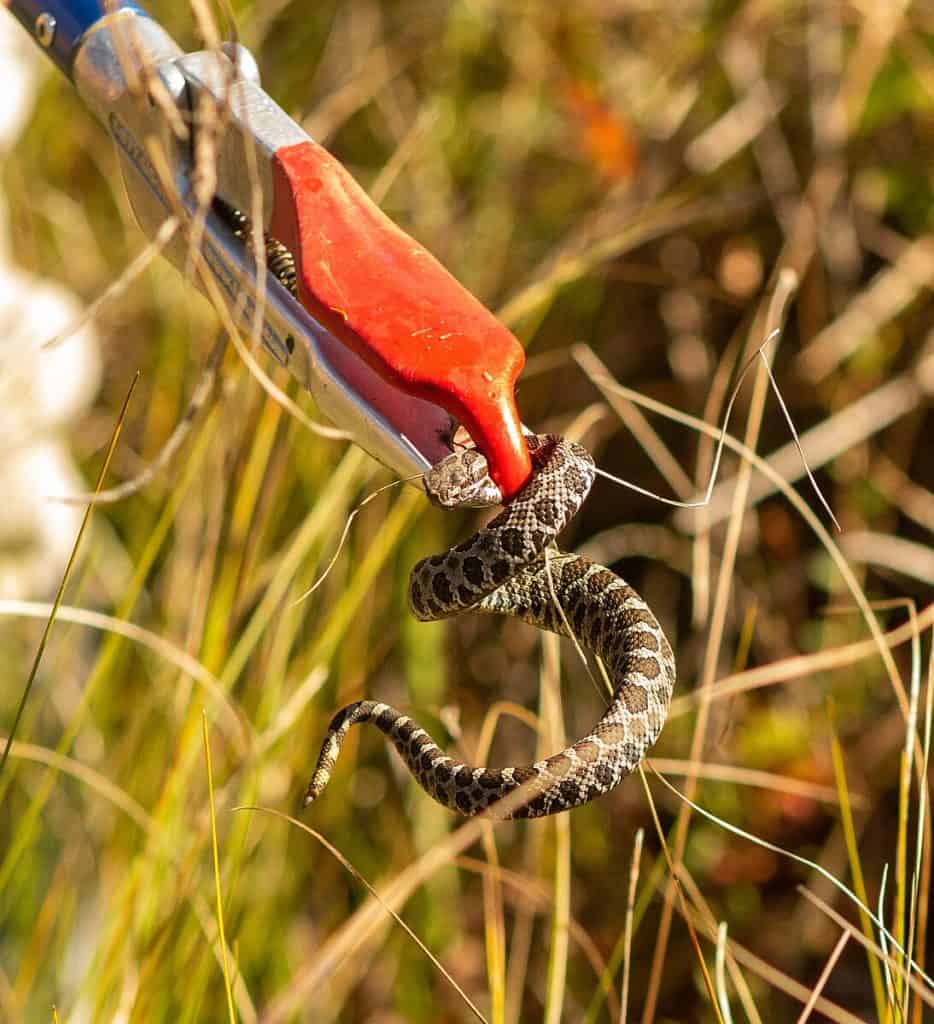
Used by professionals to safely capture venomous snakes, snake tongs can present a danger to the snake.
©U.S. Fish and Wildlife Service – Midwest Region, Public domain, via Wikimedia Commons – Original / License
Snake tongs are a tool used to safely handle and relocate snakes. The tongs have long handles that provide a way to interact with snakes from a distance. They are designed to grab and hold a snake’s body, allowing for controlled movement and relocation without direct contact. While tongs can be a helpful tool for both experienced and novice handlers, it’s crucial to use them properly to avoid injury to the snake. Over-squeezing or grabbing too close to the head can lead to broken ribs, spinal damage, or internal injuries. Improper technique can also cause the snake to thrash, potentially further injuring itself.
Snake Hooks
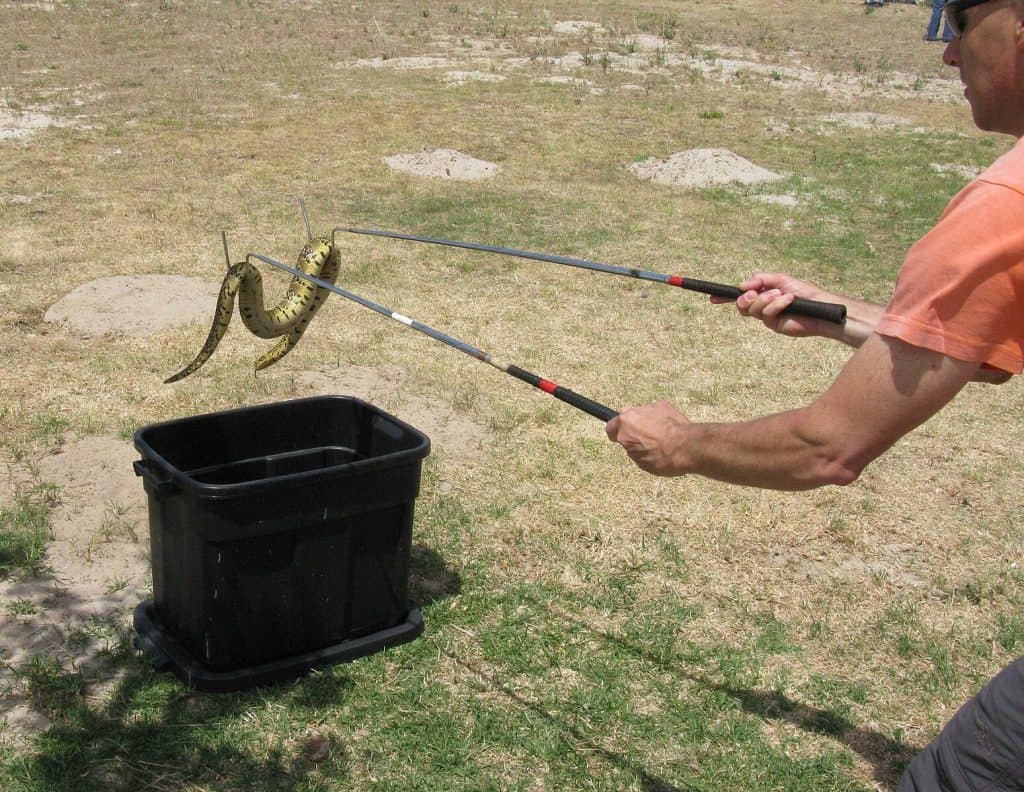
A useful snake-capturing tool, snake hooks are considered safer than tongs.
©JonRichfield, CC BY-SA 3.0 <https://creativecommons.org/licenses/by-sa/3.0>, via Wikimedia Commons – Original / License
Snake hooks are essential tools for safe snake removal, offering a way to handle snakes from a distance, especially venomous or large snakes, while minimizing the risk of bites. They allow for gentle manipulation and relocation of the snake, keeping both the handler and the animal safe. While both snake hooks and tongs can be used for snake removal, snake hooks are generally considered safer for the snake, especially for inexperienced handlers. Snake tongs provide more control, but can potentially harm the snake when used incorrectly. Snake hooks are designed to minimize direct contact with and pressure on the snake’s body.
Live Traps
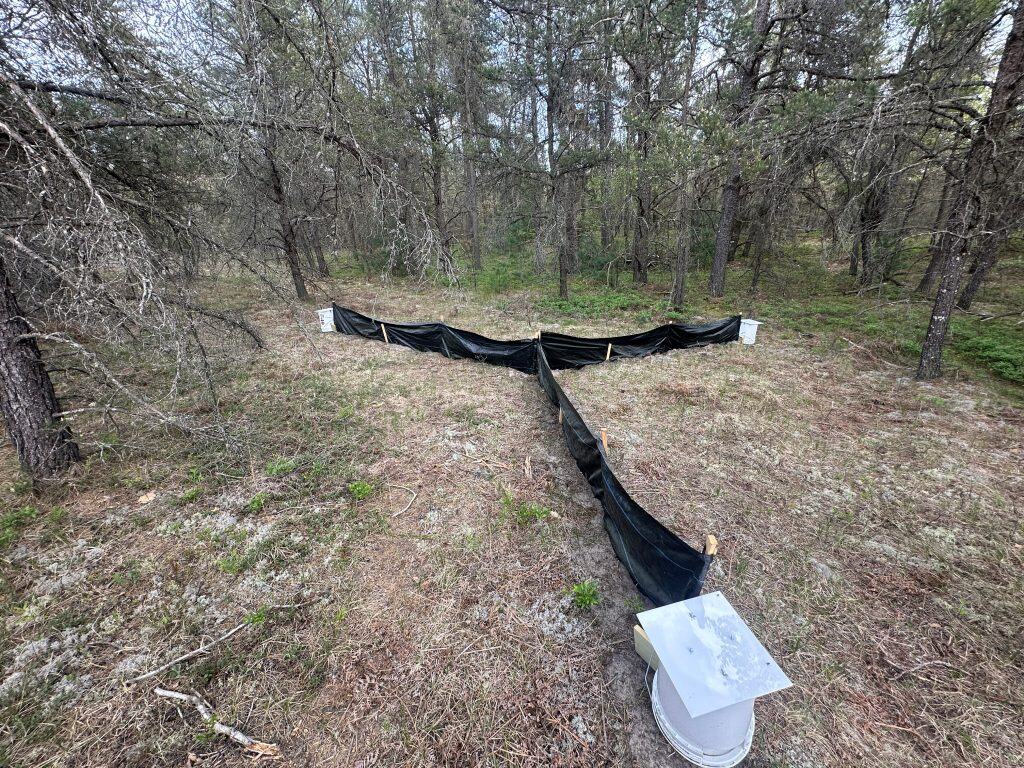
Live traps are a humane and effective way to capture snakes without harming them, allowing for safe relocation away from unwanted areas.
©U.S. Fish and Wildlife Service – Midwest Region, Public domain, via Wikimedia Commons – Original / License
Snake traps designed for live capture are generally safe for both the snake and the person setting the trap. They typically feature a specialized entrance that allows the snake to enter easily, but prevents it from exiting. These traps usually require bait, as the snake will be lured in by the scent of a rodent or by sensing its presence.
Bucket Method
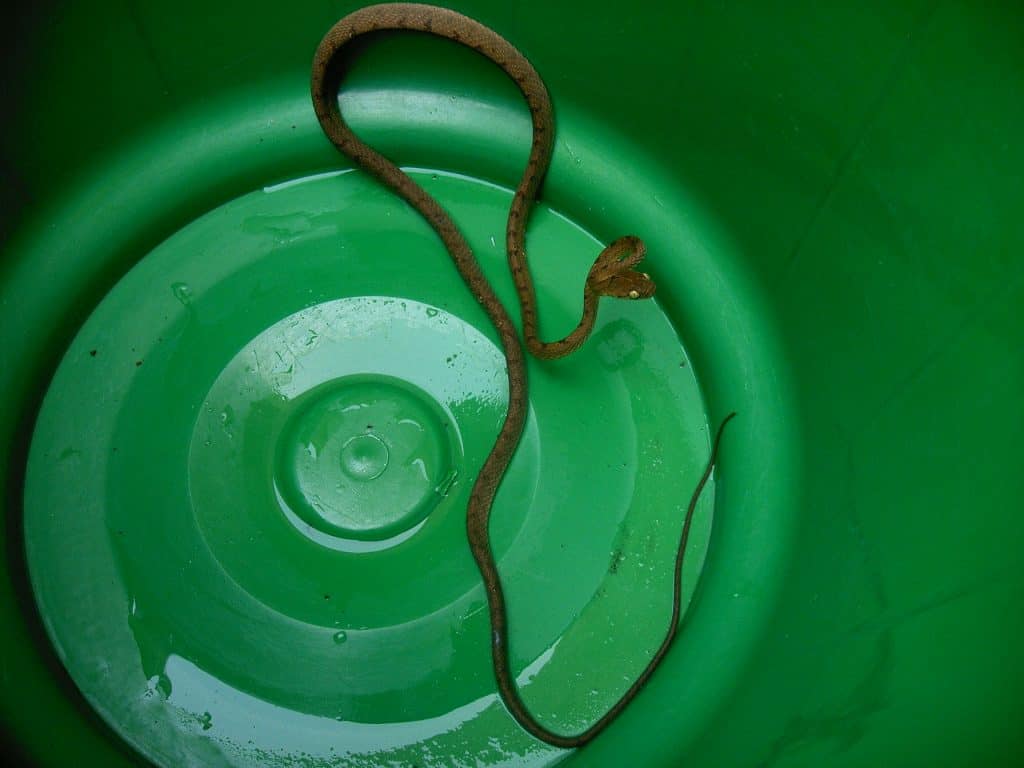
Using a bucket with a secure lid is a way to catch a snake.
©Prashanth N S, CC BY-SA 4.0 <https://creativecommons.org/licenses/by-sa/4.0>, via Wikimedia Commons – Original / License
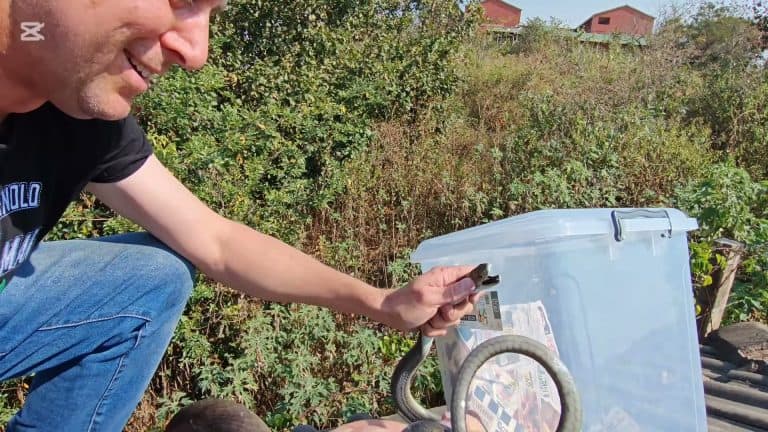
This method of snake removal, as its name suggests, involves using a tall, sturdy bucket and a long-handled tool, like a broom or shovel, to safely guide a snake into the container for relocation. The snake should be gently nudged into the bucket, never lifted or pushed, and the container should be secured with a lid to prevent escape. Once relocated to a safe area, the bucket should be carefully tipped on its side, and the handler should retreat to allow the snake to exit on its own.
Netting and Glue Traps are Not Recommended
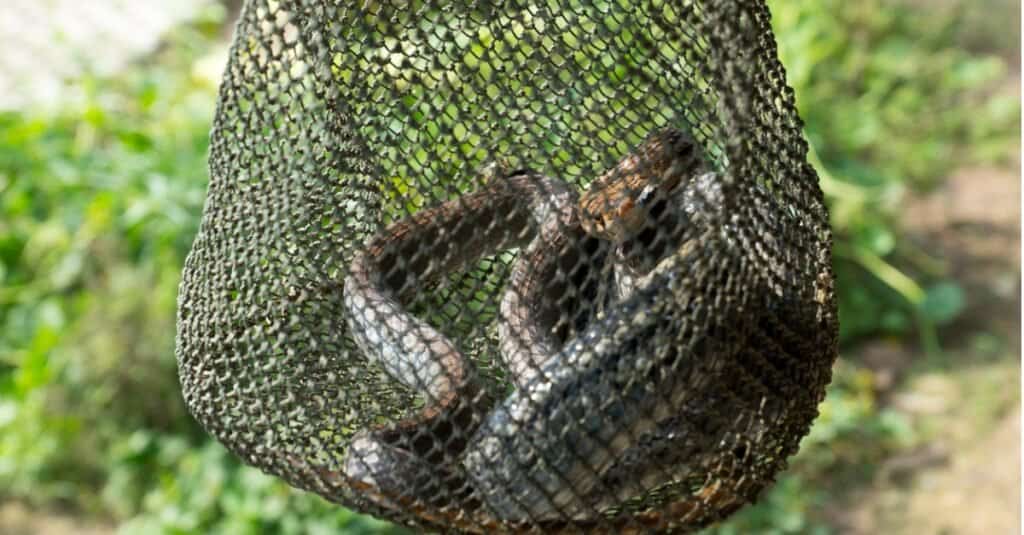
Using mesh or nets is not recommended due to their potential to harm the snake.
©Tuttoo/Shutterstock.com
Using nets or mesh to catch snakes is generally not recommended due to the significant risks it poses to the snake. Snakes can easily become tangled and severely injured in mesh and netting, leading to cuts, abrasions, broken bones, or even death from dehydration or exposure. The struggle to escape the netting causes significant stress to the snake and increases the potential for aggressive behavior.
Glue traps are also not recommended for snake control due to their inhumane nature and potential harm to the snake. They can cause prolonged suffering and injuries, including scale damage, broken bones, and dehydration.