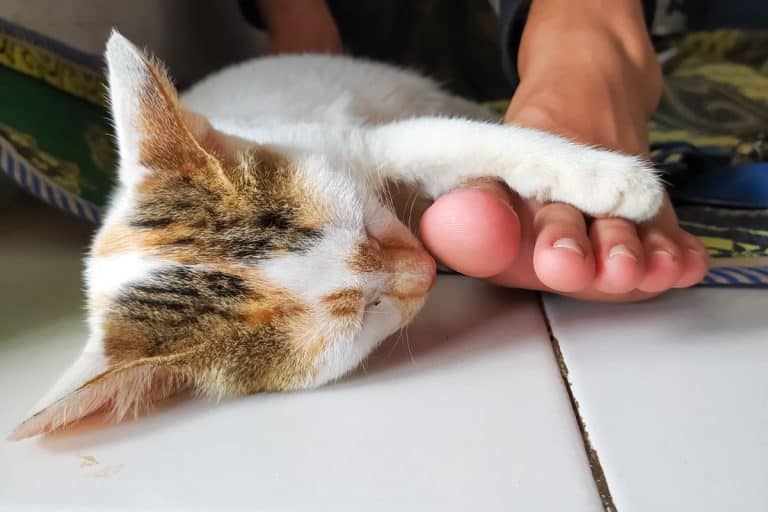

Quick Take
- While snakes are sentient, experts are unsure if reptiles can feel deeper emotions like pleasure or affection.
- Aggression is one of the most straightforward emotions to decode in snakes.
- Counterintuitively, reptiles may be highly social while failing to exhibit outwardly expressive traits.
- Some scientists argue that reptiles experience a wide range of emotions but communicate them differently.
Pet snakes have a reputation for being emotionless, but are they really? This is a tricky question because animals show feelings differently than humans. Snakes are not as affectionate as pets like dogs and cats, which leads some people to question whether pet snakes have emotions. In this article, we will answer whether snakes have feelings and, if they do, how you can understand their mood.
Snake Emotions
Yes, snakes have emotions. Most vertebrates are considered to be sentient, but the way snakes feel and show emotions is different from that of humans or even other animals. We know that they can feel fear and show aggression when they’re disturbed or distressed. They may also show curiosity and familiarity. They may act calm in the presence of their owners or become skittish around strangers because they can detect familiar versus unfamiliar scents.

Experts are unsure whether snakes enjoy being stroked, as some lizards seem to do.
©iStock.com/Vagengeym_Elena
However, experts are unsure if reptiles can feel deeper emotions like pleasure or affection. Snakes are likely to become more tolerant of their owners over time, but it is difficult to determine whether or not their tolerance is indicative of a specific feeling toward their owner. Experts are also unsure if snakes can recognize their owners or show pleasure at being stroked, as some lizards seem to do.
Snakes and most other reptiles are not social animals in the way humans understand society. They do not form communities, have friends, and most do not nurture their own young, although a few species, such as pythons, may guard or brood their eggs. Unlike mammals that can demonstrate emotions like joy, jealousy, or grief, snakes do not appear to demonstrate these types of feelings.
How to Tell How a Snake Feels
Mammals have facial muscles and eyelids, which help them communicate how they feel. Snakes don’t have these features, so they cannot form expressions and their body language is often difficult to read. So how exactly can you tell how a snake feels? The truth is, reading a pet snake’s emotions is difficult. However, there are some indicators that can help you decipher their feelings.
When a snake feels uncomfortable or threatened, it is likely to act aggressively. It typically warns you by hissing, but it may also coil its body. Aggression is one of the most straightforward emotions to decode when it comes to snakes.

Some snake species, such as ball pythons, tend to be more docile and calm.
©Krisda Ponchaipulltawee/Shutterstock.com
Bear in mind that each snake species has a different temperament. Some are naturally more nervous and timid, while others are more assertive. Also, some pet snakes are very active, while others are more docile. If you understand their natural temperament, you will be able to tell when they are acting differently, which will help you determine whether your snake is feeling nervous or calm.
It is also possible to tell when your pet snake is feeling comfortable. A completely coiled-up snake is likely to be secure and satisfied. The snake may also appear alert and interested in its environment instead of trying to get away or hide under things. Snakes sometimes rub their head against objects. This behavior is known as head-bobbing. They may also wrap themselves around objects in a non-threatening way. Snakes may also indicate comfort around you by loosely looping around your neck or resting on your shoulders.
Why Don’t Snakes Show Complex Emotions?
Some researchers believe snakes do not show complex emotions because their brains lack the well-developed structures required for them, such as the neocortex and limbic system that mammals have. Without more sophisticated, human-like structures, snakes have limited emotional capacity.

Some researchers believe reptiles have a much wider range of emotions than previously believed.
©New Africa/Shutterstock.com
Yet other scientists argue that reptiles, including snakes, actually experience a wide range of emotions; they just communicate them differently. Since reptiles do not adhere to the same types of rules mammals do, researchers say reptiles are misunderstood. They also explain that reptiles may be highly social, but they are not outwardly expressive like mammals, including humans.
Helping Your Snake Thrive
One reason why it is so important to understand whether snakes have feelings is to ensure they receive proper care in captivity. Your pet snake should be calm and content in the environment you create for it. Aside from interaction, there are other things a snake enjoys. For example, when you clean its enclosure, you can rearrange its habitat or add new decor to give your snake something new to explore and enjoy. Items that snakes prefer include log decor, driftwood, cork rounds, rock caves, and live or fake plants.
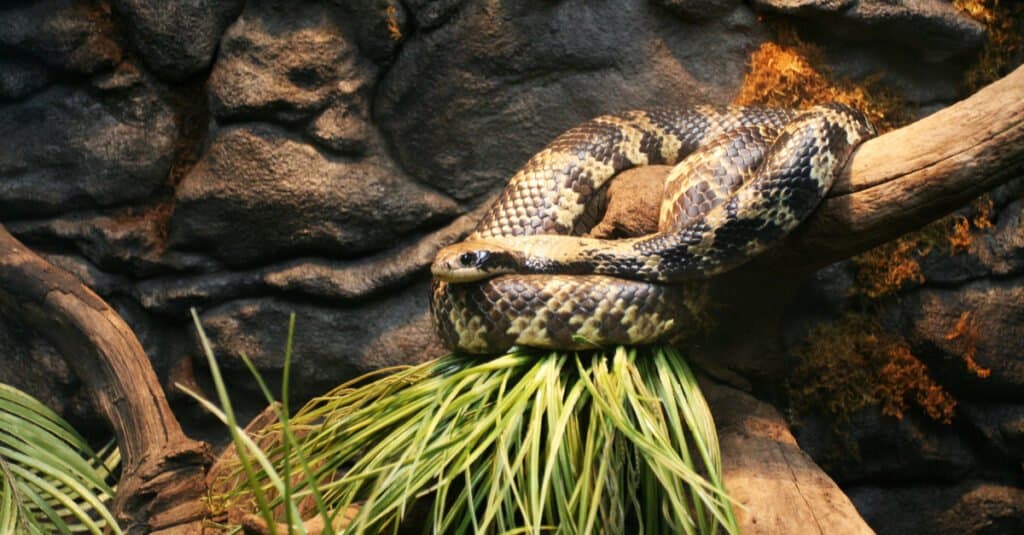
Creating an interesting habitat can stimulate your pet snake and help it thrive.
©David Huntley Creative/Shutterstock.com
Your snake may also be stimulated by a variety of textures, from pellets to bark to mulch. A particular substrate may motivate your pet to burrow or hide. You can also create a game at mealtimes by rubbing its food in different places, creating a scent path it can follow to locate the hidden meal. Anything you can do to stimulate your snake will help it thrive.
It is safe to say that snakes display certain behaviors that humans interpret as emotions or feelings. However, we must understand that they experience emotions differently and are incapable of feeling some emotions that humans do. The most recognizable emotions they exhibit include fear and aggression. Of course, you should observe their behavior and body language to ensure they are comfortable. It is great to want to feel an emotional connection with your pet; however, it is likely that your feelings toward your pet snake will not be reciprocated.