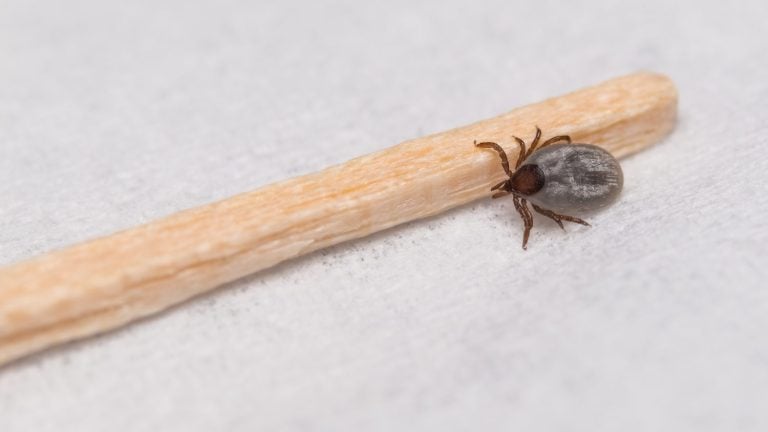
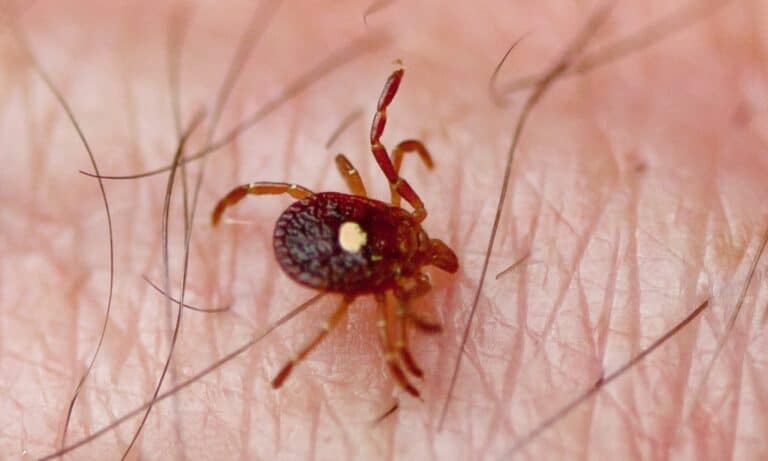
Lyme disease is not rare; in fact, it is the most common vector-borne illness in the United States. Despite being widespread, many individuals know very little about this condition. Lyme disease is spread through the bacterium Borrelia burgdorferi, which is transmitted through tick bites. Cases have been documented across every state, but transmission is most common in the Northeast and Upper Midwest.
Due to increasing temperatures, tick populations are expanding, making prevention-related awareness more important than ever. Recently, new information has come to light showing that Lyme disease may present with uncommon symptoms. Among these cases, disease can linger for years without being detected, leading to long-term complications. Additionally, misinformation regarding early warning signs can delay necessary treatment and lead to poor outcomes.
This slideshow covers 10 facts you probably don’t know about Lyme disease, including misunderstood chronic symptoms and how it affects different areas of human anatomy. If you live in the Northeast, enjoy hiking on a regular basis, or otherwise find yourself coming into contact with ticks often, educate yourself about this invasive illness and the bugs responsible for spreading it.
The Rash is Not Always a Bull’s-Eye

©iStock.com/JerryCallaghan
- Many people think a bull’s-eye rash always appears with Lyme disease.
- In reality, some patients never develop any rash at all, or it appears differently.
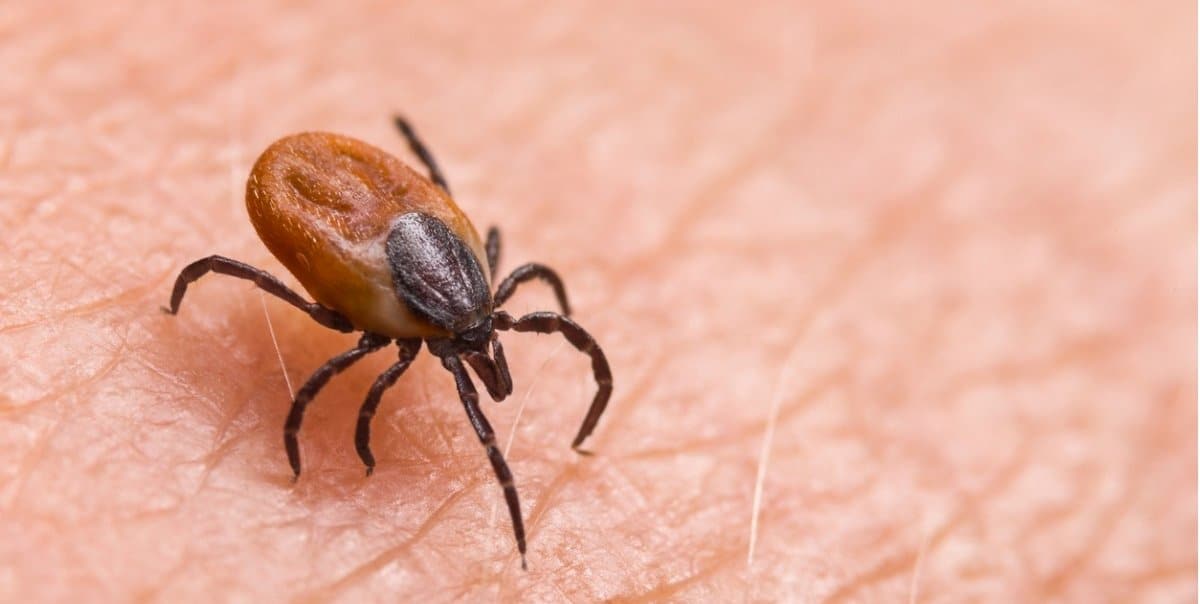
Only Blacklegged Ticks Carry Lyme
©iStock.com/Ladislav Kubeš
- The blacklegged tick (Ixodes scapularis) and western blacklegged tick (Ixodes pacificus) are the only species of tick that can transmit Lyme disease.
- Not all blacklegged ticks are carriers of Lyme.
Lyme Disease Mimics Other Conditions

©Mariia Korneeva/Shutterstock.com
- Symptoms like fatigue and joint pain often lead to misdiagnoses.
- Lyme disease can be mistaken for MS, fibromyalgia, or even depression.
Ticks Found in All 50 States

©Peter Hermes Furian/Shutterstock.com
- Though most common in the Northeast and Midwest, Lyme-carrying ticks have been found nationwide.
- No state is completely risk-free.
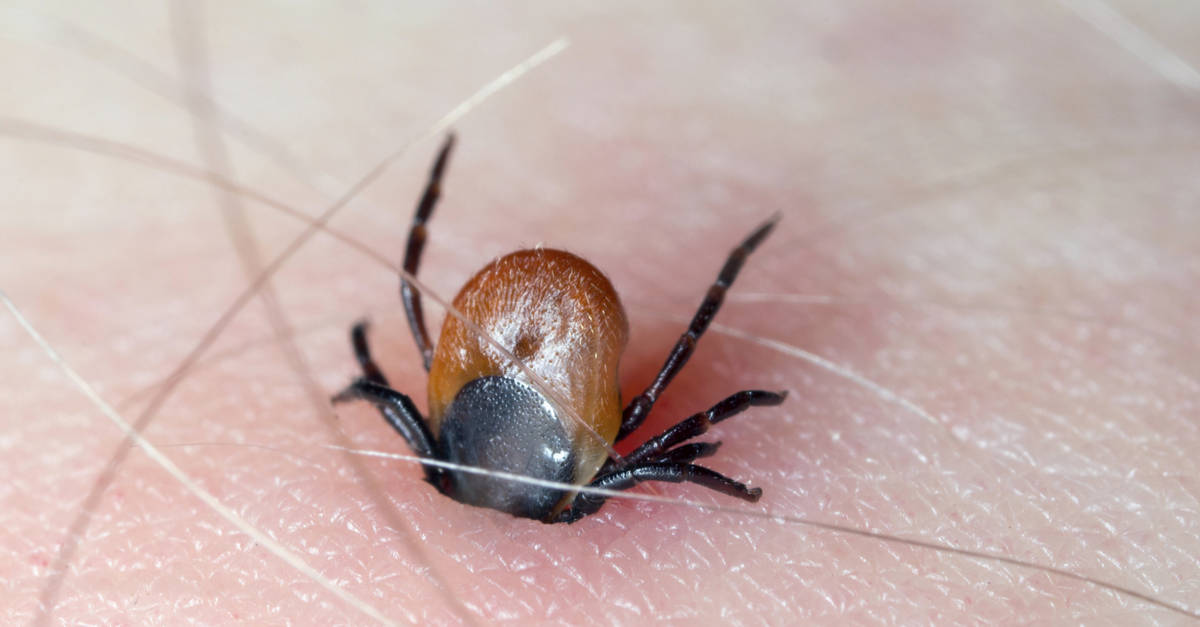
Timing Matters for Transmission
©Tomasz Klejdysz/Shutterstock.com
- A tick usually needs to be attached for 36–48 hours to transmit Lyme disease.
- Prompt removal can prevent infection.
Lyme Is Bacterial, Not Viral

©nobeastsofierce/Shutterstock.com
- Lyme disease is caused by the bacterium Borrelia burgdorferi.
- This makes it treatable with antibiotics when caught early.
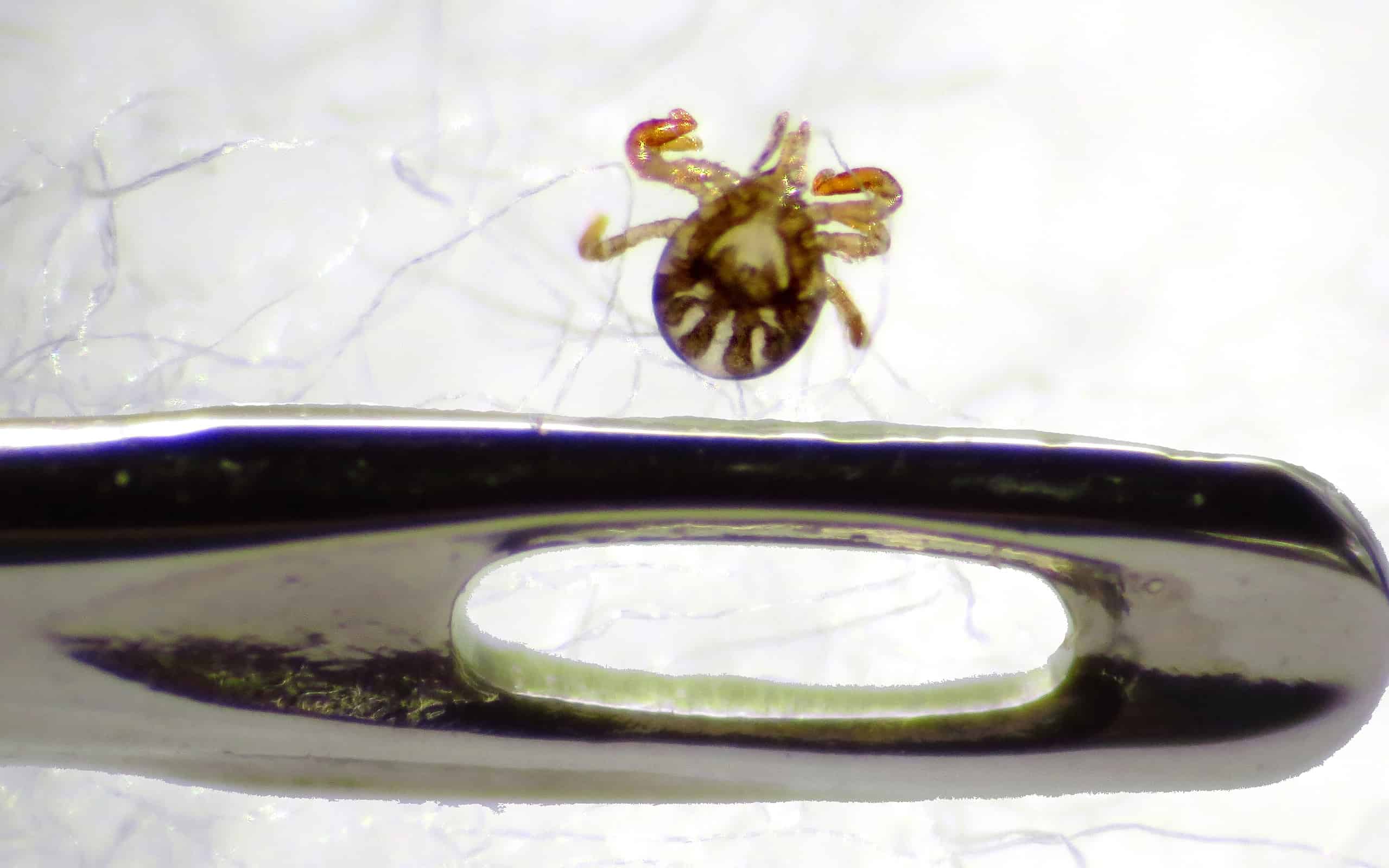
Ticks Can Be Extremely Tiny
©John Tann / CC BY 2.0 - License
- Nymph-stage ticks are about the size of a poppy seed.
- Their small size makes them hard to notice and remove.
It Can Affect the Nervous System

©iStock.com/Pornpak Khunatorn
- Neurological Lyme can cause facial paralysis, numbness, or memory issues.
- These symptoms may appear weeks after infection.
Not Always Cured in One Round

©Tunatura/Shutterstock.com
- Some people suffer lingering symptoms after treatment.
- This condition is called Post-Treatment Lyme Disease Syndrome (PTLDS).
You Can Get Lyme More Than Once

©KPixMining/Shutterstock.com
- Lyme disease doesn’t provide lifelong immunity.
- Each tick bite can result in a new infection.