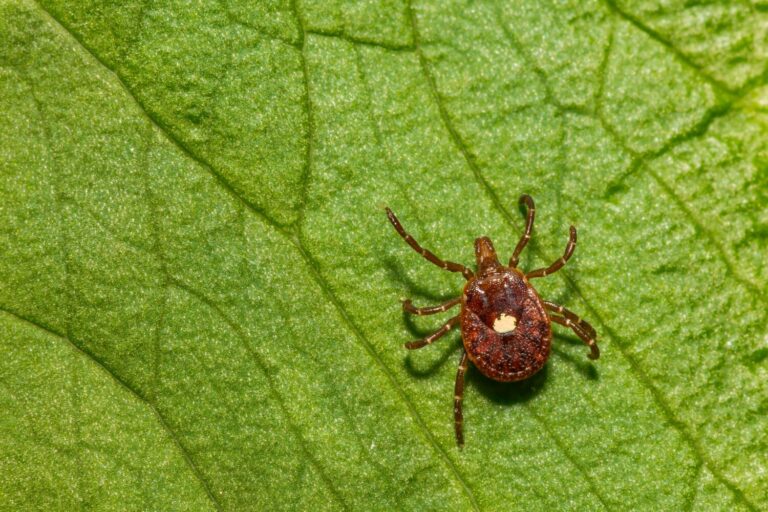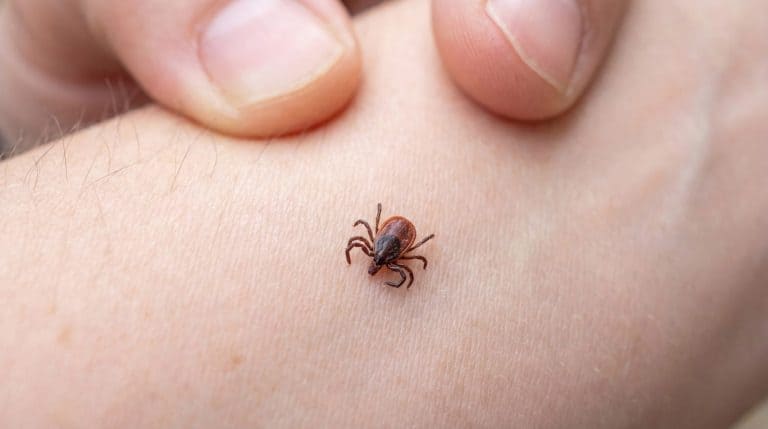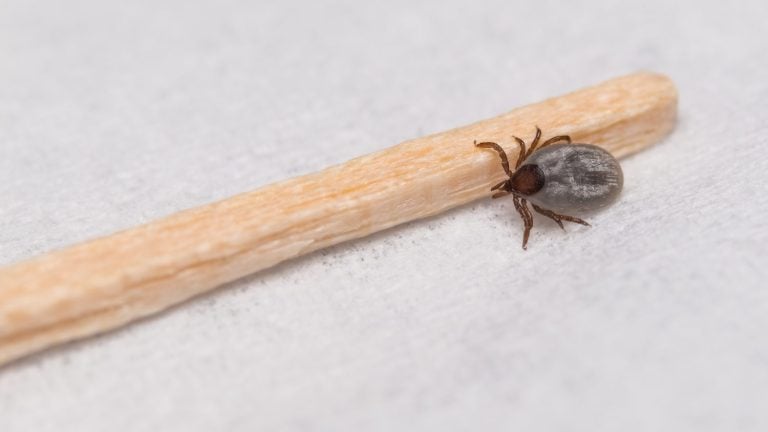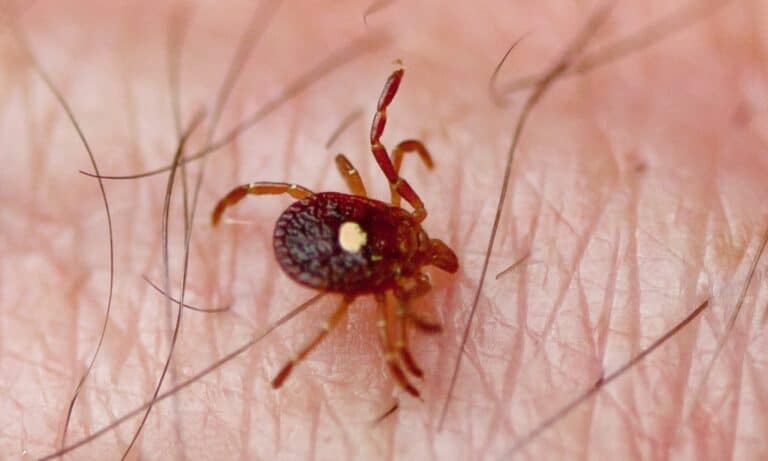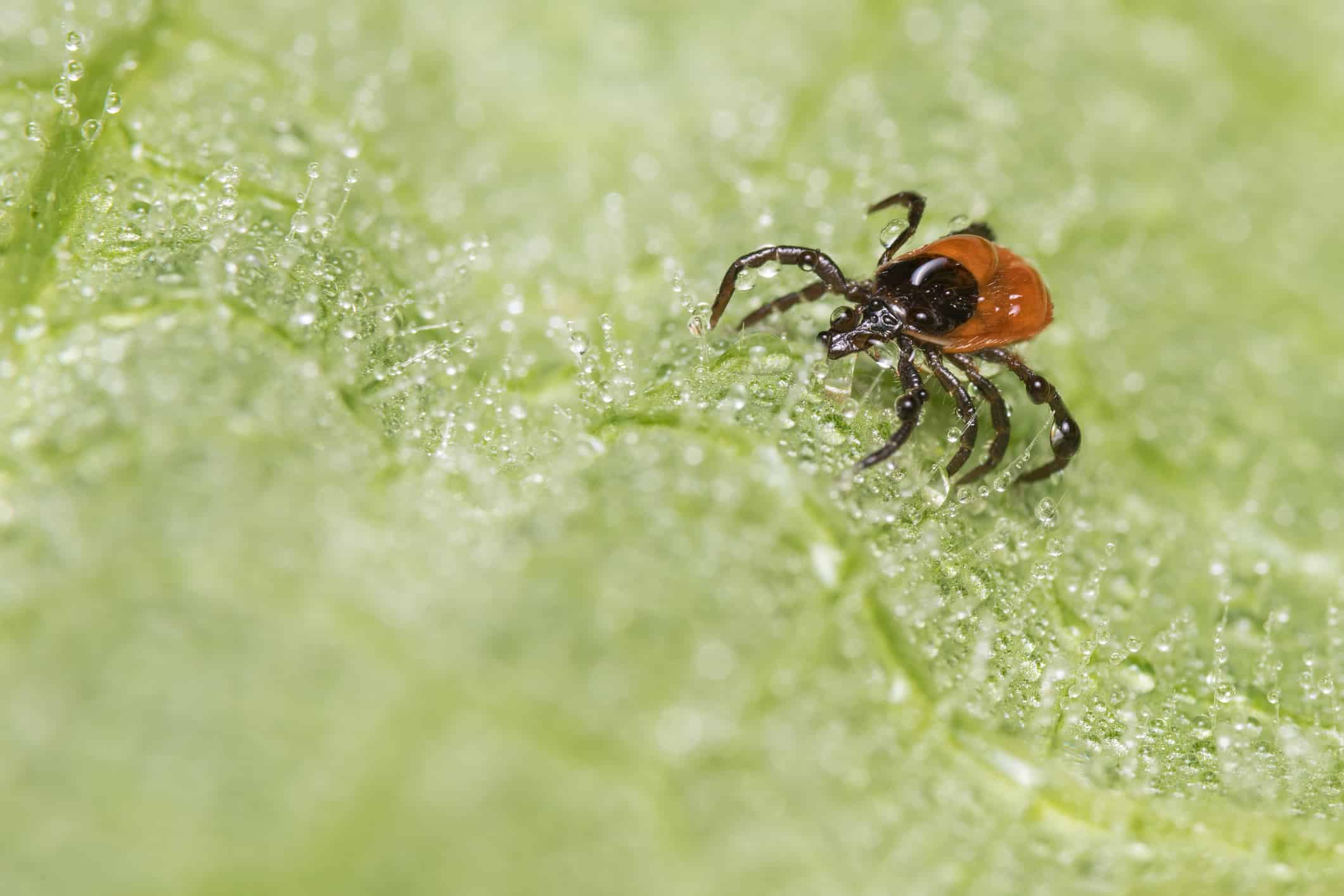

Pennsylvania now stands at the center of America’s Lyme disease epidemic, consistently reporting the highest number of cases nationwide. Blacklegged (deer) ticks carrying Borrelia bacteria (most often B. burgdorferi and occasionally B. mayonii) have been confirmed in all 67 of the state’s counties. These tiny, poppy-seed–sized arachnids can transmit infection through their bites; early treatment with antibiotics is typically effective, but delayed care can lead to complications affecting the joints, heart, and nervous system. The CDC estimates that about 476,000 Americans are diagnosed and treated for Lyme disease each year, far exceeding confirmed lab reports.
As of 2025, tick surveillance in Pennsylvania confirmed infected Ixodes scapularis in every county, while the Companion Animal Parasite Council’s forecast warns that Lyme risk continues to expand south and west beyond traditional hotspots. On the scientific front, a recent study found that the antibiotic piperacillin eliminated Lyme infection in mice at roughly 100 times lower doses than doxycycline—an intriguing early result still awaiting human trials. Health experts continue to emphasize prevention: use EPA-registered repellents, perform thorough tick checks after outdoor activity, and keep yards clear of leaf litter and brush as tick season reaches its peak.
Where Do Deer Ticks Reside?
©KPixMining/Shutterstock.com
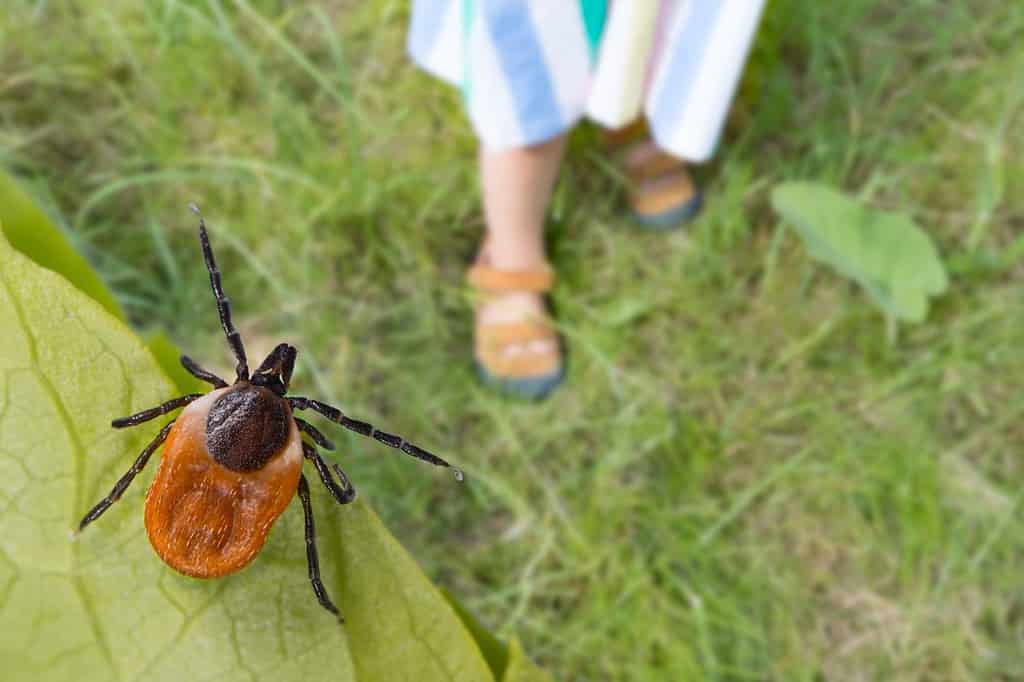
Deer ticks live throughout the eastern and midwestern United States as far north as southern Canada. They’re most often found in second-growth forests where forested areas meet open areas. They favor areas with heavy underbrush, or thick, uncut grass. Deer ticks are most common in the spring and summer months, though they can also bite people and animals in the fall.
What Do Deer Ticks Eat?
©iStock.com/Ladislav Kubeš
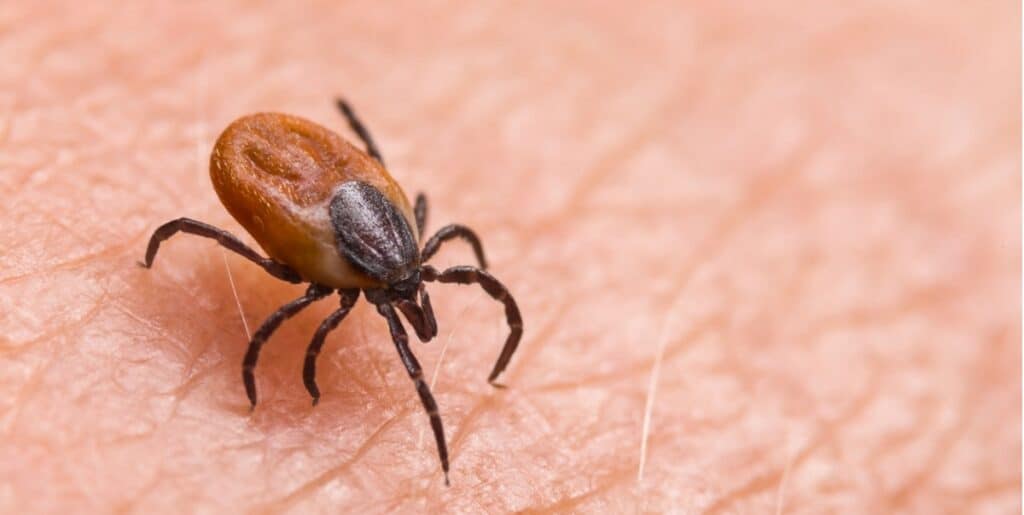
Deer ticks are obligate hematophages. This means that they eat blood and only blood. Sound a little morbid? Well, like leeches, ticks are the vampires of the natural world. Unlike vampires, they feed on creatures both great and small. Young deer ticks in the larval or nymph stage are very small, so they feed on smaller creatures. These include mice, rats, lizards, birds, and other small creatures.
As they get bigger, their prey gets bigger too. Adult deer ticks are especially fond of white-tailed deer. They also feed on opossums, raccoons, birds, and medium-sized mammals. Deer ticks will also bite humans and their pets if they happen to come into tick-filled areas.
What If a Deer Tick Bites?
©Kalcutta/Shutterstock.com
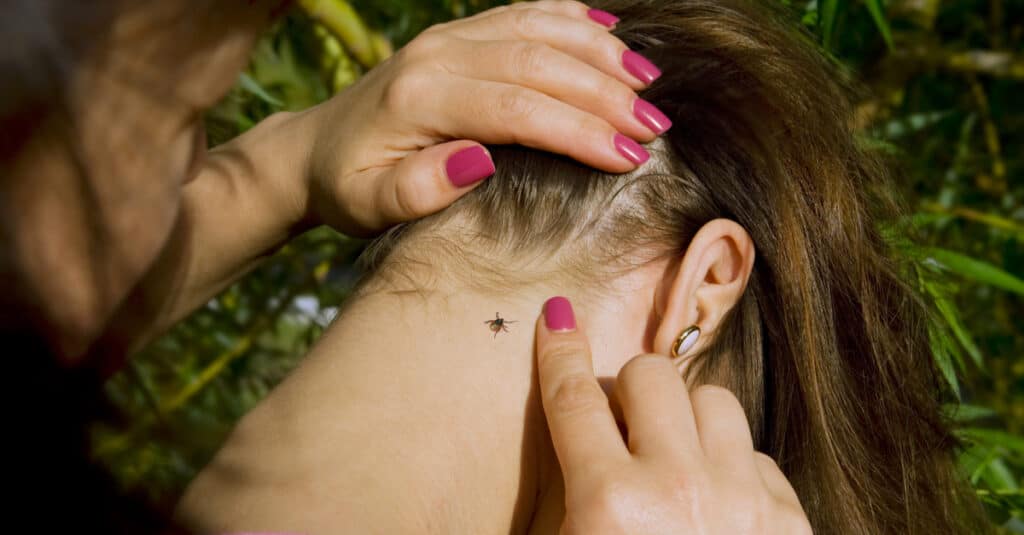
The best method for avoiding a deer tick bite is to stay out of the deer tick habitat. This means staying on the trail, and out of the underbrush. Don’t walk anywhere where your clothes or body brush against shrubs or grass, as that’s how ticks primarily find their hosts. If you must explore the underbrush in tick country, wear long pants, long socks, and long sleeves. For even more protection, tuck your shirt into your pants, and your pants into your socks.
If you do find a tick on you or your pet, don’t panic, and don’t wait to remove it. Ticks are best removed with tweezers or tick-removal tools. Do not squeeze the tick so hard that it pops, or breaks apart. Instead, grasp firmly close to the skin, and gently, slowly, pull it out. Then, thoroughly clean the bite with alcohol or soap and warm water.
Because deer ticks transmit Lyme disease, you’ll want to monitor any bite for a period of one month. If you develop a circular, bullseye rash around the bite, seek immediate medical advice. Further, seek medical attention if you develop a fever, muscle aches, headache, or rash.
10 States Where Tick-Borne Lyme Disease is an Issue
©Steven Ellingson/Shutterstock.com
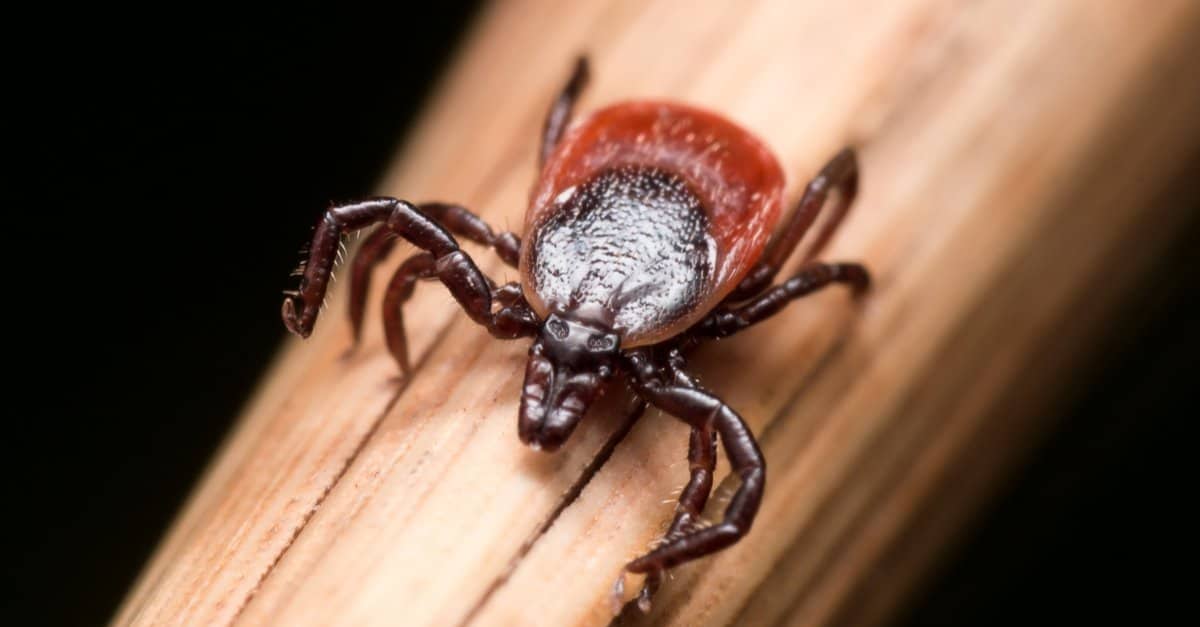
Tick-borne Lyme disease is no joke. Symptoms caused by the disease range from fever, headache, joint pain, and fatigue to the classic bull’s-eye rash – erythema migrans. While the illness is treatable with antibiotics, some victims develop syndromes that carry on.
Given the seriousness of it, we want you informed of the 10 places in the U.S. where you are most likely to encounter deer ticks. Remember that these insects can exist in other parts of the country as well, so you still must exercise caution when hiking or camping in the woods.
Read on to discover the 10 states where tick-borne Lyme disease causes the biggest problems.
10. Wisconsin

The number of reported cases of Lyme disease in Wisconsin has more than doubled in the last 15 years. Lyme disease and the tick species that carry it are native to Wisconsin, and the wooded and grassy terrain of the state is ideal for these ticks. Plus, over the last few years, Wisconsin experienced warmer winters than average, which means a better survival rate for ticks.
Lyme disease-carrying ticks are present in all 72 counties in Wisconsin, so you must do thorough checks after being in forested or tall grass areas. Removing a tick in the first 24 hours reduces your chance of getting Lyme disease.
According to CDC 2019 data, Wisconsin had:
- Incidence rate: 20.9
- Confirmed cases: 1,219
- Probable cases: 959
So, when evaluating Lyme disease cases, Wisconsin ranks tenth on the list of states where tick-borne Lyme disease is a big issue.
9. Connecticut
©Vasili Eliopoulos/iStock via Getty Images
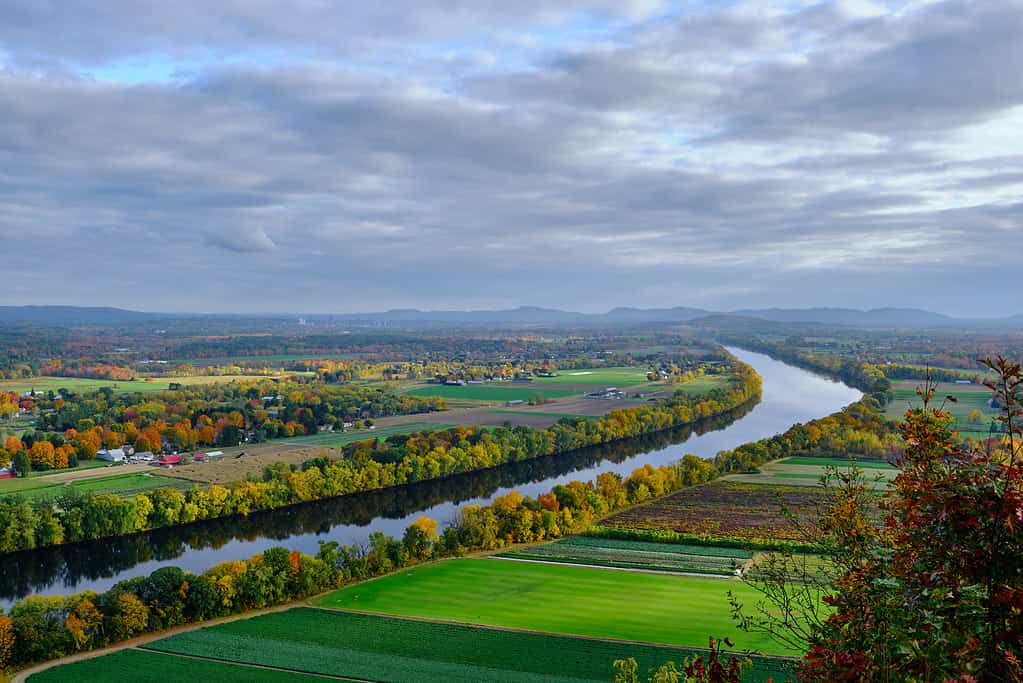
Interestingly, Lyme disease gets its name from a small coastal town in Connecticut called Lyme. In 1975, Yale researchers examined an unusual amount of pediatric arthritis cases in the area, eventually named “Lyme disease” in 1979.
With the warmer and shorter winters the state is experiencing, ticks are now active all year. In the past, Connecticut would typically see 50 ticks at the Connecticut Agricultural Experiment Station between December 1 and March 31. Now, the station is seeing up to 800 ticks. Also, as more of the Connecticut landscape is converted to suburban neighborhoods, there are fewer predators and hunting of the white-tailed deer. Unusually high numbers of white-tailed deer, the main host of blacklegged ticks, means an abundant food supply for the ticks.
According to CDC 2019 data, Connecticut had:
- Incidence rate: 22.3
- Confirmed cases: 795
- Probable cases: 438
This makes Connecticut one of the ten states most affected by Lyme disease.
8. New Jersey

©kropic1/Shutterstock.com
The tick species that carry Lyme disease are expanding their territory into New Jersey. Unfortunately, the milder winters in New Jersey mean good conditions for a tick’s survival. They can withstand temperatures of 20°F and above. To truly cut down on the tick population, you need temperatures between -2°F to 14°F for a week or longer. New Jersey is seeing fewer of those extended temperatures during the winter.
According to CDC 2019 data, New Jersey had:
- Incidence rate: 27
- Confirmed cases: 2,400
- Probable cases: 1,219
Unfortunately, those milder winters put New Jersey in the top ten states where Lyme disease is a big issue.
7. West Virginia

©BackyardProduction/iStock via Getty Images
Unfortunately, over 20 percent of blacklegged ticks in West Virginia are infected with the bacteria that causes Lyme disease. Plus, the wooded landscape and outdoor culture of West Virginia make tick exposure more likely.
According to CDC 2019 data, West Virginia had:
- Incidence rate: 39.2
- Confirmed cases: 703
- Probable cases: 182
While West Virginia is another location where Lyme disease is a big issue, healthcare professionals advise residents to wear long pants and shirts when going through wooded areas and apply repellent containing Deet.
6. Rhode Island

©Wangkun Jia/Shutterstock.com
Blacklegged ticks are also expanding into Rhode Island with the warmer temperatures. Not only are the milder winters making northern states like Rhode Island more tolerable, but hotter temperatures in the South are becoming intolerable for ticks. According to research by the United States Geological Survey and affiliates, ticks attach to hosts at the top of leaf litter or twigs. But, because of the hotter temperatures in southern states, ticks hide underneath leaf litter to survive. This means fewer ticks are attaching to humans, thus transmitting Lyme disease.
According to CDC 2019 data, Rhode Island had:
- Incidence rate: 49.7
- Confirmed cases: 527
- Probable cases: 444
While Lyme disease is a problem in Rhode Island, it most adversely affects children between the ages of five and nine. Tick checks, protective clothing, and repellent are important for your children.
5. Pennsylvania

©Different_Brian/iStock via Getty Images
Because of climate change and the rise in available hosts, blacklegged ticks are expanding their range across Pennsylvania. White-tailed deer and white-footed mice, easy hosts for the blacklegged tick, are plentiful, and their populations are expanding. These factors support the increasing tick numbers.
- Incidence rate: 52.8
- Confirmed cases: 6,763
- Probable cases: 2,235
This is why Pennsylvania is ranked fifth for Lyme disease incidences per 100,000 people.
4. Delaware

©Mihai_Andritoiu/Shutterstock.com
Lyme disease is reported in all three counties in Delaware all year round. However, Delaware’s high rate of Lyme disease may be due to the lack of state awareness about the disease. A study led by Dr. Sangeeta Gupta shows that only 38.4 percent of residents think ticks are a problem in Delaware. And only 13 percent agreed that Lyme disease was a problem in their state.
Insufficient awareness campaigns and educational programs contribute to the limited understanding and prevention of tick-transmitted Lyme disease in Delaware.
- Incidence rate: 63.6
- Confirmed cases: 619
- Probable cases: 22
While Delaware’s landscape and animal population makes it an ideal habitat for blacklegged ticks, perhaps it would not be in the top five states for Lyme disease if awareness was more prevalent.
3. New Hampshire

©Sean Pavone/Shutterstock.com
Blacklegged ticks are in all ten counties of New Hampshire, but the population density is highest in the southeast. These ticks are especially troublesome for residents because they carry more than Lyme disease. A 2007 study found the blacklegged ticks in New Hampshire carried pathogens that cause babesiosis and anaplasmosis. The ticks even have the potential to carry the Powassan virus.
- Incidence rate: 81.3
- Confirmed cases: 1,106
- Probable cases: 604
These rates make New Hampshire one of the top three states where Lyme disease is a big issue.
2. Vermont

©Wirestock Creators/Shutterstock.com
Lyme disease cases used to be rare in Vermont. In the 1990s, the Vermont Health Department received perhaps a dozen reported cases yearly. Now, there are 500 cases or more reported per year since 2011. Residents are most at risk of an infected tick bite between April and July in Vermont. While residents of every county have the chance of being infected, Lyme disease rates are far higher in Windham, Bennington, and Rutland counties.
- Incidence rate: 113.1
- Confirmed cases: 706
- Probable cases: 358
Vermont ranks second in the United States where Lyme disease is a big issue.
1. Maine

©Sosmscott/Shutterstock.com
The number of Lyme disease cases in Maine keeps growing each year. Part of this is because of the longer tick season due to warmer than usual temperatures. Also, areas traditionally too far north for ticks, such as Fort Kent, Houlton, and Presque Isle, are seeing increasing tick numbers.
The good news is that the University of Maine received $6.2 million in federal funding this year for tick research. The University of Maine will use the money to research ways to control tick populations, identify emerging tick species, and, overall, expand public health efforts to educate and create awareness in Maine.
- Incidence rate: 121.2
- Confirmed cases: 1,629
- Probable cases: 538
Currently, Maine is the state where Lyme disease is the biggest problem.