










T
Species Profile

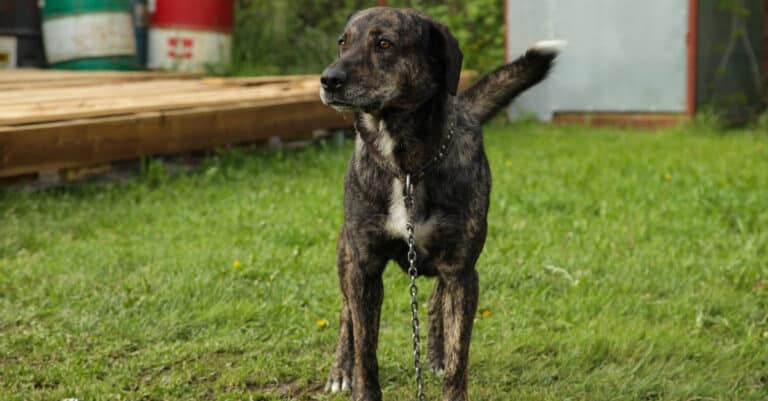
Treeing Tennessee Brindle

Canis lupus familiaris

Brindle nose, big voice, treed game
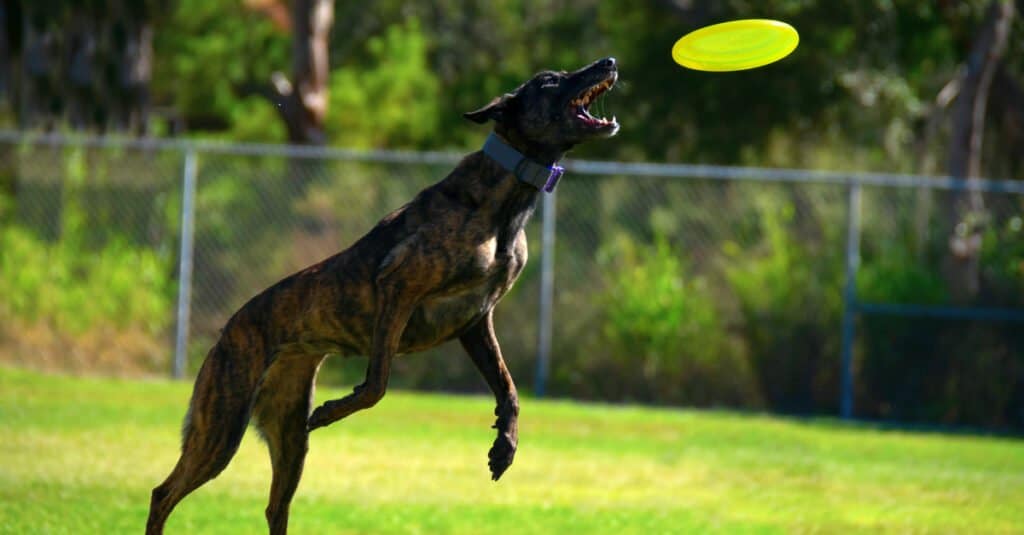
By ThoHug - Own work, CC BY-SA 4.0, https://commons.wikimedia.org/w/index.php?curid=76556847

Treeing Tennessee Brindle Distribution

Click a location to explore more animals from that region

Origin Location

This map shows the native origin of the Treeing Tennessee Brindle. As a domesticated species, they are now found worldwide.

Loading map...

Found in 1 state/province

Size Comparison

Human 5'8"
Treeing Tennessee Brindle 1 ft 9 in

Treeing Tennessee Brindle stands at 31% of average human height.

Treeing Tennessee Brindle

At a Glance

Domesticated
Also Known As Tennessee Brindle, Treeing Brindle, TTB, Brindle Hound
Diet Omnivore
Activity Diurnal+
Lifespan 11 years
Weight 23 lbs
Status Not Evaluated
Did You Know?

Developed in Tennessee from old brindle cur-type stock, then standardized as the Treeing Tennessee Brindle.

Scientific Classification

The Treeing Tennessee Brindle is a U.S. hunting dog breed developed for tracking and treeing game, especially squirrels and raccoons. It is typically medium-sized with a brindle coat, strong scenting ability, and a clear, bawl/chop style of voice used by hunters to locate treed animals.

Kingdom
Animalia
Phylum
Chordata
Class
Mammalia
Order
Carnivora
Family
Canidae
Genus
Canis
Species
Canis lupus familiaris

Distinguishing Features

  • Brindle (striped) coat common
  • Scent-hound tracking ability
  • Strong treeing instinct and vocalization
  • Medium, athletic build for rugged terrain

Physical Measurements

Males and females differ in size

Height
1 ft 7 in (1 ft 5 in – 1 ft 9 in)
1 ft 7 in (1 ft 4 in – 1 ft 10 in)
Length
3 ft (2 ft 7 in – 3 ft 5 in)
3 ft 3 in (2 ft 9 in – 3 ft 8 in)
Weight
44 lbs (35 lbs – 55 lbs)
37 lbs (31 lbs – 44 lbs)
Tail Length
12 in (10 in – 1 ft 2 in)
1 ft 2 in (12 in – 1 ft 5 in)
Top Speed
28 mph
running

Appearance

Primary Colors
Secondary Colors
Skin Type Short dense coat
Distinctive Features
  • Medium, athletic hound build for all-day hunting endurance
  • Tight, short coat sheds moderately; easy brush and occasional bath
  • Strong scent-trailing drive; excels at tracking then treeing game
  • Distinct bawl-to-chop voice helps hunters locate treed animals
  • Developed in Tennessee/USA for squirrel and raccoon hunting
  • High exercise needs; benefits from daily runs and scent games
  • Prey drive and roaming tendency; secure fencing and leash needed
  • Long, drop ears can trap moisture; routine ear checks advised
  • Generally hardy; watch for hip dysplasia and tick-borne illness risk
  • Friendly, determined working temperament; can be vocal when excited

Sexual Dimorphism

Males are typically slightly larger and more muscular, while females are a bit lighter and more refined. Both share the same short brindle coat, houndy head, and pronounced hunting voice.

  • Broader head and chest; heavier bone and musculature
  • Often taller at shoulder with thicker neck
  • Slightly finer build with narrower chest
  • Often a bit lighter overall while maintaining athletic proportions

Did You Know?

Developed in Tennessee from old brindle cur-type stock, then standardized as the Treeing Tennessee Brindle.

Recognized by the United Kennel Club in 1995 after dedicated preservation by hunters and breeders.

Its distinctive voice-bawl on track, chop at the tree-helps hunters pinpoint treed game.

Typically medium-sized, built for all-day hunting with endurance rather than bulk or showy coat.

Brindle striping is the breed hallmark, often paired with a lean frame and tight, athletic feet.

Like all domestic dogs, it's a gray-wolf descendant, selectively shaped for scent-trailing and cooperative hunting.

Many lines excel on squirrels, but capable individuals also tree raccoons and other game depending on training.

Unique Adaptations

  • Clear, carrying vocalizations function like an audible "GPS," guiding hunters through dense woods and hollows.
  • Athletic, medium build favors stamina and agility for steep Appalachian terrain and long hunts.
  • Brindle pattern offers natural visual breakup in leaf litter and forest shade during pursuit.
  • Strong olfactory ability-shared across Canis lupus familiaris-intensified by selection for scent work.
  • Tight, durable feet and tough pads help handle rough ground, brush, and repeated miles afield.

Interesting Behaviors

  • "Treeing" instinct: it circles the tree, barking steadily to hold attention on the treed animal.
  • Scent-trailing focus: nose-down tracking with sudden head-up checks when scent pools or winds swirl.
  • Voice changes with the job: longer bawls while trailing, sharper chops when the quarry is located.
  • Independent problem-solving on track, but strongly handler-oriented once trained and worked regularly.
  • High prey drive outdoors; at home, often settles into calm companionship after sufficient exercise.

Cultural Significance

Rooted in Tennessee and Appalachian hunting culture, the Treeing Tennessee Brindle reflects practical, community-bred dogs prized for real work-squirrel and raccoon hunting traditions where a reliable nose and loud voice mattered most.

Myths & Legends

Tennessee hunters long told of "brindle cur" dogs that could be heard "from ridge to ridge," their voices guiding nighttime raccoon hunts.

A well-known breed origin story credits Rev. Earl Phillips with rallying hunters to preserve the brindle tree dog and form an association.

Appalachian campfire talk often praised a "one-dog" brindle that could strike, trail, and stay treed until the hunter arrived.

In rural hunting lore, a dog's steady "tree bark" was treated like a promise-proof the quarry stayed put despite darkness and distance.

Conservation Status

NE Not Evaluated

Has not yet been evaluated against the criteria.

Population Stable

Life Cycle

Birth 6 pups
Lifespan 11 years

Lifespan

In the Wild
10–12 years
In Captivity
10–14 years

Reproduction

Mating System Polygynandry
Social Structure Managed Domestic
Breeding Season Year-round; estrus typically twice per year
Breeding Pattern Transient
Fertilization Managed Selective
Birth Type Internal_fertilization

As a U.S. treeing scenthound with brindle coat and strong baying voice, breeding is typically human-managed: selected males may sire multiple females and females may be bred across seasons. High exercise/mental work needed; watch hips, ears, and eyes.

Behavior & Ecology

Social Pack Group: 4
Activity Diurnal, Crepuscular, Cathemeral
Diet Omnivore chicken

Temperament

High-energy
Prey-driven
Independent
Biddable
Tenacious
Alert
Vocal
Affectionate
Sociable

Communication

bawl
chop bark
baying
howls
whines
grumbles
scent tracking
body language
tail flagging
treeing stance
handler check-ins
ear posture
leash pressure

Habitat

Biomes:
Temperate Forest Wetland Temperate Grassland Boreal Forest (Taiga) Tundra Alpine Desert Hot Desert Cold Savanna Tropical Dry Forest Tropical Rainforest Mediterranean Freshwater Marine +8
Terrain:
Hilly Mountainous Valley Riverine Plains Coastal
Elevation: Up to 13123 ft 4 in

Ecological Role

Domesticated treeing hound; human-directed predator and scent-tracking specialist.

hunting assistance pest control wildlife management

Diet Details

Main Prey:
Other Foods:
Berries Grasses Roots

Human Interaction

Domestication Status

Domesticated

Domestic dogs diverged from gray wolves ~15,000-30,000 years ago (Eurasia) for hunting/guarding. The Treeing Tennessee Brindle was refined in rural Tennessee in the mid-1900s as a hardy brindle-coated scent hound for treeing squirrels/raccoons with a loud bawl/chop voice.

Danger Level

Low
  • bite if threatened or handled roughly
  • high prey drive toward small animals
  • chasing may cause collisions or falls
  • loud baying can disturb neighbors

As a Pet

Suitable as Pet

Legality: Legal domestic dog; housing/insurance restrictions sometimes apply.

Care Level: Moderate

Purchase Cost: $200 - $900
Lifetime Cost: $15,000 - $35,000

Economic Value

Uses:
Hunting Pet Sport Breeding Rescue
Products:
  • puppies
  • stud
  • services

Quick Take

  • Maintaining Foundation Stock Service records is required for American Kennel Club recognition.
  • The 60-minute daily exercise quota makes apartment living impossible for this breed.
  • Oddly, the cur achieved higher health standards than most purebreds despite its mixed lineage.
  • Reputable breeders must prioritize scouting the puppy’s parents to prevent congenital issues.

The Treeing Tennessee Brindle is a medium-sized cur-type breed that is a mix of hunting and treeing dogs, including the Plott Hound. Its records have been kept since 1995 by the American Kennel Club’s Foundation Stock Service Program. The breed is a sturdy, healthy, energetic dog with hunting and treeing skills, a keen sense of smell, speed, and intelligence. It is as loving, loyal, brave, easygoing, and sensitive as a family pet or companion animal.

A breed profile infographic for the Treeing Tennessee Brindle dog featuring an illustration of the dog and various charts for health, pros and cons, and care instructions.
60 minutes of high-octane exercise isn't a suggestion—it's a requirement. Discover why this rare Tennessee hunter is shattering purebred health standards while demanding wide-open spaces. © A-Z Animals

3 Pros and Cons of Owning a Treeing Tennessee Brindle

Pros!Cons!
Great hunting and family dog: He loves to hunt, people, and other dogs. A wonderful all-around breed.Needs space: It’s not suitable for apartment living or a house with no yard. You may have to make him an outdoor dog house.
Unusual breed: Not many people know about it because it’s a local breed.Needs exercise: This is an energetic breed and is not suitable for overly busy owners.
Healthy: Because of being a cur or mix of several hunting and treeing dogs, it has more genetic variety than many other breeds.Strong prey drive: It must always be kept on a leash while walking outside, or it will run to chase smaller animals.

The Treeing Tennessee Brindle needs about an hour of exercise each day.

Size and Weight

The Treeing Tennessee Brindle is a medium-sized short-haired dog with a withers height of 18 to 24 inches for males and a withers height of 16 to 22 inches for females. Males weigh 35 to 50 pounds fully grown, while females weigh 30 to 40 pounds fully grown. Treeing Tennessee Brindle puppies weigh between four and eight pounds at eight weeks of age and are considered to be fully grown at 12 months of age.

Common Health Issues

As a cur, the Treeing Tennessee Brindle has a mix of Plott Hound and other hunting and treeing breeds. As a result, it is very sturdy and healthy. While the Treeing Tennessee Brindle is generally considered a healthy breed, potential health issues such as hip dysplasia and obesity have been reported, so responsible breeders screen for these conditions. Its average lifespan is 10 to 12 years, which is normal. Bloat is an issue any dog breed can face, while breeds with long ears are at risk of ear infections.

Temperament

The temperament of the Treeing Tennessee Brindle is easygoing and energetic. It has a loyal, sensitive, brave, and affectionate personality and social, affectionate behavior. Like a hunting hound with traits of athleticism, speed, intelligence, and keen smell, its personality shines during the hunt, but that doesn’t mean it can’t be a great family pet or companion animal. It can get along with people, children, other dogs, and pets. It does have a strong prey drive, however, and so tends to chase smaller animals.

How To Take Care of Treeing Tennessee Brindle

New pet owners looking for how to care for treeing Tennessee brindles, especially treeing Tennessee brindle puppies, must consider their range of unique factors. Whether it’s about care related to being an athletic hunting hound, its medium size, or age, Treeing Tennessee Brindle owners must consider needs specific to the breed.

The Best Dog Food

Treeing Tennessee brindles, especially puppies, have certain needs that are different from those of other dog breeds. Always opt for high-quality dog food that covers the nutritional bases, even though the exact prevalence of certain health conditions in this breed isn’t totally clear yet. Therefore, new owners should consider the following factors when choosing food for their pet:

Puppy food: Although this puppy is a medium-sized breed and very healthy, it might develop hip dysplasia with age due to overuse. Eye problems, especially due to poor nutrition or old age, are also possible issues. Its food should be AAFCO-compliant, formulated for growth (puppies) or all life stages, and specifically for medium-sized dogs. Animal protein should be the first and main ingredient. Calcium and vitamin D for bone strength, skin, and coat, vitamins A and E, and omega fatty acids are important for developing puppies. If you choose to feed your dog a raw diet, include vegetables and no grains, and start during puppyhood for early familiarity. Do not overfeed to prevent excessive growth and overdevelopment.

Adult dog food: Healthy, medium-sized breeds such as the Treeing Tennessee Brindle do not have any special dietary needs, except for nutrients to prevent possible health issues that are generally common in dogs. His diet should be formulated for medium-sized dogs at all life stages or adult dogs, and have animal protein as the first and main ingredient. Low phosphorus will prevent kidney or bladder stones and urinary tract infections. He needs less calcium as an adult, too.

Maintenance And Grooming

The Treeing Tennessee Brindle has a short, dense, soft coat. There is no special maintenance or grooming for the breed standard. Hence, regular cleaning of teeth and ears, and clipping of claws are similar to those of other dog breeds. He only needs brushing once a week and rarely needs a bath, except when he’s muddy or dirty.

Training

The Treeing Tennessee Brindle has a medium aptitude for training and does especially well when training for hunting, especially tracking prey that goes up trees. It is also very intelligent. However, it is sensitive and so does best with positive reinforcement for ease of training.

Exercise

The energy level of the Treeing Tennessee Brindle is medium to high, and the breed needs space to run around in. A long, daily walk or jog, especially at a park or in the woods, is great. Using exercise training also accomplishes the teaching of new tasks and behaviors.

Puppies

Treeing Tennessee Brindle puppies cost anywhere from $800 to $1,500. Factors that affect their price include age, breeder location, breeder reputation, parents’ health, litter size, lineage, and the dog’s quality. On the other hand, some puppies and adult dogs of the breed might be available at a rescue, and their price would be the adoption fee.

Treeing Tennessee Brindle And Children

The Treeing Tennessee Brindle is excellent with children. Its social, playful, sensitive, easygoing, and affectionate personality makes it a great family pet.

Dogs similar to Treeing Tennessee Brindle

  • Plott Hound: One of his ancestors, the Plott Hound, is larger in size and has longer ears. This large scenthound was originally used for hunting bears. As with the Treeing Tennessee Brindle, it does not have baggy skin, unlike other hounds.
  • Redbone Coonhound: Used for hunting raccoon, deer, boar, bear, cougar, and other large game, it is descended from red-colored foxhounds. It is likewise a scenthound, but with physical features common to coonhound breeds.
  • Black and Tan Virginia Foxhound: Bred for hunting foxes by scent, this hound has saggy skin and is native to the state of Virginia. A related breed, the Black and Tan Coonhound, is a cross between it and the Bloodhound.

View all 608 animals that start with T

Sources

  1. Wikipedia / Accessed October 9, 2021
  2. Dog Care Knowledge / Accessed October 9, 2021
  3. the sprucePets / Accessed October 9, 2021
  4. DOGELL / Accessed October 9, 2021
  5. Dog Food Guide / Accessed October 9, 2021
  6. Dog zone / Accessed October 9, 2021
  7. Pet Guide / Accessed October 9, 2021
  8. The Dog Vvisitor / Accessed October 9, 2021
  9. Dog Breed Standards / Accessed October 9, 2021
A-Z Animals Staff

About the Author

A-Z Animals Staff

AZ Animals is a growing team of animals experts, researchers, farmers, conservationists, writers, editors, and -- of course -- pet owners who have come together to help you better understand the animal kingdom and how we interact.
Connect:

Thank you for reading! Have some feedback for us?


Treeing Tennessee Brindle FAQs (Frequently Asked Questions)

A medium-sized brindle cur descended from hunting and treeing dogs.