


B
Species Profile

Black And Tan Coonhound

Canis lupus familiaris

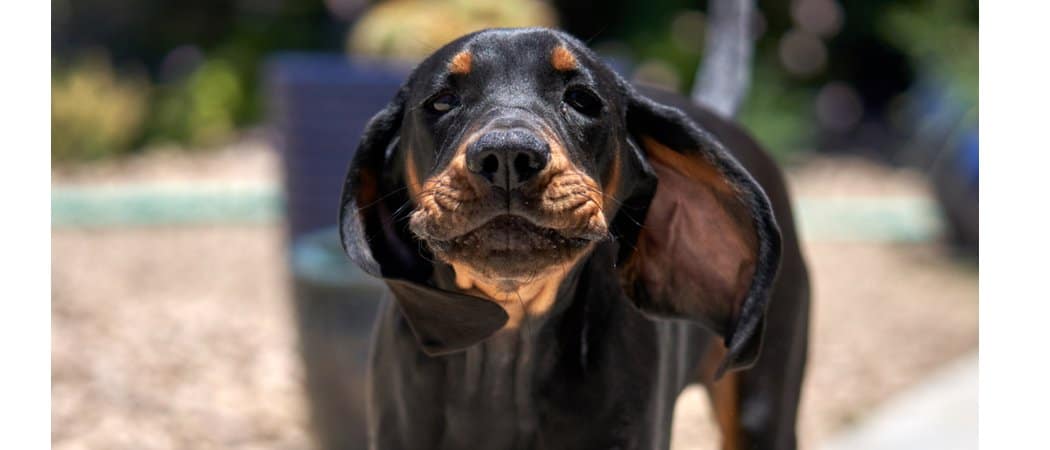
Deep voice. Deeper nose.
SillyDogPhotos/Shutterstock.com

Black And Tan Coonhound Distribution

Click a location to explore more animals from that region

Origin Location

This map shows the native origin of the Black And Tan Coonhound. As a domesticated species, they are now found worldwide.

Loading map...

Size Comparison

Human 5'8"
Black And Tan Coonhound 2 ft 1 in

Black And Tan Coonhound stands at 36% of average human height.

Black and Tan Coonhound - header

At a Glance

Domesticated
Also Known As Black and Tan, Black & Tan, B&T, Black-and-tan Hound, Black and Tan Hound, Black and Tan Coon Dog
Diet Omnivore
Activity Crepuscular+
Lifespan 5 years
Weight 45 lbs
Status Not Evaluated
Did You Know?

AKC recognized the Black and Tan Coonhound in 1945, making it the first coonhound breed admitted to the AKC.

Scientific Classification

A medium-to-large American scent hound breed developed for tracking and treeing raccoons and other game; known for a deep baying voice, strong nose, and distinctive black saddle with tan points.

Kingdom
Animalia
Phylum
Chordata
Class
Mammalia
Order
Carnivora
Family
Canidae
Genus
Canis
Species
Canis lupus familiaris

Distinguishing Features

  • Black ‘saddle’ coat with rich tan markings on muzzle, chest, and legs
  • Long, pendulous ears and pronounced hound facial features
  • Strong scent-tracking ability; endurance-oriented build
  • Characteristic deep, carrying bay/howl used while trailing

Physical Measurements

Males and females differ in size

Height
2 ft 2 in (2 ft 1 in – 2 ft 3 in)
2 ft (1 ft 11 in – 2 ft 1 in)
Length
4 ft 9 in (4 ft 3 in – 5 ft 3 in)
3 ft 10 in (3 ft 7 in – 4 ft 1 in)
Weight
82 lbs (66 lbs – 99 lbs)
60 lbs (51 lbs – 66 lbs)
Tail Length
1 ft 4 in (1 ft 2 in – 1 ft 6 in)
1 ft 2 in (12 in – 1 ft 4 in)
Top Speed
28 mph

Appearance

Primary Colors
Secondary Colors
Skin Type Short, dense, weather-resistant coat over pigmented skin; loose-to-moderate skin around neck/throat typical of scent hounds; long, pendulous ears with delicate ear leather prone to trapped moisture.
Distinctive Features
  • Domesticated dog (Canis lupus familiaris) specialized beyond the base species for American scent-hound work: strong trailing ability and 'treeing' behavior for raccoon/game rather than general-purpose companion traits.
  • Deep, resonant baying voice (distinctive 'hound bay') used to communicate location while on trail and at the tree; noticeably louder/longer-carrying than many non-scent-hound domestic dogs.
  • Head and expression: long, well-defined muzzle; pronounced stop is moderate; characteristic tan 'eyebrow' points give an alert, expressive look.
  • Ears: very long, low-set, and pendulous-adapted to help funnel scent toward the nose while tracking; also increases risk of ear issues compared to many breeds.
  • Build: medium-to-large, athletic, long-legged hound with deep chest for stamina; tail carried high when working; designed for endurance over rough terrain.
  • Temperament/work role: typically friendly and steady with people, independent on scent, can be single-minded on trails; benefits from structured training using reward-based methods and consistent recall work.
  • Care requirements (breed-typical): high daily exercise needs (long walks, runs, hikes) plus scent games/tracking; secure fencing/leash strongly recommended due to roaming/trailing instinct.
  • Grooming: easy coat care (weekly brushing), but frequent ear checks/cleaning and nail care are important; keep skin folds/neck area clean and dry if loose skin is present.
  • Common health problems: ear infections (otitis externa) from pendulous ears, hip dysplasia, elbow and joint strain in active dogs, bloat (GDV) in deep-chested hounds, obesity if not exercised, and occasional eye issues like ectropion.
  • Feeding/management notes: consider multiple smaller meals and avoid hard exercise right around meals to help reduce bloat risk; maintain lean body condition to protect joints and endurance capacity.

Sexual Dimorphism

Males are typically taller/heavier with more bone and head breadth; females tend to be slightly lighter and more refined while retaining the same black-and-tan pattern and long-eared hound silhouette.

  • Often broader head and muzzle with heavier bone/forequarters
  • Generally taller and more muscular through neck/shoulders
  • May show a more pronounced 'houndy' neck/skin looseness in some individuals
  • Typically slightly smaller frame and lighter overall build
  • Often finer head/neck profile while keeping the same ear length and coat pattern
  • May mature a bit earlier physically than males

Did You Know?

AKC recognized the Black and Tan Coonhound in 1945, making it the first coonhound breed admitted to the AKC.

Its signature "black saddle" with tan points is a hallmark pattern also seen in several scenthounds; in this breed it's especially bold and high-contrast.

Bred for "cold-nosing," many can follow older, fainter scent trails than faster, sight-oriented hunting dogs.

The long, low-set ears help sweep scent toward the nose-an advantage shared with other classic scenthounds like Bloodhounds.

Their deep, musical bay is not just loud; hunters use the change in tone to tell whether the dog is trailing or has "treed" game.

Compared with many pet dog breeds, they're notably independent thinkers-an asset when working far from the handler on a scent line.

Despite the tough working role, well-socialized Black and Tans are typically people-friendly and steady with familiar dogs.

Unique Adaptations

  • Scent-hound build: large nasal cavity/olfactory tissue and a working style centered on smell over sight-an amplified expression of typical domestic dog abilities.
  • Long, pendulous ears that help funnel ground scent toward the nose during tracking.
  • Loose skin around the head/neck (less extreme than a Bloodhound) that can help retain scent particles near the face.
  • Deep chest and efficient gait for long-distance, steady-speed trailing rather than sprinting.
  • Distinct vocal repertoire (bays, bawls, chops) that carries through woods-useful for communicating location and track status to hunters.
  • High pain tolerance and persistence typical of purpose-bred hunting scenthounds, enabling hours of work in rough terrain.

Interesting Behaviors

  • Baying and "chopping" at the tree: many switch from a long bay on trail to a sharper, rhythmic bark once game is treed.
  • Nose-to-ground "zig-zag" casting: they'll sweep back and forth to re-find a lost scent line rather than running straight ahead.
  • Scent loyalty: once locked onto an odor, they may ignore distractions-great for work, challenging for off-leash recall.
  • Night-hunting stamina: historically worked after dark; many are most energized in cooler evenings.
  • Scent-mark reading: intense interest in sniffing vertical surfaces (trees, posts) where raccoons and other animals leave sign.
  • Social trail working: some lines do well in packs, coordinating through voice to keep contact over distance.

Cultural Significance

The Black and Tan Coonhound is tied to rural Southern and Midwestern coonhunting with lanterns and headlamps. Its loud bay marks night woods and is a symbol of working-dog heritage, appearing in songs, club lore, and festivals as icons of grit and partnership.

Myths & Legends

Old-time hunting lore often treats a great coonhound as "born knowing the woods," a belief repeated in camp stories where a young hound is said to take its first track as if taught by ancestors.

In Appalachian and Ozark hunting stories, the baying of hounds at night is said to 'stir up' raccoons to climb trees, making the dogs' voices seem almost like magic in the timber.

American frontier and backwoods anecdotes frequently describe black-and-tan hounds as the dependable companion that finds the way home through dark hollows, reinforcing the hound as a folk symbol of sure-footed guidance.

The very term "coonhound" carries a naming tradition: in many communities, dogs earned reputations-and sometimes new names-based on a single legendary treeing or an all-night trail, stories passed down like local legends in hunting families.

Some hunters thought long, low-set ears are a "gift for scent" passed down in Black and Tan Coonhounds, making certain family lines seem meant to be excellent trackers.

Conservation Status

NE Not Evaluated

Has not yet been evaluated against the criteria.

Population Stable

Life Cycle

Birth 8 pups
Lifespan 5 years

Lifespan

In the Wild
3–8 years
In Captivity
8–14 years

Reproduction

Mating System Polygynandry
Social Structure Managed Domestic
Breeding Pattern Serial
Fertilization Managed Selective
Birth Type Managed_selective

Behavior & Ecology

Social Pack Group: 4
Activity Crepuscular, Nocturnal, Cathemeral
Diet Omnivore Meat-forward, high-protein foods (e.g., beef/chicken; many individuals show strong preference for organ meats like liver due to scent).

Temperament

Affectionate, people-oriented in the home; typically gentle with familiar family members (species-typical neoteny), but more independent than many companion breeds.
Scent-driven and persistent: strong tracking motivation can override handler focus; benefits from structured training and reinforcement that competes with scent rewards.
Vocal and expressive: deep baying/howling is characteristic and more intense than many domestic dogs; management needed in noise-sensitive settings.
Generally sociable with other dogs (hound-typical), especially when raised together; may show excitement-based roughness without early impulse-control work.
Prey drive can be high (breed-distinguishing for treeing/trailing); caution with cats/small pets unless carefully socialized.
Can be stubborn or slow-to-comply (independent problem-solving on trail); responds best to consistent, calm handling and nose-work outlets.

Communication

Deep baying/howling used to advertise location and track status Breed hallmark in hunting contexts
Barks of varied cadence for alerting; some individuals are frequent "talkers," especially when bored or under-exercised.
Whines/whimpers for attention, anticipation (leash, food), or mild frustration.
Scent communication is primary: intensive sniffing, ground-trailing, and interest in scent marks; may follow odor trails for long distances Requires secure fencing and leash management
Body language: tail carriage, ear set, and forward-leaning posture when on scent; relaxed, loose posture with family.
Contact seeking: leaning, nudging, and following favored people room-to-room; can show separation-related distress if under-stimulated.
Care/health notes embedded in behavior: prone to ear issues due to long, pendulous ears-regular ear checks/cleaning reduce infection-related irritability; high exercise needs (daily brisk activity + scent games) reduce nuisance vocalizing and destructiveness; risk of obesity if activity is insufficient; monitor for orthopedic discomfort (e.g., hip dysplasia) that can reduce sociability; bloat risk in deep-chested dogs-use sensible feeding/exercise timing.

Habitat

Biomes:
Temperate Forest Temperate Grassland Wetland Boreal Forest (Taiga) Tundra Alpine Mediterranean Savanna Desert Hot Desert Cold Tropical Dry Forest Tropical Rainforest Freshwater Marine +8
Terrain:
Hilly Mountainous Plains Valley Riverine
Elevation: Up to 16404 ft 3 in

Ecological Role

Human-associated omnivorous canid (domestic hunting companion) that functions primarily as a predator/tracker under human direction rather than an independent ecological regulator.

Assists humans in locating and harvesting selected game species (especially raccoon), influencing local prey dynamics in managed hunting contexts Scent-trailing can support wildlife management and recovery tasks (e.g., tracking wounded game) Acts as a localized mesopredator/scavenger deterrent around human habitation when supervised Cultural and working-role value in rural communities (hunting dog; companionship)

Diet Details

Main Prey:
Raccoon Virginia opossum Skunk Fox Cottontail rabbit Squirrel Rodents Ground-nesting birds and eggs +2
Other Foods:
Berries and other soft fruits Grass Vegetable matter Starches and grains

Human Interaction

Domestication Status

Domesticated

Canis lupus familiaris (domestic dog) came from gray wolves and was shaped by people over thousands of years for tameness and teamwork. The Black and Tan Coonhound is an American scenthound bred to hunt and tree raccoons at night. It has a strong nose, trailing stamina, and a deep bay; it lives with people but needs leash and baying management.

Danger Level

Low
  • Accidental knocks or scrapes due to medium-large size and enthusiasm
  • Defensive biting risk if in pain, fearful, or improperly handled (as with any dog)
  • Chase/prey drive can cause conflicts with small animals; can lead to redirected excitement if not managed
  • Noise-related conflict: very loud baying can trigger neighbor disputes and stress in dense housing

As a Pet

Suitable as Pet

Legality: Black and Tan Coonhound (Canis lupus familiaris) is usually legal to keep as a pet in the U.S. and most places. Owners must follow local dog rules (license, leash, noise) and may face housing or insurance limits.

Care Level: Experienced

Purchase Cost: $100 - $1,200
Lifetime Cost: $15,000 - $35,000

Economic Value

Uses:
Companion animal services Working/hunting dog economy Sport and recreation (field trials, tracking, nosework) Breeding and kennel operations Veterinary and preventive healthcare
Products:
  • Hunting and trailing work (tracking/treeing raccoon and other game)
  • Stud services and registered puppies
  • Training services (recall, leash skills, scent work)
  • Pet services (boarding, grooming, walking-often with higher demand for secure handling)
  • Equipment sales (GPS collars, long lines, secure fencing solutions)

Relationships

The Black and Tan Coonhound is an all-American old-fashioned breed of dog that is a mix between the Black and Tan Virginia Foxhound and the Bloodhound, appearing in the 18th century. This crossbreed is a working dog mainly used for hunting raccoons, but it can also be used to hunt large game. Friendly, mellow, and calm indoors, it becomes strong, stubborn, and independent outdoors, with its strong hunting instinct taking over to engage in tracking after starting to trail. Today, it makes an excellent scent hound that can track old, cold trails as well as an excellent pet and a search and is occasionally used in search and rescue roles, though it is less common in law enforcement compared to breeds like the Bloodhound.

3 Pros And Cons Of Owning Black And Tan Coonhounds

ProsCons
Low Grooming Needs: This breed has a short, dense coat that only needs brushing once a week and monthly bathing. It is low shedding and changes its coat once or twice a year.Not good with smaller pets or younger children: It’s not suitable to have around small pets such as birds and rodents, and it can be a little too boisterous with younger children due to its large size. Never leave your dog unsupervised with younger children.
Easygoing: A mellow temperament makes this breed generally calm and gentle.Drooling: This breed has jowls and naturally drools.
Friendly: This breed enjoys being around other dogs and especially having a canine companion. It can also get along with a dog-experienced cat.Must be on leash: This breed is known for running and being persistent when trailing and tracking a scent, thanks to its Bloodhound parent. When going for walks, it should be on a leash at all times.
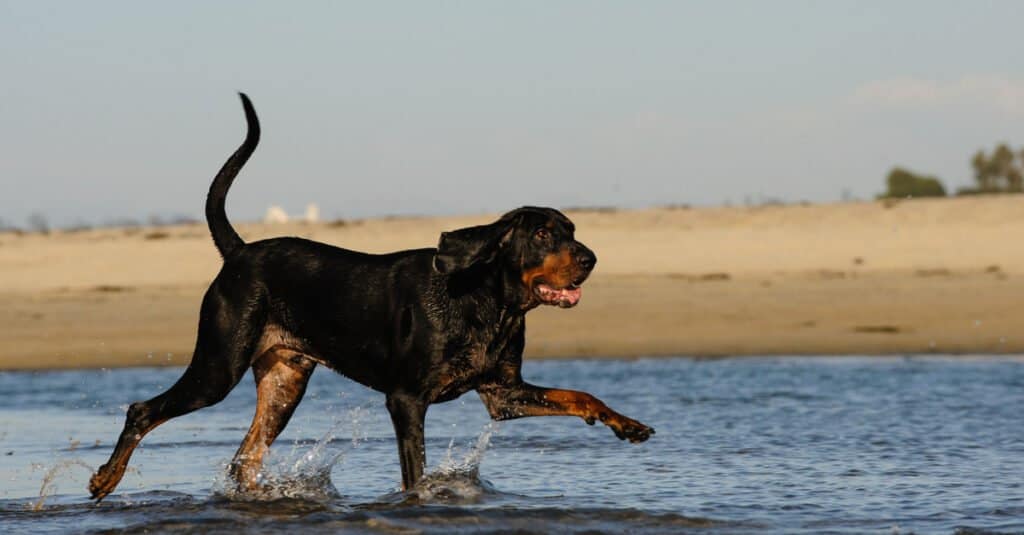
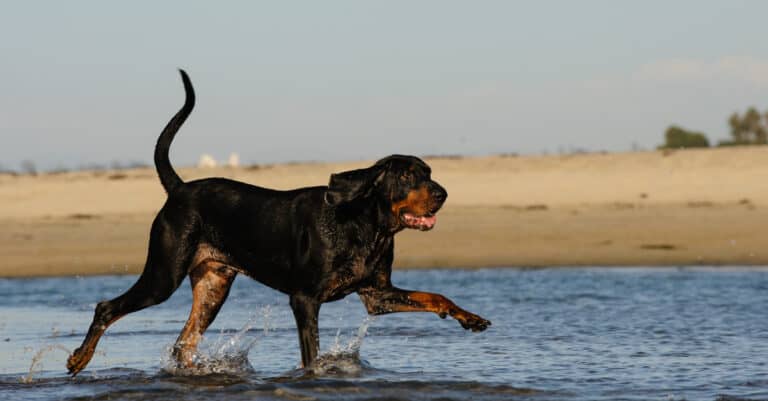
Black and Tan Coonhound - strolling on the beach

The Black and Tan Coonhound is a very loyal, yet independent, breed.

History Of The Breed

The black and tan coonhound originated in the United States and dates back to the late 18th century, when frontiersmen needed a breed of dog able to hunt raccoons. They crossed different breeds of European hounds, believed to be the foxhound and the bloodhound, to get the American breed of hound, the black and tan coonhound.

Size And Weight

This breed is a large-sized single-coat shorthair dog with a dense coat. Males are 23-27 inches in height and weigh 50-75 pounds, while females are slightly smaller at 21-26 inches in height and weigh 40-65 pounds. Black and Tan Coonhound puppies at 8 weeks of age weigh 10 pounds on average and are fully grown around 17-19 months.

Common Health Issues
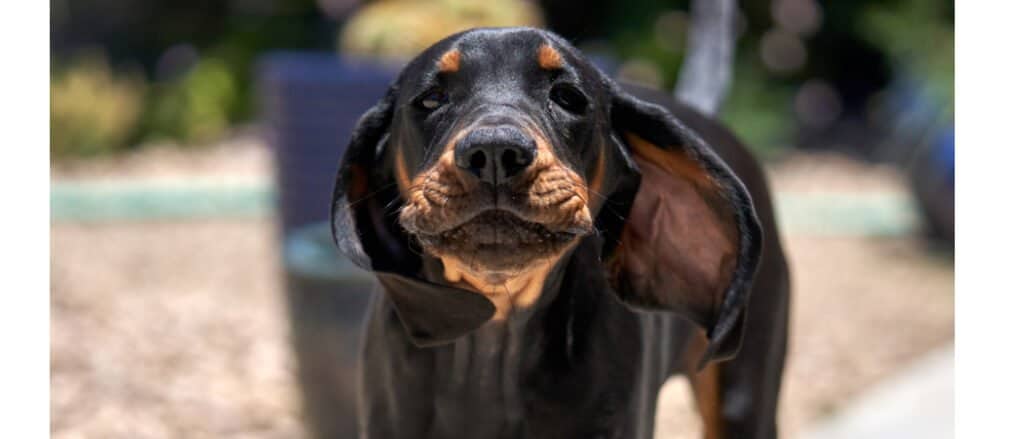
Black and Tan Coonhound - header

Black and Tan Coonhounds may face hip dysplasia.

As a crossbreed of the Bloodhound and Black and Tan Virginia Foxhound, the Black and Tan Coonhound is generally healthy and inherits the best from both parents. If you get your dog from a rescue, you can ask about a health screening. Hip dysplasia is a more common issue among dogs that are outdoors hunting, while ear infections are more common with long-eared dogs. In general, however, the health issues this breed might face are:

  • Hip dysplasia
  • Eye problems
  • Ear infections
  • Ear cancer

Temperament

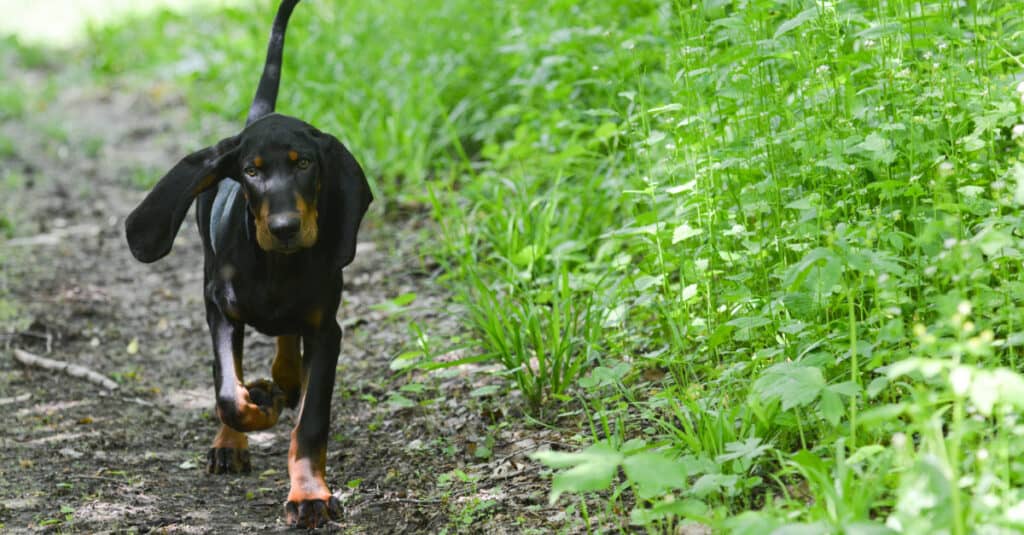
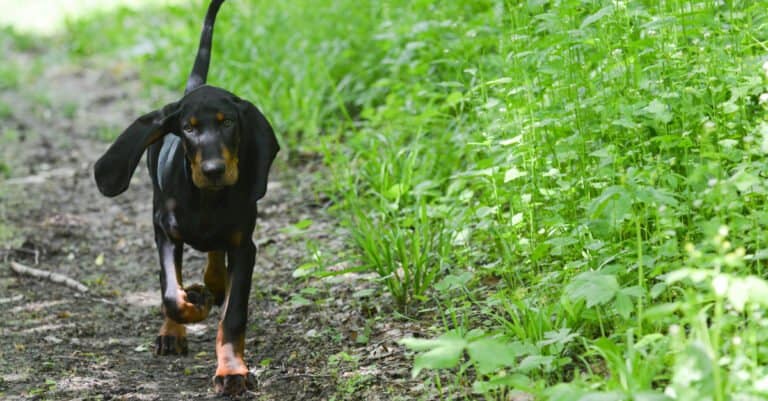
Black and Tan Coonhound - walking on the path

Black and Tan Coonhounds have a mellow temperament.

This old-fashioned mix of the Bloodhound and the Black and Tan Virginia Foxhound results in a crossbreed that has a friendly, stubborn, loyal, and independent personality. Its temperament is mellow and strong.

How To Take Care Of Black And Tan Coonhounds

Black and Tan Coonhounds have unique health needs. As a working breed and part of the hunting dog category, its health issues often result from outdoor exertion. Potential owners should therefore get certificates of health if purchasing from a breeder and medical records or health screenings if purchasing from a rescue.

The Best Dog Food For Black And Tan Coonhounds

The most important time for taking care of your pet is during puppyhood. During this time, your puppy will be doing most of its growing, and nutrients are necessary for its developing body and needs. As your puppy becomes a juvenile and eventually an adult, it will reach its full height and weight. Its dietary needs will change, but the breed has the specific nutrients it needs, no matter its age.

Puppy food: Puppy food must be high-quality and with meat as its main ingredient. It should also be AAFCO-compliant. Choose puppy food for large breeds or dog food for all life stages to support growth. Puppies between 8-12 weeks need 4 meals a day, while those 3-6 months old need 3 meals a day, and those 6 months to one year need 2 meals a day.

Adult dog food: Adult dog food, like puppy food, needs to be AAFCO-compliant and high-quality. Choose one that is for large adult breeds and has meat as its main ingredient. One meal a day is all a one-year-old adult needs.

Maintenance And Grooming

Your Black and Tan Coonhound, like other dog breeds, changes its coat once or twice a year during shedding season, when it changes coats for winter and spring. Its short, dense coat is low shedding and needs weekly brushing in addition to monthly bathing. Care must be taken to inspect eyes and ears for any dirt, infections, or other problems. Nails need trimming anywhere from every 2 weeks to once a month.

Training
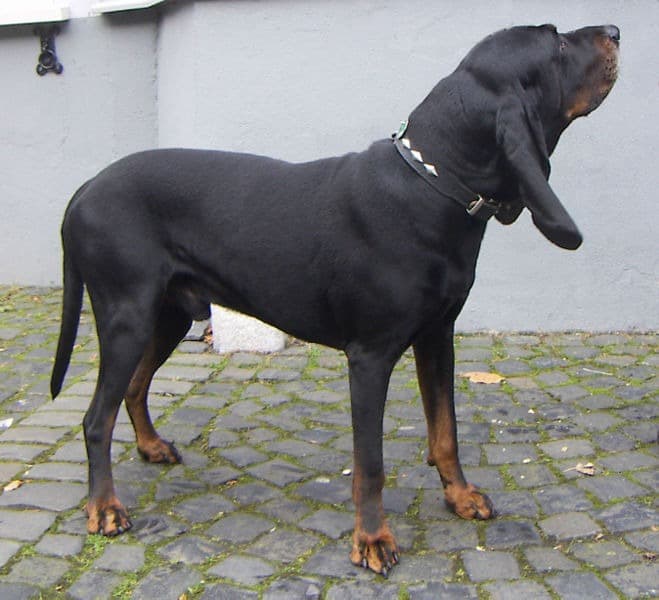
Black and Tan Coonhounds should have obedience training and socialization at an early age.

With the word “coonhound” in its name, it is most commonly used for hunting raccoons, but this old-fashioned mix can also be used to hunt large game such as deer, mountain lions, and bears. It’s also known as a “cold nose,” meaning it has the ability to detect an old, cold trail with its sense of smell. With that being said, it is one of the most difficult breeds to train due to its strong, stubborn, and independent nature. Obedience training and socialization should begin as early in puppyhood as possible after weaning, with a firm, consistent, and experienced dog trainer or leader. Although it is intelligent, it can be easily distracted by scents.

Exercise

As a working breed used for trailing and tracking raccoons and large game, the Black and Tan Coonhound can easily handle running for several miles and excels in obedience and agility sports. Its daily exercise needs are best met with 1–2 hours of activity, such as scent walks, hikes, or off-leash play in secure areas. It enjoys visiting new places to sniff, so it greatly enjoys an adventure in a park, the woods, or a hiking trail. It also enjoys chasing balls and children. It is important to keep a leash on it at all times to avoid its tendency to wander, run away, and chase animals.

Puppies
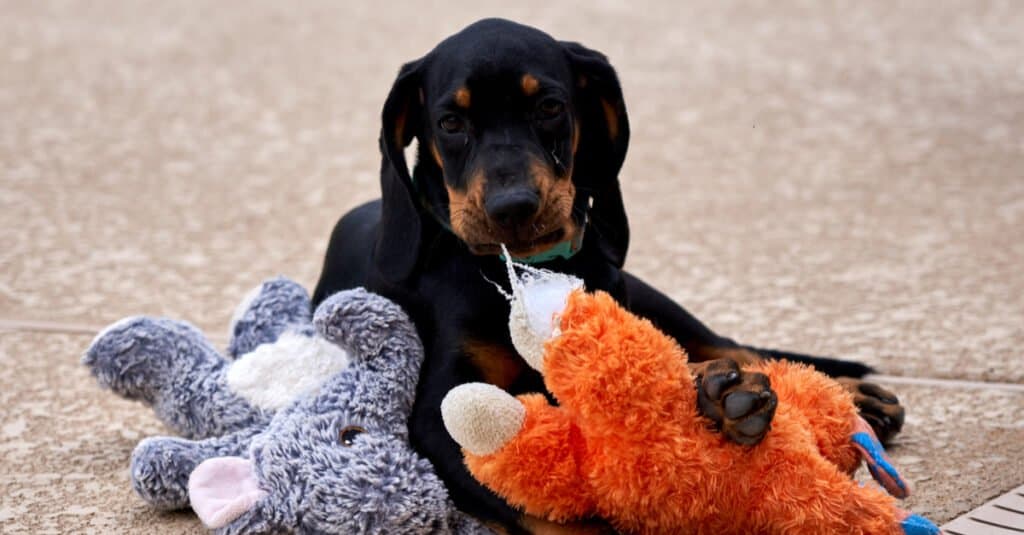
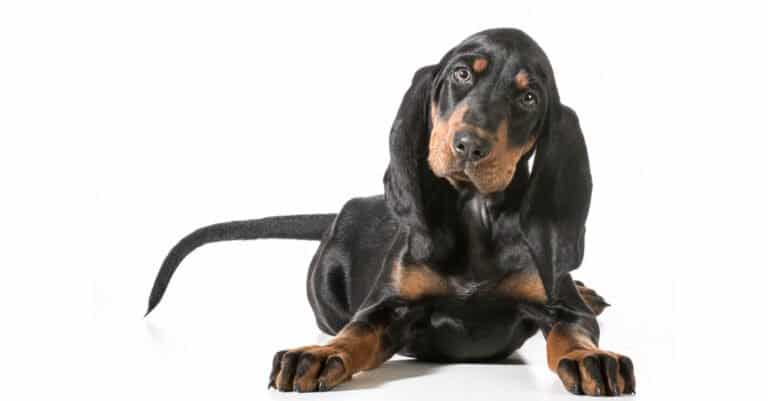
Black and Tan Coonhound - puppy

The Black and Tan Coonhound puppy makes an excellent family pet.

Black and Tan Coonhound puppies quickly start using their noses to become familiar with their surroundings. You’ll want to train and socialize them early on to new people, animals, and places, so keep a loose leash around their necks so it won’t feel constrictive.

Black And Tan Coonhound And Children

Black and Tan Coonhounds are boisterous playmates for children, and with their large size, they are better suited for older children. They are loyal, excellent family pets.

Dogs Similar To Black And Tan Coonhounds

Dogs that are similar to this breed are the Bluetick Coonhound, the Black and Tan Virginia Foxhound, and the Treeing Walker.

  • Bluetick Coonhound: Like the Black and Tan Coonhound, this breed is a leggy dog with black and tan coloring, with the addition of blue ticking on its coat.
  • Black and Tan Virginia Foxhound: This is another American hunting breed, and it gave the Black and Tan Coonhound its coloring. Like its descendant, it has a soft temperament.
  • Treeing Walker: Another type of coonhound, this dog is another American breed. It is sensible, brave, and smart, and has a coat with black and tan coloring over a white base.

Famous Black And Tan Coonhounds

  • Hubert: The movie The Duke had a Black and Tan Coonhound in the leading role as the character Hubert, who inherits a Scottish country mansion from the Duke of Manor.
  • Presidential pets: George Washington and Thomas Jefferson both had Black and Tan Coonhounds. Washington loved hunting large game with them, and Jefferson thought it was one of the best hunting and family dogs.
View all 453 animals that start with B

Sources

  1. Wikipedia / Accessed August 19, 2021
  2. Dog Care Knowledge / Accessed August 19, 2021
  3. The Pawsitive Co / Accessed August 19, 2021
  4. Wag! / Accessed August 19, 2021
  5. Terrific Pets / Accessed August 19, 2021
  6. Sooner Black and Tans / Accessed August 19, 2021
  7. Paw Diet / Accessed August 19, 2021
  8. Kylon Powell / Accessed August 19, 2021
  9. Dog Breeds List / Accessed August 19, 2021
  10. Next Day Pets / Accessed August 19, 2021
  11. Dog Breeds Central / Accessed August 19, 2021
  12. Pet Care Tips Animal Care Tips / Accessed August 19, 2021
  13. Orvis / Accessed August 19, 2021
Melissa Bauernfeind

About the Author

Melissa Bauernfeind

Melissa Bauernfeind was born in NYC and got her degree in Journalism from Boston University. She lived in San Diego for 10 years and is now back in NYC. She loves adventure and traveling the world with her husband but always misses her favorite little man, "P", half Chihuahua/half Jack Russell, all trouble. She got dive-certified so she could dive with the Great White Sharks someday and is hoping to swim with the Orcas as well.
Connect:

Thank you for reading! Have some feedback for us?


Black And Tan Coonhound FAQs (Frequently Asked Questions)

Yes, they are excellent family pets and companions.