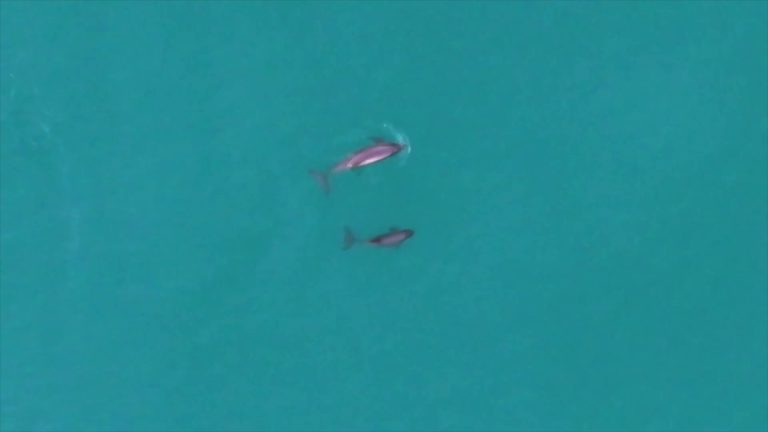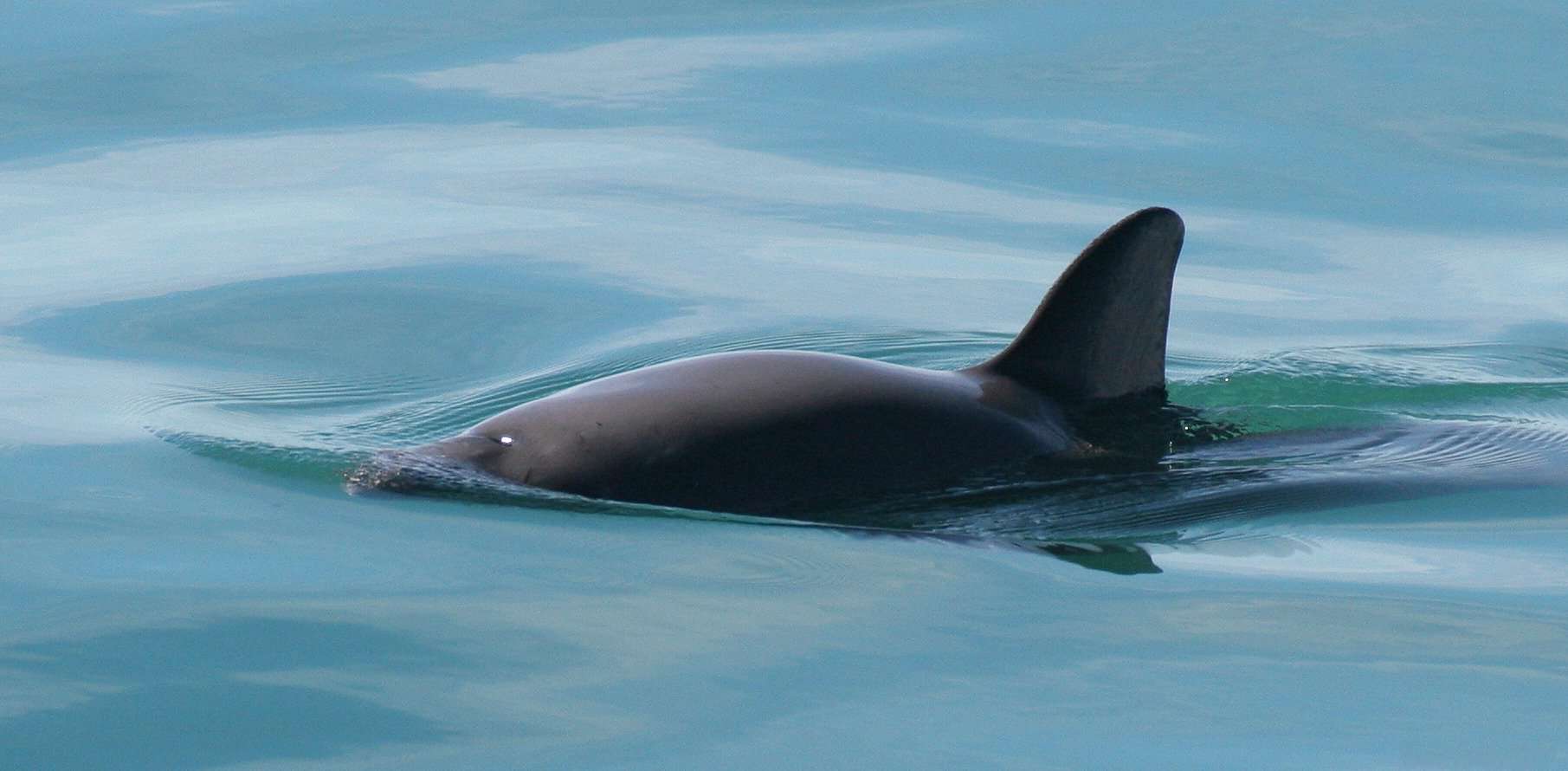

The vaquita may be the world’s rarest — and most endangered — animal. The vaquita is a small porpoise that mainly inhabits the northern region of the Gulf of California in Mexico. Researchers estimate that there are currently fewer than 10 vaquitas living in the wild. Although their numbers are still dwindling, other endangered species have been able to come back from similarly dire situations. However, time is running out.
What Is Happening to the Vaquitas?
Vaquitas are not disappearing due to natural causes. In 1997, their populations numbered 600, but due to illegal fishing in the northern Gulf of California, the species has all but gone extinct. Between 1997 and 2015, the vaquita population decreased by at least 90%.
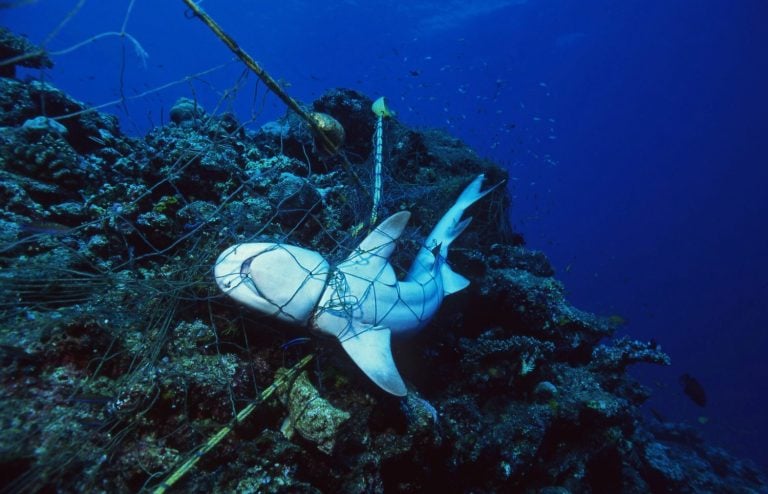
The primary obstacle facing the vaquitas’ survival is the use of gillnets in illegal fishing practices. The nets hang below the water’s surface. They drop twenty feet down, and some are as wide as a football field. To a vaquita, this wall of mesh is deadly. They become entangled in the nets and drown. These nets are also the only documented reason for the vaquita’s population decline.
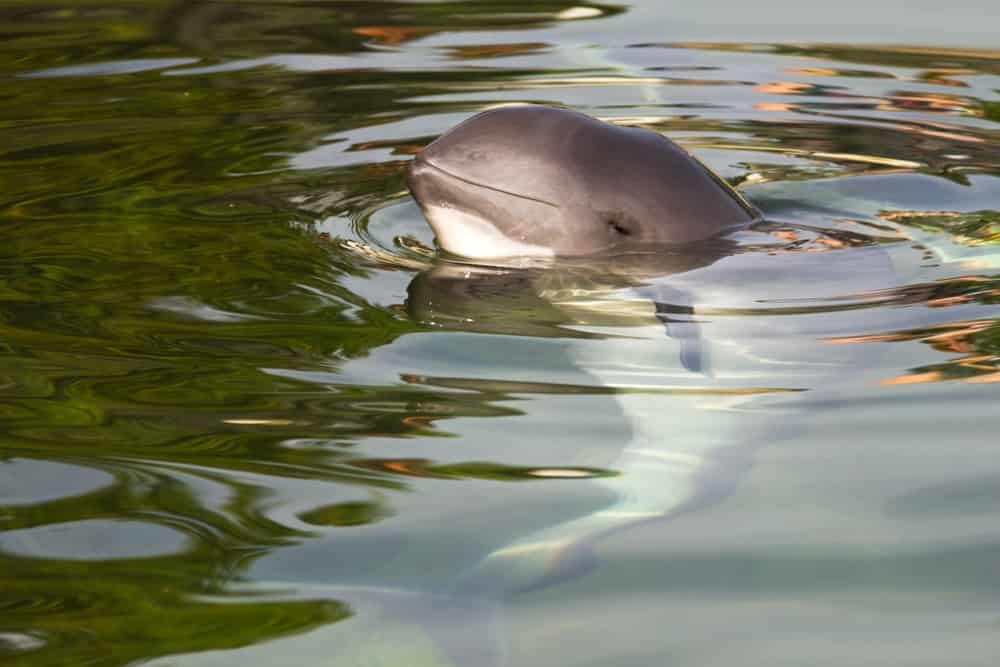
Vaquitas only live in the northern part of the Gulf of California.
©Tharuka Wanniarachchi/Shutterstock.com
The only way for the vaquita to survive is to ensure its habitat is free of gillnets. However, this isn’t as simple as just removing the nets from the ocean. Many families in Mexico survive solely on the income they get from fishing. Although the Mexican government permanently banned gillnets in 2017, except for those used to catch curvina and sierra, illegal use continues.
Despite the ban on gillnets in a seven-mile region of the northern Gulf of California, the rules are inconsistently enforced. During one survey, researchers observed upwards of 200 boats illegally fishing with gillnets in the prohibited region. Some advocacy groups have patrolled the area, removing any unattended nets. However, due to organized crime groups operating in these fishing communities, conflicts between the advocacy groups and fishermen have sometimes turned deadly.
The Role of the Totoaba
The secondary character in this conflict is the totoaba, which is also endangered and protected. This totoaba is a large, rare fish that lives only in the Gulf of California. However, the fish’s swim bladder is what fishermen are after. One kilogram of totoaba swim bladder can currently sell for between $60,000 and $80,000 on the black market.
Used in a Chinese soup called fish maw, the totoaba’s bladder is said to have medicinal properties, including the ability to boost fertility. In China, this soup, and in turn, the totoaba bladder, is incredibly valuable. Yet, how is the totoaba related to the vaquitas?
The illegal fishing occurring in the Gulf of California is actually poaching. Fishermen are searching for the rare totoaba in order to sell its bladder to Chinese traders. The gillnets that are so dangerous to the vaquita are the most effective for catching totoaba.
How to Protect the Vaquita
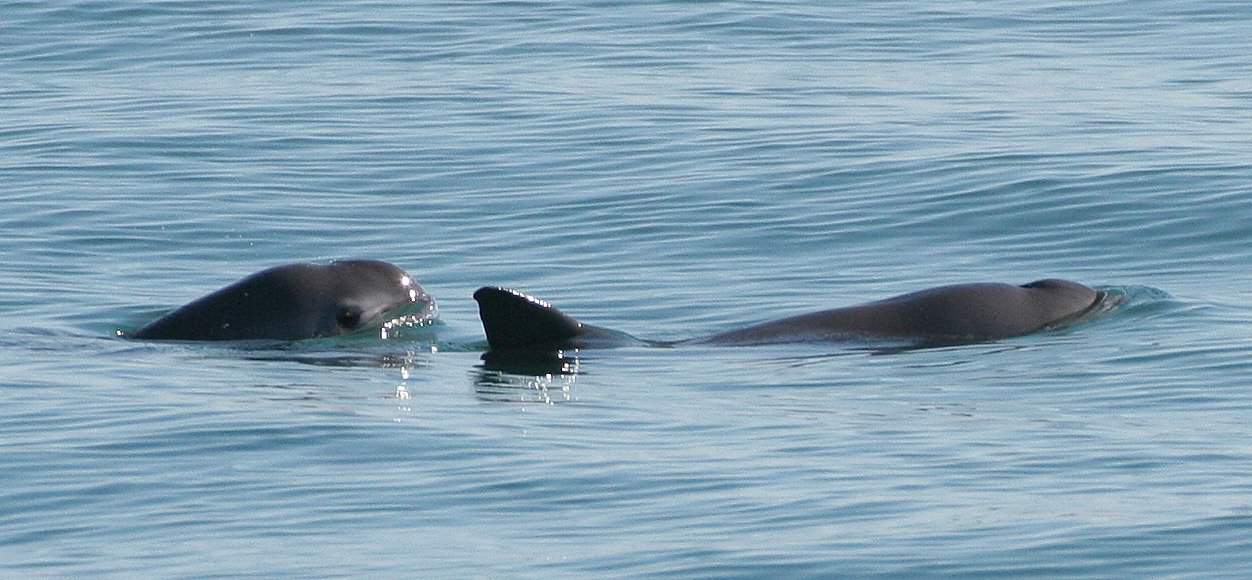
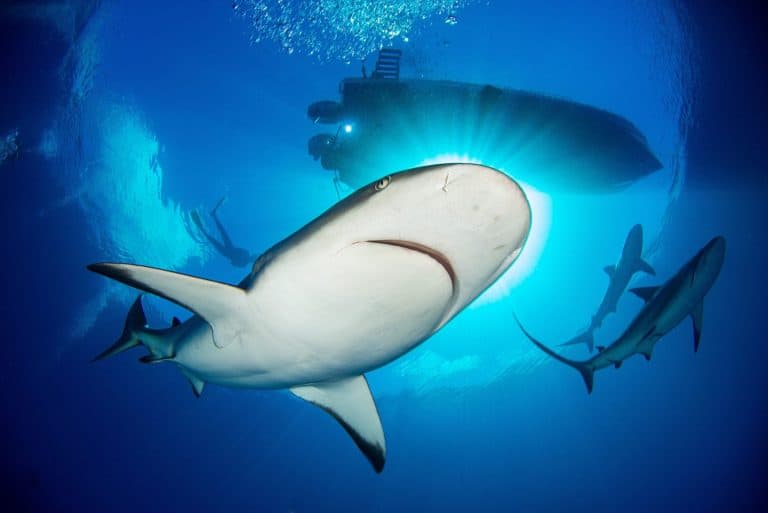
Vaquitas are caught as bycatch in gillnets used to fish for totoaba.
©Paula Olson, NOAA, Public domain, via Wikimedia Commons – Original / License
So, how do we protect the nearly extinct vaquita? This requires political action. Earlier this year, seven people were charged in relation to totoaba poaching. The United States has also banned seafood caught with gillnets from the northern Gulf of California. Hoping to curb the illegal trafficking of totoaba, the Mexican government has recently announced it will change import/export laws to allow a company that cultivates totoaba to sell their products as long as they meet the regulations for traceability.
Some shrimp fishermen are also stepping in, hoping to preserve a part of their heritage. These fishermen are using alternative fishing methods or different nets that are less likely to entangle vaquitas. However, due to the lower yield of fish, these fishermen are struggling to make a living from their catch. IUCN researchers also suggest, as they have before, that fishermen must be both incentivized and trained to use different gear.
By bringing further attention to this issue, urging the international community to curb the market for totoaba bladders, demanding political action, and considering your own choices when shopping for seafood, the vaquita could have a chance at survival.