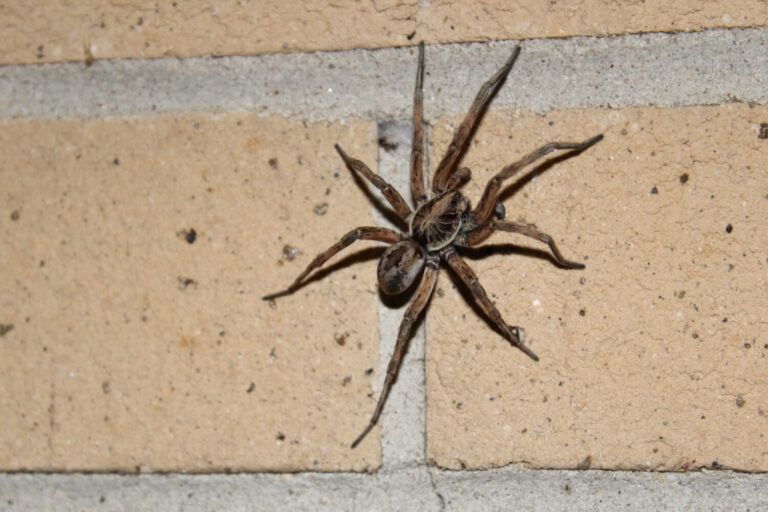

There are nearly 250 species of wolf spiders in the U.S. and Canada. These spiders don’t spin webs to catch their prey. Instead, they chase it down. However, these spider babies are harmless. The words “spider” and “cute” are not often used in the same sentence, but when it comes to baby wolf spiders, we think we can make an exception. These fantastic arachnids are seriously tiny and are born by the hundreds. Did you know that baby wolf spiders travel on their mothers’ backs? Or that they are called spiderlings? Keep reading to learn five awesome facts about baby wolf spiders and see some unbelievable pictures.
#1: Baby Wolf Spiders Are Born by the Hundreds
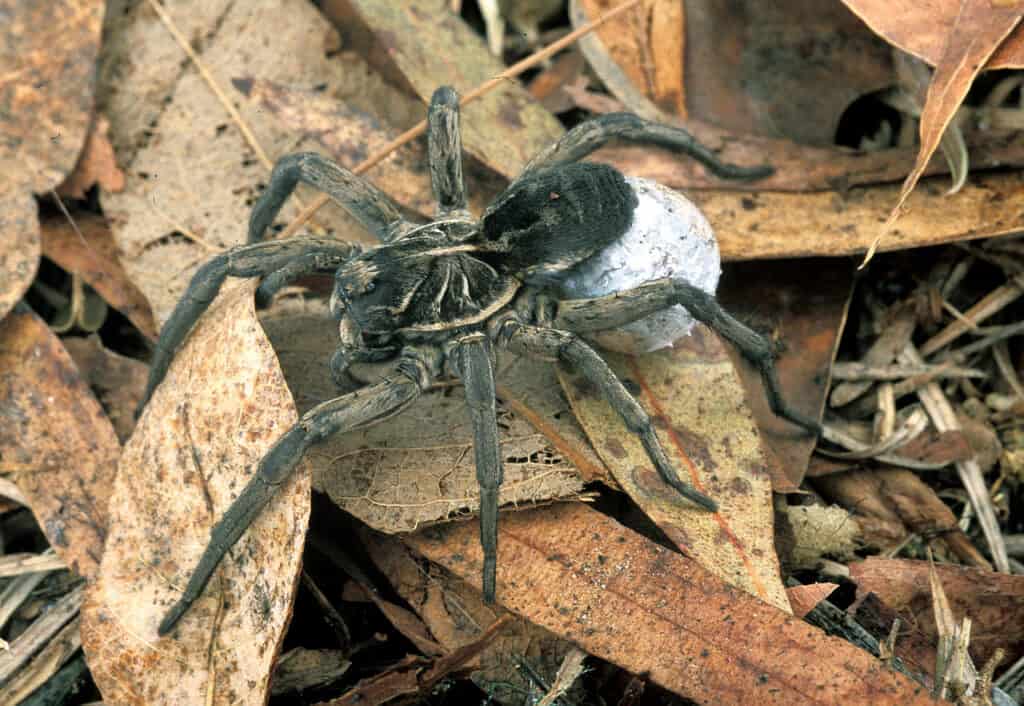
This garden wolf spider carries her egg sac attached to her spinnerets.
After mating, the mother wolf spider lays around 100 eggs, sometimes more. The mother collects the eggs and carries them with her in a round, silk egg sac until the babies are ready to hatch. This sac is attached to the mother spider’s spinnerets. The eggs generally hatch in around 2-3 weeks. However, only about half of these tiny arachnids will grow to adulthood.
#2: Wolf Spiders Are Teeny-Tiny Newborns
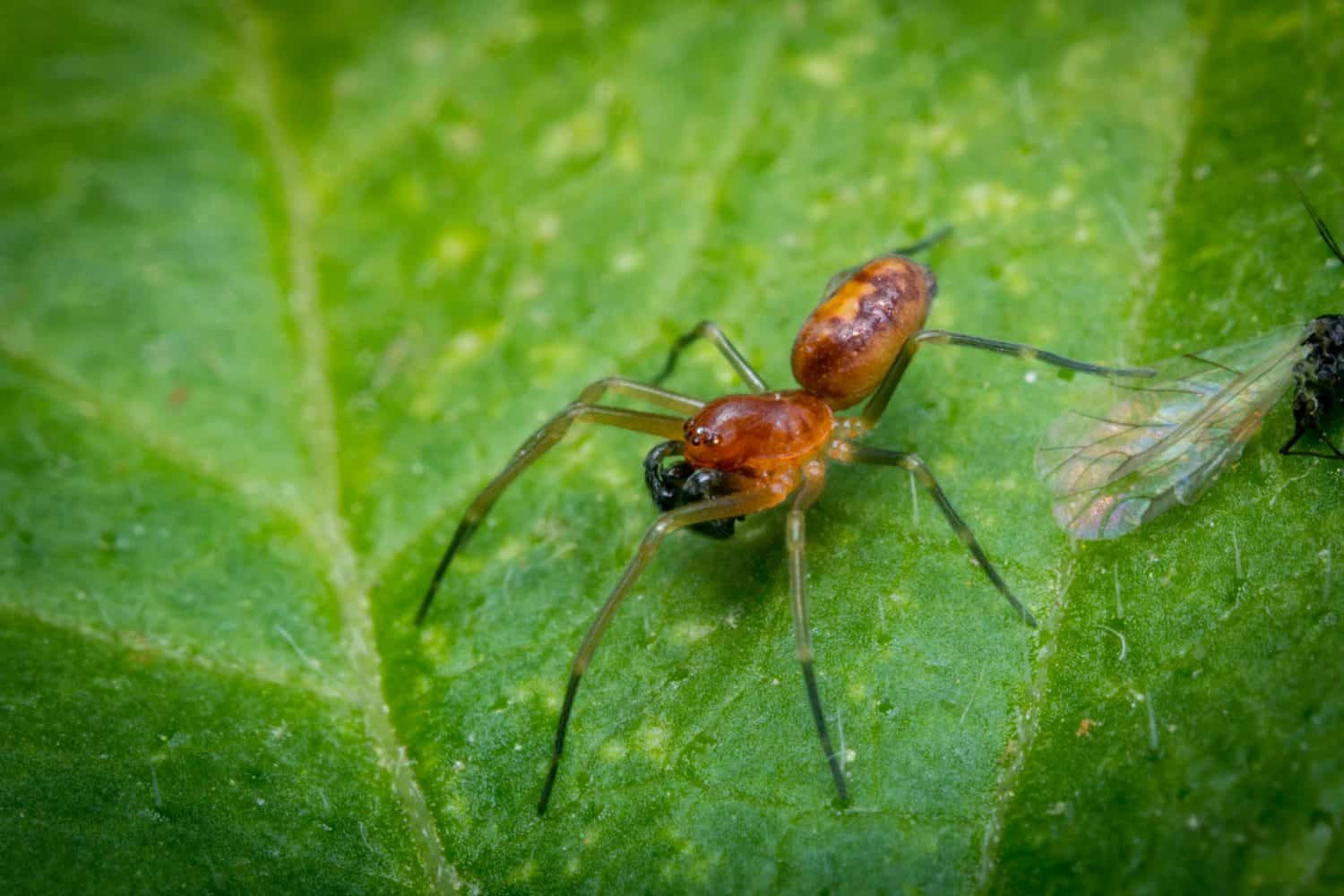
Baby wolf spiders are only 1-2mm long when they emerge from the egg sac.
©Ezume Images/Shutterstock.com
When baby wolf spiders are born, they are incredibly tiny. In fact, if you saw one, you might even mistake it for a tiny speck. Wolf spiders are only about 1-2mm long when they hatch. The spiderlings undergo several molts before reaching their adult size at around one year. This means they shed their old exoskeletons to accommodate their growing bodies.
#3: Wolf Spiders Travel on Their Mother’s Backs
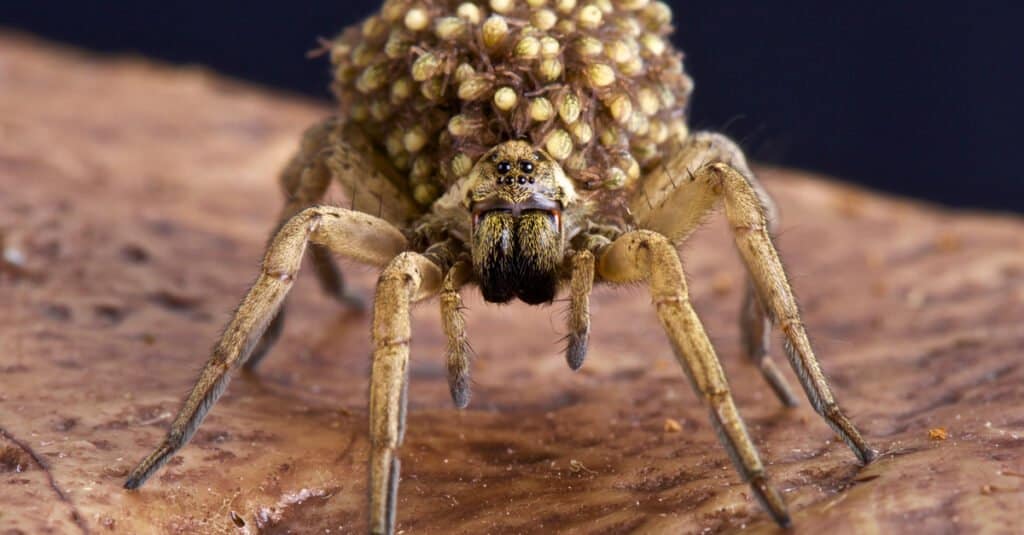
Baby wolf spiders ride on their mother’s back for protection.
©reptiles4all/Shutterstock.com
When the eggs are ready to hatch, the mother uses her fangs to make a hole in the egg sac so the spiderlings can emerge from the casing. The baby spiders then climb onto the mother’s abdomen, where they will remain for around two weeks. Carrying the babies on her back allows the mother to protect her offspring until they are strong enough to fend for themselves.
#4: Wolf Spiders Generally Hatch in the Spring
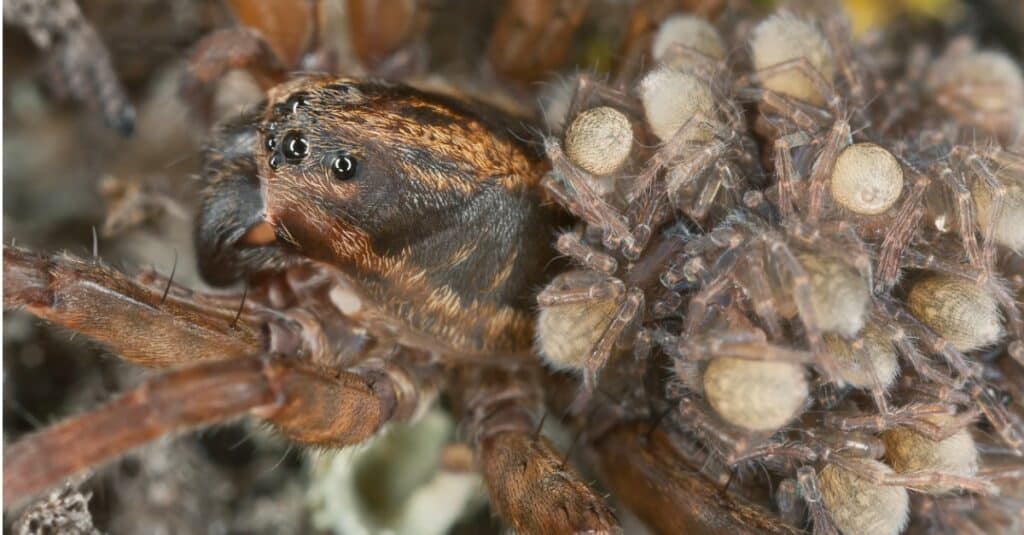
Most wolf spiders overwinter before laying their eggs in the spring.
©iStock.com/Henrik_L
In the U.S., baby wolf spiders are usually born in the spring or early summer. For most common species, mating generally takes place in the fall, and the males die shortly after. The fertilized females do not lay their eggs right away. Instead, they overwinter before laying their eggs the following spring.
#5: Baby Wolf Spiderlings Are Hairy
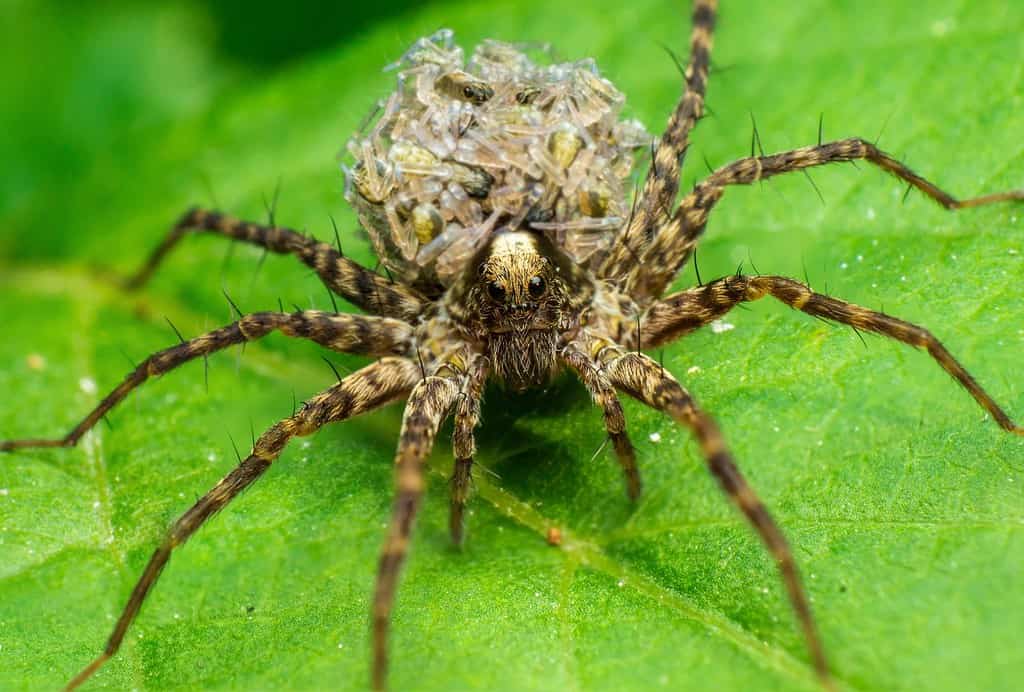
Baby wolf spiders are hairy like their adult counterparts.
©Alexey Wraith/Shutterstock.com
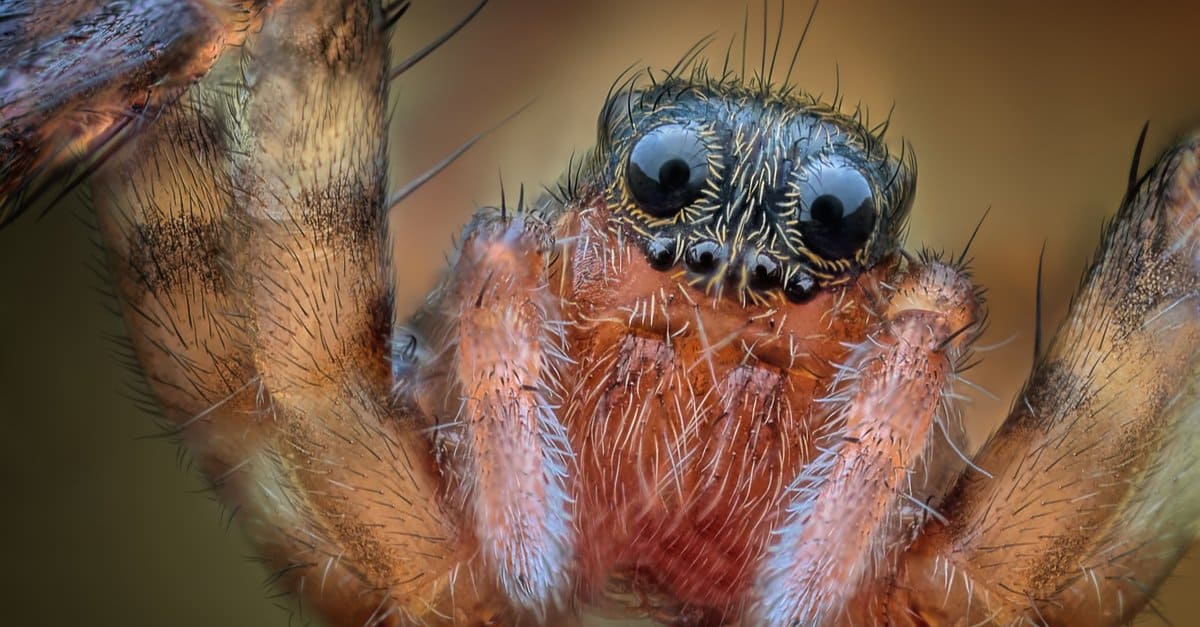
Baby wolf spiders are covered with fine hairs that are extremely sensitive. These hairs are connected to sensory nerves that give the little spiders feedback about their environment. The spiderlings can detect vibrations and air currents, which help them identify whether a predator or prey is approaching. They can even determine which direction the vibrations are coming from, which can make the difference between life and death.